Free Letter Tracing For Toddlers
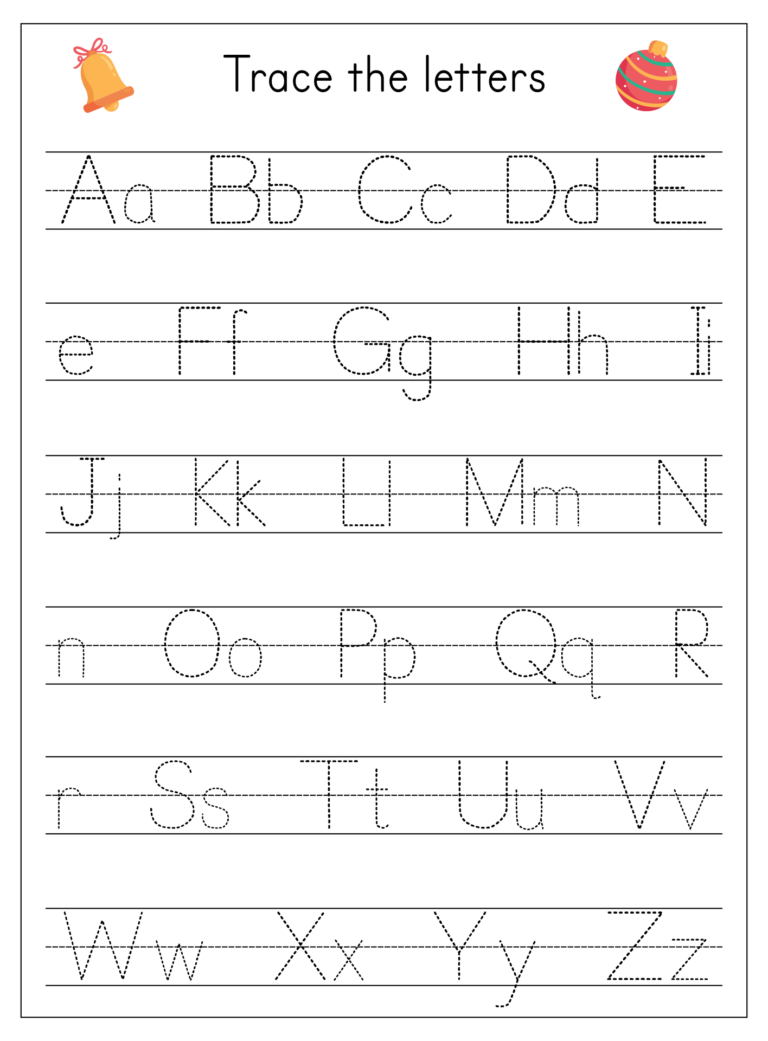
Learning to write is an essential skill for toddlers, and using resources like Free Letter Tracing For Toddlers can make the process both fun and educational. Tracing letters helps little ones develop fine motor skills, hand-eye coordination, and familiarity with the alphabet, all while engaging in a creative activity. In this guide, I’ll walk you through how to effectively use letter tracing worksheets at home or in the classroom, ensuring a smooth and effective learning experience.
Understanding the Importance of Letter Tracing
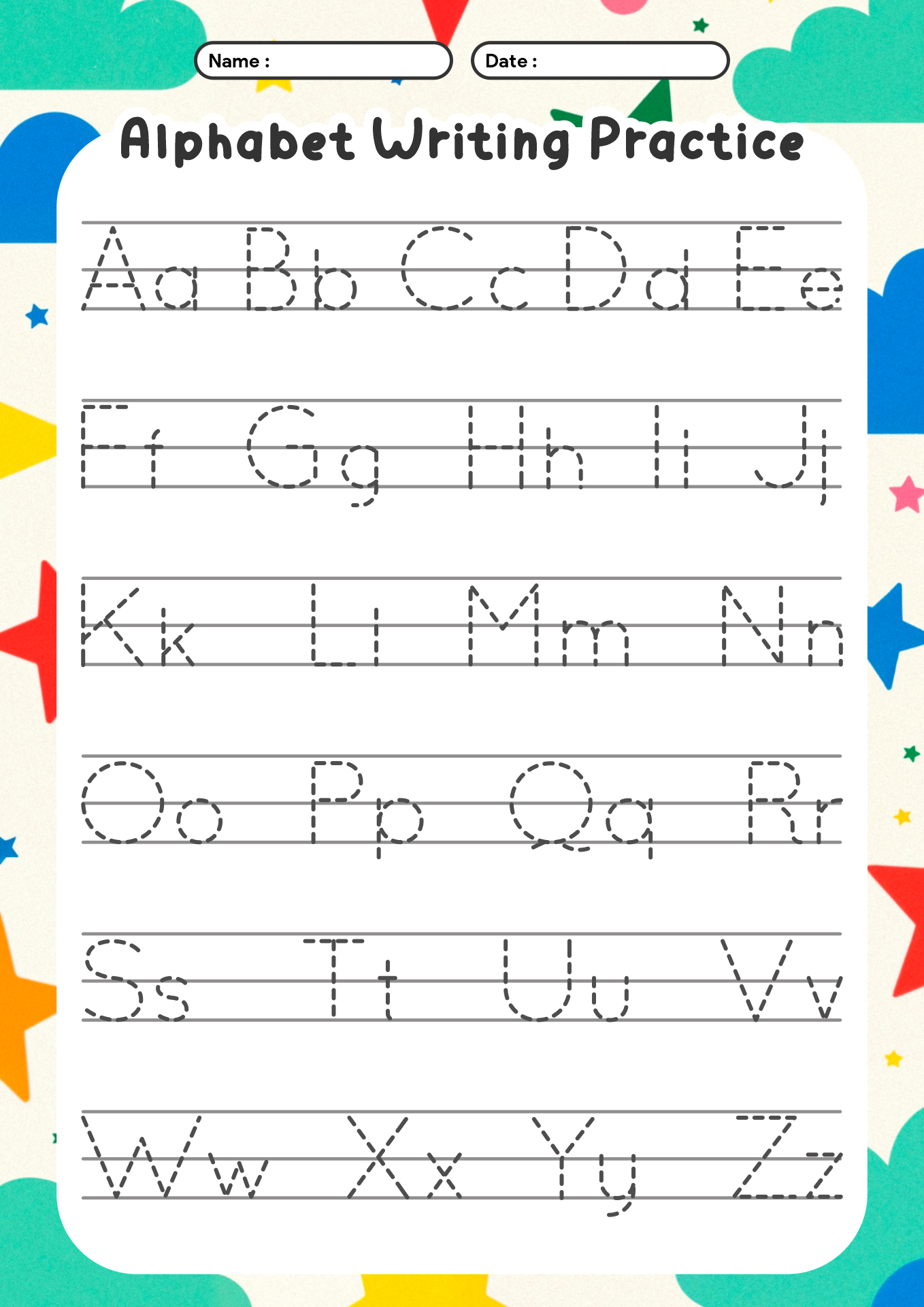
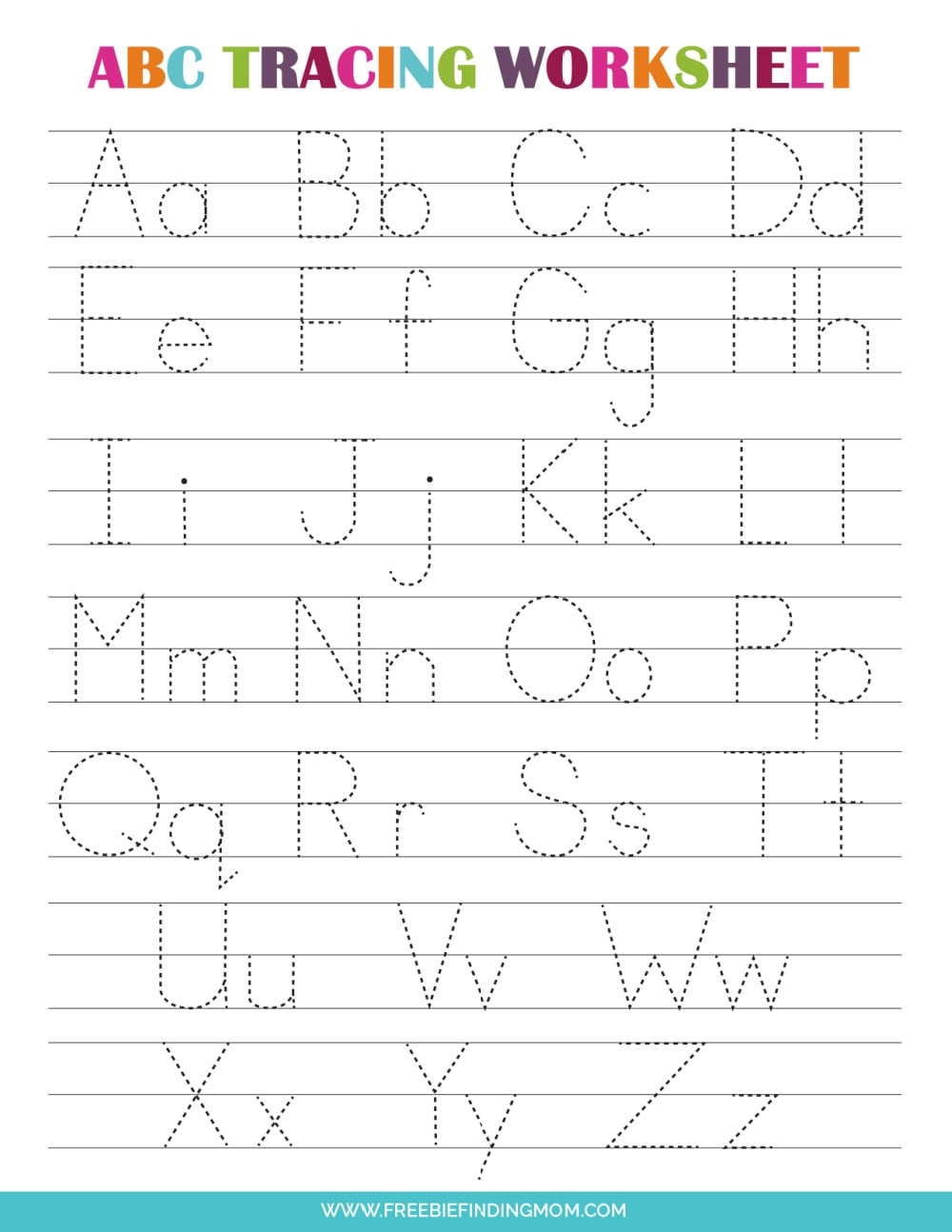
Letter tracing is more than just a fun activity; it’s a foundational skill that prepares children for writing. At the toddler level, typically ages 3 to 5, children are just beginning to explore letters and numbers. Tracing helps them understand the shapes of letters and the correct way to form them, which is crucial as they progress in their literacy journey.
By using free letter tracing resources, you can cater to different learning styles. Some toddlers may prefer visual aids, while others thrive in a more tactile environment. The act of tracing allows children to practice motor skills in a low-pressure setting, fostering confidence in their writing abilities.
How to Use Free Letter Tracing Worksheets
When it comes to utilizing Free Letter Tracing For Toddlers, consider the following practical tips to create an effective learning environment:
- Print and Prepare: Download the worksheets in a format that suits your printing capabilities. Using standard letter-sized paper (8.5 x 11 inches) is typically best for home printers. If you’re using a classroom printer, ensure you have enough ink and paper on hand.
- Set Up a Tracing Station: Designate a specific area for tracing activities. A clean, well-lit table with a comfortable chair allows toddlers to focus. Provide a variety of writing tools, such as crayons, colored pencils, or erasable markers, to keep the activity engaging.
- Introduce the Letters: Before starting, take a moment to introduce the letters. Use a fun and interactive approach, such as singing the alphabet song or showing objects that start with the letter they will trace. This helps build a connection between the letter and its sound.
- Demonstrate Tracing: Show toddlers how to trace the letters. Use your finger to guide them along the lines first, emphasizing the directionality of each stroke. Then, encourage them to use their writing tool to trace the letters themselves.
- Encourage Repetition: Repetition is key in learning. Allow children to trace each letter multiple times. You might set a goal for them, like tracing each letter at least three times before moving on. This reinforces muscle memory and helps solidify their understanding.
- Incorporate Fun Activities: After tracing, you can further reinforce learning by asking toddlers to identify the letter and find objects around the house or classroom that start with it. This not only makes the activity more dynamic but also reinforces their understanding of letter sounds.
Variations and Extensions
To keep the learning experience fresh and exciting, consider mixing up your approach. Here are some ideas for variations and extensions to letter tracing activities:
- Use Different Surfaces: Instead of just paper, let toddlers trace letters in sand, flour, or even on a chalkboard. This tactile experience can be very stimulating.
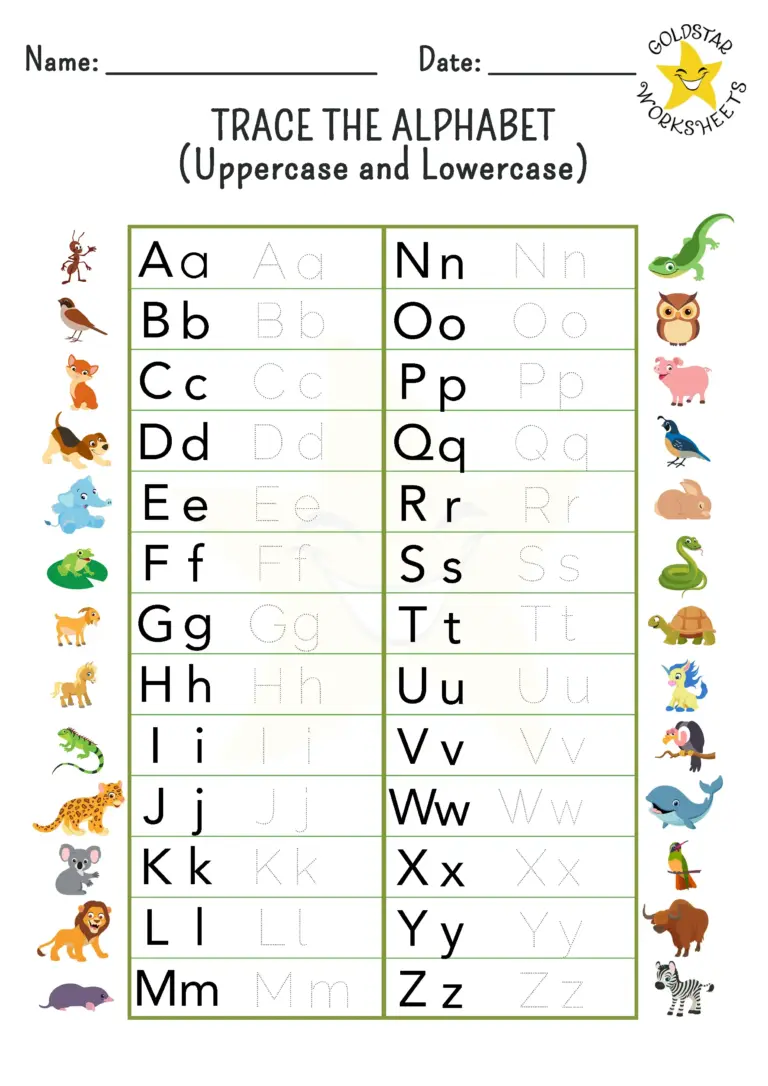
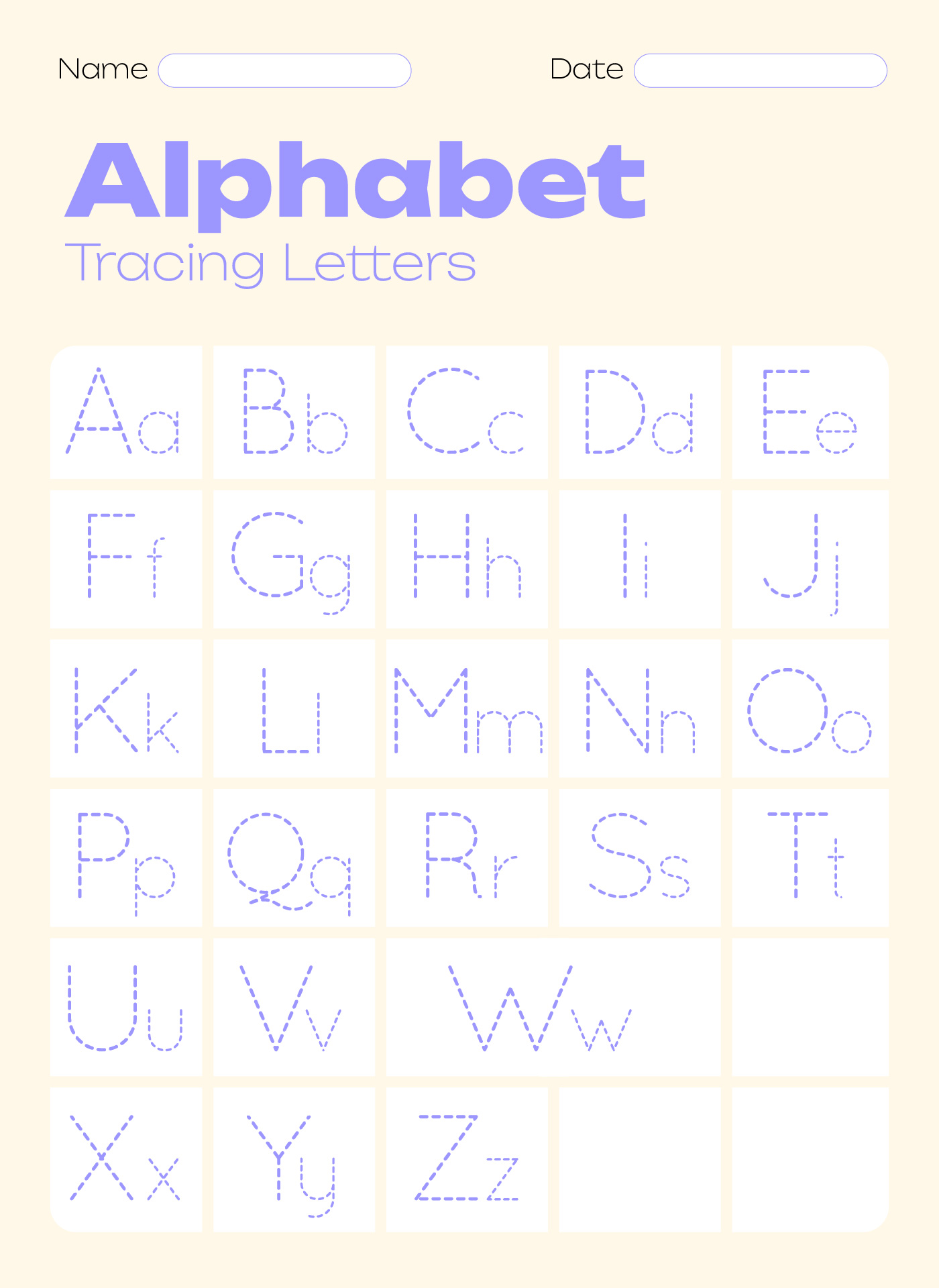
- Introduce Upper and Lowercase Letters: Once toddlers are comfortable with uppercase letters, you can introduce lowercase letters. This helps them understand the different forms letters can take.
- Create a Letter Book: Compile the traced letters into a booklet. Once they’ve traced a letter, they can color a picture that starts with that letter. This can be a fun keepsake and reinforces learning.
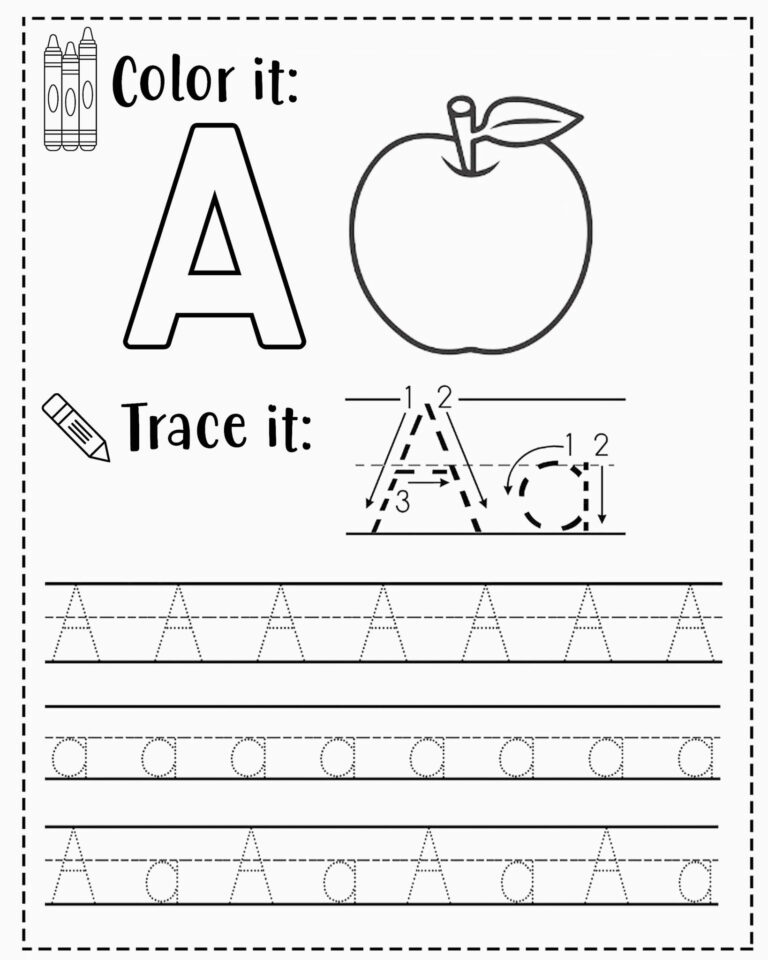
- Incorporate Themed Tracing Worksheets: If your classroom has a theme (like animals or seasons), use themed tracing worksheets that incorporate those elements. For example, a worksheet that features the letter “A” alongside an apple illustration can make learning more relevant and enjoyable.
Addressing Common Challenges
While using Free Letter Tracing For Toddlers, you may encounter some challenges. Here are a few common issues and how to address them:
- Frustration with Tracing: Some toddlers may find tracing difficult and may get frustrated. If this happens, encourage them to take a break, or try a different writing tool. Sometimes, switching from a pencil to a crayon can make a big difference.
- Loss of Interest: If a child seems disinterested, try to integrate the tracing into a game. For example, you can turn it into a race to see how many letters they can trace in a set time, or offer small rewards for completed worksheets.
- Difficulty with Letter Recognition: If toddlers struggle with recognizing letters, take time to work on letter identification separately. Use flashcards, alphabet songs, or letter-based games to reinforce letter recognition.
Tips for Teachers and Parents
Here are a few practical tips specifically for teachers and parents to enhance the effectiveness of letter tracing activities:
- Use High-Quality Resources: Make sure the tracing worksheets are high-quality and clear. Poorly printed resources can lead to frustration and confusion for toddlers.
- Be Patient and Encouraging: Celebrate small achievements. Acknowledge their efforts, even if their tracing isn’t perfect. Praise helps build confidence.
- Limit Distractions: During tracing activities, minimize distractions. Turn off the television and keep other toys out of reach to help toddlers focus on the task at hand.
- Track Progress: Keep a record of the letters that have been traced. This can help you identify which letters they’ve mastered and which may need more practice.
By integrating Free Letter Tracing For Toddlers into your teaching or parenting routine, you’re setting the stage for a successful writing journey. Remember that the goal is not just to get them to trace letters but to build a love for learning and writing.
So, gather your resources, set up a fun tracing station, and watch as your little ones develop their skills with joy and confidence!