Letter Practice Sheets For Toddlers
Using letter practice sheets for toddlers can significantly enhance their early writing skills. These sheets provide a structured way for young learners to trace and write letters, helping them build confidence in their writing abilities. Let’s explore how to effectively use these resources in a classroom or home setting, track progress, and make the most out of these engaging worksheets.
Understanding the Importance of Letter Practice
Before diving into using letter practice sheets, it’s essential to understand why they are crucial for toddlers. At this developmental stage, children are beginning to recognize letters and sounds, which are foundational skills for reading and writing. By using letter practice sheets, you give toddlers the opportunity to practice letter formation repeatedly, helping to reinforce their learning.
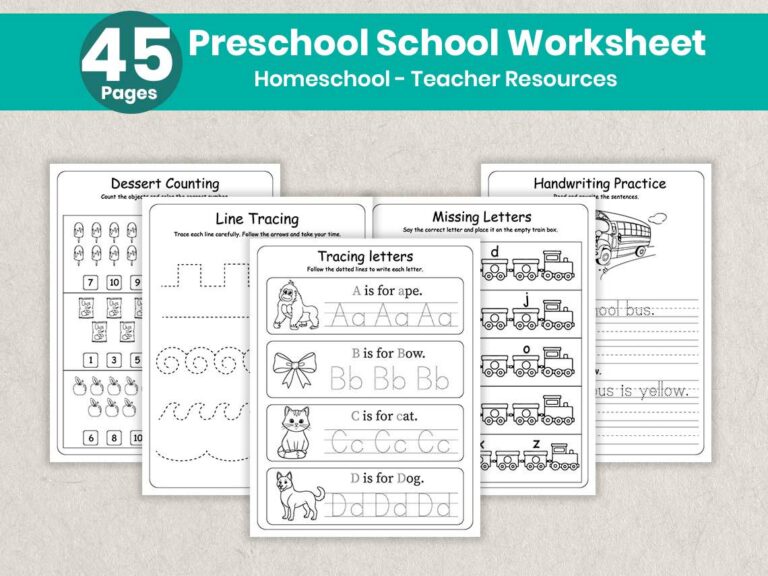
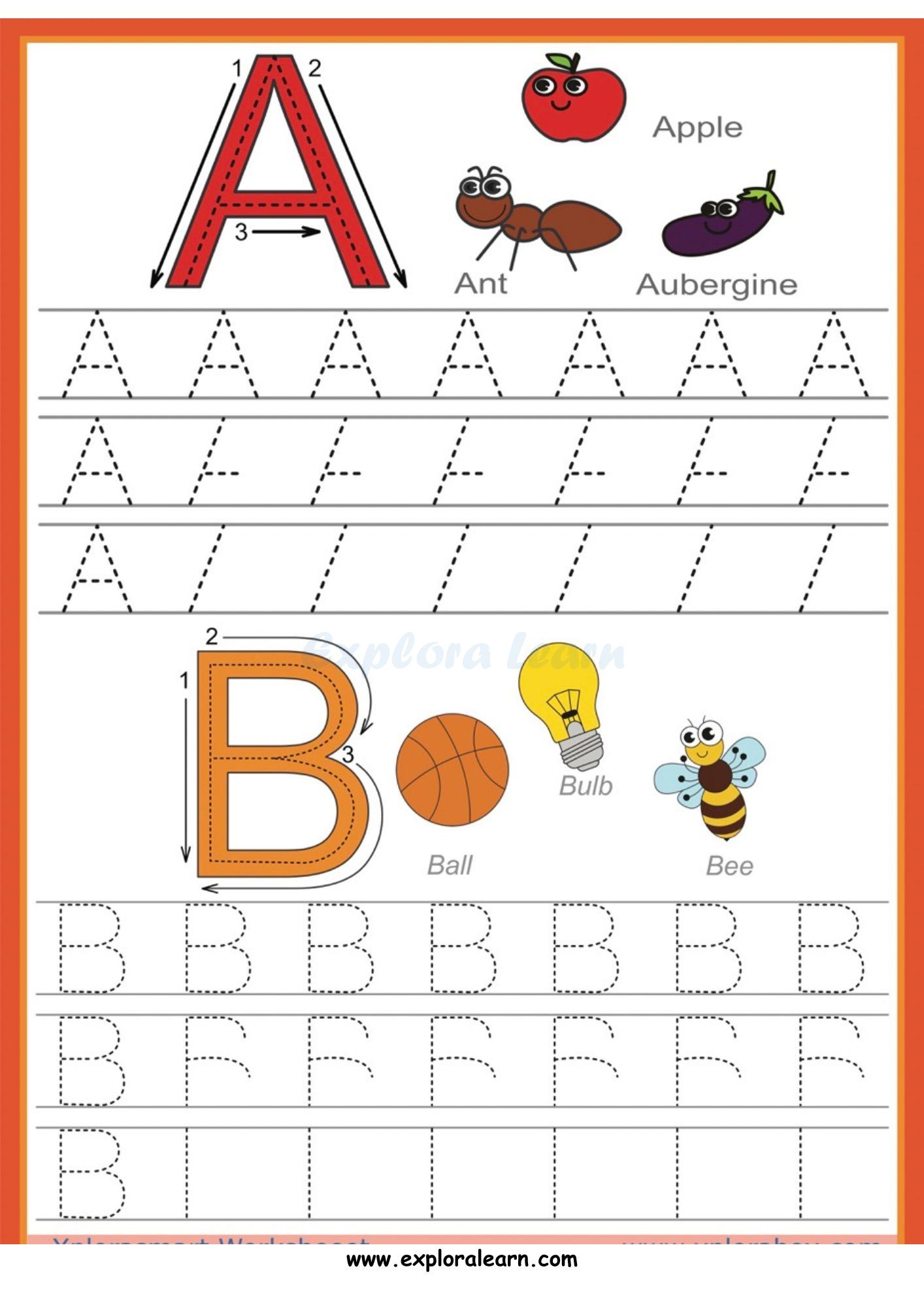
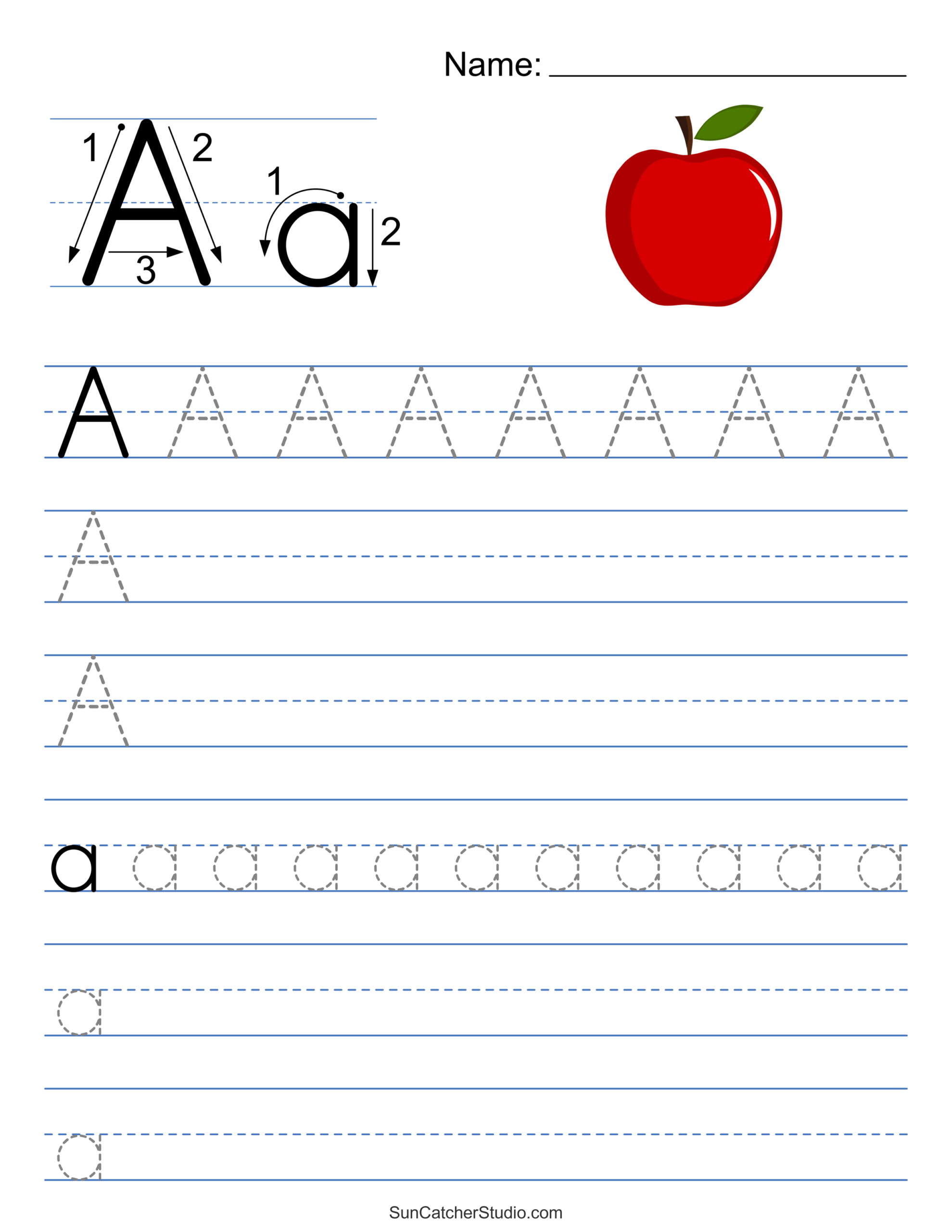
These sheets typically feature letters in both uppercase and lowercase formats, allowing children to familiarize themselves with different styles. Additionally, they often include images that correspond with the letter sounds, further reinforcing the connection between letters and words.
Setting Up for Success
Creating a conducive environment for letter practice is vital. Here are some practical tips to set up your workspace:
- Choose the Right Materials: Use high-quality paper or cardstock for printing the sheets. Cardstock holds up better if you plan to laminate the sheets for repeated use.
- Select Appropriate Tools: Crayons, markers, or colored pencils work well for toddlers. Ensure they are easy to grip, as toddlers are still developing fine motor skills.
- Organize the Space: Set up a designated area where materials are easily accessible. This can be a small table at home or a specific corner in the classroom.
By creating an inviting and organized space, children will feel more excited to engage in letter practice.
Tracking Progress With Letter Practice Sheets
Monitoring progress is essential to ensure that toddlers are mastering their letter writing skills. Here’s how you can effectively track their development:
Observation and Feedback
As toddlers work on their letter practice sheets, take the time to observe their writing techniques. Are they holding the pencil correctly? Do they struggle with certain letters? Providing immediate feedback can help correct any improper techniques before they become habits.
Create a Progress Chart
Consider using a simple chart to track which letters each child has mastered. You can create columns for each letter of the alphabet and mark off when they can write it correctly. This visual representation will help both you and the child see their progress over time.
Regular Review Sessions
Set aside time each week to review the completed practice sheets together. Discuss what letters they found easy or challenging, and adjust your practice sessions accordingly. This can help reinforce their learning and motivate them to keep trying.
Engaging Activities With Letter Practice Sheets
To keep the learning process fun, incorporate various activities using the letter practice sheets. Here are some engaging ideas:
Letter Scavenger Hunt
After completing a sheet, turn it into a scavenger hunt. Ask the toddlers to find objects around the room or house that start with the letters they practiced. This activity helps reinforce letter sounds in a dynamic way.
Art Integration
Combine art with letter practice by encouraging toddlers to color or decorate their letters after writing them. This not only makes the practice more enjoyable but also helps with motor skills as they manipulate various art supplies.
Group Activities
In a classroom setting, group activities can enhance social skills. Have children work in pairs to help each other with their practice sheets. They can take turns tracing letters and providing encouragement, fostering a supportive learning environment.
Adapting Letter Practice for Different Learning Styles
Every child learns differently, so it’s important to adapt letter practice sheets to meet various learning needs. Here are a few strategies:
Visual Learners
For visual learners, consider using colorful and illustrated practice sheets. The addition of fun images can help them associate letters with words, making learning more engaging.
Kinesthetic Learners
Incorporate movement for kinesthetic learners. You might have them form letters with playdough or use sand trays to practice writing letters. This hands-on approach can make letter formation more memorable.
Auditory Learners
Incorporate songs or chants that emphasize letter sounds and names. While working on their practice sheets, play simple songs that reinforce what they’re learning, creating a multi-sensory experience.
Making the Most of Printable Resources
When using letter practice sheets for toddlers, take advantage of the variety available online. Many printable resources offer different themes, styles, and difficulty levels. Here are a few tips for finding and utilizing these resources:
- Check for Quality: Ensure the sheets are clear and well-designed. Avoid cluttered designs as they can be distracting for toddlers.
- Customization: If possible, customize the sheets to include the child’s name or objects they are familiar with. This personal touch can enhance engagement.
- Printable Variety: Look for resources that offer a range of activities, such as tracing, coloring, and writing. This variety can cater to different interests and keep practice sessions fresh.
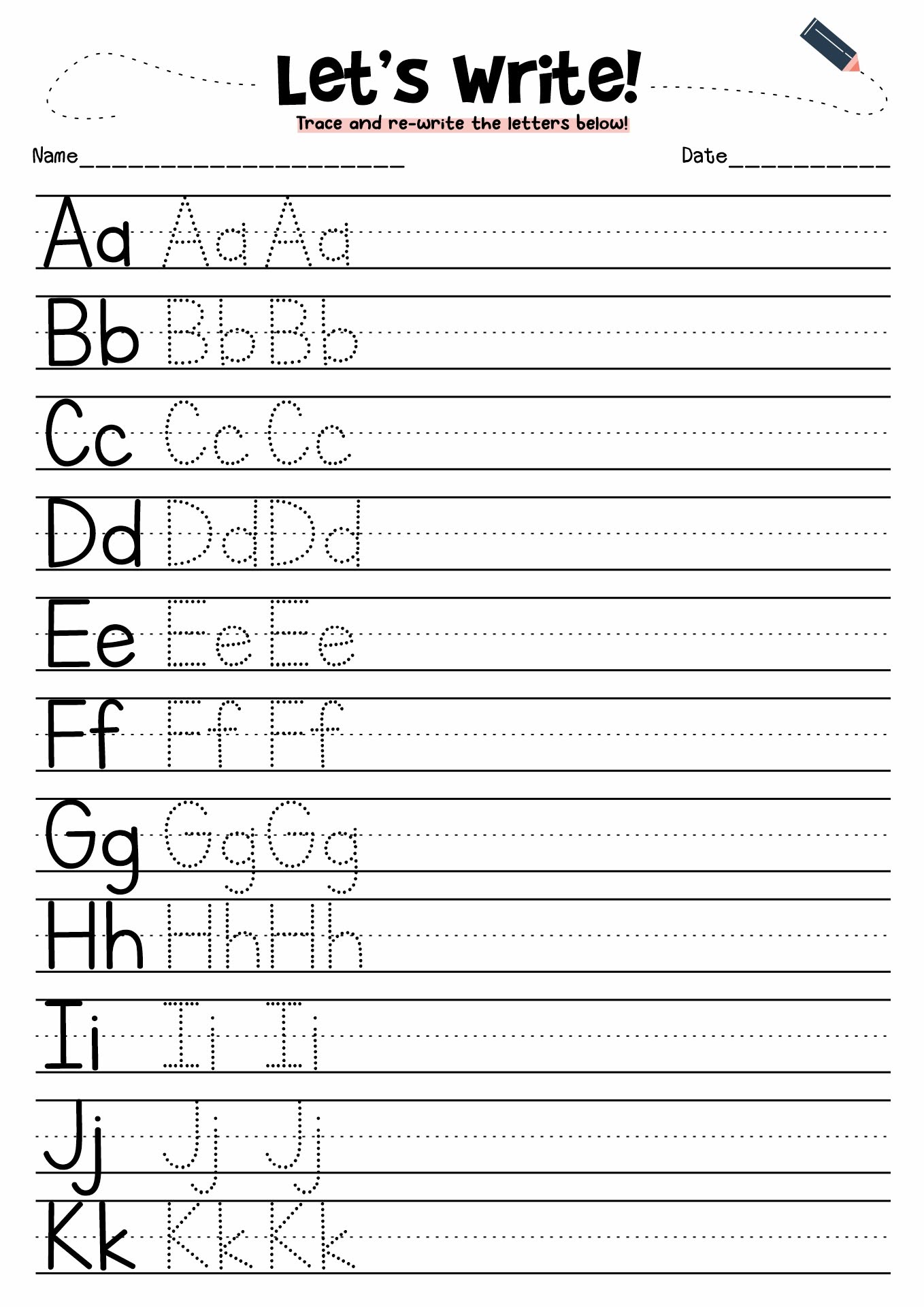
Final Tips for Effective Letter Practice
As you embark on using letter practice sheets for toddlers, keep these final tips in mind:
- Be Patient: Mastery takes time, and every child progresses at their own pace. Celebrate small victories to keep them motivated.
- Encourage Consistency: Regular practice is key to developing writing skills. Aim for short daily sessions instead of long, infrequent ones.
- Make it Fun: Always incorporate playfulness into learning. Use games, songs, and creative activities to maintain interest.
By implementing these strategies and utilizing letter practice sheets effectively, you can help toddlers build a strong foundation in their writing skills, setting them up for success as they continue their educational journey.