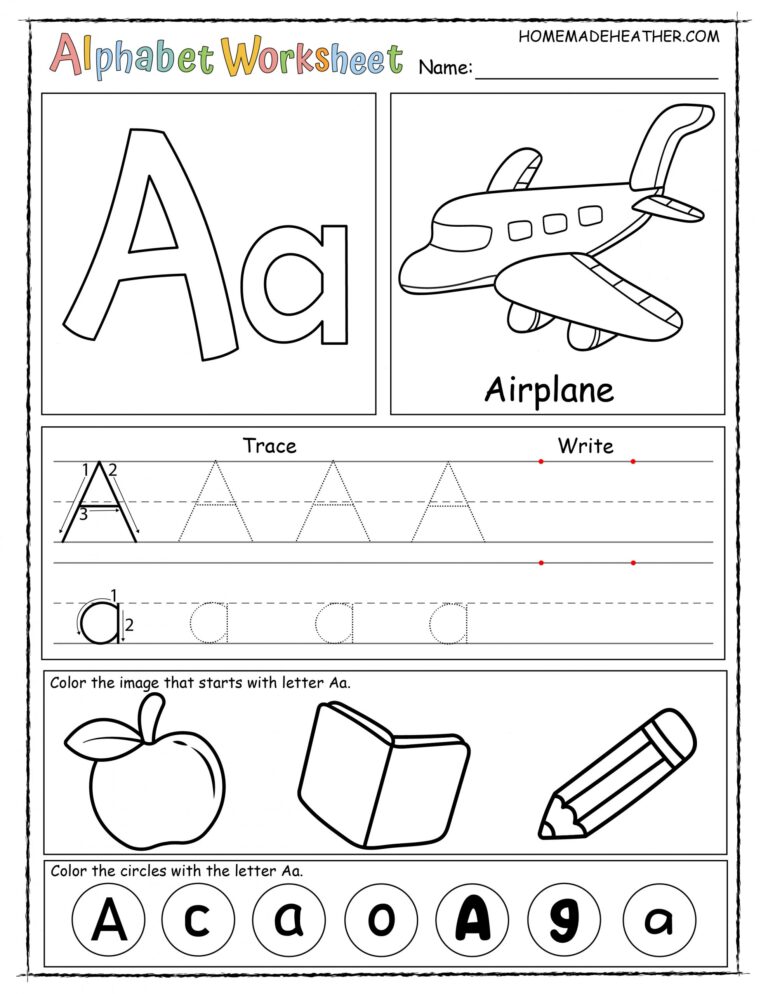
Lines Tracing Worksheets For Kindergarten
Lines tracing worksheets for kindergarten serve as an essential resource for developing fine motor skills and preparing young learners for handwriting. These worksheets are not just about tracing lines; they play a crucial role in helping children understand the basics of writing, enhancing their hand-eye coordination, and boosting their confidence. Let’s delve deeper into how these worksheets can be effectively utilized in both classroom and homeschool settings.
What Are Lines Tracing Worksheets?
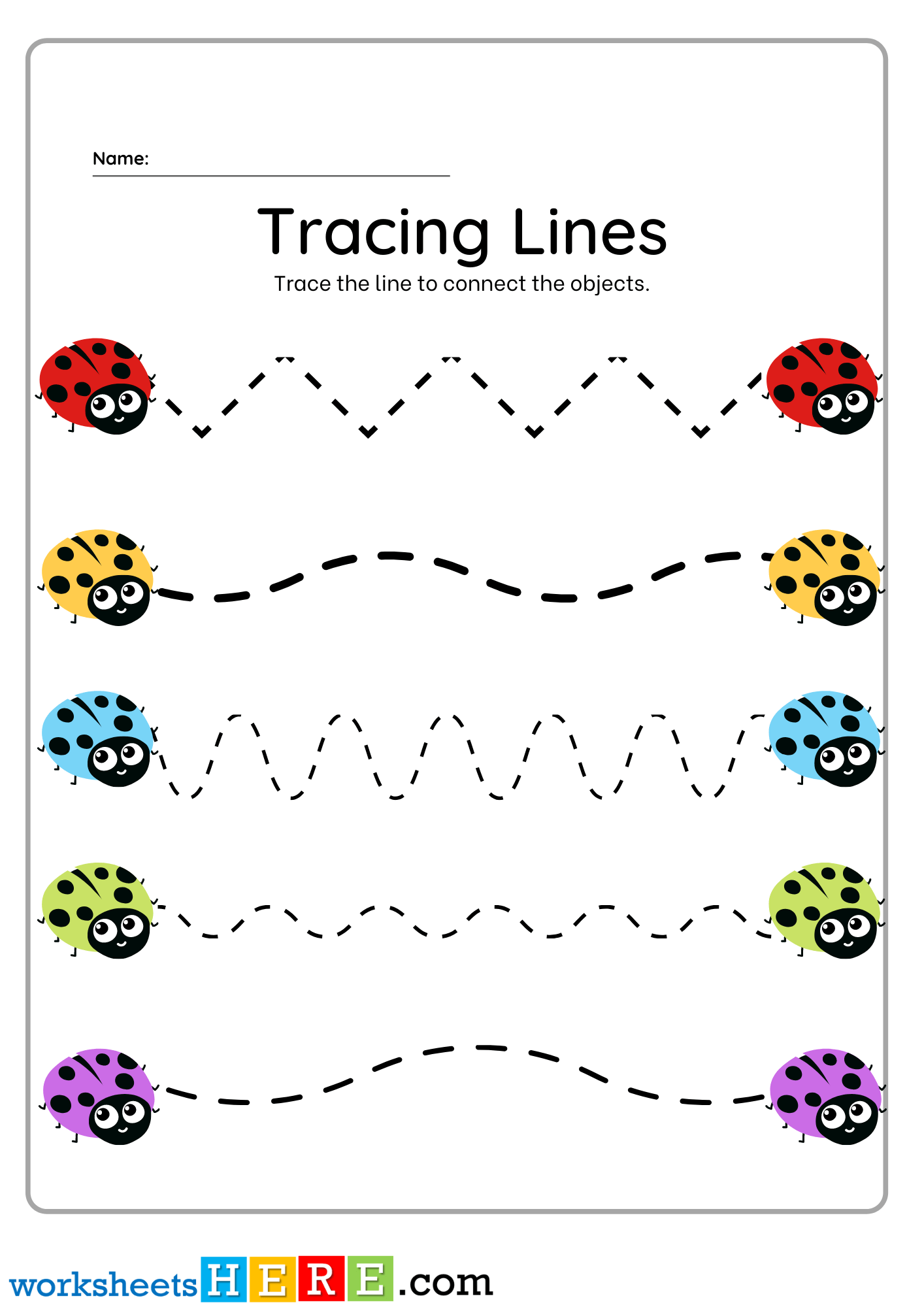
Lines tracing worksheets are specially designed printables that feature various types of lines—straight, curved, zig-zag, and more. The primary goal is to guide young learners in practicing their pencil control as they trace over the lines. This activity not only enhances their fine motor skills but also prepares them for more complex writing tasks.
These worksheets generally come in a few different formats, including:
- Single-line tracing: Focuses on one type of line at a time.
- Mixed-line tracing: Combines different line types to provide variety.
- Pattern tracing: Incorporates shapes and patterns that children can trace, further engaging their interest.
Importance of Lines Tracing Worksheets for Kindergarten
In kindergarten, children are often introduced to foundational skills that will set the stage for their future academic success. Using lines tracing worksheets helps to build essential skills:
- Fine Motor Skills: As children trace lines, they develop the dexterity needed for holding a pencil and controlling its movement.
- Handwriting Readiness: Tracing prepares kids for letter formation, helping them learn how to write letters and numbers correctly.
- Focus and Concentration: Completing tracing exercises requires attention, helping children to practice focusing on a task.
By incorporating these worksheets into daily learning, you can create a structured approach to mastering these skills.
Effective Use of Lines Tracing Worksheets in the Classroom
Using lines tracing worksheets effectively in a classroom setting involves more than just handing them out. Here are some practical strategies:
1. Incorporate Into Daily Routines
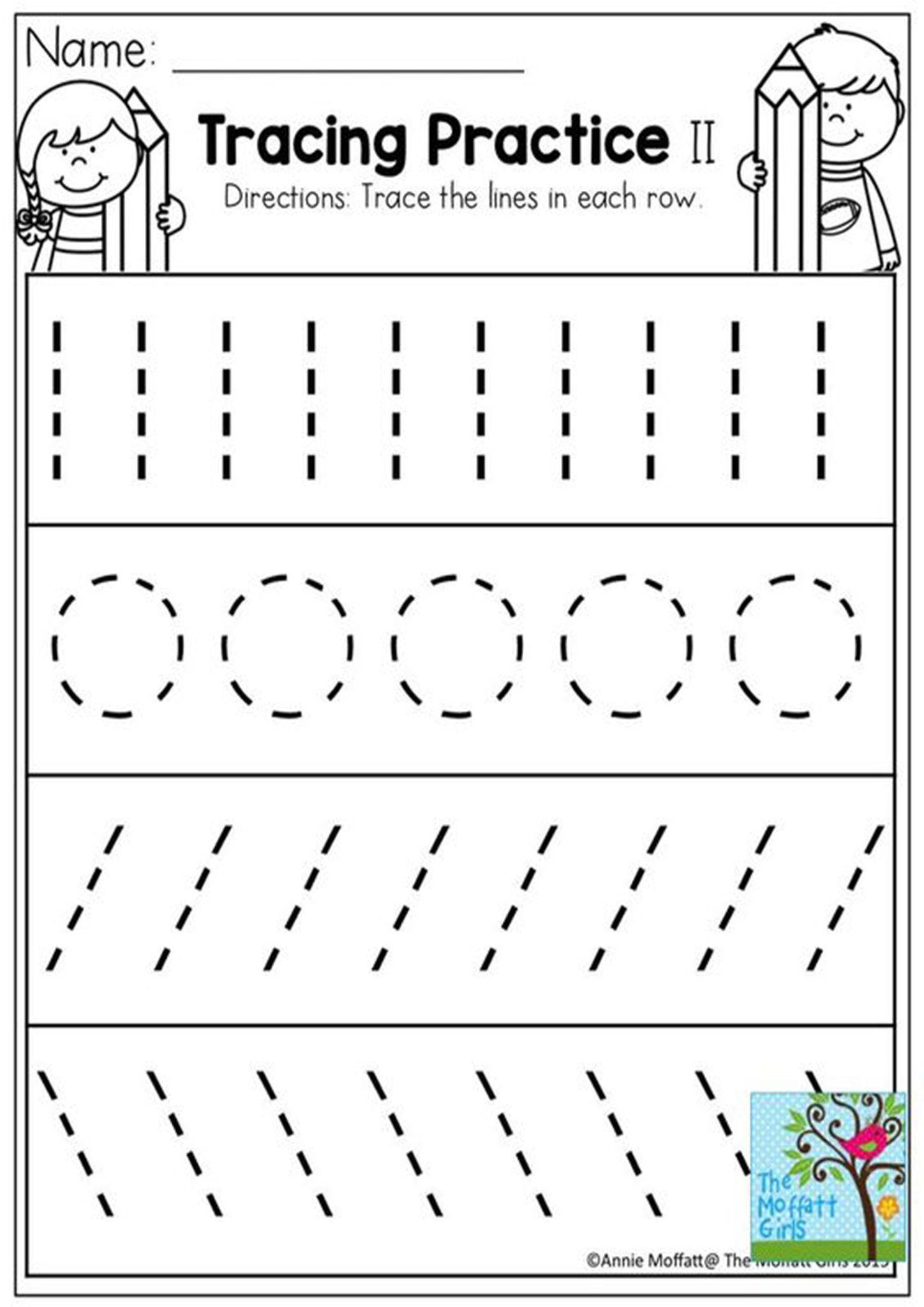
Set aside a specific time each day for tracing activities. This consistency helps reinforce the importance of practice. You might integrate it into morning routines or as a warm-up exercise before writing sessions.
2. Pair With Instruction
Before handing out the worksheets, demonstrate how to trace the lines on a whiteboard. Explain the importance of following the line closely and the correct grip on the pencil. This visual aid boosts understanding.
3. Use in Small Groups
Consider using these worksheets in small group settings, where you can provide individual attention. This allows you to observe each child’s progress and offer support as needed.
4. Track Progress
Create a simple tracking system to monitor how well each child is mastering the tracing skills. You might use a checklist or a simple chart that allows children to see their improvement over time.
Tips for Homeschooling With Lines Tracing Worksheets
Homeschooling presents unique opportunities to tailor learning experiences. Here’s how to effectively use lines tracing worksheets at home:
1. Flexible Timing
Homeschooling allows for flexibility, so you can integrate tracing worksheets into your child’s day when they are most alert and willing to learn. Whether it’s in the morning or after a nap, find the best time for your child.
2. Create a Fun Learning Environment
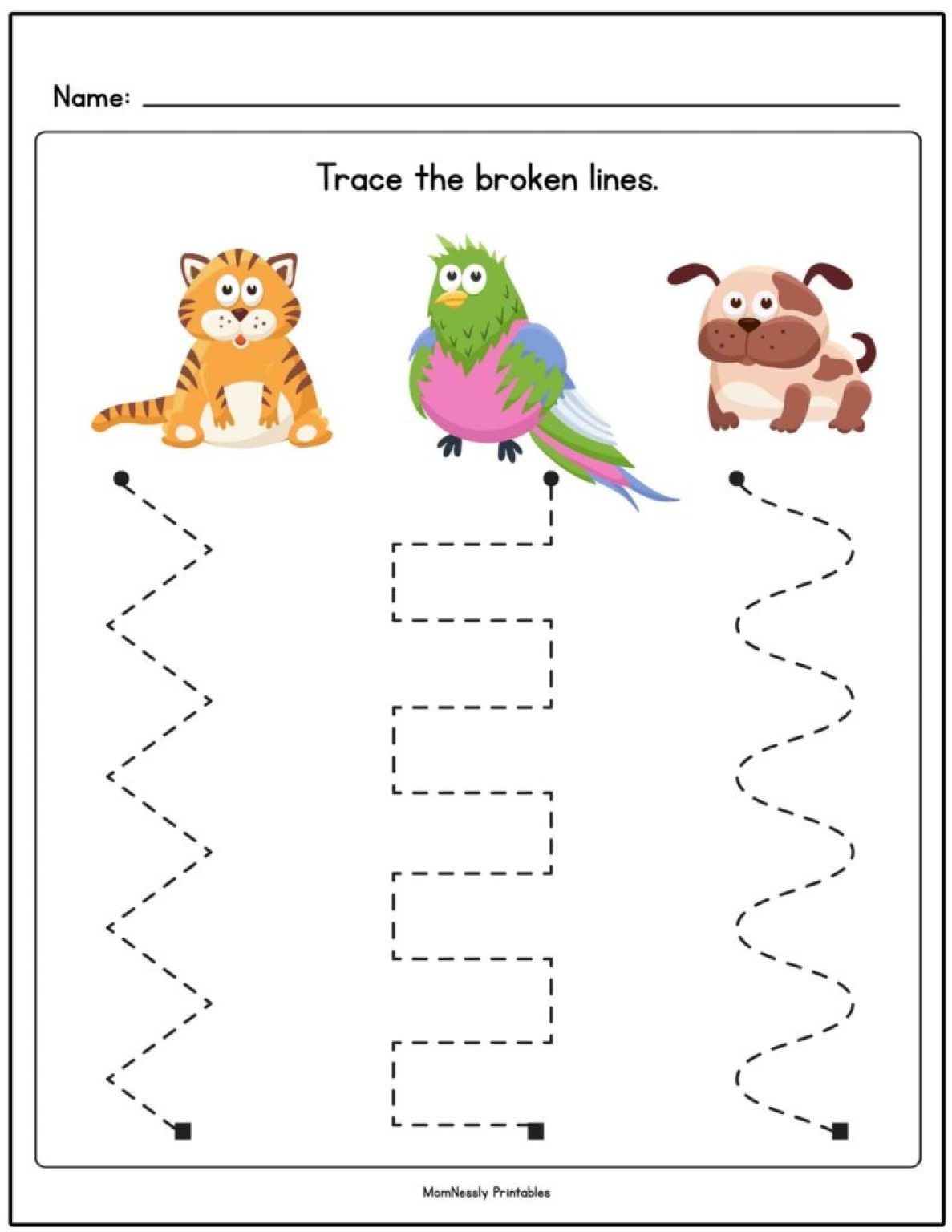
Transform tracing time into a fun activity by incorporating colors and themes. For instance, if the worksheet features animals, discuss each animal as your child traces its outline. This adds a layer of engagement.
3. Use Different Materials
Encourage creativity by using various writing tools. Instead of just pencils, let your child trace with crayons, markers, or even their finger in sand or on a tablet. This variety can keep the activity fresh and exciting.
4. Celebrate Achievements
Recognize and celebrate your child’s progress. Whether it’s completing a worksheet or improving their tracing accuracy, positive reinforcement can motivate them to continue practicing.
Assessing Mastery: What to Look For
Understanding when a child has mastered tracing skills involves observing several factors. Here’s what to pay attention to:
- Consistency: Is the child able to trace lines consistently without lifting the pencil or going off track?
- Control: Look for how well they control the pencil. Are they able to navigate curves and corners smoothly?
- Speed: While speed isn’t everything, a child should be able to trace lines at a reasonable pace without losing accuracy.
- Confidence: A child’s willingness to attempt more challenging lines is a good indicator of confidence in their skills.
Variations in Lines Tracing Worksheets
To keep things interesting, consider providing a range of lines tracing worksheets. This approach helps cater to different learning styles and keeps children engaged. Some variations you might explore include:
- Coloring Lines: Worksheets that require children to color the lines they trace can add a creative element.
- Interactive Elements: Incorporate stickers or stamps that children can place on completed lines for a sense of accomplishment.
- Thematic Worksheets: Create worksheets that align with holidays or seasons, making tracing more relevant and fun.