Making And Print Tracing Worksheets
Creating tracing worksheets is a practical way to help young learners develop essential writing and motor skills. Making And Print Tracing Worksheets can be an enjoyable and educational experience for both teachers and parents. In this guide, I’ll walk you through the process of creating effective tracing worksheets that align with different learning objectives and age levels, ensuring that these resources can be easily integrated into any classroom or home learning environment.
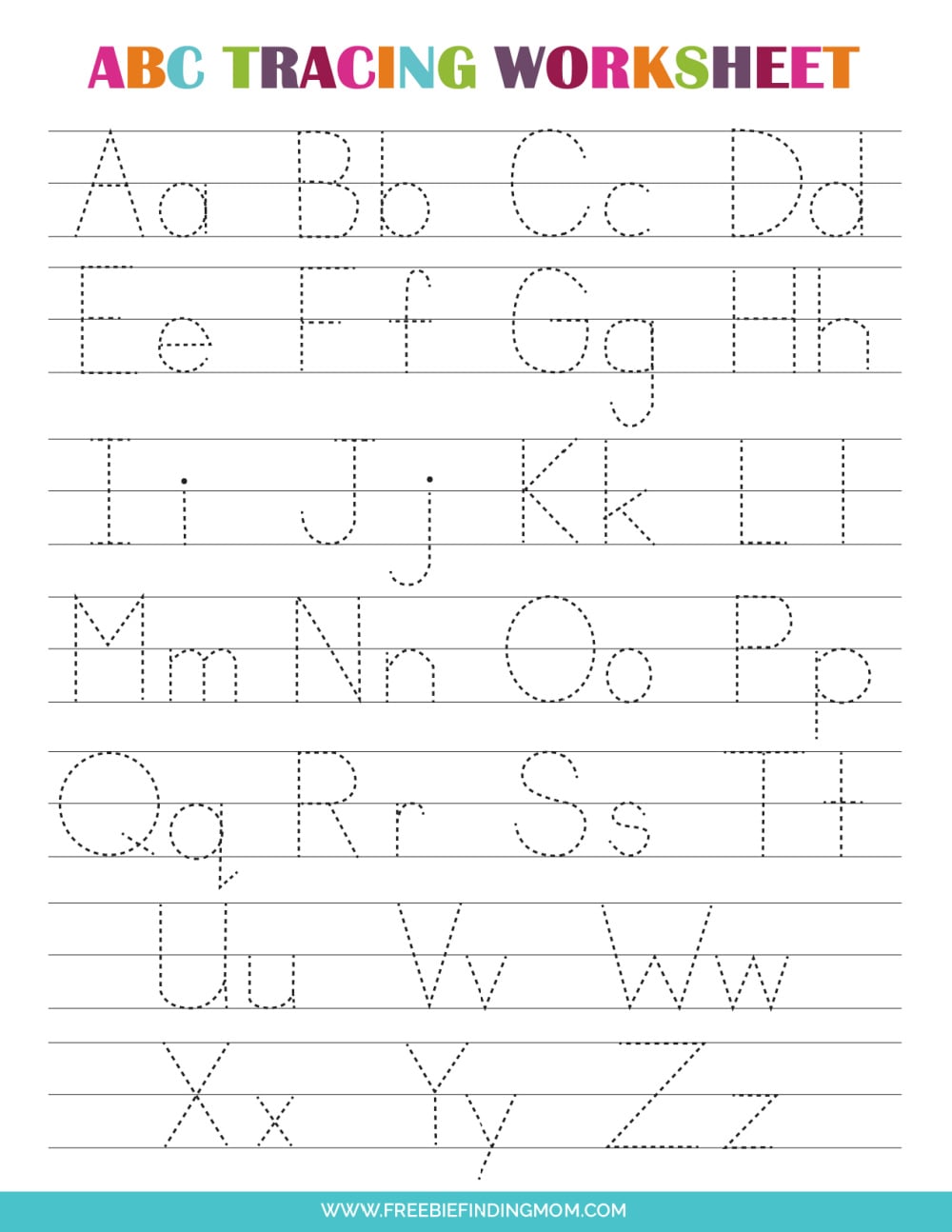
Understanding the Importance of Tracing Worksheets
Tracing worksheets are invaluable tools that assist children in mastering letter and number formation. They not only help develop fine motor skills but also reinforce visual-motor coordination. Typically used in preschool and early elementary grades, these worksheets serve as a bridge between basic scribbling and independent writing.
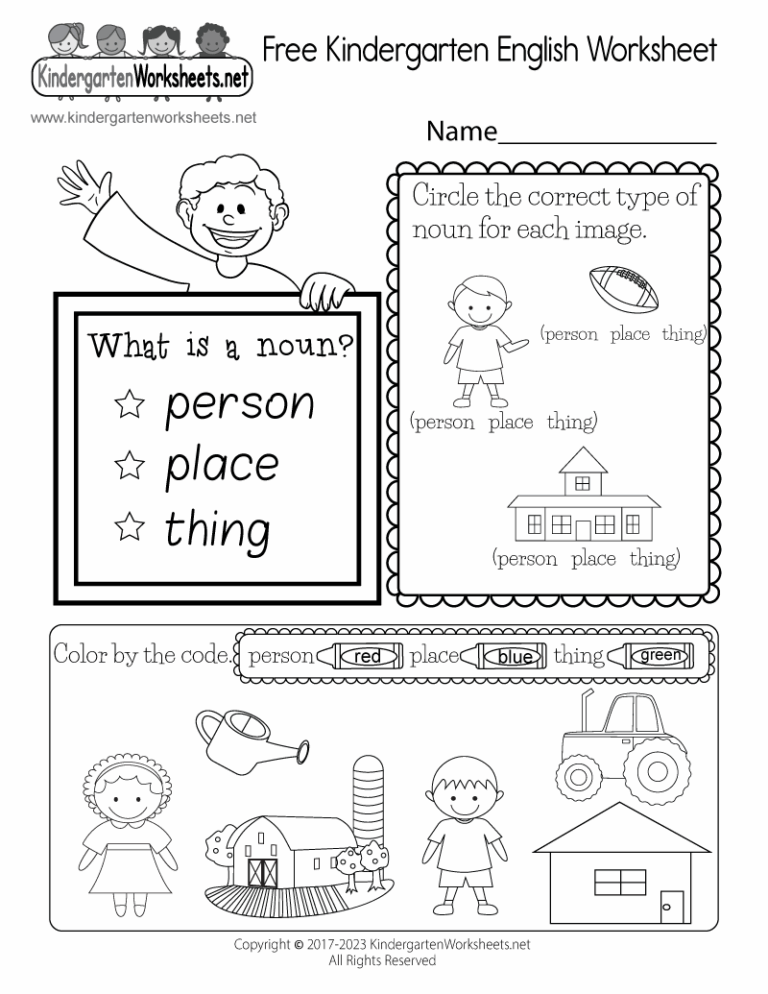
As you consider making tracing worksheets, it’s important to remember that they can be tailored to suit various educational goals. For instance, worksheets can focus on letters, numbers, shapes, or even words. This flexibility allows you to meet the diverse needs of your learners.
Choosing the Right Format for Your Tracing Worksheets
When making tracing worksheets, selecting the right format is crucial. Most often, these worksheets are made in PDF format. PDF files maintain their formatting regardless of the device used for printing, ensuring that the worksheets look the same whether they are printed from a home printer or a school computer.
Here are some common formats to consider:
- Letters and Numbers: Basic tracing worksheets for letters (uppercase and lowercase) and numbers (1-10, 1-20) are foundational for early learners.
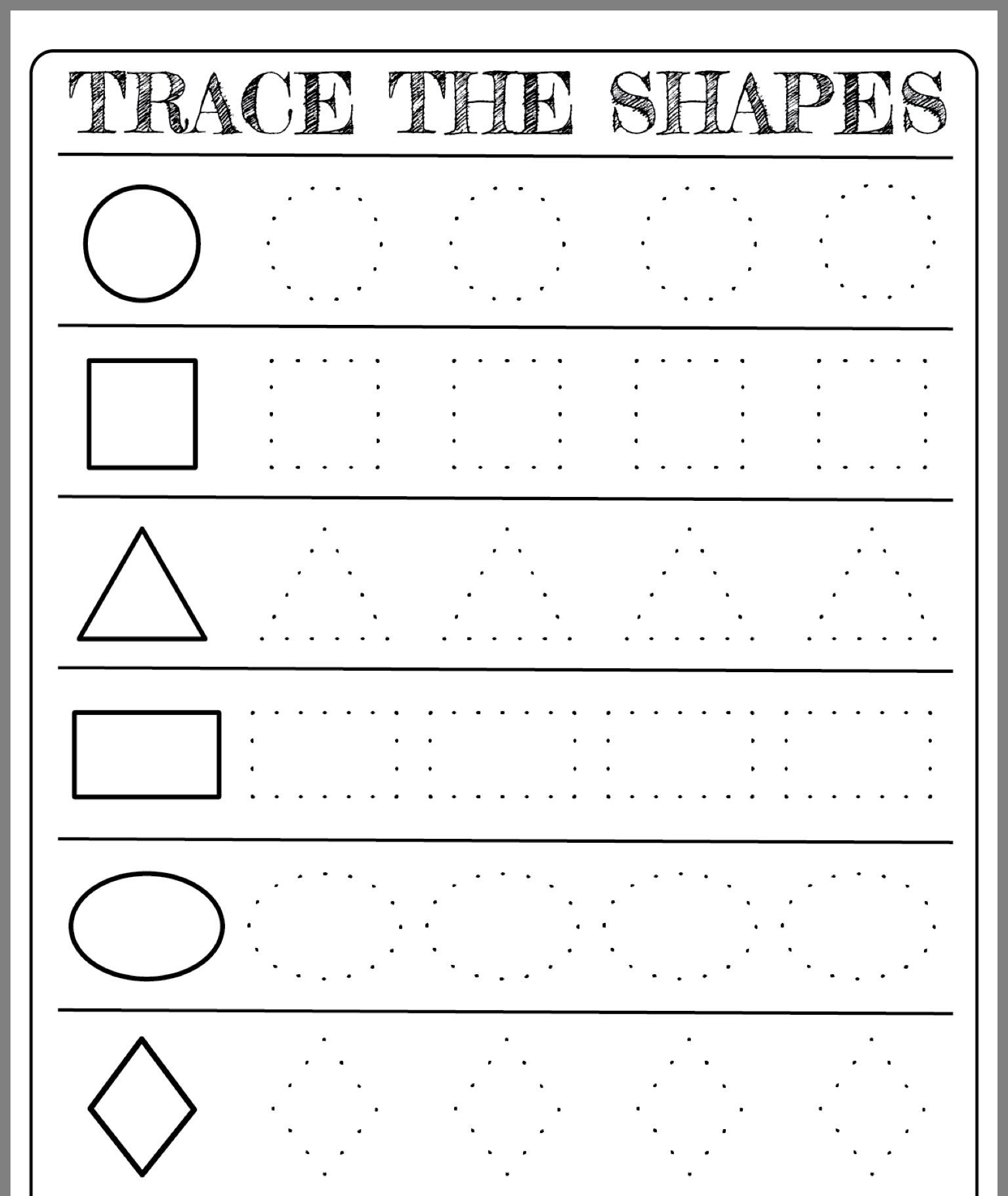
- Shapes: Tracing shapes like circles, squares, and triangles can help children understand geometry basics while improving their motor skills.
- Words: For older preschoolers and kindergarteners, simple words can be introduced, allowing them to practice forming letters in a more contextual setting.
Crafting Engaging Tracing Worksheets
Once you’ve decided on the format, it’s time to get creative. Engaging worksheets will capture your students’ attention and motivate them to practice. Here are some tips to enhance your tracing worksheets:
- Use Fun Fonts: Consider using playful fonts that are easy to trace but also visually appealing. Fonts designed for educational purposes often have dotted lines that guide children in forming letters correctly.
- Incorporate Images: Adding images related to the letters or words being traced can make the activity more interactive. For example, for the letter “B,” include a picture of a balloon. This can help create a visual association that reinforces learning.
- Colorful Borders and Backgrounds: Bright colors and fun designs can make worksheets more inviting. However, ensure that the design does not distract from the tracing activity itself.
Printing Considerations for Tracing Worksheets
When it comes time to print your tracing worksheets, there are a few considerations to keep in mind to ensure the best results:
- Paper Type: Using a heavier paper, like cardstock, can be beneficial if you plan to laminate the worksheets for repeated use. This adds durability and allows for dry-erase markers to be used for tracing.
- Print Settings: Always check your printer settings. For best results, select the “Best” quality setting to ensure that the lines are clear and easy to trace. Also, consider using a portrait layout, which is more standard for worksheets.
- Size Matters: Standard letter size (8.5 x 11 inches) is typically sufficient for worksheets. However, if you have a larger group or want to create classroom posters, you might consider larger formats.
Integrating Tracing Worksheets Into Lessons
Implementing tracing worksheets into your lessons can be straightforward. Here are a few practical ways to incorporate them:
- Warm-Up Activities: Start your class with tracing worksheets as a warm-up exercise. This can help children focus and prepare for the day’s learning.
- Independent Practice: After introducing a new letter or number, assign tracing worksheets as independent practice to reinforce what they’ve learned.
- Center Activities: For classroom settings, consider setting up a tracing center where students can rotate through various tracing worksheets at their own pace.
- Homework Assignments: Sending tracing worksheets home as homework can encourage parents to engage in their child’s learning process. This can be particularly effective if you include instructions for parents on how to assist their children.
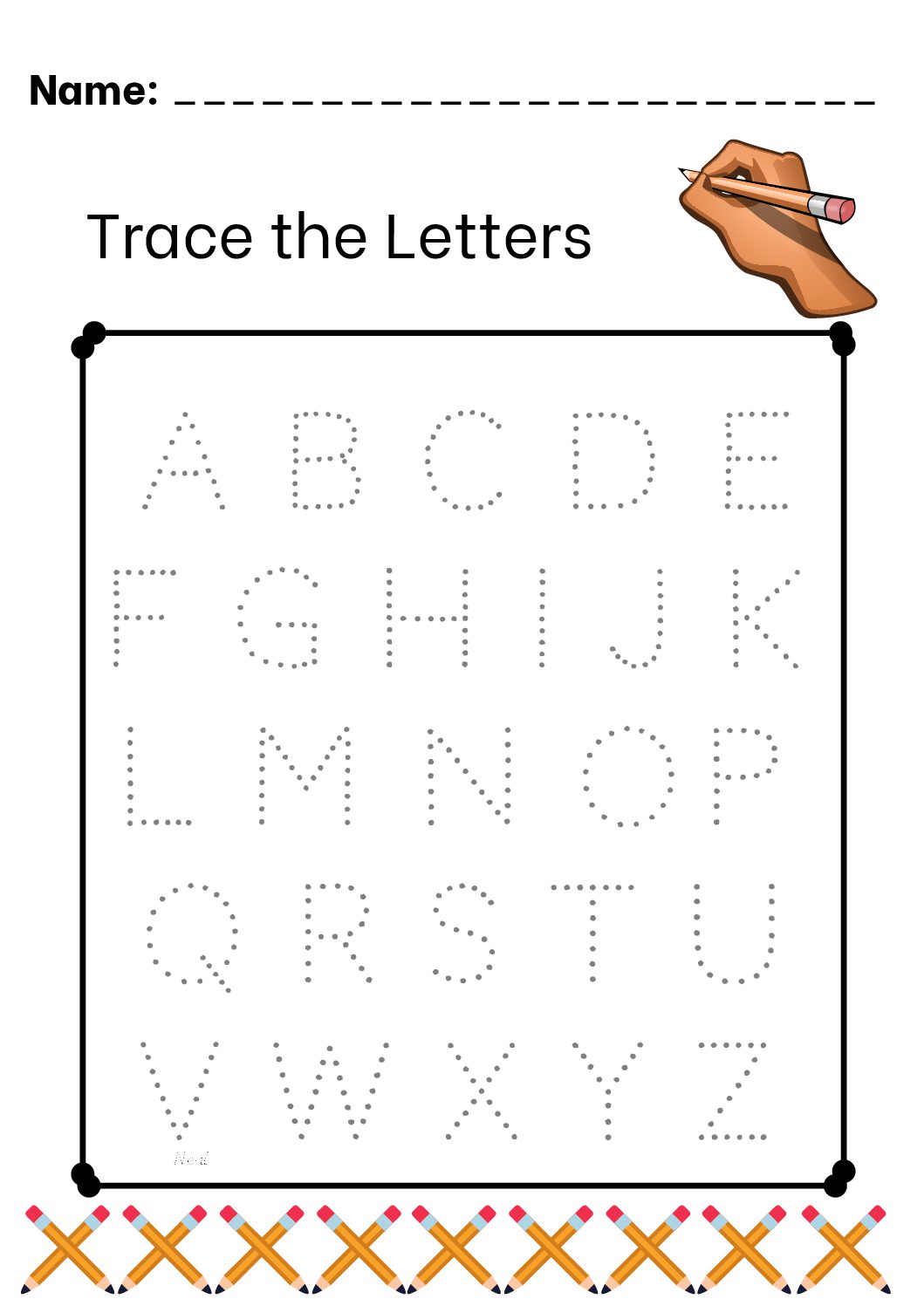
Tips for Effective Use of Tracing Worksheets
To maximize the effectiveness of your tracing worksheets, consider the following strategies:
- Model the Activity: Demonstrate how to properly trace letters or shapes before assigning the worksheets. This can help children understand what’s expected of them.
- Monitor Progress: As children work on their tracing, circulate around the room to offer guidance, correct grip, and reinforce techniques. Observing their progress can help you identify areas where additional support may be needed.
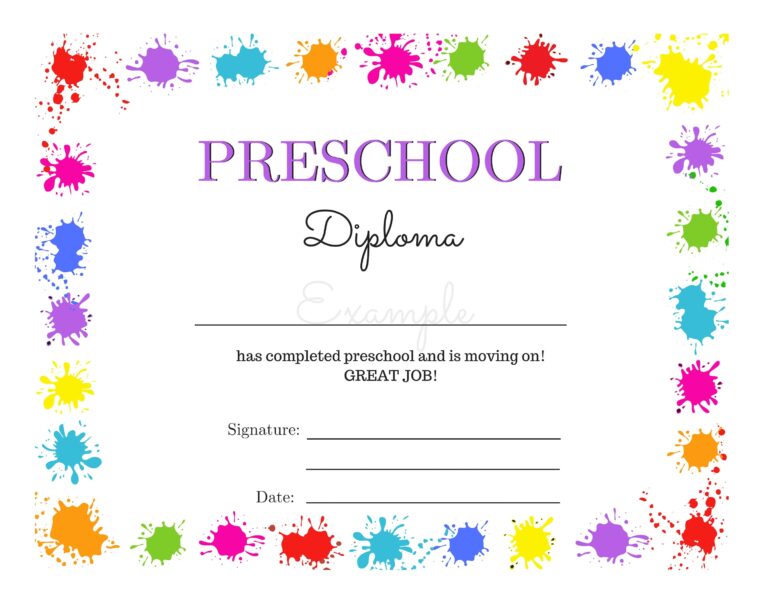
- Celebrate Achievements: Recognizing accomplishments, no matter how small, can motivate children. Consider using stickers or certificates for completed tracing worksheets to encourage continued practice.
Incorporating tracing worksheets into your teaching or homeschooling routine can be a rewarding experience for both you and your learners. By following these practical steps and tips, you can create engaging, effective tracing worksheets that help children build essential skills. Start today by designing your first tracing worksheet, and watch as your students develop their writing abilities with confidence.