Free Alphabet Tracers For Preschoolers: Enhance Learning in 2026
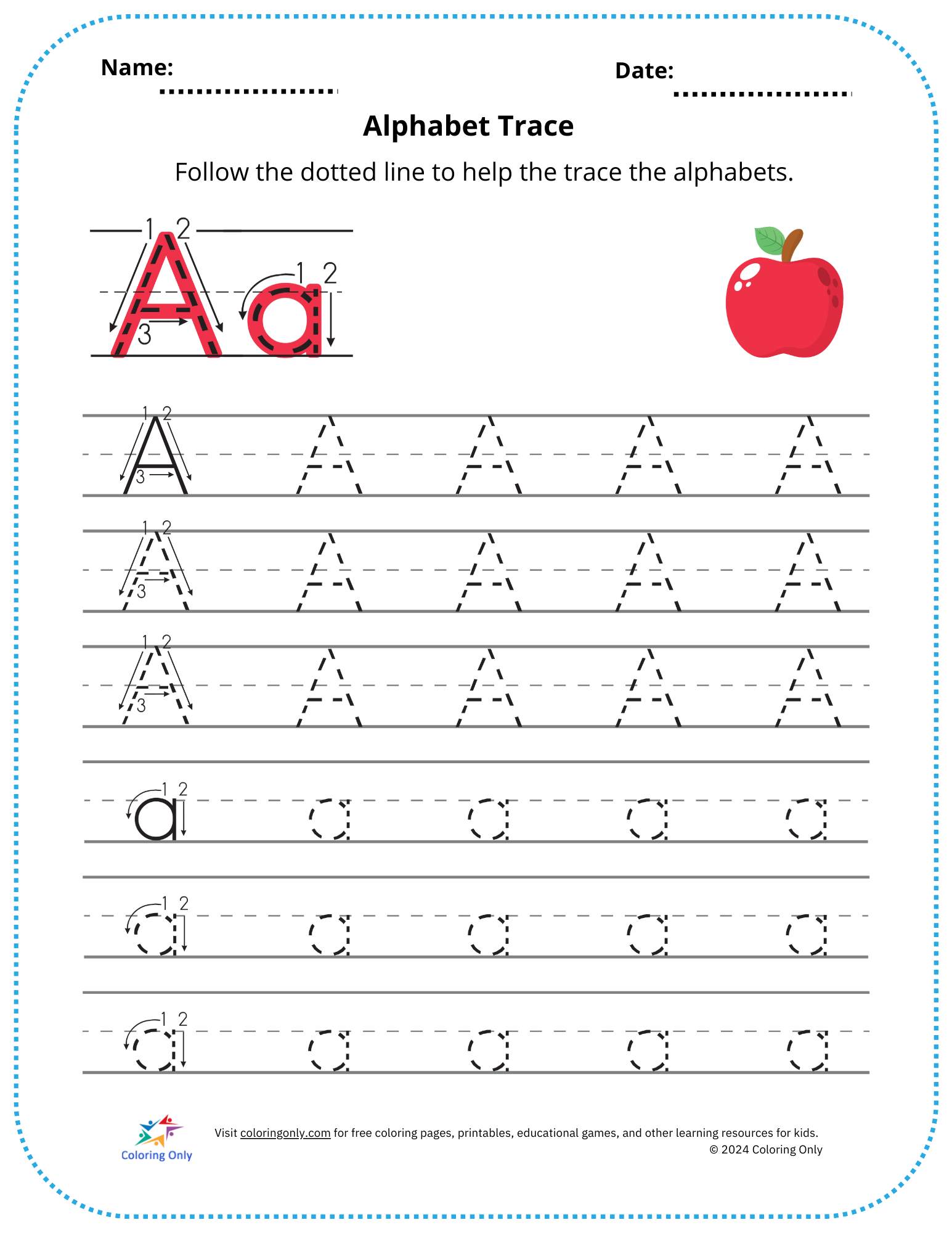
Helping preschoolers learn the alphabet is crucial for their early literacy development. With Free Alphabet Tracers For Preschoolers, you can provide an engaging way for children to practice letter formation while improving their fine motor skills. These printable resources are easy to download and use, making them ideal for classroom or home settings. Let’s explore how to best utilize these tracers to foster a love for learning.
Understanding Alphabet Tracers
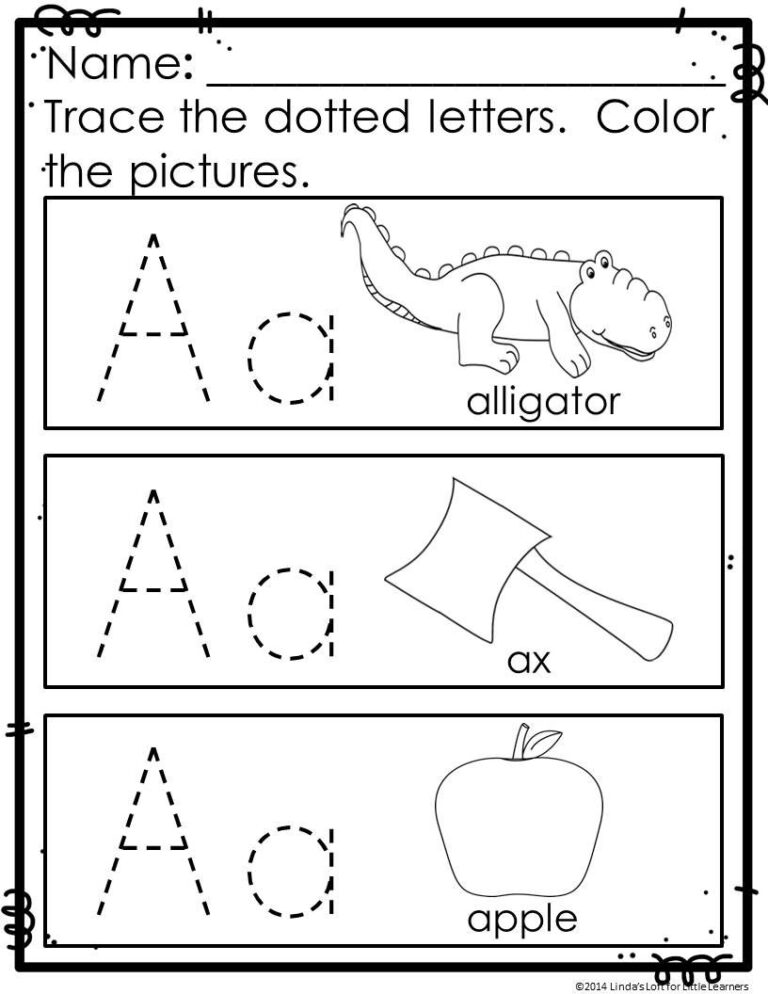
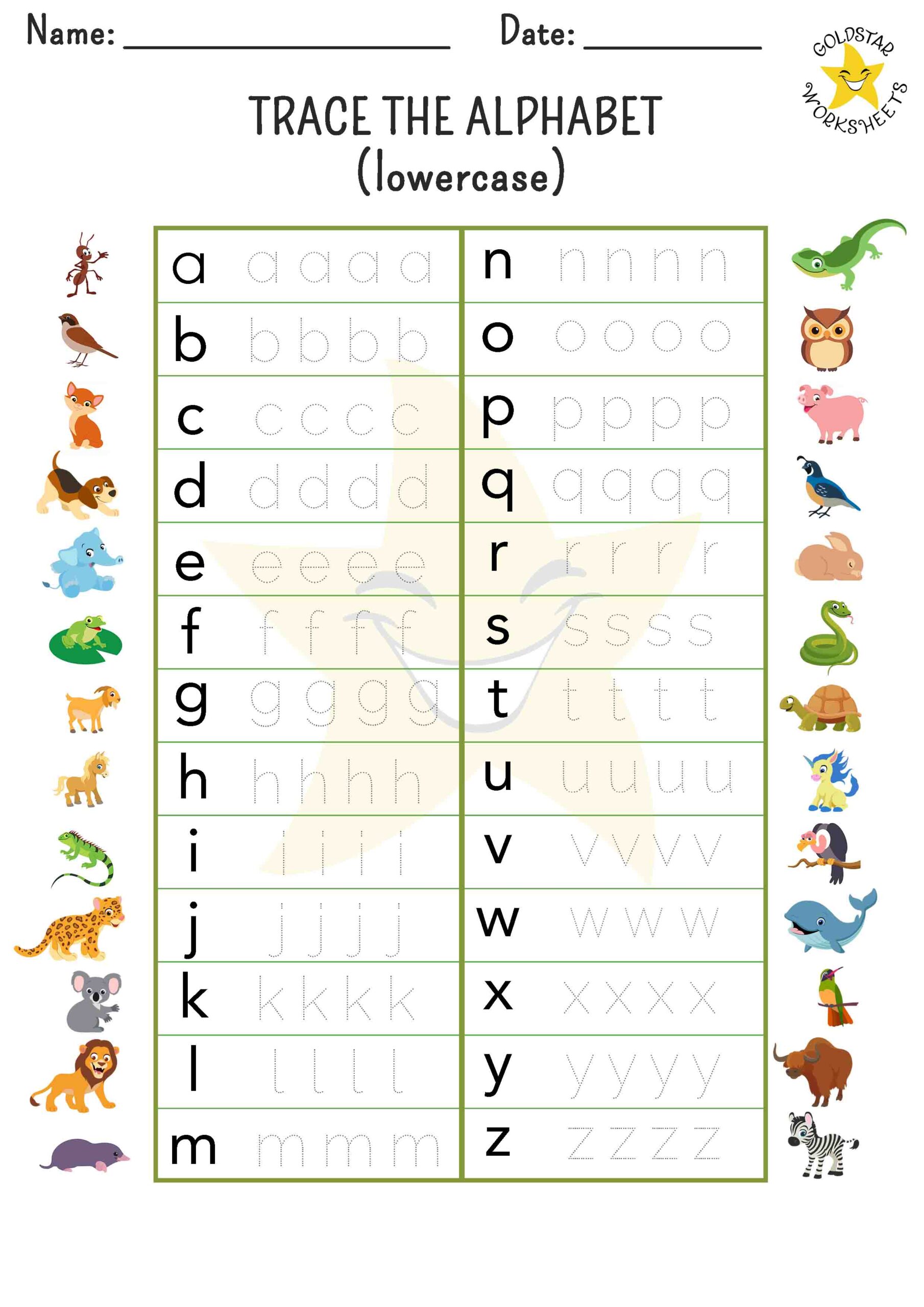
Alphabet tracers are worksheets designed for young learners to practice writing letters, often in a dotted format that guides their hand movements. These resources can be particularly beneficial for preschoolers aged 3 to 5, as they are at a stage where they begin to recognize and write letters. By tracing, children can develop muscle memory that reinforces correct letter formation, an essential skill for writing.
Choosing the Right Tracers
When selecting Free Alphabet Tracers For Preschoolers, consider the following:
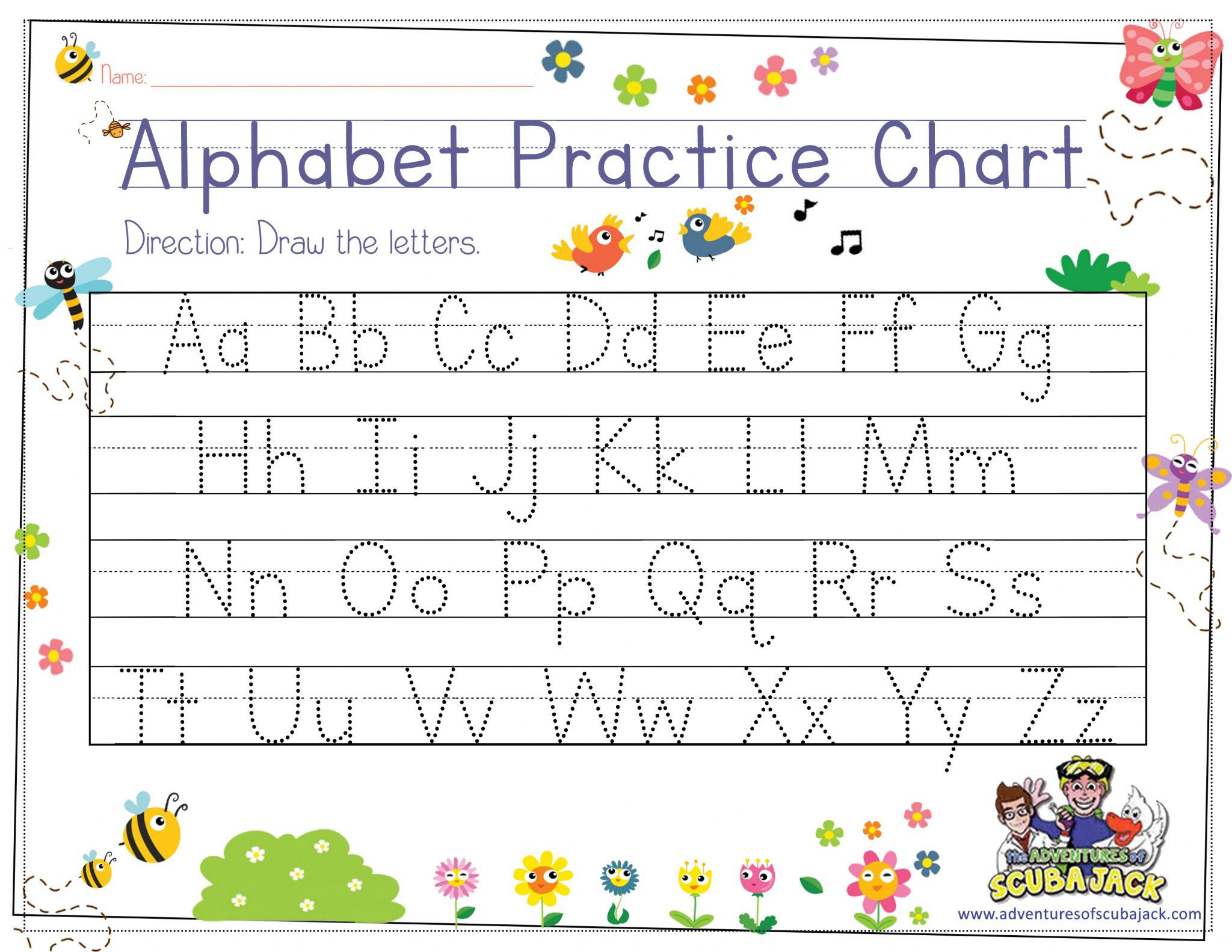
- Letter Variety: Look for tracers that cover both uppercase and lowercase letters. This helps children understand the differences between the two forms.
- Visual Appeal: Opt for tracers with colorful designs or illustrations related to each letter (e.g., “A” with an apple) to make learning more engaging.
- Format: Choose PDFs that are easy to print without formatting issues. A standard letter size (8.5 x 11 inches) is typically best for home and classroom printers.
Having a variety of tracers on hand allows you to tailor lessons according to each child’s learning pace and style.
Downloading and Printing Tracers
Once you’ve chosen your desired alphabet tracers, follow these steps to download and print them effectively:
- Download the File: Click the download link for the tracers you want. Ensure the file is in a PDF format for optimal printing.
- Check Printer Settings: Before printing, check your printer settings. For most home printers, using “Portrait” layout works best. Set the paper size to standard letter (8.5 x 11 inches).
- Print in Bulk: If you’re working with a classroom, print multiple copies of each tracer. This ensures each child has their own worksheet during activities.
- Use Quality Paper: For durability, consider using cardstock, especially if you plan to laminate the worksheets for repeated use.
These simple steps will help you prepare for a successful lesson, ensuring that your students have all the resources they need to practice.
Setting Up a Learning Environment
Creating a conducive learning environment is vital for preschoolers. Here are some tips to set up effectively:
- Designate a Writing Area: Provide a space with proper seating and writing tools (crayons, pencils, or markers). Ensure good lighting to minimize eye strain.
- Incorporate Movement: Engage students with movement-based activities, such as tracing letters in the air or using their bodies to form letter shapes.
- Use Positive Reinforcement: Encourage children by praising their efforts. This can increase their confidence and motivation to learn.
By setting up an inviting atmosphere, you’ll foster a positive learning experience that encourages children to embrace writing.
Engaging Children With Activities
To make the most out of Free Alphabet Tracers For Preschoolers, integrate various activities that complement the tracing exercises. Here are a few ideas:
- Letter Scavenger Hunt: Hide objects around the classroom that start with different letters. As students find each object, have them trace the corresponding letter on their worksheet.
- Story Time Connection: Read a story that includes the letters being traced. Afterward, have children trace the letters and discuss words that begin with those letters.
- Art Integration: Allow children to decorate their traced letters with stickers, drawings, or colors. This not only reinforces their learning but also encourages creativity.
Benefits of Using Alphabet Tracers
Using Free Alphabet Tracers For Preschoolers comes with numerous benefits:
- Fine Motor Skill Development: Tracing helps strengthen hand muscles, which is essential for writing.
- Letter Recognition: Regular practice improves letter recognition, an important foundational skill for reading.
- Confidence Building: As children master tracing, they gain confidence in their writing abilities, encouraging further exploration of letters and words.
These benefits highlight the importance of incorporating tracers into early learning curricula.
Reviewing and Assessing Progress
As you work with alphabet tracers, it’s essential to assess each child’s progress. Here are some strategies:
- Observe Handwriting: Regularly check how well children are tracing letters. Look for consistent letter formation and proper sizing.
- Provide Feedback: Give constructive feedback on their progress. Celebrate improvements, no matter how small, to motivate continued effort.
- Use a Portfolio: Collect samples of each child’s traced letters over time. This can serve as a visual representation of their growth and understanding.
Monitoring their progress not only helps you tailor future lessons but also allows parents to see their child’s development.
Additional Resources
If you’re looking for more educational tools, consider exploring other printable resources such as number tracers, coloring pages, or themed worksheets that complement your alphabet tracers. Incorporating a variety of activities helps maintain children’s interest and reinforces learning across different subjects.
The most useful detail to remember when working with Free Alphabet Tracers For Preschoolers is that consistency in practice is key. Regular tracing sessions can significantly boost children’s writing skills, setting a strong foundation for their future literacy journey.