Art Tracing Activities For Pre K: Engage Young Learners in 2026
Art tracing activities can play a crucial role in early childhood development, especially for Pre K learners. These activities not only help children improve their fine motor skills but also foster creativity and concentration. If you’re a teacher or parent looking to introduce art tracing activities for Pre K, you’re in the right place. In this guide, we’ll explore various tracing activities, tips on implementation, and how to effectively monitor progress.
Understanding the Benefits of Art Tracing Activities
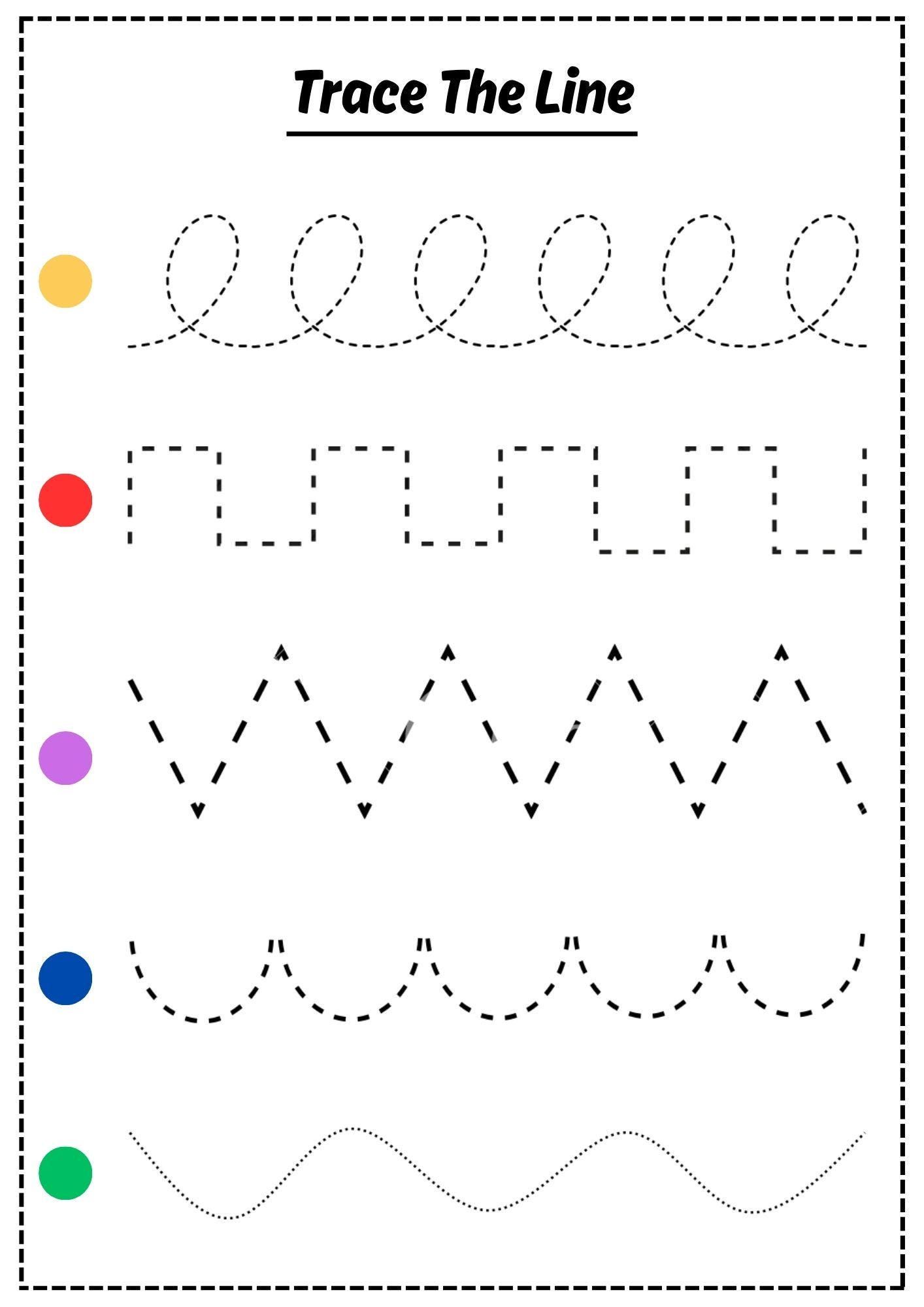
Art tracing activities are more than just fun; they serve multiple educational purposes. By engaging in these activities, children can:
- Enhance Fine Motor Skills: Tracing helps children develop the muscle control needed for writing and drawing. This is particularly important for Pre K learners who are just beginning to refine their hand-eye coordination.
- Encourage Creativity: While tracing, children are exposed to various shapes and designs that can inspire them to create their own art. This can lead to a greater appreciation for creative expression.
- Improve Focus and Concentration: Following lines requires attention to detail, which can help children practice focusing on a task for an extended period.
When choosing activities, consider the interests of your students or children. Incorporating themes like animals, nature, or popular characters can make tracing more engaging.
Suggested Art Tracing Activities for Pre K
Here are some effective art tracing activities that can be easily implemented in a classroom or at home:
1. Shape Tracing
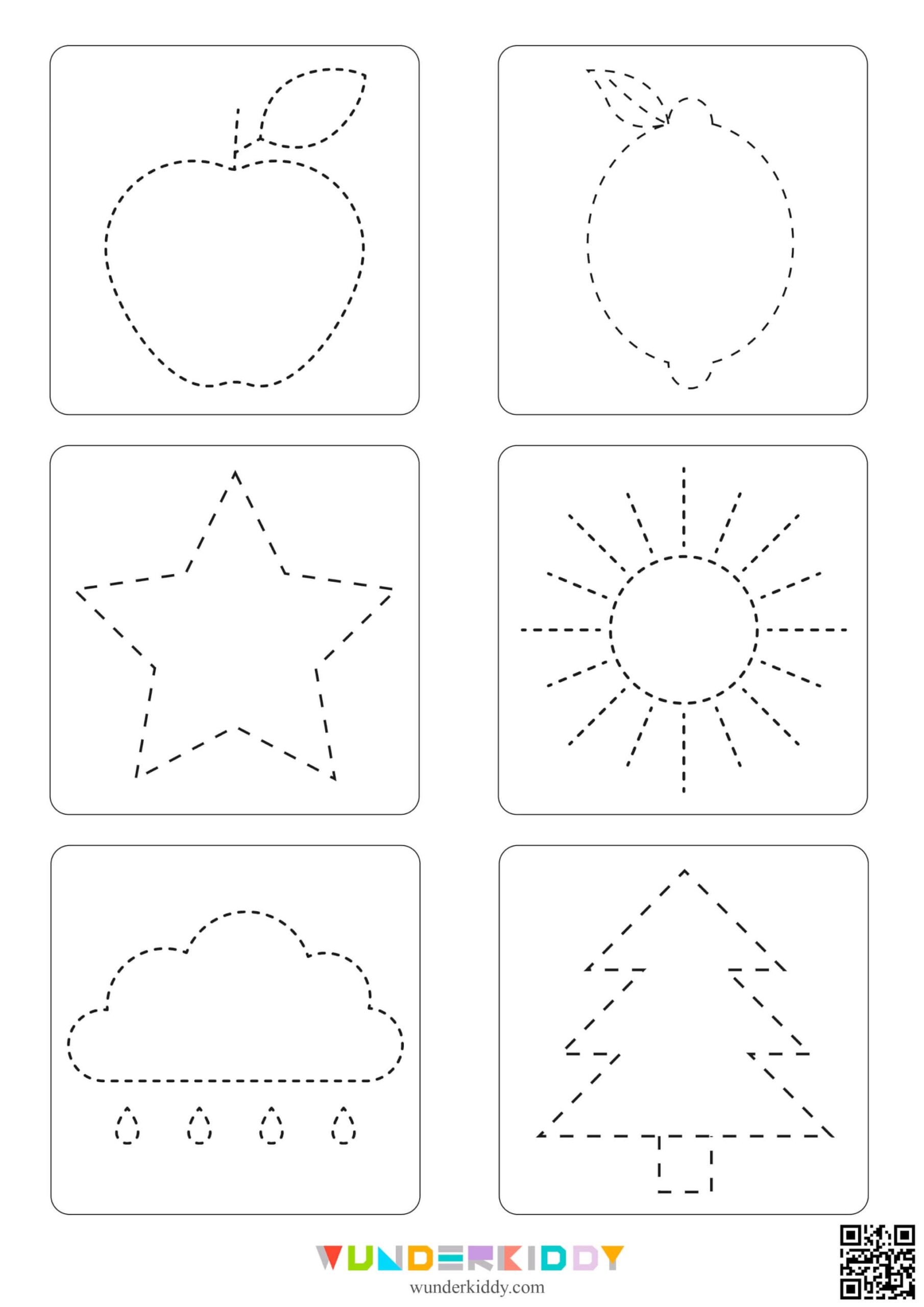
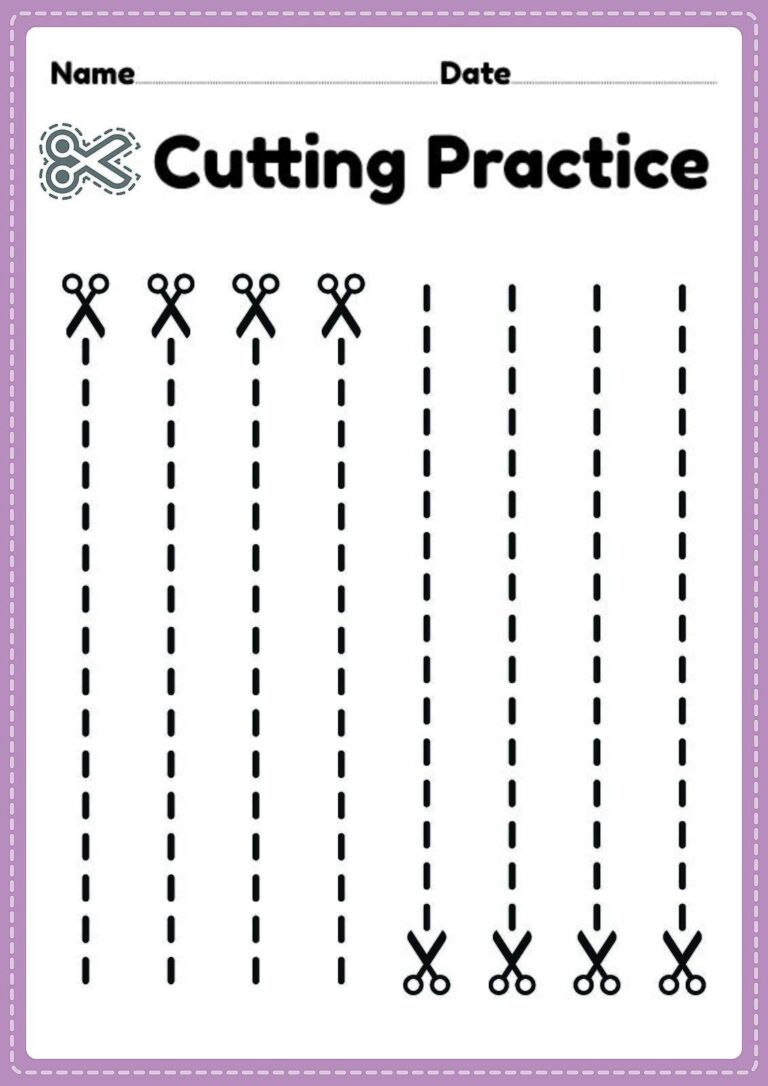
Provide worksheets with various shapes like circles, squares, and triangles. Children can use crayons or markers to trace the outlines. This activity can be expanded by asking them to color the shapes afterward.
2. Character Tracing
Use templates of popular characters from children’s books or shows. Kids can trace their favorite characters, which can motivate them to participate. This also opens up discussions about the characters and their stories, enhancing literacy skills.
3. Nature Tracing
Take advantage of nature by having children trace around leaves, flowers, or even simple outlines of animals. This can be done using a light table or by placing the object under a sheet of paper and tracing over it.
4. Letter Tracing
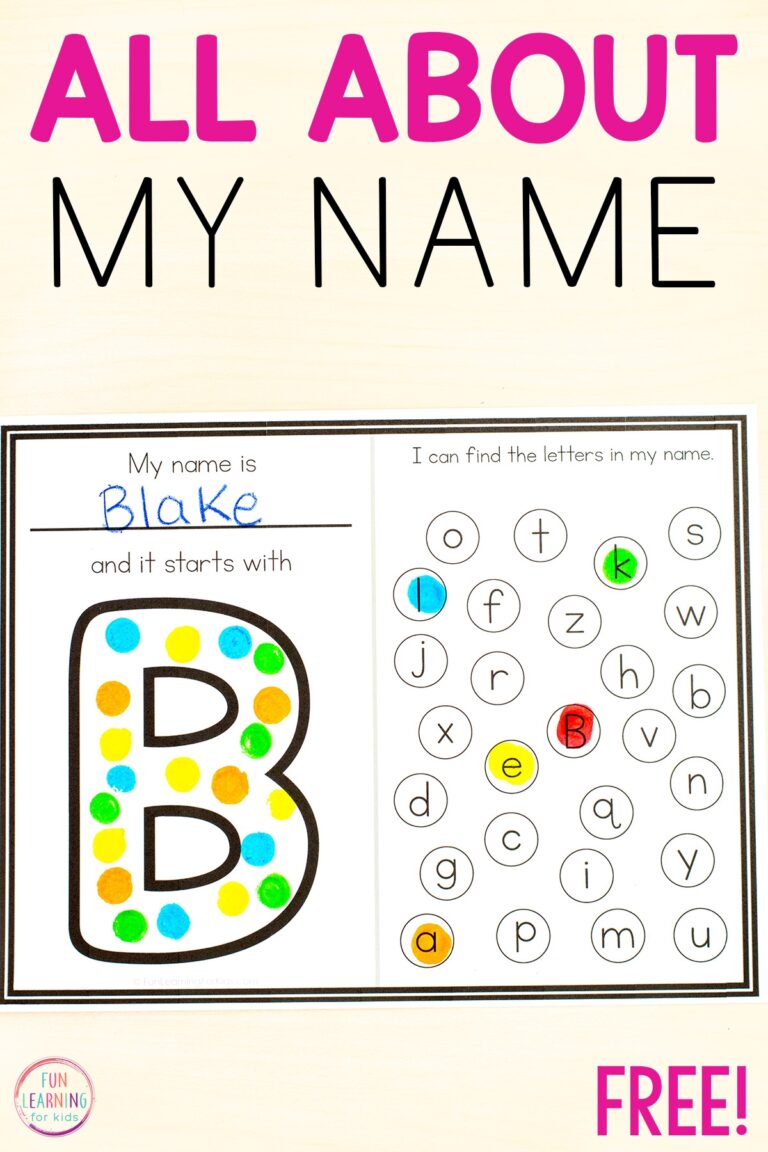
Introduce the alphabet by having children trace letters. This can be done using worksheets that feature both uppercase and lowercase letters. Encourage them to say the letter out loud as they trace to reinforce letter recognition.
5. Seasonal Tracing
Create tracing sheets that reflect various seasons or holidays. For example, children could trace snowflakes in winter or flowers in spring. This keeps the activities relevant and exciting throughout the year.
Setting Up for Success
When implementing art tracing activities, a well-organized setup can make a significant difference. Here are some practical tips:
- Materials: Use quality paper and suitable writing tools. Crayons or colored pencils are excellent for tracing, as they provide good grip and control for little hands.
- Workspace: Ensure that the workspace is comfortable and free from distractions. A small table with good lighting can enhance the tracing experience.
- Demonstration: Before starting, demonstrate how to trace properly. Show how to hold the writing tool and follow the lines to ensure children understand the task.
Monitoring Progress
As children engage in art tracing activities, monitoring their progress is essential. Here are some ways to assess their development:
- Observation: Watch how children hold their writing tools and how accurately they trace. This can give you insight into their fine motor skill development.
- Check for Improvement: Over time, you should notice improvements in their tracing accuracy and control. Keep samples of their work to compare their progress.
- Feedback: Provide positive reinforcement and constructive feedback. Encourage them to try tracing more complex shapes as they become more confident.
Tips for Engaging Children
To keep children engaged in art tracing activities, consider these strategies:
- Incorporate Music: Play soft background music to create a pleasant atmosphere. This can help children relax and focus on their tasks.
- Interactive Sessions: Have group tracing sessions where children can work together. This not only fosters social skills but also allows them to learn from one another.
- Celebrate Achievements: Create a display of their traced artwork. This acknowledgment can boost their confidence and encourage them to keep practicing.
Art tracing activities for Pre K learners can be a fantastic way to develop essential skills while providing a creative outlet. By incorporating these activities into your teaching or home routine, you’ll be setting the stage for a fun and educational experience.
Immediate Tip
To get started right away, download or create a simple shape tracing worksheet. Print it out, gather some crayons, and watch as your little learners look at the world of art tracing!