Before And After Worksheets Pre-K: Enhance Learning in 2026
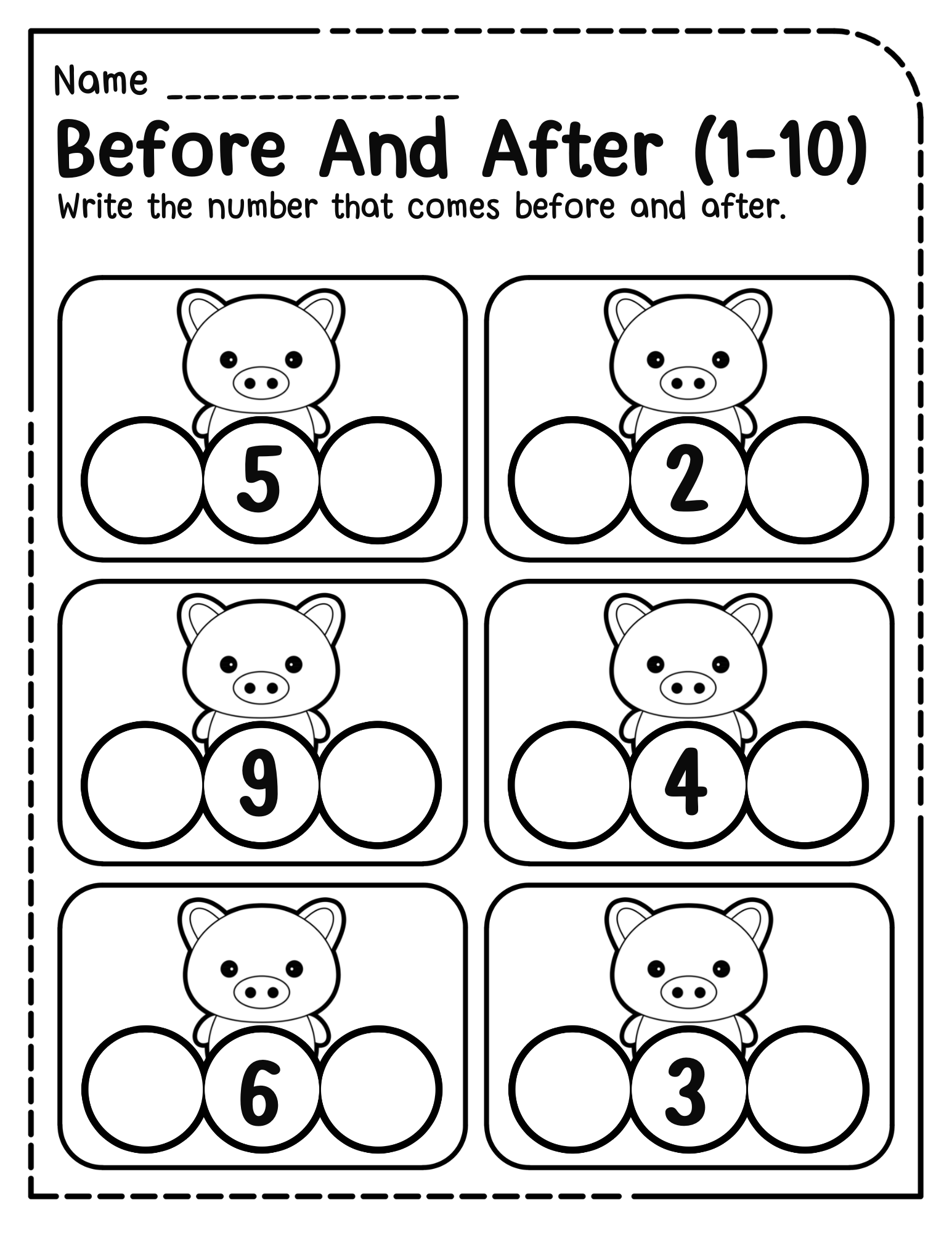
Before and After Worksheets Pre-K are essential tools for early childhood educators looking to enhance their students’ understanding of sequencing and comparative concepts. Unlike other worksheets that might only focus on basic skills, these worksheets are designed to provide a clear visual representation of ‘before’ and ‘after’ scenarios, making it easier for young learners to grasp the concept. They include colorful images and engaging prompts, which can captivate the attention of Pre-K students and keep them motivated to learn.
What Makes Before And After Worksheets Unique?
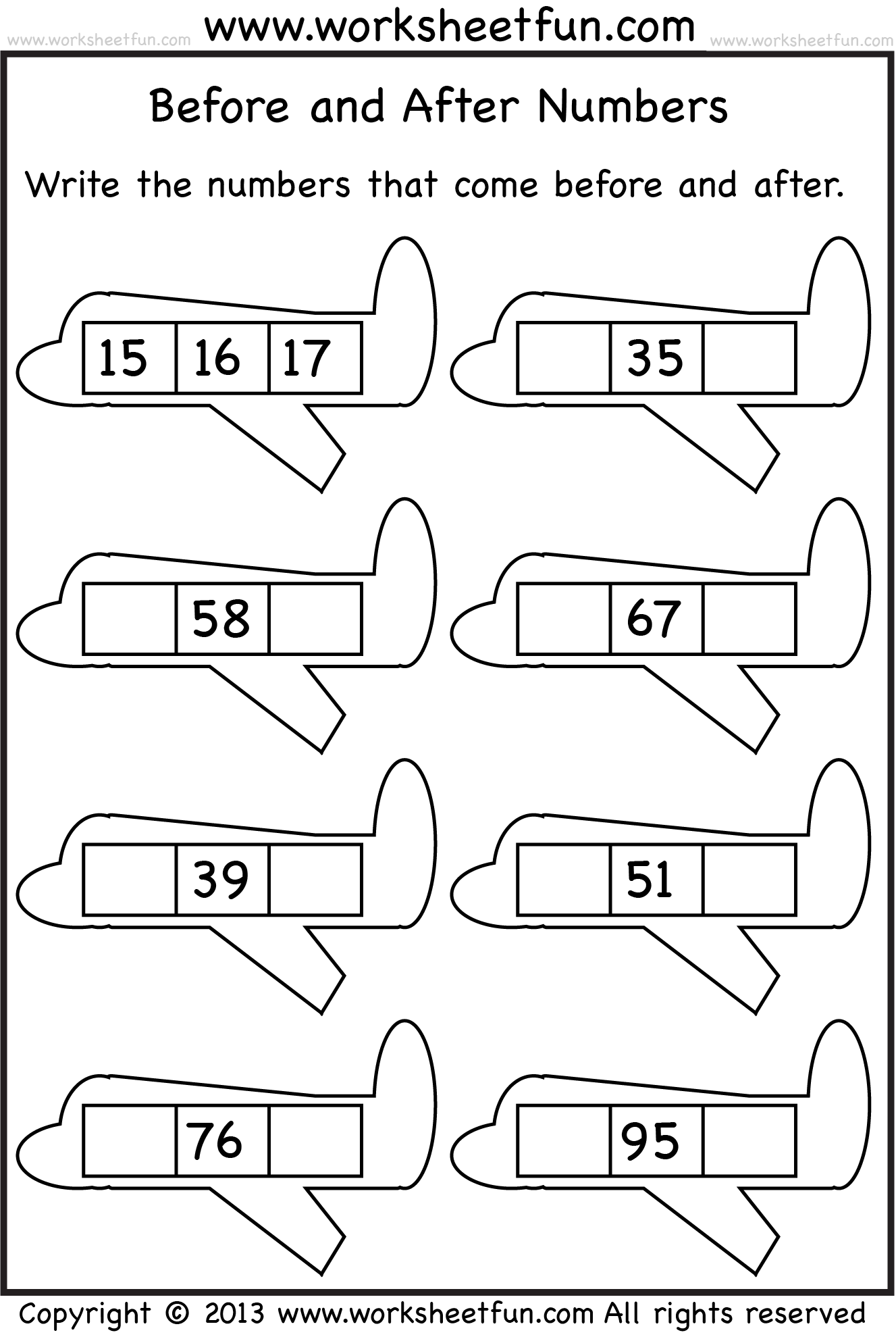
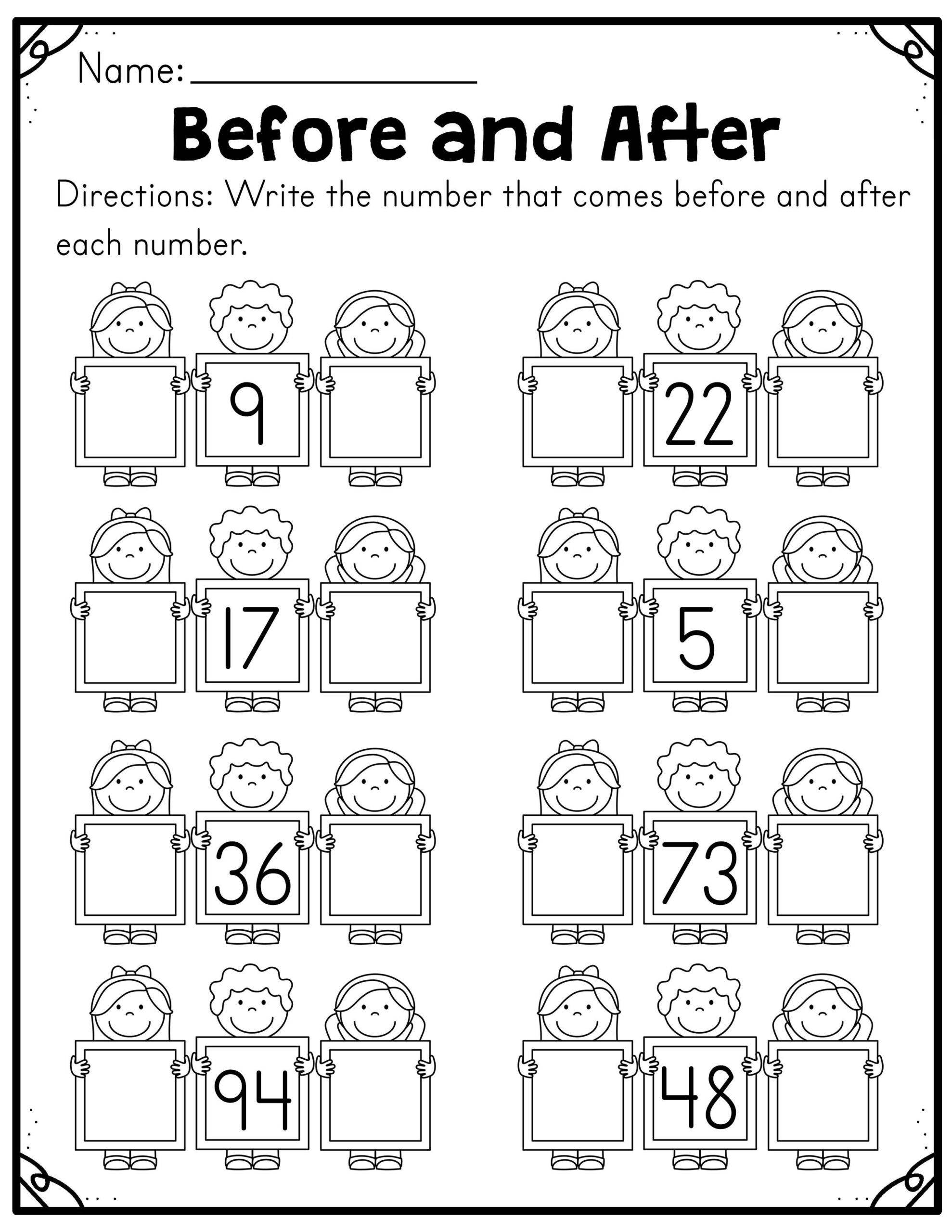
These worksheets are not just about filling in blanks; they encourage critical thinking and observation. Each sheet typically presents a simple scenario, such as a morning routine or seasonal changes, where students can visually identify what happens first and what follows. This layout helps reinforce their understanding of sequence and causality in a way that’s relatable to them.
The designs often include vibrant illustrations that depict various scenarios, making it easier for children to connect with the content. For instance, one worksheet may show a child getting ready for school, with images depicting waking up, brushing teeth, and packing a backpack. This visual approach helps students articulate their thoughts and enhances verbal skills as they describe what happens before and after each activity.
Formats and Variations Available
When looking for Before And After Worksheets Pre-K, you’ll find several formats available to suit different classroom needs. Typically, these worksheets come in:
- PDF format: Easy to download and print, ensuring that the layout remains intact across various devices.
- Landscape orientation: This layout tends to work better for printing on standard letter-sized paper (8.5” x 11”), providing ample space for illustrations and writing.
- Colorful designs: Bright colors and friendly characters are common, making the worksheets visually appealing to young learners.
These formats are designed to be user-friendly, allowing teachers to print multiple copies for classroom use without worrying about reformatting issues.
How to Use Before And After Worksheets in the Classroom
Incorporating Before And After Worksheets into your lesson plans can be quite straightforward. Here are a few practical ideas:
- Morning Routines: Use these worksheets to discuss daily routines. Have students draw or write about what they do before and after school. This can also serve as a great way to connect home and school experiences.
- Story Sequencing: After reading a story, ask students to fill out a worksheet that illustrates what happened before and after a key event in the narrative. This activity reinforces comprehension skills and encourages critical thinking about the story structure.
- Seasonal Changes: Students can explore concepts of time and change by using worksheets that depict seasonal variations, such as before and after winter. They can draw or write about what happens to trees, weather, and activities during different seasons.
- Peer Sharing: After completing their worksheets, students can pair up and share their answers with a classmate. This not only reinforces their understanding but also develops their communication skills.
Tips for Maximizing the Effectiveness of Worksheets
To ensure that your Before And After Worksheets Pre-K are as effective as possible, consider the following:
- Use Cardstock: If you plan to laminate the worksheets for repeated use, printing them on cardstock can provide durability. This keeps them in good condition for future classes.
- Interactive Elements: Encourage students to add stickers or drawings to their worksheets. This can make the learning process more interactive and engaging.
- Incorporate Technology: If you have access to tablets or smartboards, consider using digital versions of these worksheets. There are many interactive apps that can enhance the learning experience further.
- Time Management: Keep track of the time spent on each worksheet. Young learners can easily lose focus, so setting a timer can help maintain engagement.