Beginner Printable Worksheets For 3 Year Olds: Fun Learning Tools for 2026
Introducing beginner printable worksheets for 3 year olds can significantly enhance a child’s early learning experience. These resources are specifically designed to promote foundational skills in a fun and interactive way. Unlike other worksheets that may be too advanced or lack engaging elements, these beginner worksheets are tailored to capture the attention of young learners and encourage their natural curiosity.
Importance of Beginner Printable Worksheets
Using beginner printable worksheets is crucial for developing essential skills in early childhood education. These worksheets can support various areas of learning, including:
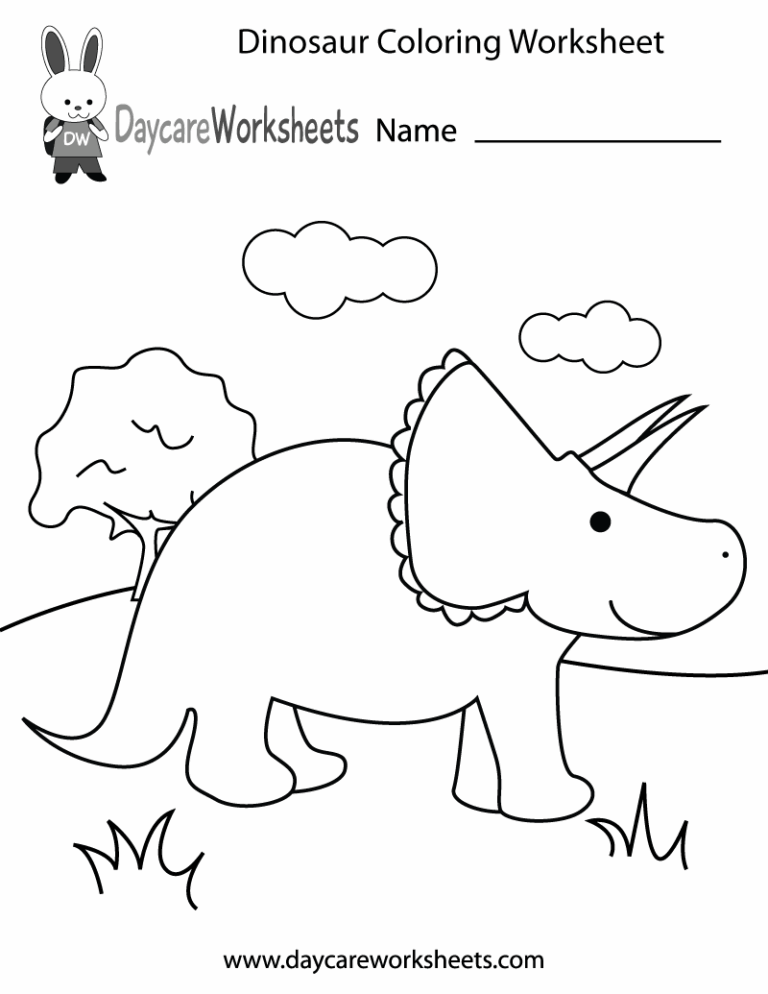
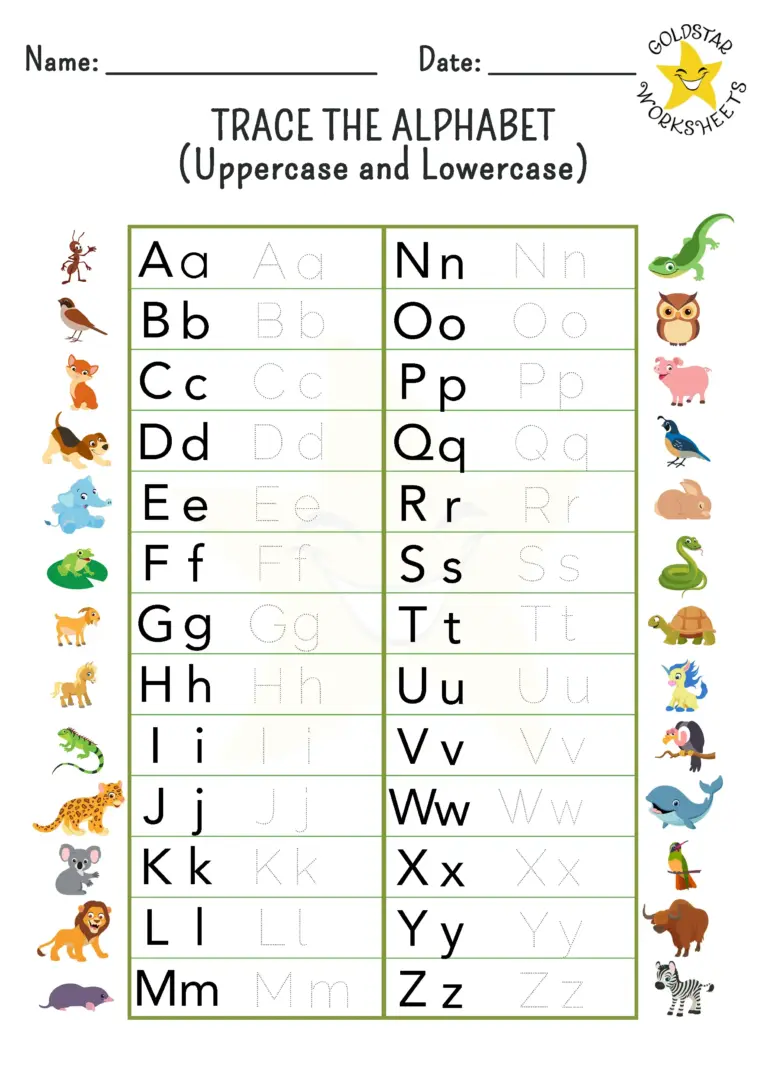
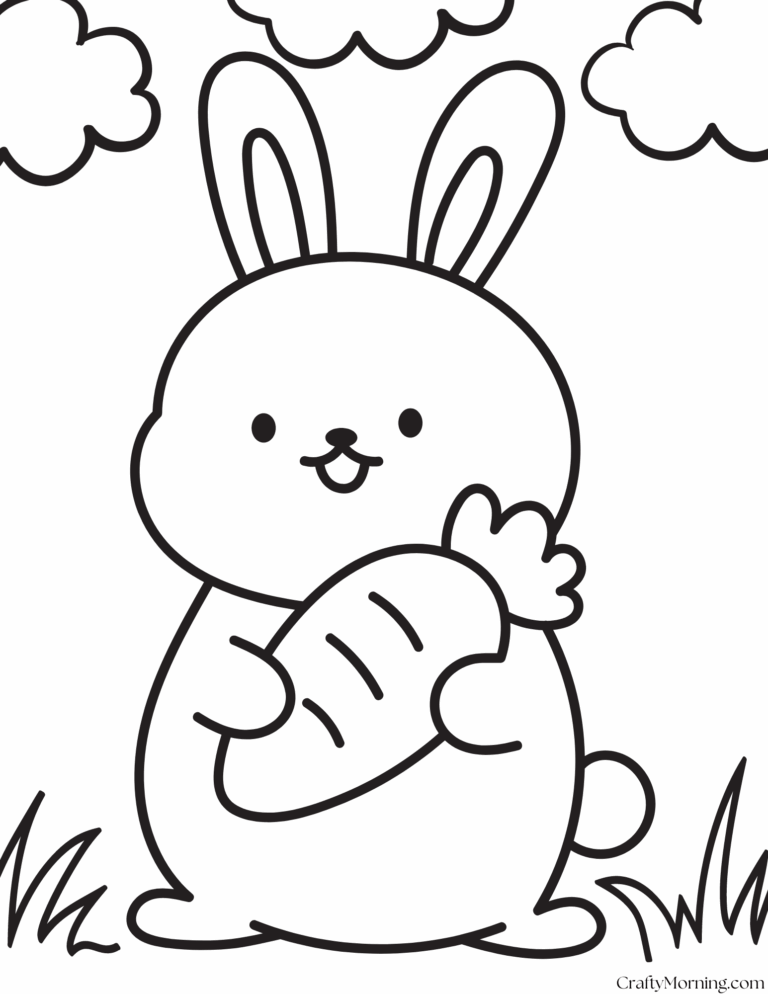
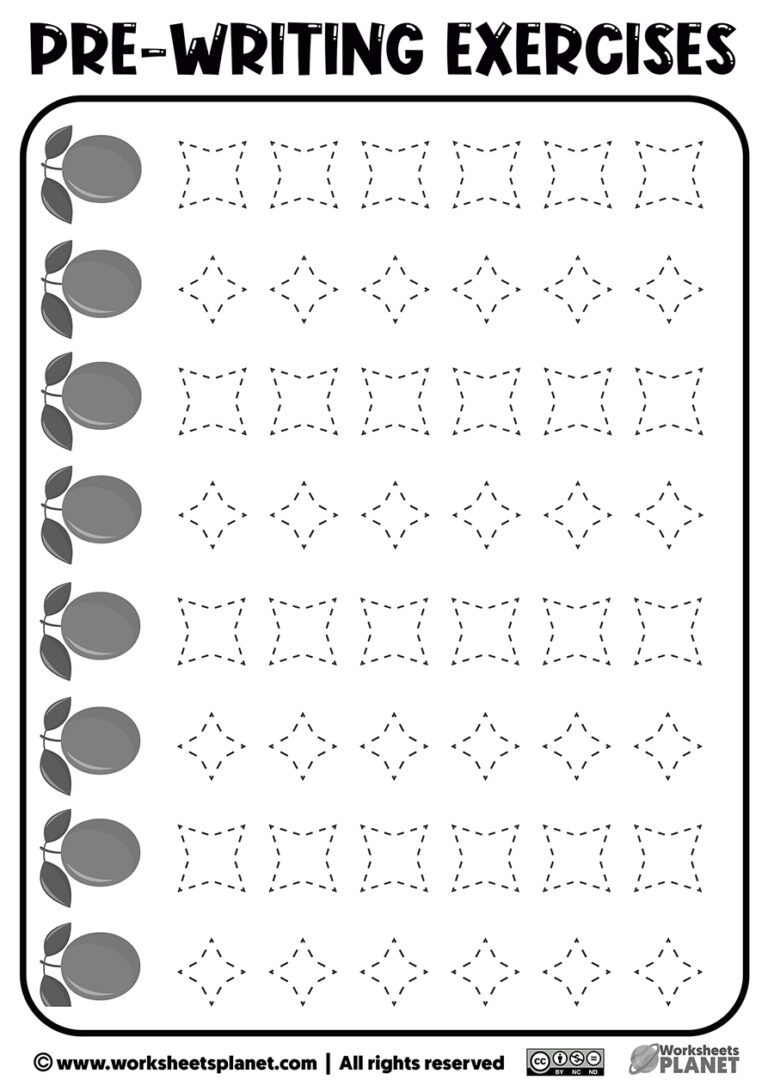
- Fine Motor Skills: Activities such as tracing, coloring, and cutting help enhance hand-eye coordination and dexterity.
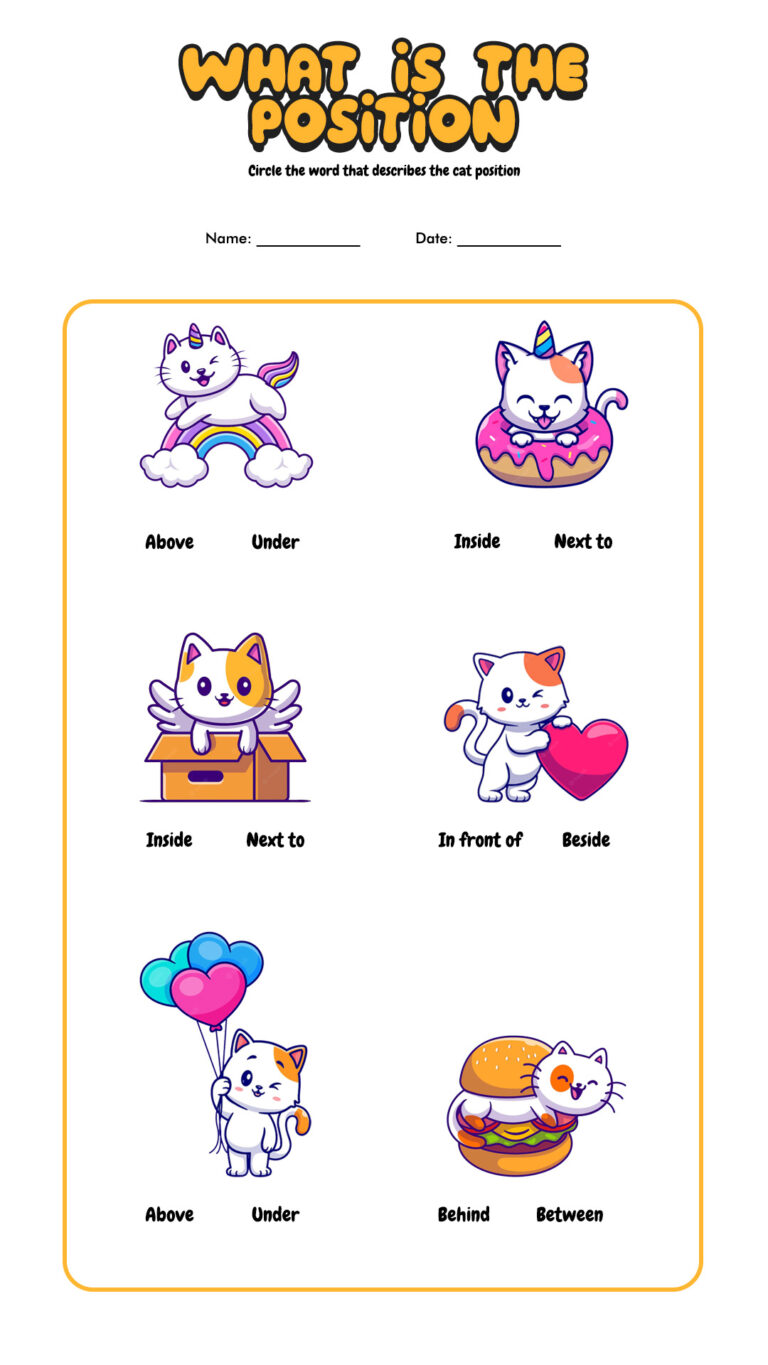
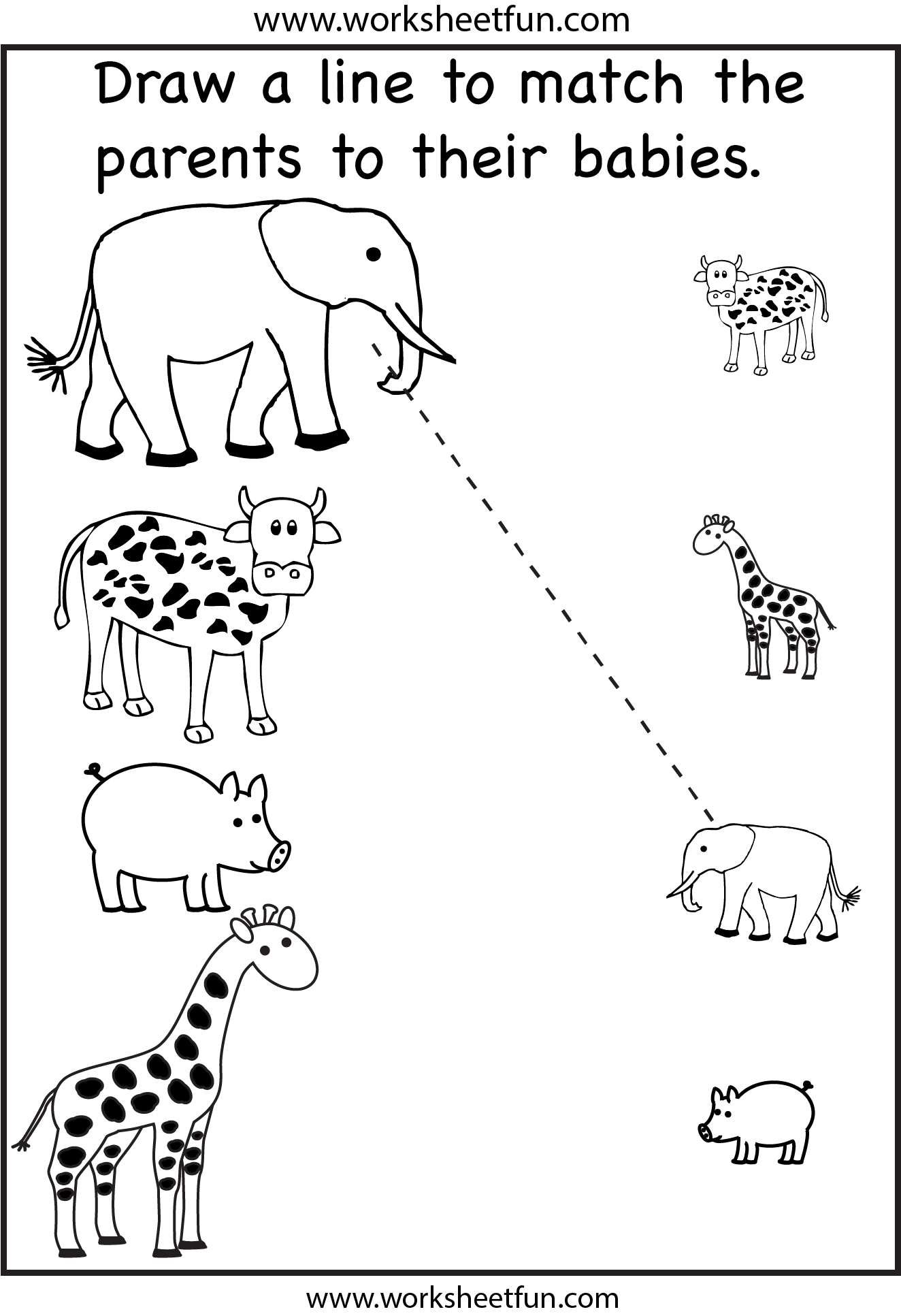
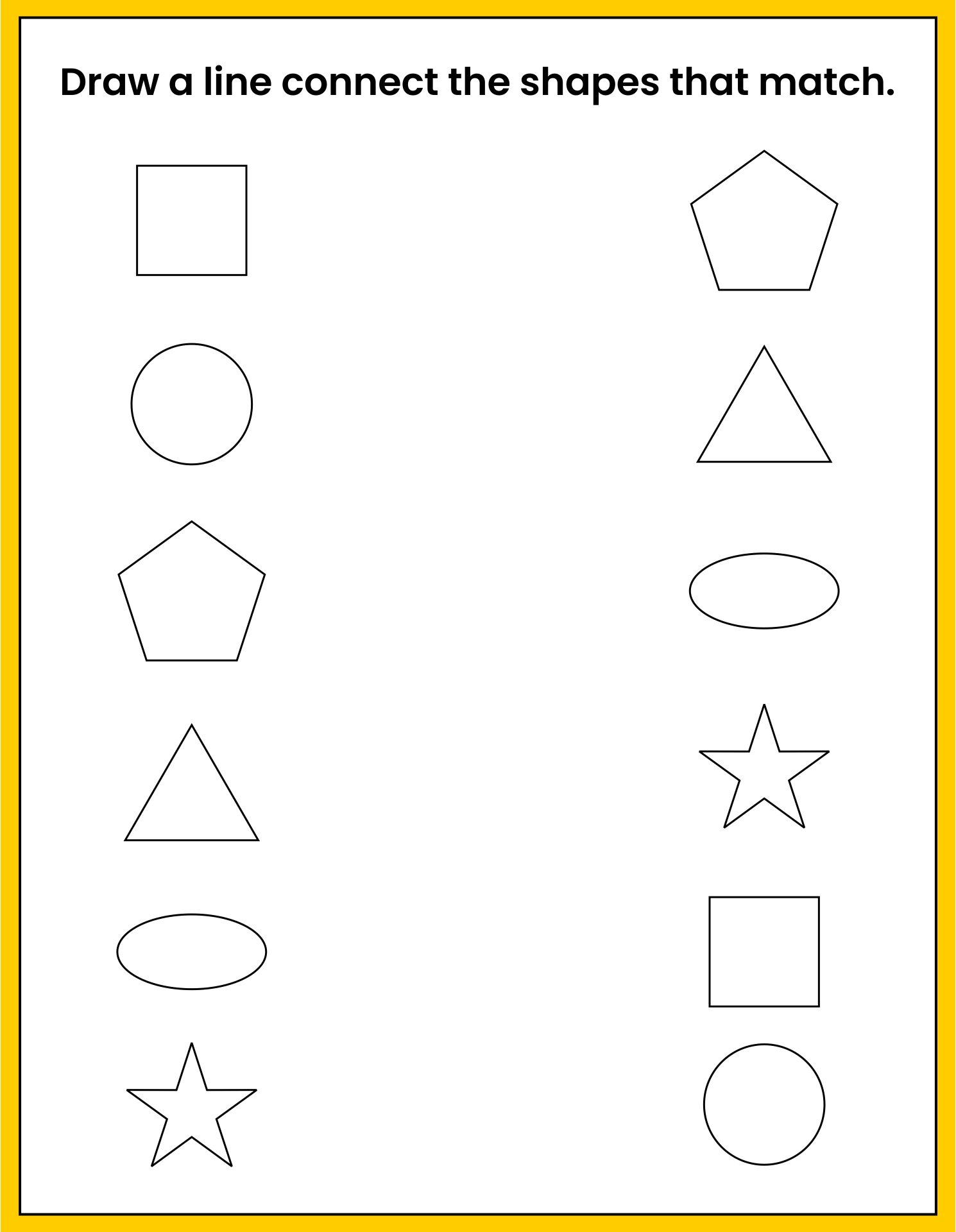
- Cognitive Development: Worksheets that involve puzzles, matching games, or counting activities stimulate critical thinking and problem-solving abilities.
- Language Skills: Worksheets designed for vocabulary building and phonics can assist in early literacy development.
These resources fit seamlessly into the daily routines of teachers and parents alike, making them invaluable for anyone working with young children.
Features of Effective Beginner Printable Worksheets
When choosing beginner printable worksheets for 3 year olds, several features can enhance their effectiveness:
Simple Layout
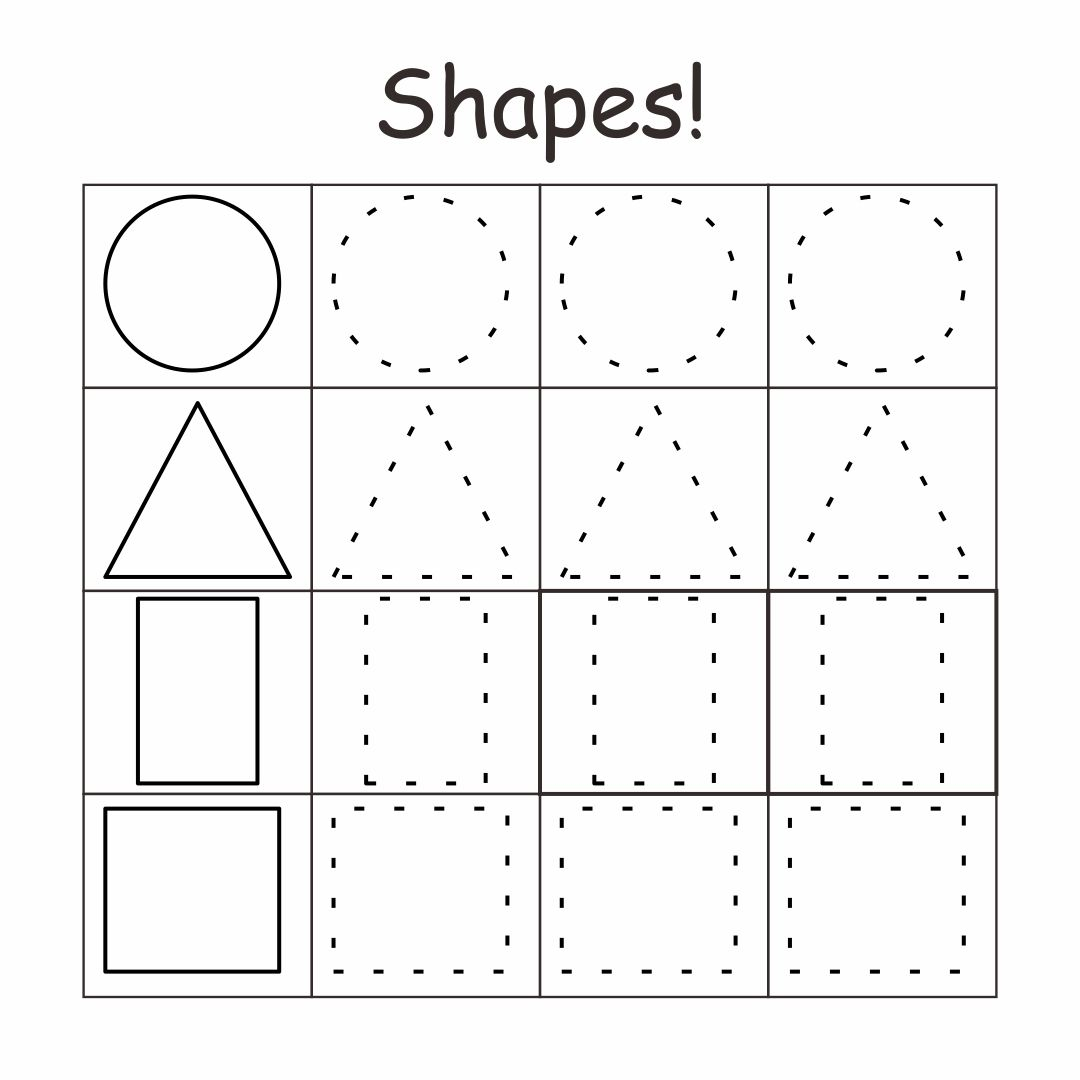
An easy-to-navigate layout is essential. Worksheets should include clear headings, simple instructions, and visually appealing illustrations. A well-organized worksheet allows children to focus on the tasks without feeling overwhelmed.
Engaging Visuals
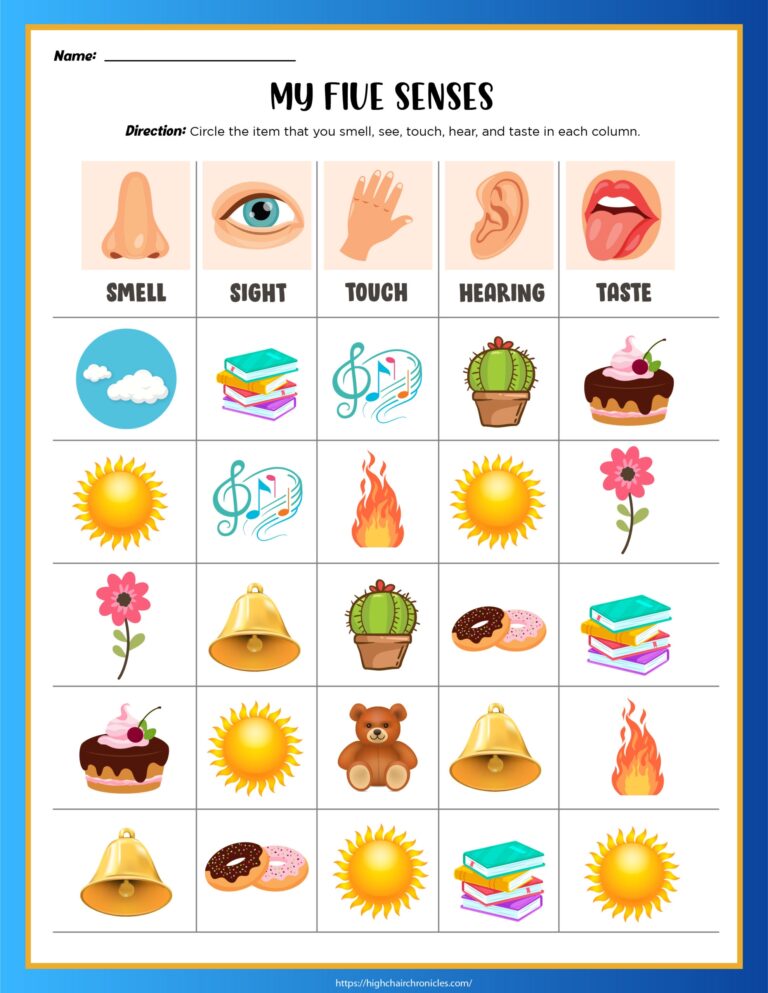
Bright colors and fun images can make a worksheet more inviting. Children are more likely to engage with resources that capture their attention. Look for worksheets that incorporate characters, animals, or familiar objects to enhance relatability.
Varied Activities
Worksheets that offer a variety of activities cater to different learning styles and preferences. Including tasks such as coloring, counting, tracing, and simple mazes can keep children engaged and interested in the learning process.
Age-appropriate Content
Ensure the content is suitable for the developmental level of 3-year-olds. Activities should be straightforward and not overly complex. For instance, basic counting worksheets with images of animals or toys can be more relatable for young children.
How to Integrate Worksheets Into Learning Routines
Incorporating beginner printable worksheets into daily learning routines can be straightforward. Here are some practical ways to do this:
Morning Routine
Start the day with a short worksheet activity. This can serve as a warm-up exercise to get children engaged and ready to learn. Simple tasks like counting how many items are on the page or coloring a specific section can be a fun way to kick off the day.
Transition Times
Use worksheets during transition times, such as waiting for lunch or during a change of activity. This can help keep children occupied and focused while waiting.
Themed Learning Days
Create themed days around specific topics, such as animals, colors, or numbers. Choose worksheets that align with the theme to provide a cohesive learning experience. For example, if the theme is animals, include worksheets that involve animal identification and counting animal pictures.
Parent Involvement
Encourage parents to use worksheets at home as a bonding activity. Providing parents with a set of worksheets can promote family interaction and reinforce learning outside the classroom.
Where to Find Beginner Printable Worksheets
There are numerous online resources where you can find free and high-quality beginner printable worksheets for 3 year olds. Websites dedicated to early childhood education often have a rich library of resources. Consider platforms that allow you to filter worksheets by subject, skill level, and activity type.
Recommended Resources
- Education.com: Offers a wide variety of worksheets focusing on different skills.
- Teachers Pay Teachers: A marketplace where educators share and sell their original worksheets.
- Twinkl: A resource hub with printable worksheets tailored specifically for early years education.
When downloading worksheets, look for options available in PDF format. PDFs ensure that the design remains intact during printing, avoiding any formatting issues that can occur with image files.
Tips for Printing and Using Worksheets
To make the most of your beginner printable worksheets, consider the following tips:
- Paper Type: Use heavier paper, such as cardstock, for worksheets that will be colored or cut out. This helps them withstand wear and tear.
- Print Settings: Set your printer to the “best quality” option for the clearest print. Portrait layout usually works best for worksheets, as they fit standard paper sizes.
- Lamination: If you plan to reuse certain worksheets, consider laminating them. This allows for dry-erase markers to be used, enabling multiple uses with the same worksheet.
Encouraging Creativity With Worksheets
While worksheets are excellent for structured learning, they can also promote creativity. Encourage children to personalize their worksheets by adding their drawings or stickers. This not only makes the activity more engaging but also allows children to express themselves creatively.
By integrating beginner printable worksheets for 3 year olds into your teaching or parenting toolkit, you can create an enriching environment that supports early learning. The right worksheets can foster a love for learning while developing essential skills that will benefit children as they grow. One specific detail to remember: always ensure that the worksheets are suited for the individual child’s developmental level to maximize engagement and effectiveness.