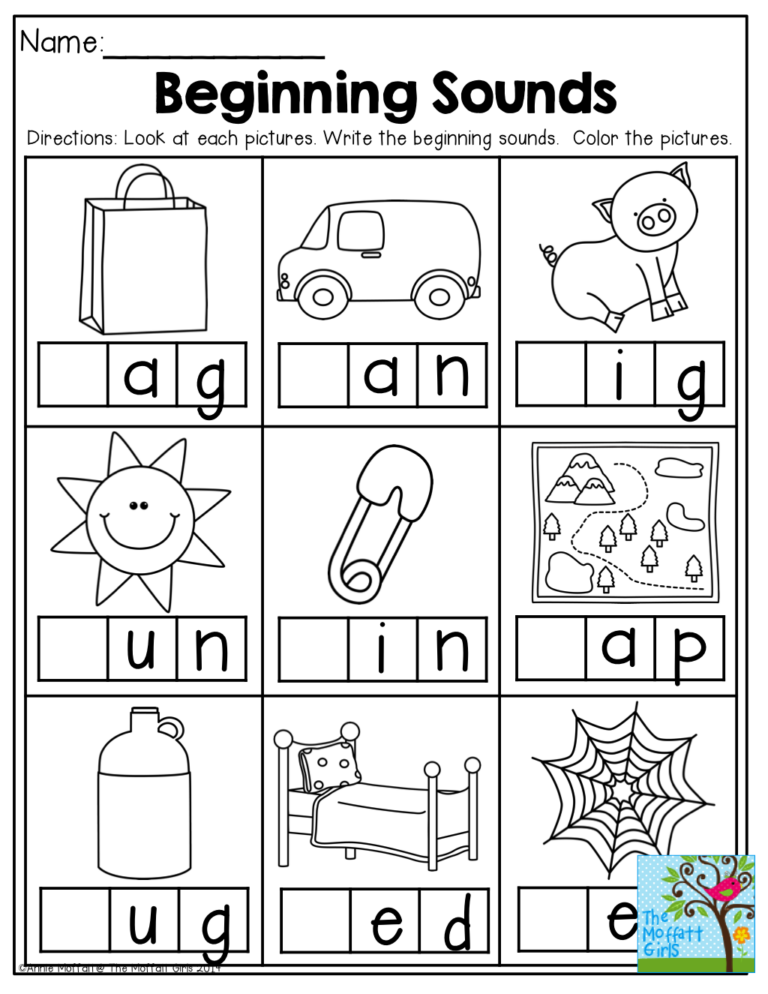
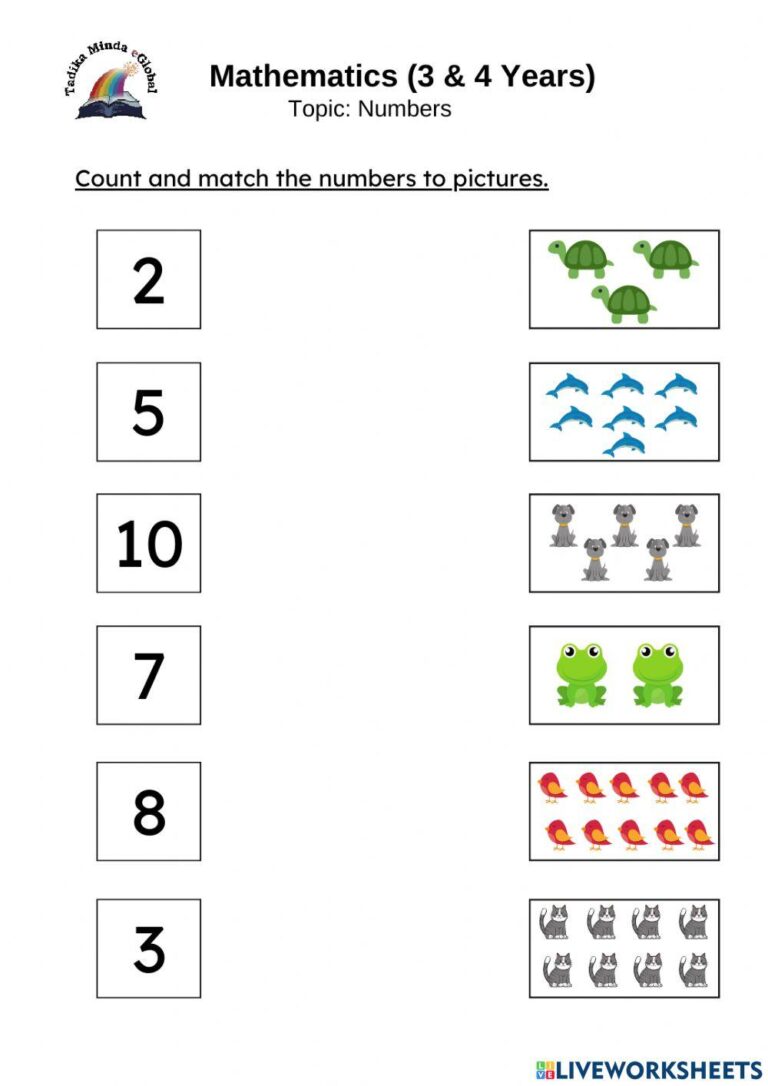
Pre-Handwriting Worksheets For Preschoolers
To help preschoolers develop essential writing skills, Pre-Handwriting Worksheets For Preschoolers are invaluable resources. These worksheets are designed to guide young learners through the early stages of writing, focusing on fine motor skills, coordination, and letter recognition. As a teacher or parent, knowing how to effectively use these worksheets can greatly enhance a child’s readiness for formal writing.
Understanding Pre-Handwriting Skills
Before diving into the worksheets, it’s crucial to understand what pre-handwriting skills entail. Pre-handwriting skills are the foundational abilities that children need to develop before they can start writing letters and numbers. These skills include:
- Fine Motor Skills: The coordination of small muscles in the hands and fingers.
- Hand-Eye Coordination: The ability to coordinate visual input with motor output.
- Grip: Developing the correct pencil grip is essential for writing.
- Spatial Awareness: Understanding how to position letters and words on a page.
By focusing on these areas, Pre-Handwriting Worksheets can build a solid foundation for writing.
Types of Pre-Handwriting Worksheets
When selecting Pre-Handwriting Worksheets For Preschoolers, consider the different types available. Each type serves a unique purpose and caters to various learning styles:
Tracing Worksheets
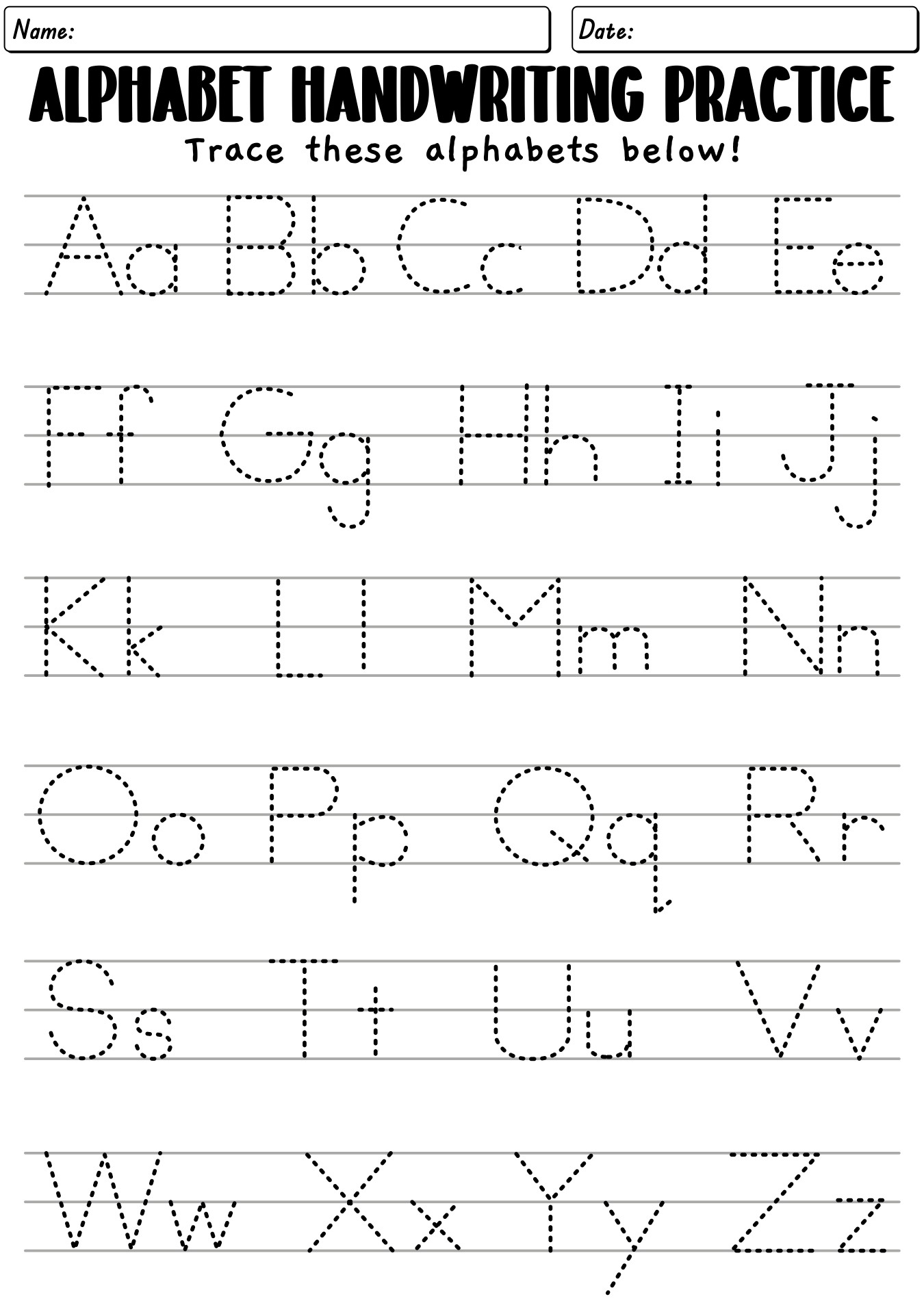
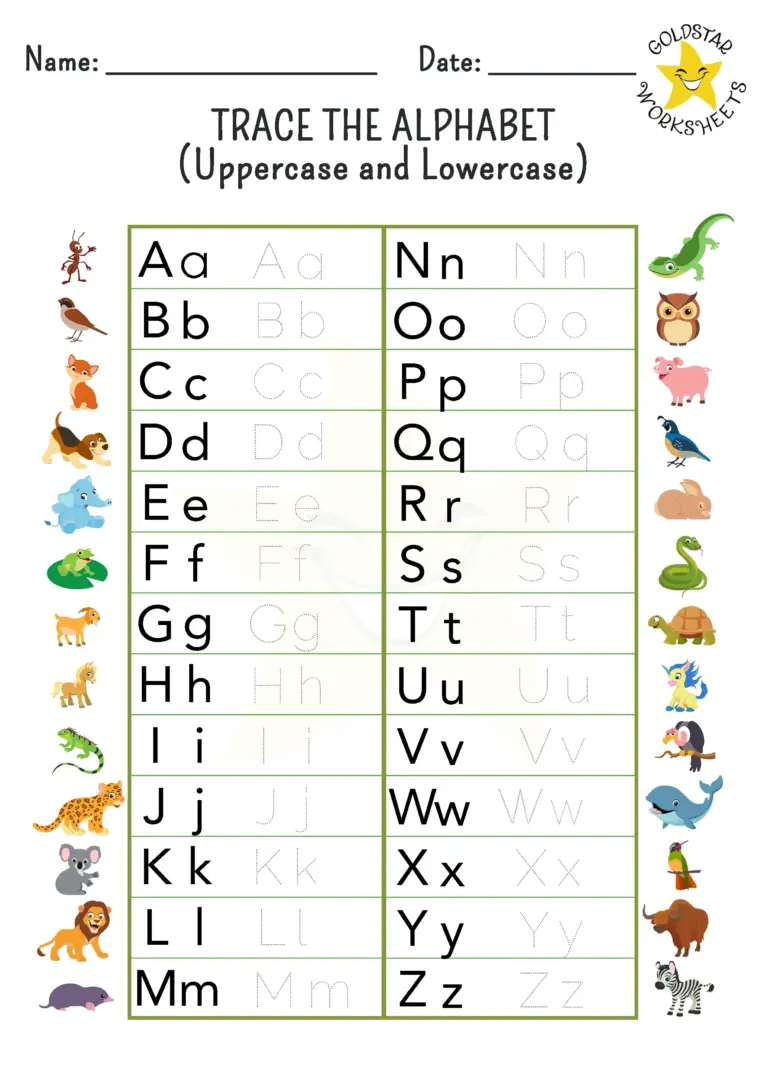
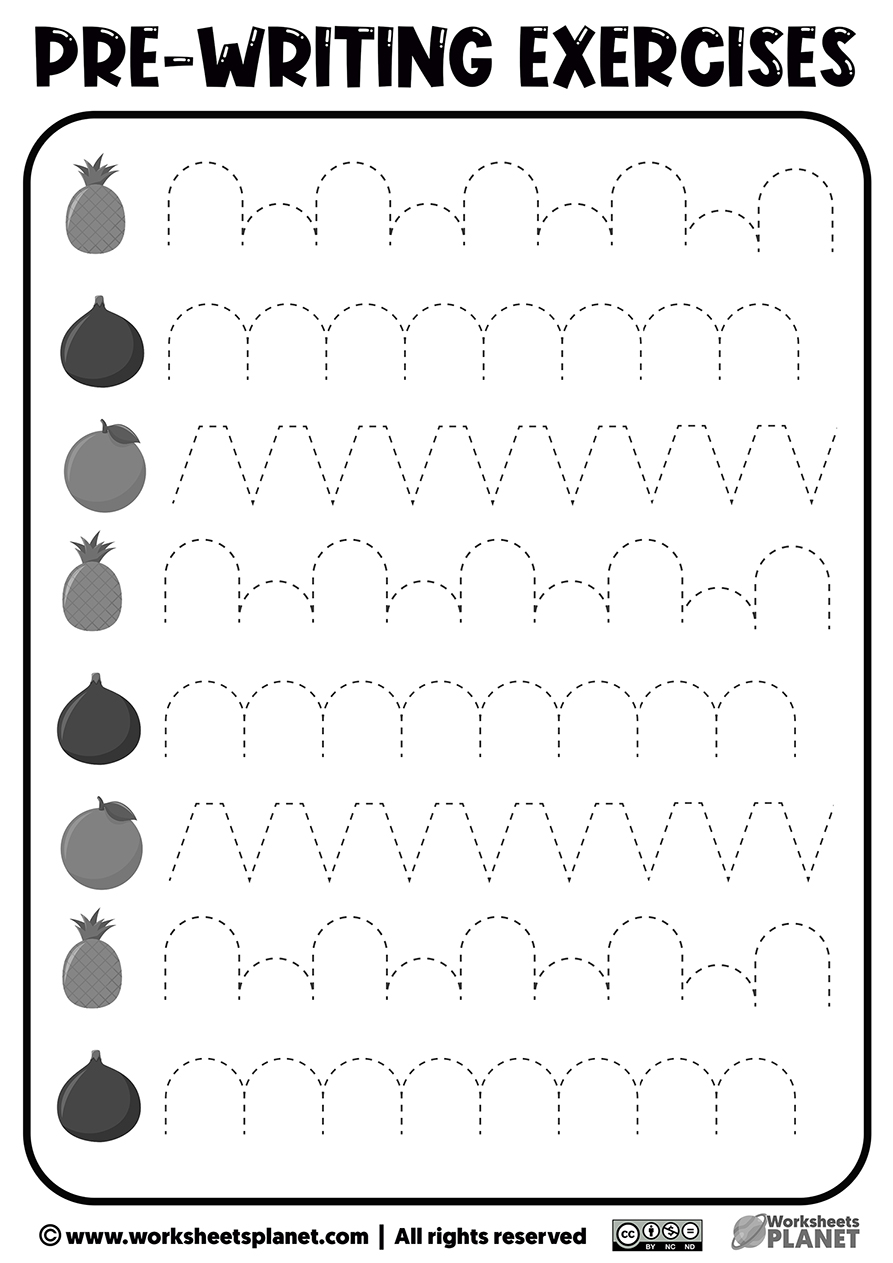
These worksheets often feature dotted lines of letters and shapes that children can trace. Tracing helps reinforce the motor patterns needed for letter formation. Look for worksheets that include both uppercase and lowercase letters, as well as numbers.
Coloring and Drawing Worksheets
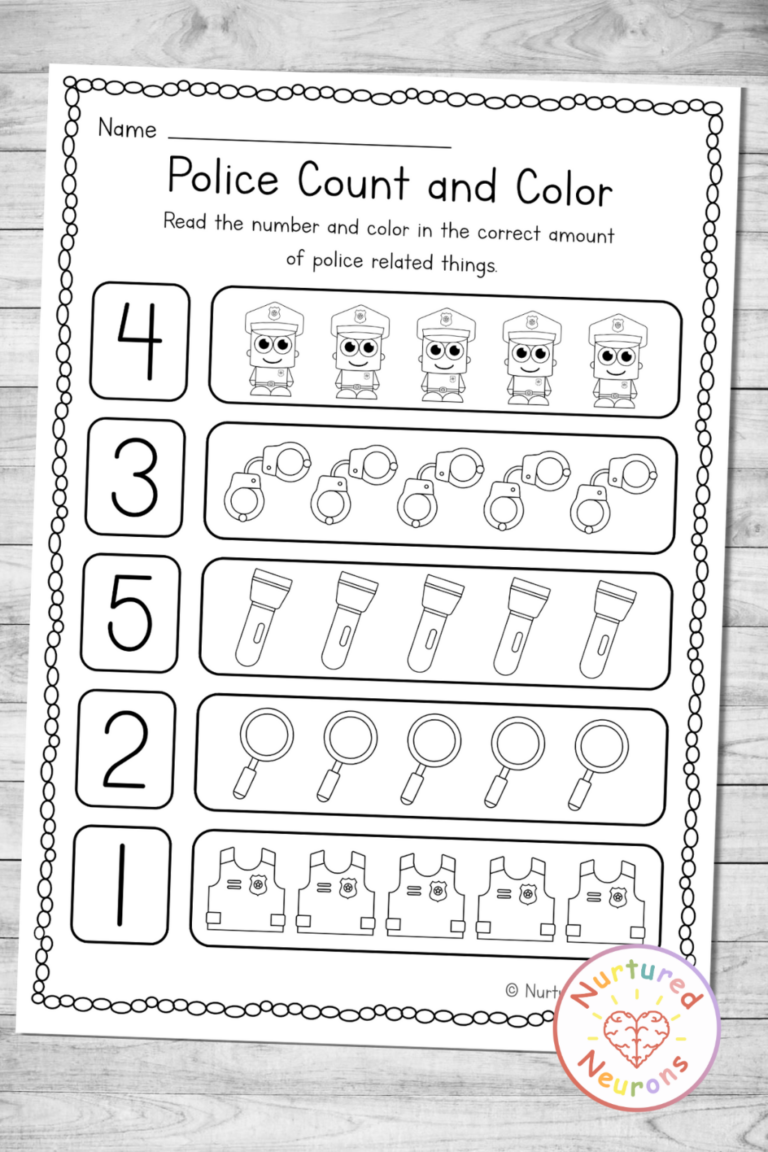
Worksheets that incorporate coloring and drawing not only engage children but also enhance their fine motor skills. These activities encourage creative expression while simultaneously strengthening grip and coordination.
Patterning Worksheets
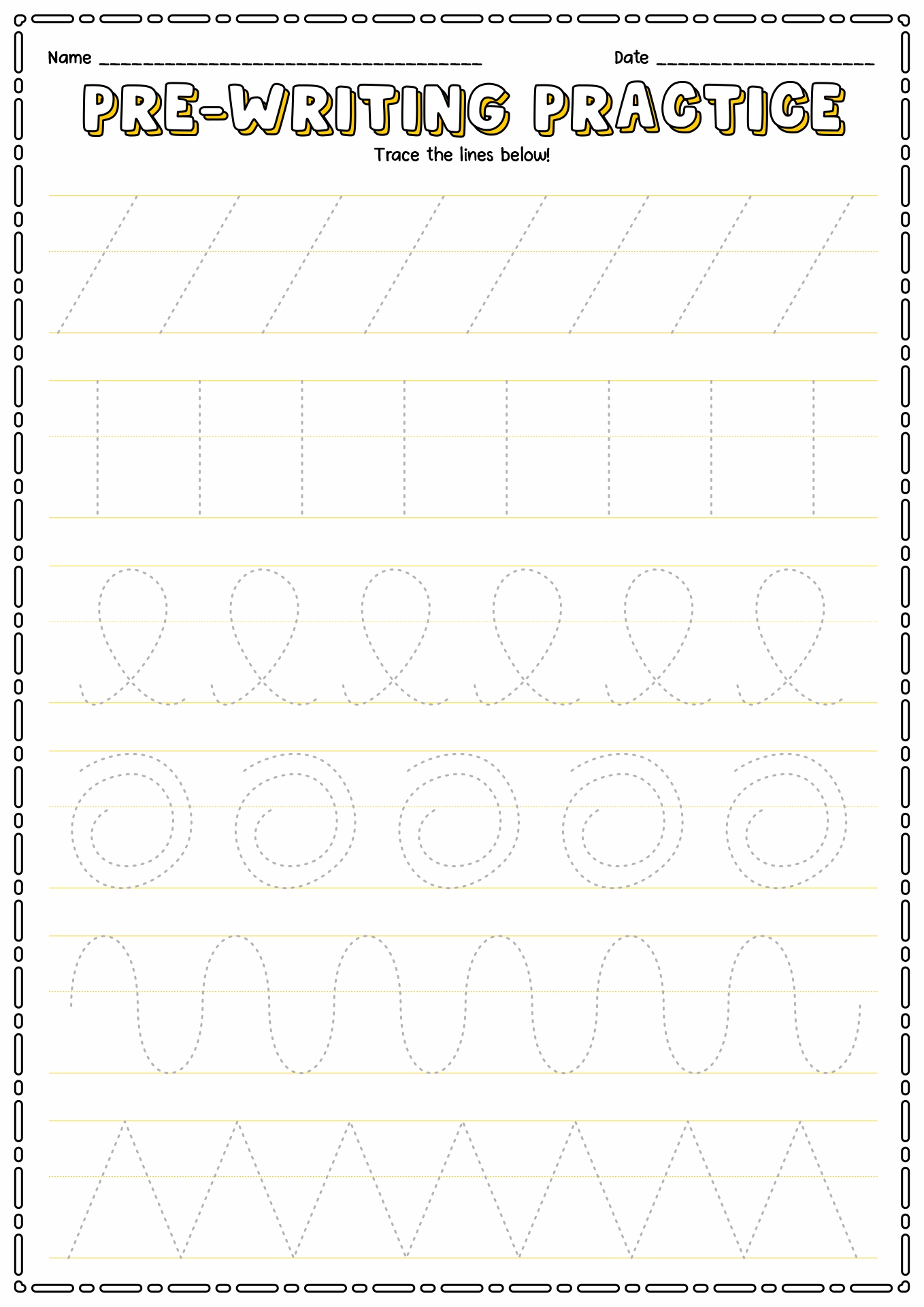
Patterning worksheets help children understand the concept of sequencing. By tracing or drawing patterns, kids learn to recognize shapes and develop the skills necessary for writing letters. Patterns can include various shapes, lines, and curves.
Letter Formation Worksheets
These worksheets focus specifically on teaching children how to form letters. They typically include step-by-step instructions or arrows indicating the direction of strokes. It’s beneficial to choose worksheets that emphasize both letter size and spacing.
How to Use Pre-Handwriting Worksheets Effectively
To maximize the benefits of Pre-Handwriting Worksheets For Preschoolers, consider these practical tips for classroom or home use:
Create a Routine
Establish a regular time for using the worksheets. Consistency helps children develop a habit and reinforces their learning. Whether it’s a few minutes each day or longer sessions a few times a week, find a routine that works for your child.
Provide the Right Tools
Ensure that children have access to appropriate writing materials. Use pencils, crayons, or markers that are easy for small hands to grip. Consider using triangular pencils or ergonomic grips to encourage the correct grip.
Offer Guidance
While children can work independently, offering guidance is essential. Explain each worksheet’s purpose and how to complete it. Encourage them to take their time and focus on the quality of their work rather than rushing through.
Celebrate Achievements
Recognize and celebrate milestones, no matter how small. Positive reinforcement boosts a child’s confidence and motivates them to continue practicing. Whether it’s a sticker for completing a worksheet or verbal praise, celebrate their efforts.
Downloading and Printing Tips
When you’re ready to download and print Pre-Handwriting Worksheets For Preschoolers, keep these tips in mind to ensure an optimal experience:
Choose the Right Format
PDF formats are generally the best choice for printing worksheets. They retain formatting, which prevents any reformatting issues when opening files across different devices. Most printable resources offer PDF downloads.
Select Appropriate Paper
For durability, consider printing on cardstock, especially if the worksheets will be used multiple times or require coloring. If using regular printer paper, ensure it’s of good quality to withstand repeated handling.
Adjust Printer Settings
For the best results, check your printer settings before printing. Use a portrait layout for most worksheets, and set the print quality to high. This ensures that lines are clear and easy for children to follow.
Organize Printed Worksheets
Once printed, organize the worksheets in a binder or folder for easy access. Label sections by type or skill level to streamline the process when selecting activities.
Where to Find Quality Worksheets
There are numerous online platforms where you can find printable Pre-Handwriting Worksheets For Preschoolers. Look for websites that specialize in educational resources, as they often provide a variety of worksheets tailored to different learning needs. Make sure to check reviews or testimonials to ensure the quality of the resources.
Encouraging Independent Practice
Encouraging preschoolers to practice independently is vital for their development. Here are some strategies to foster independent practice with Pre-Handwriting Worksheets:
Set Up a Learning Space
Create a designated area for practicing writing. This space should be comfortable and free from distractions, with all necessary materials readily available.
Provide Clear Instructions
Use simple and clear instructions on the worksheets. Children should be able to understand what is expected without needing constant adult supervision. Visual cues or step-by-step guides can be helpful.
Foster a Positive Environment
Encourage children to express their feelings about their work. If they find certain activities challenging, reassure them that practice is key to improvement. A positive mindset can significantly enhance their learning experience.