Pre-K 3 Review Worksheets
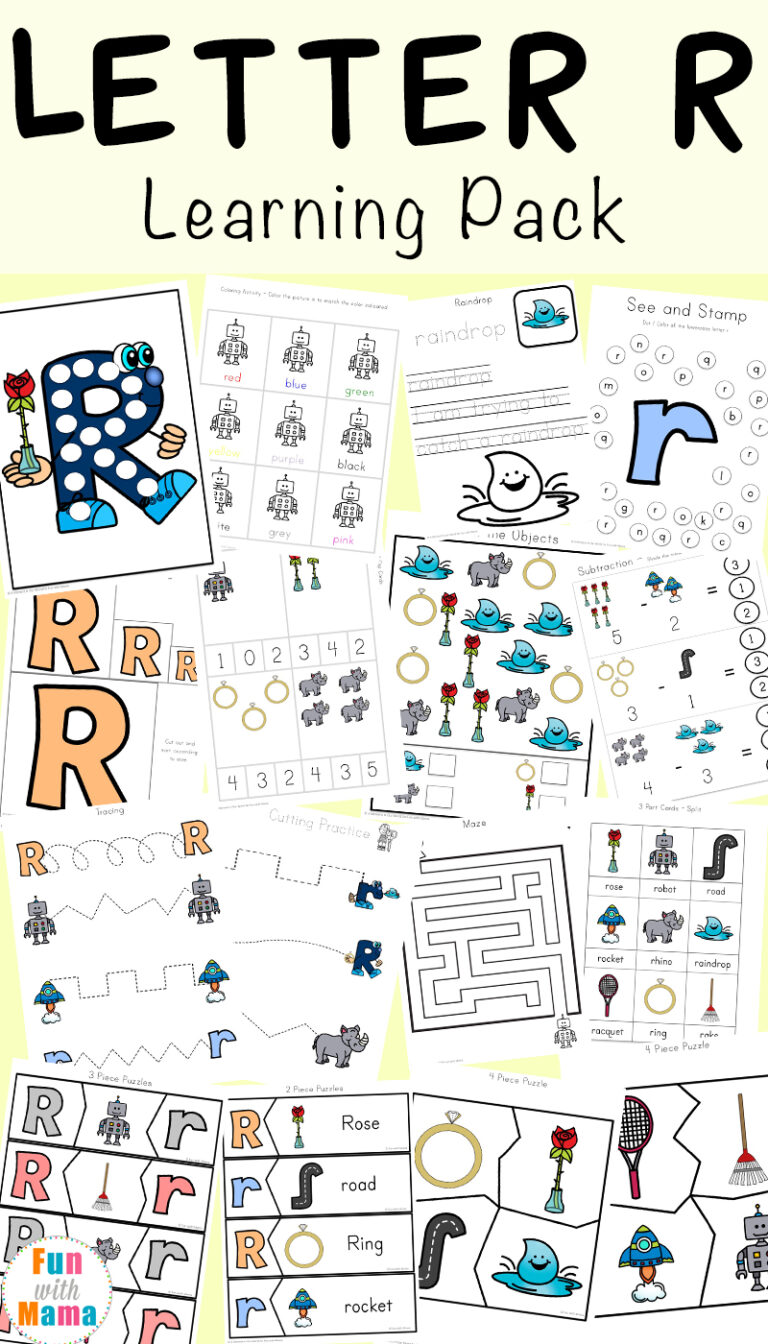
The Pre-K 3 Review Worksheets you’ll find here stand out for their thoughtful layout and design, making them ideal for assessing foundational skills. These worksheets are tailored to meet the developmental stage of preschoolers, focusing on essential topics such as numbers, letters, shapes, and colors. By using these worksheets, you can effectively gauge your students’ progress and identify areas where they may need more practice.
Understanding the Importance of Pre-K Review Worksheets
Review worksheets serve a crucial role in reinforcing concepts that children have learned throughout the school year. They provide a structured way to revisit essential skills, ensuring that young learners retain what they’ve been taught. These worksheets are not just busy work; they are a valuable tool for both teachers and parents to monitor growth and understanding.
For instance, when a child completes a worksheet focused on recognizing letters, you can observe their ability to identify and differentiate between letters. This gives you insight into whether they are ready to advance to reading or if they need additional support.
Key Features of Pre-K 3 Review Worksheets
When selecting Pre-K 3 Review Worksheets, look for specific features that make them effective for young learners:
- Age-Appropriate Content: The worksheets should be tailored to the cognitive and motor skills of 3-year-olds. This includes simple tasks that don’t overwhelm them but still challenge their growing abilities.
- Engaging Layout: Bright colors and fun graphics keep children interested. Worksheets that include illustrations or cartoon characters related to the task can enhance engagement.
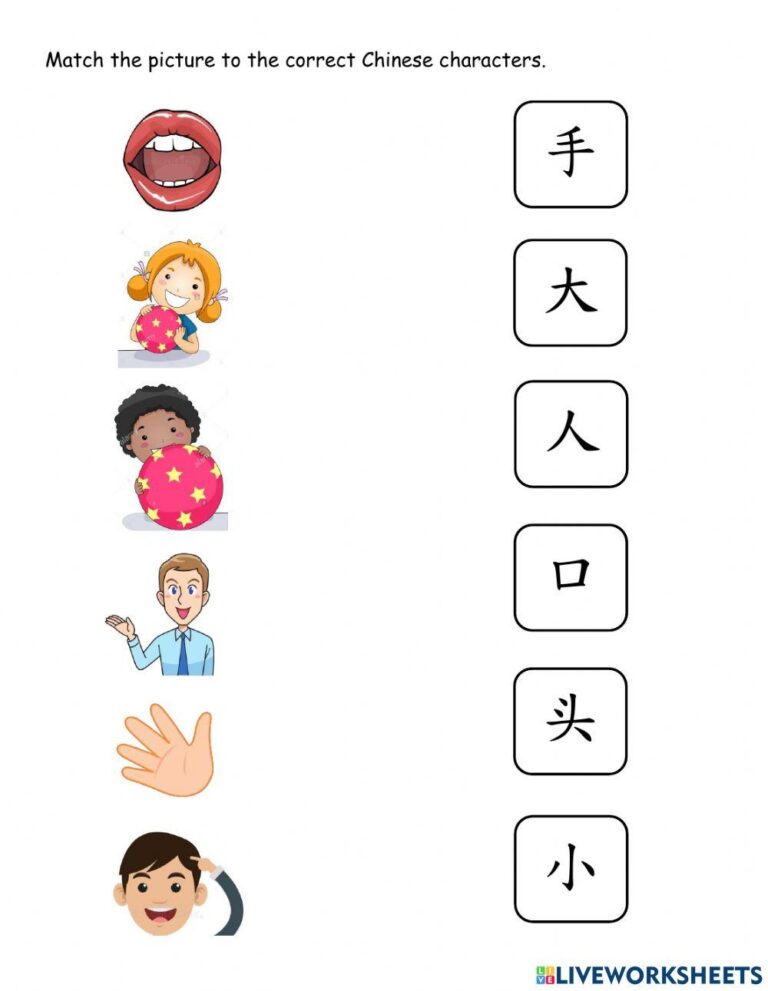
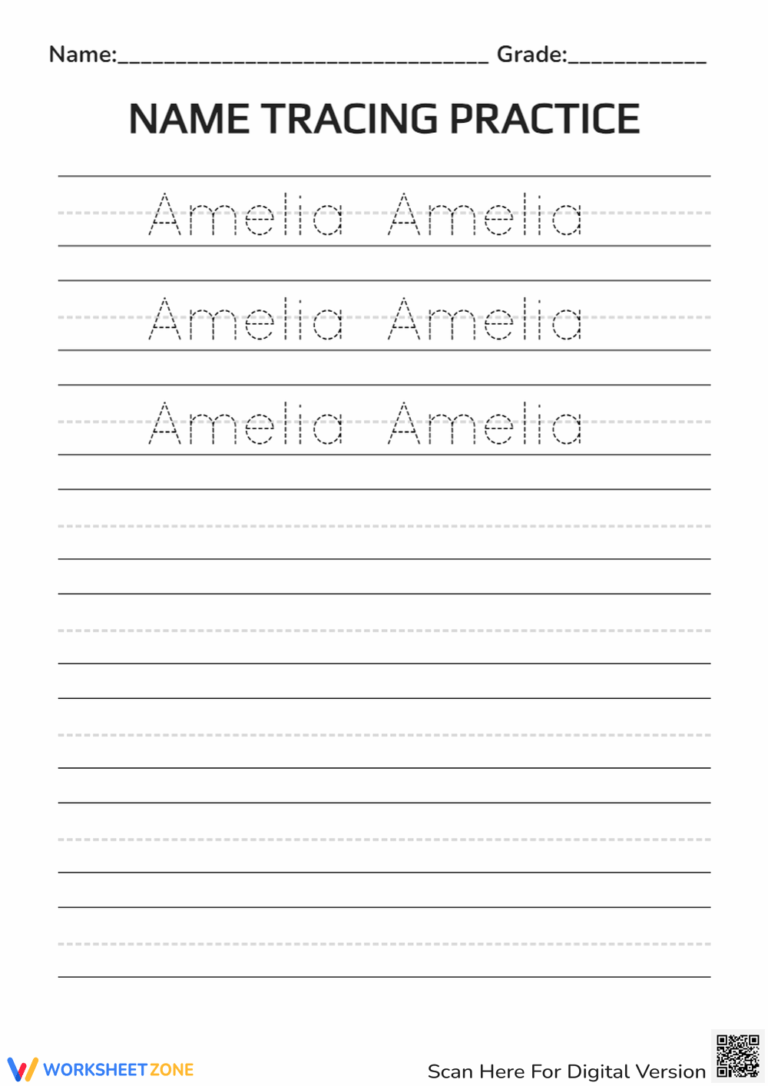
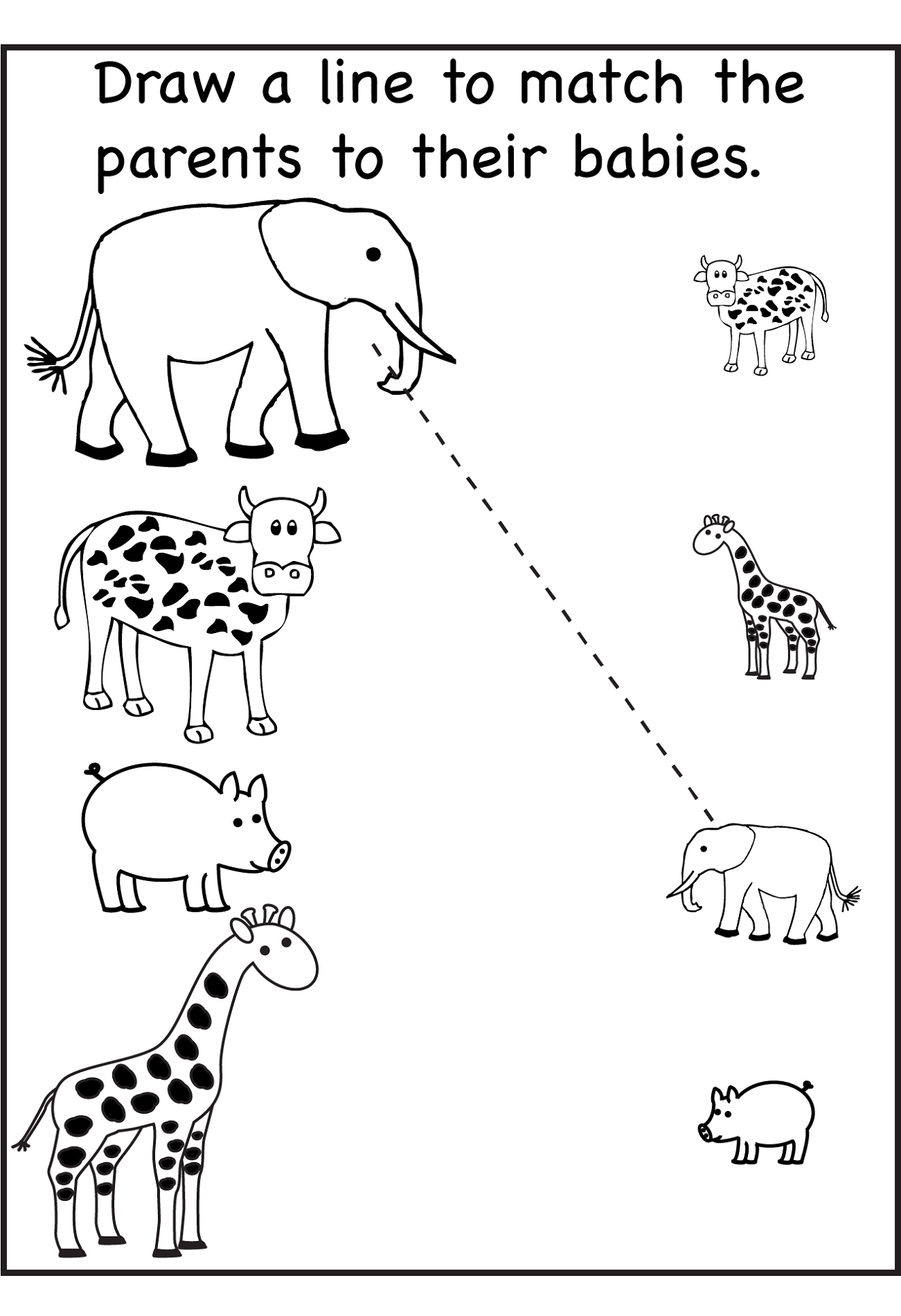
- Variety of Activities: A mix of different types of questions—such as matching, coloring, and tracing—helps cater to various learning styles and keeps the experience dynamic.
- Clear Instructions: Instructions should be simple and straightforward, often with visual cues to assist children in understanding what is expected of them.
These elements combine to create an effective resource that not only checks for understanding but also fosters a love for learning.
How to Use Pre-K 3 Review Worksheets in the Classroom
In the classroom, incorporating Pre-K 3 Review Worksheets can be both enjoyable and educational. Here are some practical ways to use them:
- Daily Warm-Ups: Start each day with a quick review worksheet. This helps to refresh students’ memories and sets a productive tone for the day.
- Center Activities: Place worksheets in learning centers where children can work independently or in small groups. This encourages collaboration while still focusing on individual skill development.
- Progress Monitoring: Use the worksheets to track each child’s progress over time. Collect completed worksheets and note areas where they excel or struggle. This information can guide future lesson planning.
- Parent Engagement: Send worksheets home for parents to complete with their children. This encourages family involvement in the child’s learning process and gives parents insight into what their child is working on in class.
Types of Activities Included in Pre-K 3 Review Worksheets
To effectively cover various skills, Pre-K 3 Review Worksheets typically include a diverse array of activities:
- Letter Recognition: Activities that involve circling or coloring letters help reinforce the alphabet.
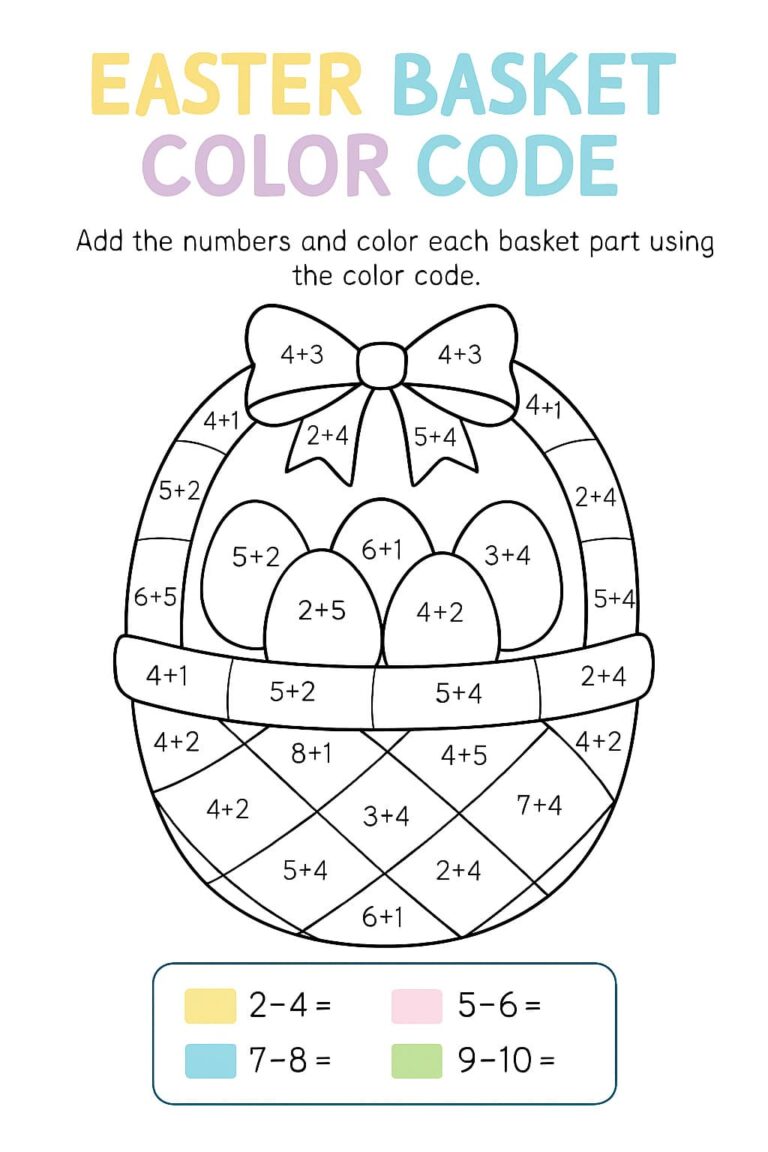
- Number Games: Worksheets may include counting exercises or number matching, assisting children in understanding basic numeracy.
- Shape Identification: Tasks that ask children to identify or color different shapes can solidify their understanding of geometry.
- Coloring Activities: Integrating coloring into the worksheets not only makes them fun but also enhances fine motor skills as children practice holding crayons or markers.
These activities are designed to be interactive, keeping children engaged while learning.
Assessing Mastery With Pre-K 3 Review Worksheets
One of the most significant advantages of using Pre-K 3 Review Worksheets is the ability to assess mastery of concepts. By reviewing completed worksheets, you can determine which skills have been mastered and which still require attention.
Look for these indicators of mastery:
- Accuracy: If a child consistently answers questions correctly, it indicates a solid understanding of the concept. For instance, if they can identify all the letters in a worksheet without assistance, they are likely ready to move on to more complex reading tasks.
- Independence: Observe whether students can complete the worksheets without guidance. Independence in following instructions and completing tasks shows confidence and understanding.
- Engagement Level: Children who are excited about their work and put effort into completing the worksheets are often more likely to have grasped the material.
By systematically assessing these areas, you can tailor your teaching approach to meet the needs of each child.
Tips for Printing and Preparing Pre-K 3 Review Worksheets
Before you hand out these worksheets, consider a few practical tips for printing and preparing them:
- Use Quality Paper: For durability, print on cardstock or heavier paper. This prevents tearing and allows for easier handling by little hands.
- Laminating: If you plan to use the worksheets multiple times, consider laminating them. This way, children can use dry-erase markers for repeated practice.
- Printing Format: Ensure you print in portrait orientation unless the worksheet is specifically designed for landscape. This format typically fits better on most classroom desks.
- Check Printer Settings: Before printing, double-check your printer settings to avoid any formatting issues. Print a test page if you’re unsure.
These details can enhance the usability of the worksheets and ensure a seamless experience for both teachers and students.
The Pre-K 3 Review Worksheets are a fantastic resource for assessing young learners. Their engaging design and variety of activities make them effective tools for reinforcing essential skills. One specific detail that can significantly enhance their use is incorporating a reward system for completed worksheets, encouraging children to take pride in their work and progress.