Pre-K And Kindergarten Sunday School Worksheets
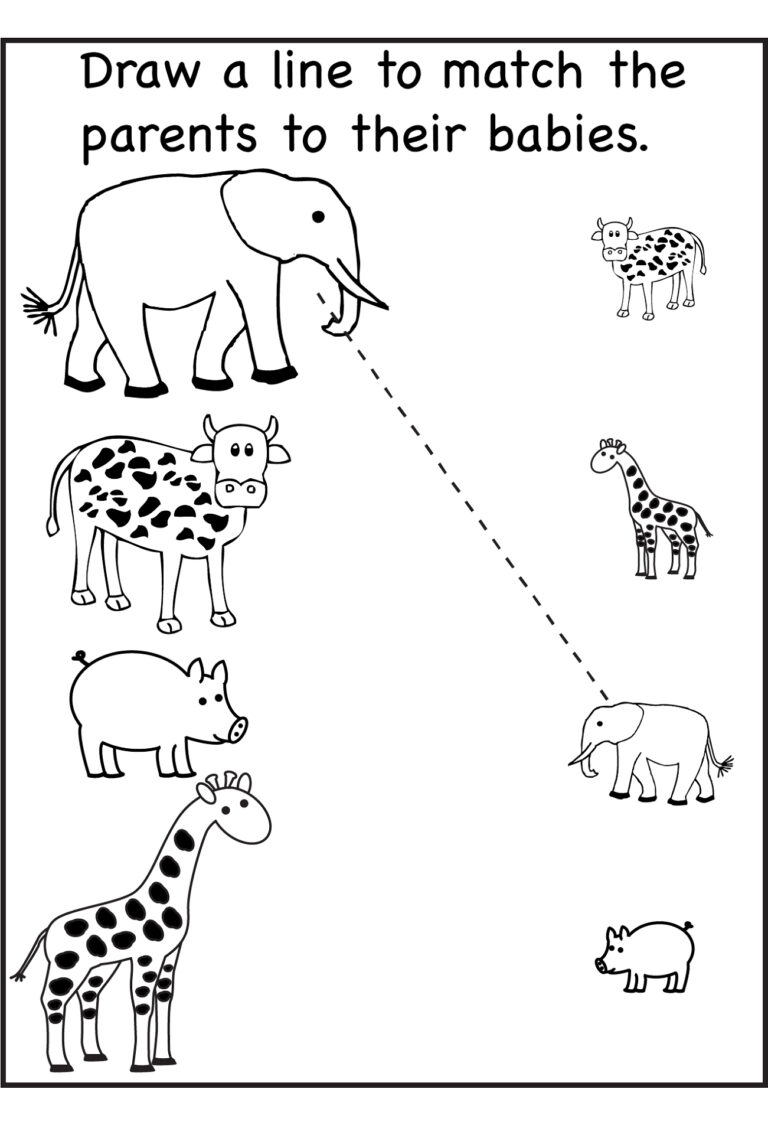
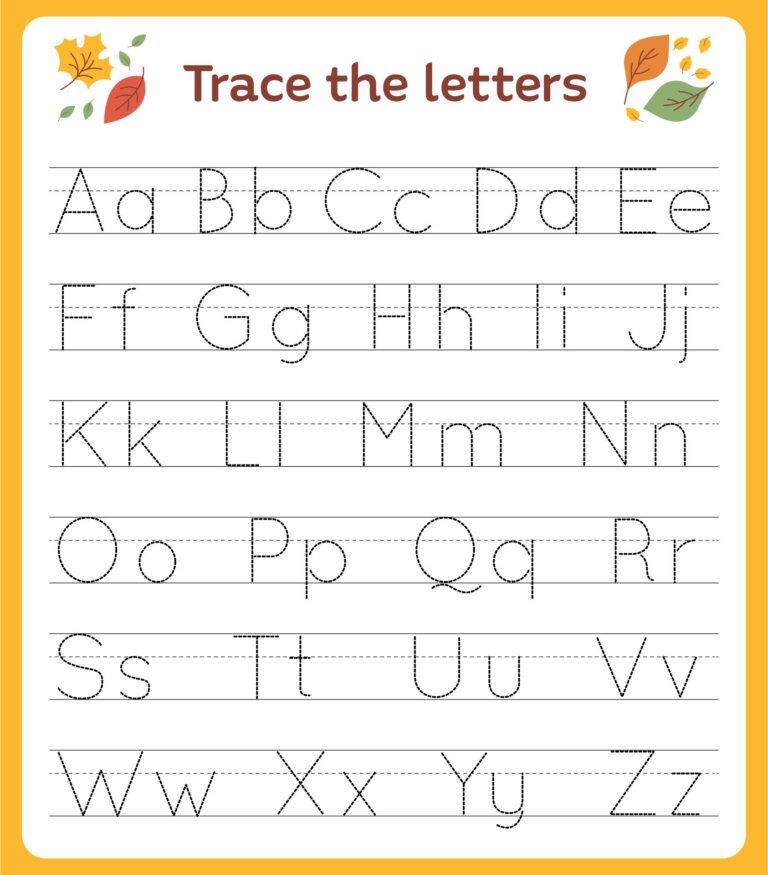
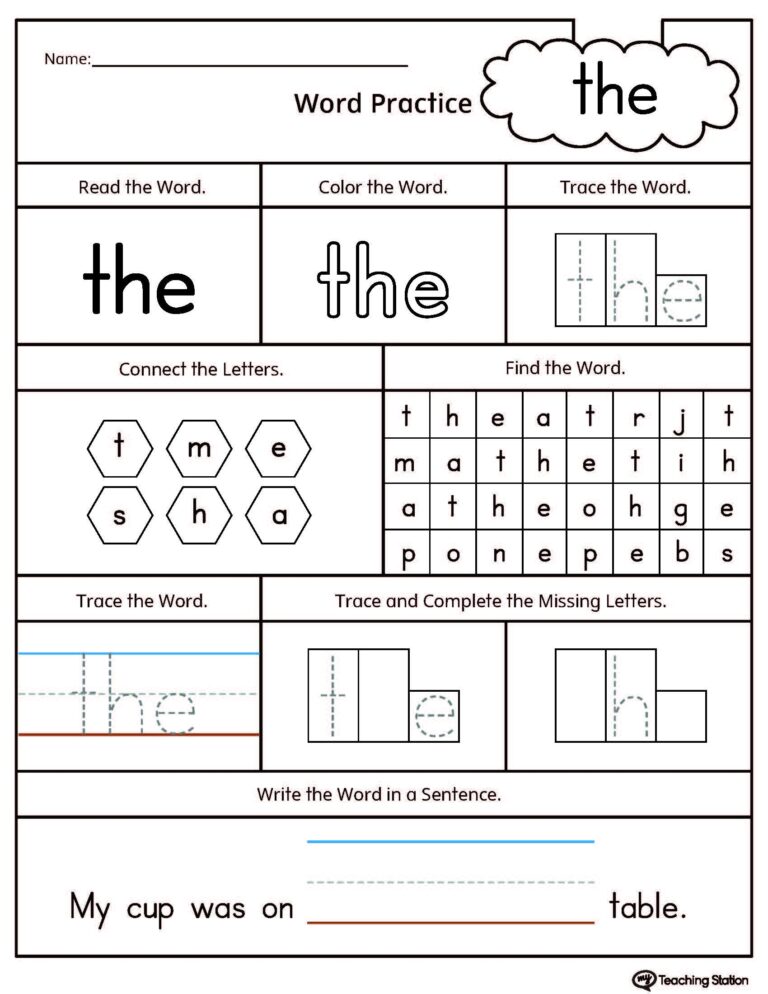
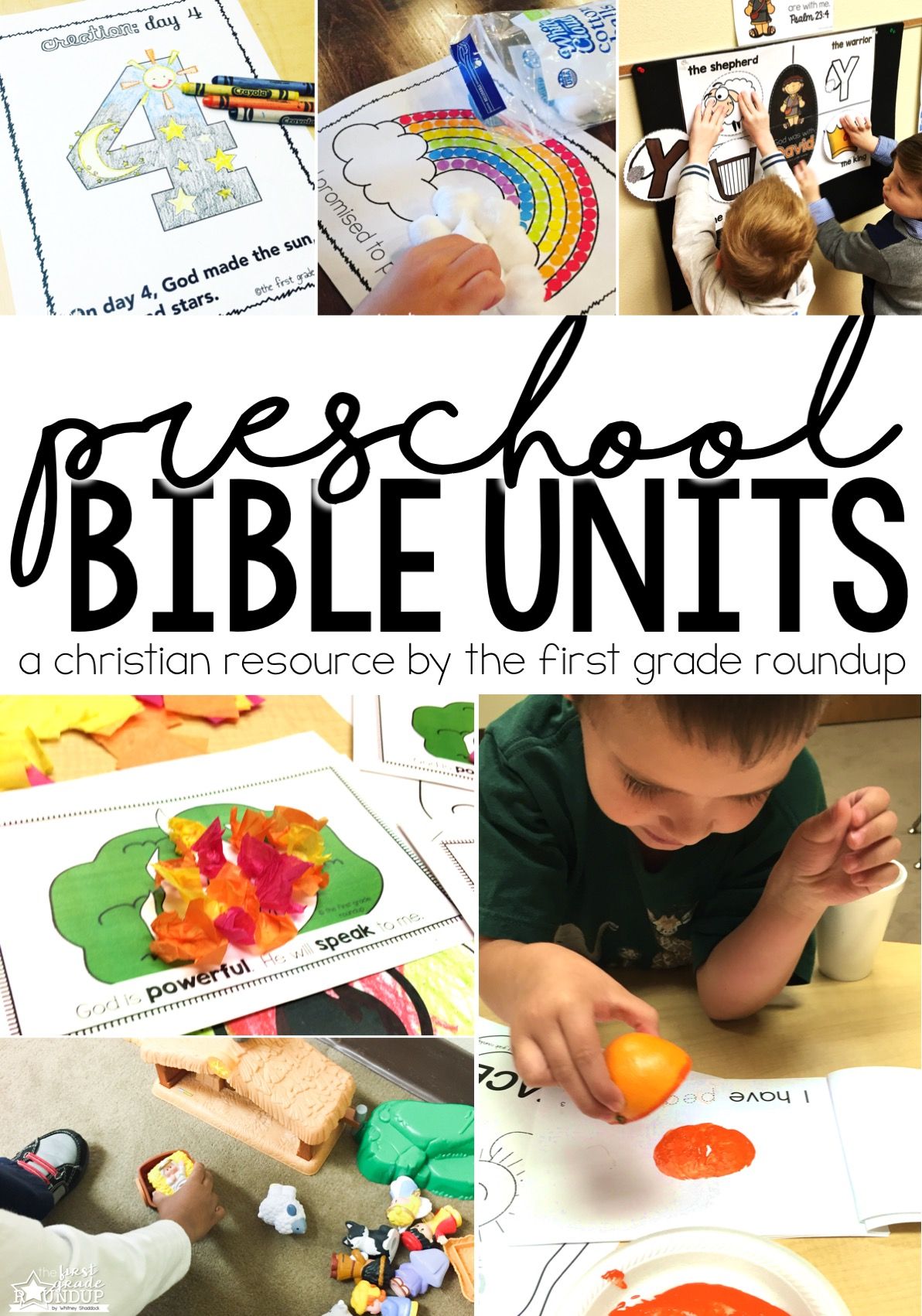
Providing engaging and educational resources for young learners is essential in shaping their understanding of faith and community. Pre-K And Kindergarten Sunday School Worksheets are tailored to create a fun and interactive learning environment, allowing children to explore biblical stories and concepts through activities designed for their age group. In this article, we’ll walk through how to effectively use these worksheets in your classroom or home setting.
Choosing the Right Worksheets
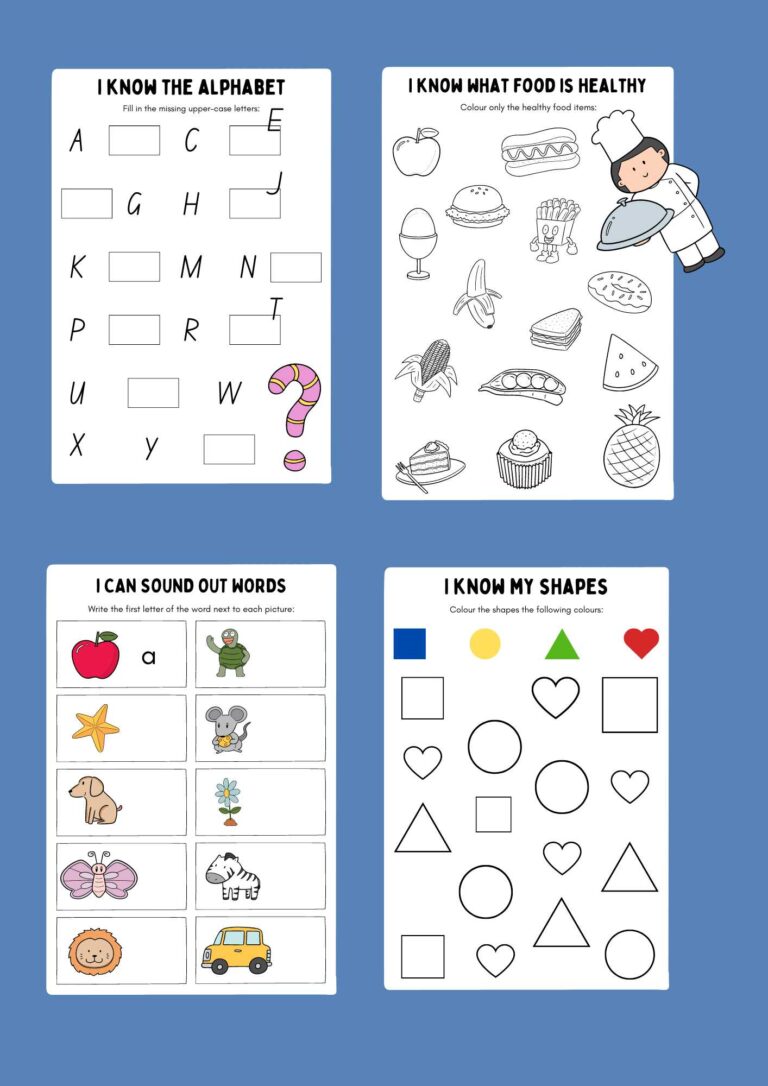
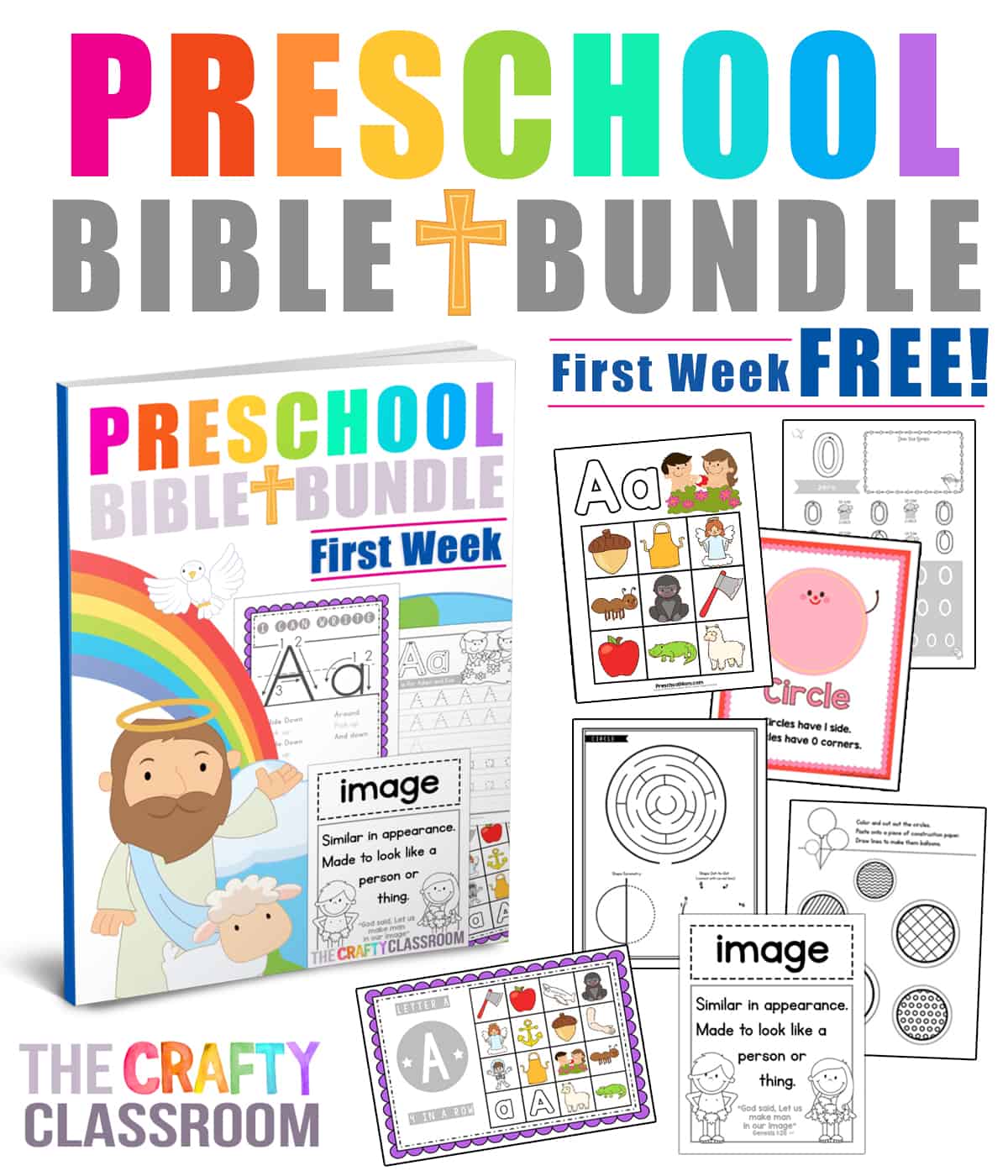
When selecting worksheets, consider the specific themes or lessons you want to cover. Do you want to introduce a particular Bible story? Or perhaps you’re focusing on a moral lesson, such as kindness or sharing? Identifying your goals will help narrow down your options. Many worksheets come in various formats, including coloring pages, puzzles, and fill-in-the-blank activities, which cater to different learning styles.
Age Appropriateness
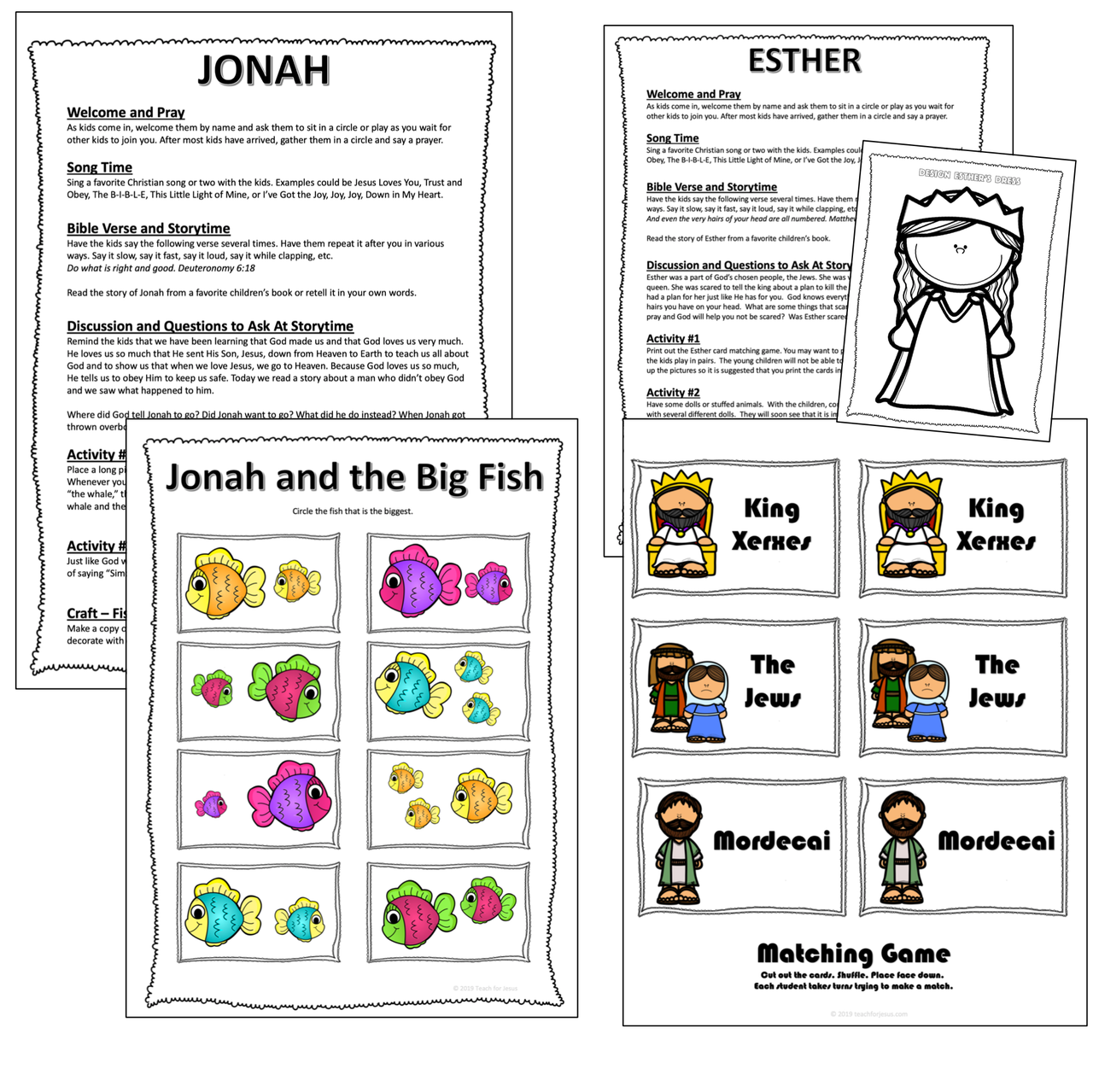
Ensure that the worksheets are suitable for Pre-K and Kindergarten levels. Typically, these worksheets should feature simple language, colorful illustrations, and hands-on activities. Look for resources that emphasize basic concepts like colors, numbers, and shapes while integrating biblical themes. For instance, a worksheet that combines counting with a story about Noah’s Ark can reinforce both numerical skills and story comprehension.
Downloading and Printing Worksheets
Once you’ve identified the worksheets you wish to use, the next step is downloading and printing them. Most resources are available in PDF format, which preserves the layout and design, ensuring that your printouts look just like the originals.
Printing Tips
- Paper Size: Standard letter size (8.5 x 11 inches) works well for most home printers. For coloring pages or larger activities, consider using legal-sized paper (8.5 x 14 inches) if your printer supports it.
- Print Settings: Use portrait orientation for most worksheets. If you’re printing coloring pages, consider using a heavier paper or cardstock to prevent bleed-through from markers or crayons.
- Bulk Printing: If you’re printing for a full class, check your printer’s settings to ensure you can print multiple copies efficiently. You may also want to ask your school if they offer printing services to save time.
Setting Up the Worksheets for Use
After printing, it’s time to organize the materials for your students. Depending on the activity, you might want to:
- Create a Binder: Use a three-ring binder to keep worksheets organized by theme or lesson. This makes it easy for you and your students to find the right material quickly.
- Laminate for Durability: If you plan on reusing certain worksheets, consider laminating them. This allows for dry-erase markers to be used, making it easy to wipe and reuse for different groups.
- Group Activities: Some worksheets lend themselves well to group work. Pair worksheets with related crafts or discussions to deepen understanding. For example, after a worksheet on the story of David and Goliath, you could have a group discussion about bravery.
Engaging Students With Worksheets
To maximize the impact of the worksheets, consider how you can engage your students during the activities. Here are several strategies:
Interactive Learning
Encourage students to share their answers and thoughts aloud. This not only reinforces their learning but also builds confidence in speaking. For instance, after completing a worksheet on the Good Samaritan, ask students how they would help someone in need in their own lives.
Incorporate Movement
For younger children, incorporating movement can be beneficial. After working on a worksheet, have a quick activity that relates to the lesson. For example, if the worksheet is about the creation story, you might have a “nature walk” where students can find and discuss various elements of God’s creation.
Use Visual Aids
Complement worksheets with visual aids such as storybooks, videos, or puppets. These tools can help illustrate the lessons and make the stories come alive for the children.
Reviewing and Grading Worksheets
While grading may not be the primary focus at this age, it’s helpful to review worksheets with your students. This reinforces learning and allows you to assess their understanding of the material. Here are some practical tips:
Feedback
Provide positive feedback on their completed work. Acknowledge their efforts and offer constructive guidance on how they can improve. For example, if a child struggled with a coloring activity, gently suggest ways to stay within the lines next time.
Celebrate Achievements
Consider celebrating completed worksheets or activities. You might create a “Wall of Fame” in your classroom where you display particularly well-done work. This can motivate students to take pride in their efforts.
Answer Keys
If available, use answer keys to help guide your reviews. These can save time and ensure you’re providing accurate feedback. If answer keys aren’t provided, create your own based on the worksheets to streamline the process.
By utilizing Pre-K And Kindergarten Sunday School Worksheets effectively, you can create an enriching educational experience that fosters a love for learning and understanding of biblical teachings. These resources not only provide foundational skills but also encourage spiritual growth in a fun and interactive way. A practical tip: always keep a few extra worksheets on hand for students who finish early or need additional practice, ensuring that every child remains engaged.