Courteous Language Vs Noncourteous Preschool Worksheet
Teaching preschoolers the importance of language is crucial for their social development. The topic of courteous language versus noncourteous language is vital, as it shapes how young children interact with their peers and adults. In this article, we will delve into the Courteous Language Vs noncourteous Preschool Worksheet, discussing its practical applications, how to use it effectively, and the benefits it can bring to children’s learning experiences.
Understanding the Importance of Language in Preschool
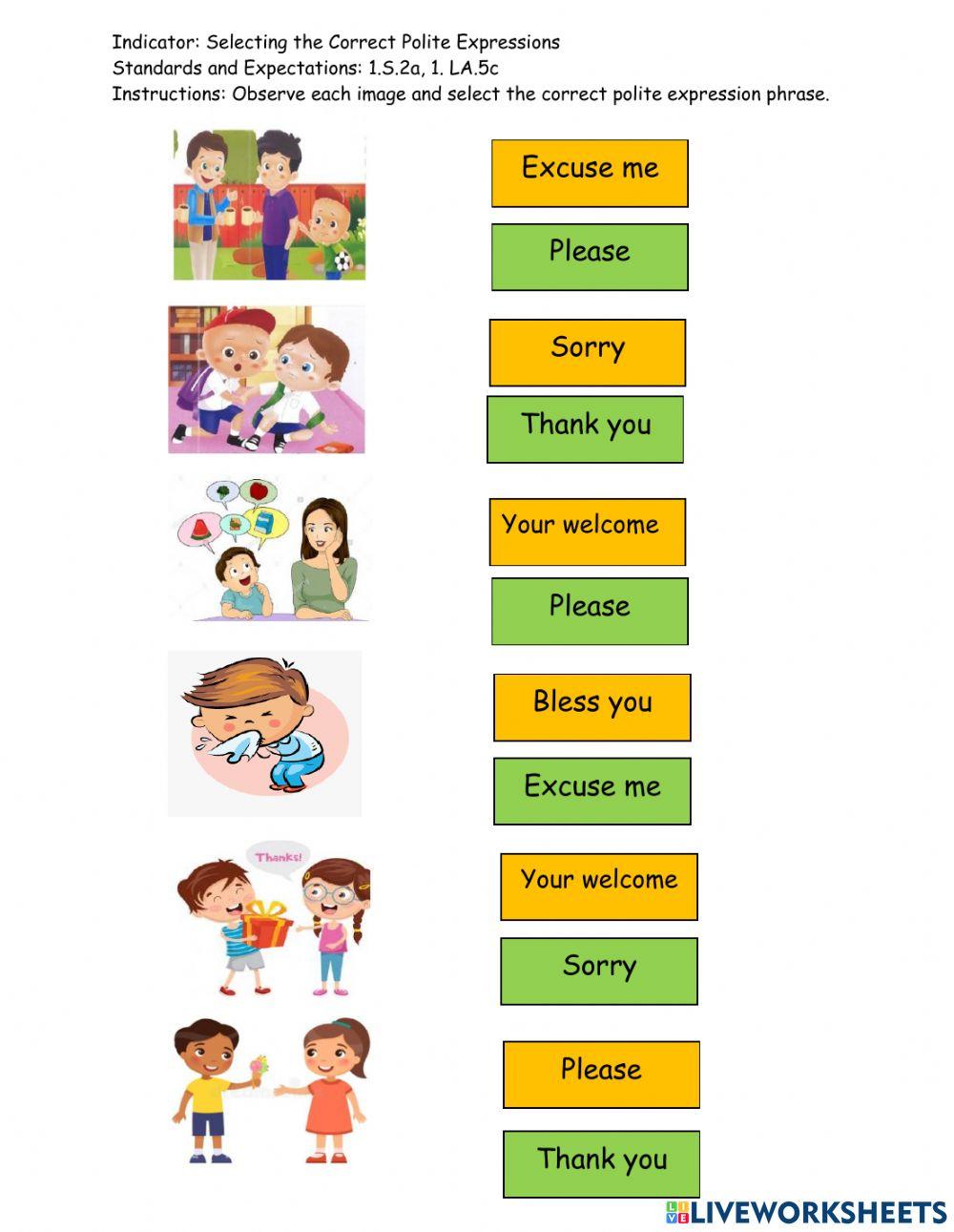
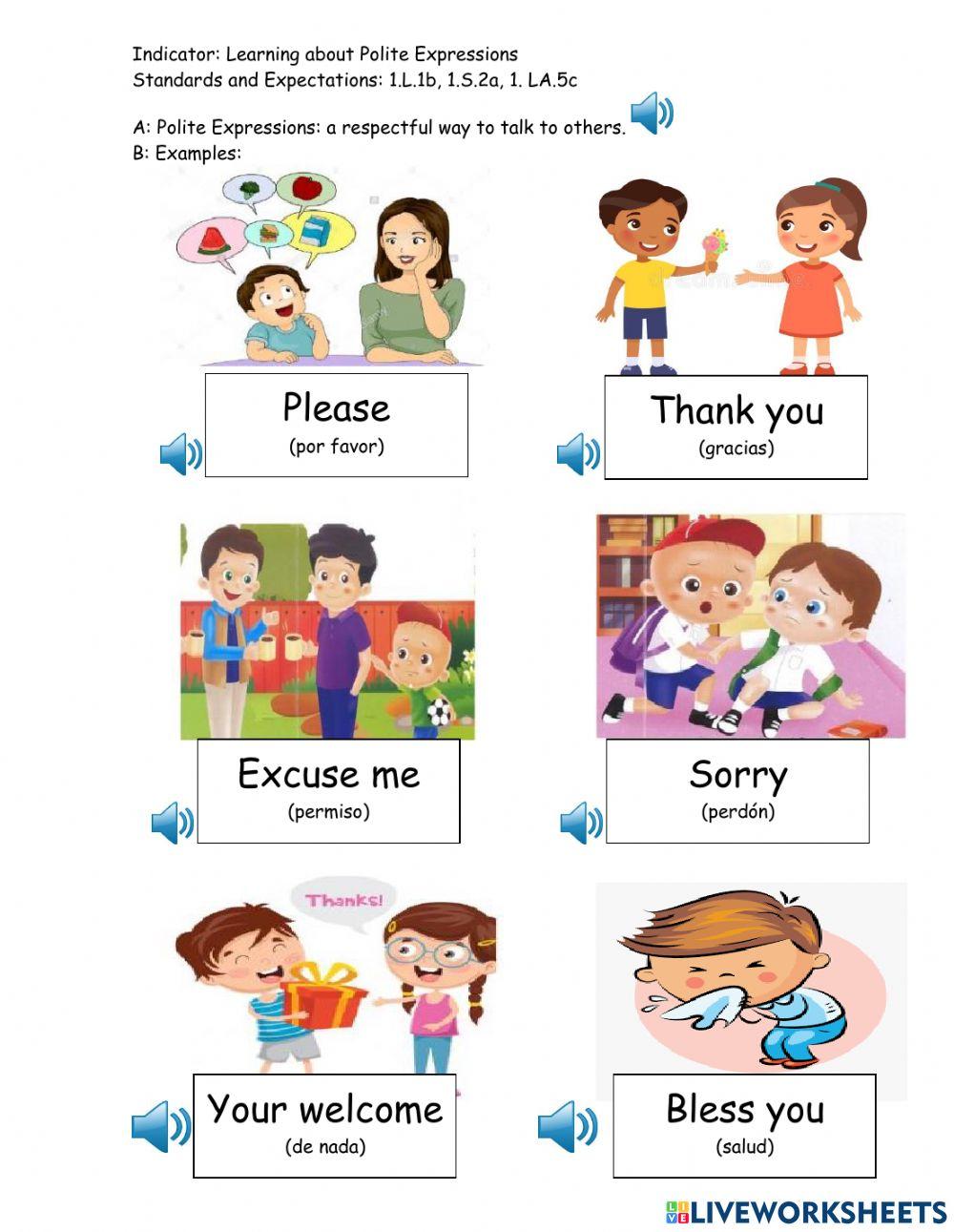
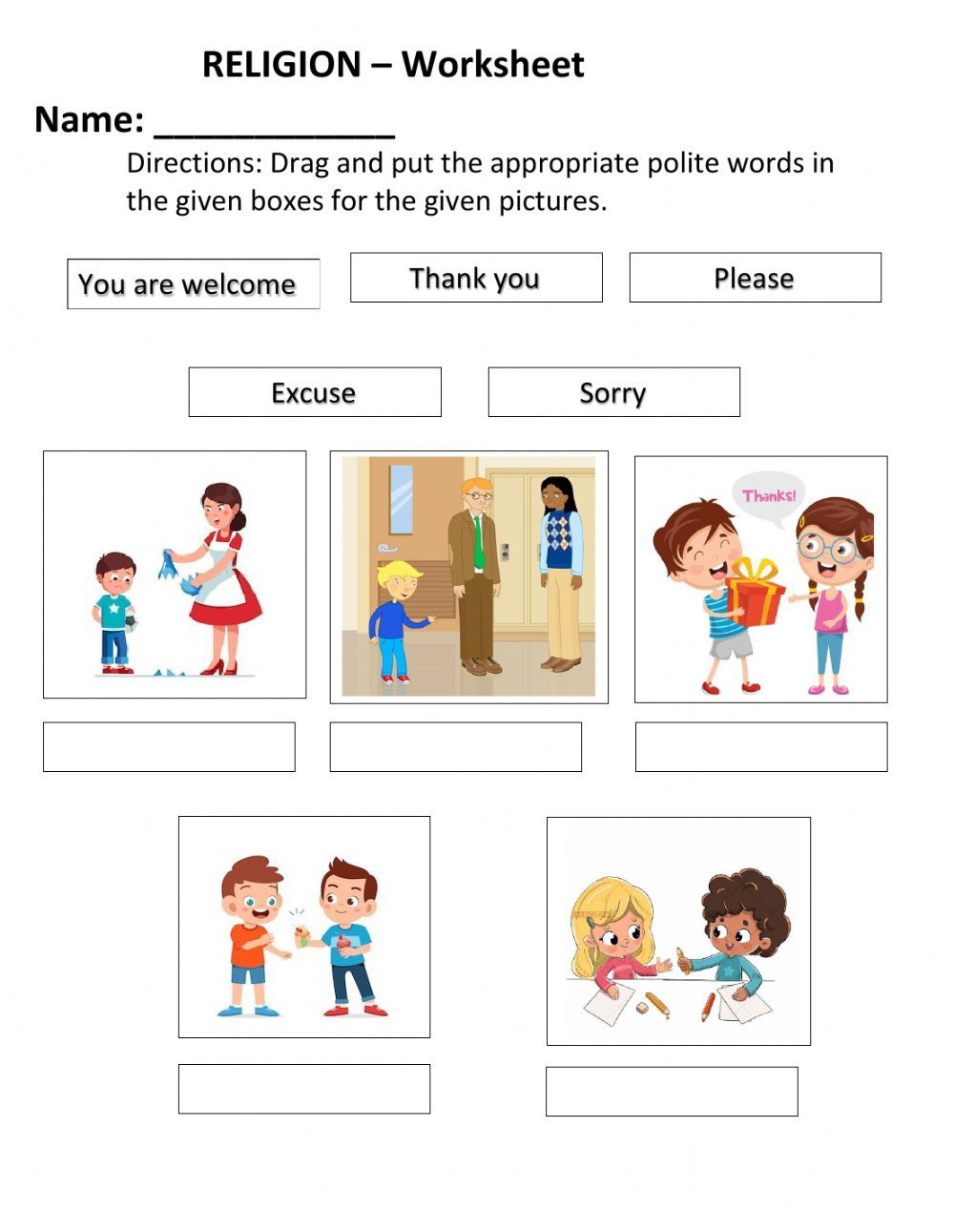
Language is a foundational skill that children develop early on. By teaching them the distinction between courteous and noncourteous language, we equip them with the tools necessary for positive communication. This preschool worksheet is designed to help children identify and practice using polite expressions, fostering a respectful and friendly environment.
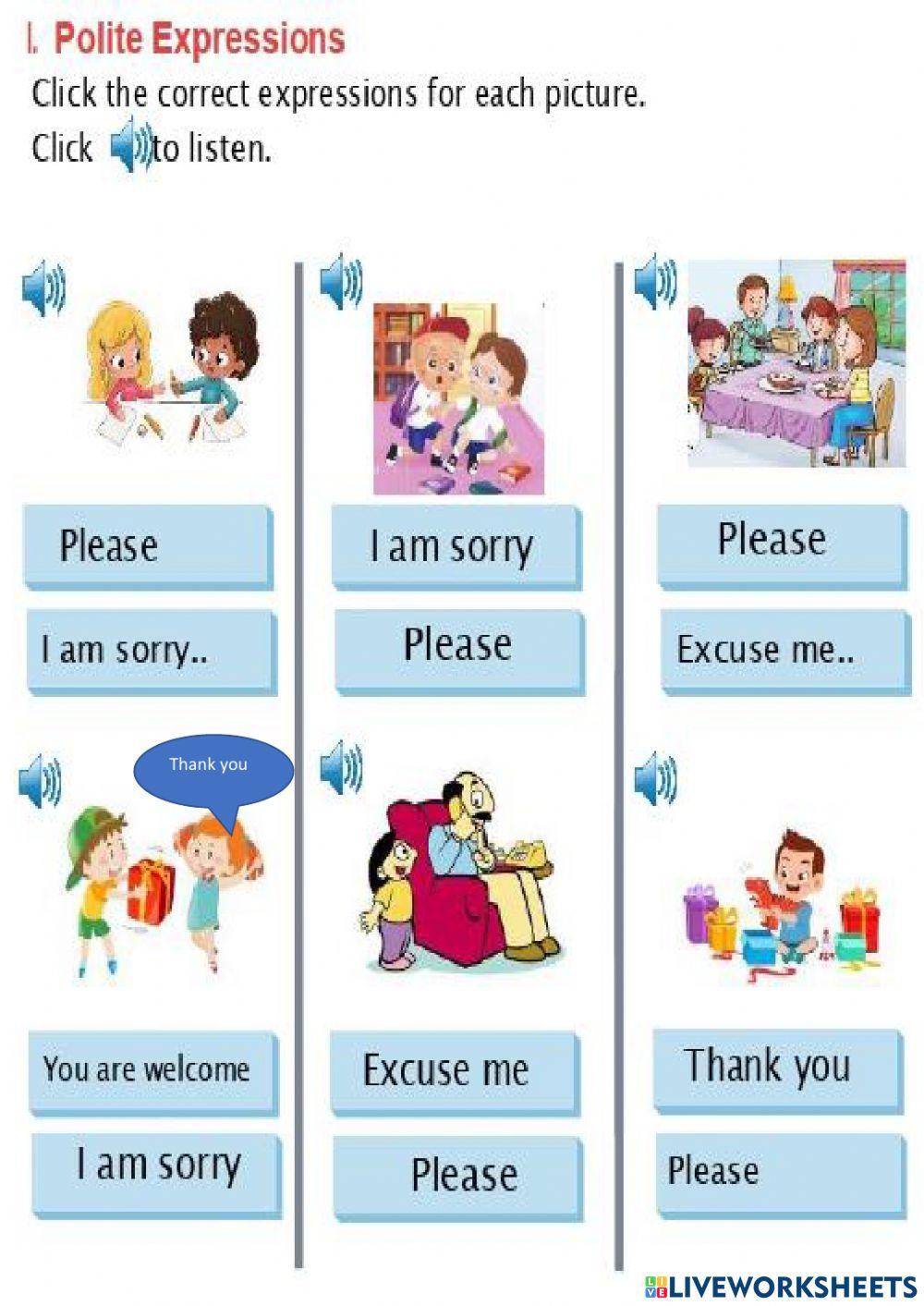
The worksheet typically includes various scenarios where children can see examples of both courteous and noncourteous language. For instance, phrases like “please” and “thank you” versus “give me that” or “I want.” By contrasting these expressions, children can learn the impact of their words on others.
How to Use the Courteous Language Vs Noncourteous Preschool Worksheet
Using this worksheet effectively involves several steps:
- Download and Print: Start by downloading the worksheet from a reliable printable resource website. Ensure you print it on good quality paper, preferably cardstock, as this will hold up better during use.
- Explain the Concepts: Before diving into the worksheet, take a moment to explain what courteous and noncourteous language means. Use relatable examples from their daily lives to illustrate your points.
- Interactive Activities: Encourage children to participate actively. You could read through the scenarios together, asking them to identify which phrases are courteous and which are not. This interaction makes learning more engaging.
- Practice Together: After identifying the phrases, ask the children to come up with their own examples of courteous language they can use in various situations, such as at home or during playdates.
- Reflect on Learning: After completing the worksheet, have a discussion about how using courteous language can make them feel and how it affects others. This reflection solidifies their learning and encourages ongoing practice.
Key Features of the Worksheet
The Courteous Language Vs noncourteous Preschool Worksheet typically includes several features designed to enhance learning:
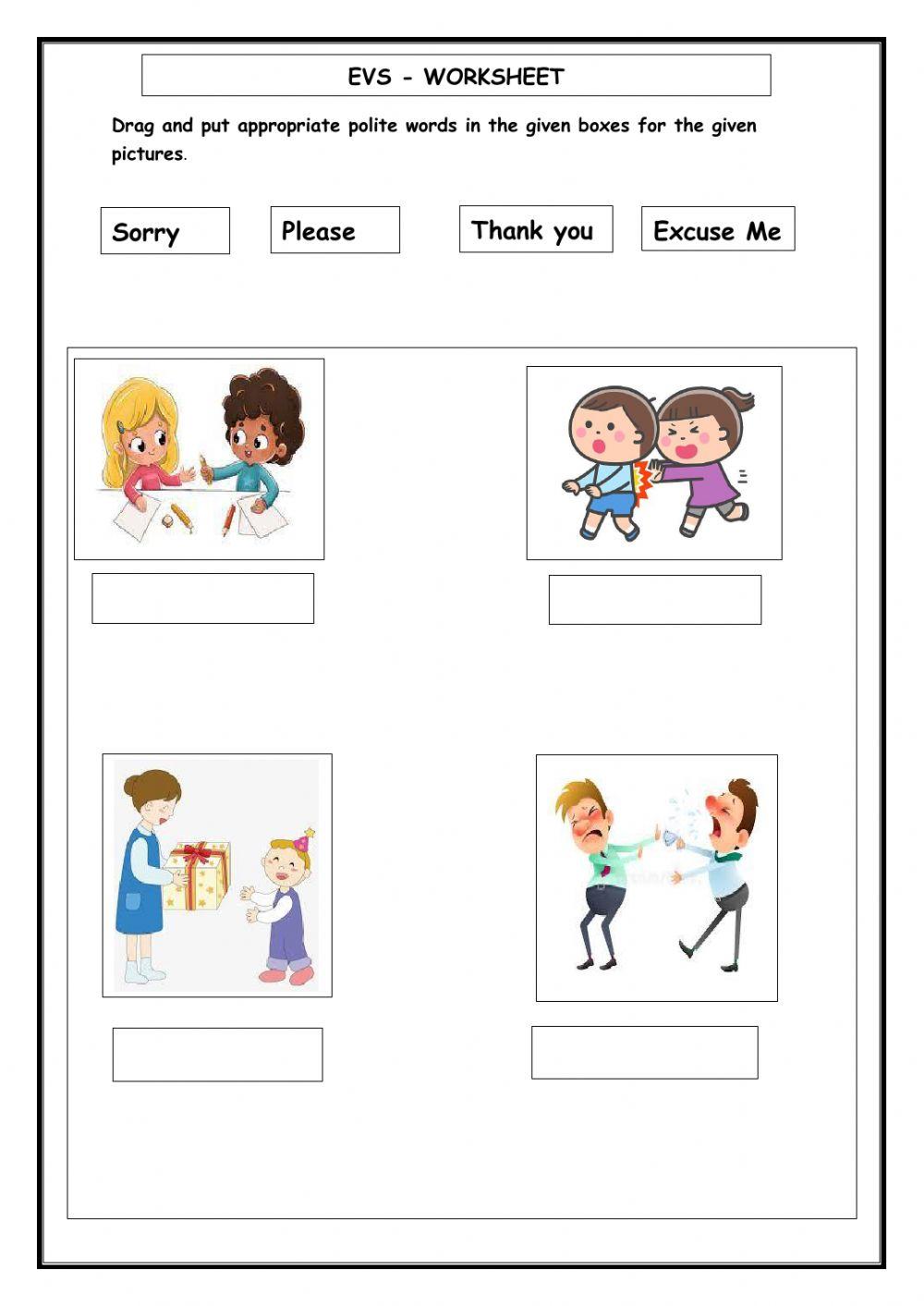
- Visuals: Many worksheets come with colorful illustrations that depict different scenarios. These visuals help children understand the context better.
- Variety of Exercises: The worksheet may include matching exercises, fill-in-the-blanks, and even drawing prompts, making it versatile and fun.
- Age Appropriateness: Tailored for preschoolers, the language used is simple and relatable, ensuring that children can easily grasp the concepts.
- Feedback Mechanism: Some worksheets provide space for teachers or parents to give feedback on the child’s understanding, which can be valuable for tracking progress.
Where This Worksheet Fits in Daily Routines
Incorporating the Courteous Language Vs noncourteous Preschool Worksheet into your child’s routine can be seamless. Here’s how:
- Morning Meetings: Use the worksheet during morning circle time to set a positive tone for the day. Discuss the importance of courteous language and review the worksheet together.
- Home Activities: Parents can utilize the worksheet during home activities, such as mealtime or playtime, reinforcing the concepts learned in the classroom.
- Role-Playing: After completing the worksheet, engage in role-playing scenarios where children can practice using courteous language in real-life situations.
- Storytime Discussions: Incorporate discussions about courteous language during storytime. Ask kids how characters in stories use polite language and what happens when they don’t.
Tailoring the Worksheet to Your Needs
You may want to customize the Courteous Language Vs noncourteous Preschool Worksheet based on your child’s unique needs. Here are a few ideas:
- Personalization: Add examples that are relevant to your child’s life. For instance, if they have a favorite toy, create scenarios involving sharing that toy using courteous phrases.
- Adjust Difficulty: If the child is advanced, consider adding more complex scenarios or introducing additional vocabulary related to polite language.
- Incorporate Technology: If your child enjoys using tablets or computers, look for digital versions of the worksheet. These often include interactive elements that can enhance engagement.
Benefits of Teaching Courteous Language Early
Teaching courteous language through the worksheet can yield numerous benefits:
- Social Skills Development: Children learn how to interact positively with others, which is essential for building friendships and social networks.
- Emotional Intelligence: Understanding the impact of their words helps children develop empathy and recognize feelings in themselves and others.
- Conflict Resolution: By using polite language, children can navigate conflicts with peers more effectively, reducing instances of misunderstandings.
- Positive Reinforcement: When children practice courteous language, they often receive positive feedback from adults and peers, reinforcing the behavior.
- Lifelong Skills: The skills learned in preschool will carry on throughout their lives, becoming integral to their communication style as they grow.
In summary, the Courteous Language Vs noncourteous Preschool Worksheet is a valuable resource for parents and educators alike. By utilizing this tool effectively, you can help shape your child’s language skills, ensuring they learn the importance of respectful communication from an early age. This foundational skill can lead to better interactions and relationships as they grow, making it an essential addition to any preschool curriculum.
Courteous Language Vs noncourteous Preschool Worksheet Gallery