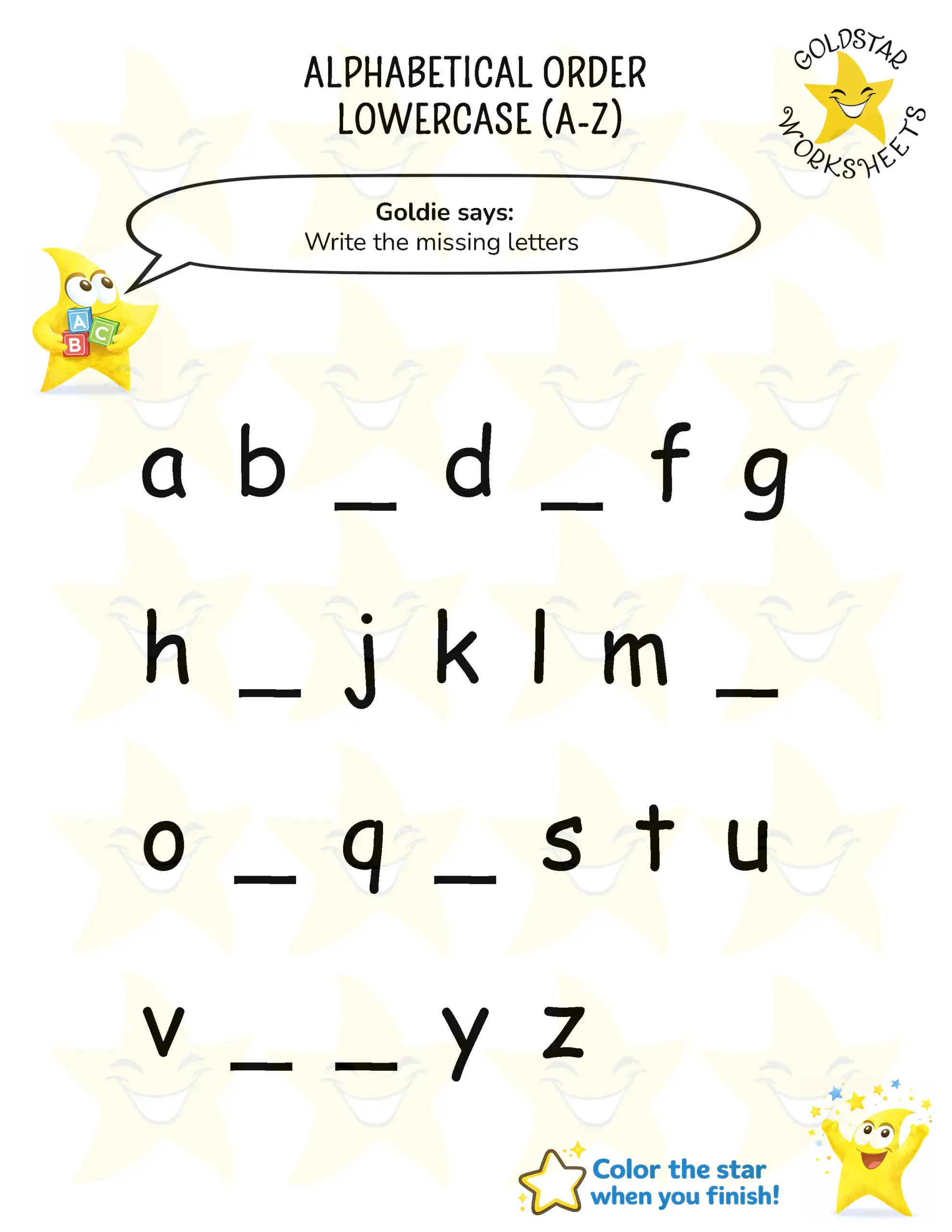
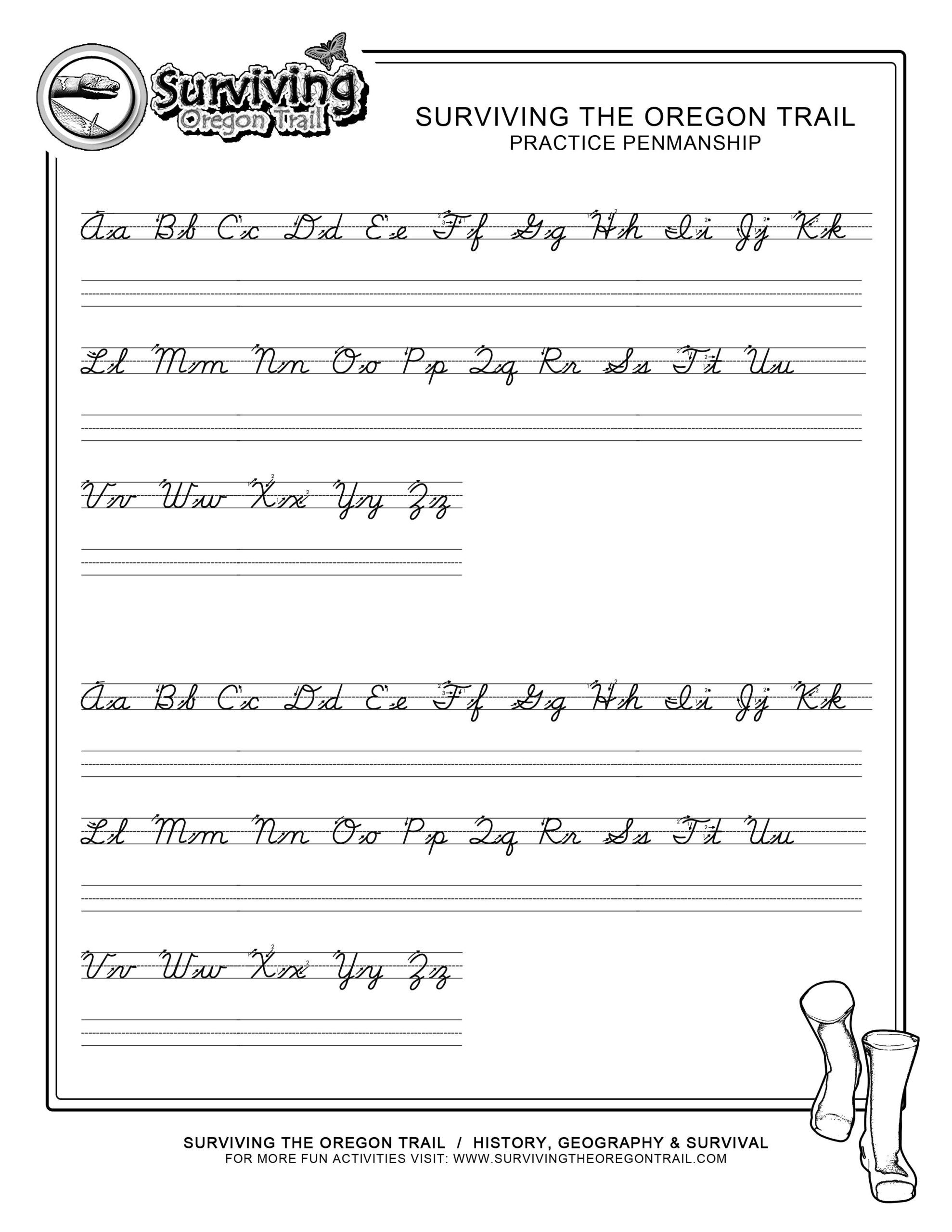
Cursive Handwriting Worksheets For Preschool
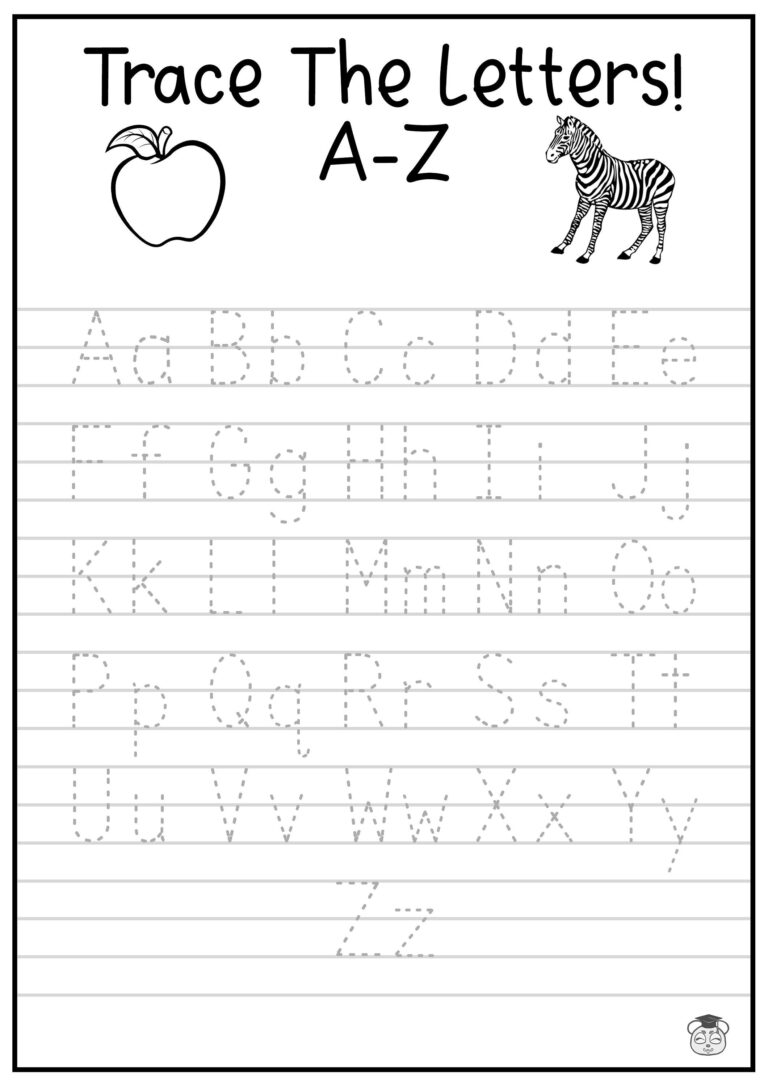
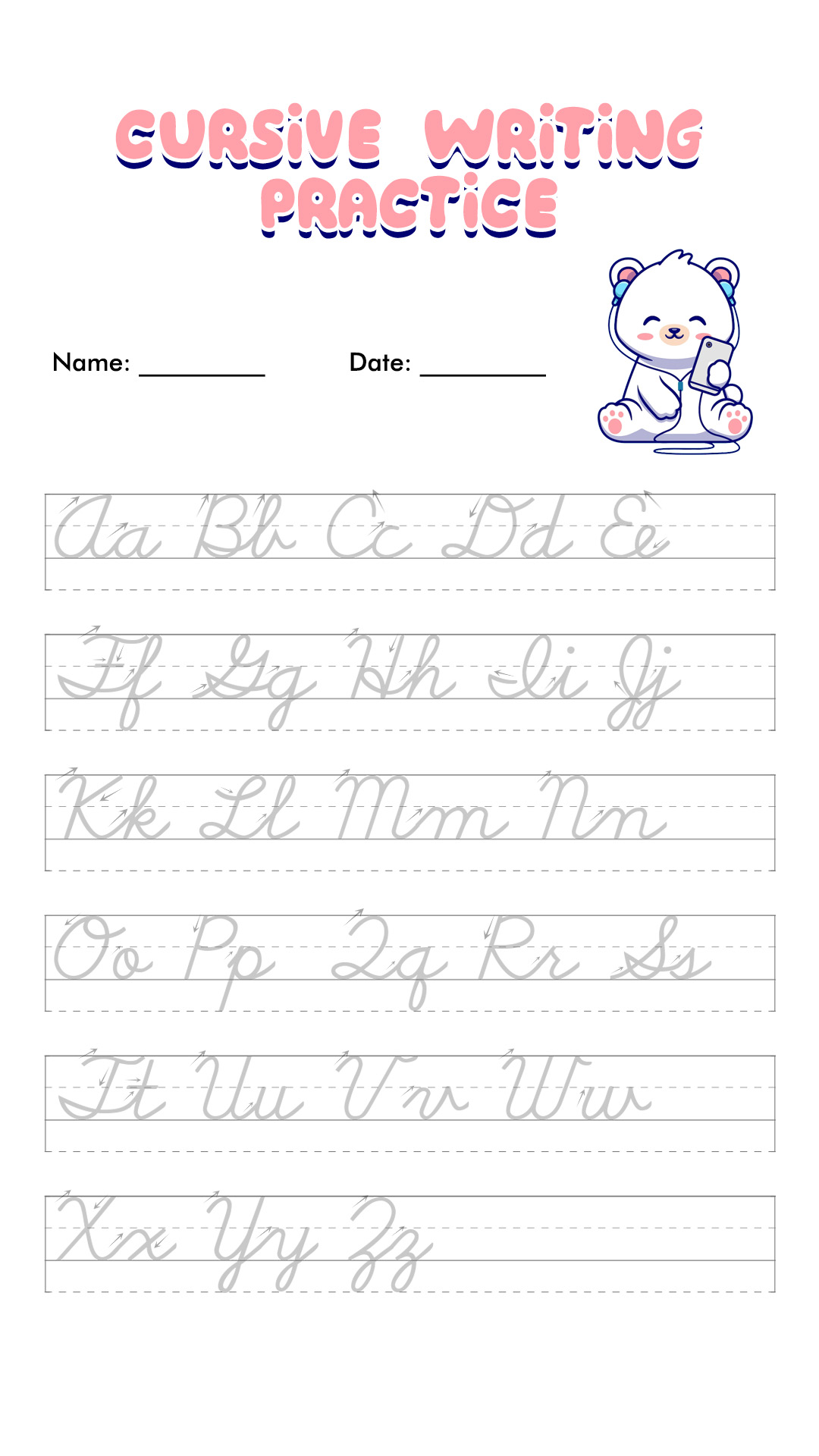
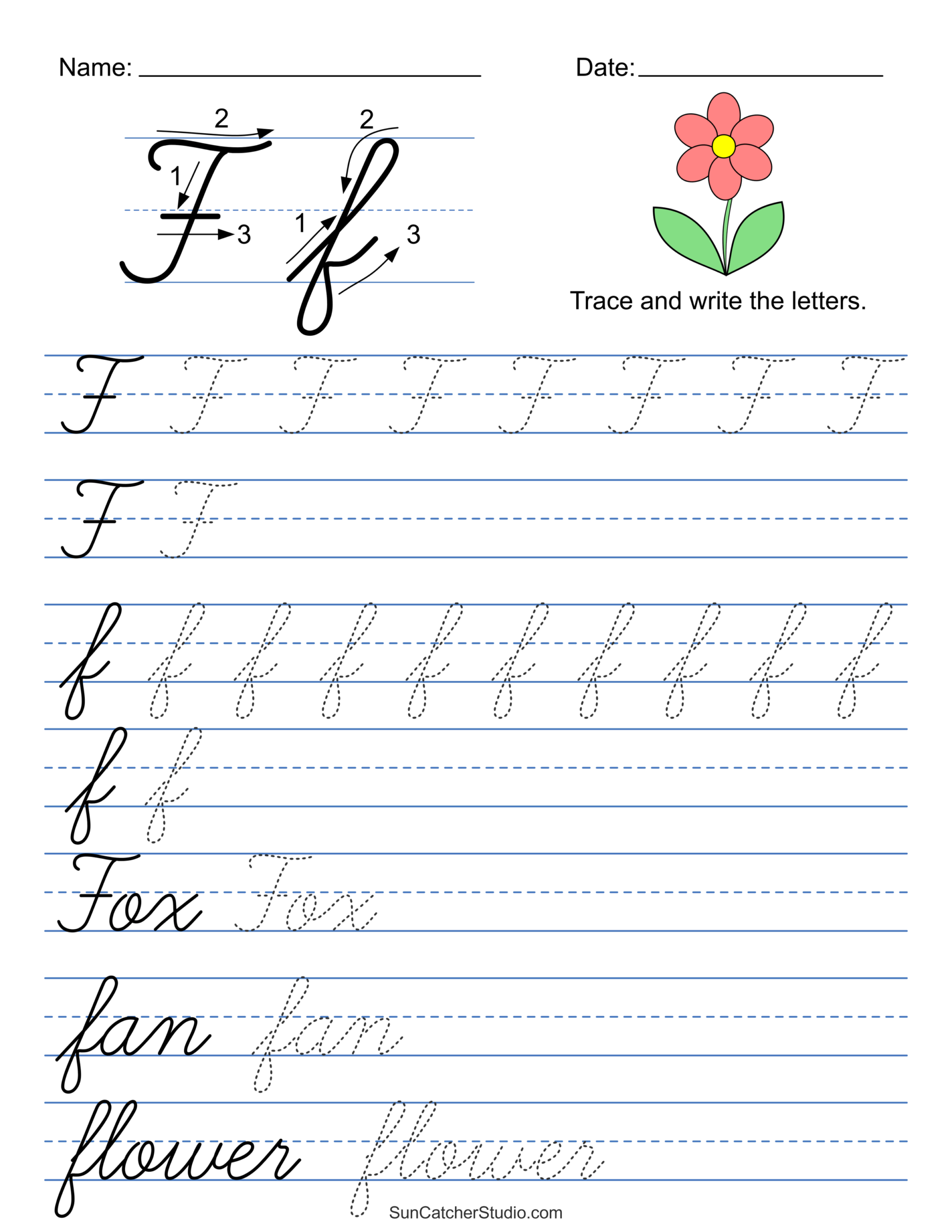
Teaching preschoolers cursive handwriting can be a daunting task. As a parent, you want to ensure your child develops good writing habits while also enjoying the process. Cursive Handwriting Worksheets For Preschool offer a practical solution to this challenge. These worksheets not only help in teaching the cursive style but also make learning enjoyable for your little one.
Understanding the Benefits of Cursive Handwriting
Before diving into the specifics of the worksheets, let’s talk about why cursive handwriting is important. Cursive writing can enhance fine motor skills and improve cognitive development. Here are some key benefits:
- Improved Motor Skills: The flowing nature of cursive writing requires coordinated movements of the hand and fingers, which can enhance dexterity.
- Enhanced Reading Skills: Learning cursive can help children recognize words as a whole rather than focusing on individual letters, improving their reading fluency.
- Increased Writing Speed: Cursive writing is often faster than print, as it requires fewer pen lifts.
By providing your child with Cursive Handwriting Worksheets For Preschool, you can assist them in reaping these benefits while making the learning process fun.
Choosing the Right Worksheets
When selecting cursive handwriting worksheets, consider the following factors:
- Age Appropriateness: Look for worksheets specifically designed for preschoolers. They should feature large letters and simple words.
- Engaging Activities: Worksheets that include colorful illustrations or fun themes can keep your child interested.
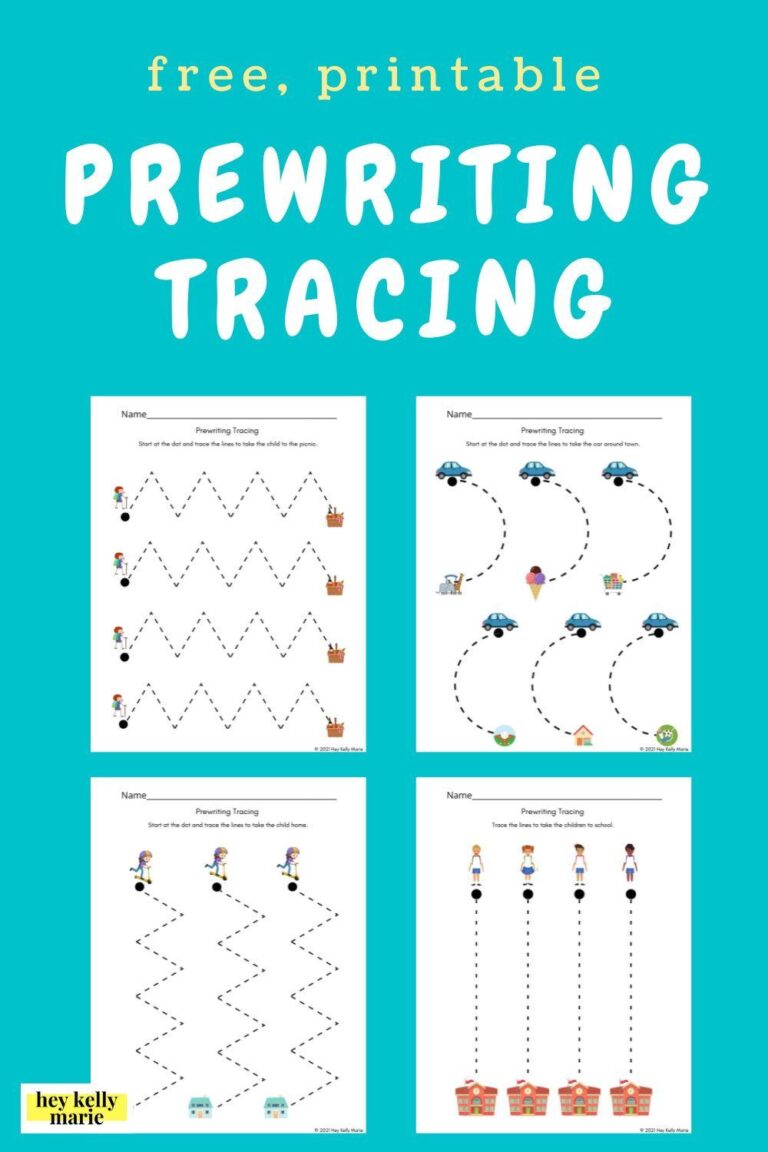
- Variety: Opt for worksheets that provide different activities, such as tracing, free writing, and connecting letters.
Many websites offer free downloadable Cursive Handwriting Worksheets For Preschool, making it easier for you to find the right fit for your child.
Downloading and Printing Worksheets
Once you’ve selected the worksheets, it’s time to download and print them. Here’s a straightforward guide to ensure you get the best results:
- Choose a Trusted Source: Make sure to download from reputable websites that offer quality resources.
- Check File Format: PDFs are often the best choice as they maintain formatting across different devices. This helps avoid resizing issues that can occur with image files.
- Select Paper Size: Most preschool worksheets are designed for standard letter-sized paper (8.5 x 11 inches). Ensure your printer is set to this size for optimal results.
- Print Settings: Use a standard print setting. If your printer has a “portrait” option, select that for best results.
By following these steps, you’ll ensure your worksheets are ready for use without any unnecessary hiccups.
Setting Up a Writing Routine
Establishing a consistent writing routine can significantly benefit your child’s learning experience. Here’s how to create an effective setup:
- Designate a Quiet Space: Create a comfortable writing area free of distractions. A well-lit table with enough space for writing materials is ideal.
- Gather Supplies: Equip the area with colored pencils, erasers, and different types of paper. This variety can make the writing experience more enjoyable.
- Set a Schedule: Plan short, regular writing sessions. A 15-20 minute daily practice can be more beneficial than longer, infrequent sessions.
This routine not only makes learning cursive writing a regular part of your child’s day but also helps them to develop discipline.
Engaging Activities to Complement Worksheets
While worksheets are a fantastic resource, you can enhance your child’s learning with various engaging activities. Here are a few ideas that complement the cursive handwriting worksheets:
- Cursive Letter Crafts: Create fun crafts where your child can form cursive letters using materials like playdough or pipe cleaners.
- Story Writing: Encourage your child to write short stories or sentences using cursive. This practice allows them to apply what they learned in a creative way.
- Interactive Games: Incorporate games that require writing, such as scavenger hunts where children must write clues in cursive.
These activities not only reinforce what they learn from the worksheets but also make writing a more dynamic experience.
Tracking Progress and Celebrating Achievements
Monitoring your child’s progress is vital for their development. Here are some practical tips for tracking and celebrating their achievements:
- Create a Progress Chart: Use a simple chart to keep track of the letters or words they’ve mastered. This visual representation can motivate them to continue improving.
- Celebrate Milestones: Set small goals, such as completing a certain number of worksheets or mastering specific letters. Celebrate these milestones with a fun reward, like a sticker or a small treat.
- Share Their Work: Display their completed worksheets on the fridge or in a scrapbook. This not only boosts their confidence but also shows them that their hard work is valued.
By actively tracking and celebrating your child’s progress, you encourage a positive attitude towards learning.
Cursive Handwriting Worksheets For Preschool Gallery