Customizable Writing Worksheet For Preschool
The customizable writing worksheet for preschool is an excellent tool for fostering creativity and developing fine motor skills in young children. These worksheets typically measure 8.5 x 11 inches, making them easy to print on standard paper. As a parent or educator, you’ll appreciate how this resource can adapt to meet the unique needs of each child, allowing for personalized learning experiences that keep little ones engaged and excited about writing.
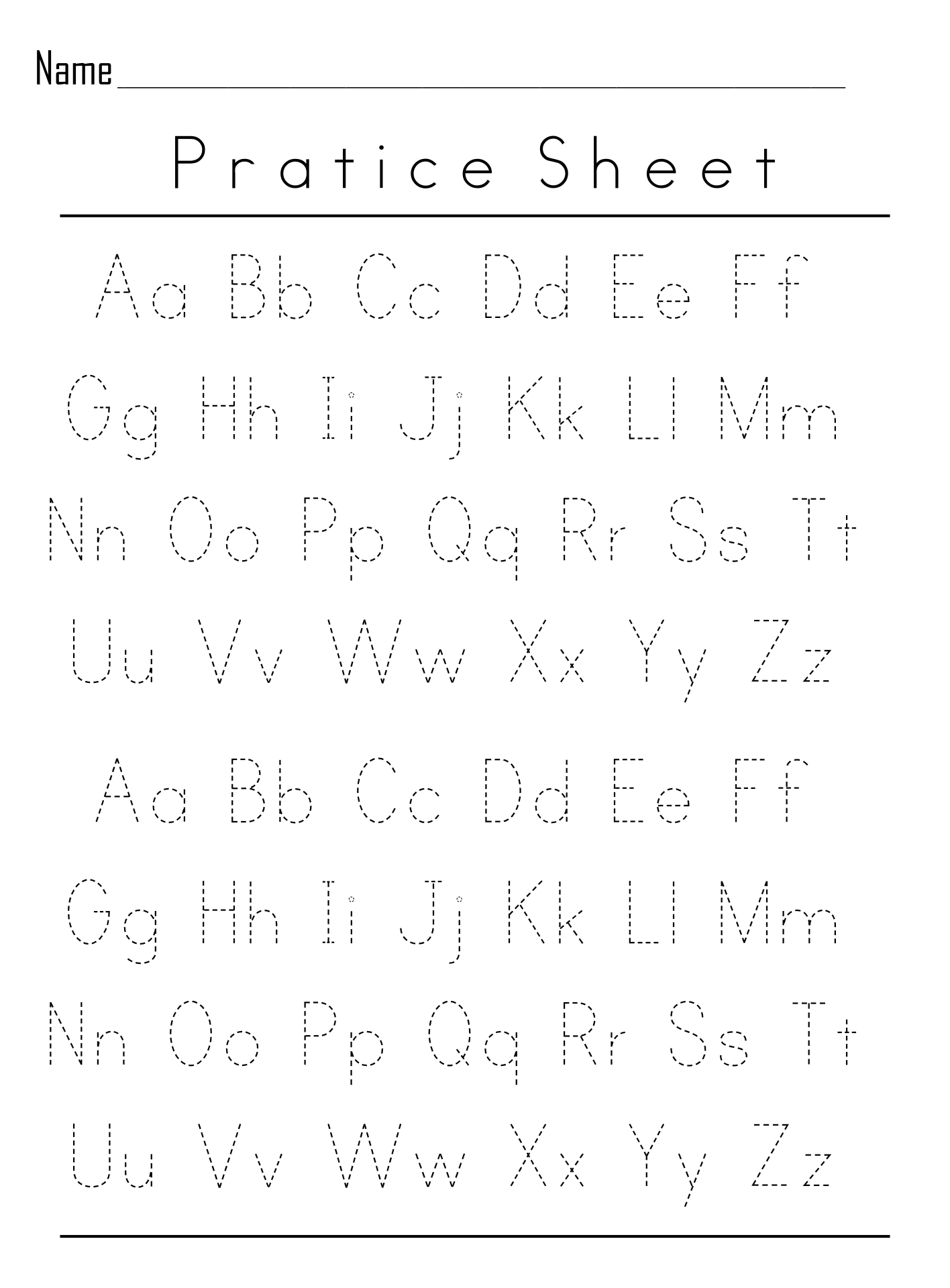
Understanding the Layout and Design Elements
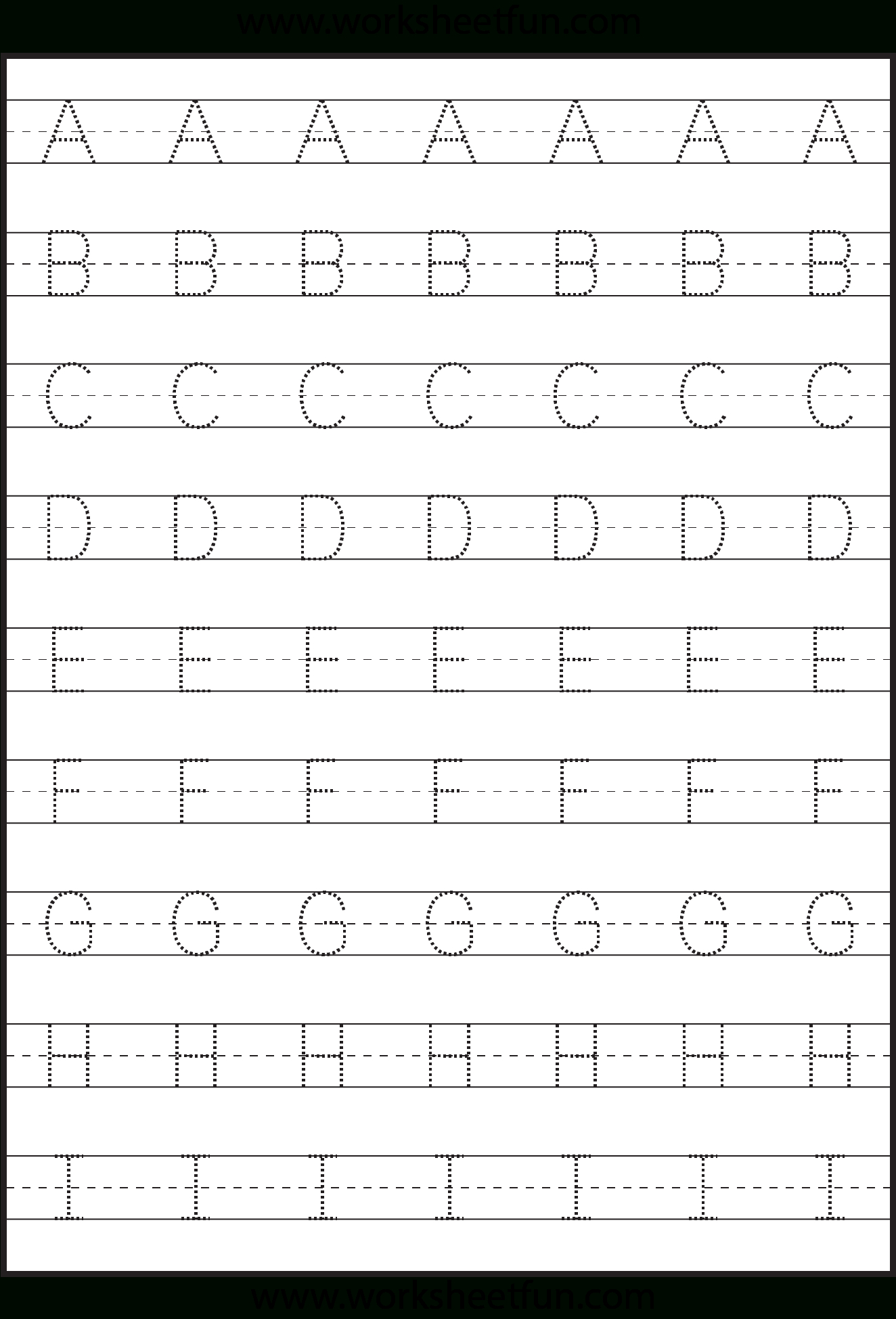
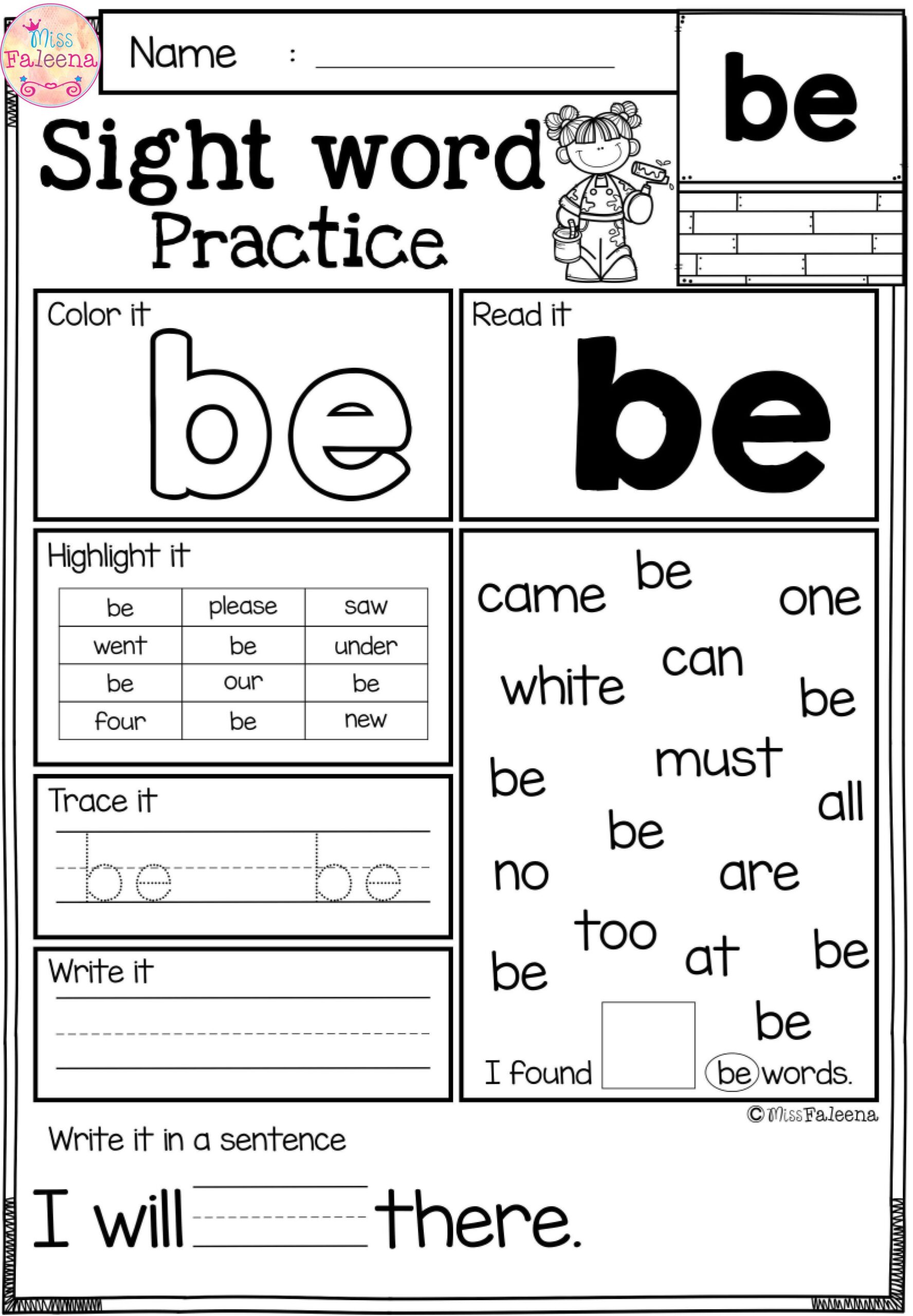
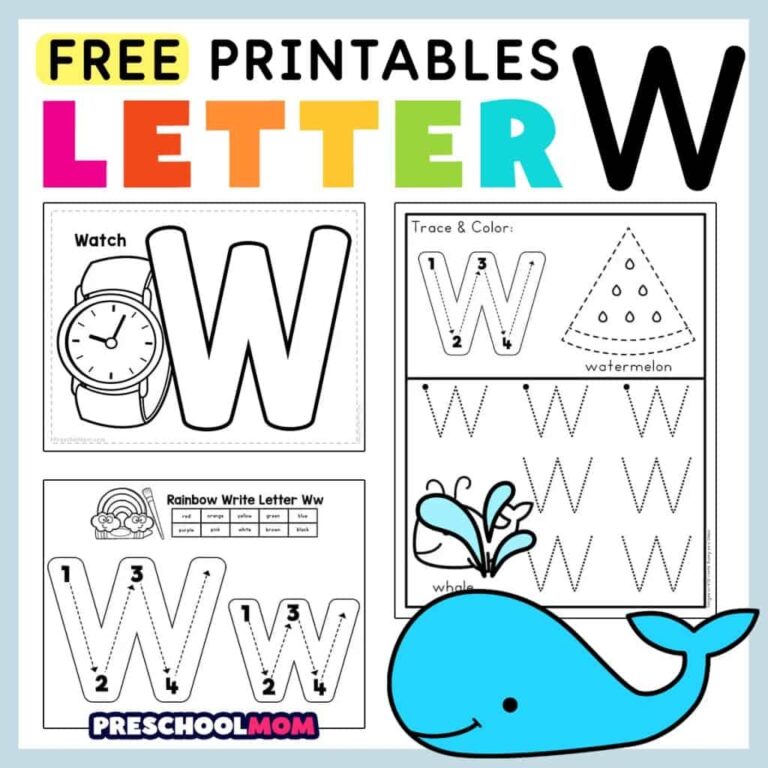
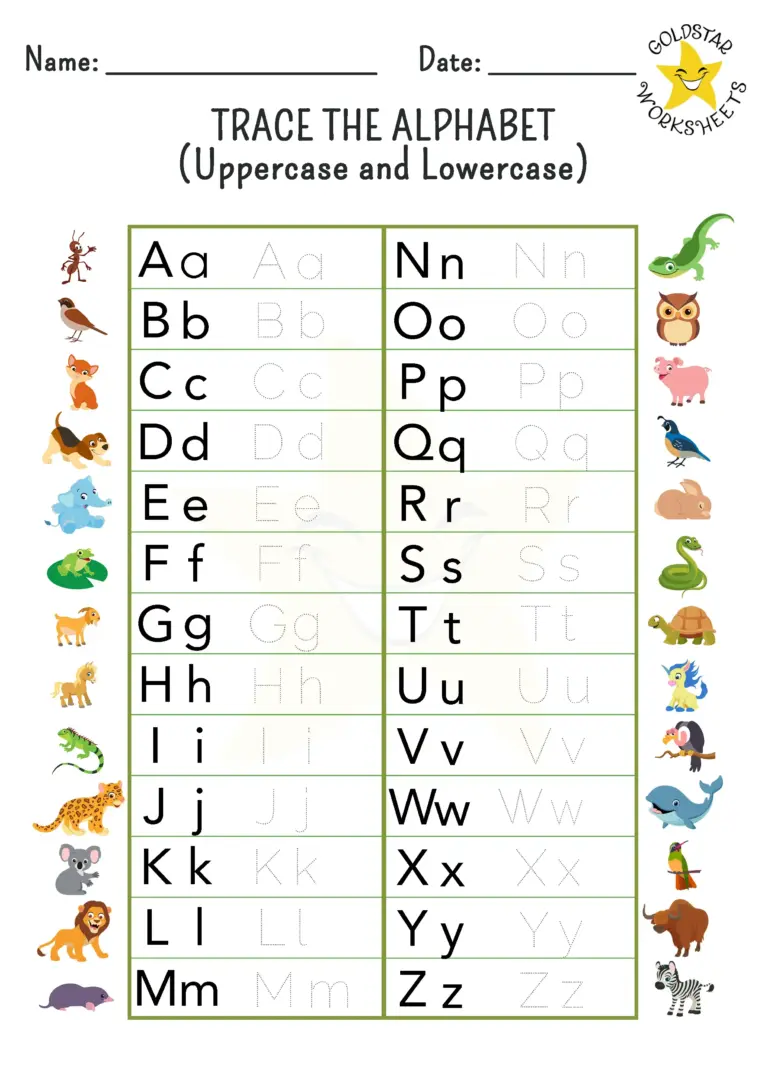
When you open a customizable writing worksheet, you’ll notice that the layout is designed with young learners in mind. Each worksheet usually includes sections for tracing letters, writing words, and even drawing pictures. This format helps organize the activities so that children can easily follow along.
The top of the worksheet often features a title or prompt that sparks creativity. For example, a prompt might read, “My Favorite Animal.” Below this, children can trace the letters of their chosen animal and then write a simple sentence about it. The inclusion of a drawing box allows them to illustrate their thoughts, making the activity both fun and educational.
Filling Out the Worksheet: Step-by-Step Guidance
Filling out the customizable writing worksheet is straightforward, but it’s helpful to guide your child through the process. Here’s a step-by-step breakdown:
- Choose a Theme or Topic: Start by selecting a theme that resonates with your child. This could be their favorite toy, a family member, or an animal.
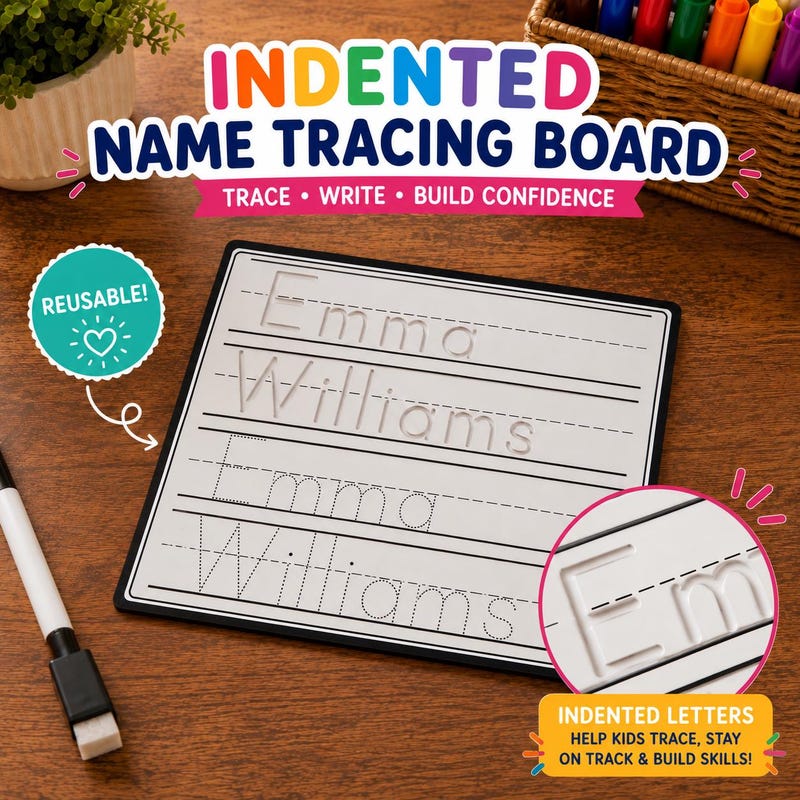
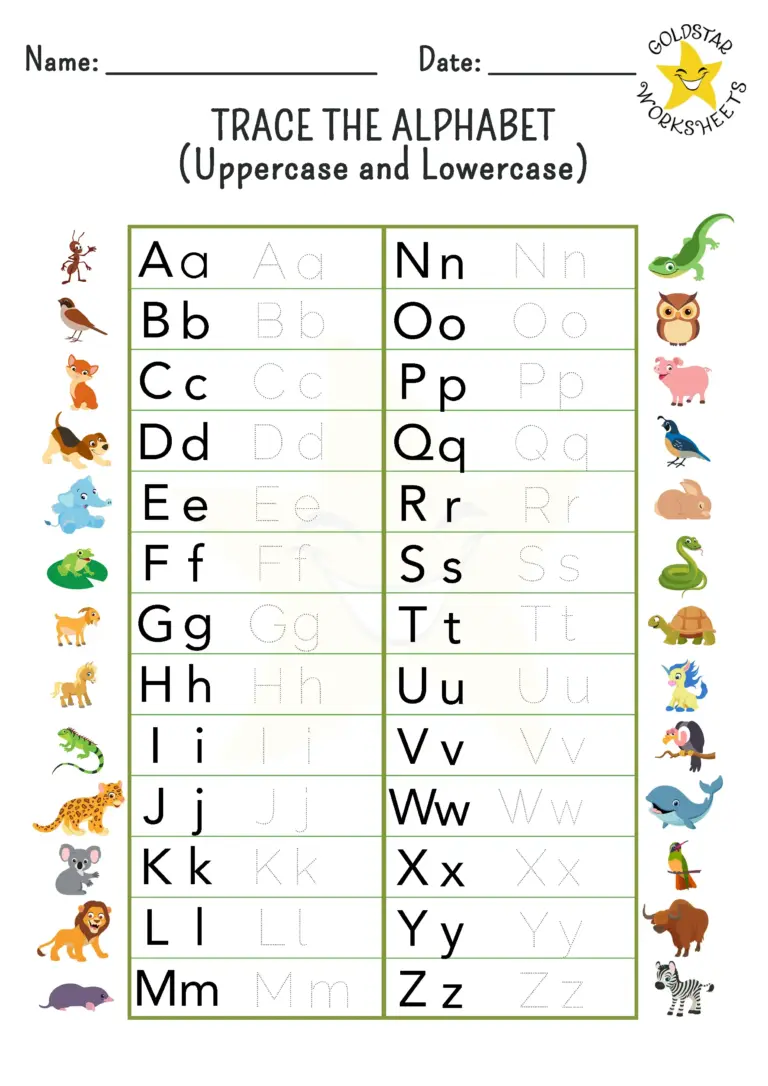
- Trace the Letters: Encourage your child to trace the letters at the top of the worksheet. This helps reinforce proper letter formation. Make sure they use a pencil or a thin marker for easier tracing.
- Write a Sentence: Once they’re comfortable with tracing, prompt them to write a sentence related to the theme. For instance, if they chose “dog,” they might write, “I have a dog named Max.”
- Draw a Picture: Finally, the drawing section is essential. Ask your child to illustrate their sentence. This not only makes the worksheet visually appealing but also enhances their understanding of the writing process.
Common Mistakes and Helpful Tips
While using a customizable writing worksheet, there are a few common mistakes that can hinder a child’s experience. Here are some tips to avoid these pitfalls:
- Rushing the Tracing: Encourage your child to take their time when tracing letters. Rushing can lead to improper letter formation, which can affect their writing skills later on.
- Ignoring the Drawing Space: The drawing area is just as important as the writing sections. Encourage your child to use this space creatively to express their thoughts visually.
- Not Revisiting the Worksheet: After completing the worksheet, revisit it later. Ask your child to read what they wrote and share their drawing. This reinforces their learning and builds confidence in their writing abilities.
Where to Use Customizable Writing Worksheets
These worksheets can fit seamlessly into various aspects of your daily routine or educational activities. Here are a few places you might incorporate them:
- At Home: Set aside a specific time each week for writing practice. This could be part of a fun family activity or a quiet time during the day.
- In the Classroom: Teachers can use these worksheets as part of a literacy center. Children can rotate through different writing prompts, allowing for varied topics and styles.
- During Travel: They’re also great for keeping kids engaged during long car rides or flights. Just print a few worksheets before your trip, and your child will have a creative outlet while on the go.
Customization Options to Enhance Engagement
Customization is a key feature of these worksheets, making them adaptable to different learning styles and interests. Here are some ideas for customization:
- Personalized Prompts: Modify the prompts to reflect your child’s interests. If they love dinosaurs, create a worksheet with a dinosaur theme.
- Different Skill Levels: Customize the worksheet to suit your child’s writing level. For beginners, provide larger letters to trace, while more advanced children can have smaller, more complex words.
- Incorporate Colors: Allow your child to choose the colors they want to use for tracing and drawing. This small choice can make the activity feel more personal and enjoyable.
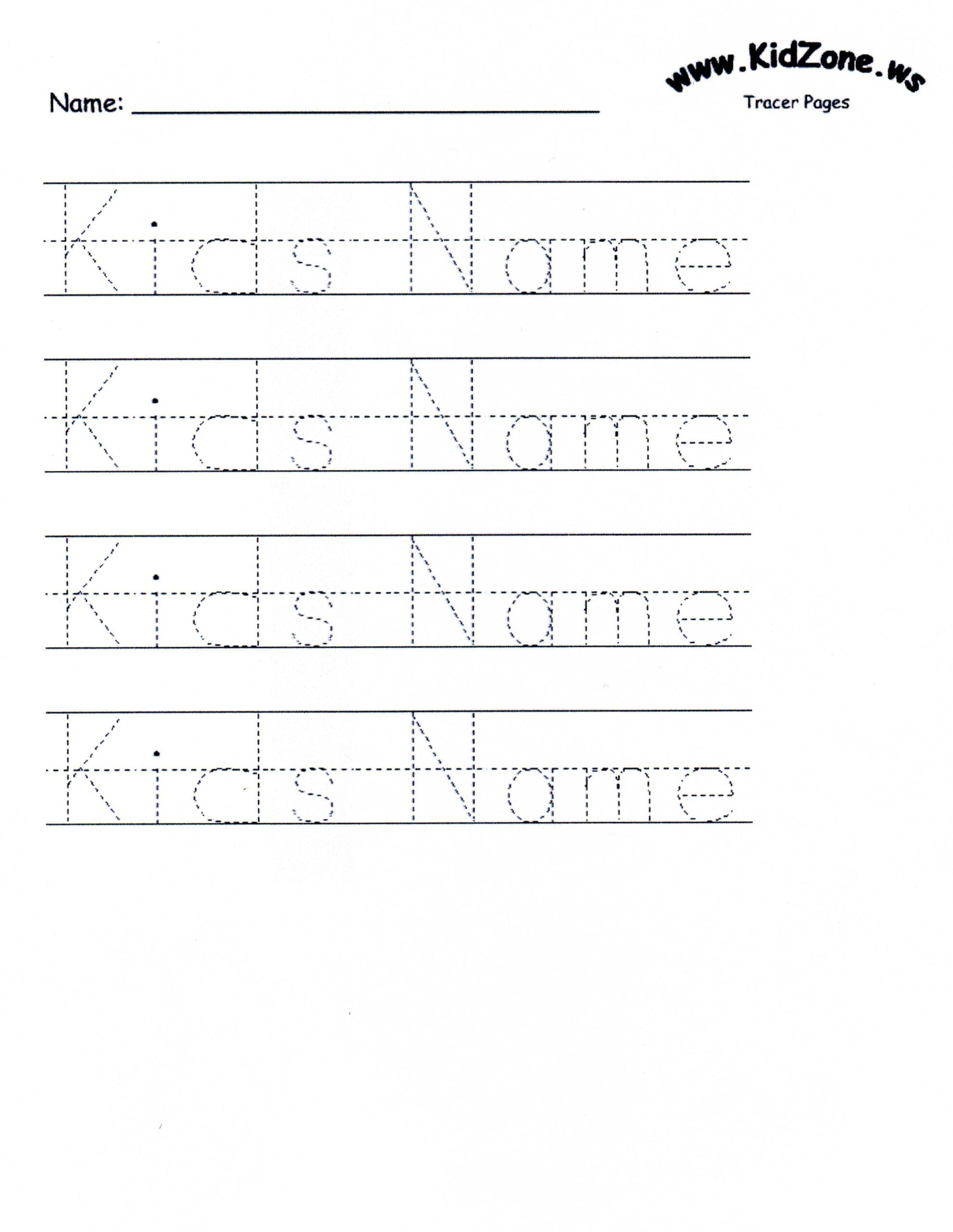
Printing and Paper Choices
When it comes to printing your customizable writing worksheet, consider the following options:
- Paper Type: Standard printer paper works fine, but if you want a more durable option, cardstock is a great choice, especially if you plan to laminate the worksheets for repeated use.
- Printer Settings: Use the portrait layout for most home printers, as this aligns with the standard worksheet size. Adjusting the quality settings to “best” can also enhance the clarity of printed letters.
- Digital vs. Physical Copies: Decide whether you want to print physical copies or use them digitally on a tablet. If you choose digital, ensure that your child has a stylus or finger-friendly app to trace and write.
Customizable writing worksheets for preschool provide a delightful way to engage young learners in writing. By understanding their layout and effectively guiding children through the process, you can help them build foundational skills while enjoying the creative aspects of writing. Whether at home or in the classroom, these worksheets can spark joy in learning and foster a love for writing that lasts a lifetime.
Customizable Writing Worksheet For Preschool Gallery