Cut Out Puzzle Worksheet Preschool
Cut Out Puzzle Worksheet Preschool activities are a fantastic way to engage young learners while supporting their cognitive and motor skills development. These worksheets often consist of colorful images or shapes that children can cut out and then piece back together, offering a hands-on way to learn about shapes, patterns, and problem-solving. In this article, I’ll guide you through the steps to effectively use these worksheets, ensuring they fit smoothly into your preschool activities.
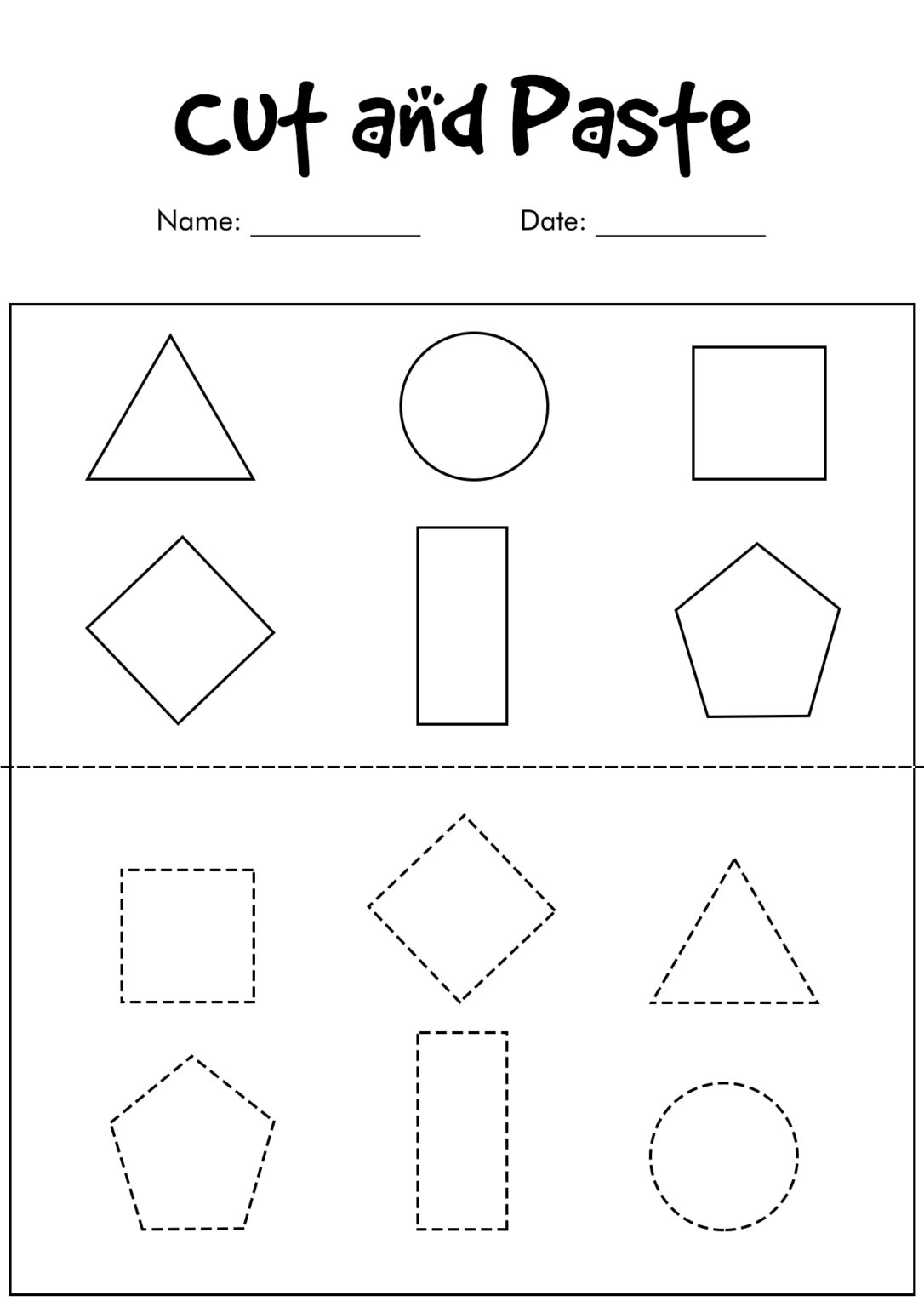
Understanding the Cut Out Puzzle Worksheet
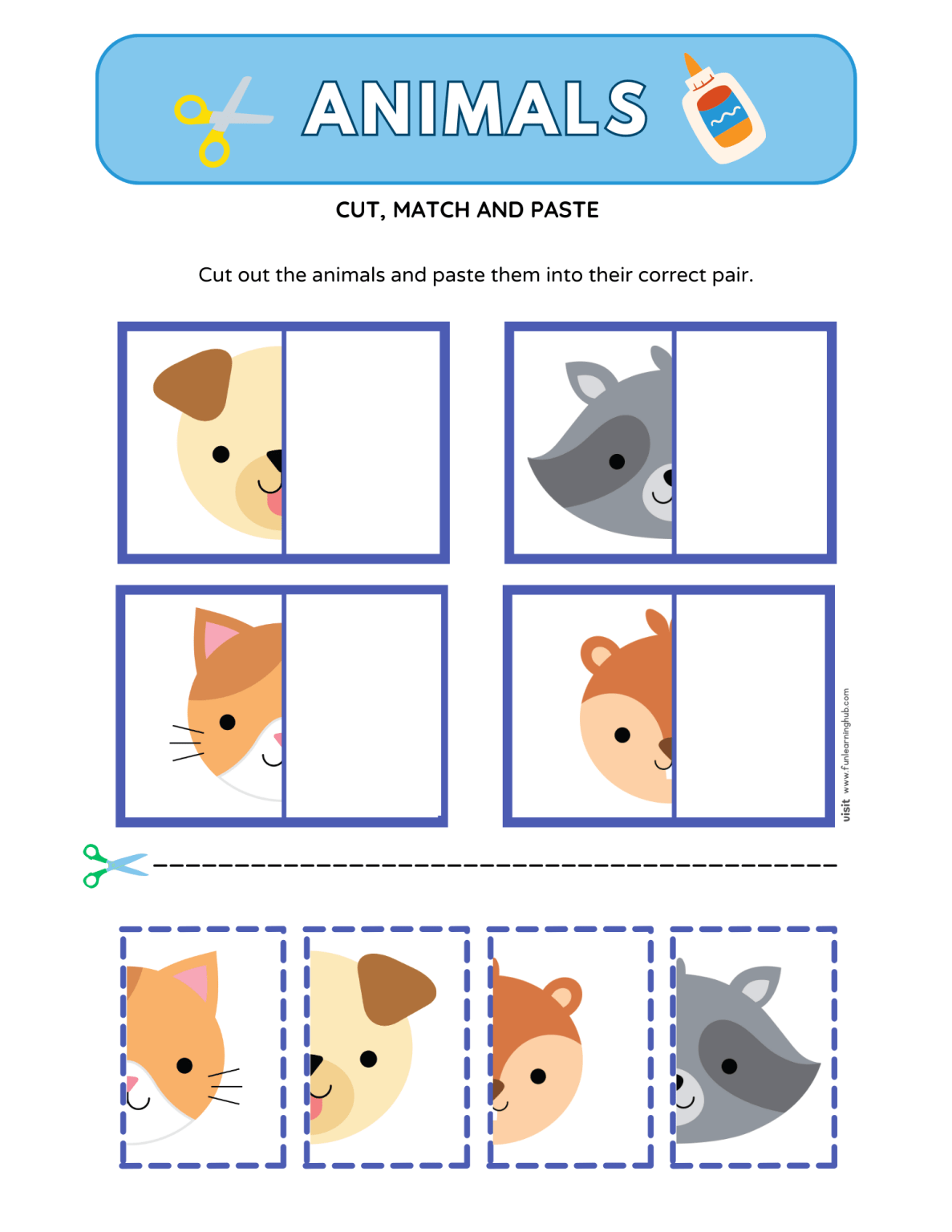
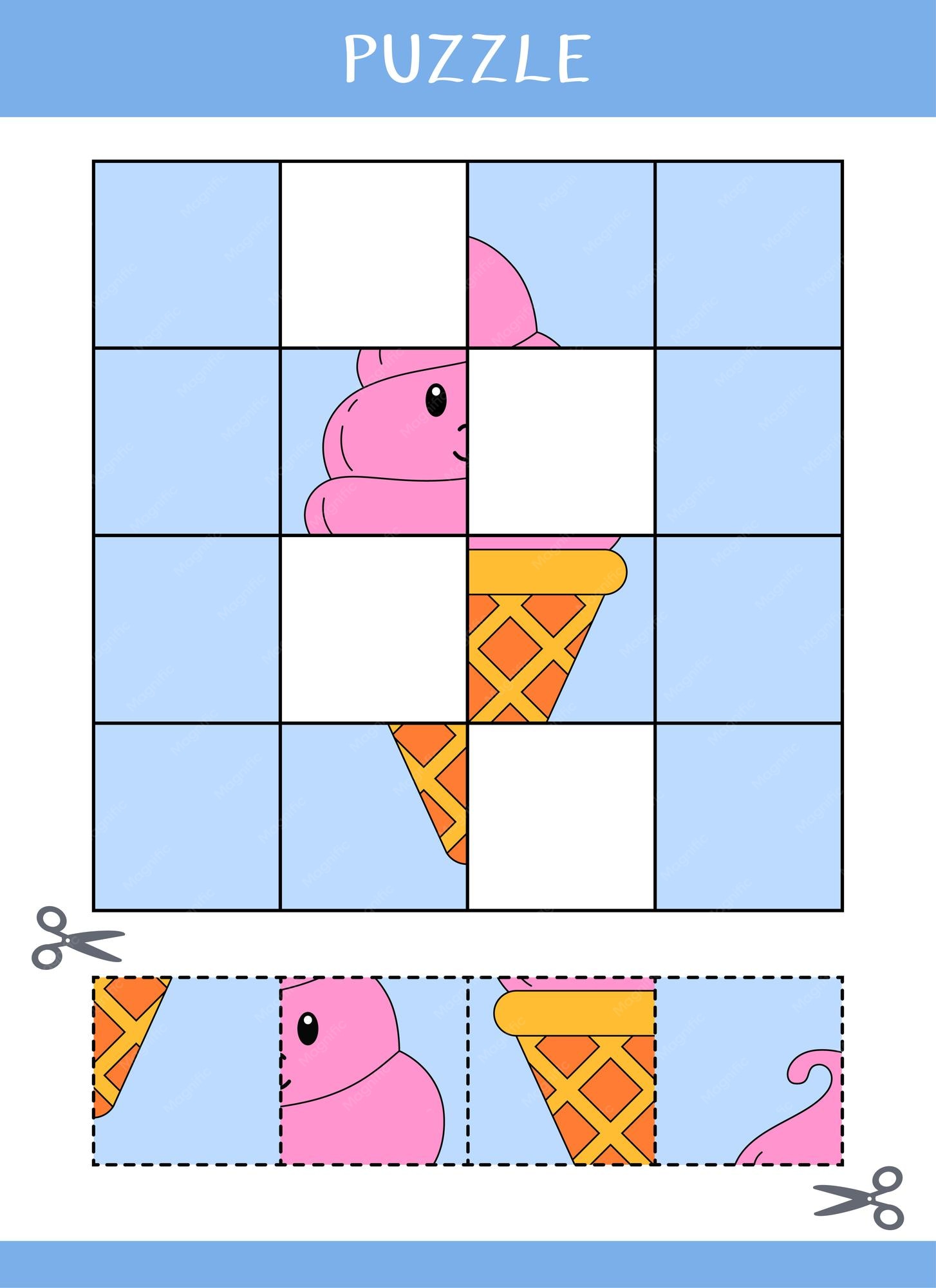
A Cut Out Puzzle Worksheet typically features a simple image or pattern that’s been divided into various pieces. The objective is for children to cut out these pieces and then assemble them back together. This not only fosters fine motor skills through cutting and pasting but also encourages critical thinking as they figure out how to fit the pieces together.
Why Use Cut Out Puzzle Worksheets?
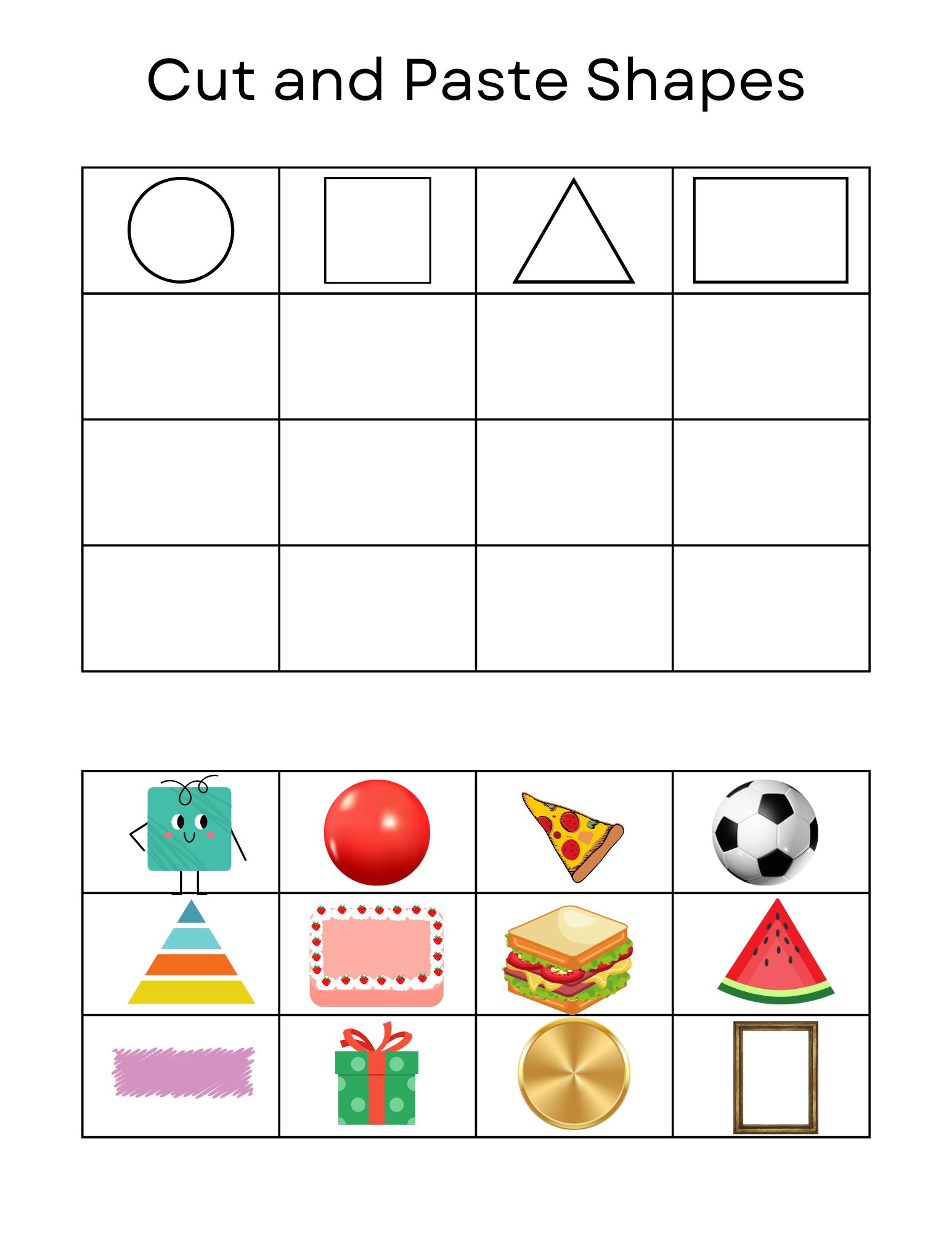
Using a Cut Out Puzzle Worksheet Preschool offers several benefits:
- Enhances Fine Motor Skills: Cutting out shapes and putting them back together helps improve hand-eye coordination and dexterity.
- Encourages Problem-Solving: Children learn to analyze how the pieces fit together, which boosts their cognitive skills.
- Supports Visual Learning: The colorful images and shapes capture children’s attention, making learning enjoyable.
- Promotes Creativity: Once assembled, kids can color the puzzles, allowing them to express their creativity.
How to Choose the Right Worksheet
When selecting a Cut Out Puzzle Worksheet for preschoolers, consider the following:
- Age Appropriateness: Ensure the difficulty level matches the skills of the children. For younger preschoolers, simple shapes and fewer pieces are ideal.
- Theme Relevance: Choose worksheets that align with current lessons or themes, such as animals, seasons, or letters.
- Printable Quality: Look for high-resolution PDFs that will print clearly without pixelation. This is crucial for maintaining the integrity of the images.
Downloading and Printing Your Worksheet
Once you’ve chosen the right worksheet, the next step is downloading and printing it. Here’s how you can do it effectively:
- Choose a Reliable Source: Websites that specialize in educational resources often provide high-quality worksheets. Make sure to check reviews or recommendations to find trustworthy sites.
- Download the File: Most worksheets come in PDF format, which is easy to download. Ensure your device has a PDF reader installed.
- Set Up Your Printer: Before printing, adjust your printer settings. For best results:
- Use good quality paper; cardstock works well for durability.
- Set your printer to “portrait” mode unless the worksheet specifies otherwise.
- Check that the paper size matches the worksheet dimensions (typically A4 or letter size).
- Print: Once your settings are configured, print a test page to ensure everything looks good. After confirming, print the desired number of copies.
Preparing for the Activity
With your Cut Out Puzzle Worksheet printed, you’re ready to set up for the activity. Here’s how to prepare:
- Gather Supplies: You’ll need child-safe scissors, glue sticks, and crayons or markers for coloring.
- Create a Comfortable Workspace: Set up a table or area where children can easily cut and assemble their puzzles. Ensure there’s enough space for everyone.
- Explain the Activity: Before diving in, explain how to cut out the pieces and assemble them. Demonstrate if necessary, showing them how the pieces fit together.
Guiding Children Through the Activity
As children work on their puzzles, your role is to guide and facilitate the process. Here are some tips:
- Encourage Independence: Allow children to try cutting and assembling on their own, but be available to help if they get stuck.
- Promote Discussion: Ask questions about the images and shapes. This can help enhance their vocabulary and critical thinking skills.
- Praise Efforts: Celebrate their efforts and creativity, regardless of the final outcome. Positive reinforcement boosts confidence and motivation.
Variations to Keep It Interesting
To keep the activity fresh, consider these variations:
- Theme Days: Introduce themed puzzles that correspond with holidays or seasons.
- Group Challenges: Have children work in pairs or small groups to promote teamwork as they solve the puzzles together.
- Coloring After Completion: Once they’ve assembled their puzzles, encourage kids to color them. This adds a creative element that can make the activity even more enjoyable.
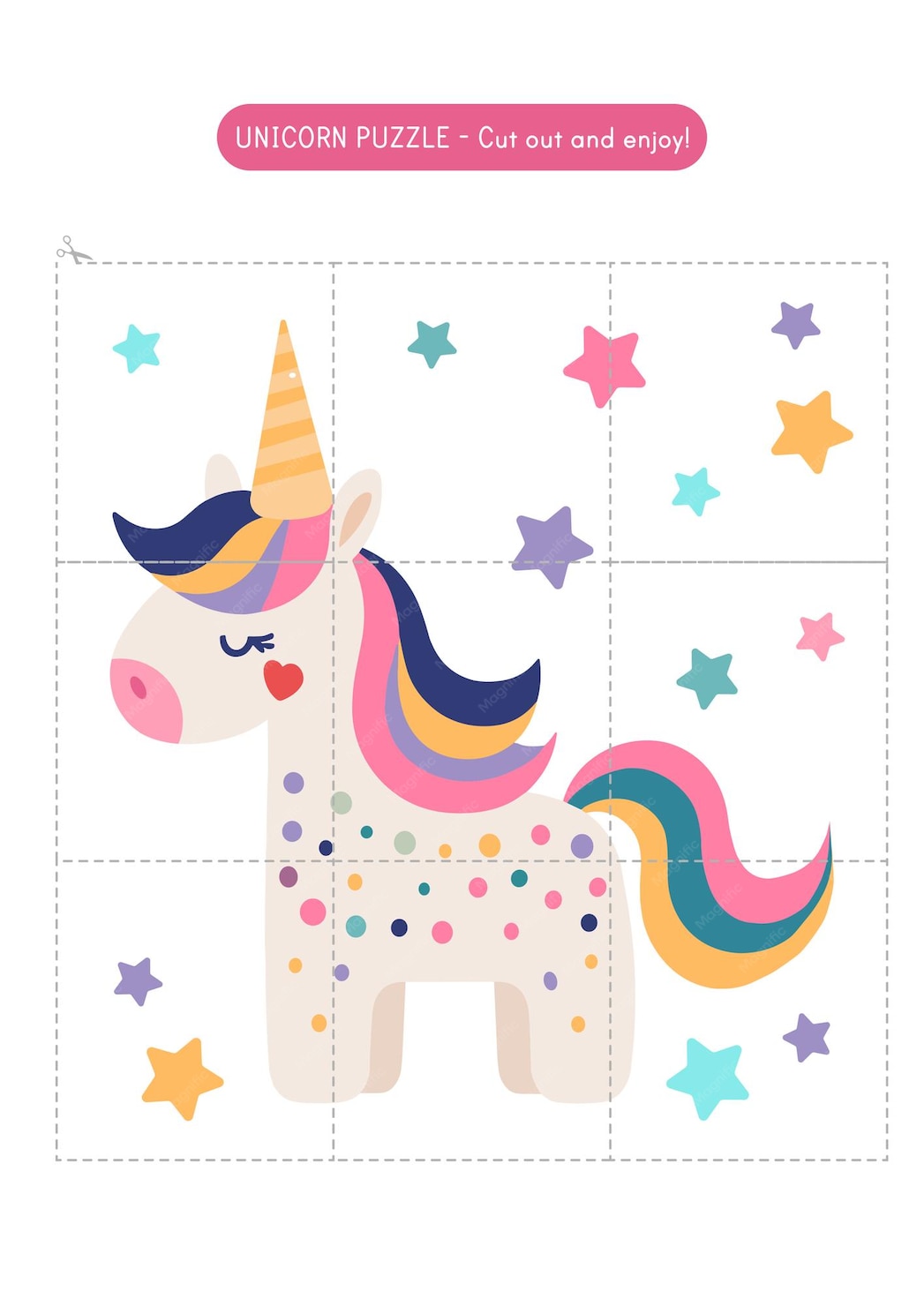
Quality Presentation for Your Puzzles
After the puzzles are completed, consider how you’ll present them:
- Laminating: If you want the puzzles to last longer, laminate them. This makes them more durable and can be reused for future activities.
- Display Options: Create a puzzle wall or a bulletin board where children can showcase their completed puzzles. This not only boosts their confidence but also creates a sense of community.
Cut Out Puzzle Worksheet Preschool Gallery