Day And Night Worksheet For Preschoolers
Understanding the difference between day and night is a fundamental concept for preschoolers. A Day And Night Worksheet For Preschoolers can effectively facilitate this learning process. This engaging resource helps children identify various activities associated with each time of day, making learning both fun and practical. In this article, we’ll explore how to use this worksheet effectively, the types of activities it includes, and tips for making the most of it.
What is a Day And Night Worksheet For Preschoolers?
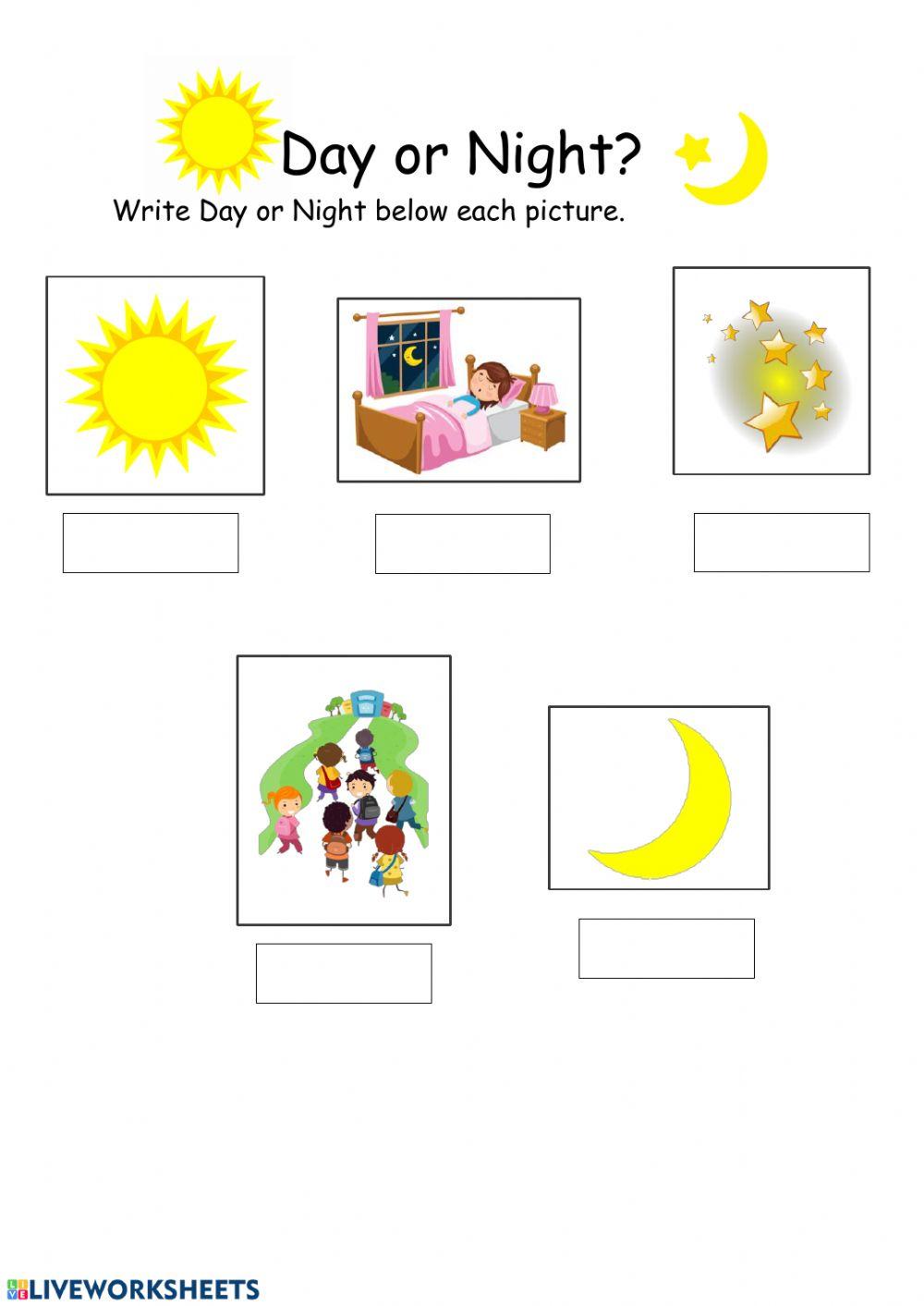
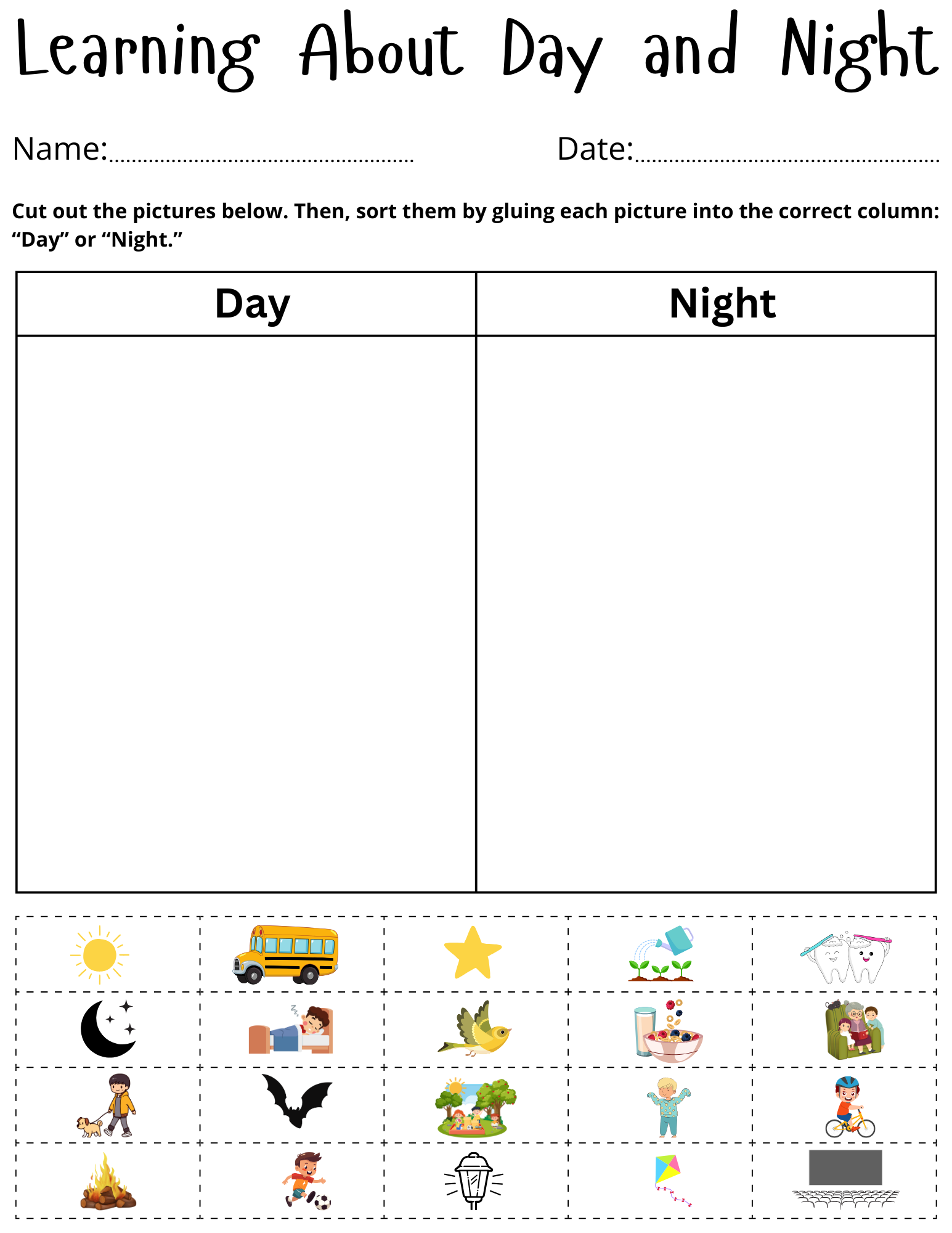
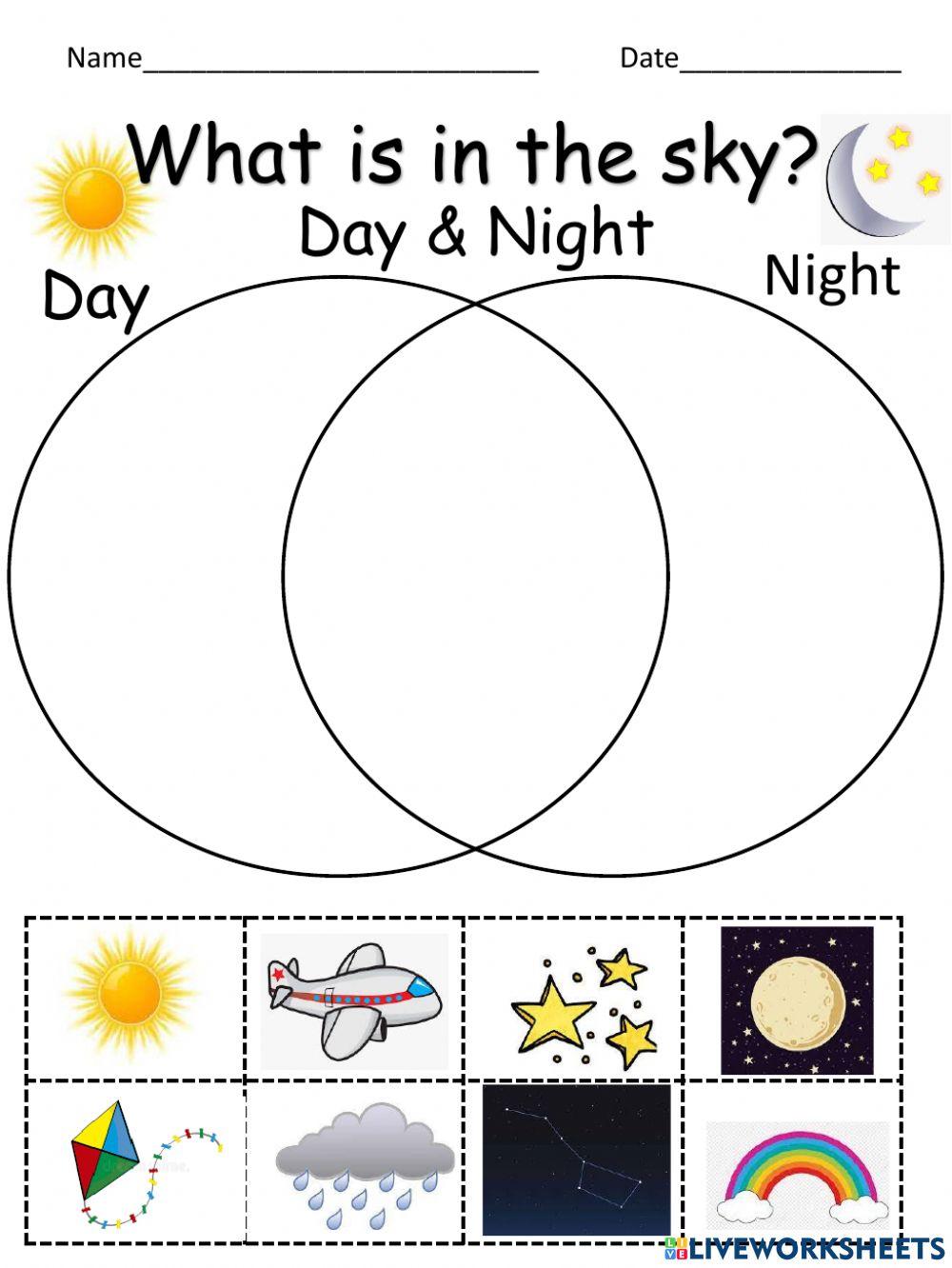
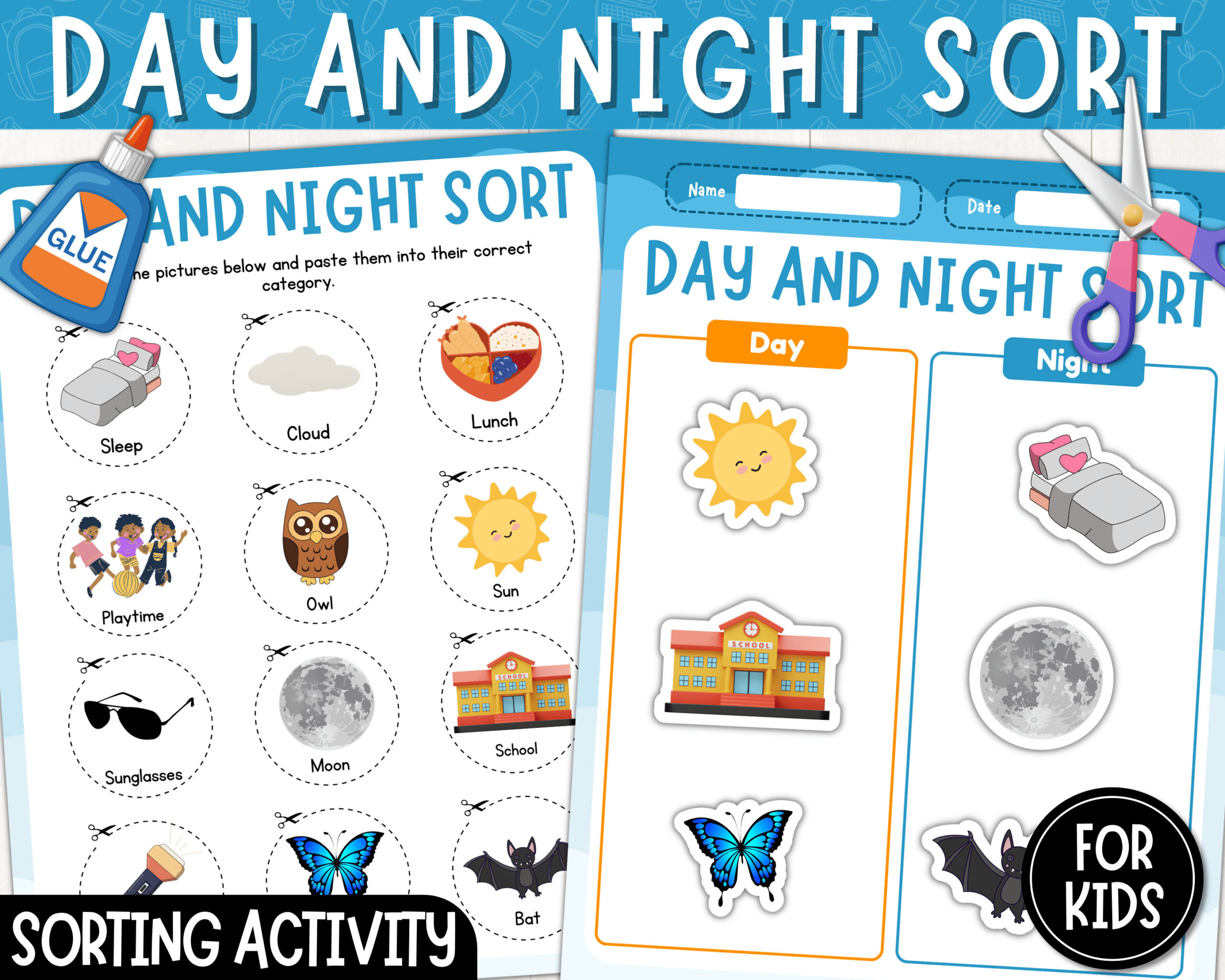
A Day And Night Worksheet For Preschoolers is a printable resource designed to help young children understand the differences between day and night activities. It typically features illustrations or images depicting various scenarios, such as playing outside during the day or sleeping at night.
These worksheets often include sections where children can draw, color, or write down activities they associate with each time of day. The aim is to reinforce their understanding through visual and hands-on activities, catering to different learning styles.
How to Use the Day And Night Worksheet Effectively
To get the most out of the Day And Night Worksheet For Preschoolers, consider these practical tips:
- Print Quality: Use a high-quality printer for clear images, especially if your worksheet includes illustrations. A standard letter-sized paper (8.5” x 11”) works well for most printers.
- Paper Type: For durability, especially if your child enjoys coloring, consider using cardstock. It holds up better than regular printer paper and is less likely to tear.
- Engagement Strategies: Before handing the worksheet to your child, discuss the concepts of day and night. Ask questions like, “What do you like to do during the day?” or “What happens at night?” This primes their thinking and makes the activity more engaging.
- Follow-Up Discussion: After completing the worksheet, talk about the activities they chose. Encourage them to share why they associated certain activities with day or night, reinforcing their understanding.
Activities Included in the Worksheet
The Day And Night Worksheet For Preschoolers often features various activities designed to engage children. Here are common types of activities you might find:
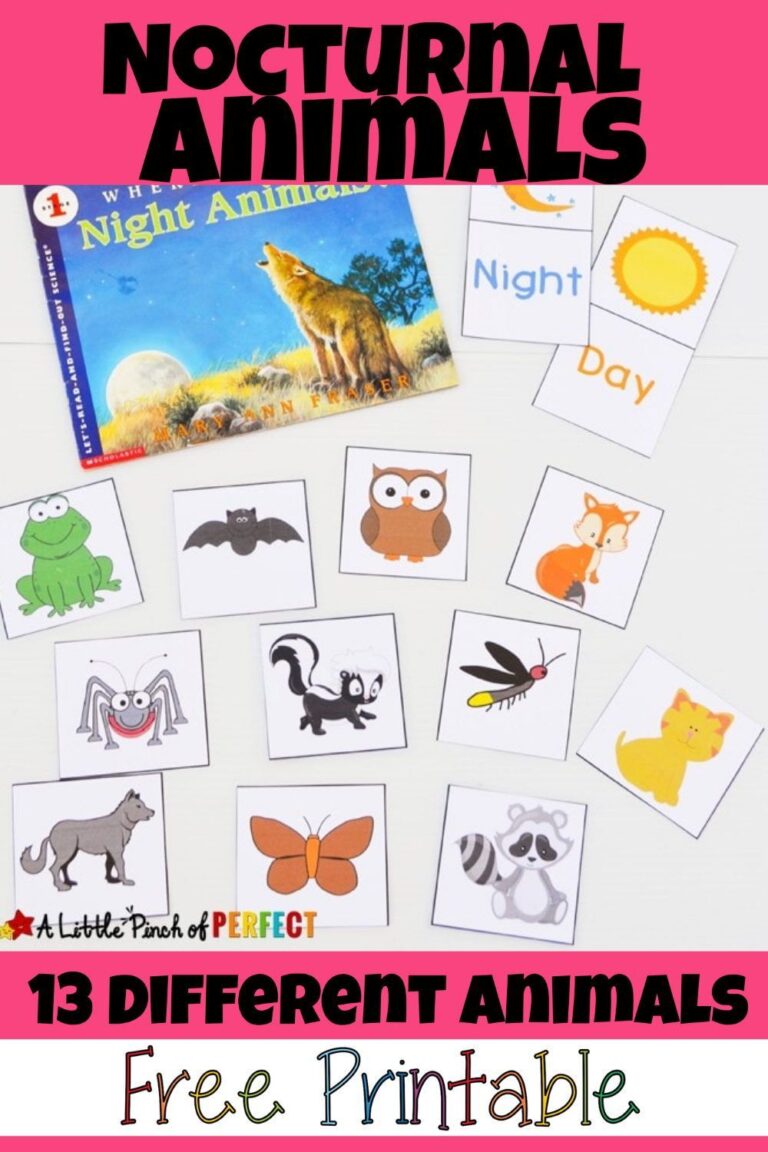
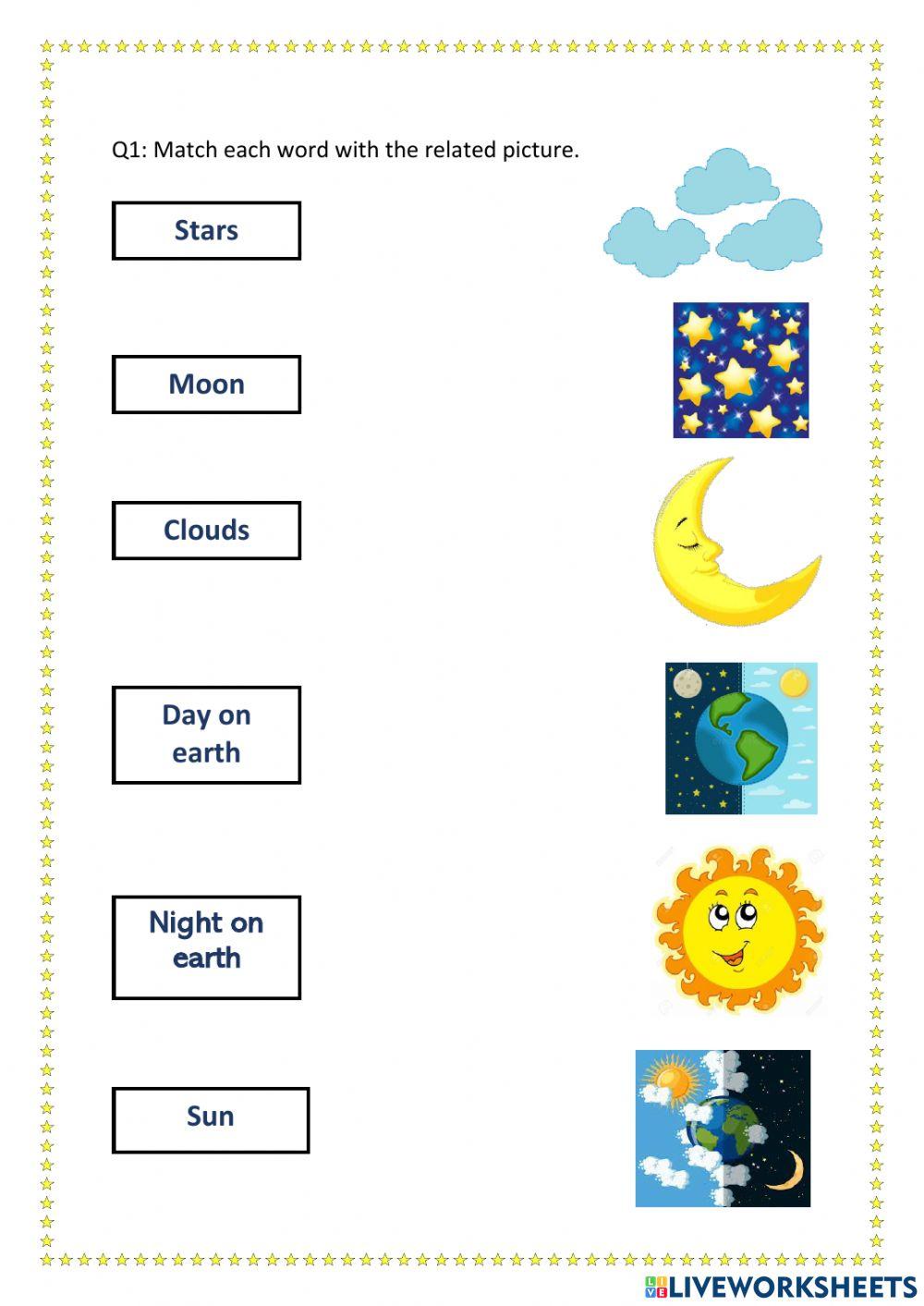
- Matching Games: Kids can match images of daytime activities (like playing outside) with nighttime activities (like going to bed).
- Drawing Prompts: Children may be asked to draw their favorite day and night activity, encouraging creativity along with learning.
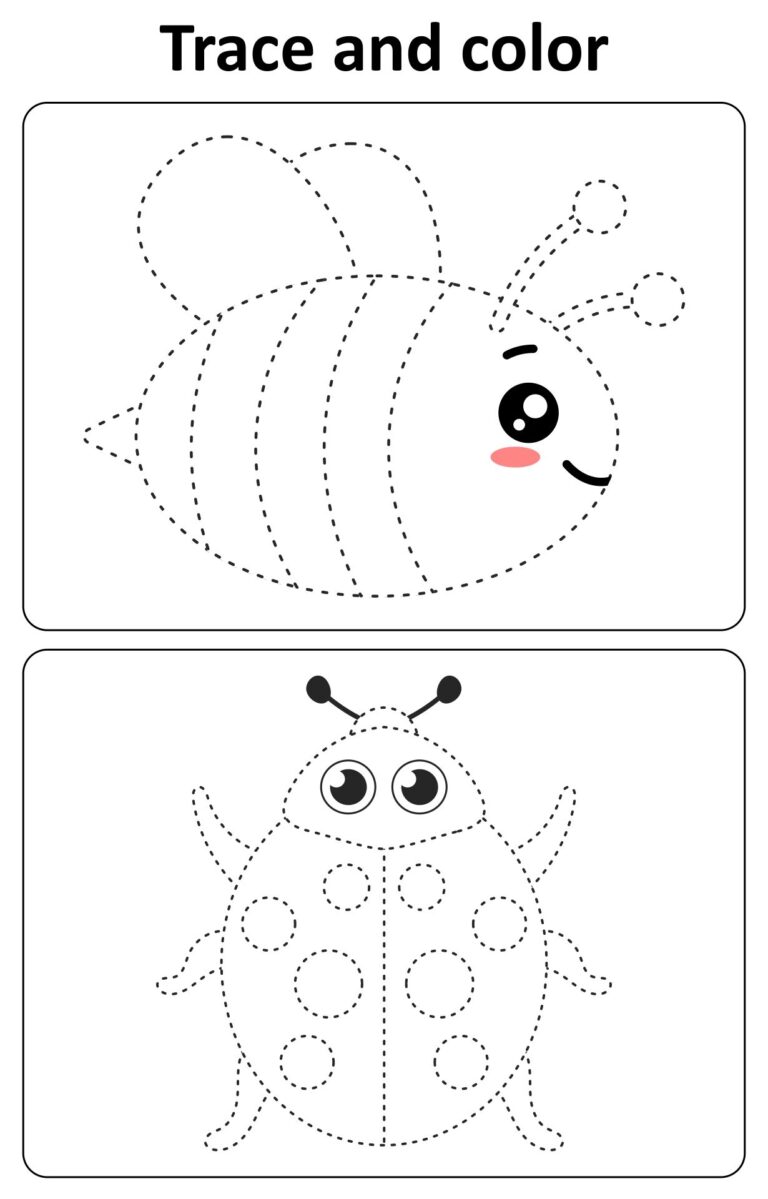
- Coloring Sections: Many worksheets include images to color, making the learning process fun and interactive.
- Sentence Completion: Some worksheets ask kids to fill in the blanks with words related to day and night, enhancing their vocabulary.
Incorporating the Worksheet Into Your Routine
Integrating the Day And Night Worksheet For Preschoolers into your daily routine can enhance your child’s learning experience. Here’s how you can do it:
- Morning Routine: Start your day by discussing what activities they have planned. Use the worksheet as a reference point to identify which activities will take place during the day.
- Evening Wind Down: Before bedtime, revisit the worksheet and discuss the activities they did throughout the day. This helps reinforce the concept of day and night in a practical context.
- Weekly Themes: Consider using the worksheet as part of a weekly theme on time concepts. Pair it with stories, videos, or songs about day and night to create a comprehensive learning experience.
Downloading and Printing the Worksheet
When looking for a Day And Night Worksheet For Preschoolers, you’ll want to ensure that the download is straightforward and the print format is accessible. Here are some tips for downloading and printing:
- File Format: Look for a PDF version of the worksheet. PDFs typically maintain formatting better than image files when printed, reducing the chances of layout issues.
- Print Settings: Ensure your printer settings are set to “actual size” or “100% scale” to prevent any distortion in the images. Using the portrait layout is recommended for most home printers.
- Lamination Option: If you plan on using the worksheet multiple times, consider laminating it. This allows you to use dry-erase markers for repeated practice, making it a reusable resource.
Day And Night Worksheet For Preschoolers Gallery