Describe Objects In Feely Boxes Worksheet Preschool
Using sensory boxes can transform the way preschoolers learn about the world around them. They offer a fantastic hands-on approach to help children develop important skills, from vocabulary to fine motor skills. One particularly effective tool for this activity is the Describe Objects In Feely Boxes Worksheet Preschool. This worksheet guides educators and parents in creating interactive experiences that stimulate children’s senses and language development.
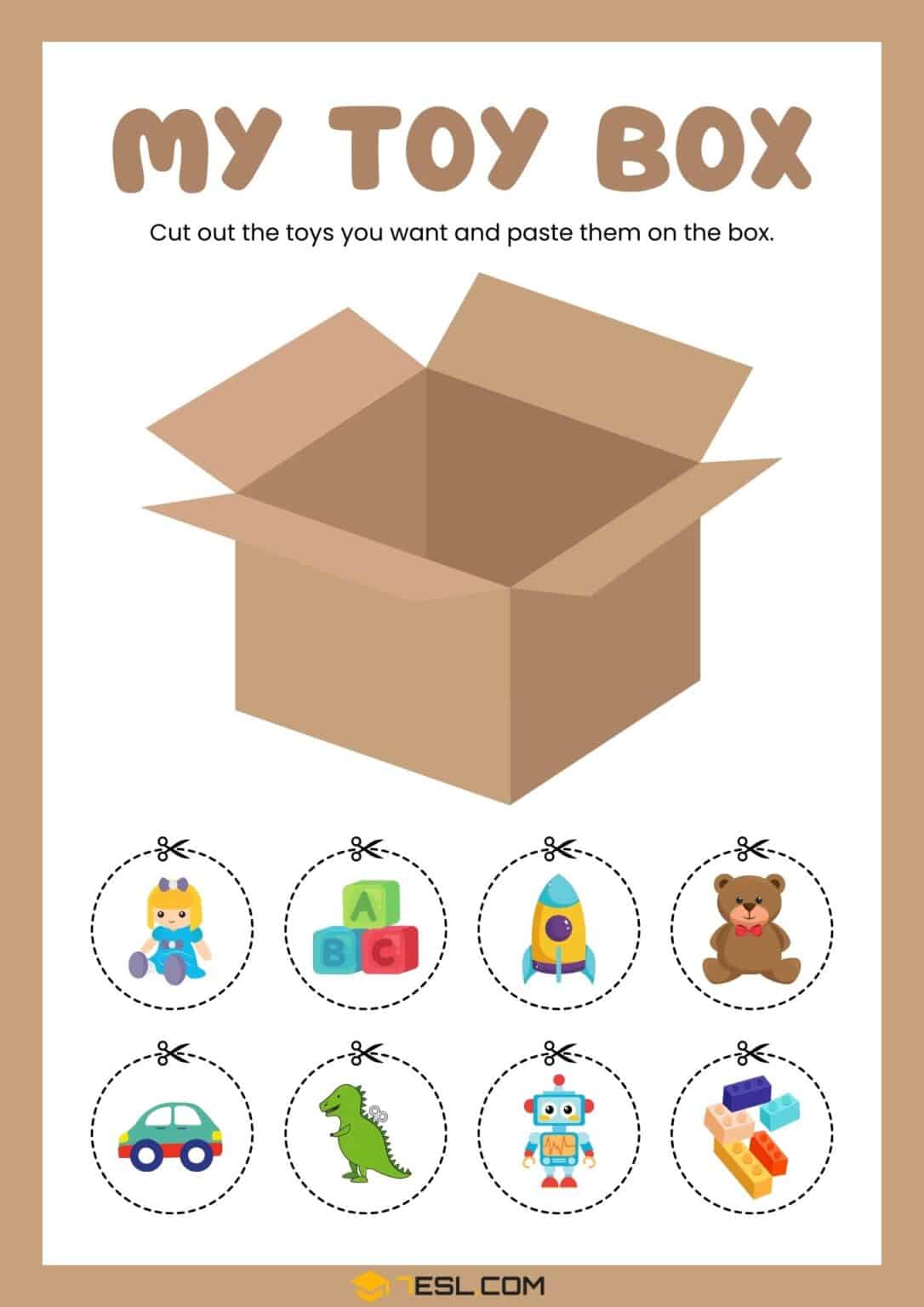
Understanding the Feely Box Concept
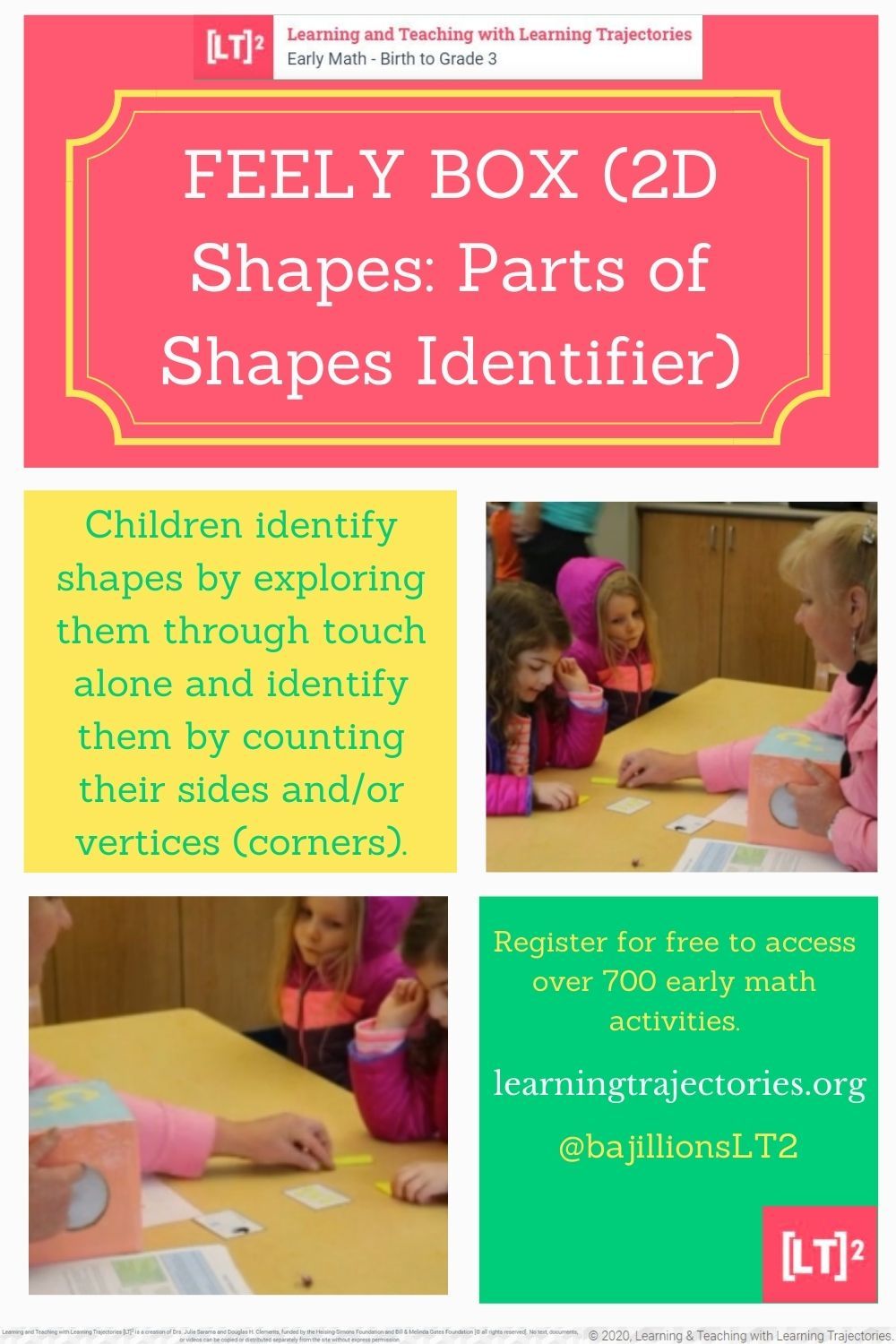
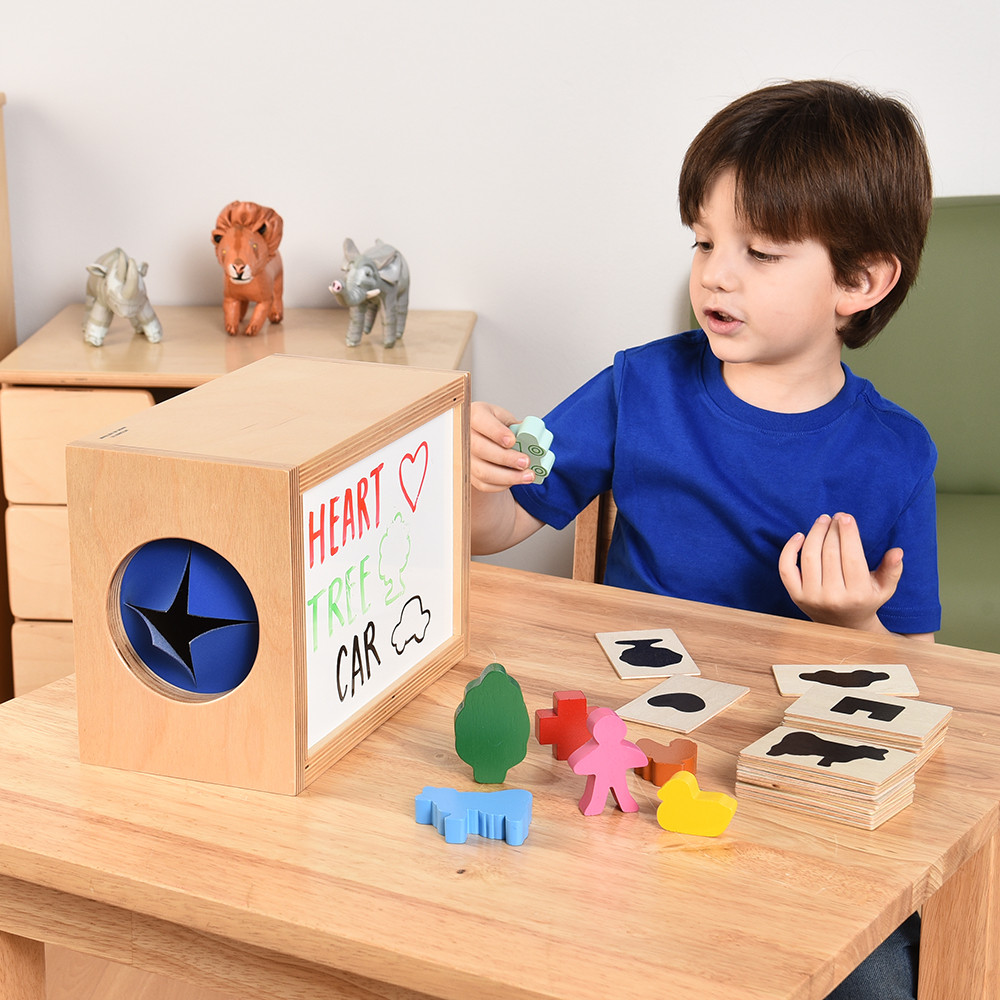
Feely boxes, or sensory boxes, are containers filled with various objects that children can explore by touch. The idea is simple: kids reach into the box without looking and feel different items, describing them based on texture, shape, and size. This activity not only sparks curiosity but also encourages expressive language skills as children learn to articulate their thoughts.
The Describe Objects In Feely Boxes Worksheet Preschool is designed to complement this activity. It provides a structured way for children to record their observations, helping them reflect on their experiences. You can use it to document what they felt and how they would describe those objects.
Setting Up the Feely Box Activity
Choose Your Box
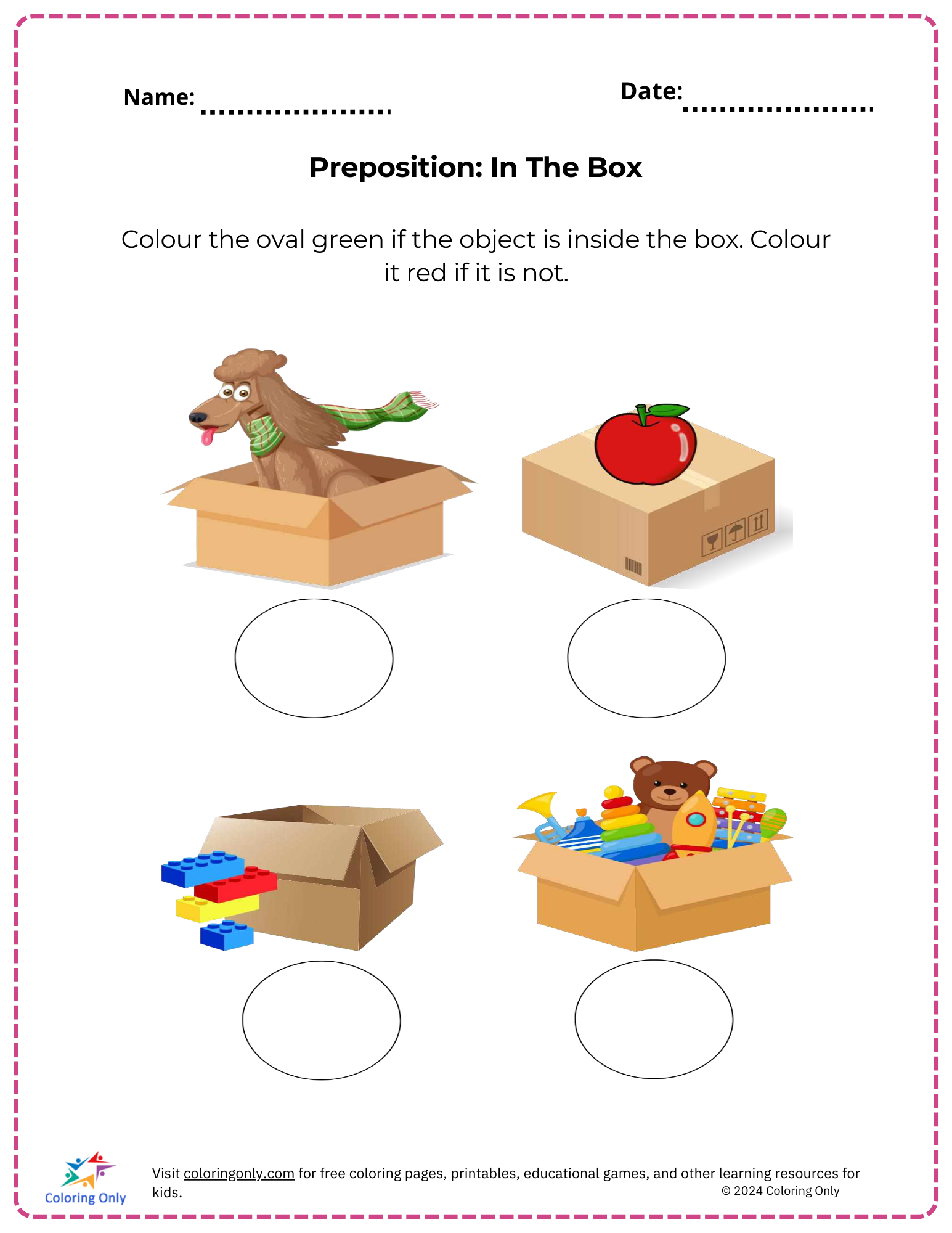
Start by selecting a sturdy box or container. A shoebox often works well, but any opaque container will do. Just make sure it’s big enough for little hands to explore without peeking inside.
Fill It With Objects
Next, gather a variety of objects that differ in texture, size, and shape. Here are some suggestions:
- Soft items (e.g., a plush toy or a cotton ball)
- Hard items (e.g., a small ball or a wooden block)
- Textured items (e.g., a spiky ball or a smooth stone)
- Everyday objects (e.g., a spoon, a button, or a piece of fabric)
Consider your child’s interests and safety when choosing items. Avoid anything small enough to pose a choking hazard.
Prepare the Worksheet
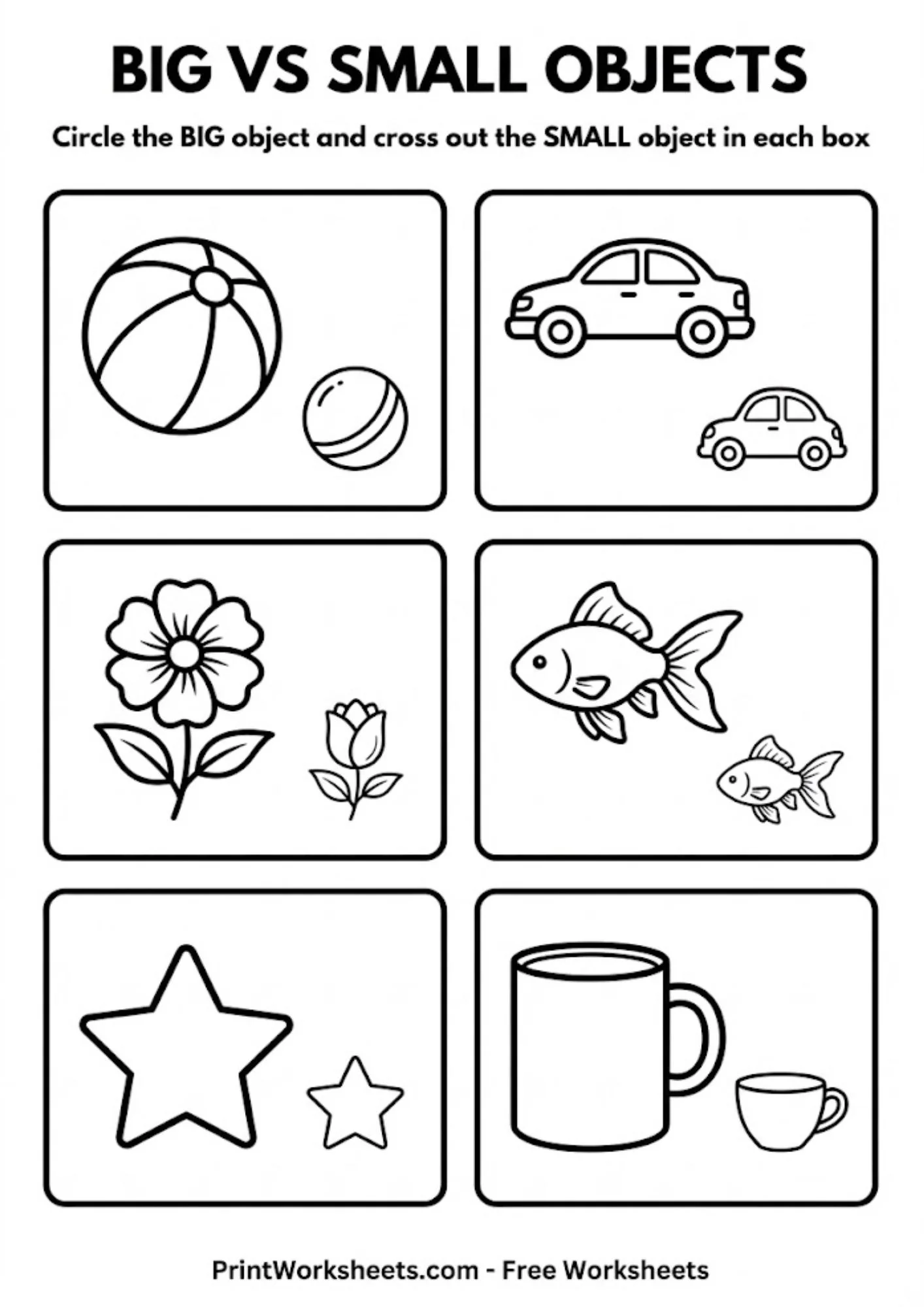
Download and print the Describe Objects In Feely Boxes Worksheet Preschool. This sheet typically includes spaces for writing descriptions and a section for drawing. Keep it accessible next to your sensory box for easy use during the activity.
Incorporating the Worksheet Into the Activity
Introduce the Activity
Before starting, explain the activity to your child. Encourage them to feel the objects without looking and to think about how they would describe what they touch. This sets the tone for an engaging learning experience.
Explore and Describe
As your child reaches into the box, prompt them to feel each item and describe it using the worksheet. Ask open-ended questions like:
- What does it feel like?
- Is it rough or smooth?
- Can you tell what shape it is?
These questions encourage deeper thinking and more detailed descriptions.
Record Observations
Have your child fill in the worksheet as they go along. They might write down words like “soft,” “round,” or “bumpy” to describe the objects. Encourage them to draw pictures of the items too, as this reinforces their understanding and adds a creative element to the task.
Benefits of Using the Describe Objects In Feely Boxes Worksheet Preschool
Enhances Language Skills
Using the worksheet helps preschoolers expand their vocabulary. By articulating their thoughts, they learn new words to describe textures, shapes, and sizes. This verbal practice is crucial for language development.
Boosts Cognitive Development
Describing objects requires children to think critically. They must analyze what they feel and express those thoughts, which fosters cognitive skills and enhances their problem-solving abilities.
Encourages Fine Motor Skills
Reaching into the box and handling various objects helps develop fine motor skills. These skills are essential for tasks like writing and using scissors later on.
Fosters Independence
The Feely Box activity can be done independently or with minimal guidance, promoting a sense of autonomy in young learners. It allows them to take charge of their learning experience, which builds confidence.
Tips for Success With the Feely Box Activity
Choose Age-Appropriate Objects
Ensure that the objects you select are suitable for preschoolers. Avoid anything sharp or small enough to cause choking. Safety should always be your top priority.
Encourage Expression
Prompt your child to use complete sentences when describing the objects. This can help improve their communication skills. You might say, “Can you tell me more about what you feel?”
Mix It Up
To keep the activity fresh, regularly change the objects in the feely box. This variety will maintain your child’s interest and expose them to new textures and shapes.
Engage Multiple Senses
In addition to touch, consider incorporating smell or sound into your sensory box. For example, include items like a dried herb for smell or a small bell for sound. This adds an extra layer of sensory exploration.
Where to Use the Worksheet
In the Classroom
Teachers can integrate the Describe Objects In Feely Boxes Worksheet Preschool into their lesson plans. It can be an excellent addition to science or language arts activities, making learning interactive and fun.
At Home
Parents can use this worksheet during playtime or as part of a structured learning session. It’s a great way to reinforce skills learned in school while enjoying quality time together.
During Therapy Sessions
Occupational therapists can incorporate the feely box activity into sessions. The sensory exploration can help children with sensory processing issues or those who need assistance developing fine motor skills.
Describe Objects In Feely Boxes Worksheet Preschool Gallery