Dinosaur Graph Worksheets For Preschool
When it comes to engaging preschoolers in learning, Dinosaur Graph Worksheets For Preschool offer a creative way to introduce early math skills. These worksheets not only capture the imagination with vibrant dinosaur themes but also help children understand the basics of graphing and data collection. If you’re looking for a fun way to teach your little ones about counting, sorting, and interpreting data, these worksheets can be a delightful addition to your educational toolkit.
Understanding the Layout of Dinosaur Graph Worksheets
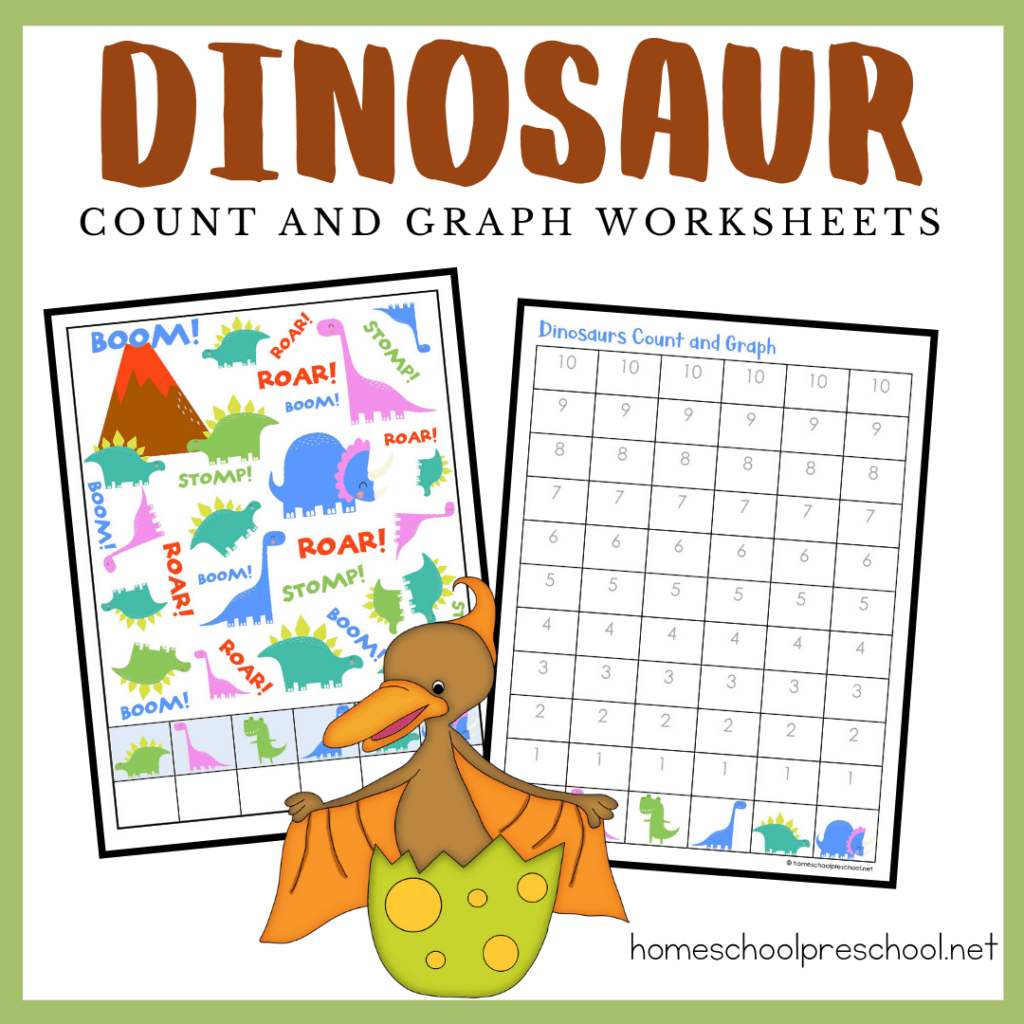
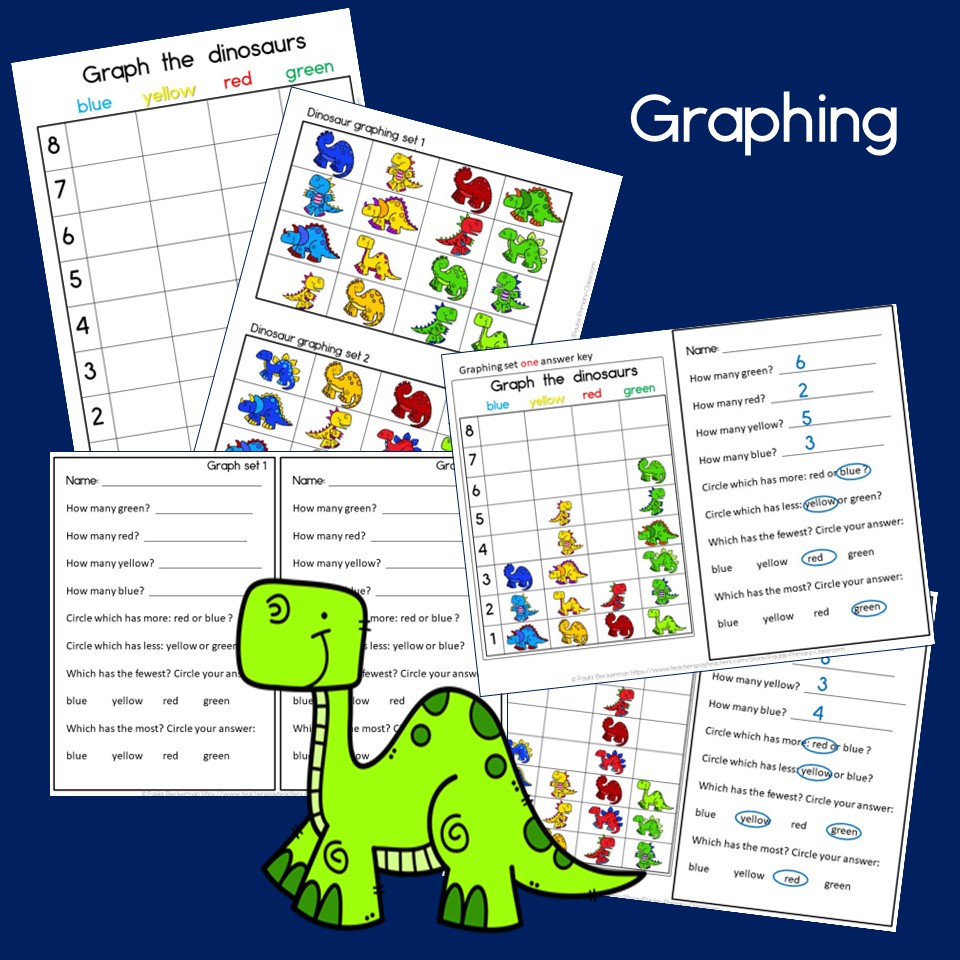
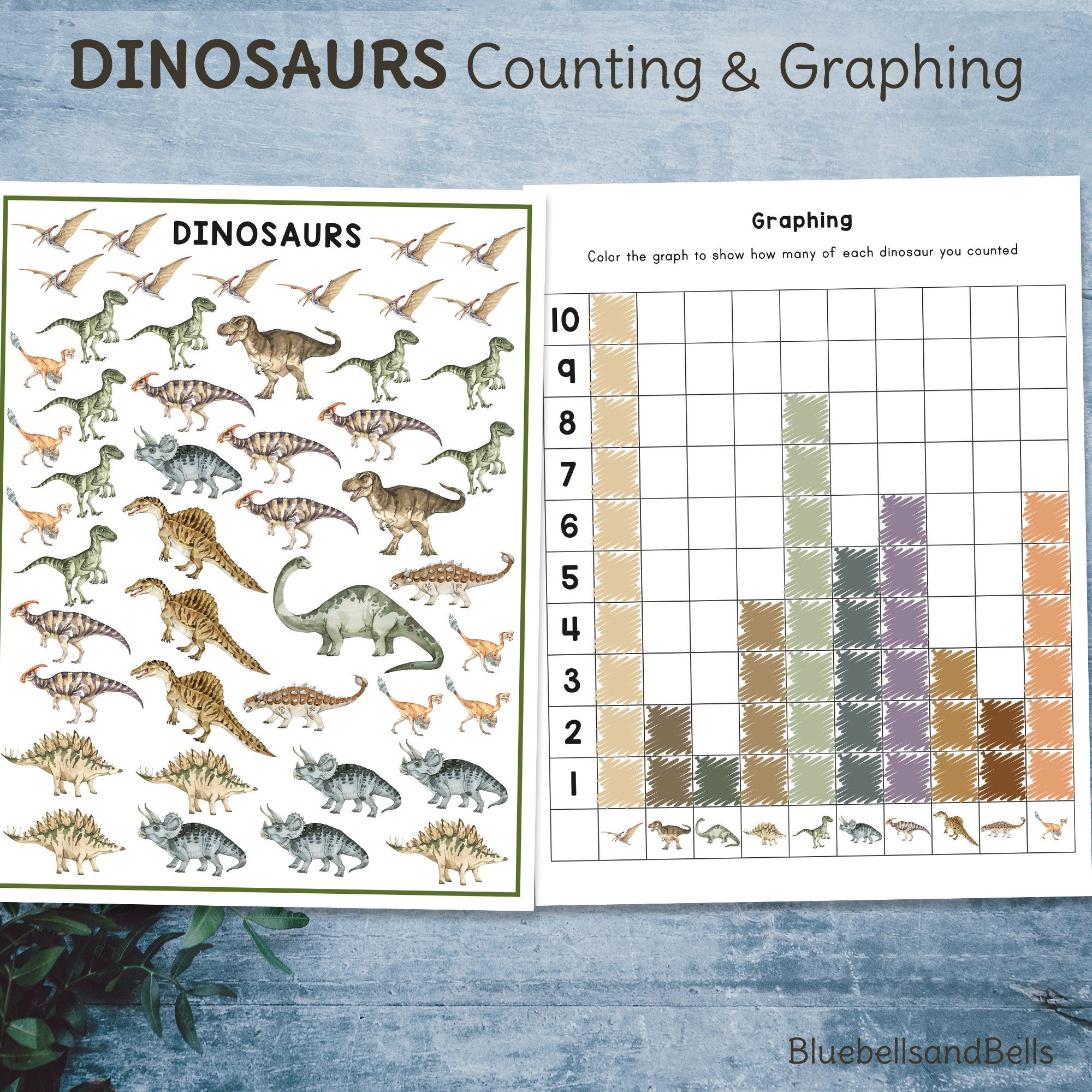
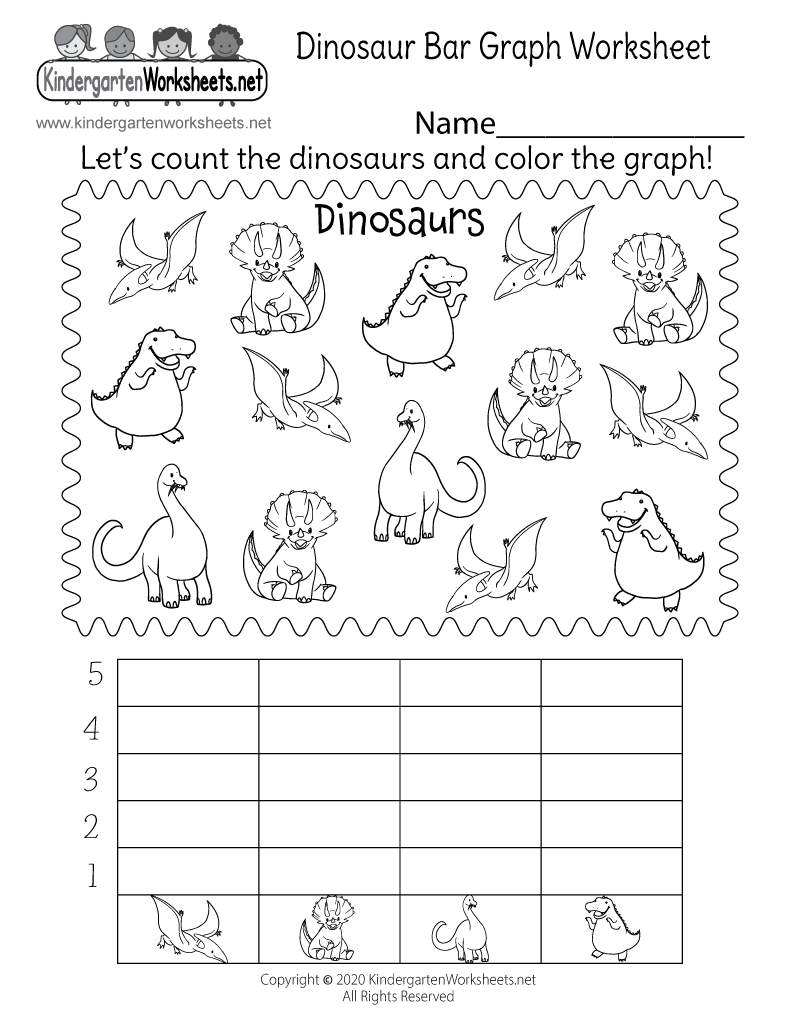
Dinosaur Graph Worksheets typically feature several key components that make them user-friendly and effective for young learners. You’ll find sections for data collection, graphing exercises, and sometimes even coloring activities. Each part is designed to guide preschoolers through the process of gathering and visualizing data.
The layout usually includes:
- Title Section: Clearly indicates the focus of the worksheet, often featuring a playful dinosaur graphic.
- Data Collection Area: This section allows children to gather information, such as counting how many different types of dinosaurs they see in a picture or a collection of toys.
- Graphing Space: Here, children can create their graphs, using stickers, crayons, or markers to represent their collected data visually.
- Coloring Section: Some worksheets include a fun coloring activity related to dinosaurs, reinforcing engagement and creativity.
The combination of these elements makes the worksheets not just educational but also entertaining. You’ll notice that the layout encourages hands-on interaction, which is crucial for preschool learning.
How to Use Dinosaur Graph Worksheets Effectively
To get the most out of Dinosaur Graph Worksheets, consider a few practical strategies. First, decide whether you want to use them digitally or in print. If you choose to fill them out on a screen, ensure you have a PDF version that allows for easy input. This method can be convenient for quick use, especially in a classroom setting.
On the other hand, printing the worksheets is a great option for tactile learning. When printing, I recommend using cardstock. It holds up better than standard paper, especially if your little ones are using markers or crayons. Plus, if you plan to laminate the worksheets for reuse, cardstock provides a more durable surface.
When working with your child, start by reading the instructions together. This step is essential, as it sets the tone for the activity and helps them understand what they need to do. Encourage them to count objects, discuss their findings, and express their thoughts about the data they collect. This interaction not only aids comprehension but also builds their verbal skills.
The Benefits of Graphing for Preschoolers
Introducing graphing concepts at a young age has numerous benefits. For preschoolers, understanding how to collect and represent data visually lays the groundwork for future math skills. Here are some specific advantages:
- Critical Thinking: As children decide how to categorize their dinosaurs or other items, they practice organizing information logically.
- Analytical Skills: Graphing teaches kids to analyze data, helping them understand trends and patterns, even at a basic level.
- Fine Motor Skills: Coloring, drawing, and manipulating stickers or stamps on the graph strengthen hand-eye coordination and fine motor skills.
- Engagement: The fun theme of dinosaurs captures their attention, making learning feel less like a chore and more like play.
These worksheets create a perfect blend of learning and fun. By making the subject matter relatable and enjoyable, kids are more likely to retain the information and develop a love for learning.
Tips for Enhancing the Graphing Experience
To enhance the experience further, consider incorporating additional activities that complement the Dinosaur Graph Worksheets. Here are a few ideas:
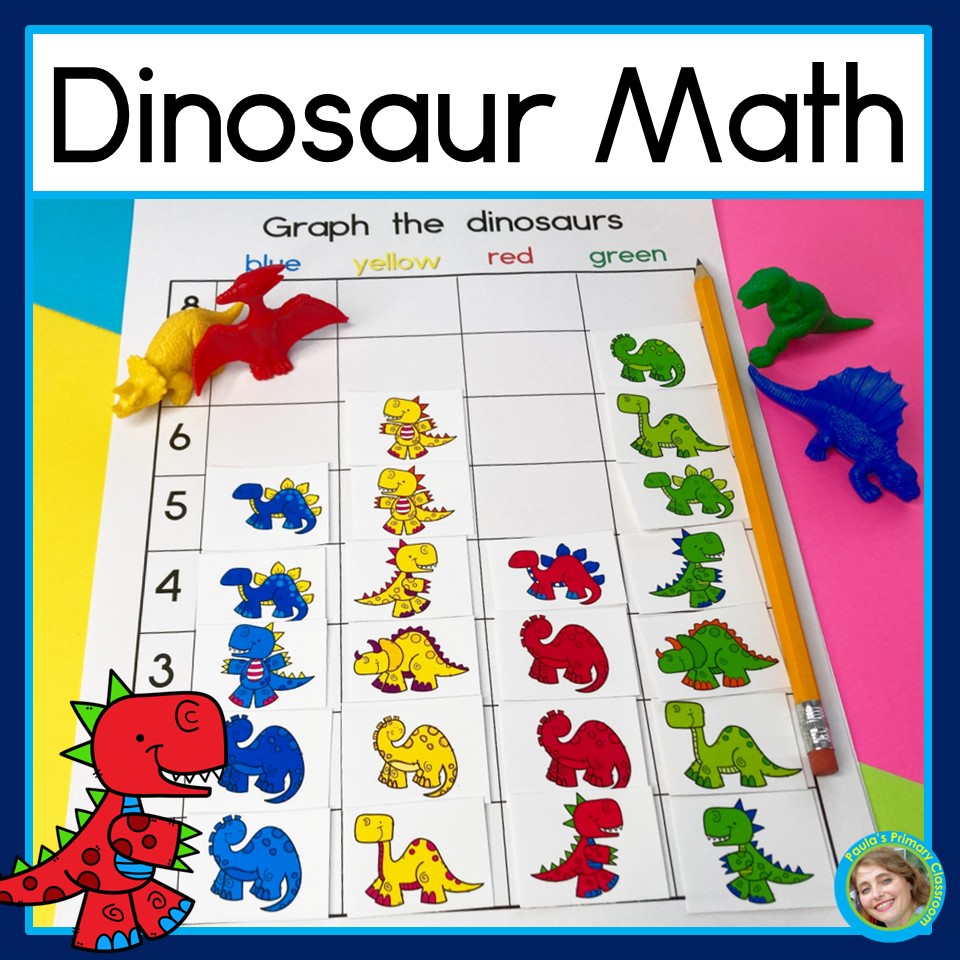
- Dinosaur Hunt: Organize a small dinosaur scavenger hunt where children can find toy dinosaurs or pictures around the house or classroom. They can then use the collected items for their graphing activity.
- Story Time: Read a dinosaur-themed book before beginning the worksheets. This can spark interest and provide context for the data they will be working with.
- Group Activities: If you’re in a classroom setting, have children work in small groups. This encourages collaboration and allows them to discuss their findings together.
These supplemental activities can make the graphing exercise even more enriching and enjoyable. They foster social interaction and can help children learn from each other.
Dinosaur Graph Worksheets For Preschool Gallery