Dotted Numbers Worksheet For Preschool
Using a Dotted Numbers Worksheet For Preschool can be a useful option in your child’s early learning journey. These worksheets are designed to help preschoolers develop number recognition, improve fine motor skills, and practice handwriting. If you’re looking for a resource that is both engaging and educational, you’re in the right place. explore how to effectively use this worksheet, what to consider when printing, and how to integrate it into your child’s learning routine.
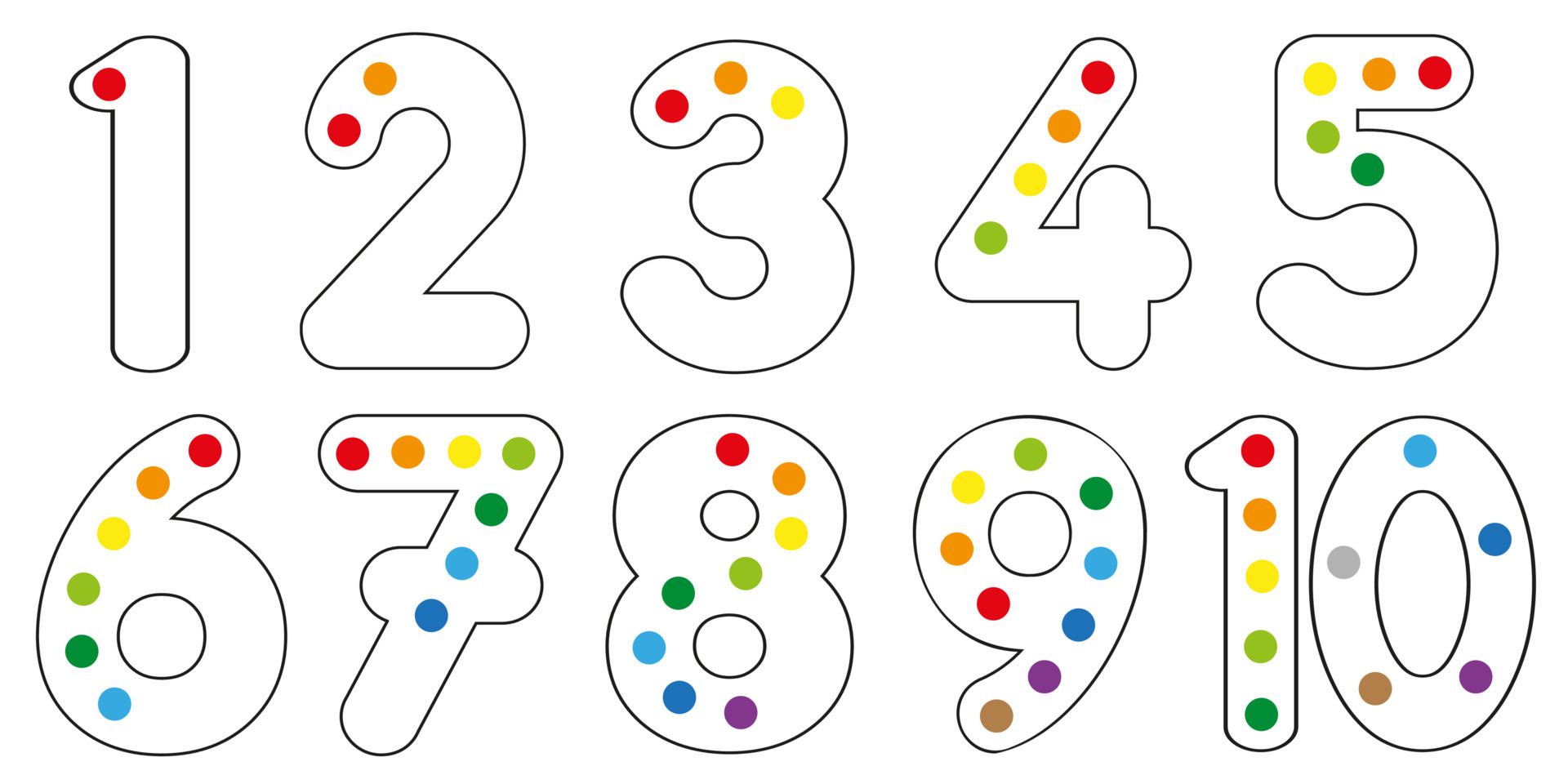
Understanding the Dotted Numbers Worksheet
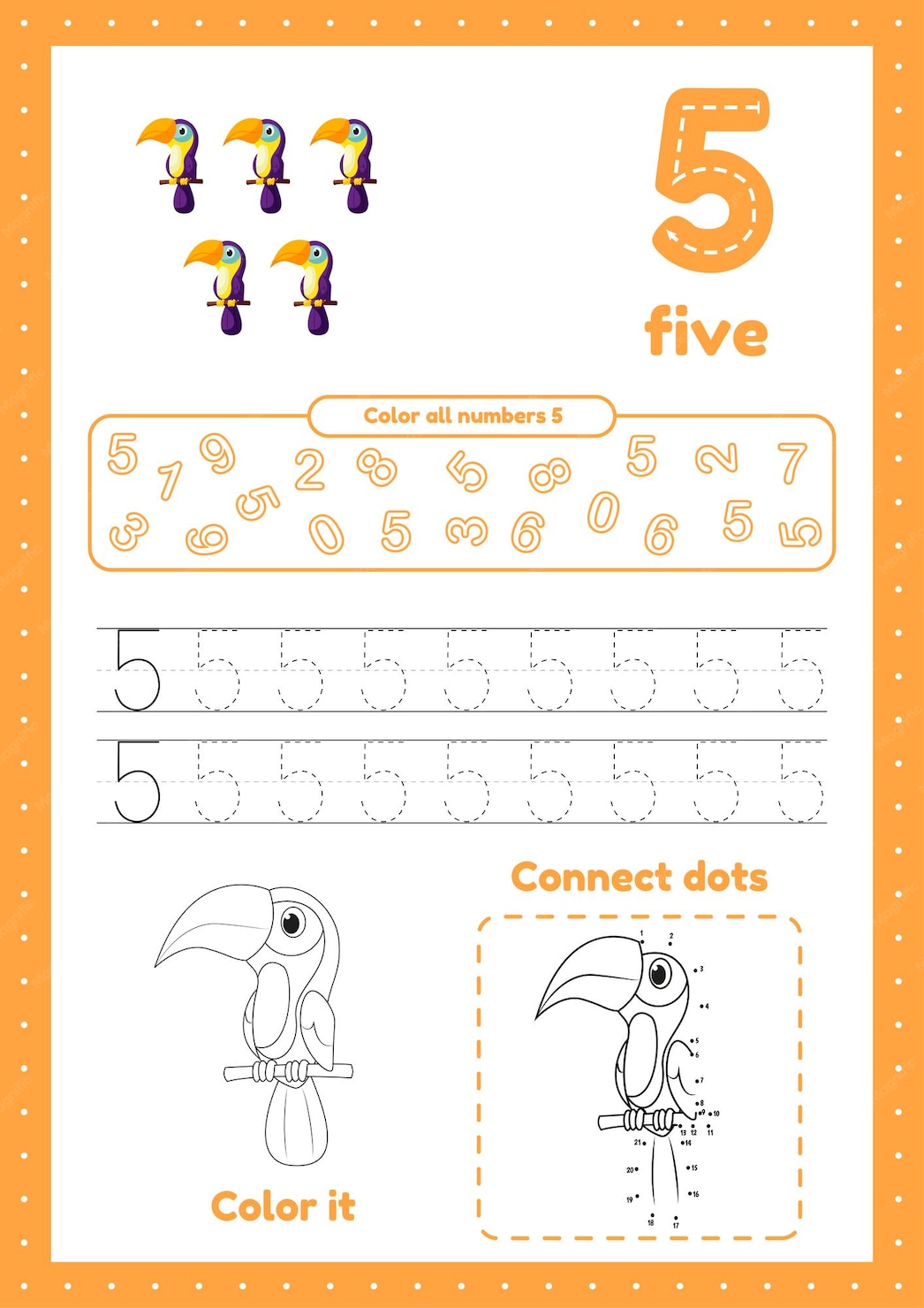
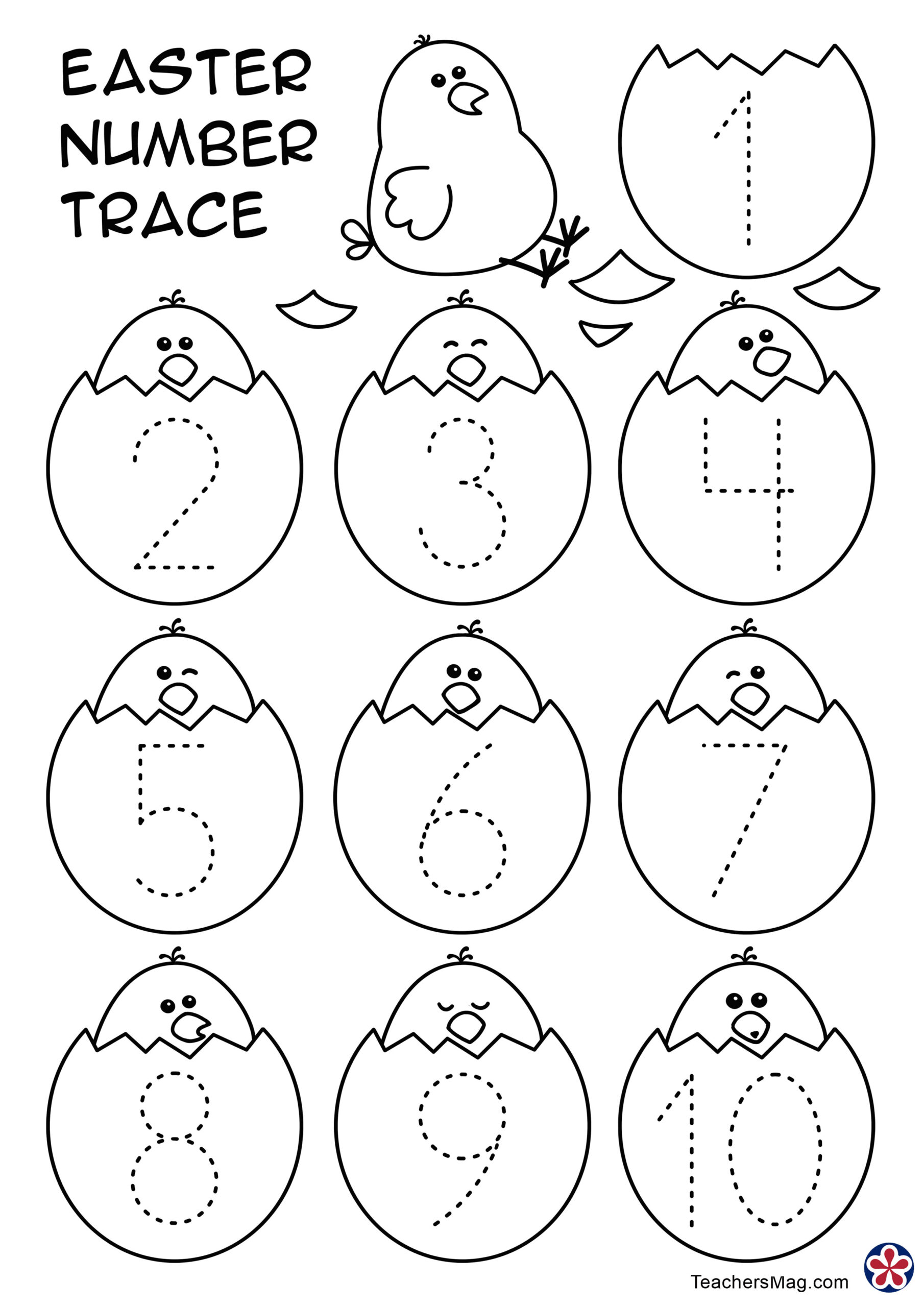
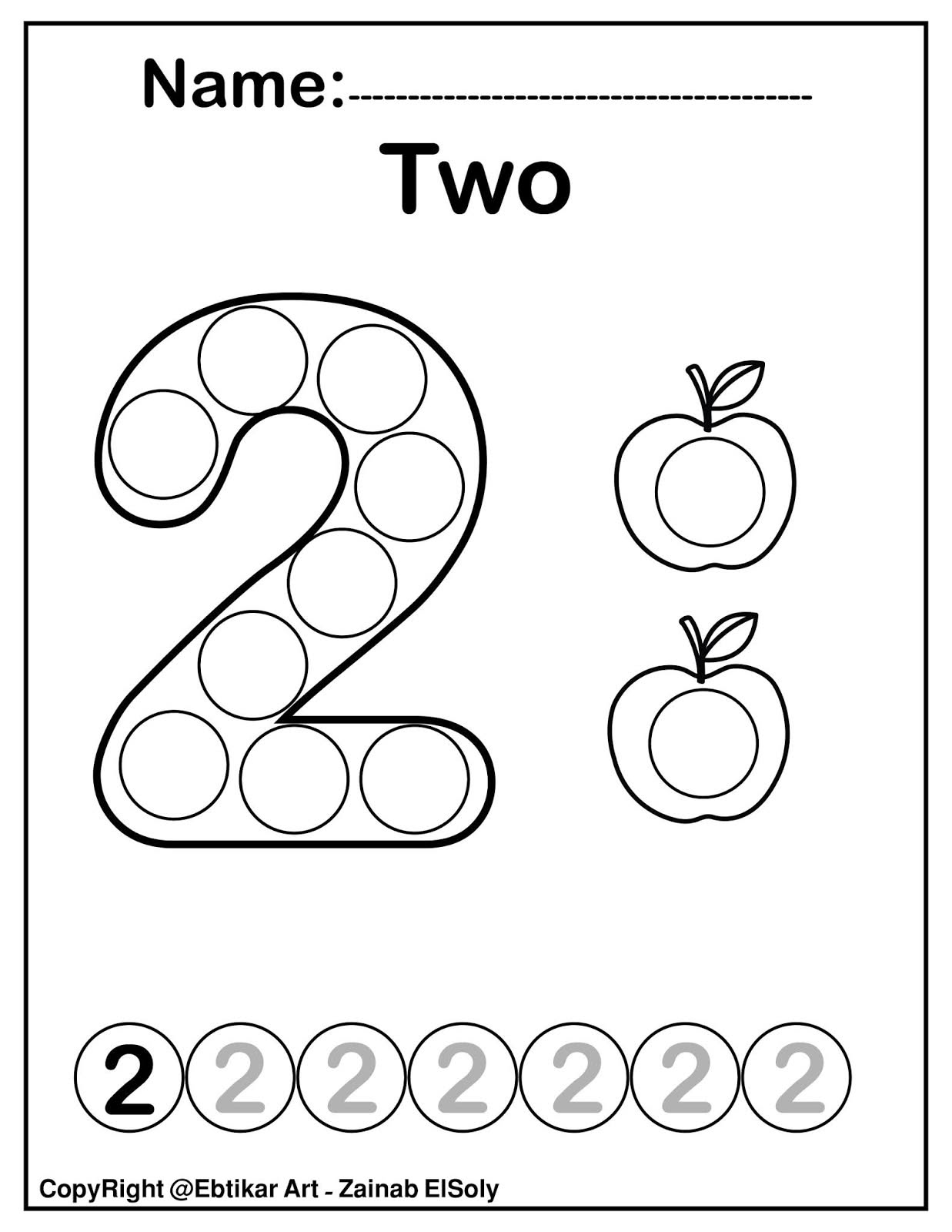
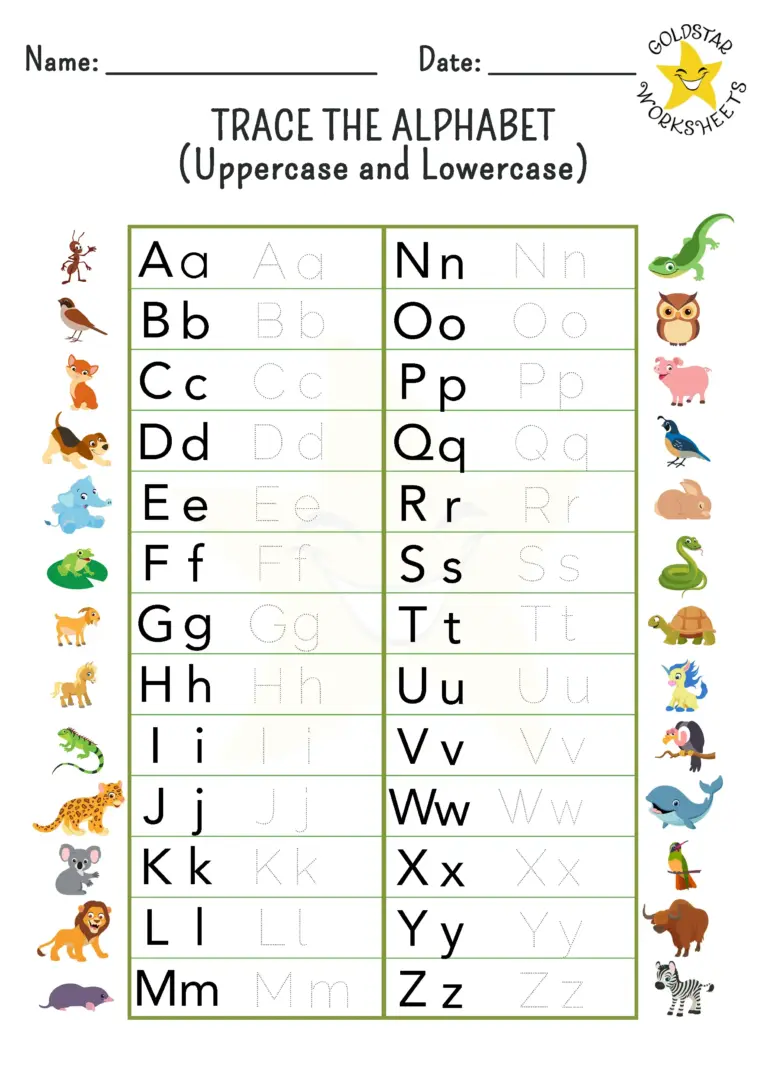
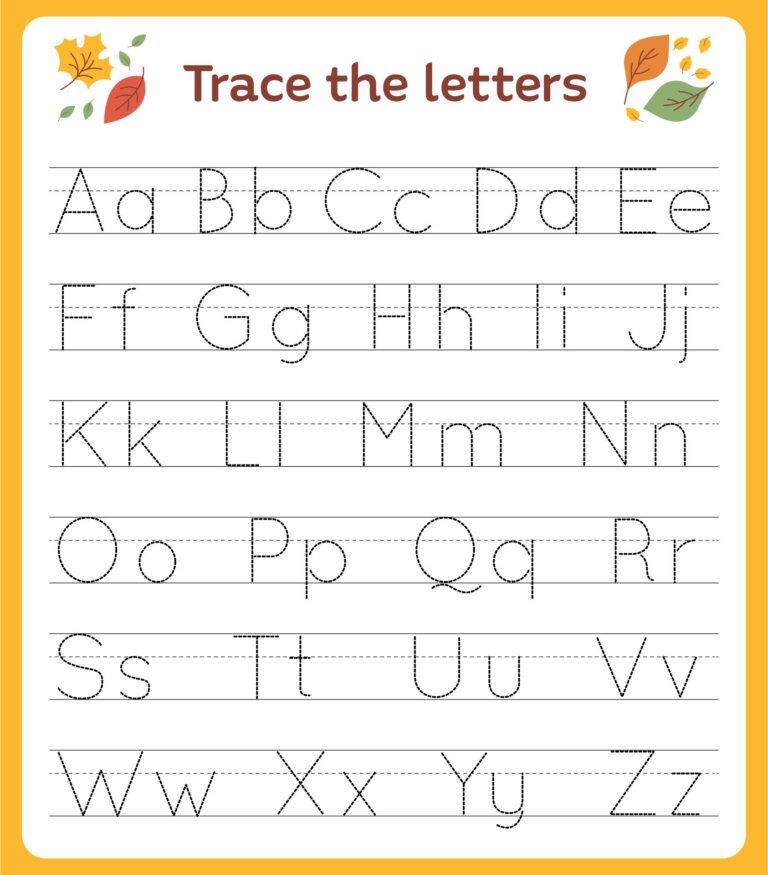
A Dotted Numbers Worksheet typically features numbers outlined in dotted lines, allowing children to trace over them. This tracing activity is crucial for young learners as it helps them understand the shape and formation of numbers. The worksheets usually include a variety of numbers, enabling your child to practice each digit multiple times.
When you download a Dotted Numbers Worksheet For Preschool, you can expect it to cater specifically to early learners—typically ages 3 to 5. The layout is designed to be visually appealing and easy for little hands to navigate. Kids can trace the numbers with crayons, markers, or pencils, making it an interactive and enjoyable experience.
Benefits of Using Dotted Numbers Worksheets
Using a Dotted Numbers Worksheet has several benefits that can significantly aid in your child’s educational development. Here are some key points to consider:
- Number Recognition: Tracing helps children recognize numbers visually, which is foundational for later math skills.
- Fine Motor Skills: The act of tracing improves coordination and control, essential for writing and other tasks.
- Confidence Building: Successfully completing worksheets can build a child’s confidence in their abilities.
- Engagement: Colorful designs can make learning fun, keeping your child interested and motivated.
Incorporating these worksheets into your child’s routine can create a positive learning environment. They can be used for short, focused sessions that fit easily into your day.
Choosing the Right Worksheet
When selecting a Dotted Numbers Worksheet For Preschool, you’ll want to consider a few factors:
- Age Appropriateness: Ensure the worksheet is designed for preschoolers, as this will affect both the complexity and the layout.
- Design and Layout: Look for worksheets that are visually engaging but not overwhelming. Simple designs often work best.
- Download Format: PDFs are generally preferred for printing because they maintain formatting across different devices.
- Printing Quality: Consider using a good quality printer to ensure that the dotted lines are clear and easy to trace.
You might also want to download multiple worksheets to provide your child with a variety of practice opportunities. This helps reinforce their learning and keeps things interesting.
Printing and Preparing Worksheets
Once you’ve selected a worksheet, the next step is to print it. Here are some practical tips for printing your Dotted Numbers Worksheet For Preschool:
- Paper Type: Use standard 8.5″ x 11″ printer paper for regular worksheets. If you want them to last longer, consider using cardstock.
- Printer Settings: Set your printer to “Best Quality” to ensure the lines are crisp and clear. This will make it easier for your child to trace accurately.
- Orientation: Portrait layout generally works best for worksheets, making it easier for young children to handle.
After printing, you might want to laminate the worksheets if you plan on using them multiple times. This allows you to use dry-erase markers for tracing, making cleanup a breeze.
Incorporating Worksheets Into Learning Routines
To make the most out of your Dotted Numbers Worksheet For Preschool, it’s important to incorporate it into a structured learning routine. Here’s how you can do that:
- Set a Regular Schedule: Designate specific times during the week for worksheet activities. Consistency helps reinforce learning.
- Mix It Up: Combine the worksheets with other activities, such as number games or songs, to create a well-rounded learning experience.
- Encourage Independence: Allow your child to work on the worksheets independently, but be available for guidance to enhance their confidence and problem-solving skills.
Incorporating these worksheets into your child’s daily routine can significantly enhance their learning experience. Make it fun by celebrating their successes, no matter how small.
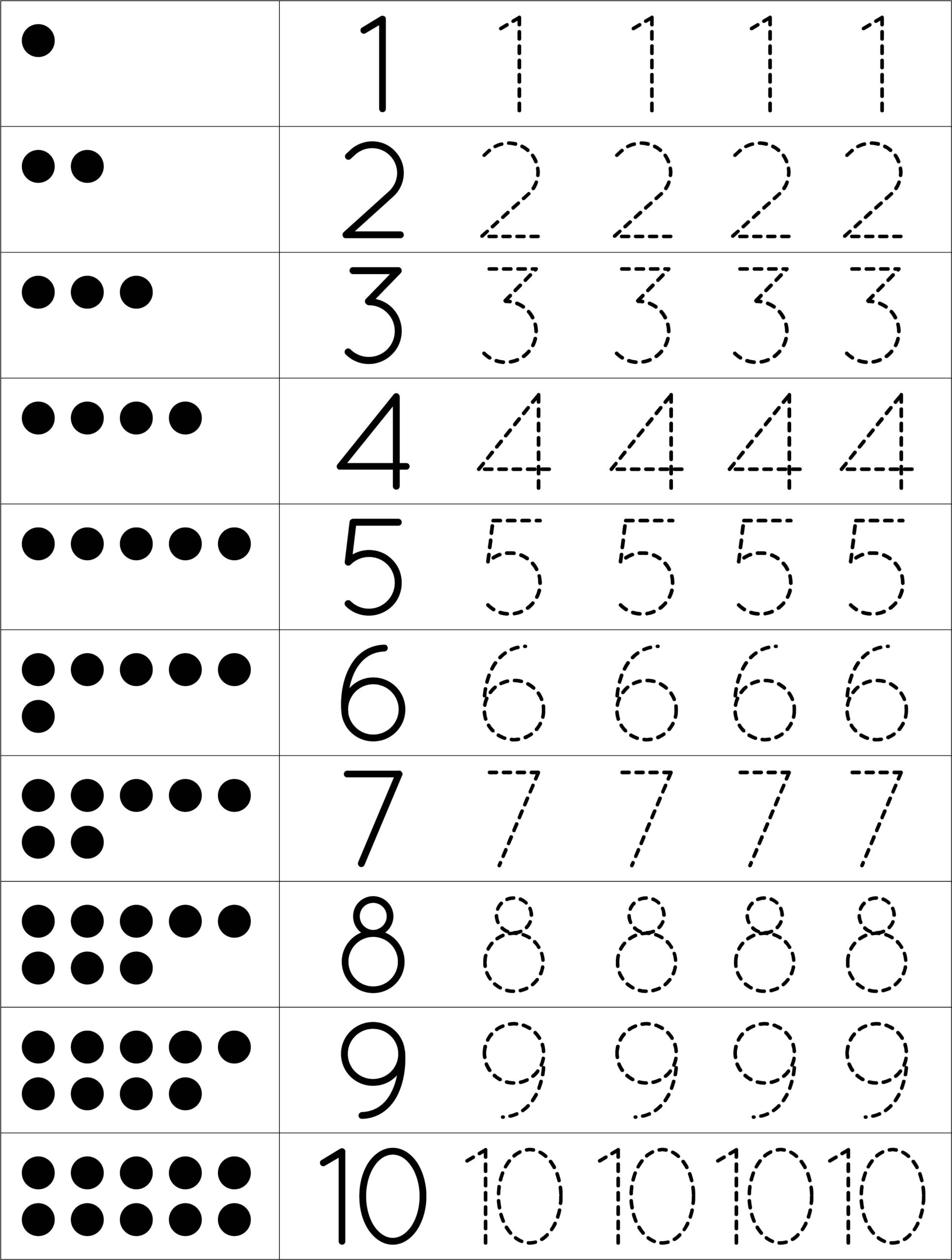
Tracking Progress and Adjusting
As your child works through their Dotted Numbers Worksheets, it’s essential to track their progress. This can be as simple as keeping a checklist of completed worksheets or noting improvements in their tracing skills.
If you notice they are struggling with certain numbers, consider providing additional resources or targeted practice. You might also want to adjust the difficulty of the worksheets over time, moving to more complex numbers or introducing simple addition and subtraction as they progress.
Dotted Numbers Worksheet For Preschool Gallery