Draw A Line Worksheets For Preschoolers
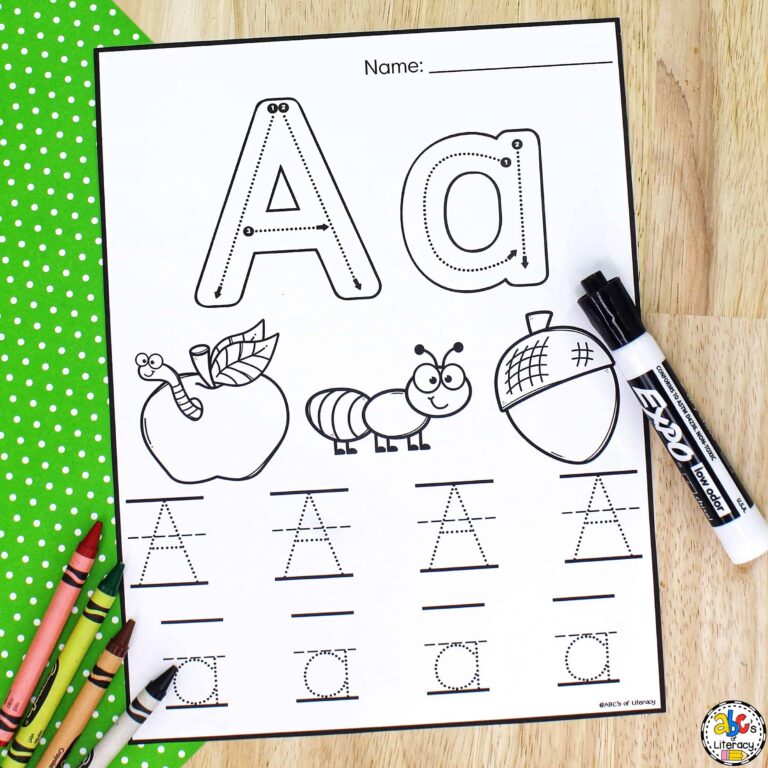
Using Draw A Line Worksheets For Preschoolers is a fantastic way to help young children develop their fine motor skills while having fun. These worksheets are designed to guide little hands in learning how to draw straight lines, curves, and shapes, which are essential building blocks for writing. As a parent or caregiver, you can easily incorporate these worksheets into your child’s daily routine, making learning both enjoyable and effective.
What Are Draw A Line Worksheets?
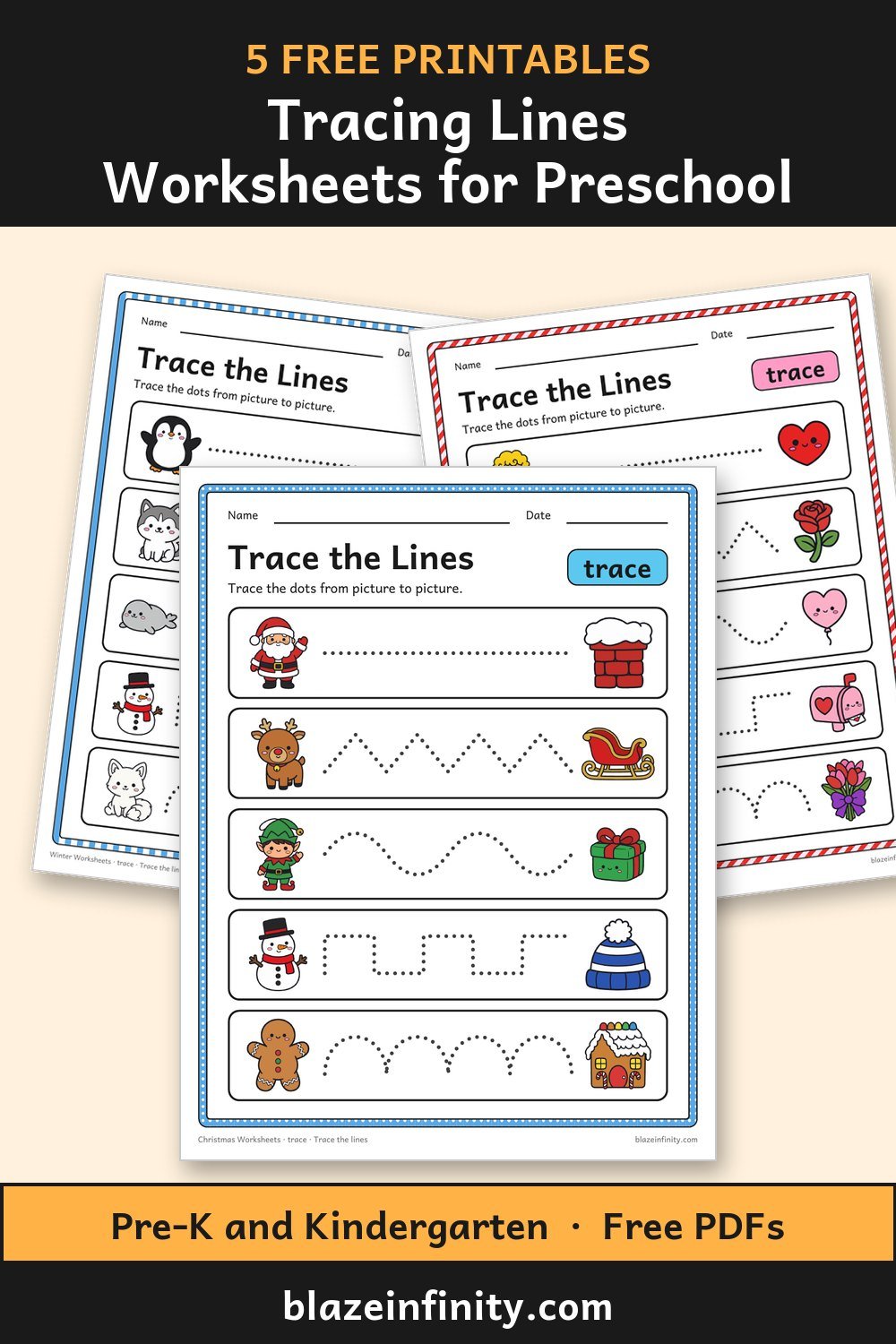
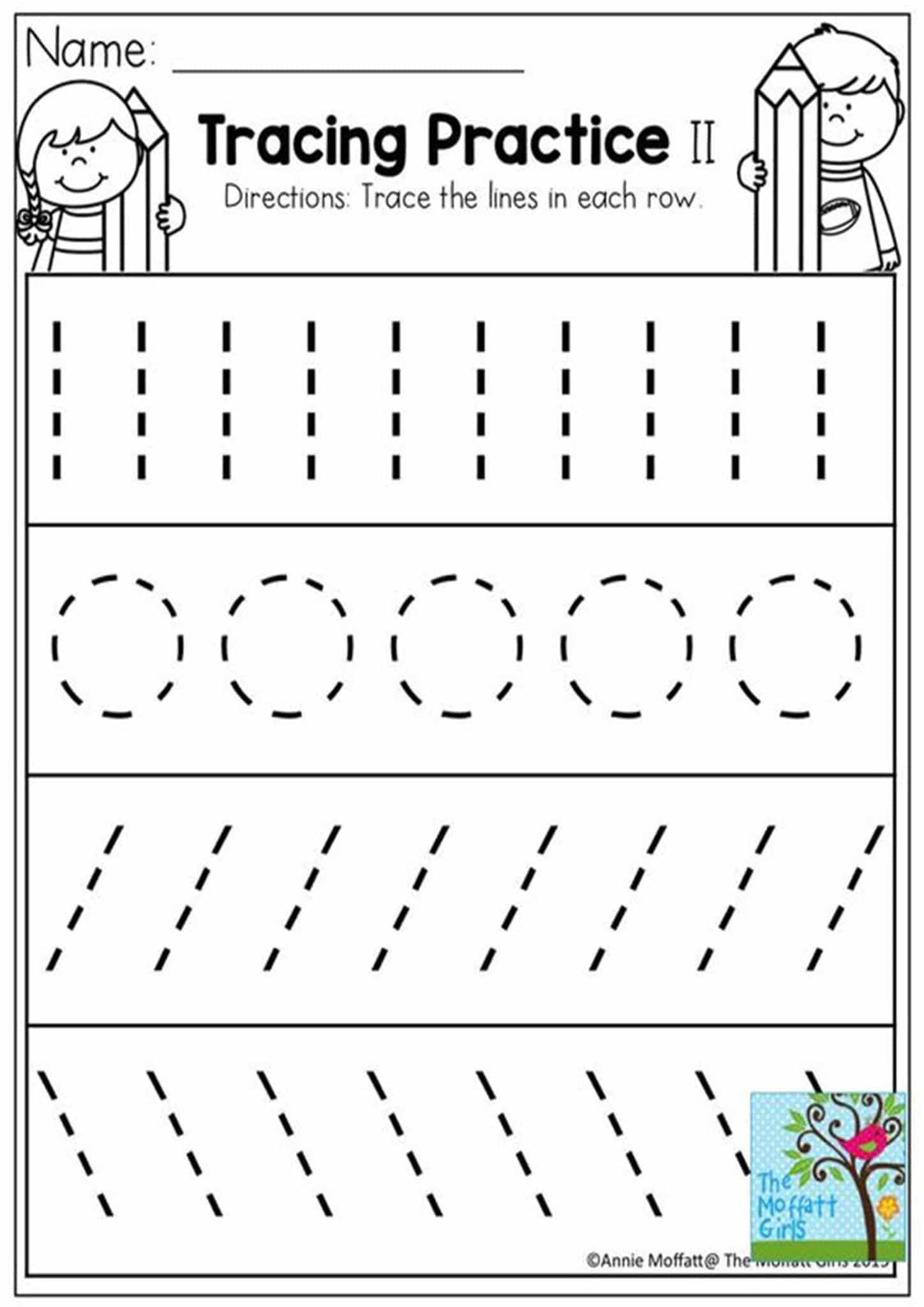
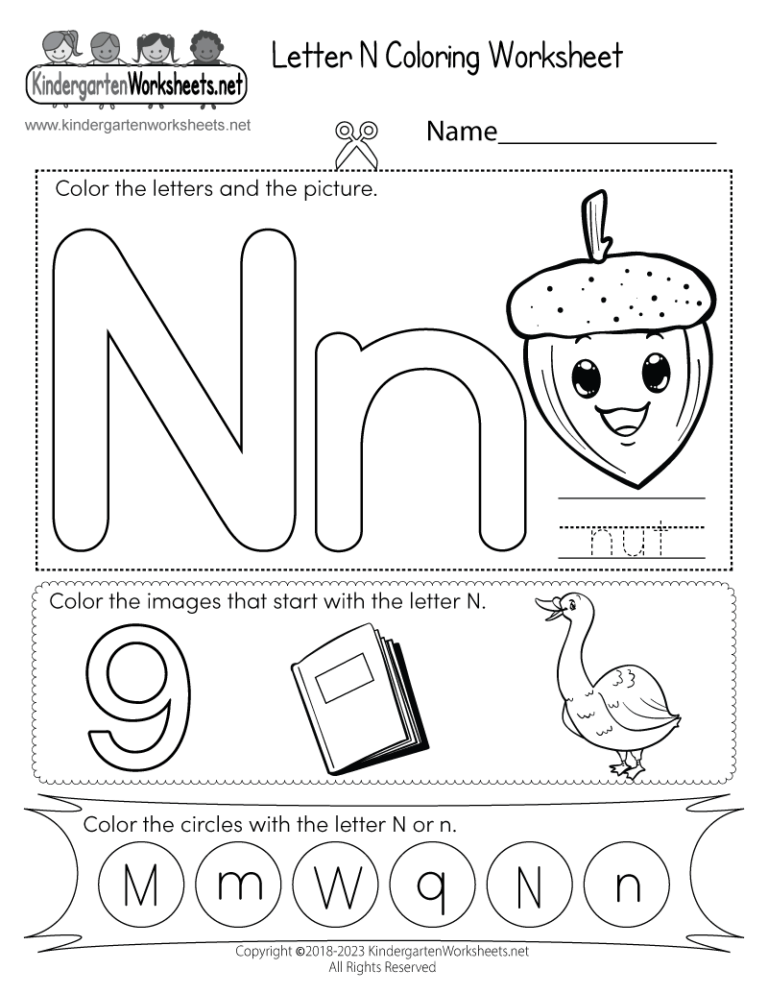
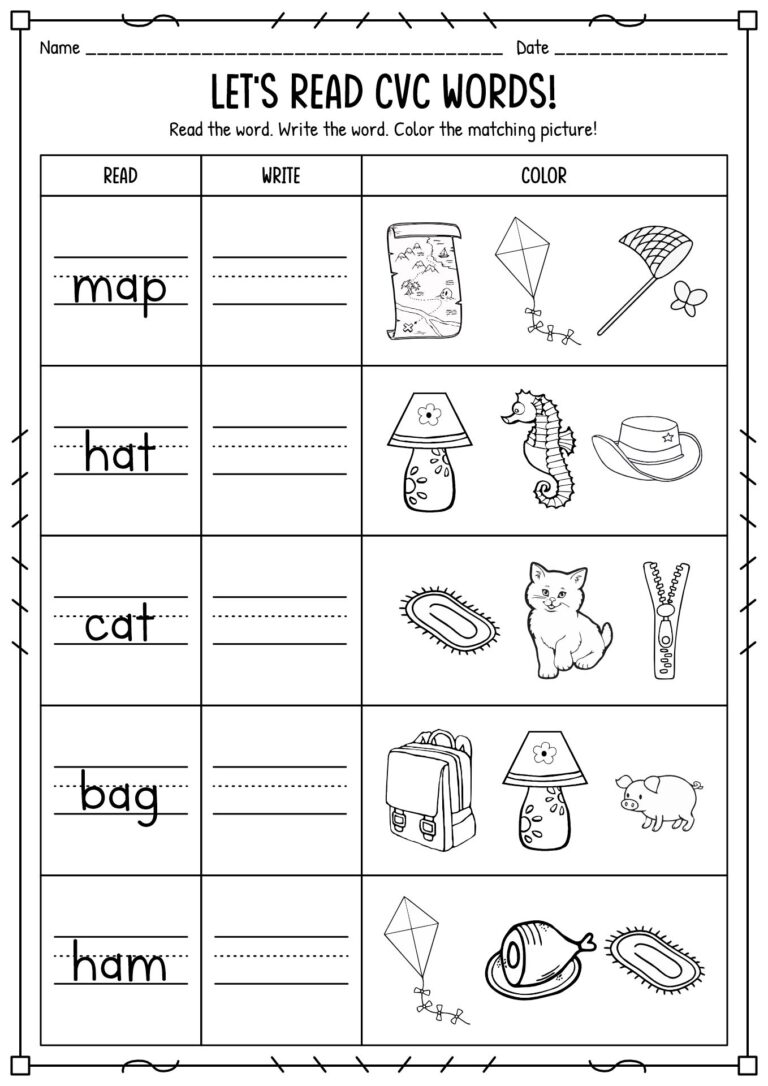
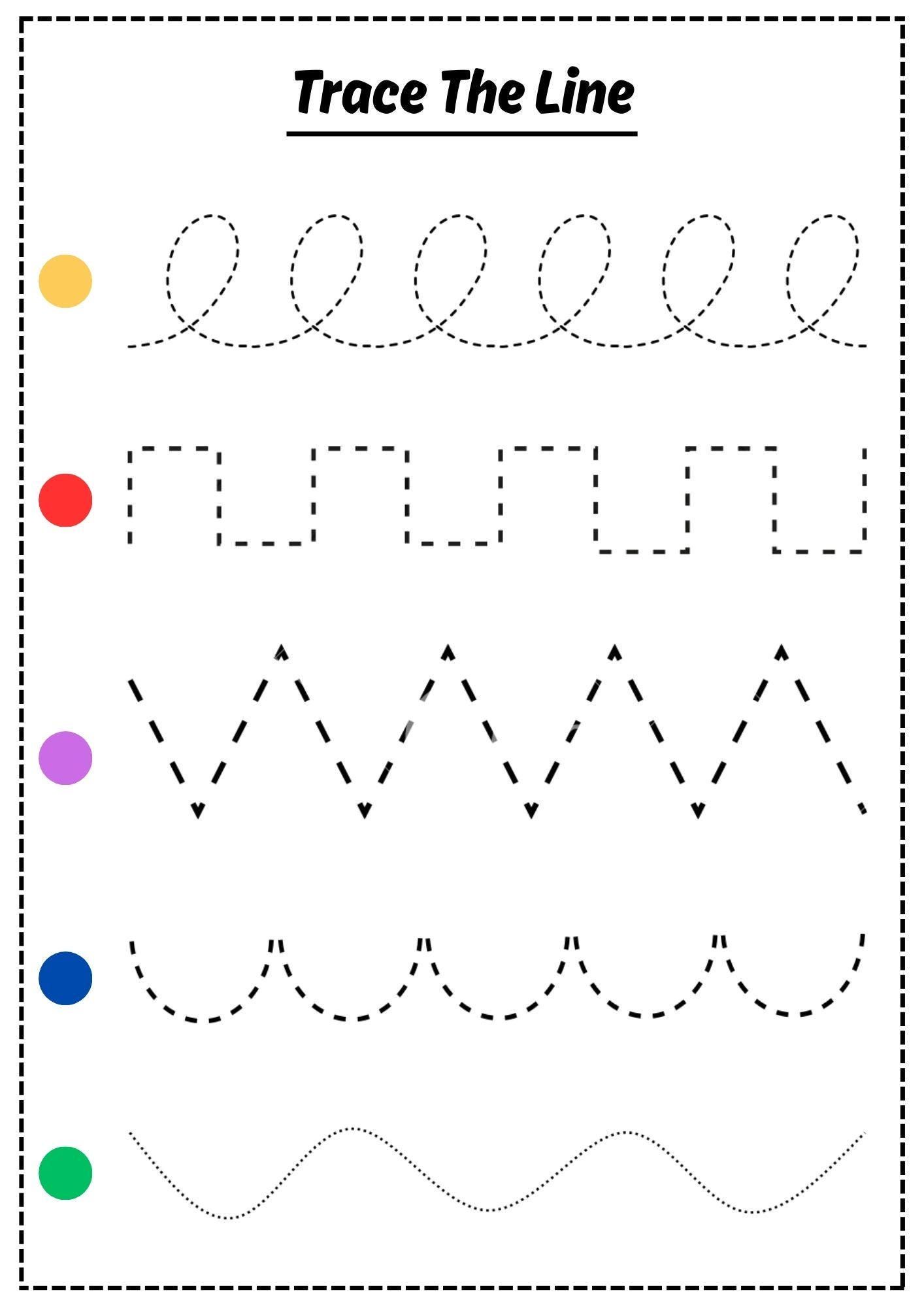
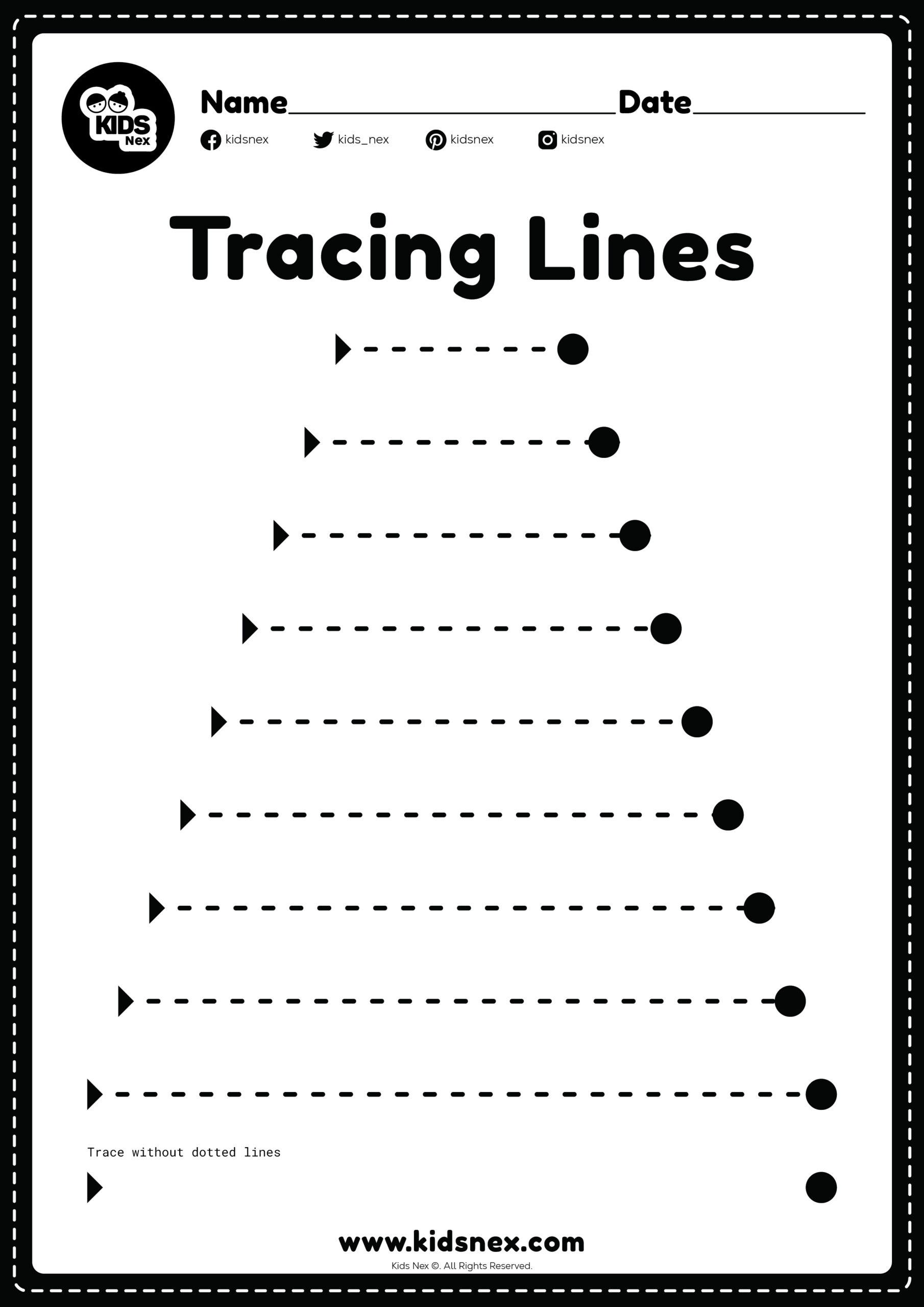
Draw A Line Worksheets are simple, printable resources that provide children with guided paths to trace. They come in various designs, including straight lines, zigzags, and curves, often accompanied by fun images or themes. These worksheets not only focus on line drawing but also help in improving hand-eye coordination and pencil grip, crucial for future writing skills.
Who Can Benefit From These Worksheets?
These worksheets are ideal for preschoolers, typically aged 3 to 5 years. However, they can also be beneficial for younger children who are ready to start learning about lines and shapes. Parents, teachers, and caregivers can use these worksheets for home schooling, classroom activities, or even during playdates to keep kids engaged.
How to Use Draw A Line Worksheets Effectively
Using Draw A Line Worksheets is straightforward, but there are some tips to maximize their effectiveness:
- Print on Quality Paper: Use thicker paper or cardstock for durability, especially if your child is using markers or crayons.
- Provide the Right Tools: Offer a variety of writing instruments, such as pencils, crayons, or markers. This variety can make the activity more engaging.
- Incorporate Instructions: Before starting, explain to your child how to hold the pencil correctly and demonstrate tracing a line yourself. This helps them understand what is expected.
Setting Up a Routine
Incorporating these worksheets into your daily routine can yield the best results. Here’s how you might structure it:
- Daily Practice: Dedicate a specific time each day for drawing activities, even if it’s just 10-15 minutes.
- Combine with Other Activities: Use the worksheets alongside other educational games, such as coloring or playdough, to reinforce fine motor skills.
- Track Progress: Keep a folder of completed worksheets to show progress over time. This not only boosts your child’s confidence but also allows you to see areas that may need additional focus.
Types of Lines and Their Importance
Understanding different types of lines is essential in early education. Here’s a quick look at what types of lines your preschooler might encounter in these worksheets:
- Straight Lines: Fundamental for basic shapes and letters. Tracing straight lines helps with control and precision.
- Curved Lines: Essential for writing letters like “C” or “S”. These worksheets help develop a more fluid hand movement.
- Zigzag Lines: Great for developing quick hand movements and coordination. They can be found in various fun designs.
Creative Themes for Draw A Line Worksheets
To keep your preschooler engaged, consider using themed Draw A Line Worksheets. Here are some popular themes that can make tracing more appealing:
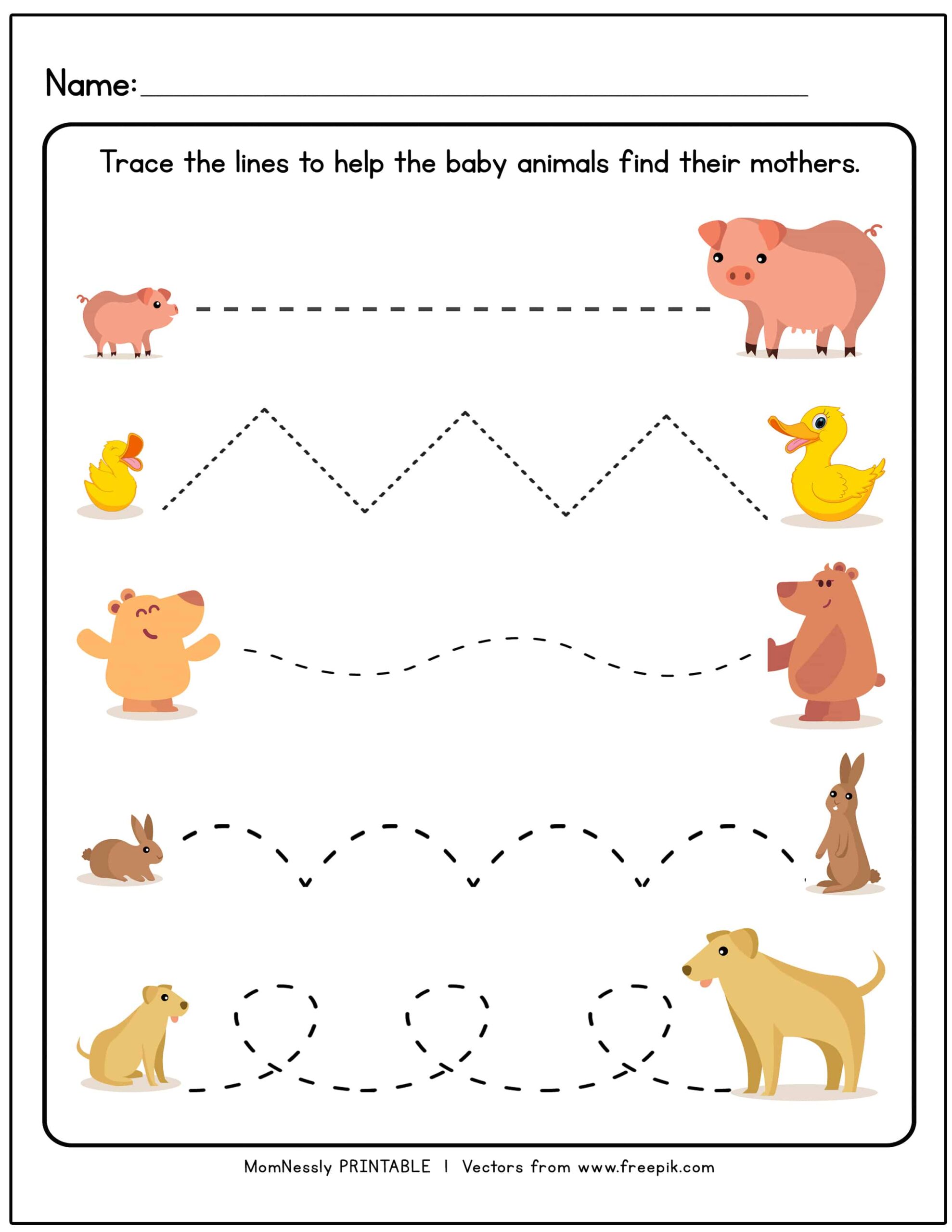
- Animals: Worksheets featuring animals where children trace lines to connect dots and create animal shapes.
- Nature: Use themes like trees, flowers, or weather patterns for a more seasonal approach.
- Transportation: Cars, trains, and planes are often exciting for children and encourage them to trace paths.
- Fantasy: Incorporate themes from fairy tales or stories your child enjoys to make the activity more inviting.
Where to Find Printable Resources
You can easily find Draw A Line Worksheets for Preschoolers online. Many educational websites offer free or low-cost printables. Here are a few tips for locating these resources:
- Search Engines: Use specific keywords such as “free draw a line worksheets for preschoolers” to find a variety of options.
- Educational Blogs: Many parenting and education-focused blogs share printable resources, often accompanied by tips for use.
- Printable Resource Websites: Websites dedicated to educational printables usually have a section for preschoolers, making it easy to find what you need.
Tips for Encouraging Your Preschooler
Encouragement is key when it comes to helping your child learn. Here are some practical tips to keep your preschooler motivated:
- Celebrate Achievements: Acknowledge their efforts, whether they complete a worksheet or show improvement in their tracing skills.
- Create a Fun Environment: Make the workspace inviting with bright colors and fun decorations.
- Mix it Up: If your child loses interest, switch between different types of worksheets or activities to keep things fresh.
Draw A Line Worksheets For Preschoolers Gallery