Draw The Missing Parts Worksheet For Preschool
Many parents and educators find that preschool-aged children often need engaging activities that spark their creativity and develop fine motor skills. The Draw The Missing Parts Worksheet For Preschool is a fantastic resource that addresses this need. It allows kids to use their imagination while practicing drawing and critical thinking skills. guide you through how to effectively use this worksheet, ensuring that your child gets the most out of it.
What Is the Draw The Missing Parts Worksheet?
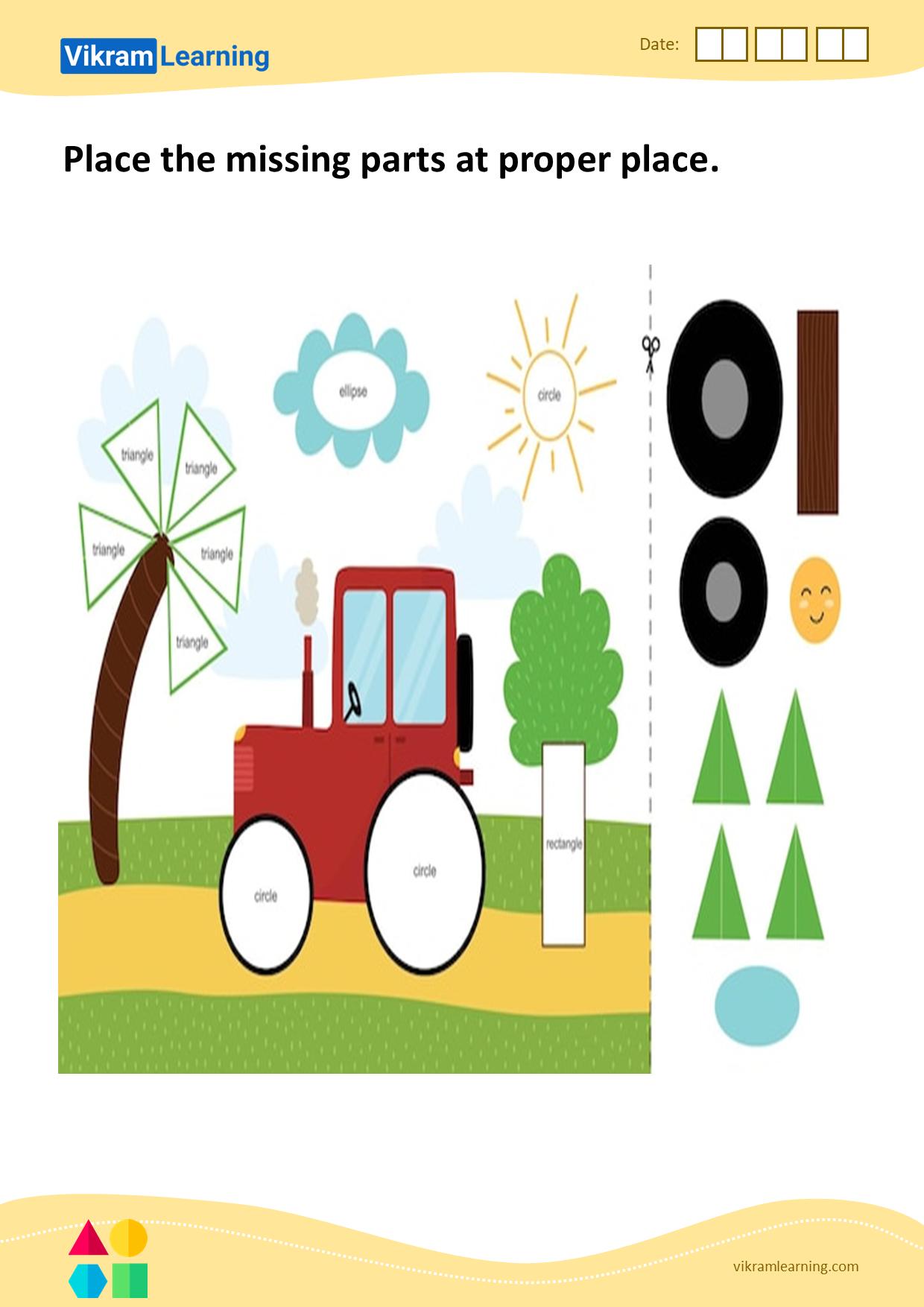
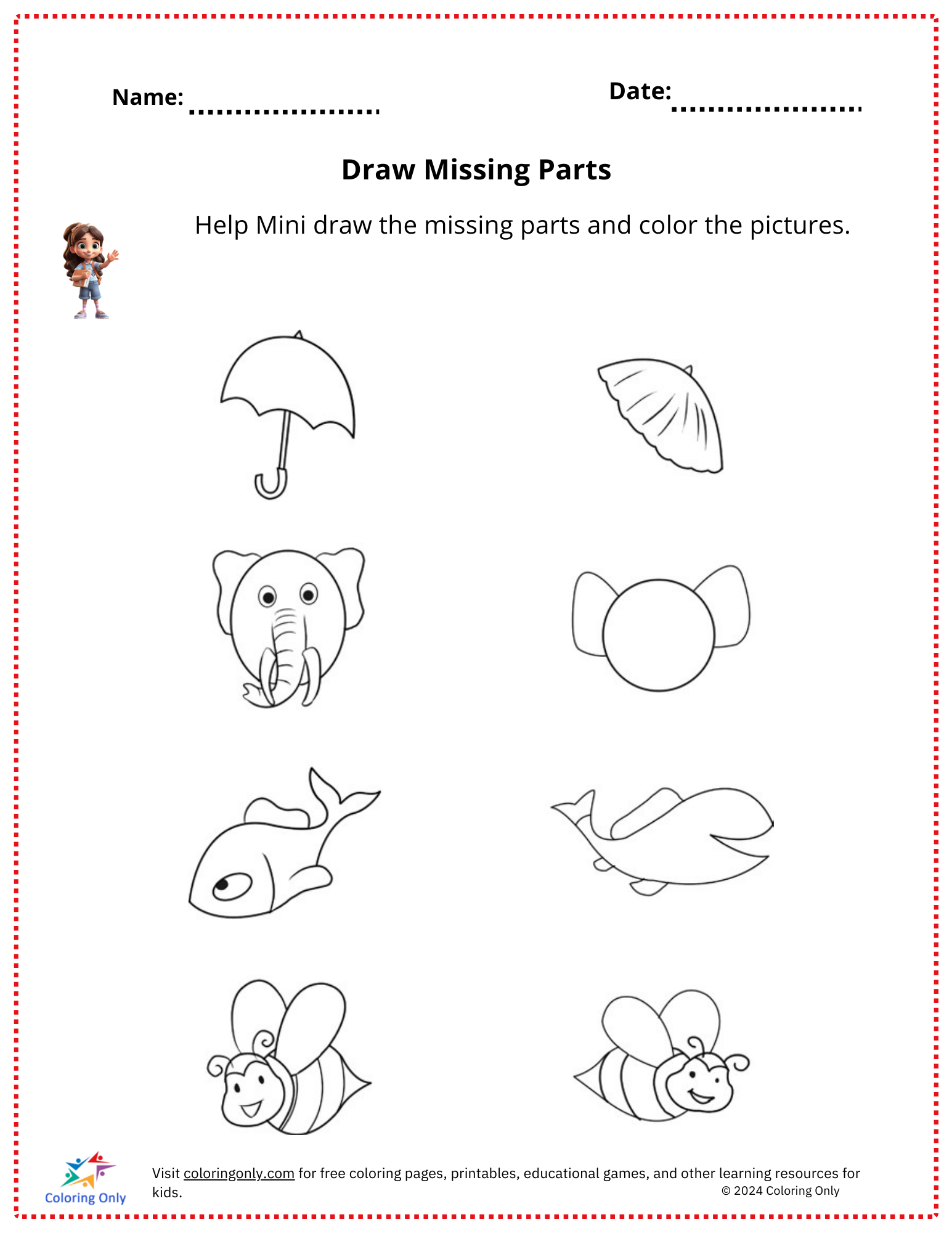
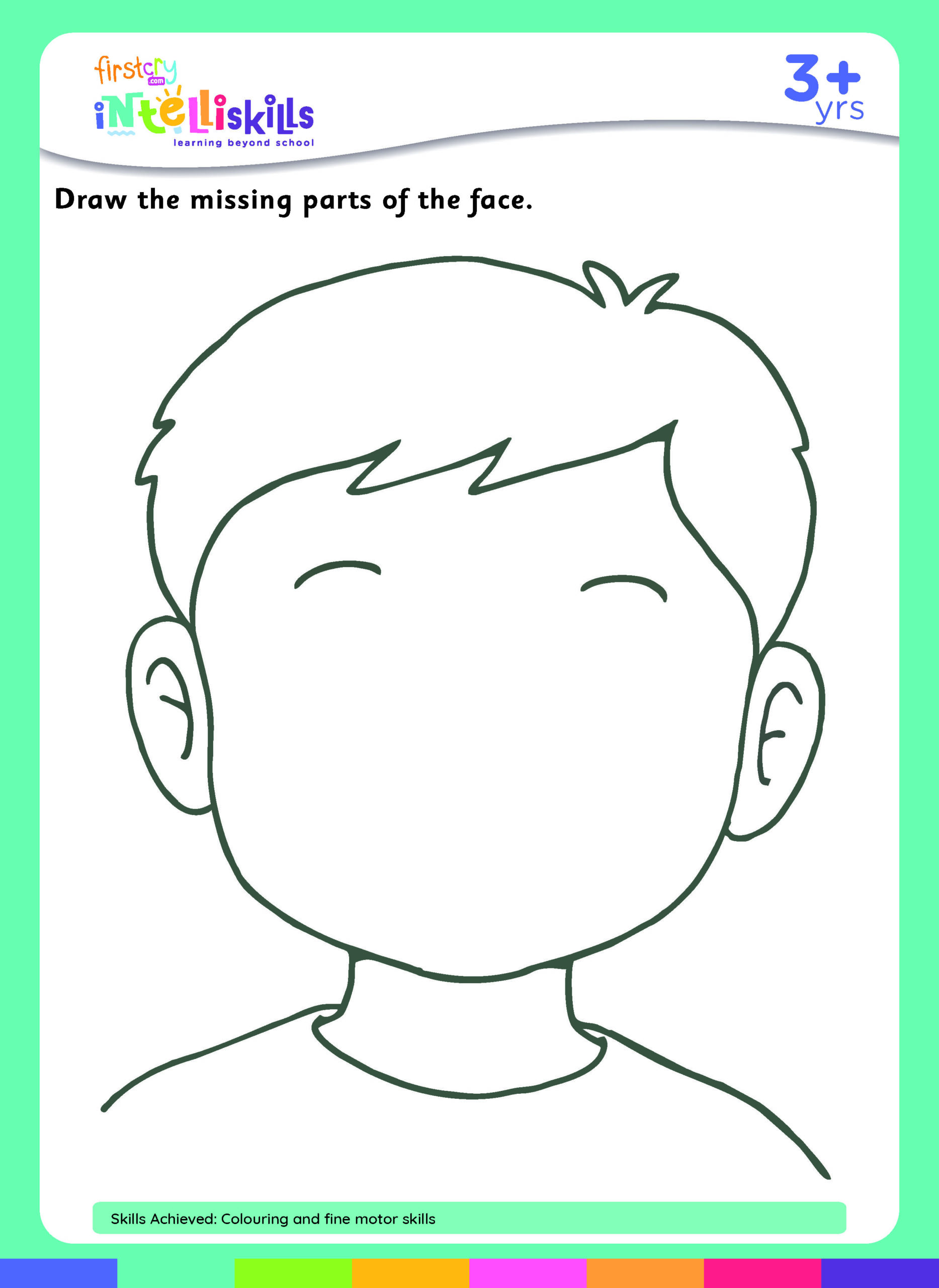
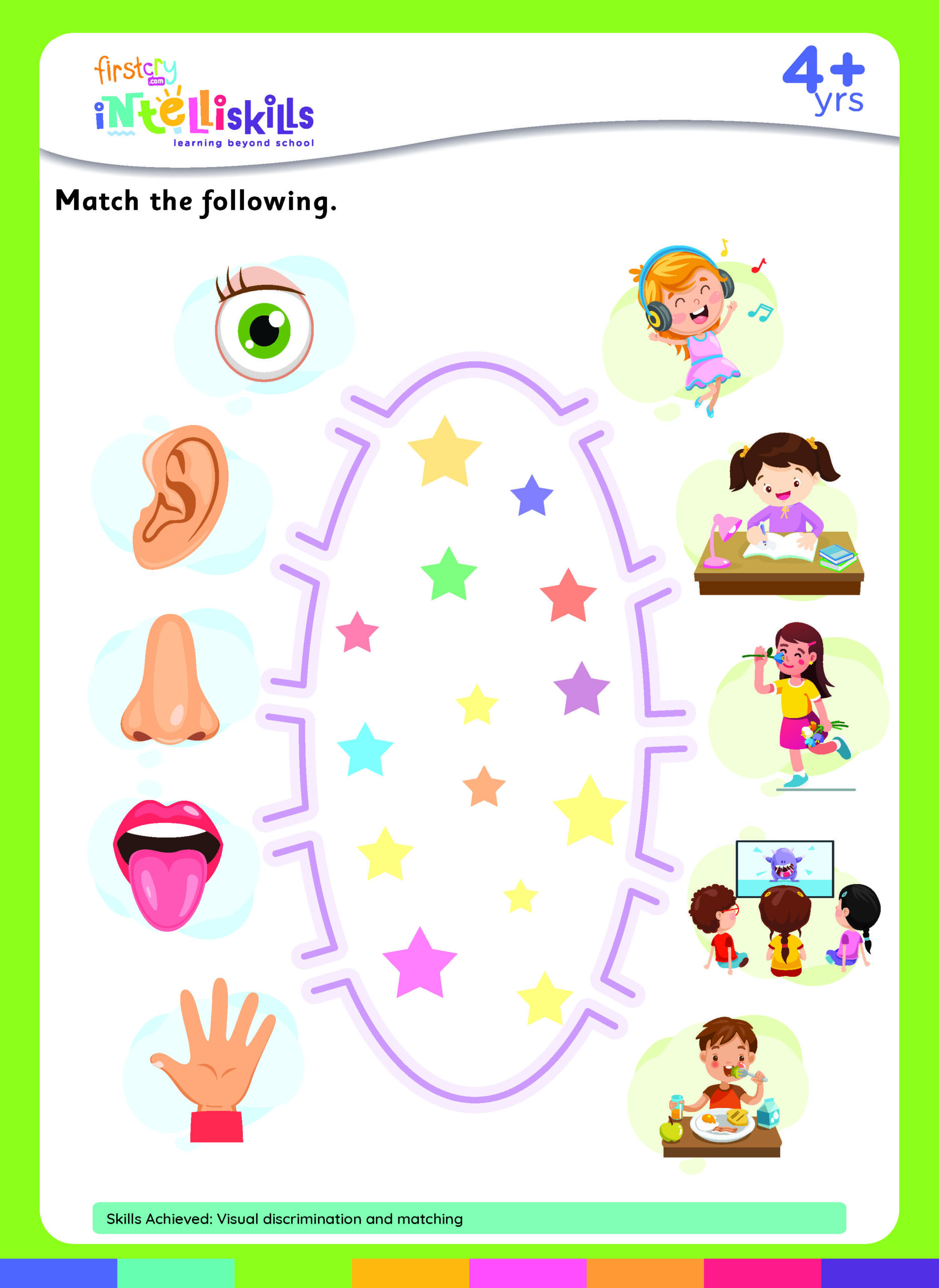
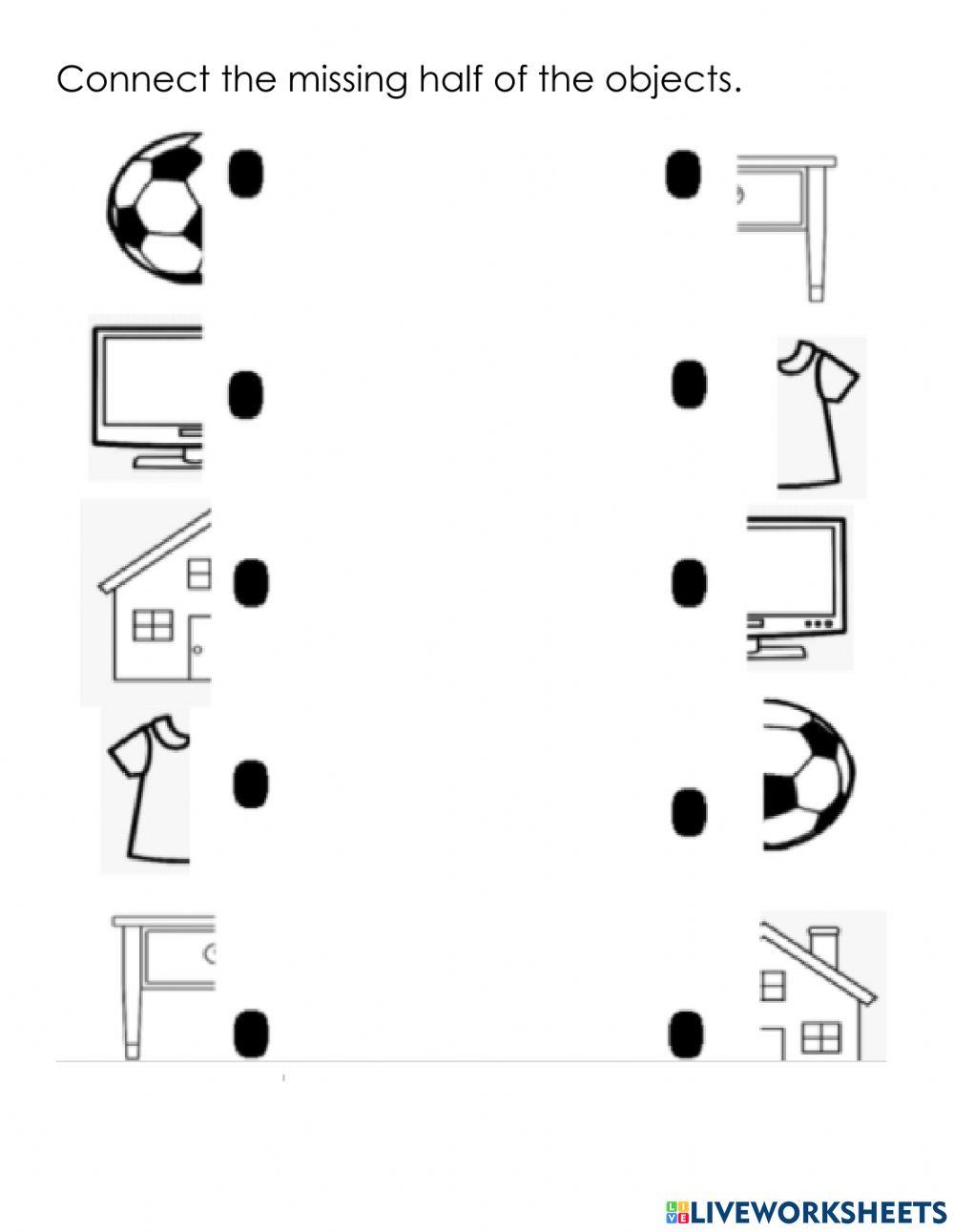
The Draw The Missing Parts Worksheet is designed for preschool-aged children, typically between three to five years old. It features various images with missing elements, prompting children to complete the drawings. This activity not only encourages imaginative thinking but also helps improve hand-eye coordination and fine motor skills as they draw.
In each worksheet, children will find outlines of familiar objects, animals, or scenes, with certain parts intentionally left blank. For example, an outline of a cat might be missing its tail or whiskers. Your child will be encouraged to fill in these gaps, allowing them to express their creativity while also working on their drawing skills.
How to Use the Worksheet Effectively
Using the Draw The Missing Parts Worksheet is simple, but there are steps you can take to enhance the experience. Here’s a straightforward process for you:
- Download and Print: Start by downloading the worksheet. Make sure to print it on standard A4 or letter-sized paper. If your child enjoys using markers or crayons, consider using cardstock for durability.
- Set Up the Environment: Create a comfortable and distraction-free space for your child to work. Gather coloring materials such as crayons, colored pencils, or markers. This setup will help them focus better on their task.
- Explain the Task: Before diving in, explain to your child what they need to do. Encourage them to think creatively about how they want to complete the drawings. Ask guiding questions, like, “What color should the cat’s tail be?” or “How many flowers should we add?”
- Encourage Independence: It’s important to let your child express themselves freely. Resist the urge to correct them; instead, celebrate their creativity. If they draw something unexpected, ask them to tell you about it. This reinforces their confidence in their artistic abilities.
- Display Their Art: After they complete the worksheet, consider displaying their artwork on the fridge or a bulletin board. This recognition can boost their confidence and encourage them to engage in similar creative activities in the future.
Benefits of Using the Worksheet
Engaging with the Draw The Missing Parts Worksheet offers several advantages for preschoolers. Here are some key benefits:
- Enhances Creativity: By allowing children to fill in the gaps, they exercise their imagination and creativity, making choices about colors, shapes, and additional elements.
- Develops Fine Motor Skills: Drawing helps improve hand coordination. The act of holding crayons or markers and controlling them on paper is a great way for kids to develop their fine motor skills.
- Encourages Problem-Solving: Children learn to think critically as they decide what parts to add. This encourages them to think about how various elements fit together in a drawing.
- Fosters Communication Skills: As children describe their drawings, they practice articulating their thoughts and ideas, which is essential for developing language skills.
Tips for Maximizing Learning
To get the most out of the Draw The Missing Parts Worksheet, consider these practical tips:
- Incorporate Themes: If your child is interested in animals, choose worksheets that feature animal outlines. This can make the activity more relatable and fun for them.
- Pair with Storytelling: After completing the worksheet, ask your child to create a story about their drawing. This adds an additional layer of engagement and helps develop narrative skills.
- Use as a Group Activity: If you have multiple children, consider turning this into a group activity. They can share their drawings with each other, fostering social interaction and collaboration.
- Integrate Learning with Play: Use the completed drawings to create a small play scene. For example, if they drew a house, use toys or figures to act out a story set in that house. This reinforces their understanding and adds a playful dimension to learning.
Where to Find More Worksheets
If your child enjoys the Draw The Missing Parts Worksheet, you may want to explore additional resources. Many websites offer similar printable worksheets that cater to different learning objectives, including:
- Coloring pages that encourage creativity.
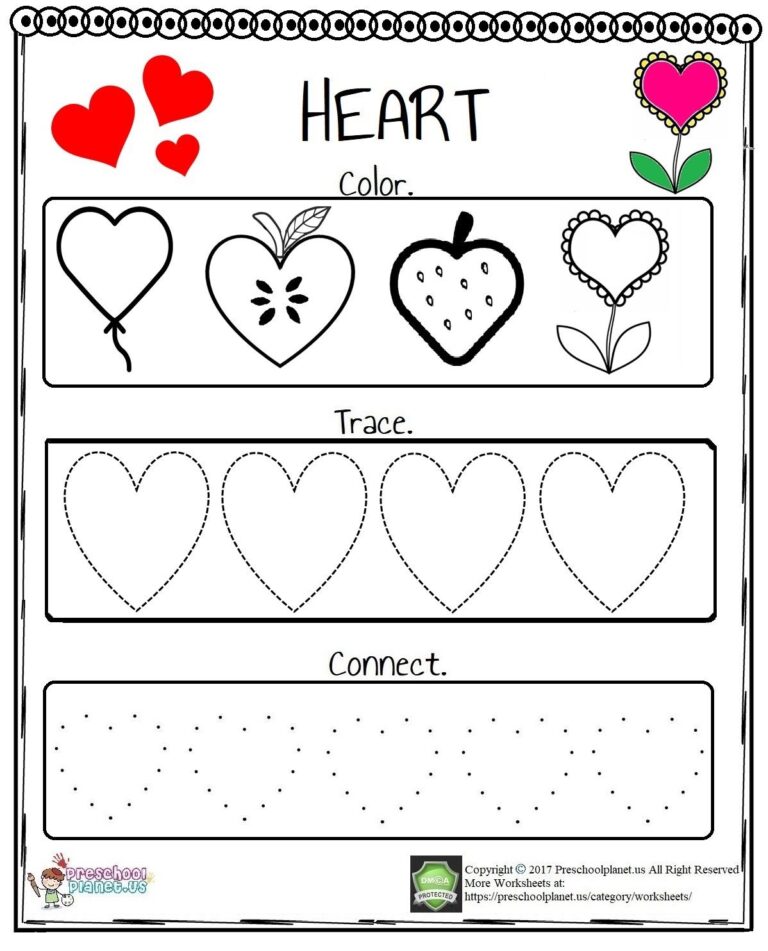
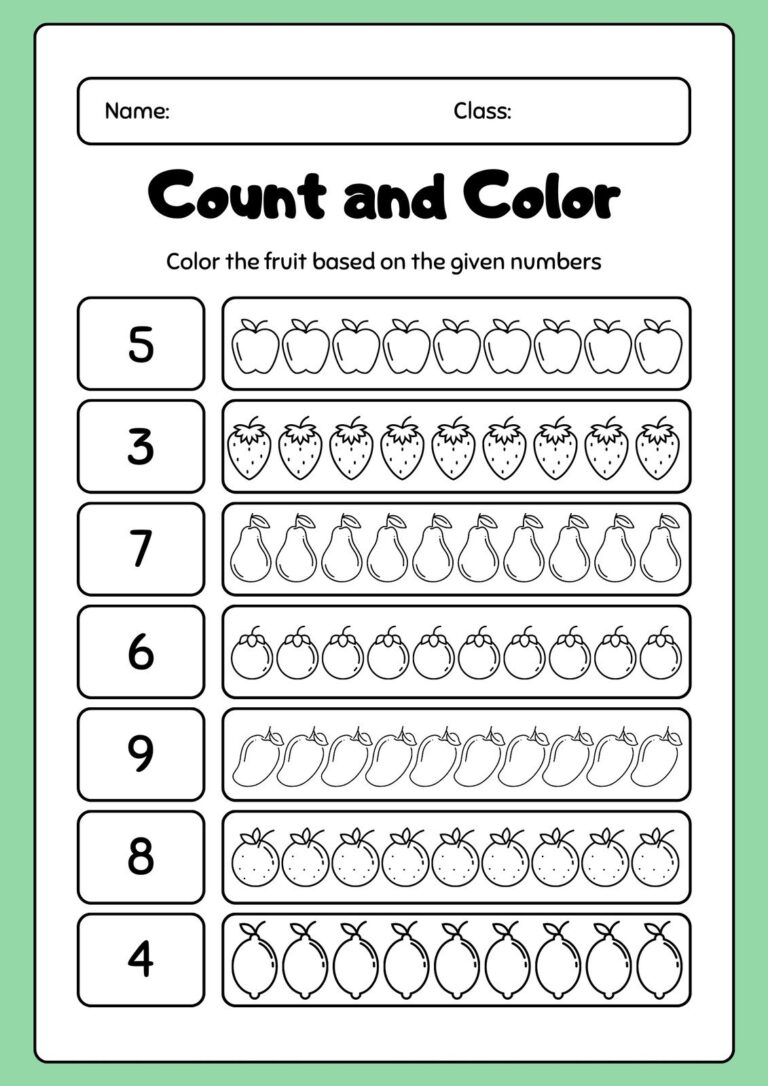
- Worksheets focused on shapes and numbers for foundational skills.
- Thematic planners that guide educational activities throughout the month.
These resources can help you create a well-rounded educational experience at home.
Common Mistakes to Avoid
While using the Draw The Missing Parts Worksheet can be rewarding, there are some pitfalls to watch out for:
- Over-Directing: Avoid giving too many instructions or corrections. The goal is for your child to explore their creativity freely.
- Rushing the Process: Make sure to give your child ample time to complete the worksheet. Rushing can lead to frustration and diminish their enjoyment of the activity.
- Neglecting Follow-Up: After your child completes the worksheet, don’t forget to discuss their artwork. This can enhance their understanding and make the activity more meaningful.
Using the Draw The Missing Parts Worksheet For Preschool can be a delightful experience for both you and your child. By following these steps and tips, you can ensure that this resource not only entertains but also educates. Remember, the key is to create a supportive environment that encourages exploration and creativity. So, print out that worksheet, gather the art supplies, and let your child’s imagination take flight!
Draw The Missing Parts Worksheet For Preschool Gallery