E F G Review Worksheet Preschool
The E F G Review Worksheet Preschool is an excellent tool for tracking the progress of preschoolers as they develop essential skills in their early education journey. This worksheet focuses on the letters E, F, and G, providing a structured format that encourages young learners to engage with the alphabet. By using this resource, parents and educators can effectively monitor and support children’s learning in a fun and interactive way.
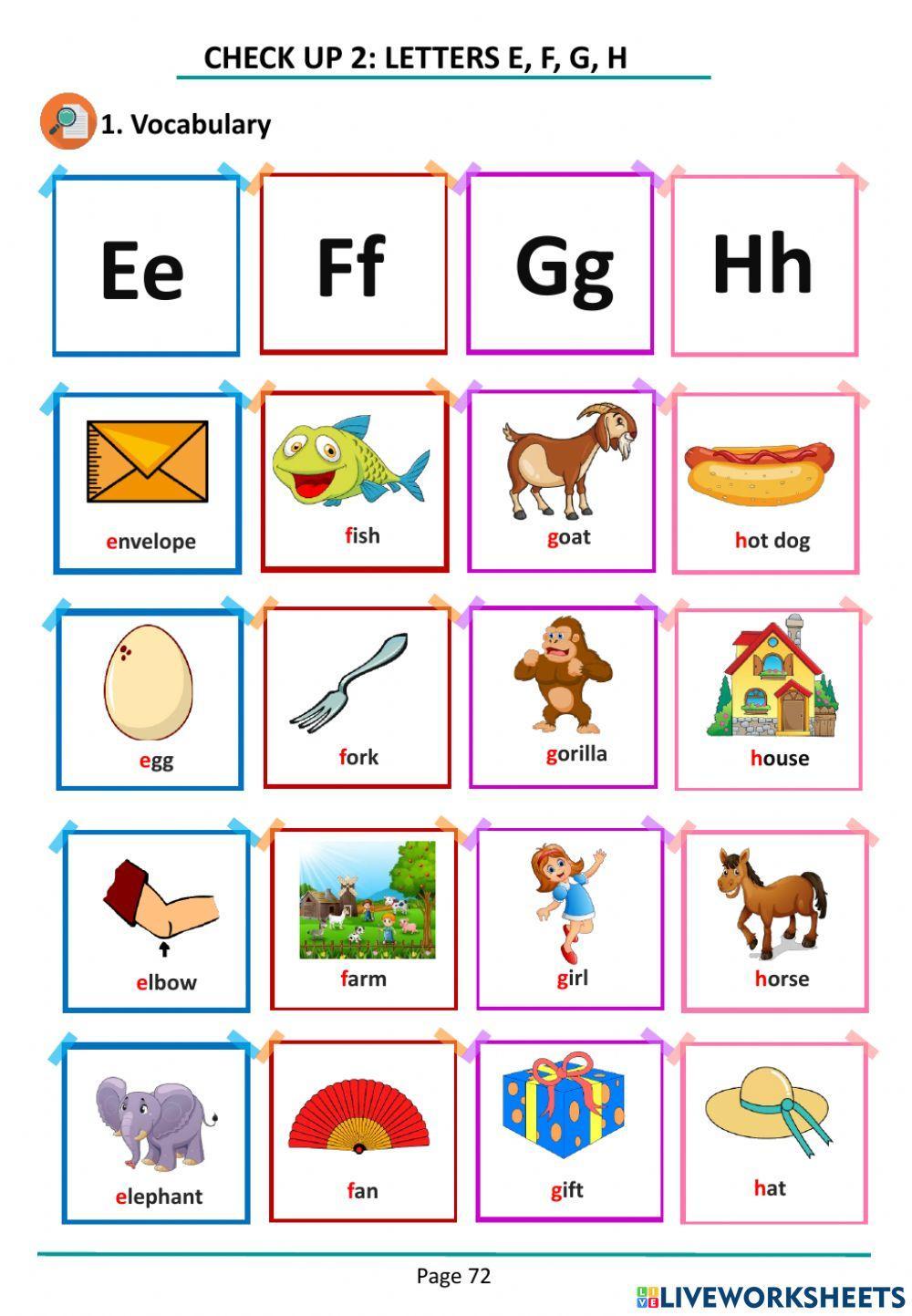
Understanding the E F G Review Worksheet Preschool
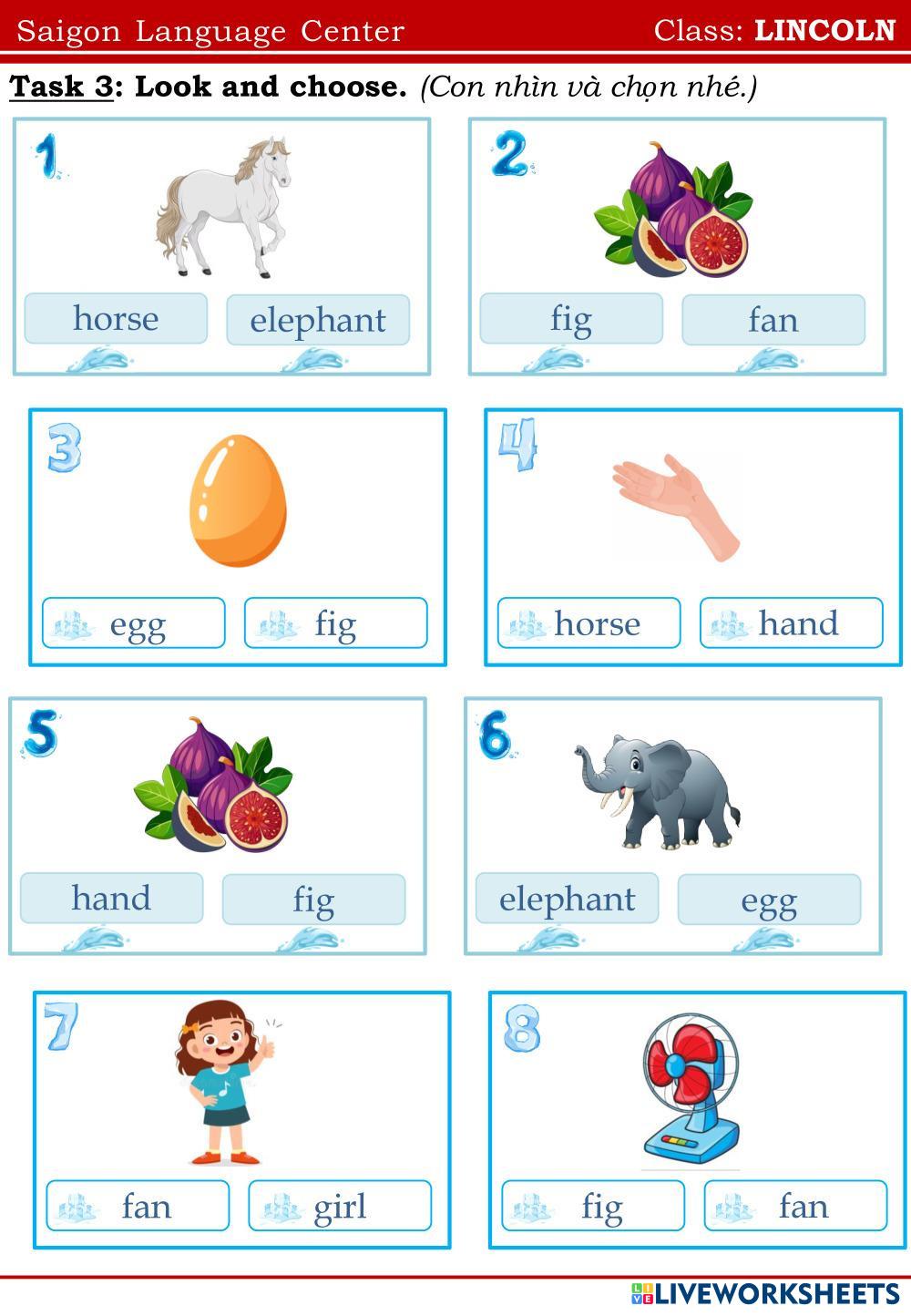
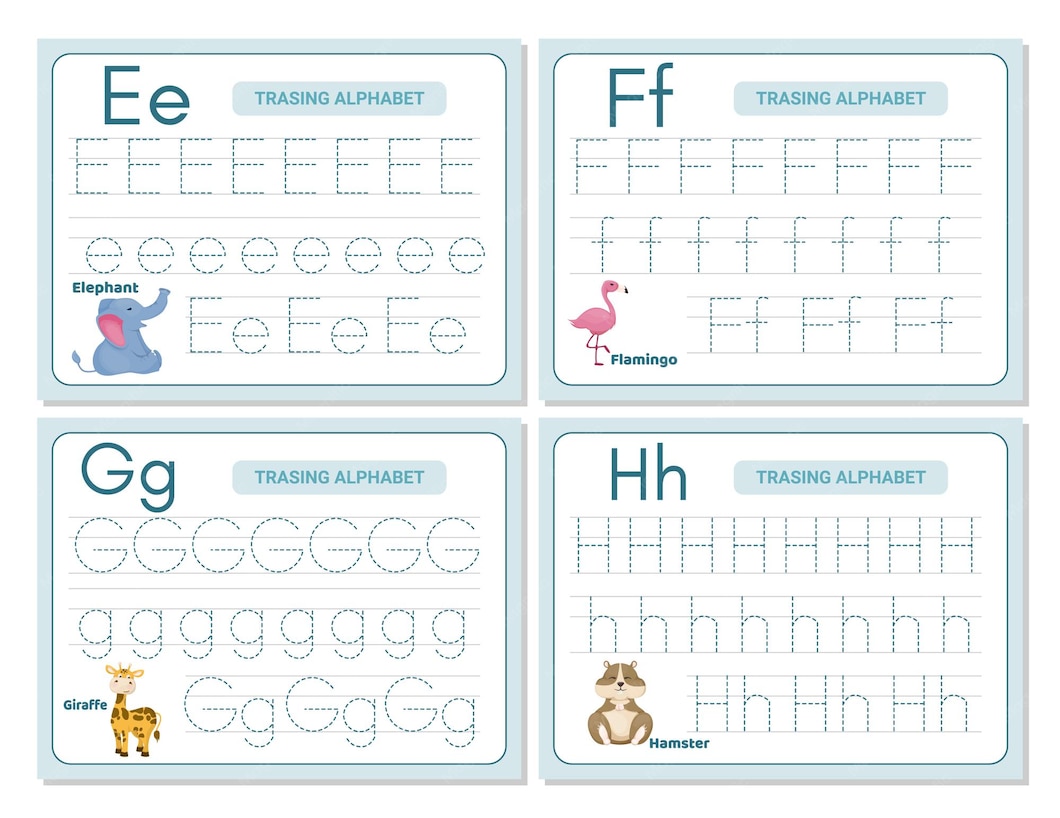
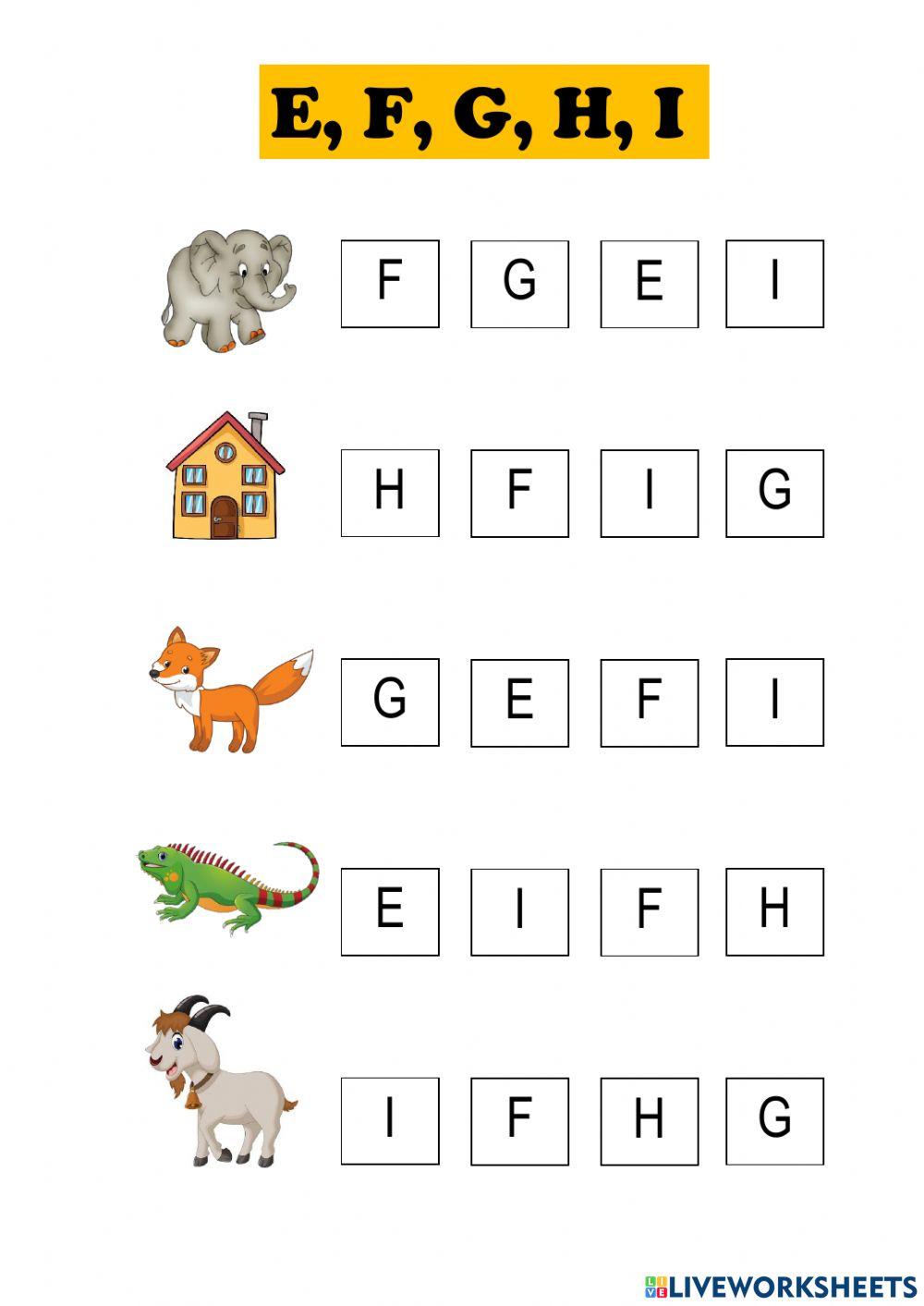
The E F G Review Worksheet Preschool typically includes specific sections dedicated to each letter, allowing children to practice letter recognition, writing, and phonetic sounds. The layout is usually straightforward, making it easy for both teachers and parents to guide children through the activities. Here’s how the worksheet generally breaks down:
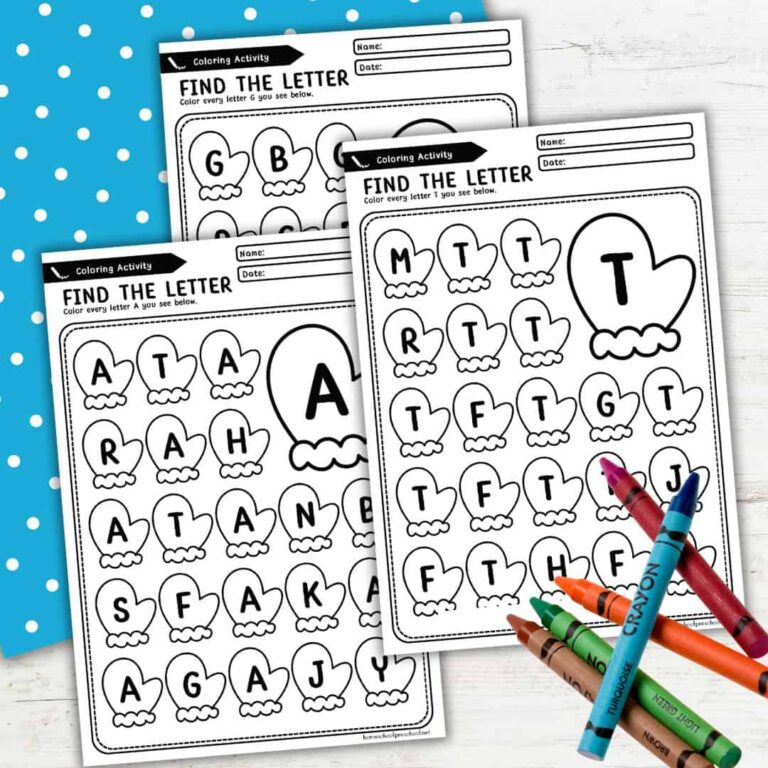
- Letter Recognition: Activities that help children recognize the letters E, F, and G in various forms, such as uppercase and lowercase.
- Phonics: Simple exercises that link the letters with corresponding sounds and words, enhancing phonemic awareness.
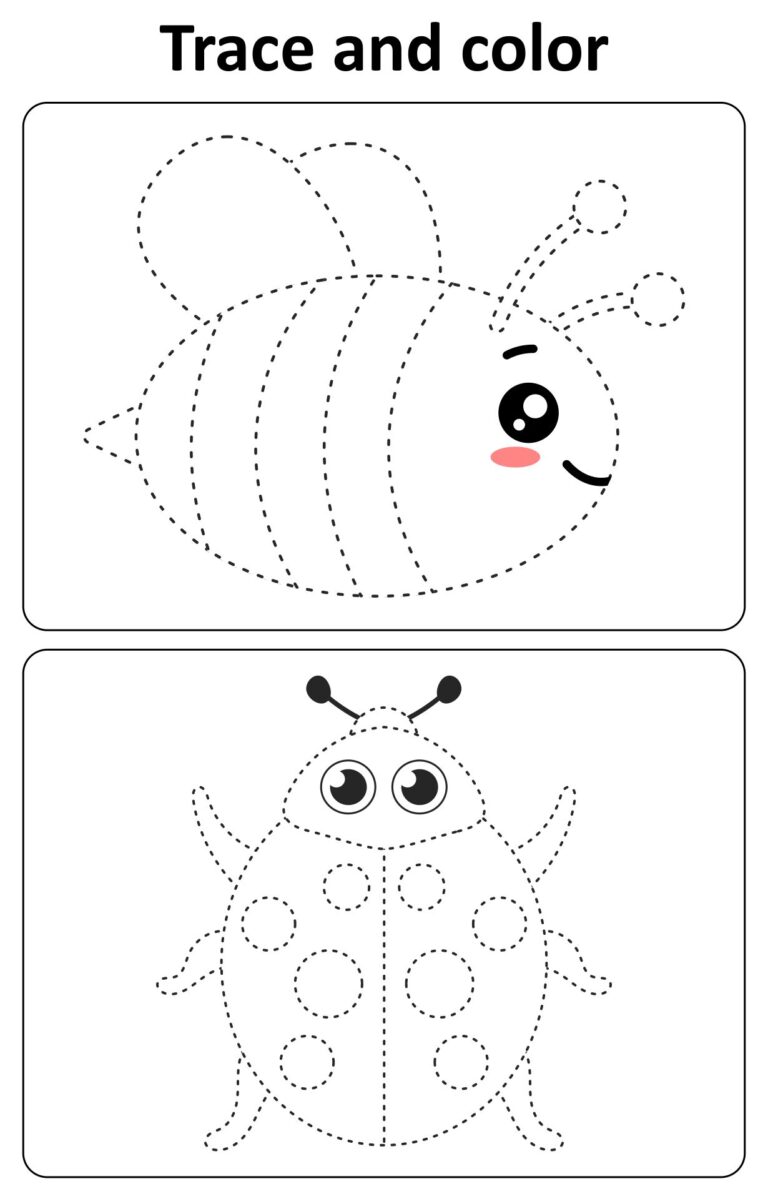
- Writing Practice: Sections for children to practice writing the letters, which helps develop fine motor skills.
- Illustrations: Fun images related to each letter that can make the learning process more engaging.
The layout allows for a clear and organized approach, ensuring that children can focus on one letter at a time without feeling overwhelmed.
How to Use the E F G Review Worksheet Preschool
To make the most of the E F G Review Worksheet Preschool, you’ll want to consider a few practical tips:
- Print Quality: Use a standard letter-size paper (8.5 x 11 inches) for printing. If you can, opt for cardstock, as it holds up better to wear and tear, especially if children are using markers or crayons.
- Preparation: Before starting, ensure that you have all the necessary materials ready, such as crayons, markers, or pencils. This helps create a smooth experience for the child.
- Interactive Learning: Engage with the child while they complete the worksheet. Ask questions about the letters and the words associated with them. This interaction not only makes learning more enjoyable but also reinforces their understanding.
- Routine Integration: Incorporate the worksheet into a daily or weekly routine. This consistency can help children anticipate and look forward to their learning sessions.
- Feedback: After the child has completed the worksheet, provide positive feedback. Highlight what they did well and offer gentle guidance on areas that may need improvement.
Key Features of the E F G Review Worksheet Preschool
The E F G Review Worksheet Preschool includes several features that enhance its usability and effectiveness:
- Clear Instructions: Each section typically comes with simple, straightforward instructions that are easy for adults to follow.
- Colorful Design: The use of bright colors and engaging illustrations can help capture a child’s attention and make learning fun.
- Adaptability: This resource can be used in various settings, whether at home, in a classroom, or during tutoring sessions.
- Progress Tracking: The worksheet can easily be used to track progress over time, allowing parents and teachers to see where a child excels and where they may need additional support.
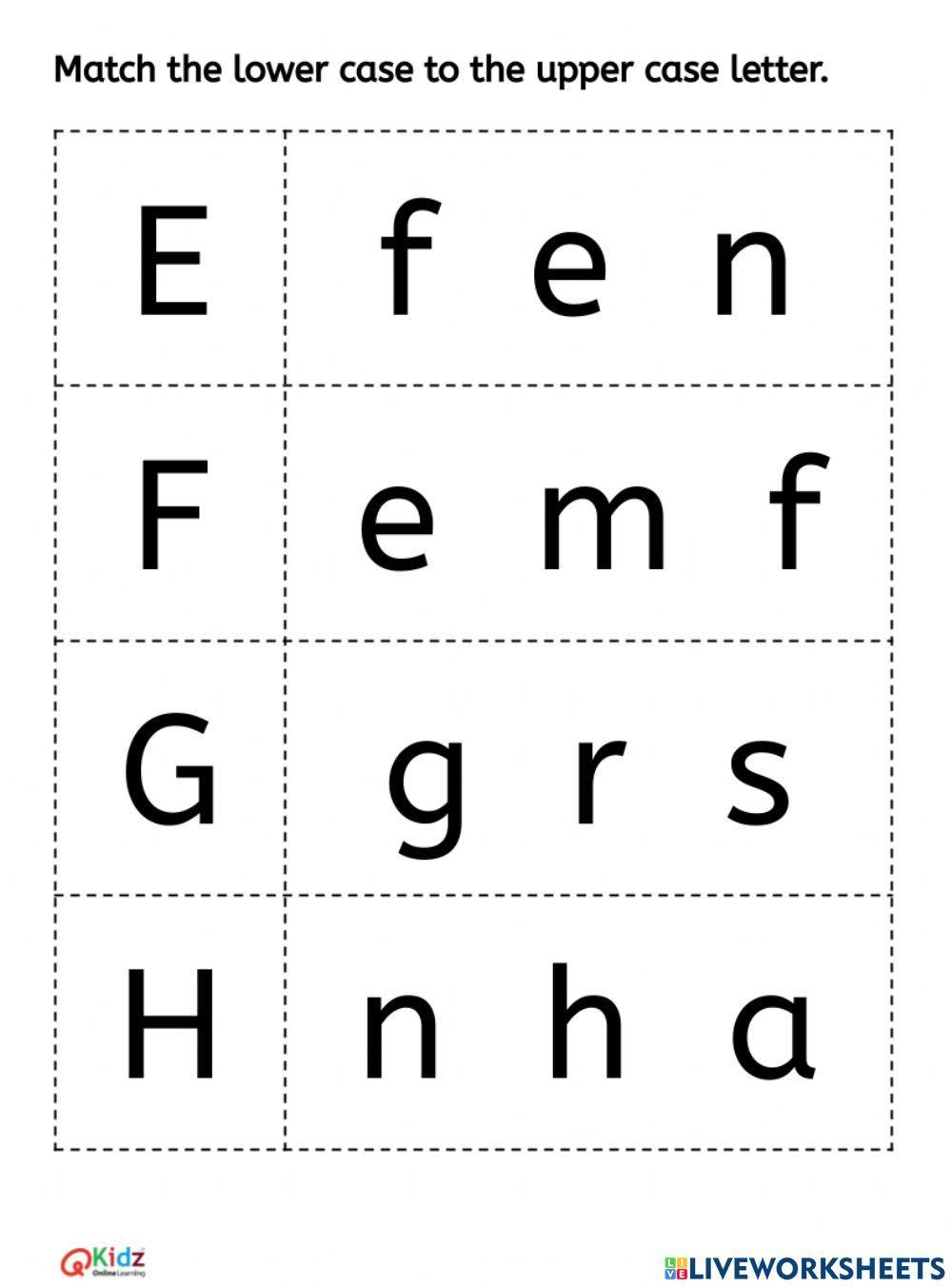
Tips for Maximizing the E F G Review Worksheet
To ensure that you’re getting the most out of the E F G Review Worksheet Preschool, consider the following tips:
- Customize the Experience: Tailor the activities to fit the child’s interests. For example, if they love animals, find words that start with E, F, and G related to animals (like “elephant,” “frog,” and “goat”).
- Incorporate Movement: Integrate physical activities related to the letters. For instance, you could have the child jump for each letter they recognize or find objects around the house that start with E, F, or G.
- Use Technology: If available, incorporate educational apps or online resources that reinforce the concepts on the worksheet. This can provide a multimedia approach to learning.
- Create a Learning Space: Set up a dedicated area for learning that is free from distractions, where the child can focus on their worksheet and any related activities.
E F G Review Worksheet Preschool Gallery