Easy Addition Worksheets For Preschoolers
When you’re looking for effective ways to introduce your preschooler to math concepts, Easy Addition Worksheets For Preschoolers can be a fantastic resource. These worksheets not only make learning fun but also help young learners grasp the basics of addition in an engaging manner. Here’s a practical guide on how to effectively use these worksheets at home.
Understanding Easy Addition Worksheets
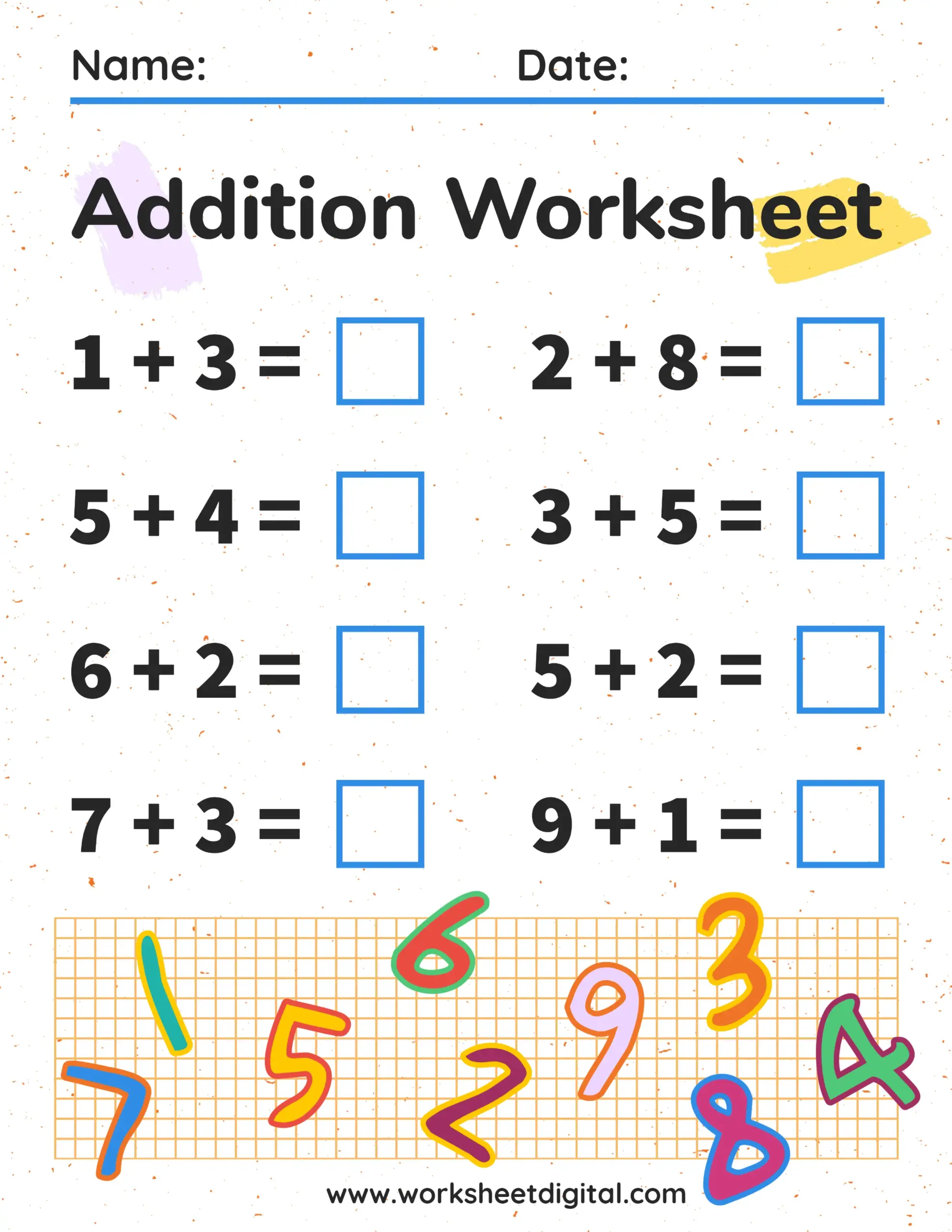
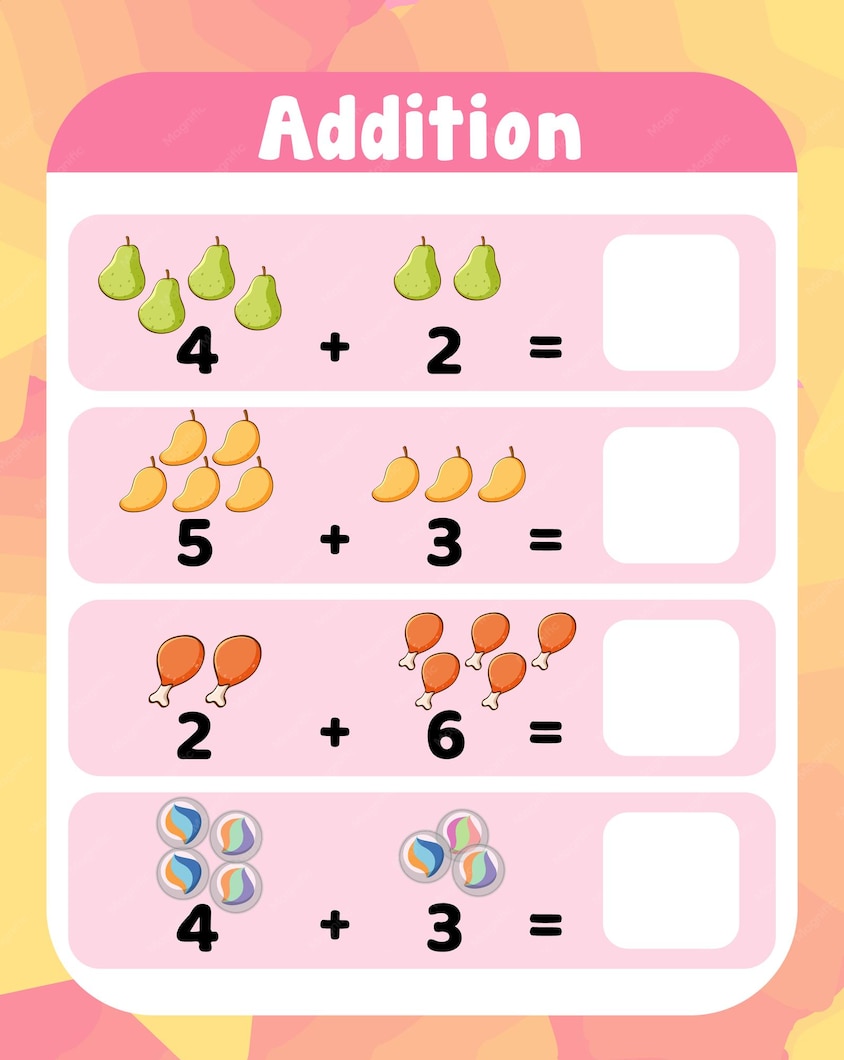
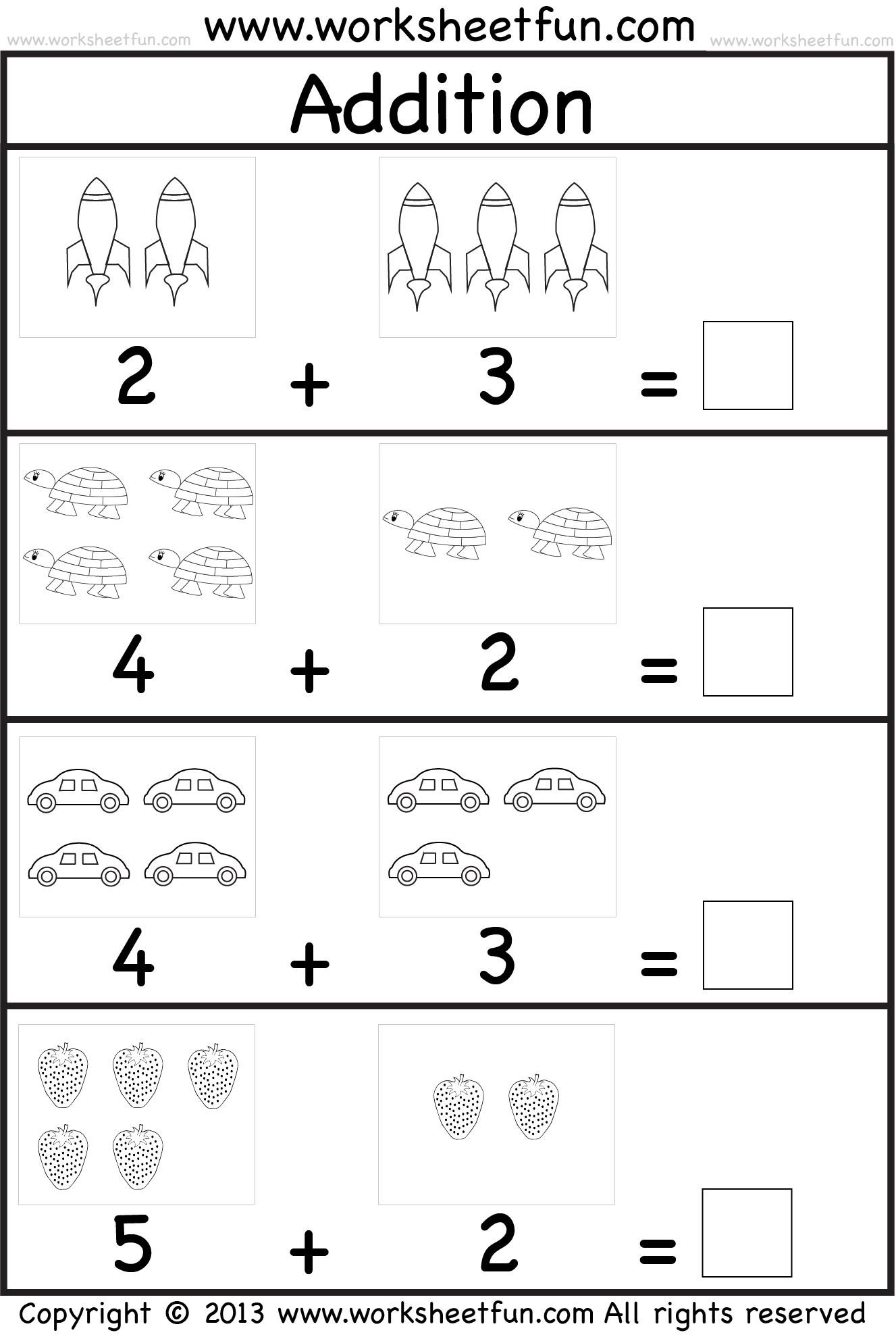
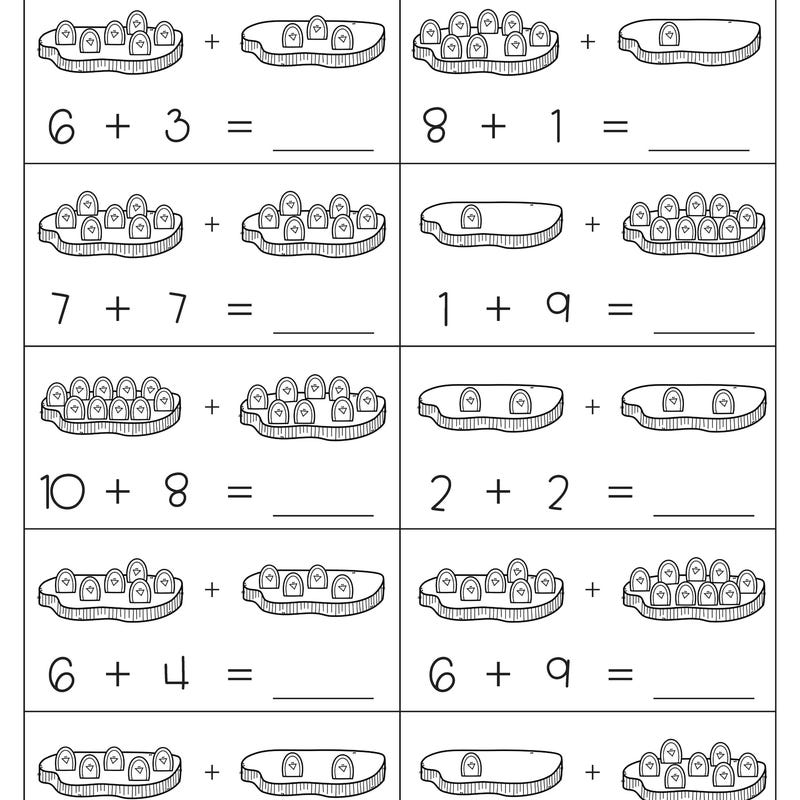
Easy addition worksheets are designed specifically for preschoolers to support their early math skills. These resources typically include colorful illustrations, simple problems, and interactive elements that encourage children to practice counting and basic addition. You might find worksheets featuring animals, toys, or everyday objects that your child can relate to, making the learning experience more enjoyable.
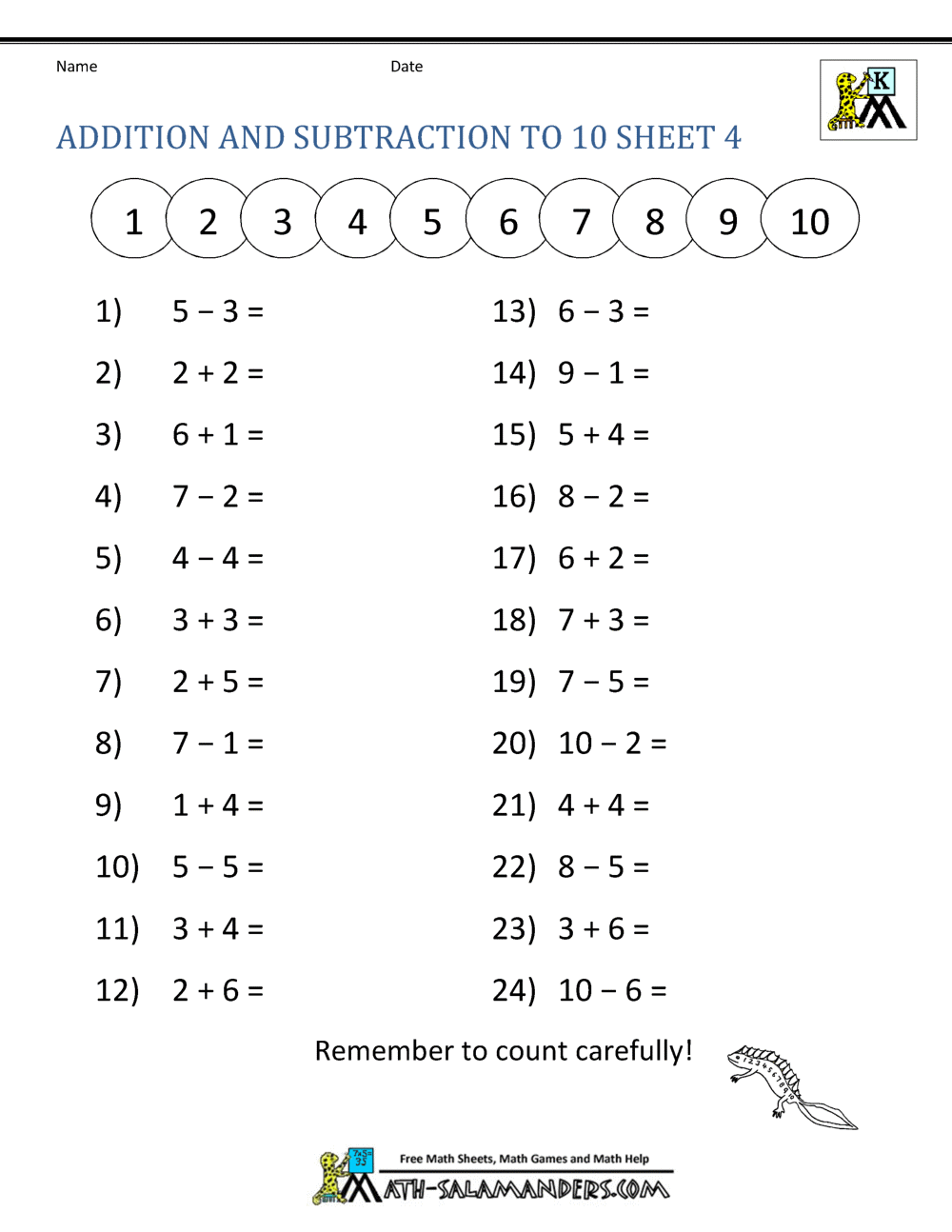
The layout of these worksheets usually includes space for the child to write their answers, which helps develop their writing skills alongside their math abilities. Most worksheets will have a variety of problems, ranging from counting objects to filling in the blanks in equations like 1 + 1 = .
Choosing the Right Format
Before diving into the worksheets, it’s essential to decide how you want to use them. You have two main options: digital completion or printing the worksheets for hand-filled answers.
Digital Vs. Print Completion
- Digital Completion: If you choose to fill out the worksheets on a computer or tablet, look for PDF versions that are fillable. This can be convenient as it allows your child to complete the worksheet without wasting paper. However, ensure that your child has a suitable device and that they are comfortable using it.
- Printed Worksheets: Printing the worksheets can be a more tactile experience for preschoolers. They can use crayons or markers to fill in their answers, which can make the learning process feel more interactive. If you decide to print, consider using cardstock for durability, especially if your child enjoys coloring or if you plan to reuse the sheets.
Engaging Your Child With Addition Worksheets
To maximize the effectiveness of Easy Addition Worksheets For Preschoolers, consider integrating them into your child’s daily routine. Here are some practical steps to help you do that:
Create a Learning Schedule
Set aside a specific time each day for math practice. Consistency is key with young learners. It could be as simple as 10-15 minutes after breakfast or before bedtime. This helps to establish a routine and makes learning a part of their daily activities.
Use Rewards to Encourage Practice
Children respond well to positive reinforcement. You might consider a reward system where your child earns a small treat or a sticker for completing a worksheet. This encourages them to look forward to their math practice and creates a positive association with learning.
Incorporate Real-Life Examples
To help your child understand addition better, try to incorporate real-life examples. For instance, if you have some apples, you can ask your child, “If we have 2 apples and I give you 1 more, how many do we have now?” This practical approach reinforces what they learn on the worksheets.
Types of Addition Worksheets Available
When searching for Easy Addition Worksheets For Preschoolers, you’ll find a variety of types that cater to different learning styles. Here are some common types:
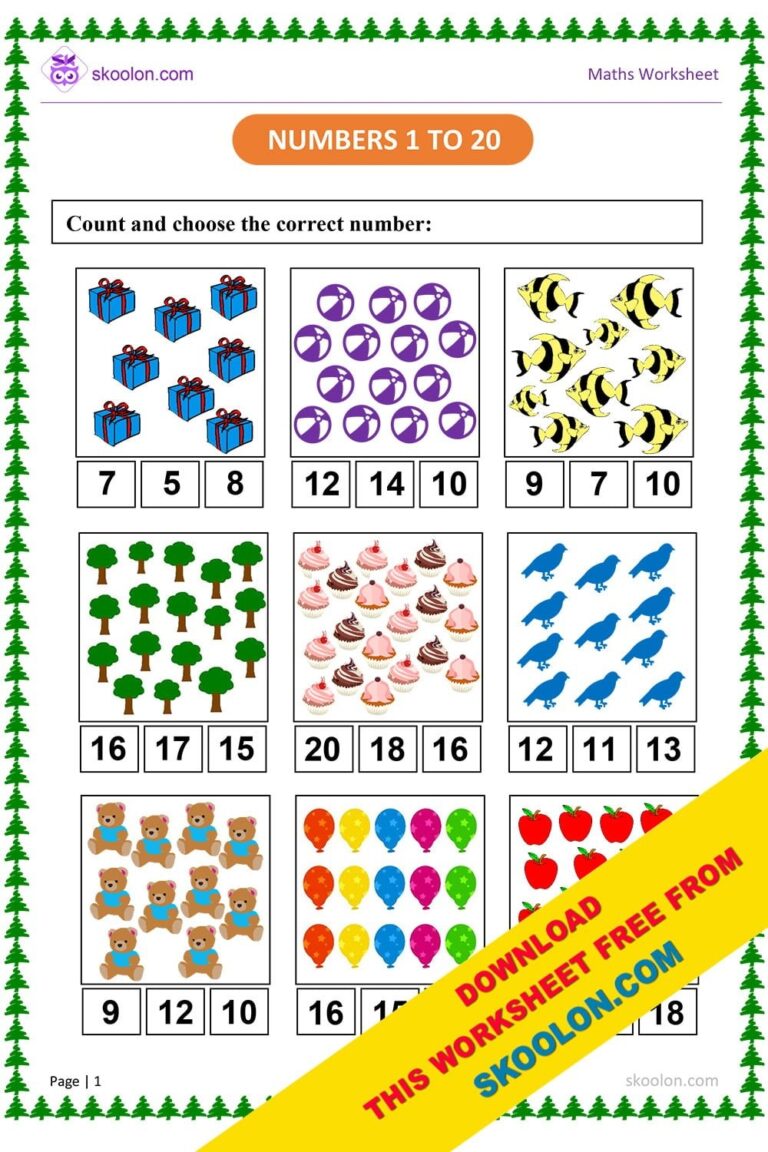
- Picture-Based Worksheets: These worksheets include images that children count to solve addition problems. For example, a worksheet might show 3 cats and 2 dogs, asking the child to find the total number of animals.
- Number Line Worksheets: These can help children visualize addition. They might have a number line where kids can mark their answers or draw lines to indicate their thought process.
- Fill-in-the-Blank Worksheets: These worksheets present equations with missing numbers (e.g., 4 + = 7). This format encourages critical thinking and problem-solving skills.
- Coloring Worksheets: Combining math with art, these worksheets require children to solve addition problems in order to color specific sections of a picture.
Tips for Downloading and Printing
When you’re ready to download Easy Addition Worksheets For Preschoolers, keep the following tips in mind:
- Check the Source: Only download from reputable websites that offer educational resources. Ensure the worksheets are age-appropriate and designed for preschoolers.
- File Format: PDFs are generally the best choice for printing since they preserve the layout and quality. Avoid image files that may distort when printed.
- Print Settings: Use standard letter size (8.5 x 11 inches), which is compatible with most home printers. Make sure your printer is set to print in high quality for the best results.
- Laminating for Longevity: If you plan to reuse the worksheets, consider laminating them. This allows your child to use dry-erase markers, making it easy to wipe clean after each use.
Making Math Fun Beyond Worksheets
To further enhance your child’s learning experience, consider these additional activities that complement the use of addition worksheets:
Math Games
Incorporate math games into your playtime. Simple board games that require counting or adding points can reinforce the concepts learned on the worksheets. For example, you might use dice to add up scores or create a scavenger hunt where they must add the number of items they find.
Story Problems
Create simple story problems that involve addition. For example, “If you have 3 cookies and I give you 2 more, how many cookies do you have now?” This helps children understand the application of addition in real-life situations.
Group Learning
If your child has friends or siblings, consider organizing group learning sessions. Kids often enjoy learning more when they can share the experience with peers. Use the worksheets as a group activity where they can help each other solve problems.
Easy Addition Worksheets For Preschoolers Gallery