Family Tree Worksheet Activities For Preschoolers
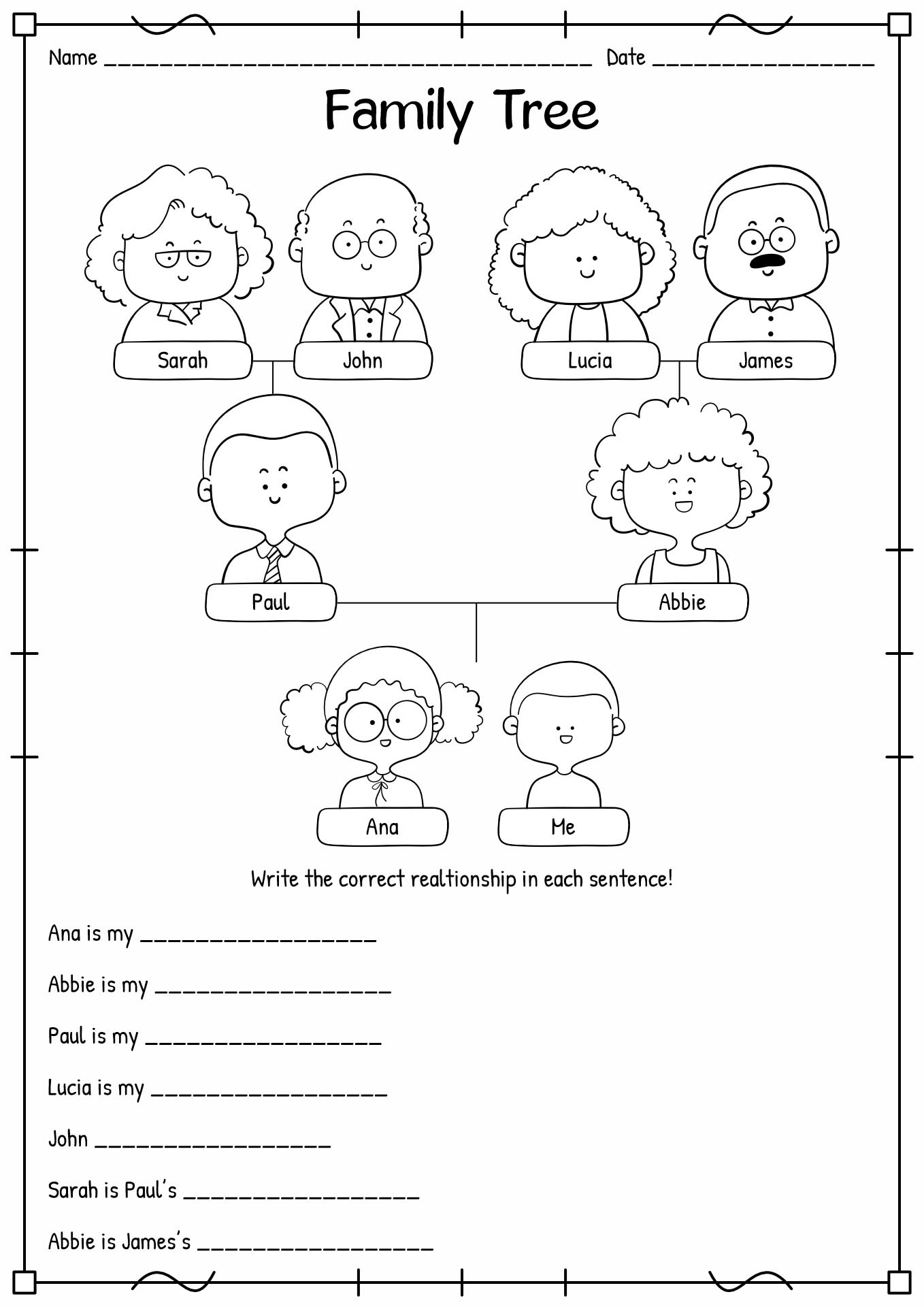
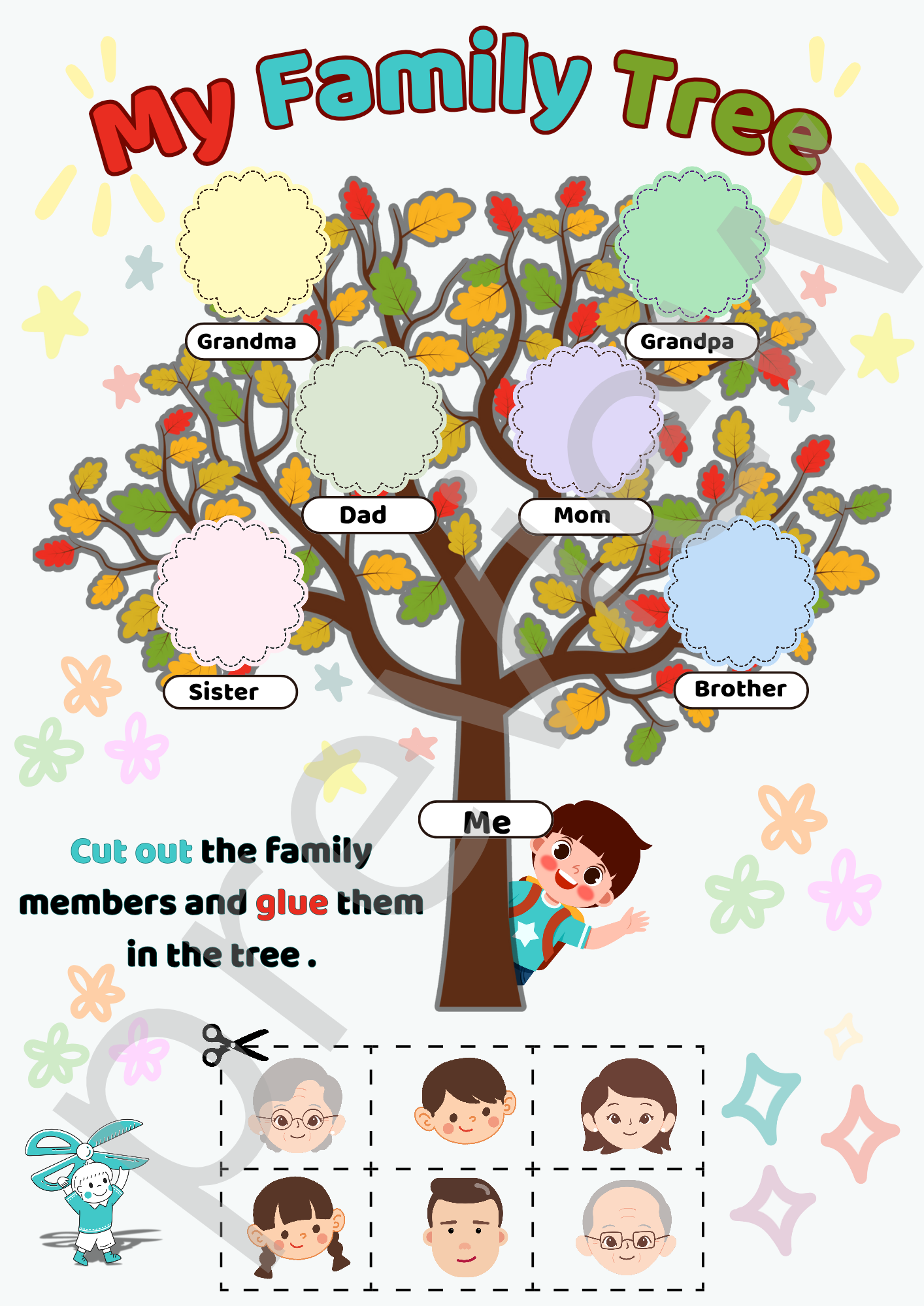
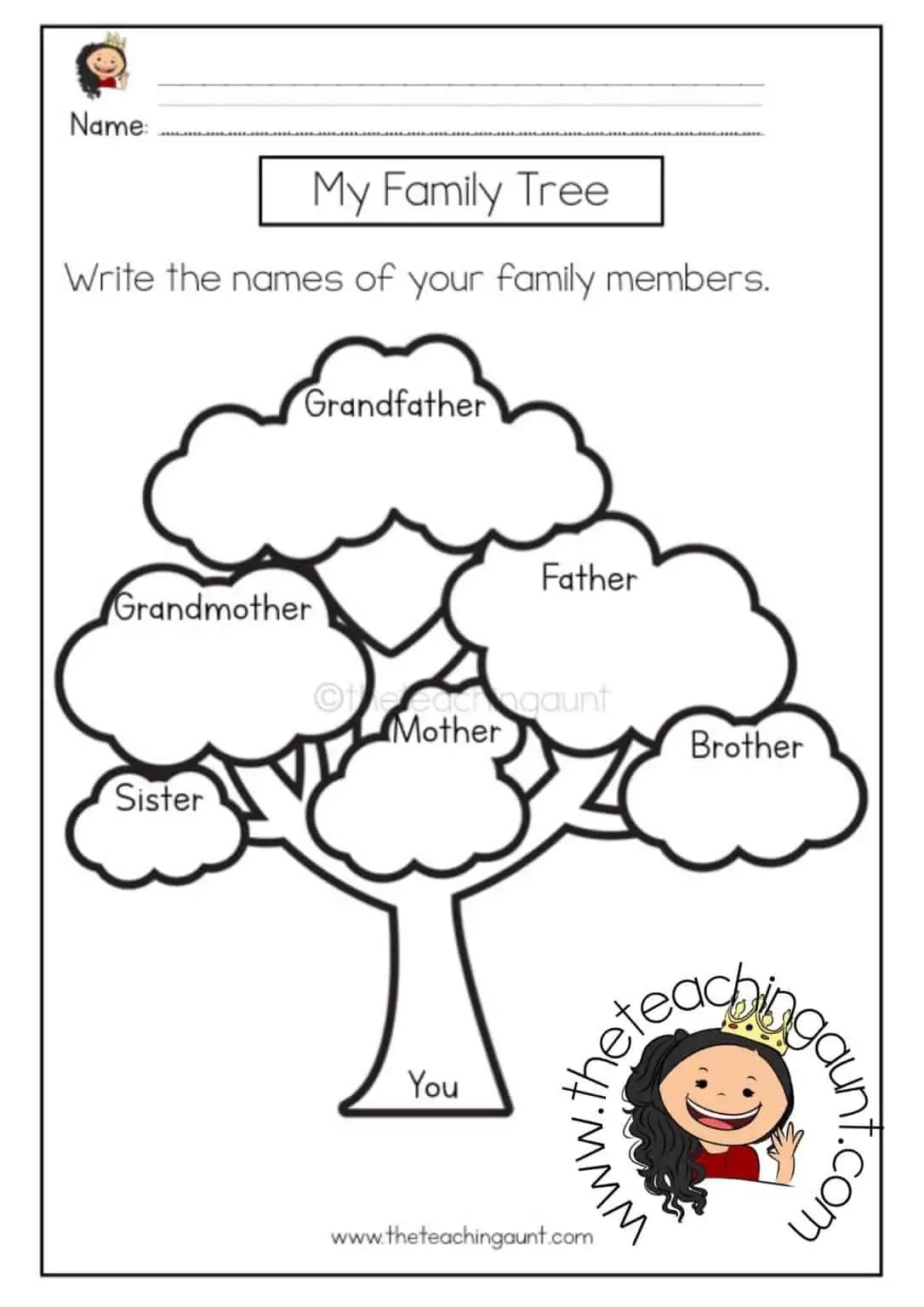
Creating a family tree worksheet for preschoolers can be a fun and educational activity. These worksheets serve as an excellent tool to help young children understand their family structure, relationships, and heritage. By engaging in family tree worksheet activities for preschoolers, children can develop a sense of belonging and connection to their family members.
Understanding the Importance of Family Tree Activities
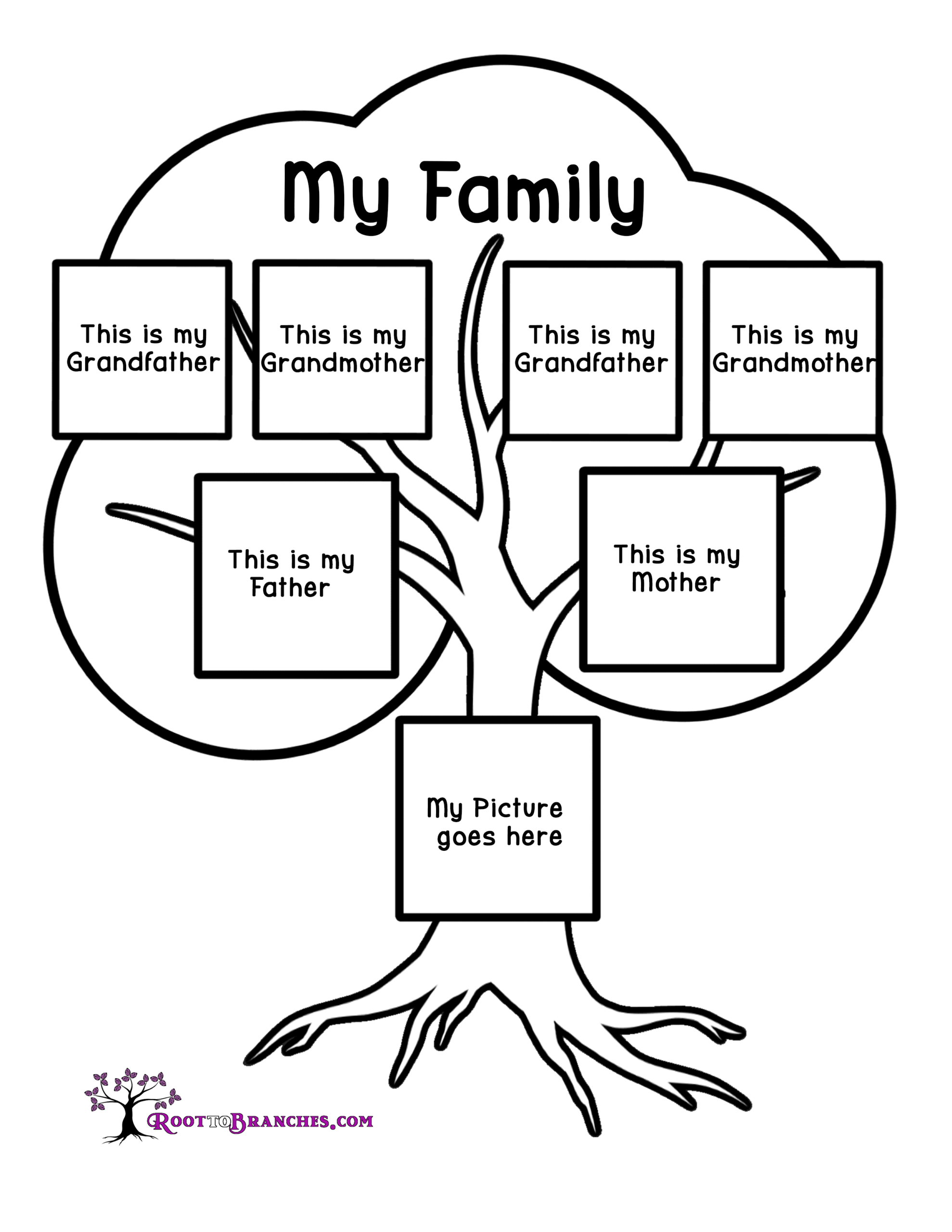
Family tree activities are invaluable for preschoolers as they help children learn about their family members, including parents, grandparents, aunts, uncles, and cousins. This understanding fosters emotional development and encourages children to appreciate their family history. When preschoolers participate in these activities, they also enhance their cognitive skills through storytelling and memory recall.
Additionally, creating a family tree reinforces language development as children learn new vocabulary related to family roles. By engaging with family members during this process, kids can practice social skills, such as sharing and communicating. This activity can be a wonderful bonding experience between children and their families.
Choosing the Right Family Tree Worksheet
When selecting a family tree worksheet for preschoolers, consider the following aspects:
- Design: Opt for worksheets with bright colors and engaging visuals. Simplicity is key, as young children can be easily overwhelmed. Look for designs that have clear sections for each family member.
- Format: Family tree worksheets can come in various formats, such as blank trees for drawing, fill-in-the-blank templates, or even interactive digital options. Choose a format that suits your child’s learning style.
- Age Appropriateness: Ensure the worksheet is suitable for preschoolers. It should offer enough guidance without being too complicated.
You can find printable family tree worksheets online, often available as PDFs. These are easy to download, print, and use at home.
How to Fill Out a Family Tree Worksheet
Filling out a family tree worksheet can be a collaborative process that involves both the child and their family members. Here’s a step-by-step guide to ensure a smooth experience:
- Start with the Child: Begin with your child’s name at the base of the tree. This gives them a sense of ownership over the activity.
- Add Immediate Family: Next, include the child’s parents. Explain their relationship by using terms like “Mom” and “Dad.” This helps reinforce the concept of family roles.
- Include Extended Family: Gradually add grandparents, aunts, uncles, and cousins. Discuss each relative’s role and relationship to the child.
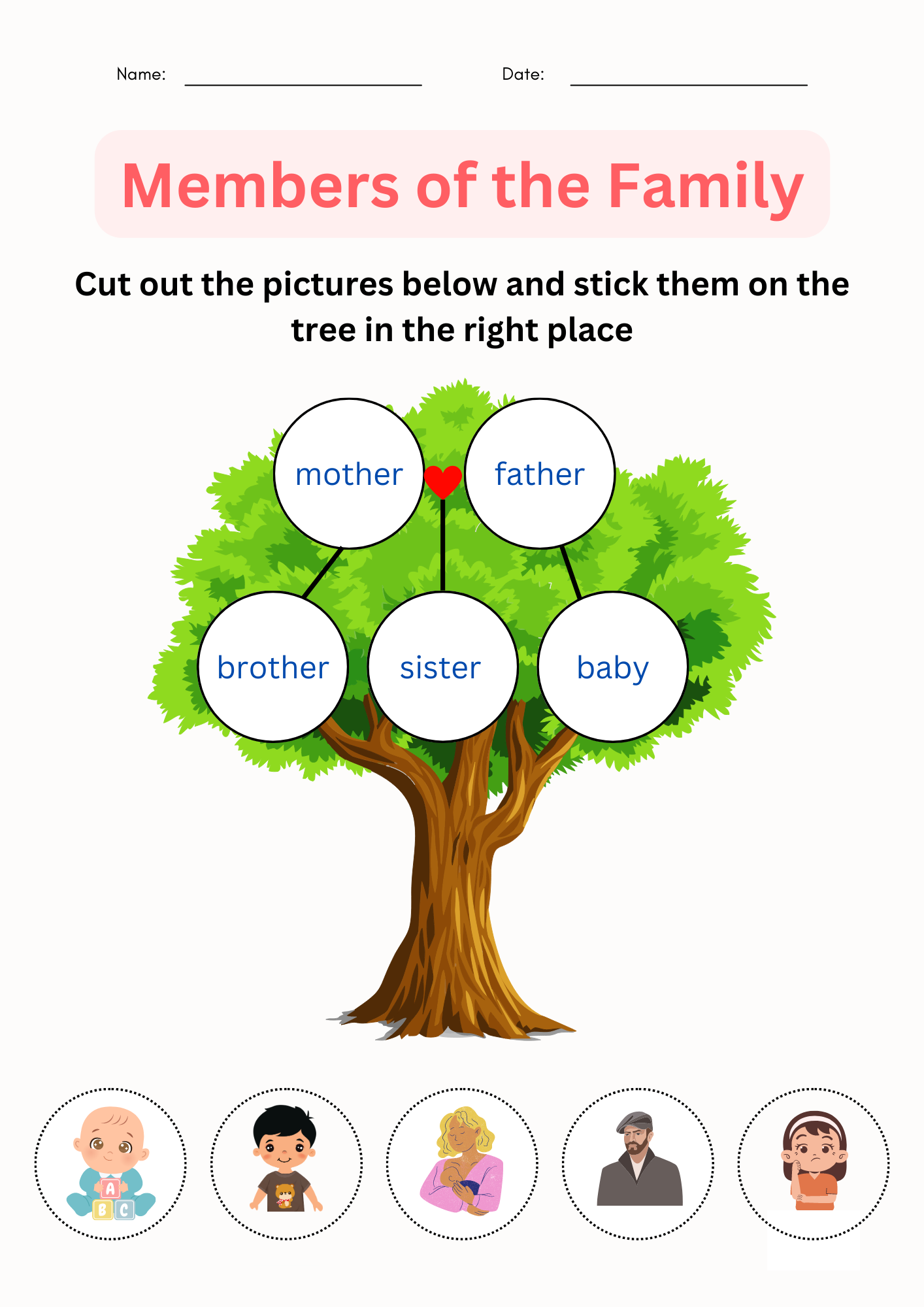
- Use Photos or Drawings: To make it more engaging, consider using photos of family members or having your child draw pictures of them. This adds a personal touch and helps with memory retention.
- Encourage Storytelling: As you fill in the family tree, encourage your child to share stories about each family member. This not only enhances their speaking skills but also deepens their understanding of their family history.
- Decorate the Worksheet: Allow your child to decorate the worksheet with stickers, drawings, or colors. This adds a creative element and makes the activity enjoyable.
Incorporating Family Tree Activities Into Daily Routines
To make family tree worksheet activities more effective, incorporate them into your child’s daily routine. Here are a few ideas:
- Story Time: Use family stories as a part of your regular reading time. This can encourage children to connect with their family history and relate it to the family tree.
- Family Gatherings: If you have family gatherings, bring the family tree worksheet along. It can serve as a conversation starter and help children understand relationships in a real-world context.
- Regular Updates: As families grow and change, revisit the family tree worksheet regularly. Update it with new members, such as new siblings or cousins, to keep it relevant and engaging.
Quality Presentation for Family Tree Worksheets
When it comes to printing your family tree worksheet, consider the following tips for a quality presentation:
- Paper Type: Use a sturdy paper, such as cardstock, for durability, especially if your child is going to decorate it. This will hold up better than regular printer paper.
- Print Settings: For the best results, select high-quality print settings on your printer. This ensures that colors are vibrant and details are clear.
- Size: Common sizes for family tree worksheets are A4 or letter size (8.5 x 11 inches). These sizes are easy to handle for preschoolers.
- Lamination: If you want the worksheet to last longer, consider laminating it. This allows for dry-erase markers to be used, enabling your child to reuse the worksheet multiple times.
Ideas for Expanding Family Tree Activities
After completing the family tree worksheet, you can expand the activity with additional ideas:
- Create a Family Album: Encourage your child to create a family photo album that corresponds with the family tree. This visual representation enhances their understanding and connection.
- Family Interviews: Have your child interview family members about their childhood, interests, and experiences. This not only enriches the family tree but also builds communication skills.
- Cultural Exploration: Discuss different cultural backgrounds and family traditions. This can deepen your child’s appreciation for their heritage and broaden their worldview.
- Art Projects: Turn the family tree into an art project. Have your child create a large family tree mural on poster board, incorporating drawings and photos.
By engaging in these family tree worksheet activities for preschoolers, you’re not just helping them learn about their family; you’re also creating lasting memories and connections that will shape their understanding of family for years to come.
One useful detail to remember is that including a legend or key on the worksheet can help clarify relationships, especially if you have a large family.
Family tree Worksheet activities For Preschoolers Gallery