Farm Math Worksheets For Preschool
Teaching preschoolers math can be both rewarding and challenging. One effective method I’ve found is using Farm Math Worksheets For Preschool. These worksheets not only engage kids with fun farm themes but also help them grasp essential math concepts. In this article, I’ll share practical tips on how to use these resources effectively, what to look for, and how they can fit into your child’s learning routine.
Understanding Farm Math Worksheets
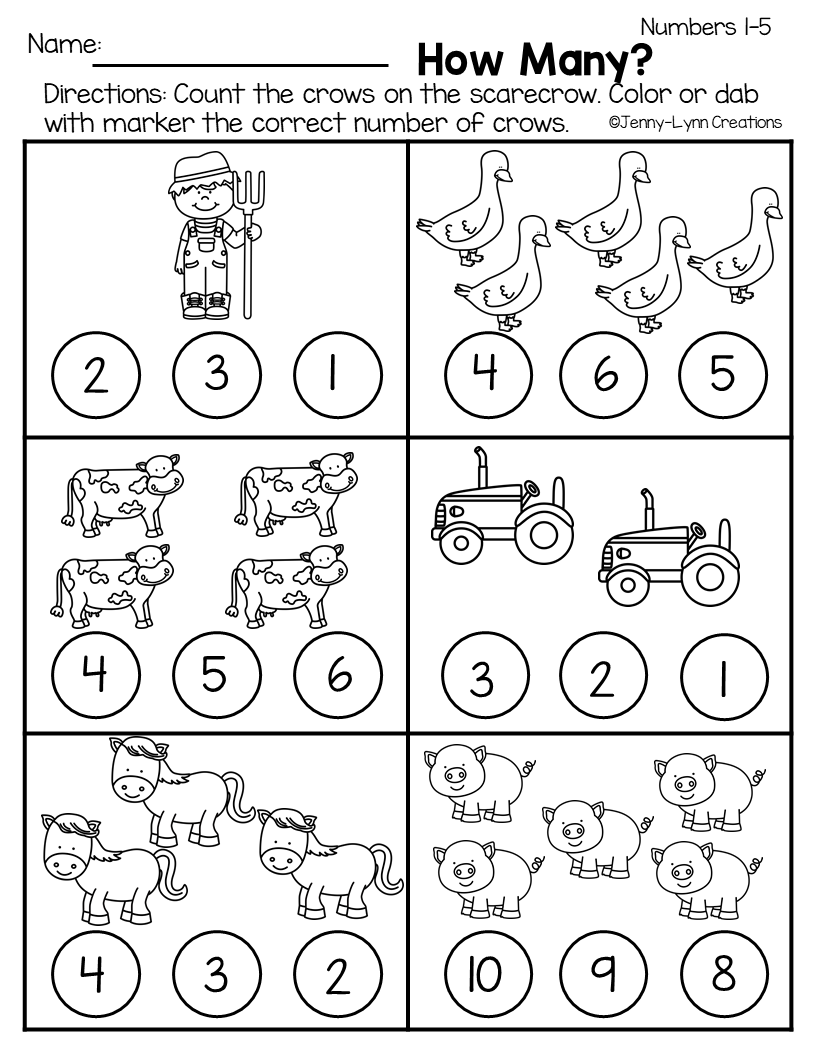
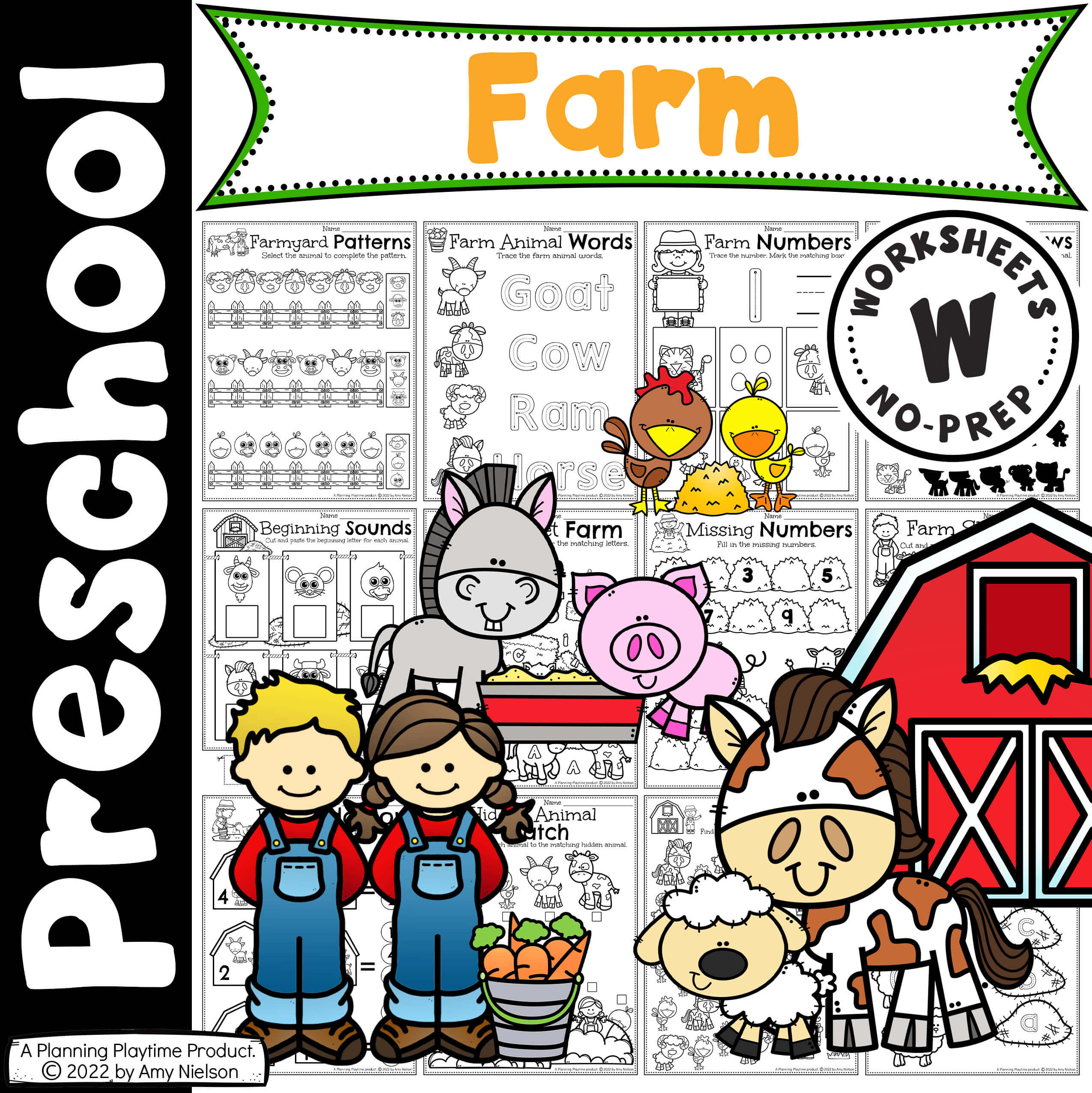
Farm Math Worksheets are printable resources filled with activities that help preschoolers learn basic math skills like counting, addition, subtraction, and number recognition—all within a delightful farm context. They often feature cute animals, tractors, and barns, which make learning more relatable and enjoyable for young kids.
When choosing worksheets, look for those that align with your child’s learning level. Most farm-themed worksheets cater specifically to preschoolers, focusing on engaging visuals and straightforward tasks that suit their developmental stage.
Key Features of Effective Worksheets
Not all worksheets are created equal, so here are some features to look for in quality Farm Math Worksheets for preschool:
- Visual Appeal: Bright colors and engaging farm-themed illustrations can capture your child’s attention and make learning fun.
- Variety of Activities: Worksheets should include a mix of activities, such as counting animals, matching numbers with quantities, and simple addition and subtraction problems.
- Clear Instructions: Ensure that the activities have clear, easy-to-understand instructions. This helps kids follow along without getting frustrated.
- Progress Tracking: Some worksheets come with a way to track progress, which is beneficial for both you and your child.
How to Use Farm Math Worksheets
Integrating Farm Math Worksheets into your child’s routine can be straightforward and rewarding. Here’s a step-by-step guide:
- Set a Regular Time: Choose a consistent time each week for your child to work on their worksheets. This could be part of a dedicated “learning hour” or a fun activity after lunch.
- Create a Comfortable Space: Designate a quiet, well-lit area with all the necessary supplies, such as pencils, crayons, and the worksheets themselves.
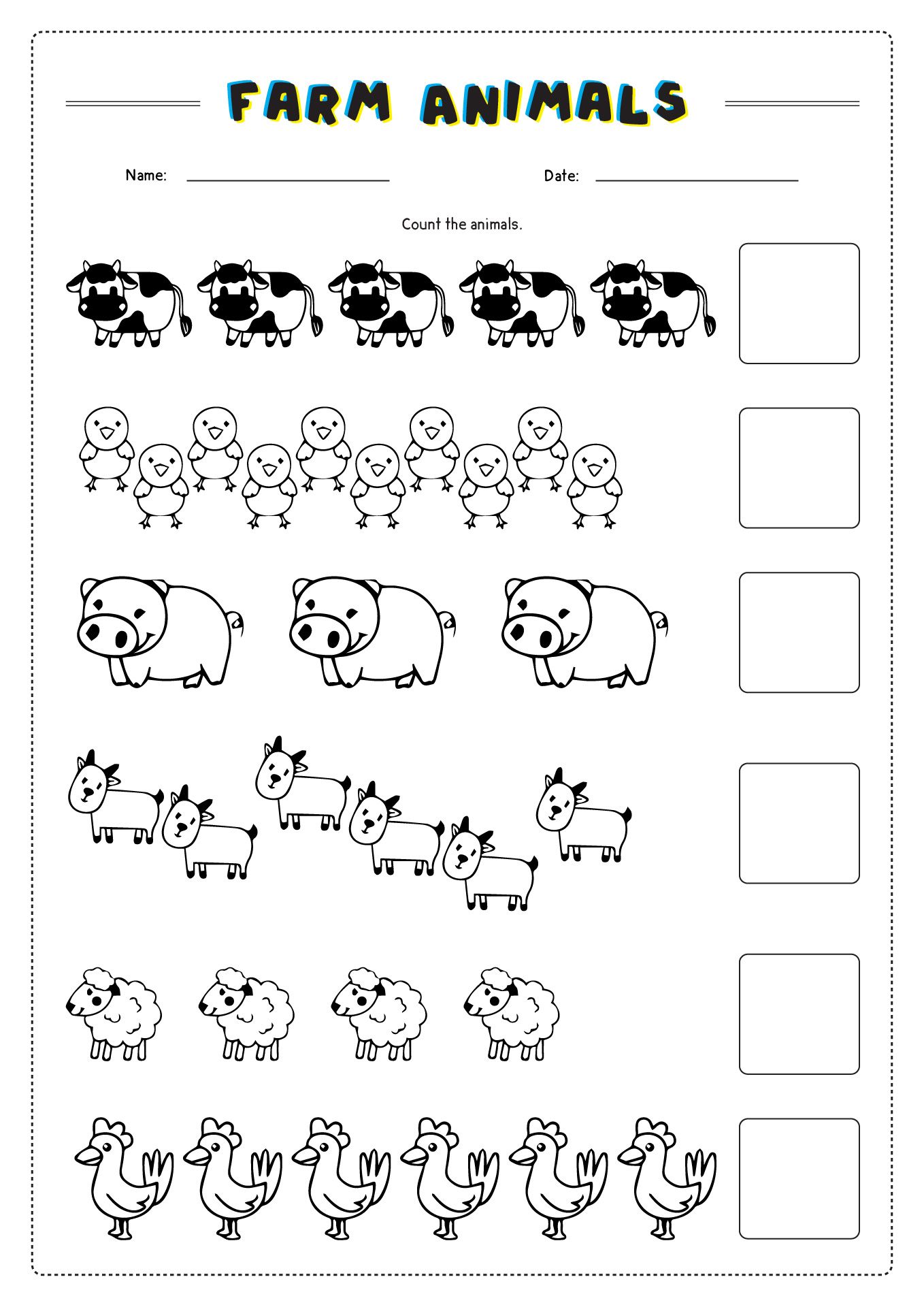
- Engage with the Content: As your child works through the worksheets, engage them by asking questions. For example, if they’re counting pigs, ask, “How many pigs do you see?” This encourages them to think critically about the tasks.
- Mix Learning with Play: After completing the worksheets, extend the learning through play. You might set up a small farm in your living room using toys and ask them to count the animals or create simple math problems based on their toys.
- Celebrate Progress: Make a big deal out of completing worksheets. Praise their efforts and take the time to review their answers together, reinforcing correct responses and gently correcting mistakes.
Types of Activities in Farm Math Worksheets
Farm Math Worksheets typically include a variety of activities that cater to different math skills. Here are some common types you might find:
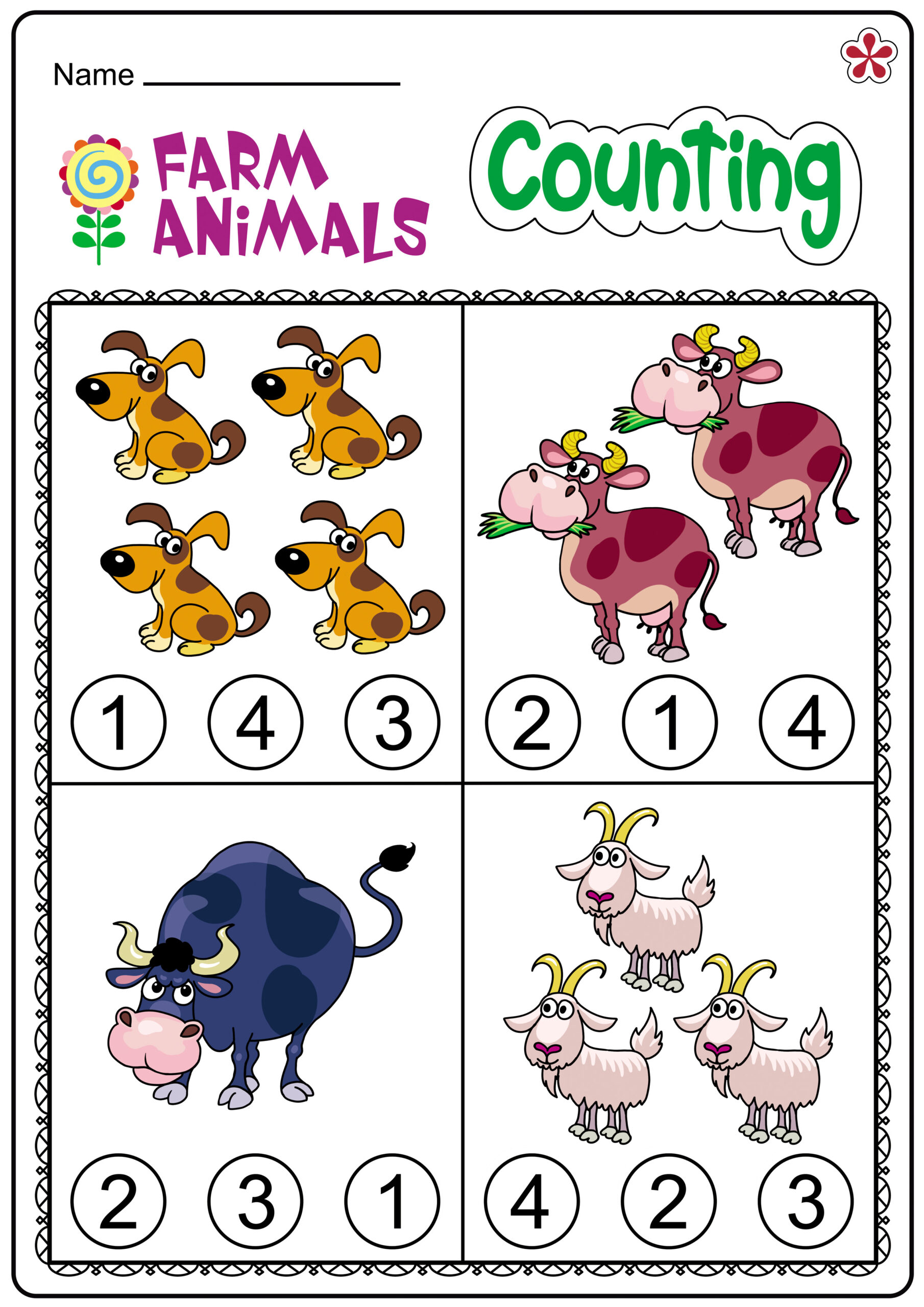
- Counting Activities: Worksheets often feature pictures of farm animals that children need to count and write the corresponding number.
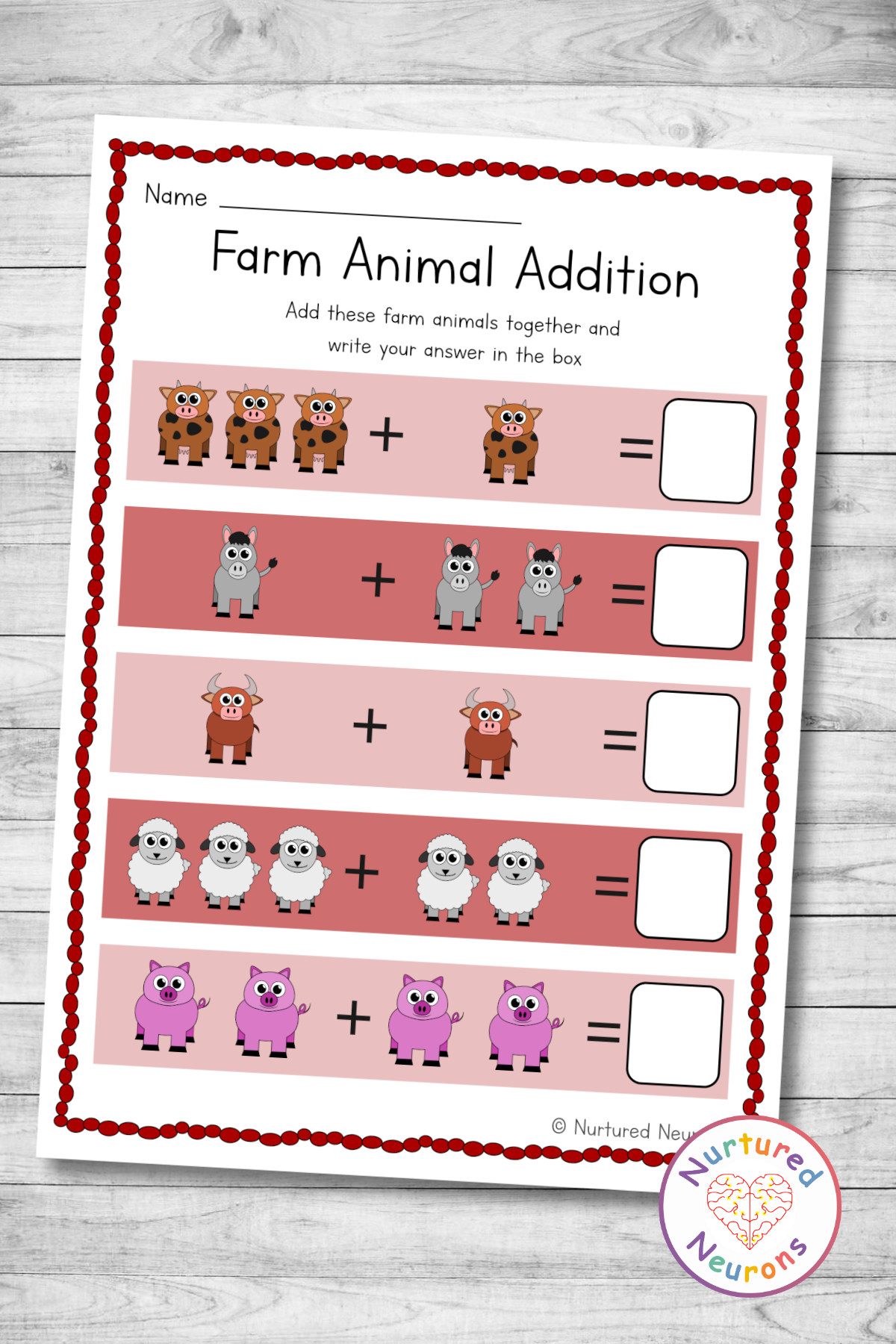
- Simple Addition and Subtraction: Kids can practice basic addition and subtraction using farm themes, such as “If there are three ducks and two more join them, how many ducks are there now?”
- Matching Games: These activities may involve matching numbers to groups of animals, helping reinforce number recognition.
- Tracing Numbers: Some worksheets include tracing activities, which help kids learn to write numbers while also associating them with quantities.
Finding and Downloading Farm Math Worksheets
There are many great sources for Farm Math Worksheets available online. Here’s how to find them:
- Printable Resource Websites: Websites dedicated to printable resources often have a section for preschool math worksheets. Look for categories that specify farm themes.
- Educational Blogs: Many parenting and educational blogs offer free downloadable worksheets. A quick search for “Farm Math Worksheets For Preschool” can yield great results.
- Social Media Groups: Join parenting or teaching groups on platforms like Facebook. Members often share free resources and links to worksheets they’ve found helpful.
- Local Educational Stores: Don’t overlook local educational supply shops; they might have a selection of printed worksheets that you can purchase.
When downloading, ensure that the worksheets are in PDF format for easy printing. PDFs maintain their layout and design, which is essential for worksheets.
Incorporating Worksheets Into Daily Learning
Using Farm Math Worksheets can be a great way to supplement your child’s overall education. Here’s how to seamlessly integrate them into daily learning:
- Combine with Story Time: After reading a farm-themed book, you can transition into a worksheet that relates to the story. This helps reinforce the concepts learned through reading.
- Use During Travel: Keep a few worksheets in your bag for times when you might be waiting, such as at the doctor’s office or during long car rides.
- Pair with Real-Life Activities: If you visit a farm or a petting zoo, encourage your child to count the animals they see and compare it to the worksheets they’ve completed.
Motivating Your Child With Farm Math Worksheets
It’s essential to keep your preschooler motivated when using worksheets. Here are some strategies to maintain their interest:
- Reward System: Create a simple sticker chart where they earn stickers for each worksheet completed. After reaching a certain number, they can choose a small prize or activity.
- Incorporate Technology: If your child enjoys screens, consider apps and games that align with the farm theme and math skills to reinforce what they’re learning.
- Make It Social: If possible, arrange for playdates where children can work on worksheets together. This can turn learning into a fun group activity.
Farm Math Worksheets For Preschool are a fantastic tool to help your child develop essential math skills while enjoying a fun, thematic approach to learning. With a bit of creativity and consistency, you can make math an enjoyable part of your child’s day.
Farm Math Worksheets For Preschool Gallery