Fast And Slow Worksheets For Preschool
Fast And Slow Worksheets For Preschool are an excellent way to introduce young learners to essential concepts of speed and movement. These worksheets typically come in a user-friendly PDF format, making them easy to print and use in your home or classroom. Each worksheet is designed to engage preschoolers with colorful visuals and simple instructions, which helps to keep their attention while they learn.
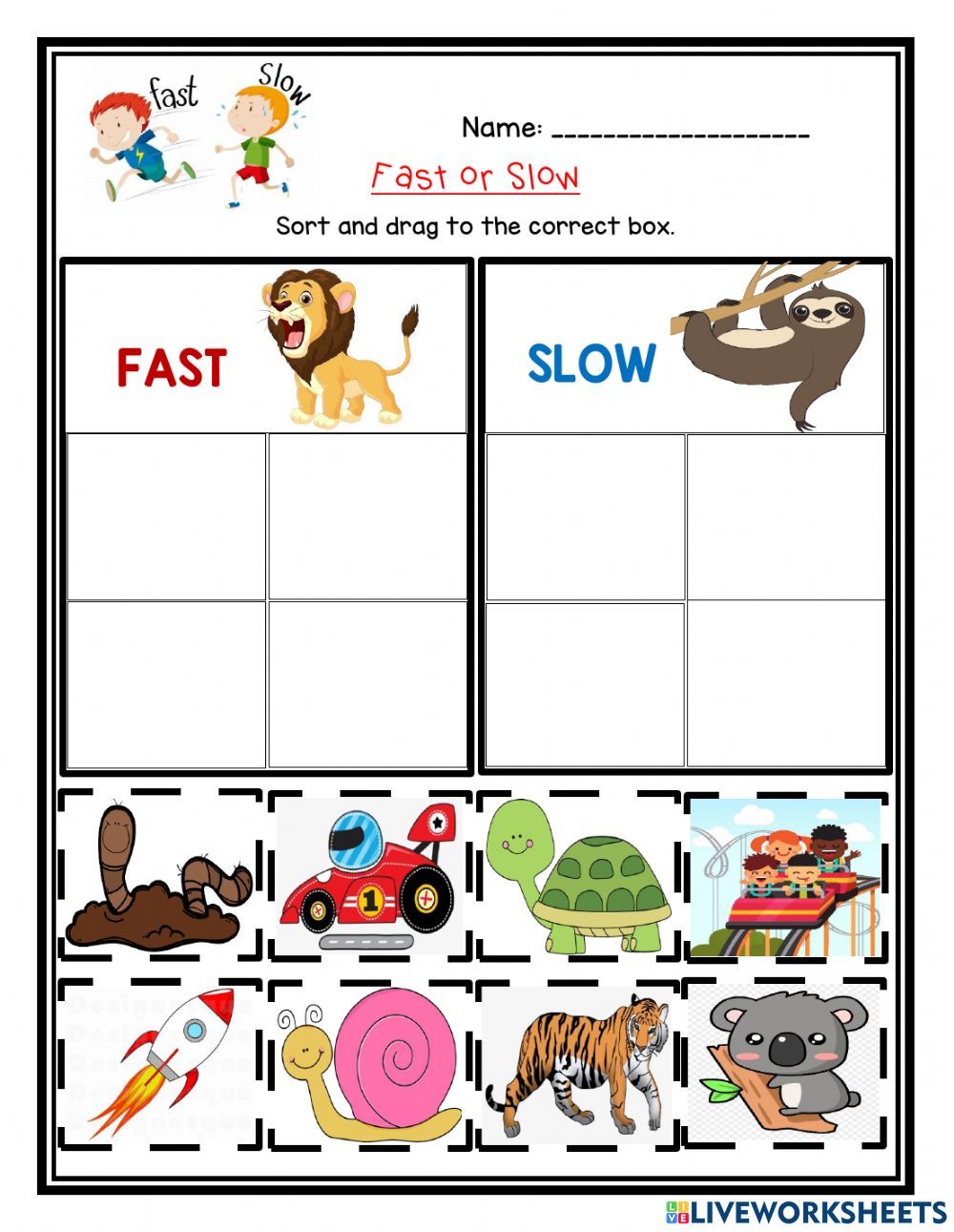
Understanding the Layout of Fast And Slow Worksheets
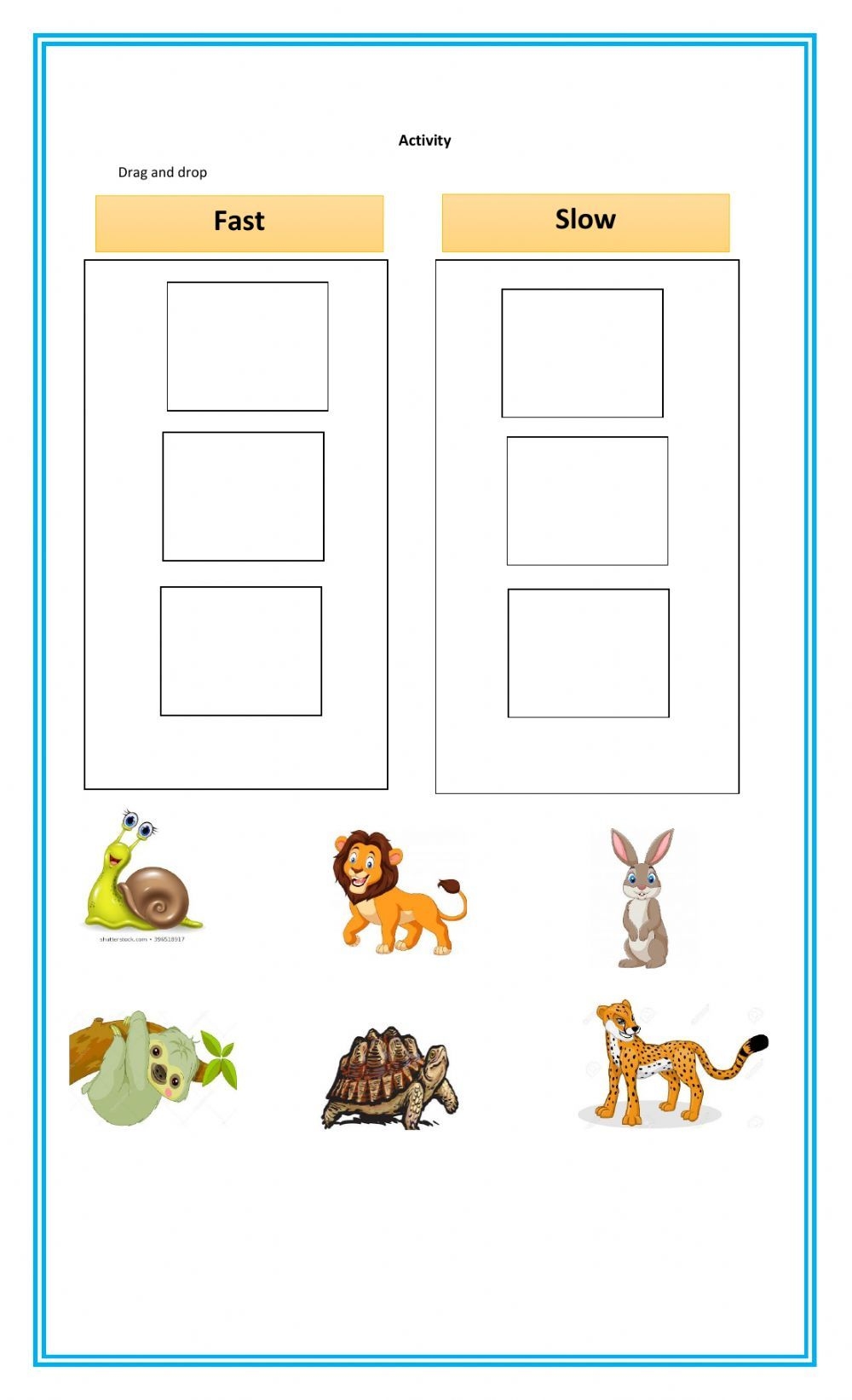
The layout of Fast And Slow Worksheets is intentionally designed to promote ease of use for both parents and children. Typically, you’ll find sections that clearly define the activities, which might include drawing, coloring, or matching.
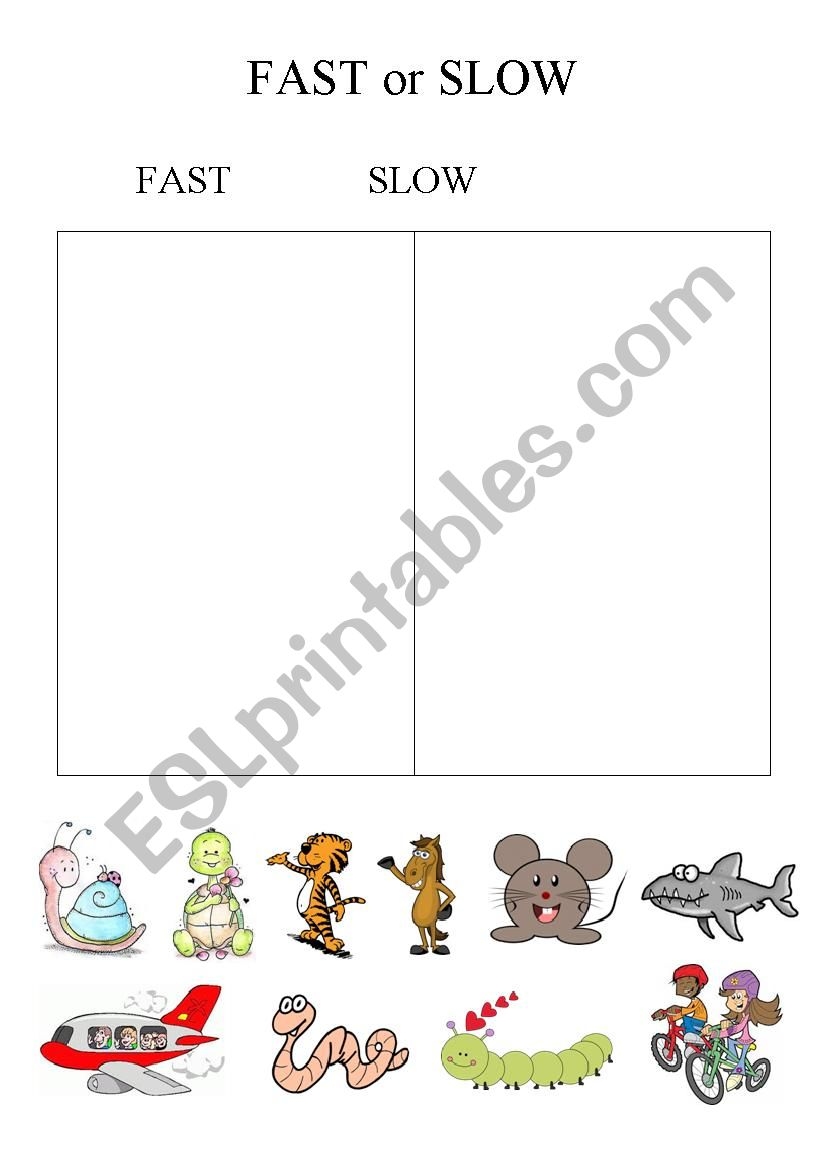
The first section usually contains a brief introduction to the concept of speed, illustrated with images of fast and slow-moving objects. This helps set the stage for the activities that follow. For instance, your child might see a cheetah next to a tortoise, a perfect visual that highlights the differences in speed.
You’ll often find large, bold headings that guide your child through each task. This layout is not just about aesthetics; it helps children follow along easily and understand what is expected of them. For example, one page might ask them to color in the fast objects while leaving the slow ones blank.
Activity Types and Their Purpose
Fast And Slow Worksheets typically feature a variety of activities designed to reinforce the learning objectives. Here are some common types of activities you might encounter:
- Coloring Tasks: Coloring images of fast animals like a rabbit or slow-moving objects like a sloth can help kids associate colors with concepts of speed.
- Matching Games: These often involve matching fast and slow animals or vehicles. It’s a fun way for kids to learn through visual recognition.
- Drawing Exercises: Some worksheets may prompt your child to draw their own fast and slow objects. This encourages creativity while reinforcing the concept.
Each of these activities serves a dual purpose: they reinforce the concept of speed while also developing fine motor skills. Be prepared with crayons, colored pencils, or markers for an engaging experience.
How to Use the Worksheets Effectively
When using Fast And Slow Worksheets, it’s beneficial to create a routine that includes these activities as part of your child’s learning schedule. Here are some tips for effective use:
- Set Up a Learning Space: Choose a quiet, comfortable area with good lighting. Having a designated area can make learning feel special.
- Prepare Materials: Before starting, gather all necessary materials, including coloring supplies and any other tools your child might need. This helps maintain focus and flow.
- Engage in Discussion: As your child works through the worksheets, engage them in conversation about what they are doing. Ask questions like, “Which animal do you think is faster?” This not only aids comprehension but also builds vocabulary.
- Track Progress: Keep a folder for completed worksheets. This can help you track your child’s progress and revisit concepts they might find challenging.
Integrating Worksheets Into Daily Learning
To maximize the benefits of Fast And Slow Worksheets, consider integrating them into your daily learning routine. Here are some ideas:
- Morning Routine: Start the day with a worksheet to set a positive tone for learning. This can be a great way to spark curiosity.
- Supplemental Learning: Use these worksheets alongside other educational activities. For example, if your child is learning about animals, you can incorporate the Fast And Slow Worksheets to deepen their understanding.
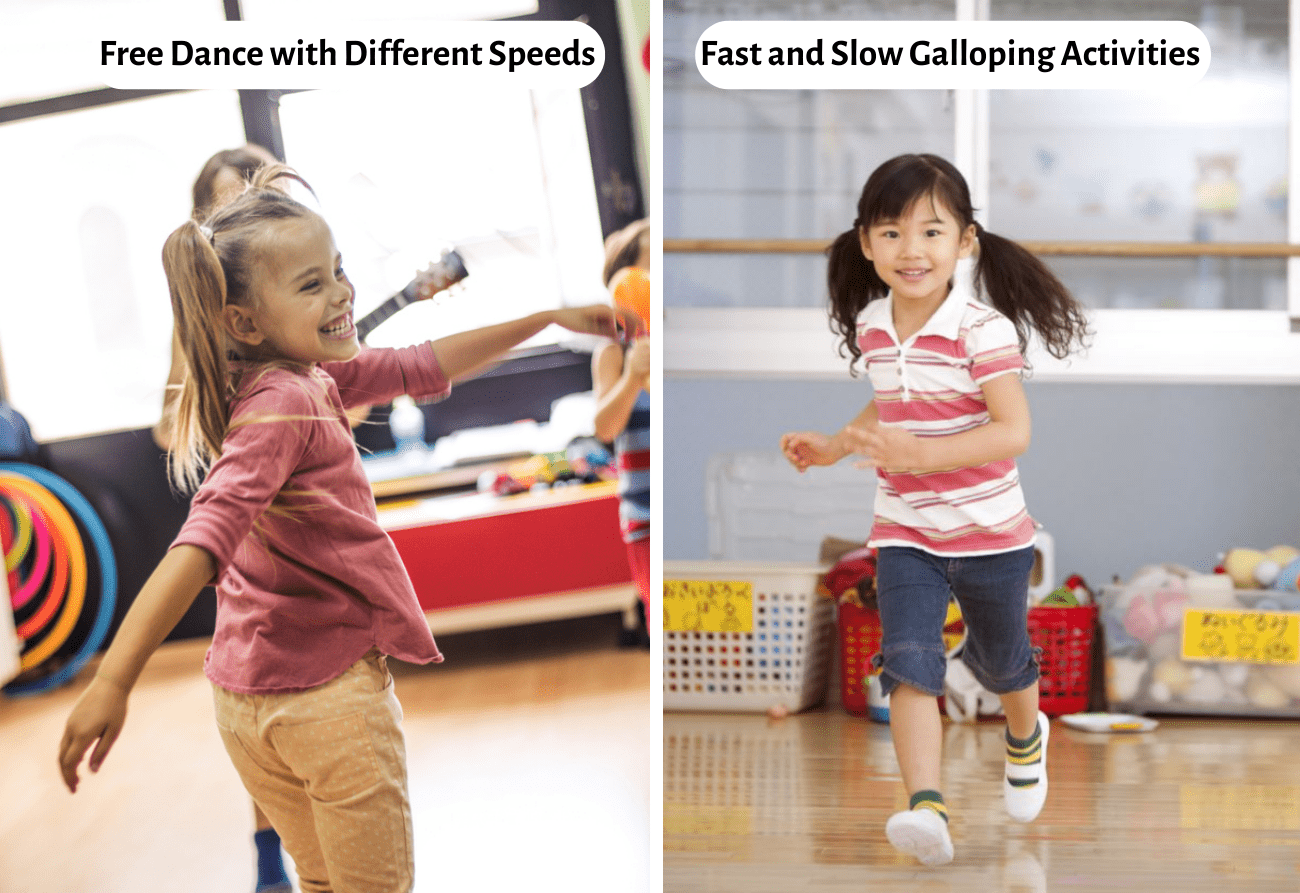
- Playful Learning: Turn worksheet activities into games. For example, after completing a matching game, you could go outside and have a race between your child and a friend to see who is faster.
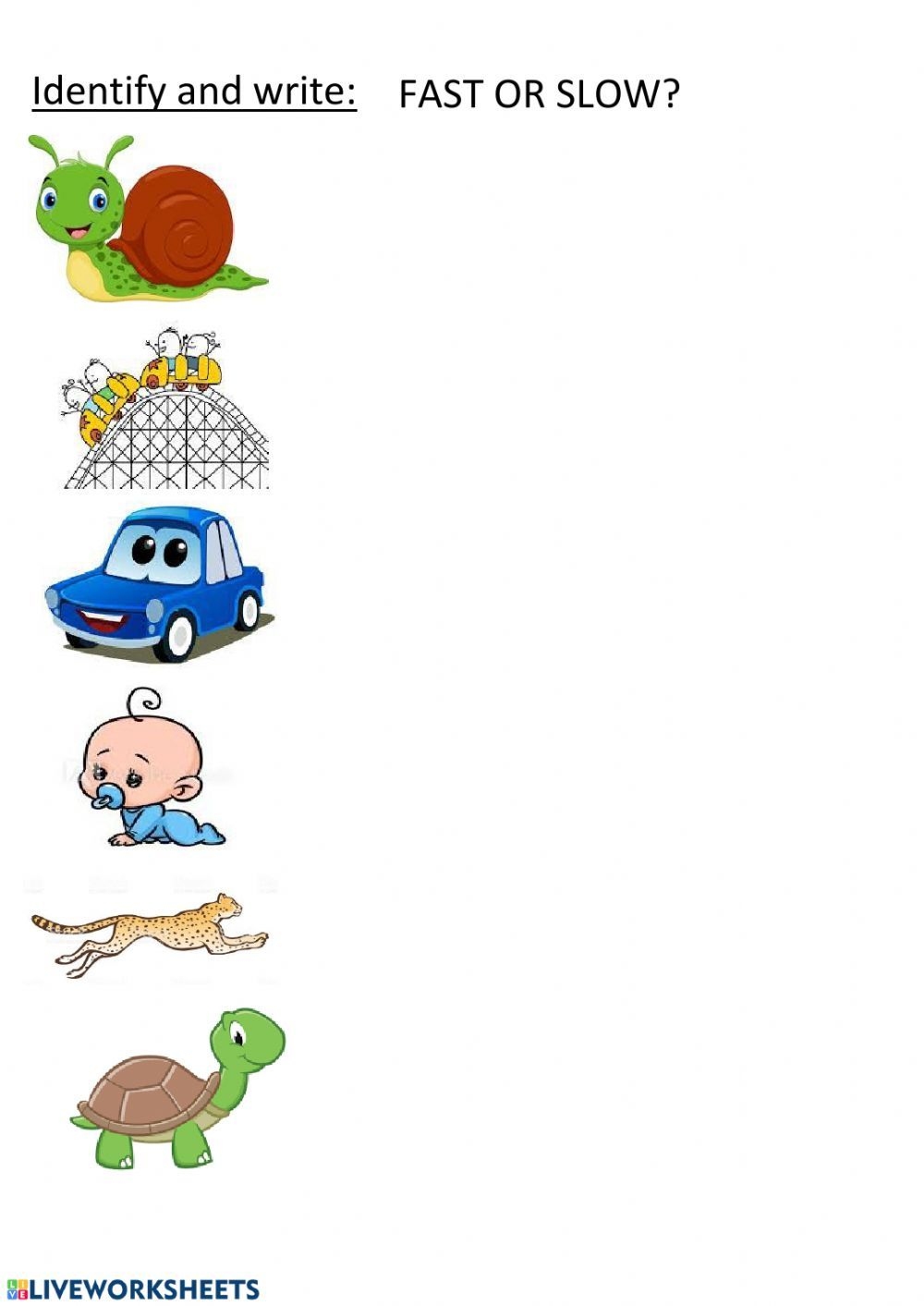
Additional Resources for Learning About Speed
While Fast And Slow Worksheets are a fantastic standalone resource, there are other materials you can use to enhance your child’s understanding of speed:
- Books: Look for picture books that illustrate the concept of speed. Stories featuring animals can be particularly engaging.
- Videos: Educational videos about fast and slow animals or vehicles can provide a dynamic visual experience, reinforcing the concepts learned in the worksheets.
- Outdoor Activities: Incorporate real-life examples. Take your child to a park and have them observe the differences in speed between animals, or create simple races with toys.
Using a variety of resources not only makes learning fun but also helps to cement important concepts in your child’s mind.
Fast And Slow Worksheets For Preschool Gallery