Feelings And Emotions Worksheet Preschool
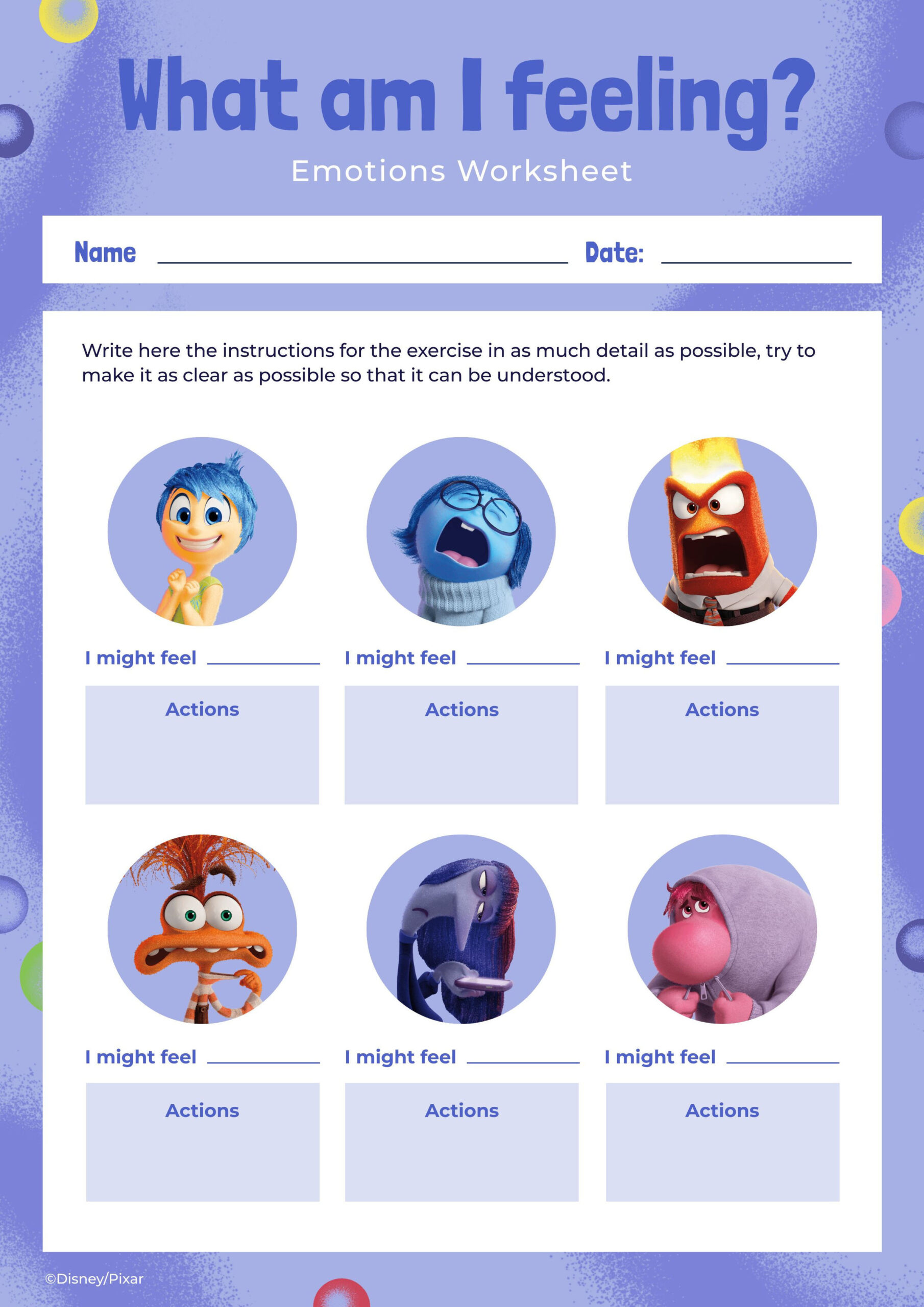
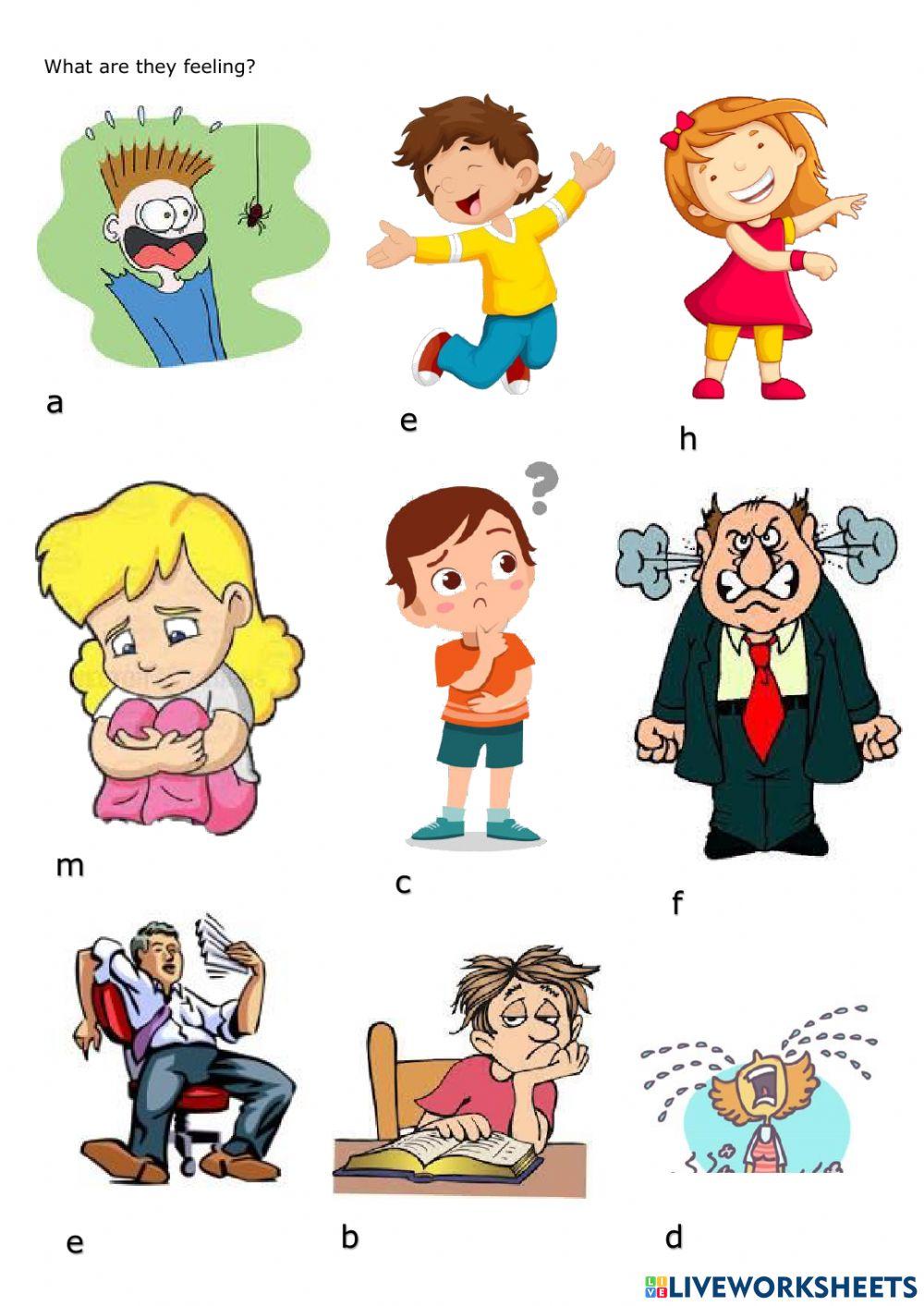
Understanding and expressing feelings is a crucial part of early childhood development. Young children often struggle to articulate their emotions, leading to frustration for both them and their caregivers. This is where a Feelings And Emotions Worksheet Preschool can be a valuable tool. It not only helps children identify and label their feelings but also encourages them to communicate these emotions more effectively. In this article, we’ll explore how to download, print, and effectively use this resource in your home or classroom.
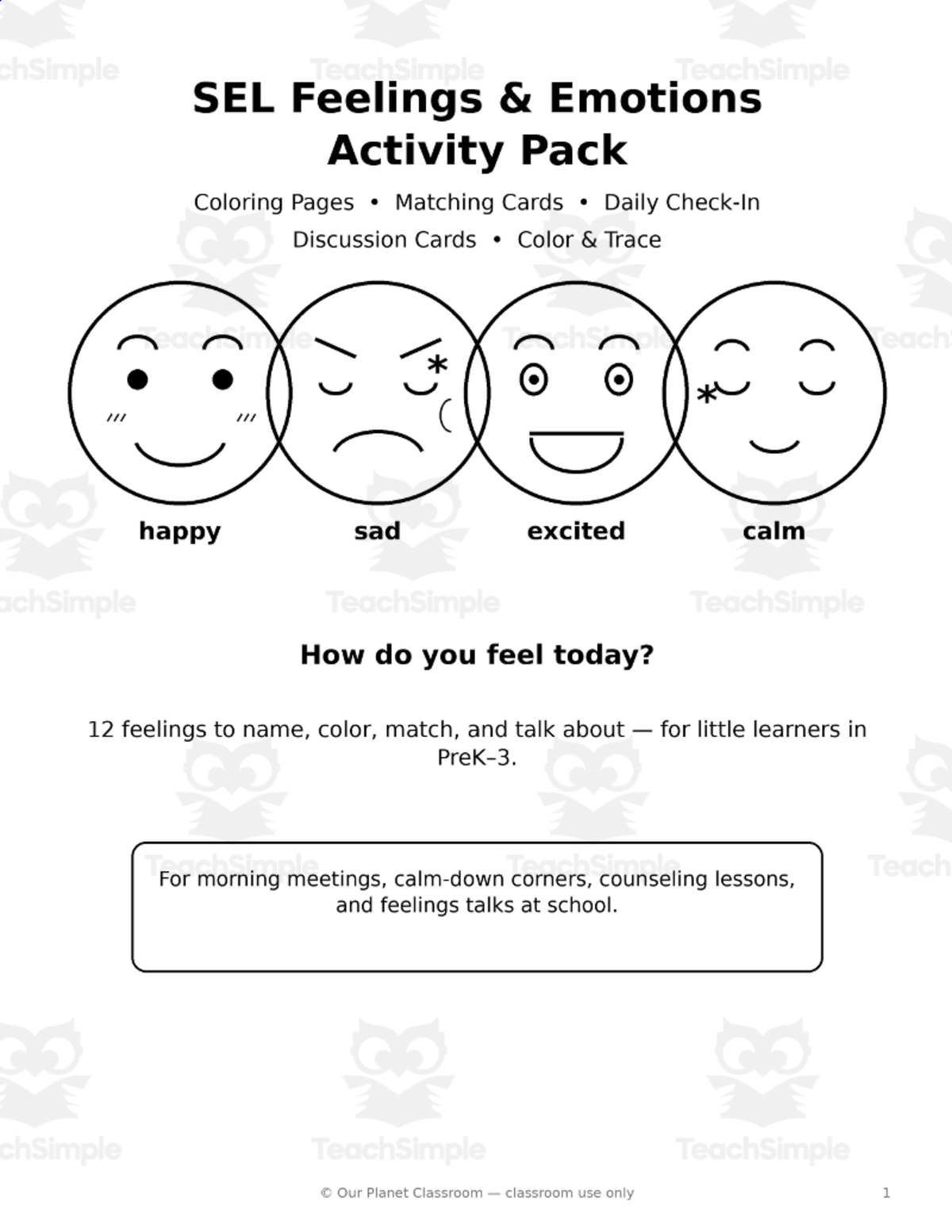
Choosing the Right Feelings And Emotions Worksheet
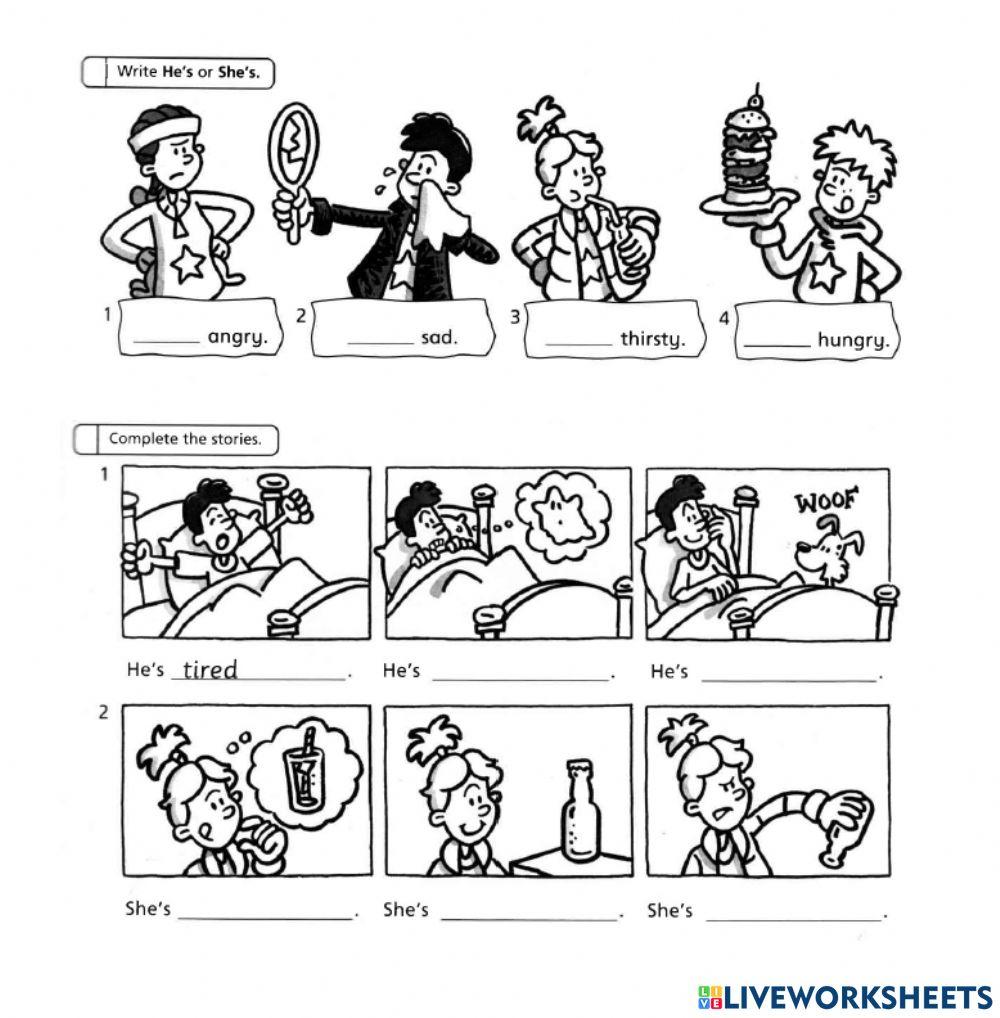
When looking for a Feelings And Emotions Worksheet Preschool, you’ll find various formats and designs available. Consider the following aspects to choose the best one for your needs:
- Age Appropriateness: Ensure the worksheet is suitable for preschoolers. Look for colorful illustrations and simple language.
- Content Variety: Choose worksheets that cover a range of emotions, such as happiness, sadness, anger, and fear. This diversity helps children recognize and express different feelings.
- Engagement Factor: Look for interactive elements, like drawing spaces or emotion matching games, to keep children engaged.
Once you’ve found a worksheet that meets these criteria, you’re ready to move on to the next step.
Downloading and Printing the Worksheet
Downloading your chosen worksheet is straightforward. Here’s how to do it effectively:
- Locate the Download Link: Most printable resources will have a clearly marked download button. Click on it.
- Select the File Format: Often, worksheets are available in PDF format, which is ideal for printing. Make sure to choose this option to avoid any formatting issues.
- Download the File: Save the PDF to a location on your computer where you can easily find it, such as your desktop or a dedicated folder for preschool resources.
- Print Settings: For best results, set your printer to use high-quality settings. If possible, print on cardstock for durability, especially if your child will be using markers or crayons on it.
Setting Up for Use
Before diving into the activities, it’s important to set the stage for a productive experience. Here’s what to consider:
- Create a Calm Space: Find a quiet area with minimal distractions. This helps children focus on the feelings worksheet.
- Gather Supplies: Depending on the worksheet’s activities, you may need colored pencils, crayons, or stickers. Having everything at hand makes the process smoother.
- Introduce the Worksheet: Take a moment to explain what the worksheet is about. Use simple language and relate it to their daily experiences. For instance, you might say, “This worksheet will help us think about how we feel when we’re happy or sad.”
Filling in the Worksheet Together
Working through the Feelings And Emotions Worksheet Preschool is an interactive process. Here’s how to guide your child effectively:
- Start with Emotions: Begin by discussing the different emotions presented on the worksheet. Ask your child to point out which ones they recognize.
- Personal Connection: Encourage your child to share times they felt each emotion. For example, “Can you remember a time when you felt really happy? What made you feel that way?”
- Drawing and Coloring: If the worksheet includes spaces for drawing, prompt your child to illustrate their feelings. This not only reinforces their understanding but also allows them to express themselves creatively.
- Use Emotion Cards: If available, use emotion cards alongside the worksheet. This can help children match their drawings or responses to specific emotions, enhancing their learning experience.
Incorporating the Worksheet Into Daily Routines
To maximize the benefits of the Feelings And Emotions Worksheet Preschool, integrate it into your daily routine. Here are some practical ideas:
- Daily Check-Ins: Use the worksheet as part of a morning or bedtime routine. Ask your child to color or draw their current feelings and discuss them.
- Story Time Connection: Read books that explore emotions and relate them back to the worksheet. This reinforces the learning and shows how emotions are expressed in stories.
- Emotion of the Week: Choose a specific emotion each week to focus on. Encourage your child to express this emotion through art, play, or conversation, supplementing with activities from the worksheet.
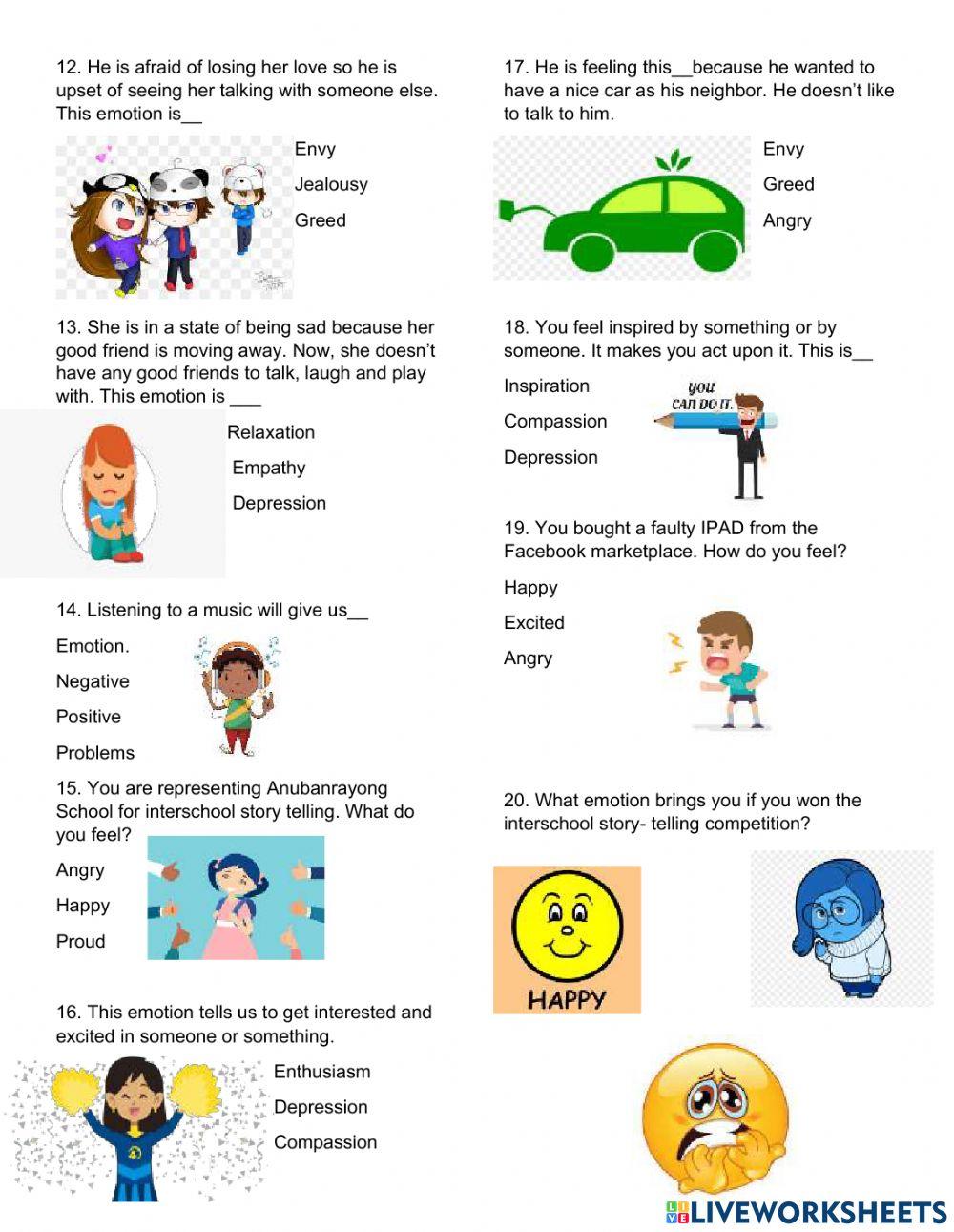
Evaluating Emotional Growth
As you continue to use the Feelings And Emotions Worksheet Preschool, take time to reflect on your child’s emotional development. Here’s how to assess progress:
- Observe Changes: Notice if your child is more expressive about their feelings. Are they using the vocabulary they learned from the worksheet?
- Encourage Conversations: Regularly talk about emotions and validate your child’s feelings. This can lead to deeper discussions and a better understanding of emotional health.
- Adjust Activities: If certain emotions seem challenging for your child to grasp, consider revisiting those sections of the worksheet. Use different activities to reinforce learning, such as role-playing or using puppets.
Using a Feelings And Emotions Worksheet Preschool is an excellent way to support your child’s emotional intelligence. By following these steps, you can create an effective learning experience that helps them articulate their feelings clearly. Remember, the goal isn’t just to fill out the worksheet but to foster a deeper understanding of emotions in a fun and engaging way.
So, grab your chosen worksheet and set aside some time to explore feelings together. You’ll be amazed at how this simple tool can enhance emotional awareness in your preschooler!
Feelings And Emotions Worksheet Preschool Gallery