Feelings And Emotions Worksheets For Preschoolers
Understanding feelings and emotions is a crucial part of early childhood development. Feelings And Emotions Worksheets For Preschoolers provide an excellent way to help young children identify, express, and manage their emotions. These resources are designed to be interactive and engaging, making learning about feelings a fun and impactful experience.
Why Use Feelings And Emotions Worksheets?
Using worksheets specifically tailored for preschoolers allows children to explore complex emotional concepts in a simple and relatable way. These worksheets can help facilitate discussions about emotions, making it easier for kids to articulate their feelings. By incorporating these resources into daily routines, you can support your child’s emotional intelligence from an early age.
Types of Feelings And Emotions Worksheets
When looking for worksheets, you’ll find various types that cater to different needs. Here’s a breakdown of some popular formats:
- Emotion Identification Worksheets: These typically feature images of faces displaying different emotions. Children can learn to recognize and label feelings such as happiness, sadness, anger, and fear.
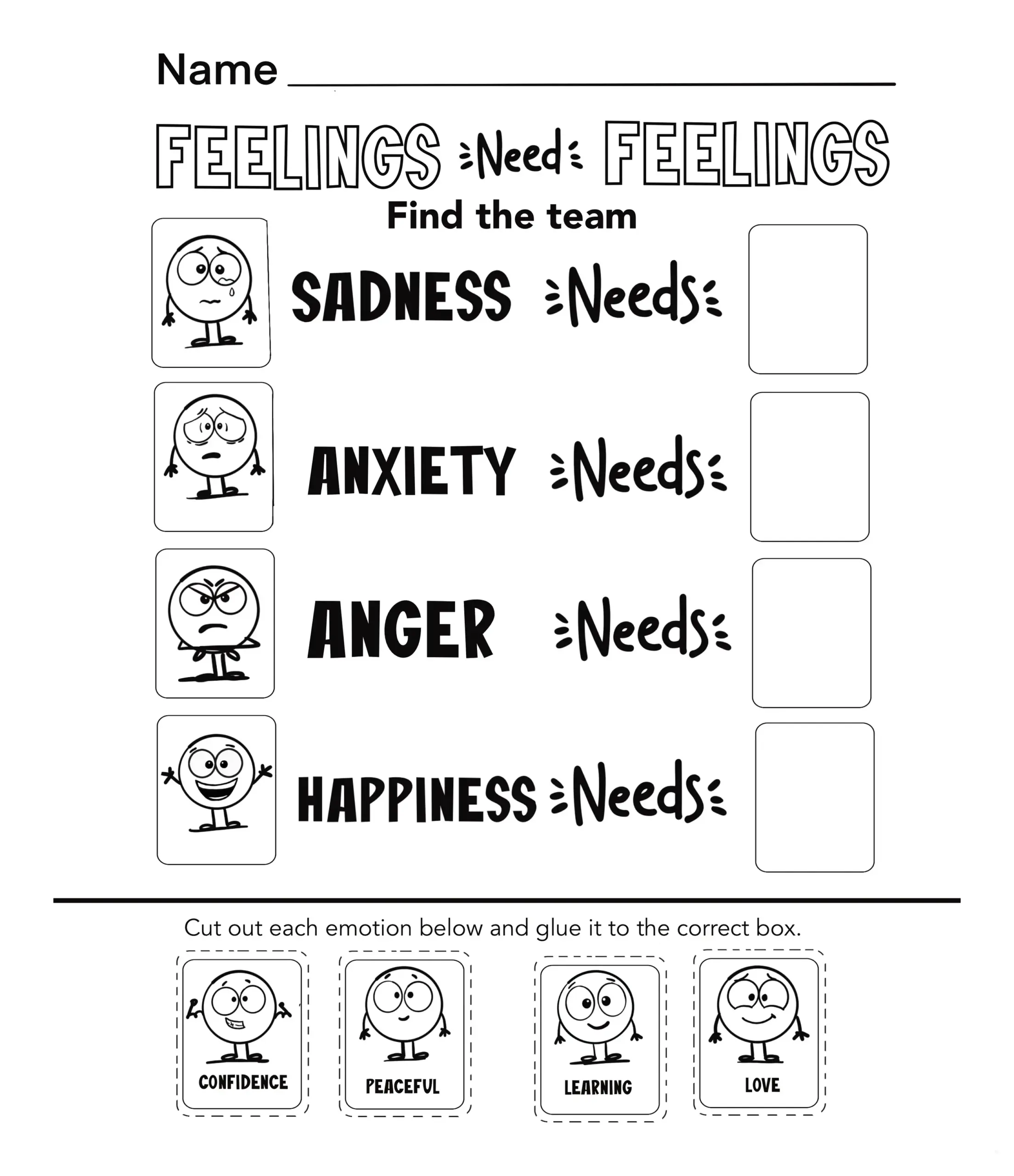
- Emotion Matching Worksheets: These worksheets often require children to match facial expressions with corresponding words or scenarios, reinforcing their understanding of emotions.
- Scenario-Based Worksheets: These worksheets present children with simple scenarios and ask them to identify how a character might feel in that situation. This encourages empathetic thinking.
- Coloring Pages: Incorporating fun and creativity, coloring pages featuring various emotions can help children connect feelings with colors, making the concept more tangible.
How to Use Feelings And Emotions Worksheets
Once you’ve downloaded and printed your chosen worksheets, here are some practical tips on how to use them effectively:
- Set the Scene: Create a calm environment free from distractions. This will help children focus on the worksheets and engage with the material.
- Encourage Discussion: As children work through the worksheets, encourage them to talk about their feelings. Ask open-ended questions like, “Can you tell me about a time you felt happy?” This fosters dialogue and enhances understanding.
- Incorporate Real-Life Examples: Relate the emotions on the worksheets to real-life situations. For instance, if a worksheet features a sad face, discuss a time when they felt sad and how they handled it.
- Follow Up: After completing the worksheets, revisit the emotions discussed. This helps reinforce learning and encourages children to express their feelings in everyday situations.
Where to Find Printable Resources
There are numerous online platforms where you can find Feelings And Emotions Worksheets For Preschoolers. Look for websites that offer free or affordable printable resources. Ensure the resources are designed for preschoolers, focusing on simplicity and clarity. Here are a few suggestions:
- Educational Websites: Many educational sites offer free downloads. Look for sections dedicated to emotional intelligence or social-emotional learning.
- Pinterest: This platform is a treasure trove for printable resources. Search for feelings worksheets specifically for preschoolers, and you’ll find a variety of creative options.
- Teacher Resource Websites: Sites that cater to teachers often provide high-quality materials suitable for home use as well. Check for user reviews to ensure the worksheets are effective.
Tips for Maximizing the Benefits of Worksheets
To get the most out of your Feelings And Emotions Worksheets For Preschoolers, consider these practical strategies:
- Use Consistently: Make using these worksheets a regular activity. Frequent engagement will reinforce the concepts and make them more familiar.
- Pair with Books: Combine worksheet activities with children’s books that address emotions. This can deepen understanding and provide context for the feelings discussed.
- Monitor Progress: Keep track of how well your child is grasping the concepts. You can do this by revisiting previous worksheets and discussing any changes in their understanding or expression of emotions.
- Make it Fun: Incorporate games or role-playing based on the emotions discussed in the worksheets. This will make learning about feelings enjoyable and memorable.
Common Mistakes to Avoid
While using Feelings And Emotions Worksheets For Preschoolers, there are some common pitfalls to watch out for:
- Overloading with Information: Avoid overwhelming your child with too many emotions at once. Focus on a few key feelings to start with, and gradually introduce more as they become comfortable.
- Neglecting Follow-Up: Don’t just complete the worksheets and move on. Follow up with discussions about what they learned and how they can apply it in real life.
- Forgetting Individual Differences: Every child is unique. Pay attention to your child’s responses and adapt your approach based on their comfort level with discussing emotions.
By integrating these worksheets into your routine, you can help your preschooler develop essential emotional skills. Start today by downloading a few engaging Feelings And Emotions Worksheets For Preschoolers, and watch as your child learns to express and understand their emotions more effectively.