Few And Many Worksheets For Preschoolers
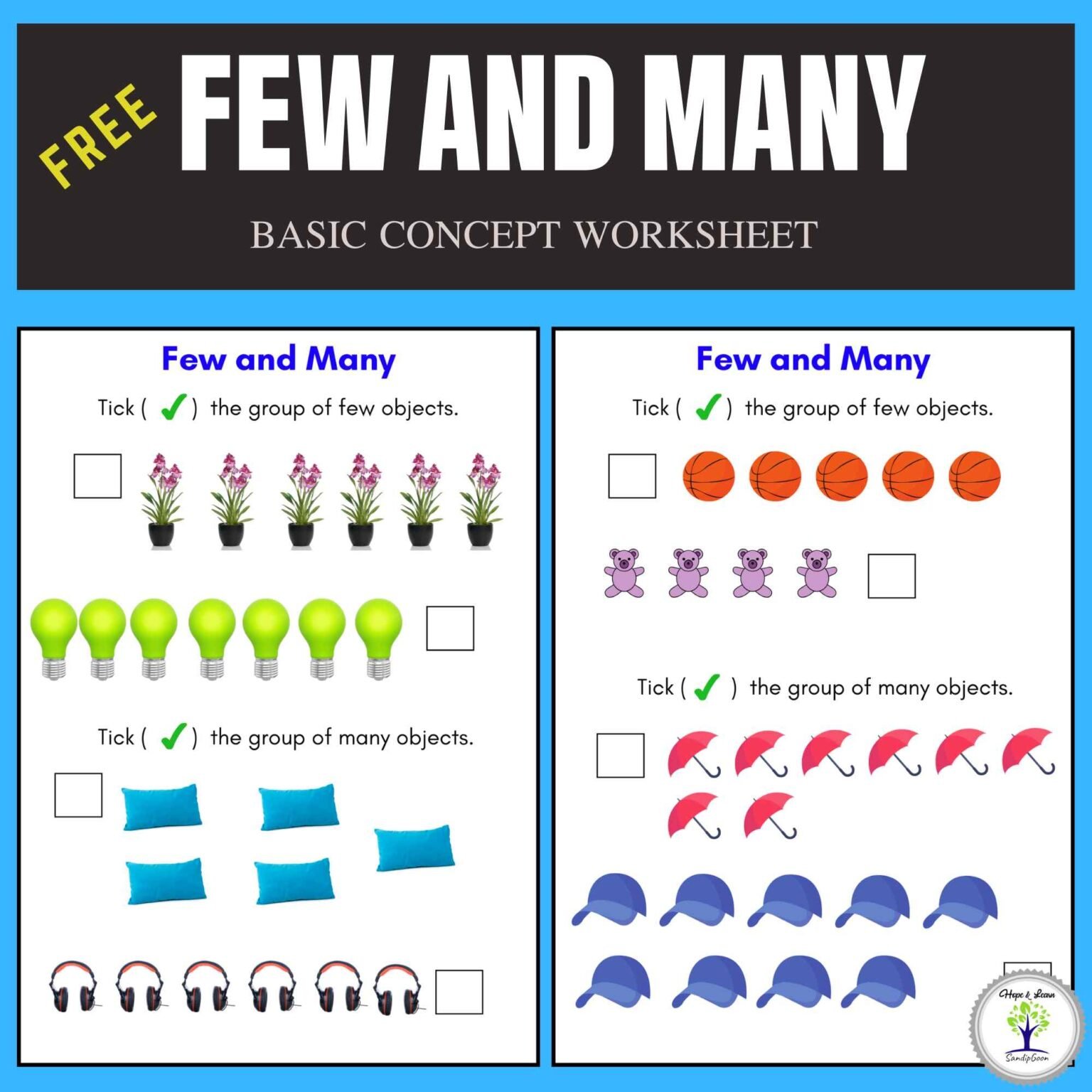
When it comes to teaching preschoolers about numbers, understanding the concepts of “few” and “many” is fundamental. Few And Many Worksheets For Preschoolers are designed to help young learners grasp the basics of quantity in a fun, engaging way. These worksheets are typically available in PDF format, making them easy to print out at home or school.
Importance of “Few” and “Many” in Early Learning
Understanding the difference between “few” and “many” helps children develop critical thinking and comparison skills. These foundational concepts in early math education encourage kids to categorize and analyze information. As you work through these worksheets with your child, you’ll notice how they begin to relate these terms to real-life situations, such as counting toys or snacks.
Overview of Few And Many Worksheets
Few And Many Worksheets For Preschoolers often come with various activities that make learning interactive. Here are some common features you may find:
- Visual Aids: Many worksheets include pictures of objects (like fruits, animals, or toys) to visually demonstrate the concepts of few and many.
- Fill-in-the-Blank Sections: Children fill in the blanks with the correct terms or numbers, reinforcing their understanding.
- Coloring Activities: Some worksheets may include coloring sections that ask children to color “few” objects a specific color and “many” objects another, integrating art with learning.
- Counting Exercises: Worksheets often have sections where children count objects and determine whether there are few or many, helping them practice their counting skills.
How to Use Few And Many Worksheets Effectively
To maximize the benefits of Few And Many Worksheets For Preschoolers, consider the following tips:
- Preparation: Before starting, gather materials like crayons, markers, or stickers. Having these at hand makes the learning process more engaging.
- Set a Routine: Designate a specific time each day for your child to work on these worksheets. Consistency helps reinforce the concepts.
- Encourage Discussion: As your child works through the worksheets, ask questions about the objects they see. For example, “How many apples are there?” or “Do you think there are few or many stars in this picture?” This encourages verbal expression alongside the written work.
- Incorporate Real-Life Examples: Use everyday situations to reinforce the concepts. For instance, during snack time, you might say, “You have a few crackers, but there are many grapes.”
Exploring Different Types of Worksheets
There are various types of Few And Many Worksheets For Preschoolers available, each catering to different learning styles. Here’s a breakdown of some common formats:
Coloring Worksheets
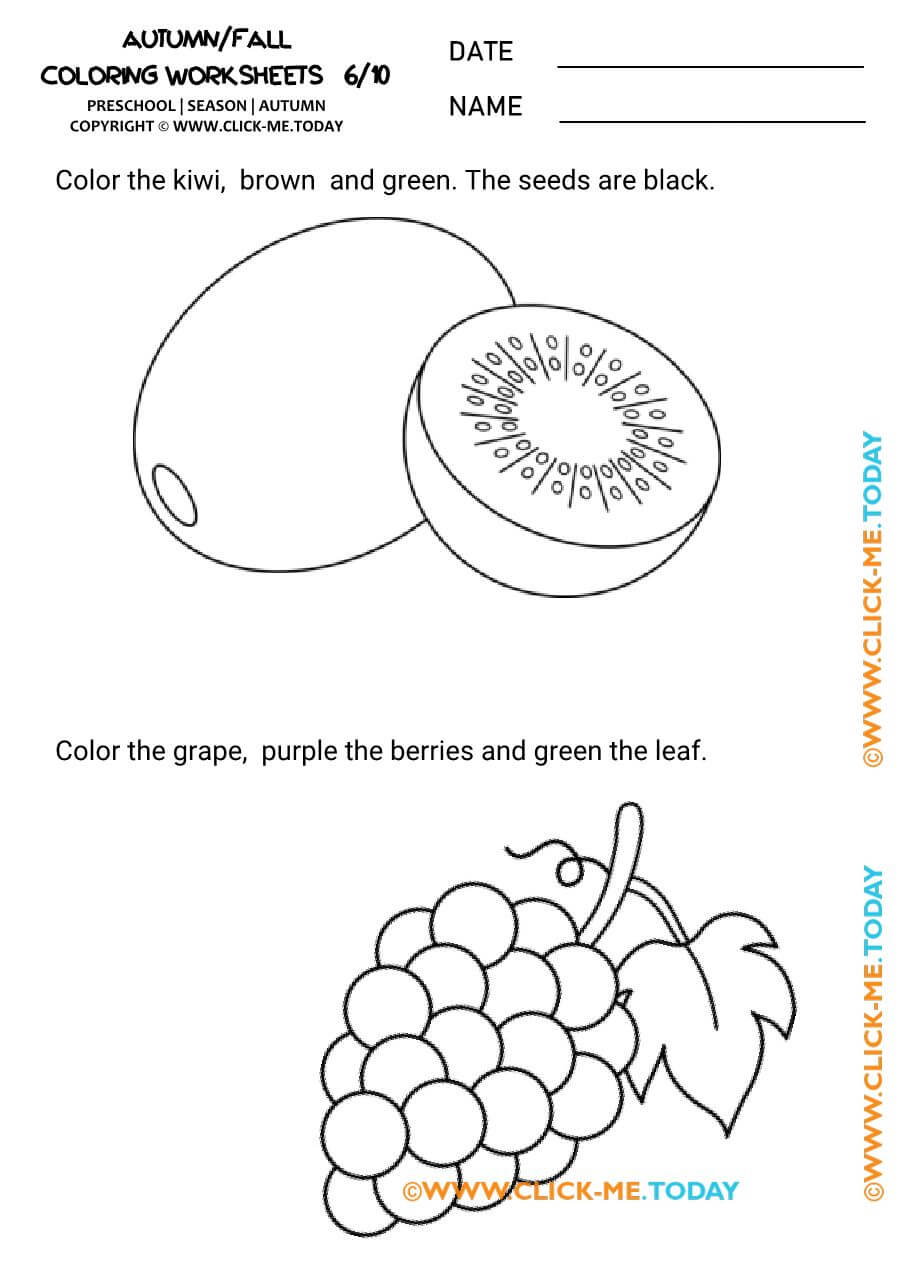
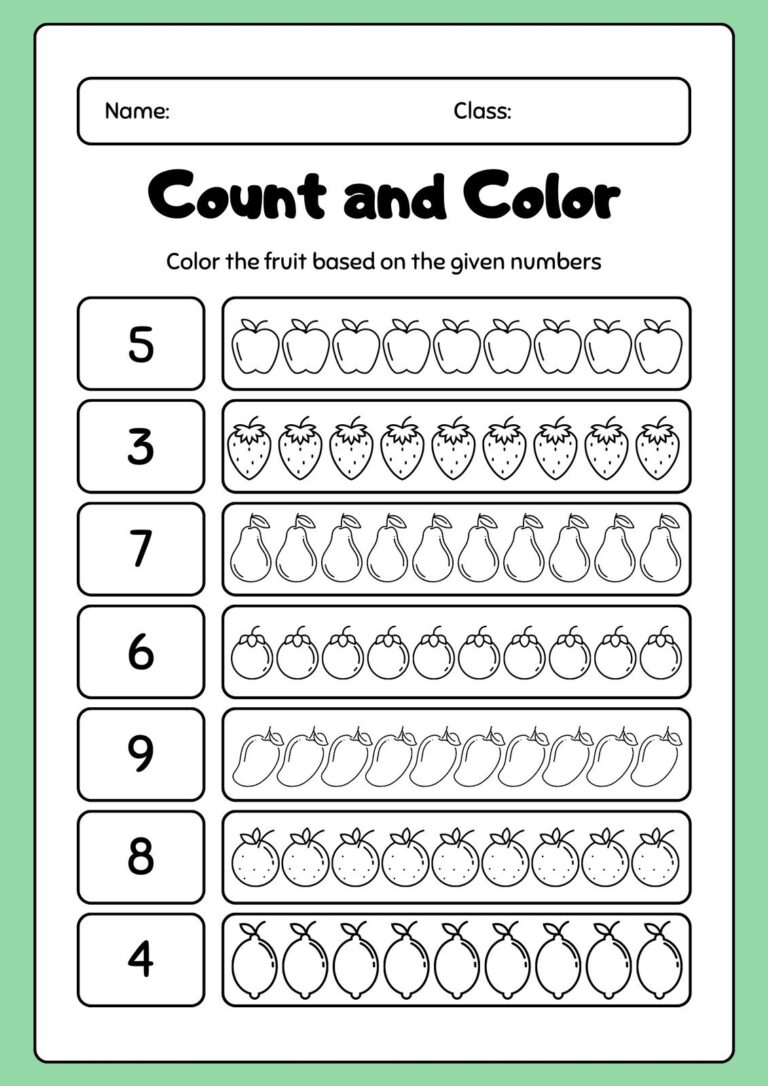
Coloring worksheets allow children to color objects based on whether they are few or many. For example, a worksheet might depict three apples and ten oranges, asking kids to color the few apples one color and the many oranges another. This not only reinforces learning through color but also helps develop fine motor skills.
Counting Worksheets
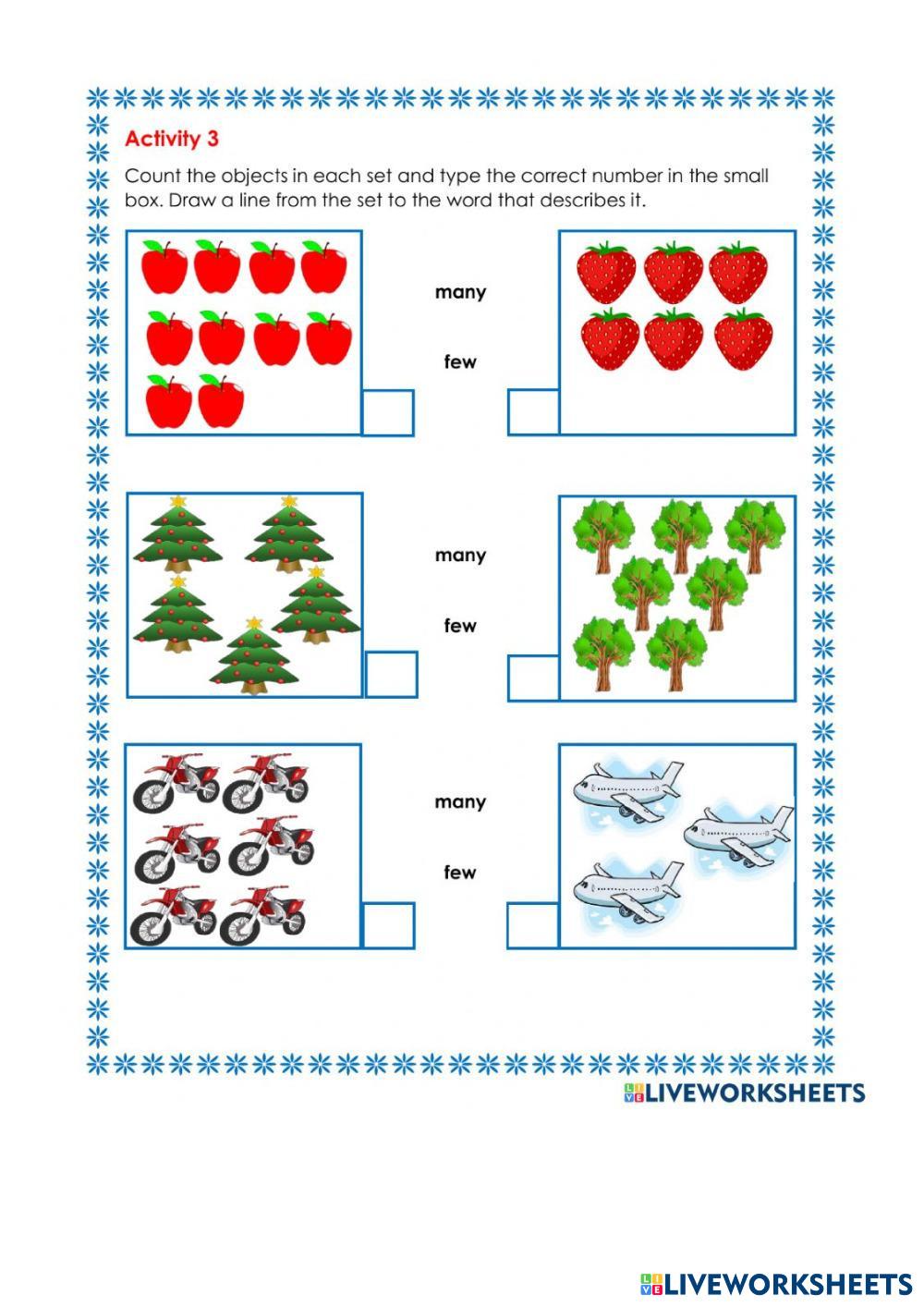
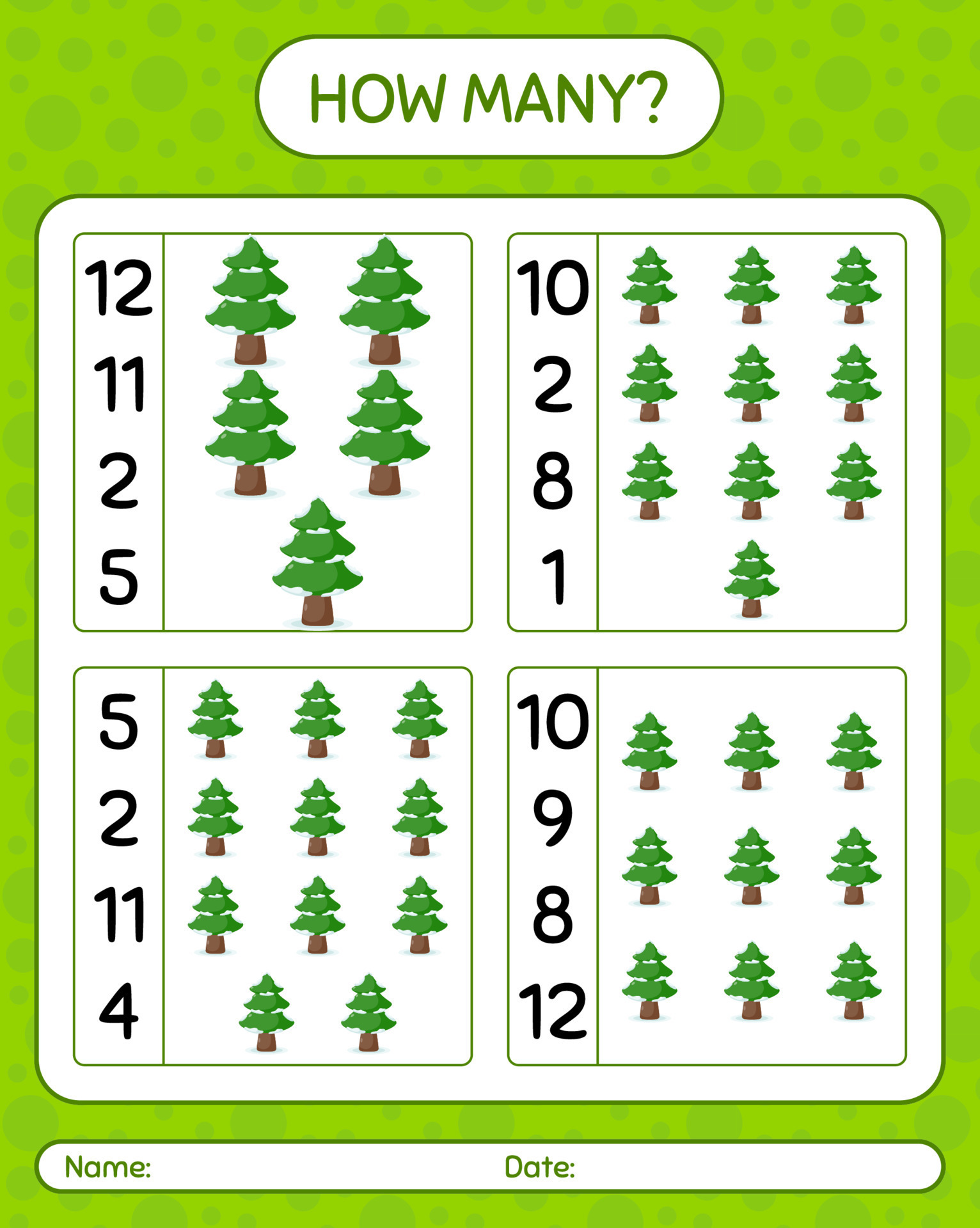
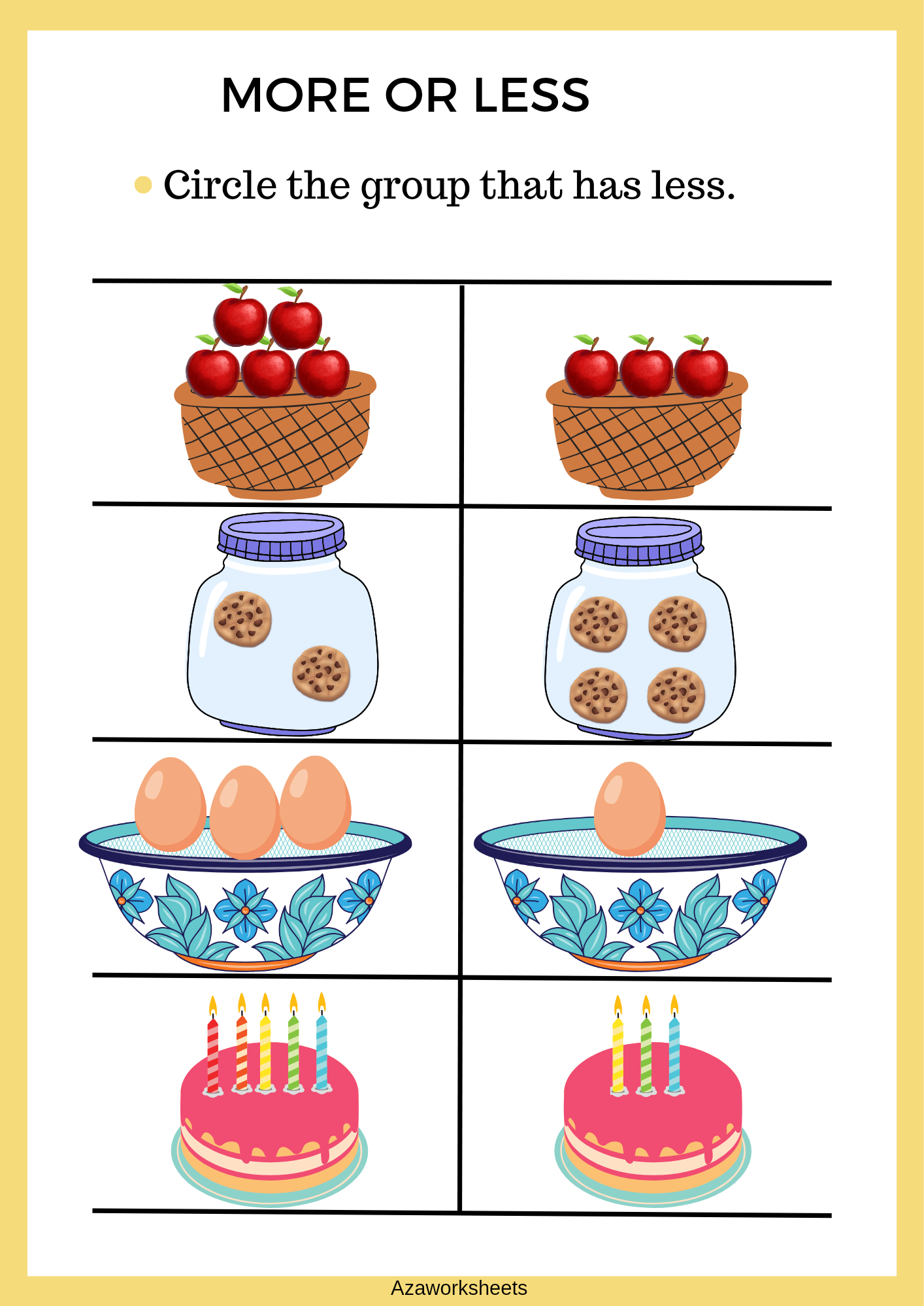
Counting worksheets often feature images of items that children must count. After counting, they decide if the number is few or many. These worksheets might include simple tasks, such as circling the group that has “few” items versus the group with “many” items, honing their observational skills.
Matching Worksheets
Matching worksheets can ask children to draw lines connecting the word “few” to a picture of a small group and “many” to a larger group. This visual matching reinforces their understanding through association, solidifying what they’ve learned in a playful manner.
Choosing the Right Format
When selecting Few And Many Worksheets For Preschoolers, consider the following formats that might work best for your child:
- Portrait vs. Landscape Orientation: Most home printers handle portrait orientation well, which is common for worksheets. However, landscape layouts can work better for more extensive illustrations and might be more engaging for children.
- Black and White vs. Color: Black and white worksheets are usually more printer-friendly, especially if you want to save on ink. However, color worksheets can be more visually stimulating, appealing to young learners.
- Single vs. Multi-Page Worksheets: Depending on your child’s attention span, you may prefer single-page worksheets that provide a focused activity. Multi-page worksheets can be useful for longer sessions or for creating a comprehensive lesson plan.
Tracking Progress With Worksheets
As you use the Few And Many Worksheets For Preschoolers, tracking your child’s progress can be incredibly beneficial. Here are some strategies to consider:
- Create a Learning Journal: Keep a folder or binder where you store completed worksheets. This allows you to review the work over time and see your child’s development.
- Set Goals: Establish specific goals for each session, such as completing a certain number of worksheets or mastering specific terms. Celebrate their achievements to motivate them further.
- Review Regularly: Go back to previous worksheets periodically. Ask your child to explain what they learned, reinforcing their understanding and helping to identify areas where they may need more practice.
Few And Many Worksheets For Preschoolers Gallery