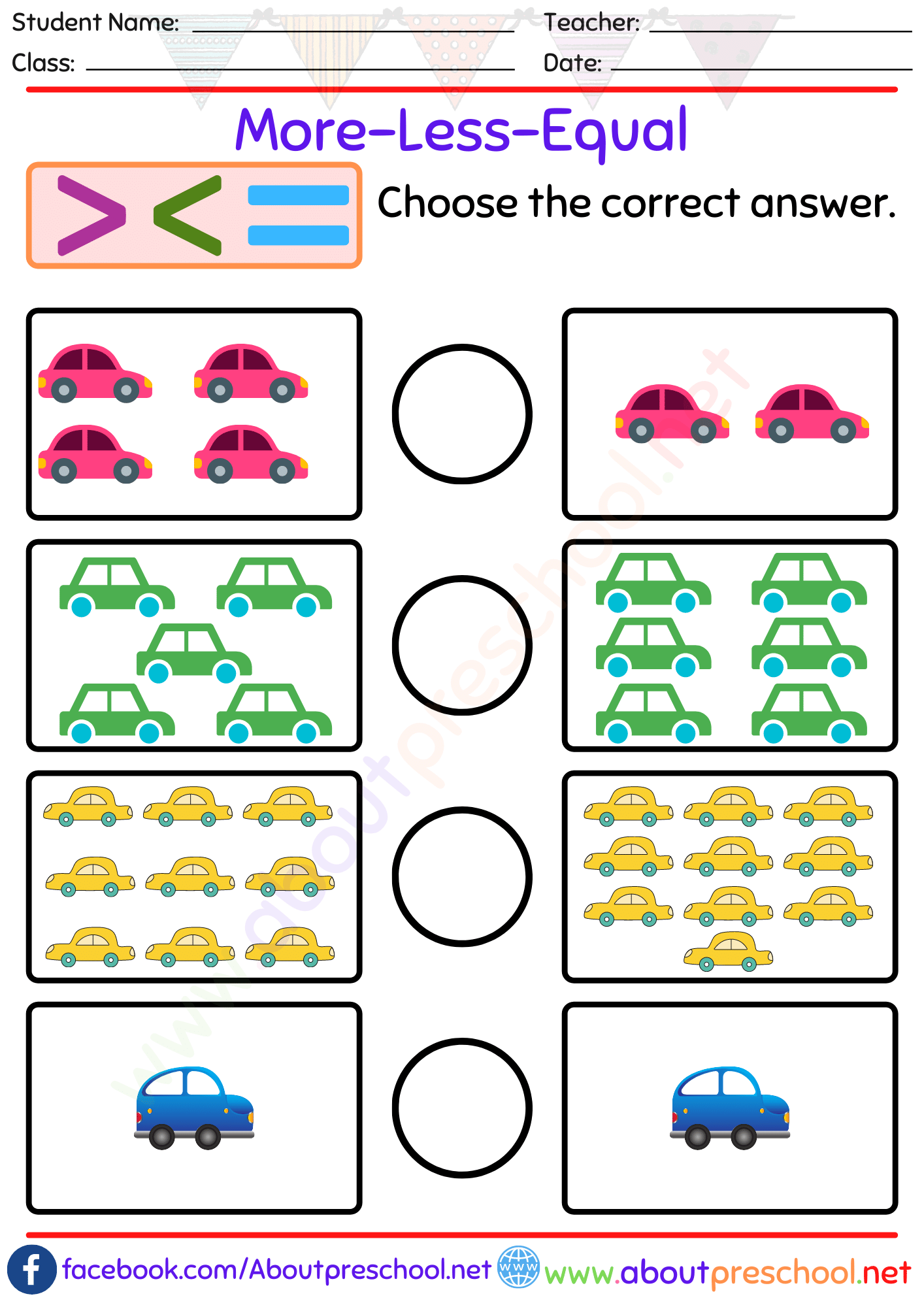
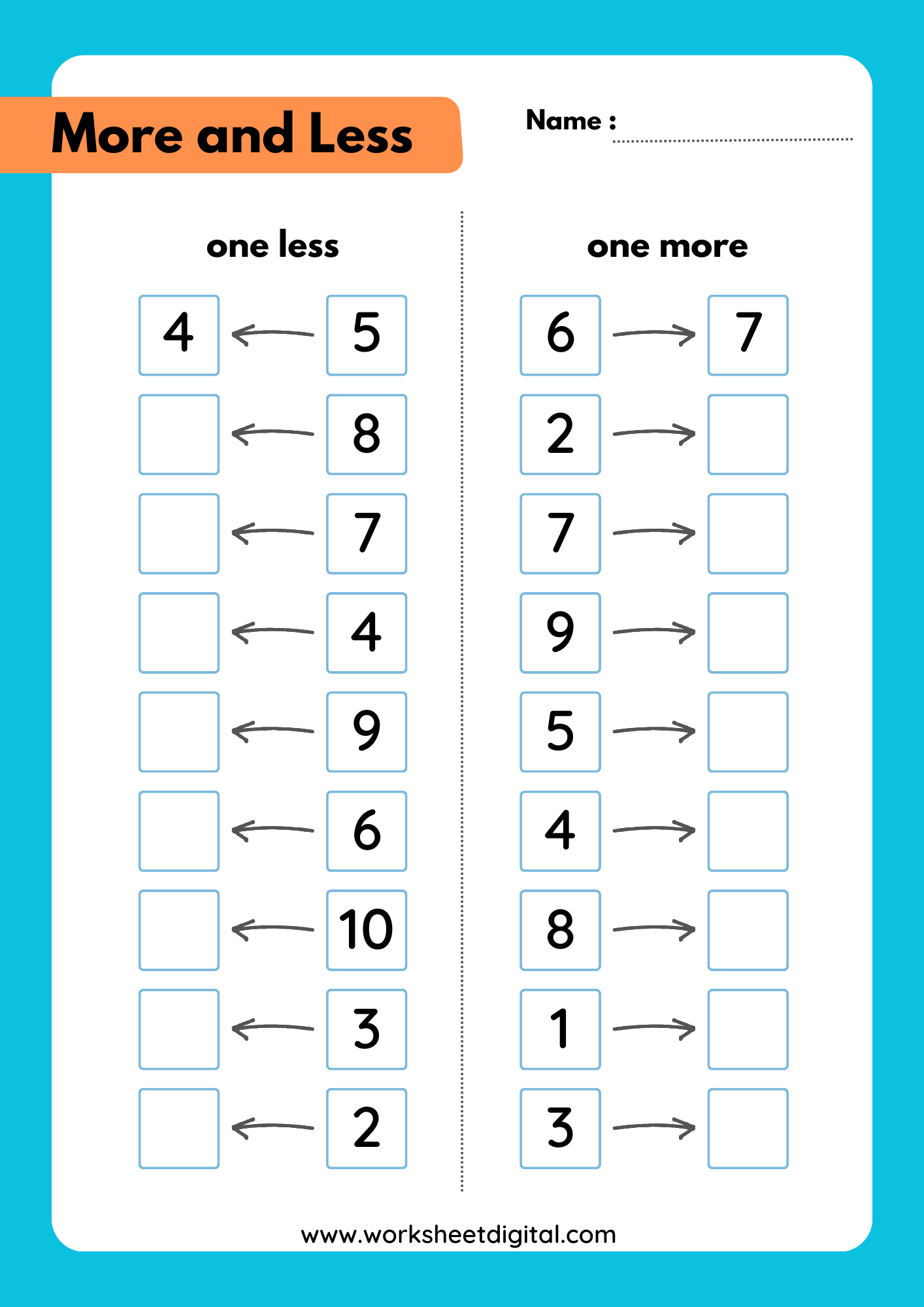
Fewer And More And Equal Preschool Worksheets
Understanding concepts like “fewer,” “more,” and “equal” is crucial for preschoolers as they build foundational math skills. Fewer And More And Equal Preschool Worksheets serve as engaging tools for parents and educators to help children grasp these ideas effectively. In this article, we will explore the different types of worksheets available, how they can be utilized, and best practices for implementation—whether you choose to print them or fill them out digitally.
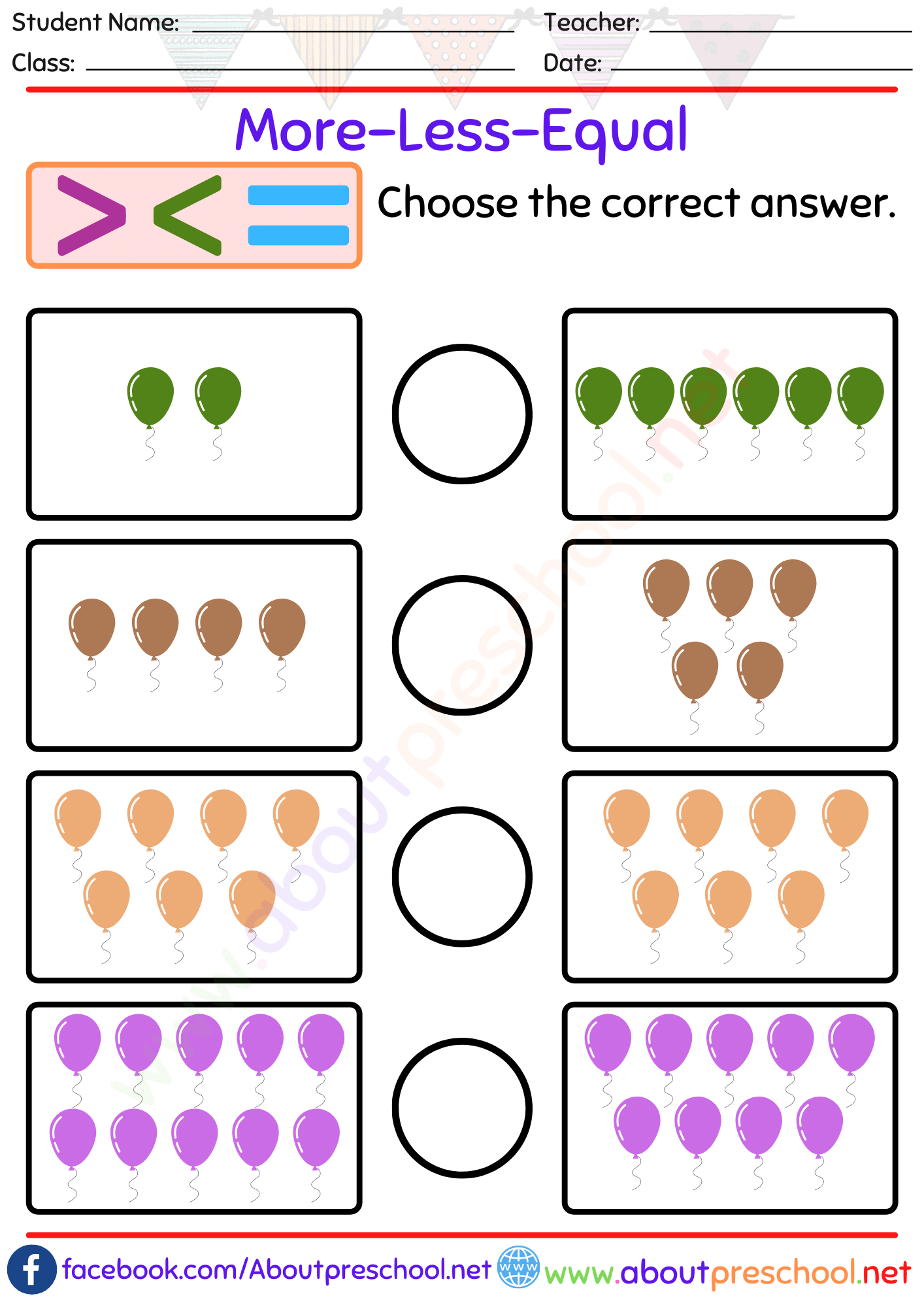
Types of Worksheets Available
When looking for Fewer And More And Equal Preschool Worksheets, you’ll find a variety of formats designed to suit different learning styles. Here are some common types:
- Matching Games: These worksheets require children to draw lines connecting images that represent ‘more,’ ‘fewer,’ or ‘equal’ quantities.
- Coloring Pages: Combining fun with learning, these pages often have illustrations depicting groups of items that children can color while identifying quantities.
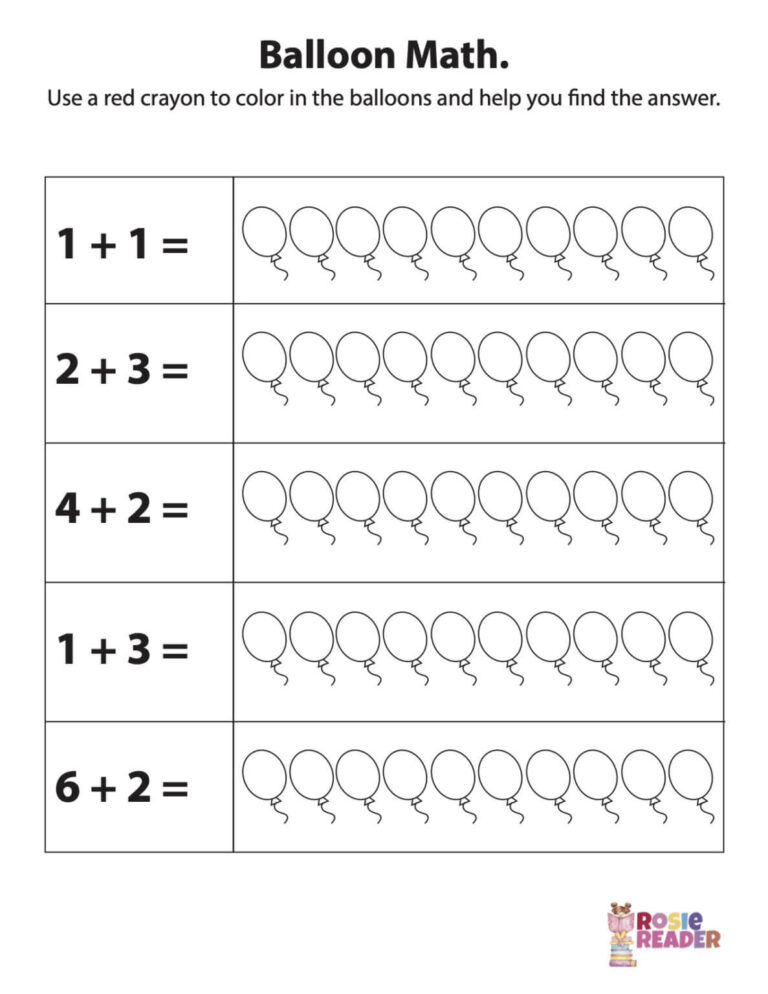
- Fill-in-the-Blank: Worksheets that prompt children to write numbers or words in response to questions about quantity comparisons.
- Cut and Paste Activities: These worksheets allow kids to physically manipulate objects, enhancing their understanding through tactile learning.
Choosing the right type of worksheet can depend on your child’s preferences and the specific learning objectives you have in mind.
How to Use the Worksheets Effectively
To maximize the benefits of Fewer And More And Equal Preschool Worksheets, you should consider the following strategies:
- Interactive Learning: Encourage your child to talk through their thought process as they complete the worksheets. This verbalization reinforces their learning.
- Routine Integration: Incorporate these worksheets into daily activities. For instance, use them during snack time to compare the number of apple slices to carrot sticks.
- Digital vs. Print: Decide whether to use a fillable PDF or print the worksheets. Digital formats are great for instant access and can be reused, while printed versions are excellent for hands-on activities.
Choosing Between Digital and Print
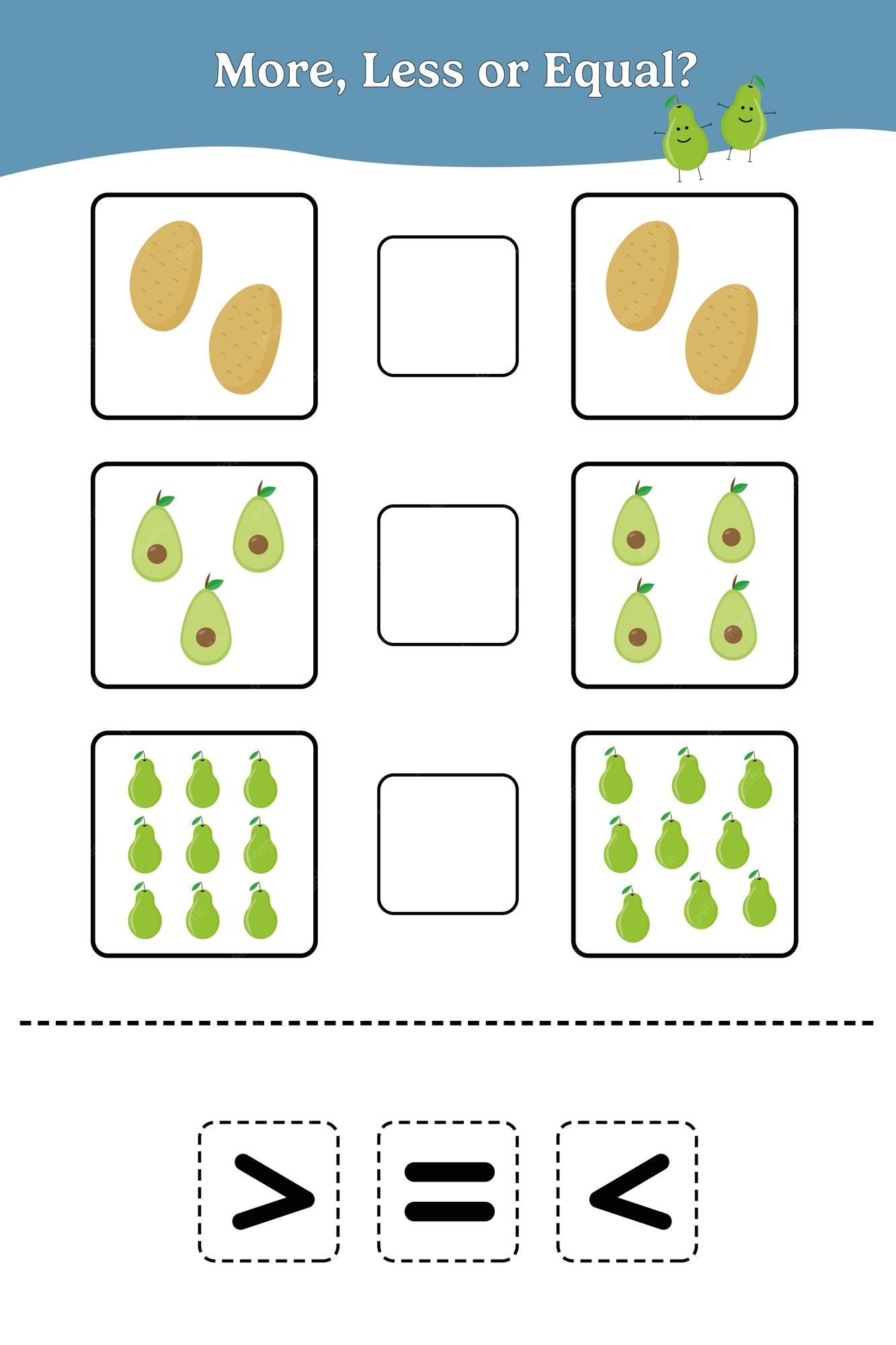
Digital worksheets can be convenient for quick access and easy adjustments. You can fill them out on a tablet or computer, making it easy for kids to erase and try again without wasting paper. However, printing worksheets can provide a more tactile experience, which some children may prefer. It’s also easier to laminate printed sheets for repeated use, especially if your child enjoys coloring.
Consider your child’s learning style and preferences when deciding on the format that will work best for them.
Key Concepts to Teach
When using Fewer And More And Equal Preschool Worksheets, it’s essential to focus on the underlying concepts. Here are some critical points to cover:
- Fewer: Teach children to recognize when a group has a smaller quantity compared to another. Use real-life examples, such as comparing toys or snacks.
- More: Help them identify when one group has a larger number than another. Activities can include counting objects and comparing their totals.
- Equal: Explain the concept of equality by showing them two groups that have the same number of items. This can involve drawing or using physical objects to visualize the concept.
Reinforcing these concepts through various activities helps solidify understanding and makes learning more enjoyable.
Incorporating Worksheets Into Learning Routines
Integrating Fewer And More And Equal Preschool Worksheets into your child’s regular learning routine can enhance their educational experiences. Here’s how you can do it:
- Daily Math Time: Dedicate a specific time each day for your child to work on these worksheets. Consistency helps reinforce learning.
- Group Activities: Encourage family members or friends to join in. Comparing answers and discussing results fosters a collaborative learning environment.
- Feedback and Praise: Provide constructive feedback and celebrate achievements, no matter how small. Positive reinforcement encourages your child to take an interest in learning.
Adapting Worksheets for Different Skill Levels
Not all children learn at the same pace, so it’s important to adapt Fewer And More And Equal Preschool Worksheets to meet individual needs:
- For Beginners: Start with simple worksheets that focus on basic concepts of fewer and more using visual aids like pictures.
- Intermediate Learners: Introduce more complex comparisons and include number lines or counting exercises.
- Advanced Learners: Challenge them with word problems that require them to think critically about quantity relationships.
By tailoring the worksheets to your child’s skill level, you can ensure that they remain engaged and motivated.
Practical Tips for Printing and Usage
When you decide to print Fewer And More And Equal Preschool Worksheets, here are some useful tips:
- Paper Quality: Use cardstock for worksheets that will be colored or handled frequently. It holds up better than regular printer paper.
- Printer Settings: Adjust the printer settings for the best quality. For example, use the “best” quality setting for clear, vibrant prints.
- Storage: Once printed, store worksheets in a binder or folder. This keeps them organized and easily accessible for future use.
Utilizing these practical tips can enhance the overall experience for both you and your child.
Next Steps for Engaging Learning
Now that you have a thorough understanding of Fewer And More And Equal Preschool Worksheets, it’s time to take action! Download various worksheets that pique your child’s interest, whether they prefer coloring, matching, or fill-in-the-blank activities. Set aside time for hands-on learning, and don’t hesitate to get creative with how you incorporate these worksheets into your daily routine. Engaging with these resources will not only help your child understand mathematical concepts but will also make learning a fun and collaborative experience.
Fewer And More And Equal Preschool Worksheets Gallery