Fill In The Letters Worksheets Preschool
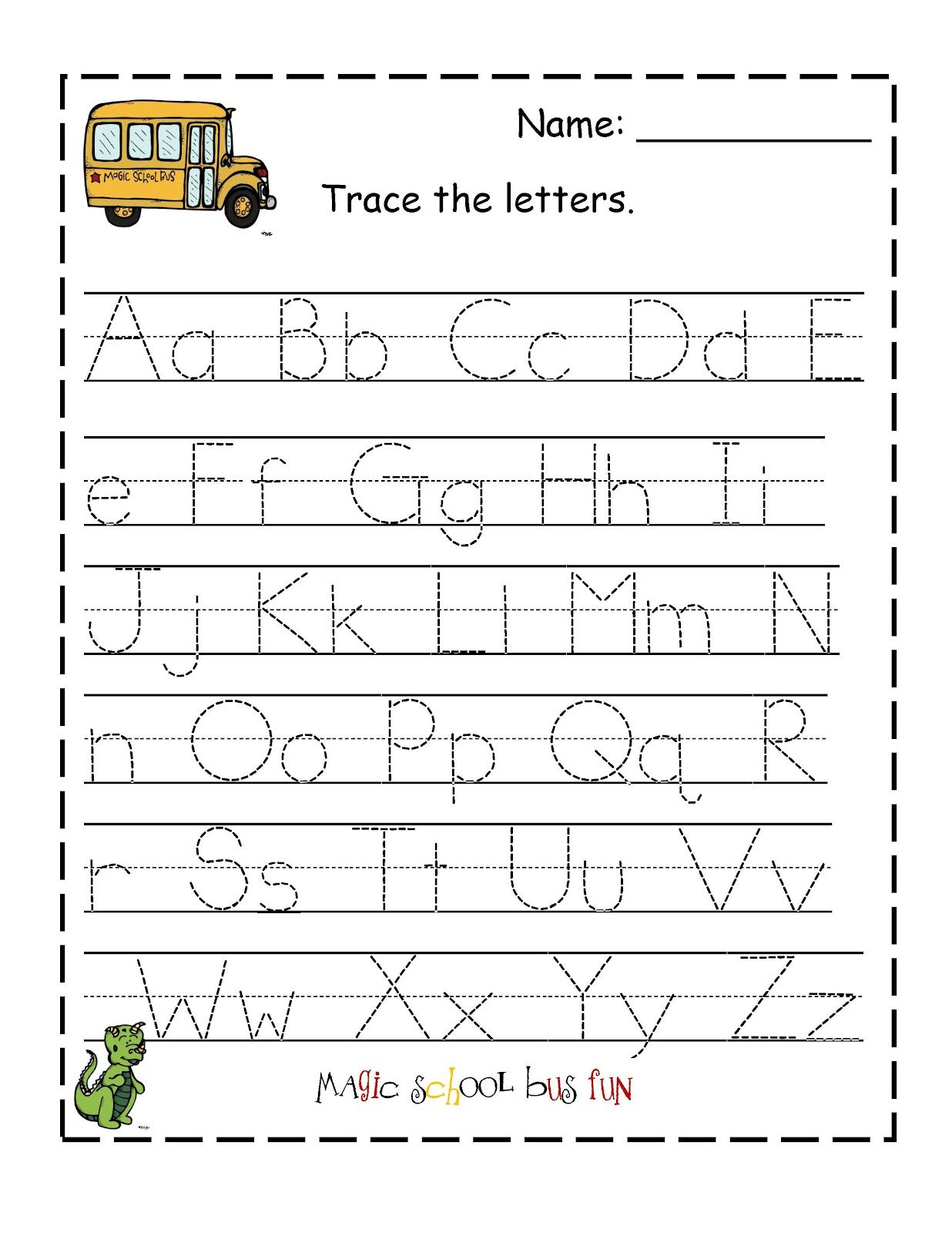
One of the most effective ways to help preschoolers grasp the fundamentals of reading and writing is through Fill In The Letters Worksheets Preschool. These worksheets are designed to engage young learners while providing the essential practice they need to become confident in their writing abilities. With colorful designs and simple instructions, these resources can easily become a part of your daily learning routine at home or in a classroom setting.
What Are Fill In The Letters Worksheets?
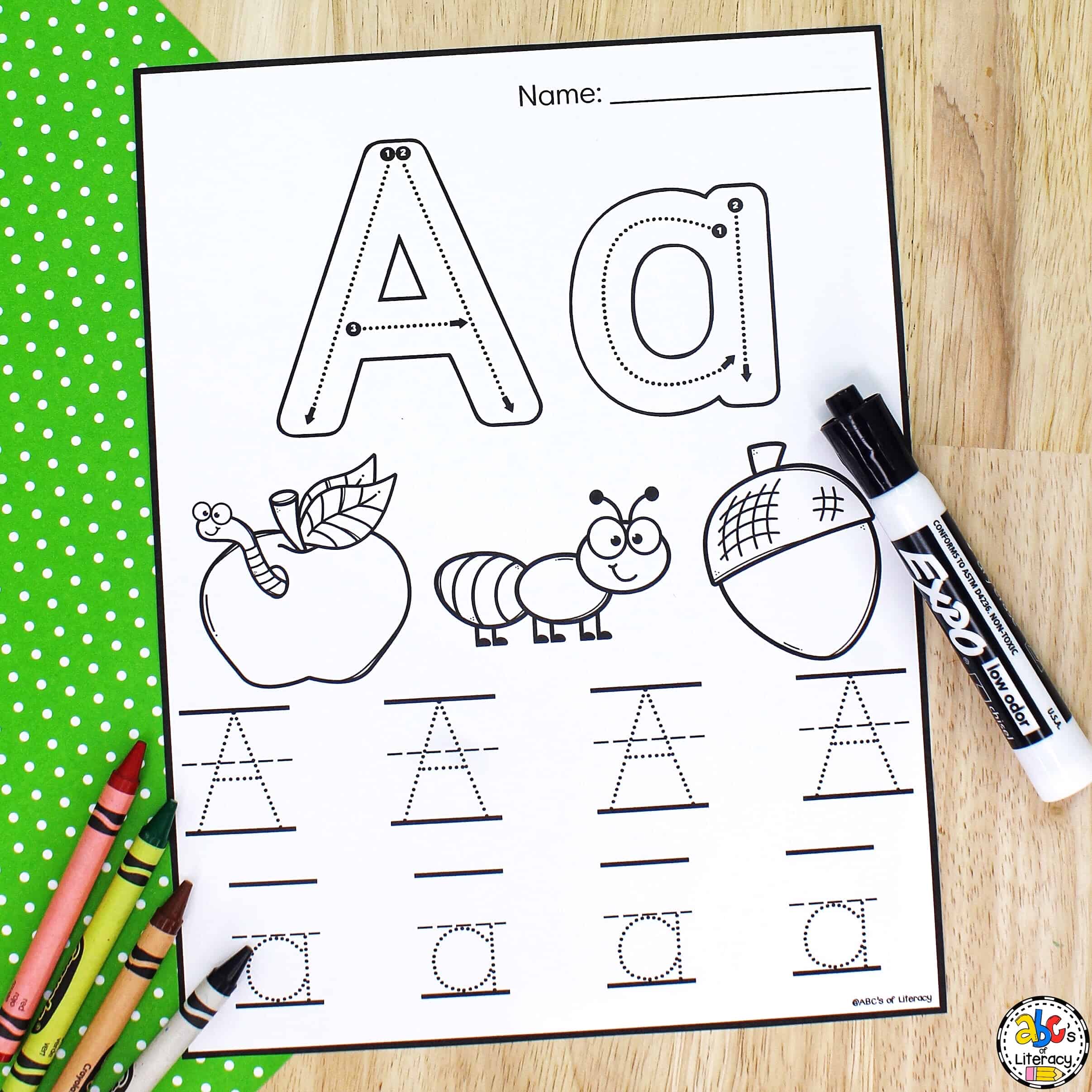
Fill In The Letters Worksheets are educational tools that encourage children to practice their letter recognition and writing skills. Typically, these worksheets feature a series of words or pictures with missing letters, prompting children to fill in the blanks. This activity sharpens their understanding of the alphabet and enhances their fine motor skills through writing.
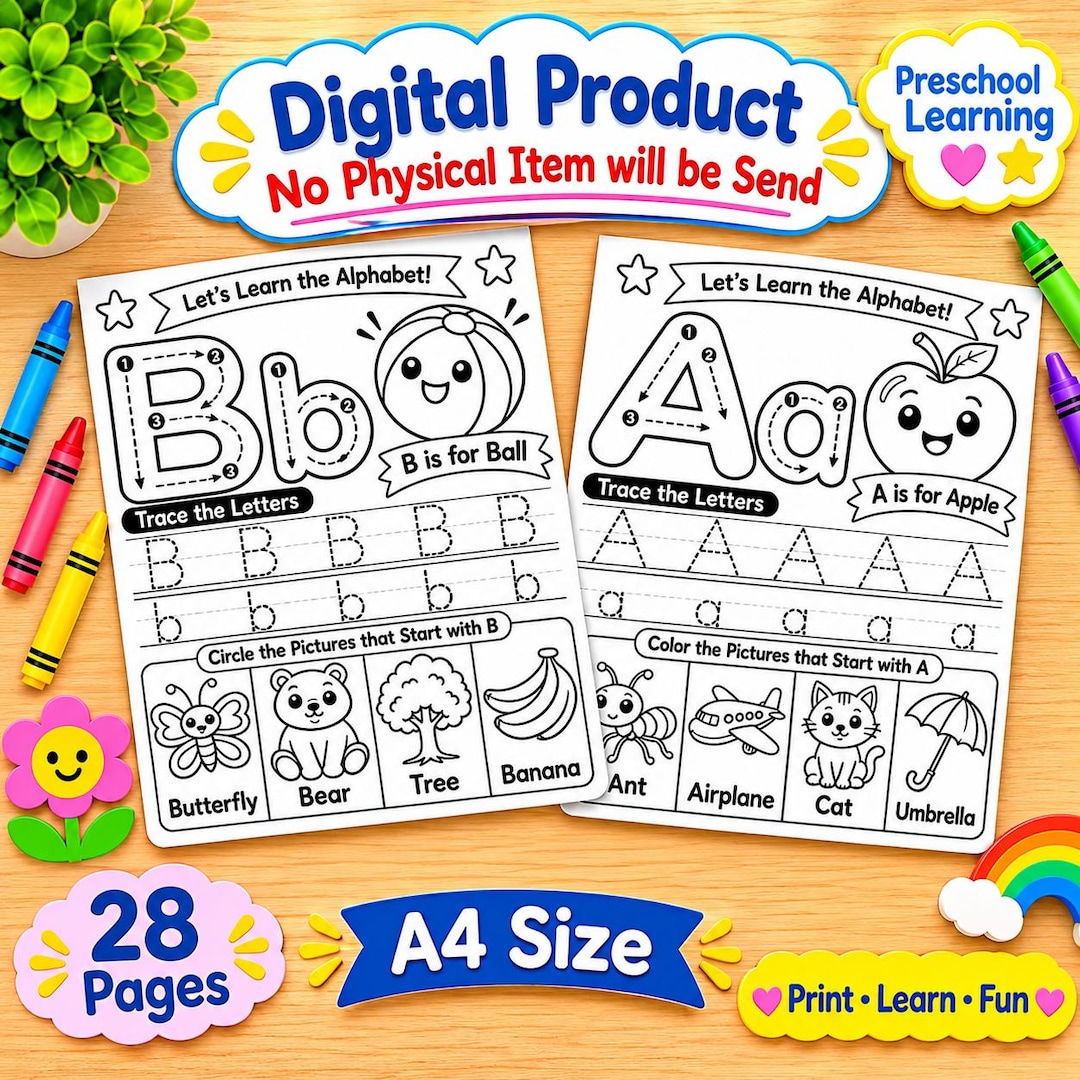
The worksheets usually target specific letters or themes, making them versatile for different learning objectives. For example, you might find worksheets focusing on the letter ‘A’ and featuring words like ‘apple’ and ‘ant.’ This targeted approach helps children connect letters with sounds and meanings, laying a solid foundation for future literacy.
Choosing the Right Worksheets
When selecting Fill In The Letters Worksheets for your preschooler, consider a few factors:
- Age Appropriateness: Look for worksheets designed specifically for preschoolers. They should be simple, with large fonts and plenty of visual support.
- Engagement: Choose worksheets that include colorful images or themes that will catch your child’s interest. The more engaging the content, the more likely your child will enjoy the activity.
- Skill Level: Assess your child’s current skill level to avoid frustration. Some worksheets might be too easy, while others could be too challenging.
- Variety: Incorporate different worksheets to cover a range of letters and sounds. This variety will keep your child’s learning experience fresh and exciting.
Downloading and Printing Worksheets
Once you’ve chosen the right Fill In The Letters Worksheets, the next step is to download and print them. Here’s how you can do it effectively:
- Find a Reliable Source: Search for websites that specialize in printable educational resources. Look for sites that offer free or affordable downloads.
- Download Format: Most printable worksheets come in PDF format, which is great because it maintains the layout and design when printed. Ensure you have a PDF reader installed on your device.
- Print Settings: When printing, use a standard letter size (8.5 x 11 inches) for optimal results. Make sure your printer is set to the correct paper size and quality for clear, legible text.
- Paper Choice: For durability, consider printing on heavier paper or cardstock, especially if your child will be using markers or crayons to fill in the letters. This prevents tearing and smudging.
Setting Up a Learning Routine
Integrating Fill In The Letters Worksheets into your daily routine can enhance your child’s learning experience. Here are some practical steps to set up an effective routine:
- Designate a Learning Space: Set up a specific area in your home where your child can focus on their worksheets. Make sure it’s well-lit and free from distractions.
- Schedule Regular Sessions: Consistency is key in early learning. Designate specific times during the week for your child to complete their worksheets. Short sessions (15-20 minutes) are often best for maintaining focus.
- Incorporate Play: Blend the worksheet activities with playful learning. After filling in the letters, encourage your child to draw pictures of the words or create a story using them.
- Review Progress: Regularly check how your child is doing. Celebrate their successes, and gently guide them through areas where they may need more practice. This positive reinforcement will keep them motivated.
Digital Vs. Print Worksheets
With the rise of technology, you may wonder whether to use digital or print versions of Fill In The Letters Worksheets. Each option has its advantages:
Digital Worksheets
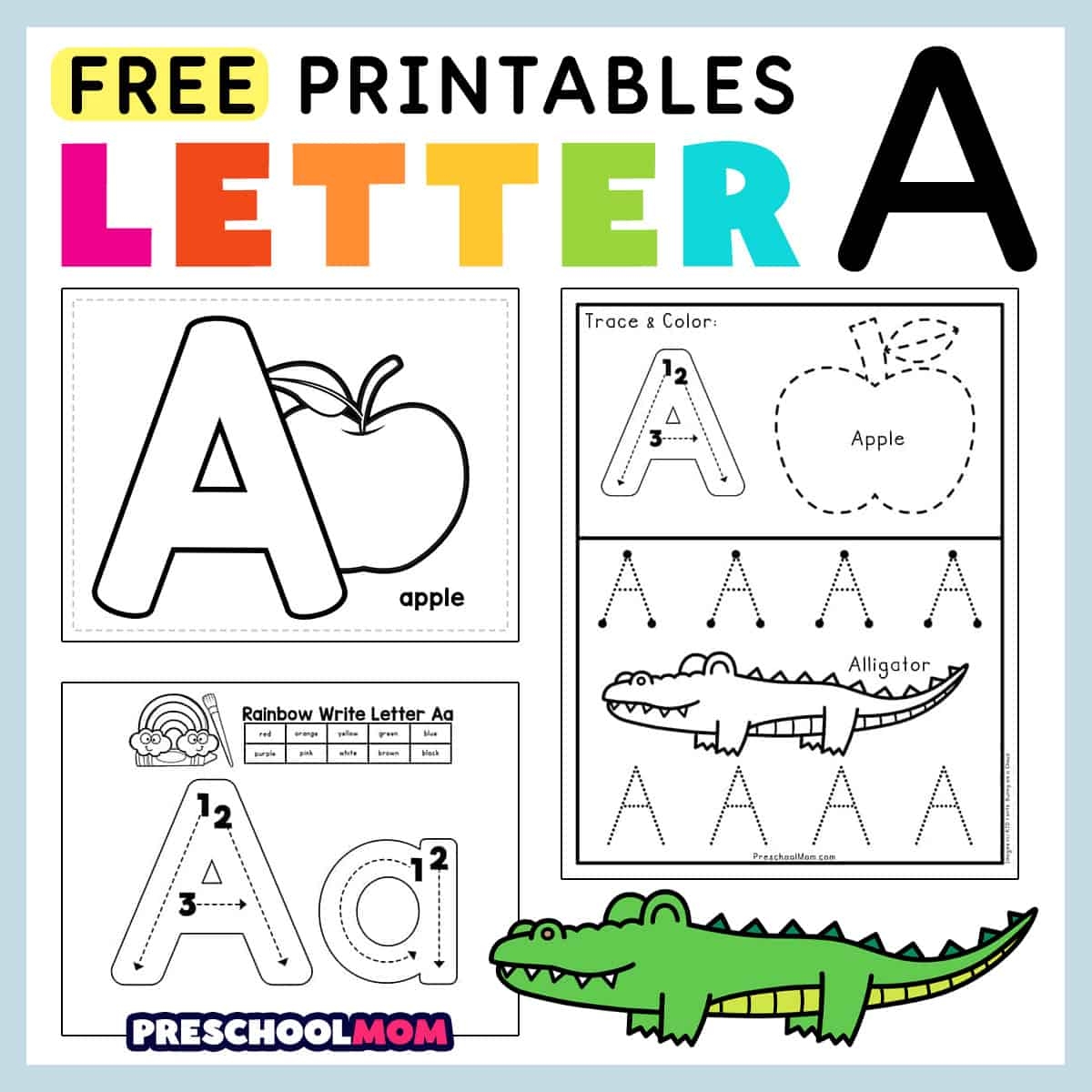
- Interactive Learning: Digital worksheets can include interactive elements, such as clickable letters or animated graphics, which can enhance engagement.
- Accessibility: They can be accessed on various devices, making them convenient for on-the-go learning.
- Immediate Feedback: Some online platforms provide instant feedback, helping children learn from their mistakes right away.
Print Worksheets
- Tactile Experience: Writing by hand helps develop fine motor skills and reinforces learning through physical activity.
- No Screen Time: For parents looking to limit screen time, printed worksheets are an excellent alternative.
- Easy to Organize: Printed worksheets can be easily stored in folders or binders, allowing for a structured learning environment.
Ultimately, the choice between digital and print will depend on your child’s learning style and your educational goals.
Making the Most of Your Worksheets
To ensure your child gets the most out of their Fill In The Letters Worksheets, consider these additional tips:
- Encourage Independence: Allow your child to attempt the worksheets on their own before offering assistance. This builds confidence and problem-solving skills.
- Use as a Teaching Tool: Use the worksheets as a springboard for broader lessons. For example, after filling in the letters, discuss the words and their meanings.
- Create a Reward System: Establish a reward system for completed worksheets to motivate your child. It could be a sticker chart or extra playtime.
By incorporating these strategies, you’ll create a supportive learning environment that fosters your child’s literacy skills.
One practical detail to keep in mind is that keeping a binder for completed worksheets can help track progress over time. This not only provides a sense of achievement but also allows for easy review of previously learned letters and words.
Fill In The Letters Worksheets Preschool Gallery