Find The Small Objects Worksheet For Preschool
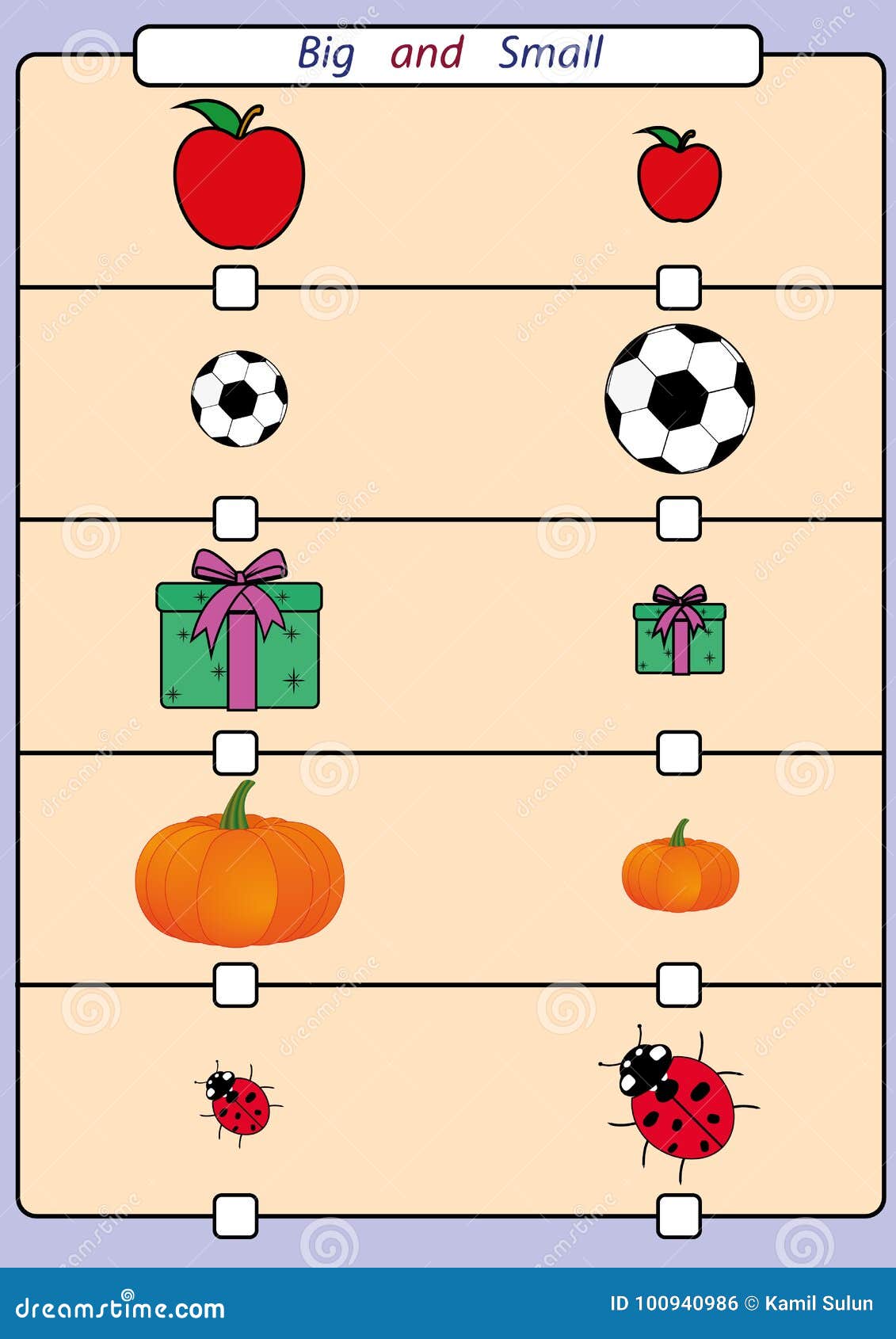
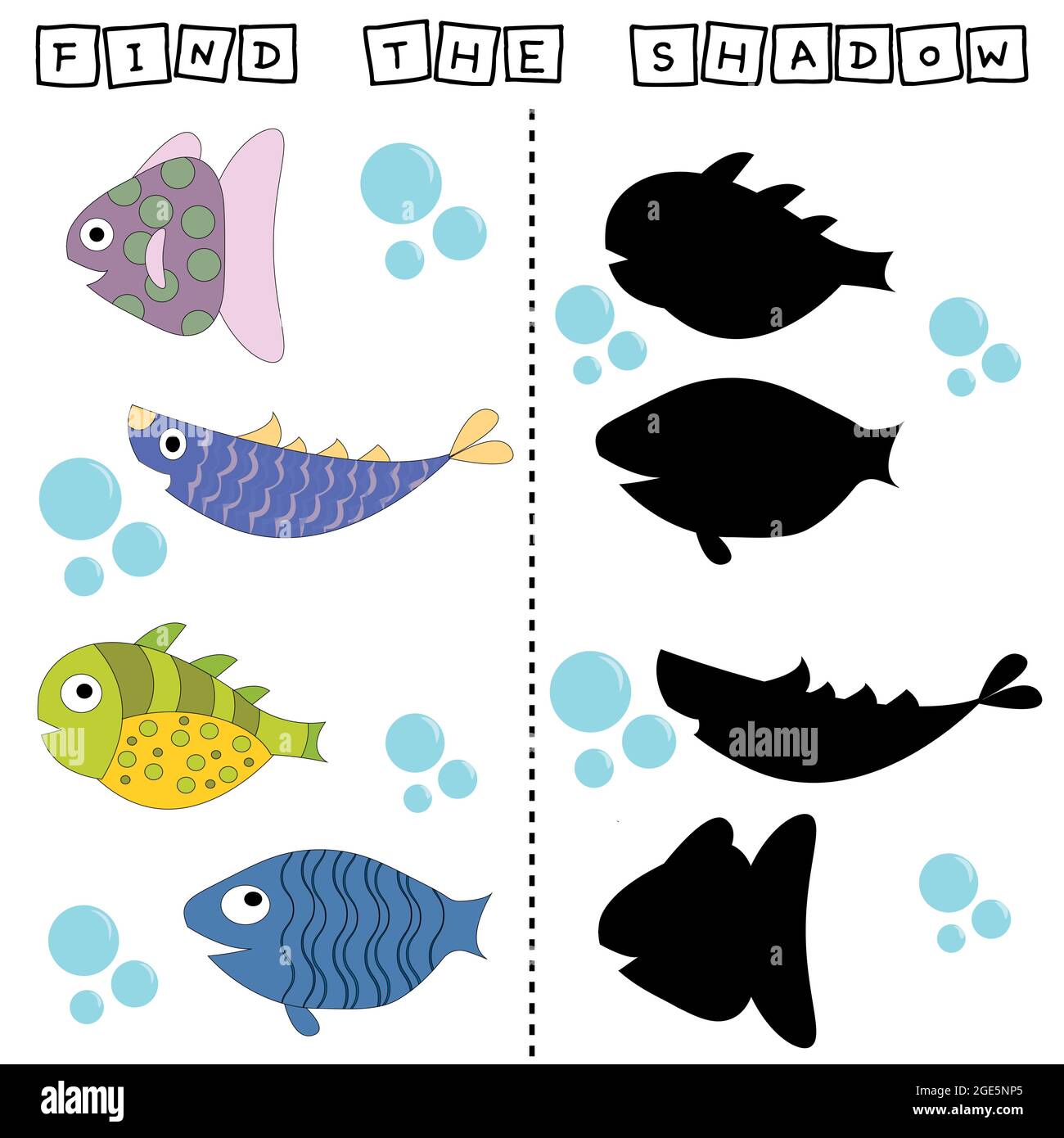
The “Find The Small Objects Worksheet For Preschool” is a practical tool designed to engage young learners in identifying and categorizing small items. This type of worksheet can significantly enhance fine motor skills and visual recognition in preschool-aged children. If you’re looking to incorporate this resource into your teaching or home education routine, I’ll guide you through the steps to effectively use it.
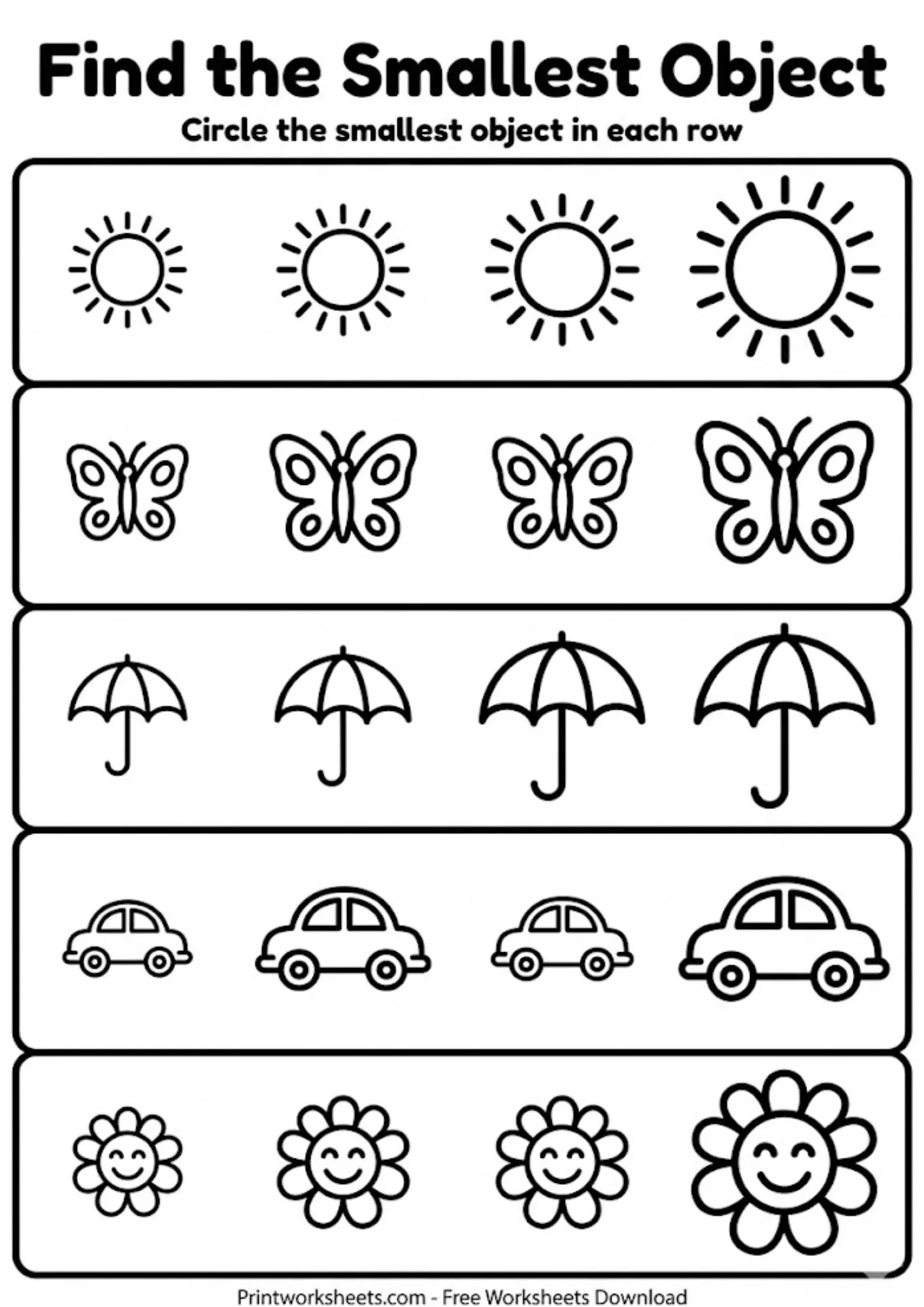
Understanding the Purpose of the Worksheet
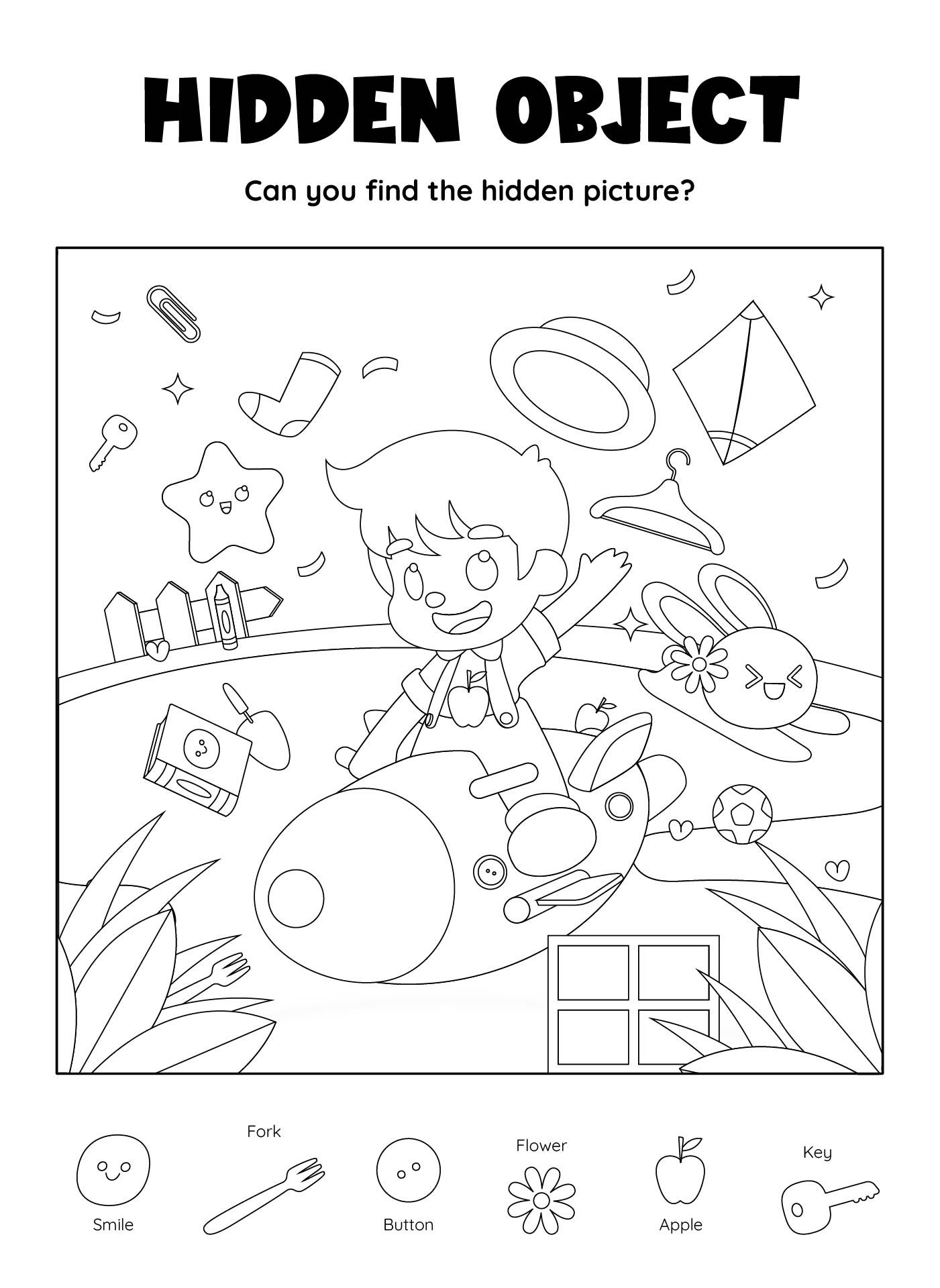
Before diving into how to use the worksheet, it’s essential to understand its purpose. The “Find The Small Objects Worksheet For Preschool” encourages kids to search for small items, often depicted in images or lists, fostering critical observation skills. This exercise is vital for developing cognitive skills such as sorting and categorizing, which are foundational for math and literacy.
When your child engages with this worksheet, they not only practice their visual skills but also learn to focus and follow instructions. It’s also a great opportunity for parents or educators to talk about the objects, enhancing vocabulary and language skills.
Choosing the Right Worksheet
When selecting the “Find The Small Objects Worksheet For Preschool,” consider the following factors to ensure it meets your child’s needs:
- Age Appropriateness: Ensure the worksheet is suitable for preschoolers, featuring images and objects they are likely familiar with.
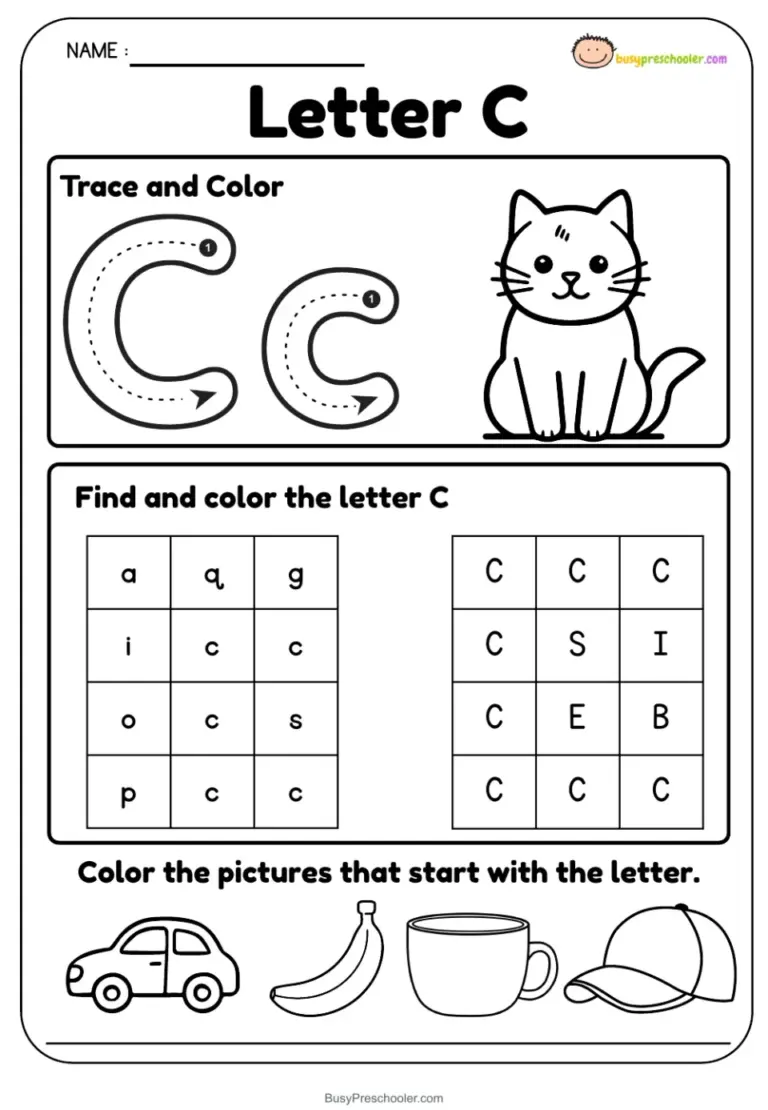
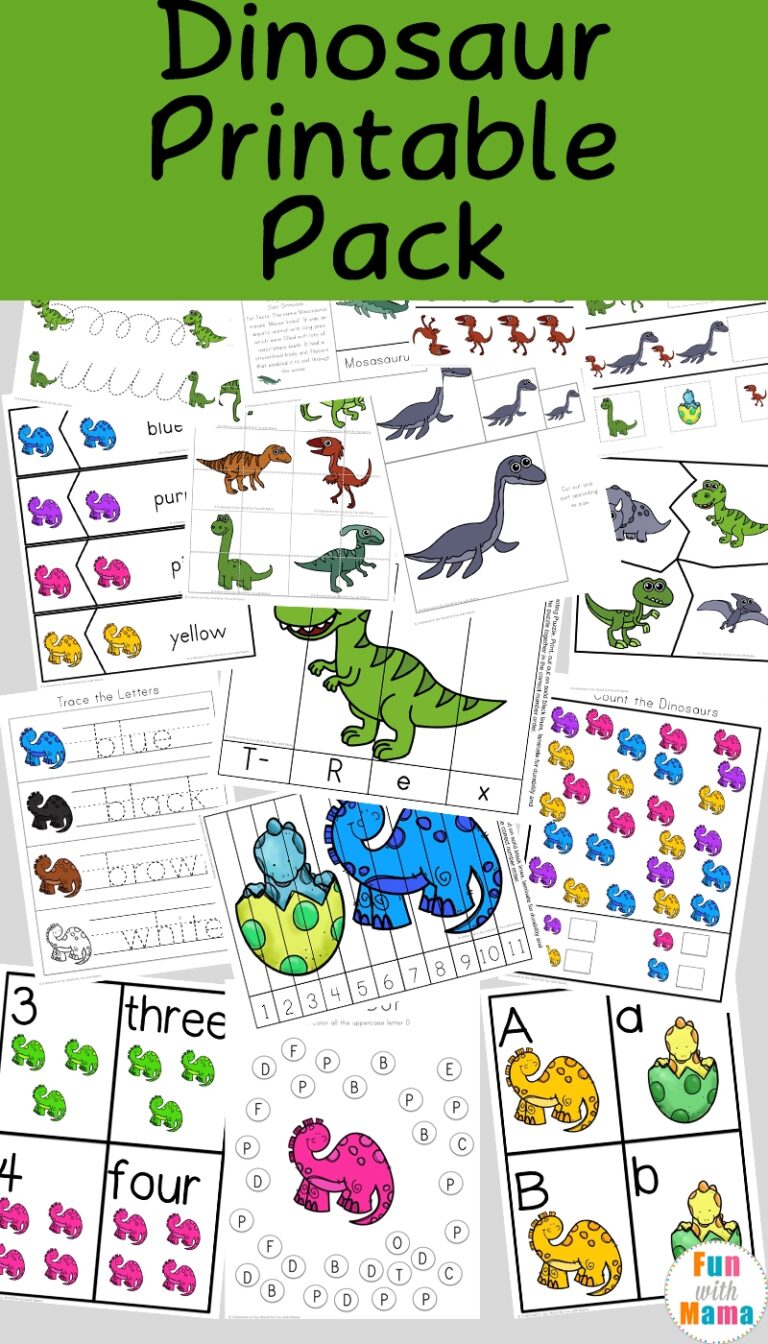
- Visual Clarity: Look for worksheets with clear, colorful images that are easy to identify. This will help maintain your child’s interest and engagement.
- Variety of Objects: A good worksheet should contain a mix of common small objects, such as buttons, coins, or toys, to make the activity more relatable and fun.
You can find a variety of these worksheets online, often available in PDF format for easy printing.
Downloading and Printing the Worksheet
Once you’ve chosen the right worksheet, the next step is to download and print it. Here’s how to do it efficiently:
- Download: Click on the link to download the worksheet. It’s often available in PDF format, which preserves the layout and quality when printed.
- Printer Settings: Use a standard home printer. A regular letter size (8.5 x 11 inches) works best for most worksheets. Make sure your printer settings are set to “Actual Size” to avoid scaling issues.
- Paper Choice: For durability, consider printing on cardstock. This type of paper holds up well, especially if your child will be using markers or crayons on it. If you plan to laminate the worksheet for repeated use, cardstock is also a better choice.
Setting Up the Activity
To maximize the benefits of the “Find The Small Objects Worksheet For Preschool,” here’s how to set up the activity:
- Create a Quiet Space: Find a comfortable, quiet area free of distractions where your child can focus on the task.
- Gather Materials: Depending on the worksheet, you might need some small objects to match or find. Gather items like toys, buttons, or even natural objects like leaves or stones.
- Explain the Task: Briefly explain what your child is supposed to do. Encourage them to look closely at the images or lists and find the corresponding objects around them.
Engaging With the Worksheet
Now that everything is set up, guide your child through the worksheet. Here are some tips to make it engaging:
- Encourage Discussion: As your child identifies each object, ask questions about it. For example, “What color is this button?” or “Where do you usually see this toy?” This conversation enhances language skills.
- Celebrate Achievements: Celebrate each time they find an item! Positive reinforcement can boost their confidence and make learning enjoyable.
- Use a Timer: For added excitement, you can introduce a timer. Challenge your child to find all the objects within a certain time frame, adding a playful element to the activity.
Incorporating Follow-Up Activities
After completing the worksheet, consider extending the learning experience with follow-up activities:
- Crafting: Use the small objects found to create a collage or a fun art project. This reinforces the idea of categorization and creativity.
- Sorting Games: Create a sorting game where your child categorizes the objects based on size, color, or type. This builds on the skills practiced in the worksheet.
- Story Time: Incorporate the small objects into a story. Ask your child to create a narrative using the items they found, enhancing their imagination and storytelling abilities.
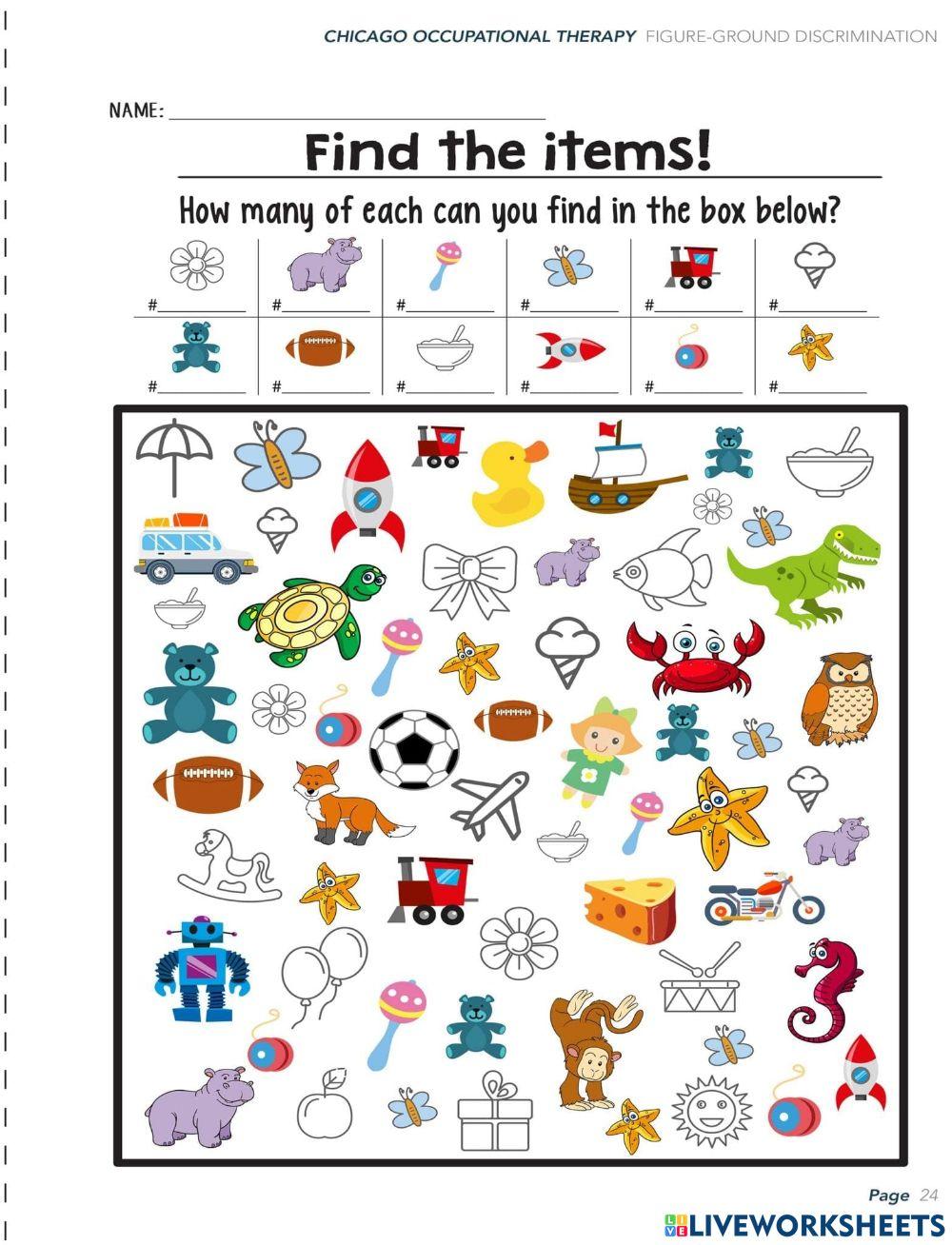
Evaluating Progress
Finally, take a moment to evaluate how your child is progressing with these activities. Here are a few ways to assess:
- Observation: Watch how your child interacts with the worksheet. Are they able to identify objects quickly? Are they engaged in the activity?
- Feedback: Ask your child what they enjoyed about the worksheet. This feedback can help you choose future resources that cater to their interests.
- Skill Development: Notice improvements in their fine motor skills and observation abilities over time. Keep a record of their progress to share with caregivers or educators if needed.
The “Find The Small Objects Worksheet For Preschool” is more than just a sheet of paper; it’s a gateway to enhancing your child’s learning experience. By selecting the right worksheet, setting it up properly, and engaging your child in meaningful ways, you can foster a love of learning that lasts a lifetime.
One final tip: always keep an eye out for fresh worksheets, as varying the content will keep your child interested and challenged as they grow.
Find The Small Objects Worksheet For Preschool Gallery