Finding Letters In A Worksheet For Preschool
Getting preschoolers to recognize letters is vital for their early literacy development. A worksheet designed for this purpose typically measures 8.5 x 11 inches, making it perfect for standard printing. Finding letters in a worksheet for preschool helps children practice their letter recognition in a fun and engaging way. guide you through the various elements of these worksheets, how to effectively use them, and tips for enhancing your child’s learning experience.
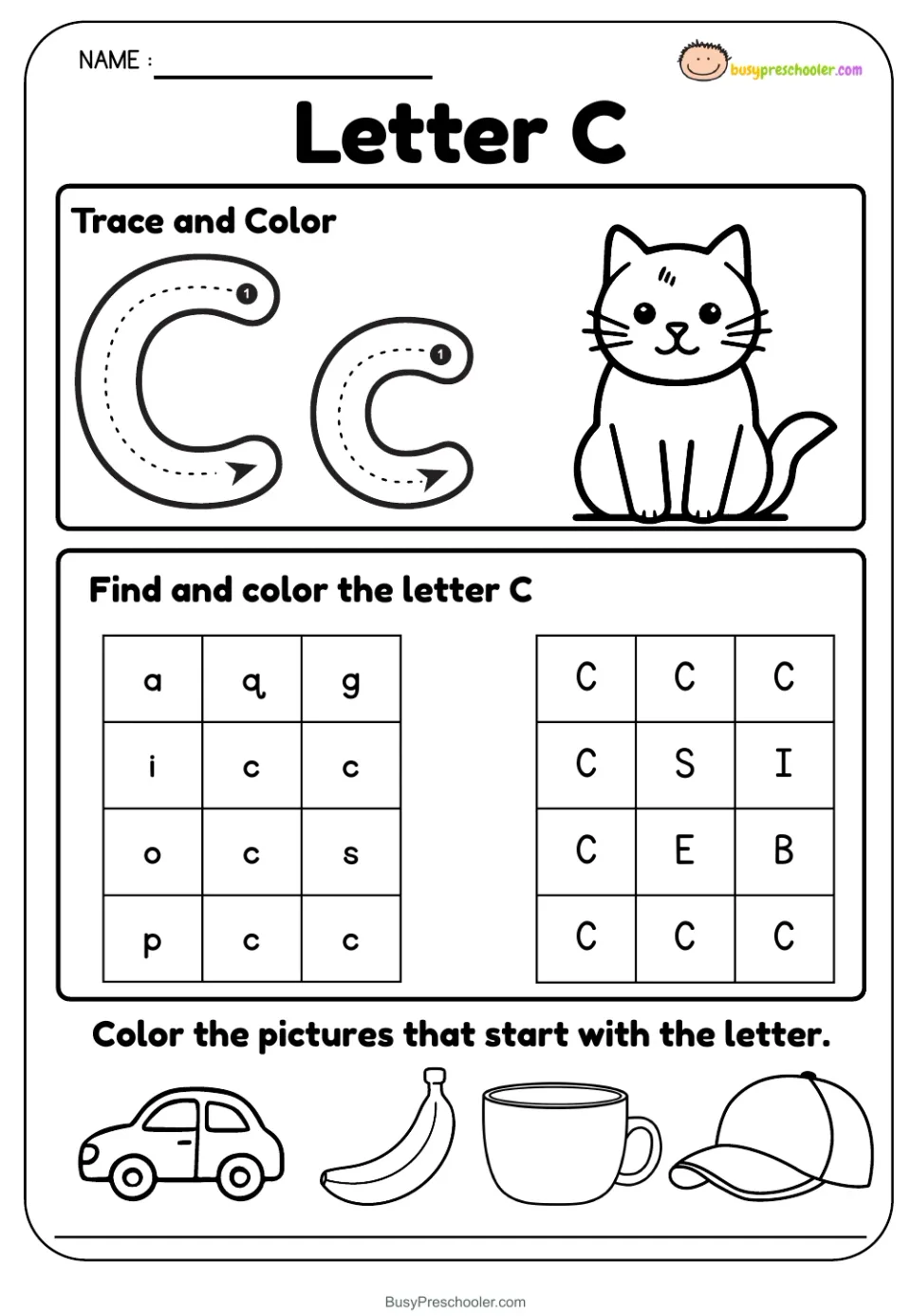
Understanding the Layout of the Worksheet
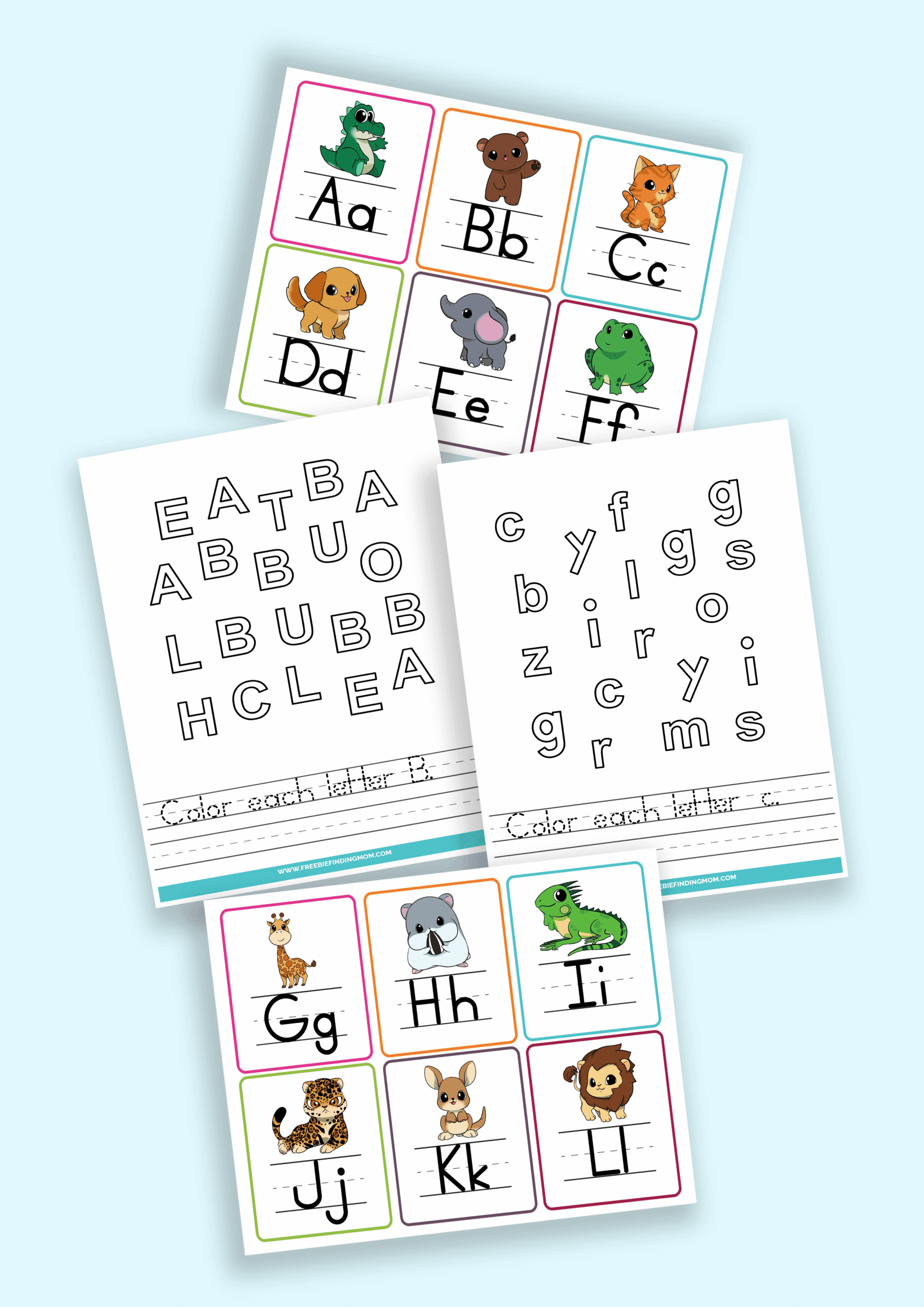
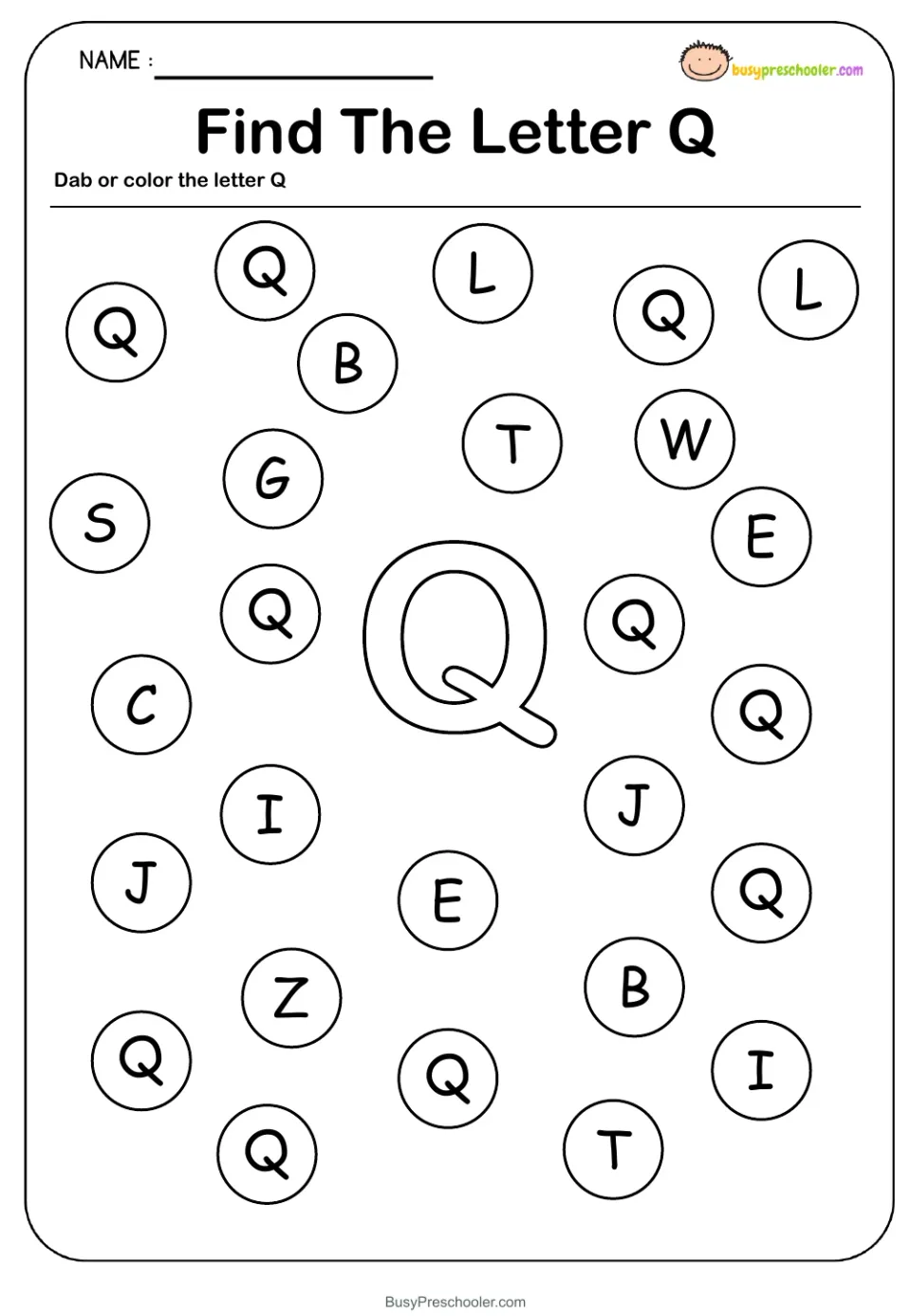
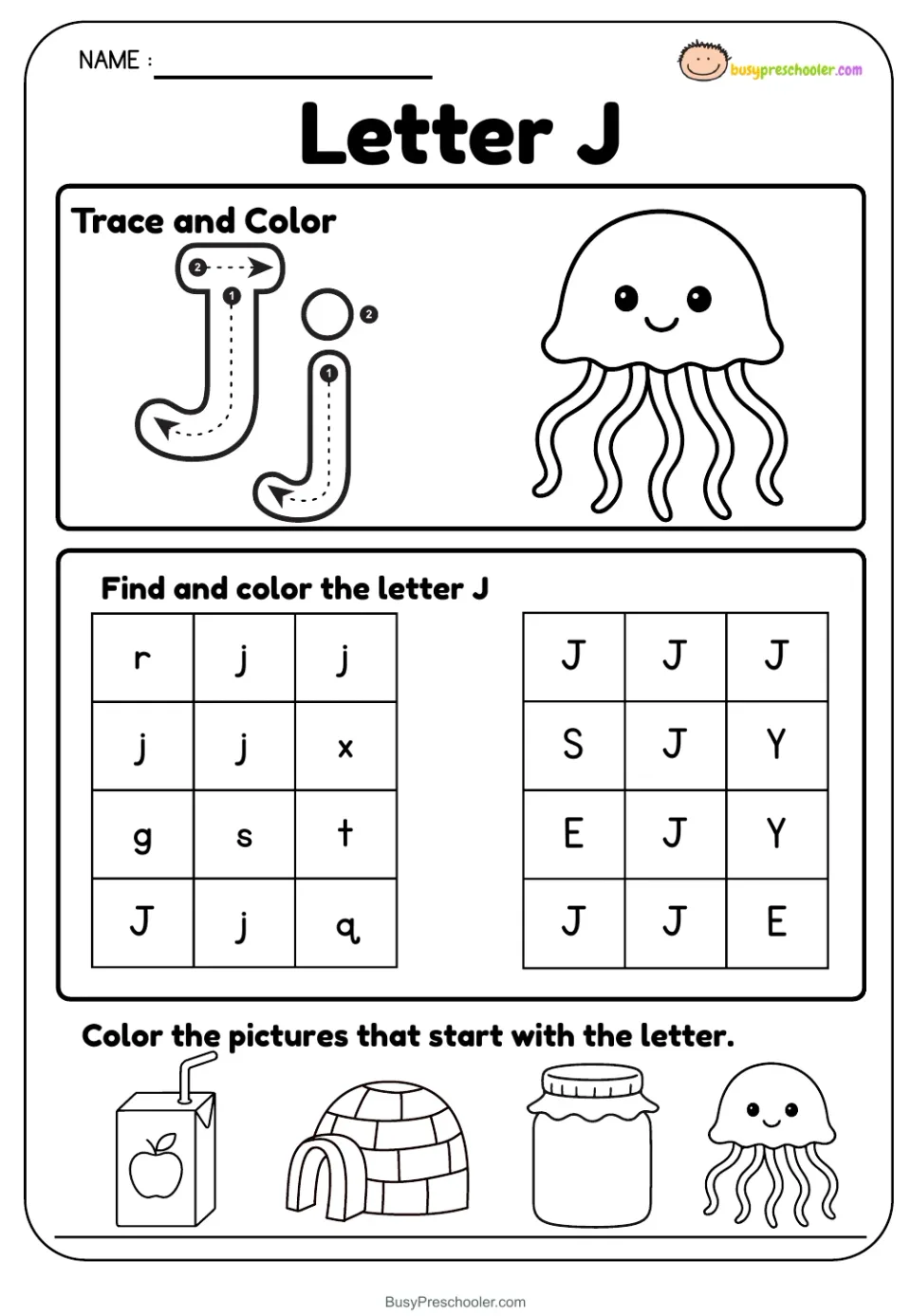
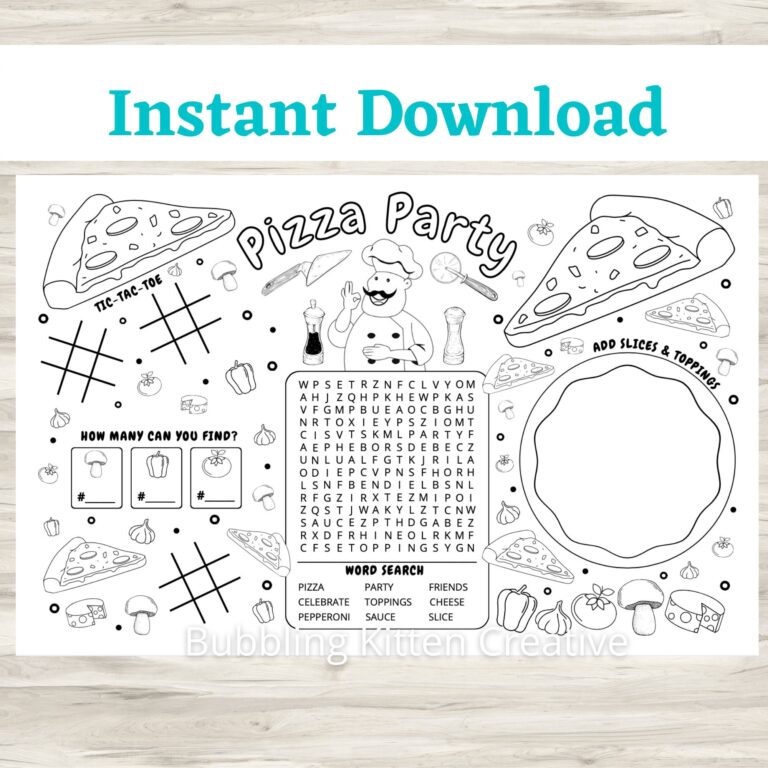
When you first glance at a letter-finding worksheet, you’ll notice a grid or a series of lines featuring various letters. The layout is designed to help children identify specific letters among a mix of others. Each letter is usually presented in a clear, bold font to make recognition easier for young learners.
The structure of the worksheet often includes:
- A title that indicates the goal of the activity (e.g., “Find the Letter A”).
- A list of letters for children to search for, often highlighting a specific letter or group of letters.
- Visual aids like pictures or colorful backgrounds to keep the child engaged.
These design choices make it easy for children to focus on the task without feeling overwhelmed.
How to Use the Worksheet Effectively
Before diving into the activity, it’s essential to prepare both yourself and your child. Here are a few steps to follow:
- Review the Letters: Familiarize your child with the letters they’ll be looking for. Use flashcards or a small alphabet chart to help them recall the shapes and sounds of each letter.
- Set Up a Comfortable Workspace: Choose a quiet area with good lighting. Have crayons or markers ready for your child to circle or color the letters they find.
- Encourage Independent Work: Allow your child to explore the worksheet on their own, but be available to assist if they get stuck. This independence fosters confidence and problem-solving skills.
- Use a Timer: Turn the activity into a fun game by setting a timer. Challenge your child to find all the letters before time runs out. This adds an element of excitement to the task.
- Celebrate Success: After your child completes the worksheet, celebrate their achievements, whether they found all the letters or just a few. Positive reinforcement will motivate them to keep practicing.
Incorporating Additional Learning Activities
While finding letters in a worksheet for preschool is beneficial, consider integrating other activities to reinforce their learning. Here are a few ideas:
- Letter Crafts: Create letters using playdough or cut-out shapes. This tactile experience helps children remember their letters better.
- Storytime: Read books that emphasize the letters they are learning. Point out the letters and encourage your child to identify them as you read along.
- Alphabet Hunts: Go on a scavenger hunt around your home or classroom to find objects that start with the letters they are practicing.
These activities complement the worksheet’s objective and provide a well-rounded approach to learning.
Choosing the Right Worksheet for Your Preschooler
Not all worksheets are created equal. When selecting a letter-finding worksheet, keep the following factors in mind:
- Age Appropriateness: Ensure the worksheet is suitable for your child’s age and skill level. Worksheets designed for younger preschoolers should have fewer letters, while those for older preschoolers can introduce more complexity.
- Visual Appeal: Look for worksheets that are colorful and engaging. Bright colors and fun graphics can make the learning experience more enjoyable.
- Clear Instructions: The worksheet should provide clear directions on what your child is expected to do. Simple language is best for young learners.
- Repetition and Variety: Choose worksheets that allow for repetition of letters but also introduce new letters over time. This balance will help reinforce their learning without becoming monotonous.
Tips for Tracking Progress
Tracking your child’s progress is crucial to understanding their development in letter recognition. Here are a few practical ways to do so:
- Keep a Journal: Maintain a learning journal where you can note the letters your child has mastered and those that need further practice. This will help you identify areas for improvement.
- Regular Assessments: Periodically review the worksheets with your child. Ask them to identify letters without looking at the worksheet to gauge their retention.
- Share with Educators: If your child is in preschool, share the completed worksheets with their teachers. This collaboration can provide insights into your child’s progress and areas needing attention.
Tracking progress in this way not only helps you understand your child’s learning journey but also keeps them motivated as they see their improvement over time.
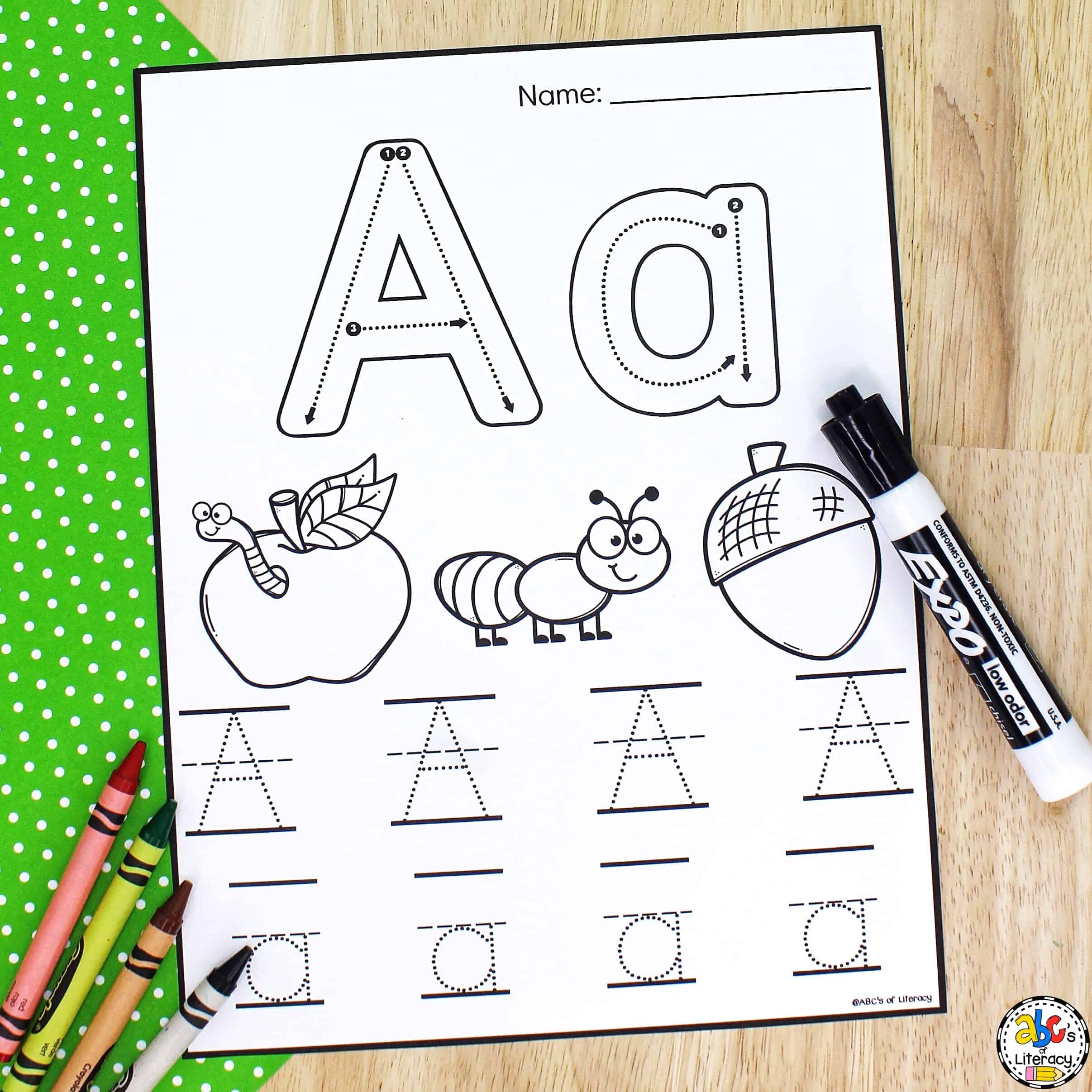
Making It Fun: Engaging Your Child
Adding a playful twist to the worksheet can elevate the experience. Here are a few ideas to make finding letters even more fun:
- Create a Theme: Incorporate seasonal themes or favorite characters into the worksheets. For example, use a holiday theme with festive colors and images.
- Reward Systems: Establish a reward system where your child earns stickers or small prizes for completing worksheets or achieving specific goals.
- Group Activities: If possible, organize group activities with other children. This can foster a sense of community while making learning more enjoyable.
By incorporating these strategies, you can transform a simple letter-finding worksheet into an engaging, multifaceted learning experience.
In summary, finding letters in a worksheet for preschool is a foundational activity that supports early literacy skills. By understanding the layout, using the worksheet effectively, incorporating additional learning activities, selecting the right resources, tracking progress, and making it fun, you can significantly enhance your child’s learning journey. Choose colorful worksheets, create a supportive environment, and watch as your child’s letter recognition skills flourish!
Finding Letters In A Worksheet For Preschool Gallery