Fine Motor Skill Worksheets For Preschool
Fine motor skills are essential for preschoolers as they lay the groundwork for future learning and daily tasks. Fine Motor Skill Worksheets For Preschool are designed to help children develop their hand-eye coordination, dexterity, and overall motor skills in a fun and engaging way. These worksheets can be an excellent resource for parents and educators aiming to support young learners in their developmental milestones.

Understanding Fine Motor Skills
Before diving into the worksheets, it’s important to understand what fine motor skills entail. These skills involve the small muscles in the hands and fingers, allowing children to perform tasks like writing, buttoning shirts, and using scissors. Fine motor skill development is crucial at this stage because it helps children gain independence and confidence in their abilities.
Key Features of Fine Motor Skill Worksheets
Fine Motor Skill Worksheets For Preschool come with various features that make them effective tools for learning. Here are some key attributes to look for:
- Variety of Activities: Worksheets may include tracing, coloring, cutting, and connecting dots. Each activity targets different aspects of fine motor skills.
- Age Appropriateness: Ensure the worksheets are designed for preschool-aged children, typically ages 3 to 5.
- Engaging Themes: Worksheets often incorporate fun themes that capture children’s interest, such as animals, seasons, or holidays.
- Easy to Print: Look for resources that are available in PDF format, as this ensures that the worksheets print correctly without distortion.
How to Use Fine Motor Skill Worksheets
To get the most out of Fine Motor Skill Worksheets For Preschool, consider the following practical tips:
- Create a Routine: Set aside specific times during the week for your child to work on these worksheets. Consistency helps reinforce learning.
- Provide the Right Tools: Equip your child with the necessary tools, such as crayons, scissors, and glue, to complete the activities. Using a variety of materials can keep them engaged.
- Monitor Progress: As your child completes each worksheet, track their progress. This not only encourages them but also helps you identify areas where they may need more practice.
- Incorporate Play: Combine worksheet activities with physical play. For instance, after tracing letters, have your child practice writing them in sand or with finger paint.
Popular Types of Worksheets
There are several types of worksheets available that cater to different aspects of fine motor skill development. Here’s a breakdown of some popular options:
Tracing Worksheets
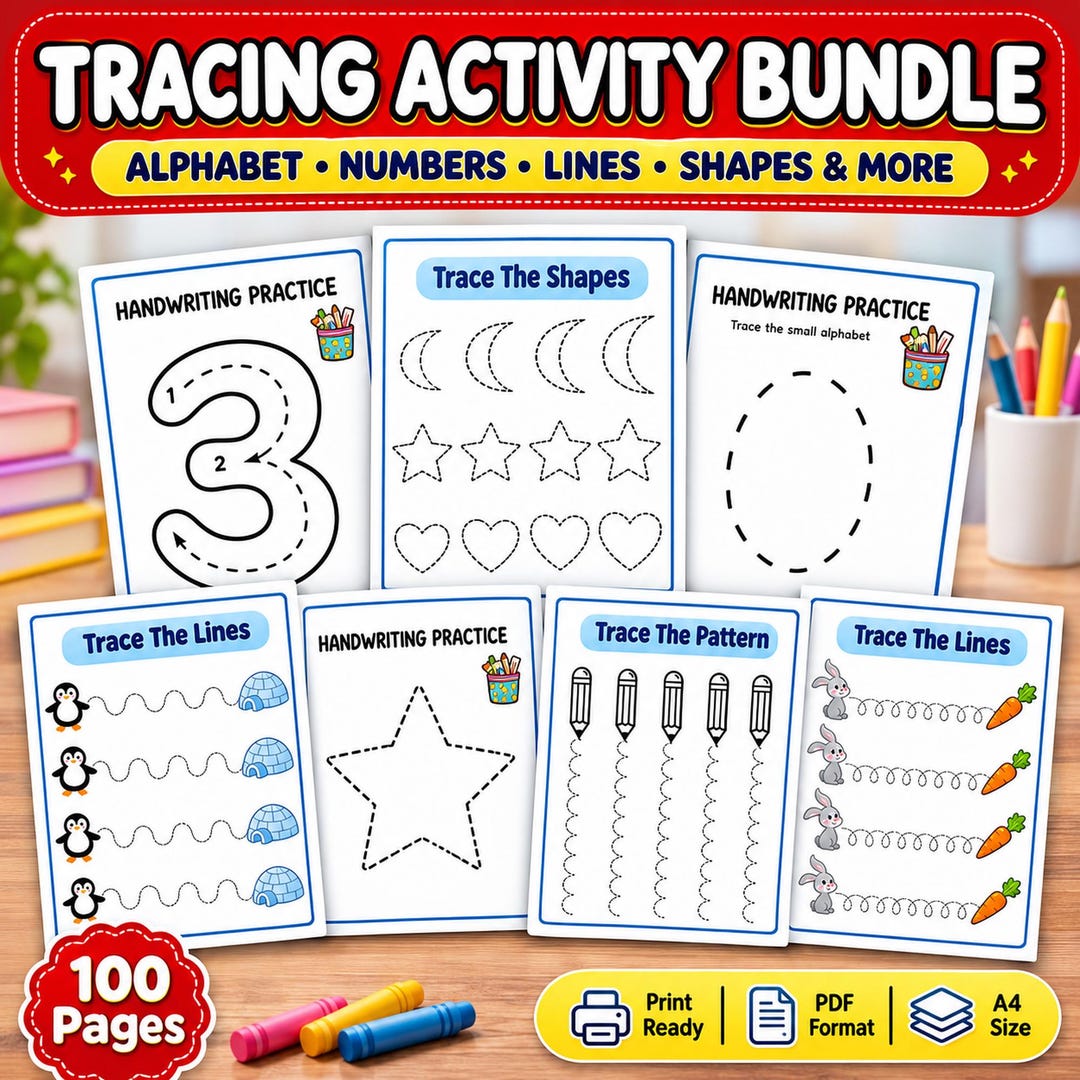
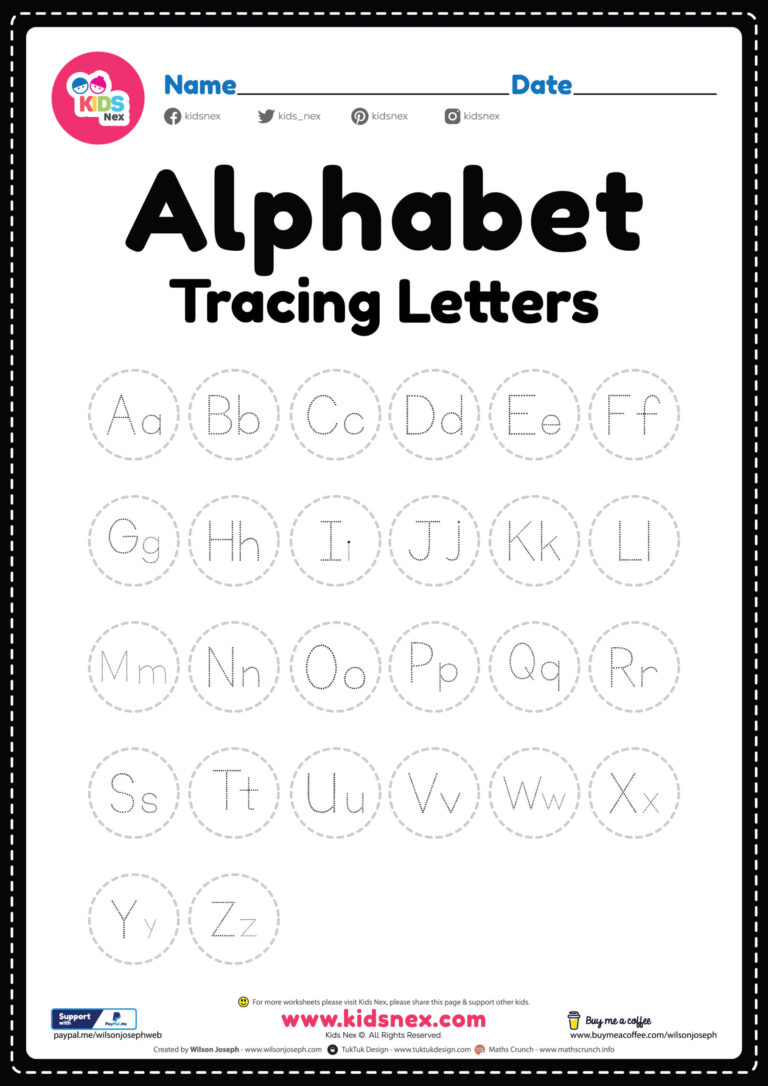
These worksheets are fantastic for helping children strengthen their pencil grip. They usually feature dashed lines for letters, numbers, or shapes, allowing kids to trace over the lines. This practice can enhance their control and precision.
Cutting Worksheets
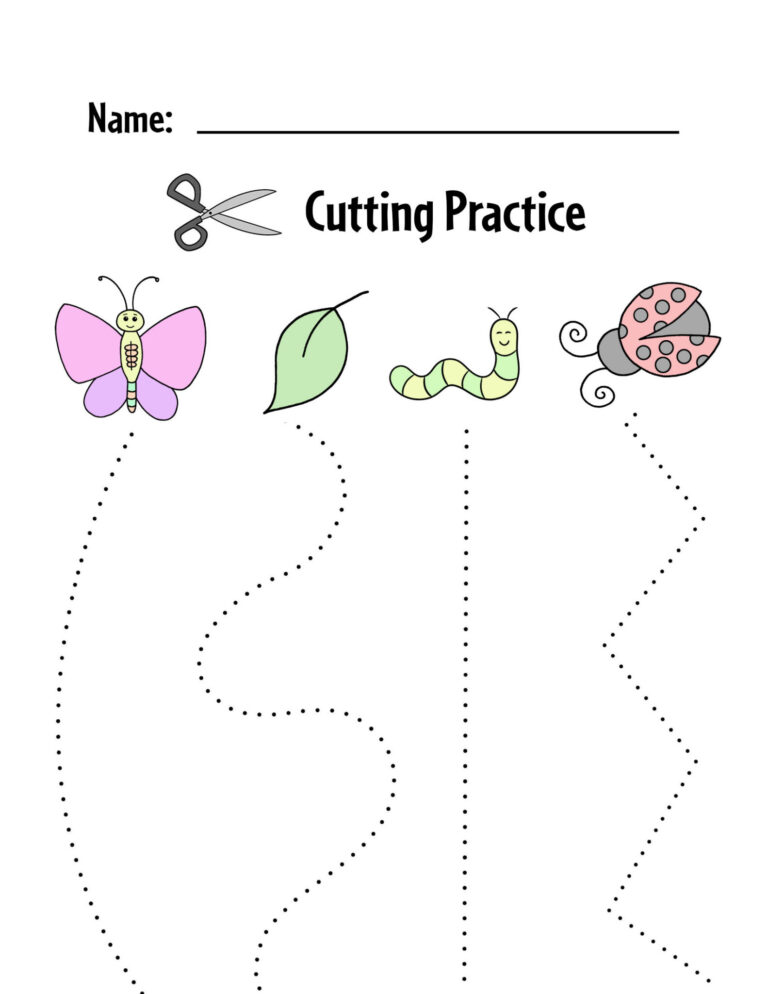
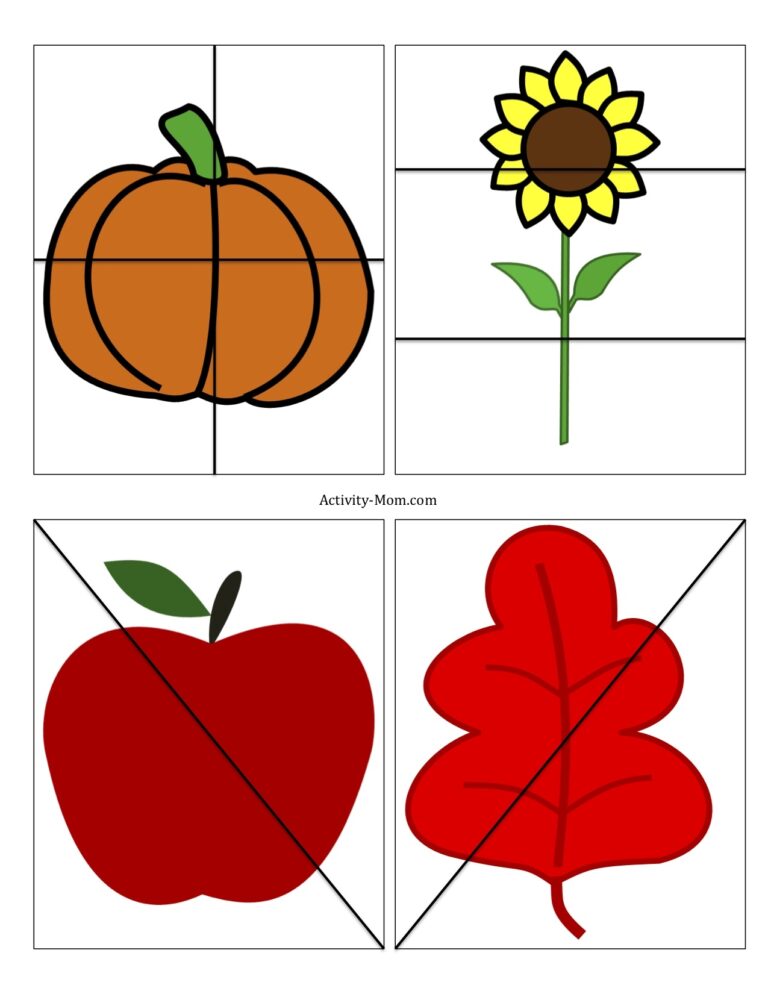
Worksheets that require cutting are excellent for developing hand strength and coordination. They might include simple shapes or paths that children need to cut along. Always supervise young children during this activity to ensure safety.
Coloring Worksheets
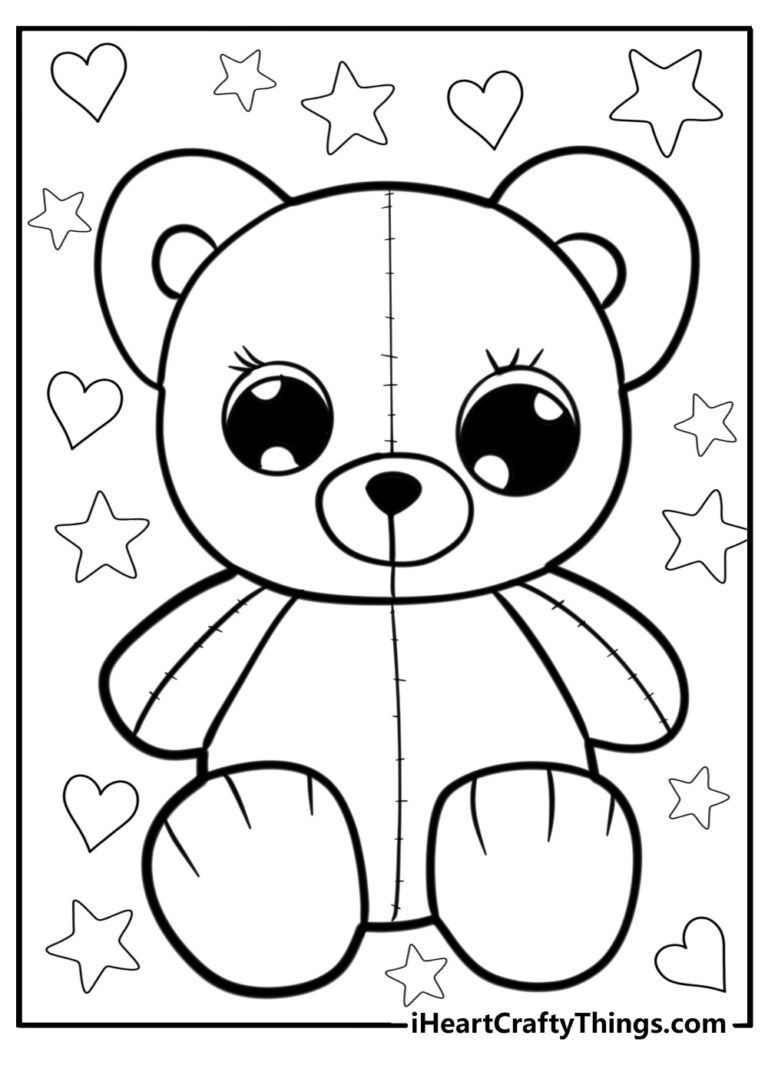
Coloring is not just fun; it also improves grip and control. Look for coloring worksheets that feature intricate designs or educational themes to keep kids engaged while they practice their motor skills.
Connecting Dots Worksheets
These worksheets help children with visual-motor coordination. By connecting dots to form pictures, children practice control and accuracy, which are vital components of fine motor skills.
Tips for Parents and Educators
When choosing and utilizing Fine Motor Skill Worksheets For Preschool, keep these tips in mind:
- Select Worksheets that Match Skill Levels: Start with simpler tasks and gradually increase complexity as your child improves.
- Encourage Independence: Allow your child to complete the worksheets on their own. Offer help only when necessary, fostering confidence in their abilities.
- Celebrate Achievements: Acknowledge when your child completes a worksheet. Positive reinforcement can motivate them to continue practicing their skills.
- Mix Worksheets with Real-Life Activities: Incorporate fine motor skill practice into everyday life, such as cooking (measuring ingredients) or arts and crafts.
Where to Find Fine Motor Skill Worksheets
You can find a variety of Fine Motor Skill Worksheets For Preschool on numerous educational websites. Here are some places to start your search:
- Printable Resource Websites: Many sites offer free and paid downloadable worksheets. Look for those that provide high-quality, age-appropriate content.
- Educational Blogs: Blogs dedicated to early childhood education often share printable resources and worksheets.
- Online Marketplaces: Platforms like Teachers Pay Teachers feature resources created by educators, allowing you to purchase worksheets tailored to specific skills.
Tracking Progress With Worksheets
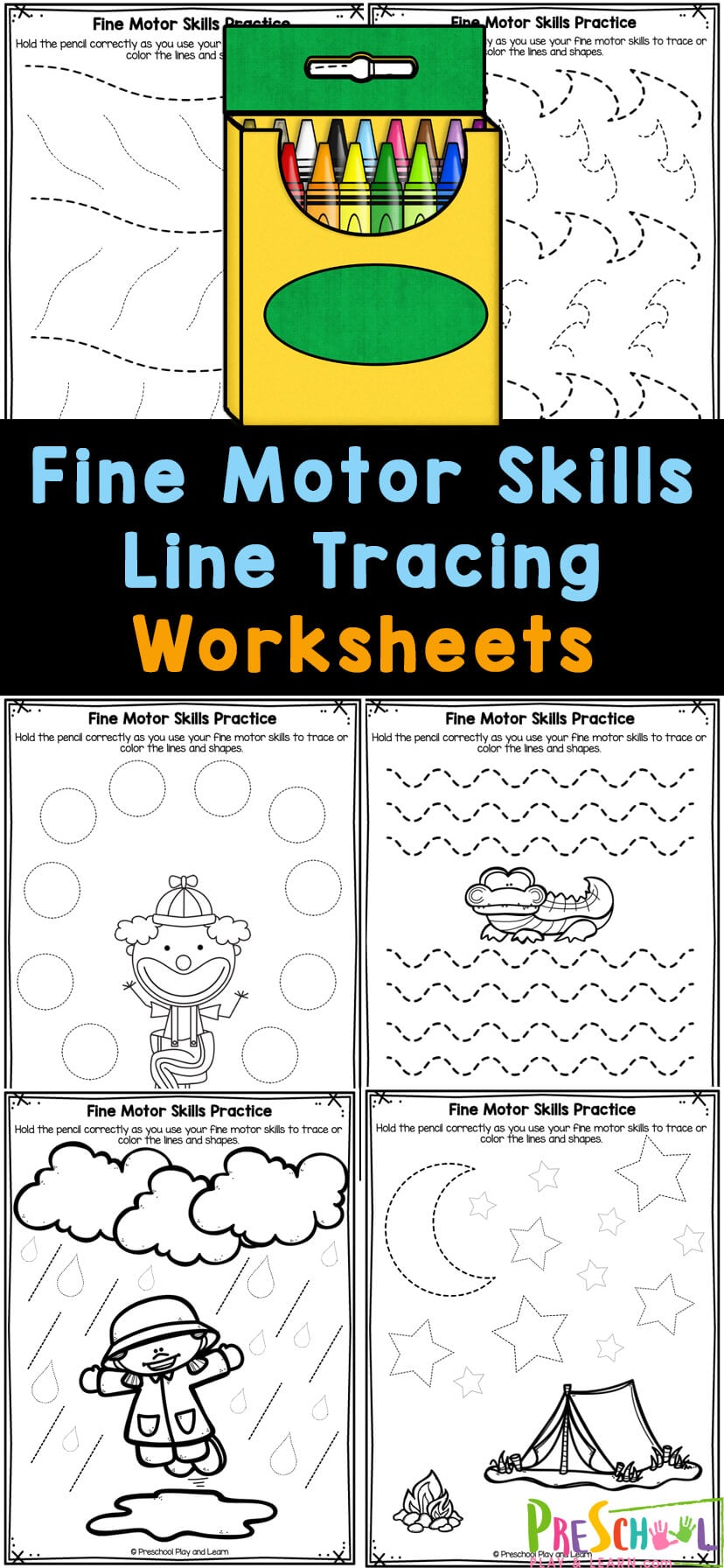
As you and your child work through Fine Motor Skill Worksheets For Preschool, keeping track of their progress is essential. Here’s how to effectively monitor their development:
- Create a Progress Chart: Consider making a simple chart where you can mark off completed worksheets. This visual representation can motivate your child as they see their achievements grow.
- Note Skills Developed: Write down specific skills your child is mastering, such as improved grip or better control when cutting. This can help you tailor future worksheets to their needs.
- Regularly Review: Set aside time every month to review completed worksheets together. Discuss what they enjoyed and where they faced challenges. This feedback can guide your future choices.
Fine motor skills are crucial for preschoolers as they prepare for more complex tasks in the future. By utilizing Fine Motor Skill Worksheets For Preschool, you not only help your child develop these essential skills but also make learning fun and interactive. With the right resources and a structured approach, you can track your child’s progress and foster their independence in developing fine motor skills.