Fine Motor Tracing Worksheet Preschool
Fine motor skills are crucial for preschoolers, and a Fine Motor Tracing Worksheet Preschool is a fantastic tool to help develop these skills. This specific type of worksheet not only enhances hand-eye coordination but also encourages early writing abilities. With its engaging designs and structured layout, it can be a game-changer in your child’s learning routine. In this article, I’ll guide you through the essential features, the best ways to utilize the worksheet, and how to seamlessly integrate it into your child’s educational activities.

Understanding the Layout of the Worksheet
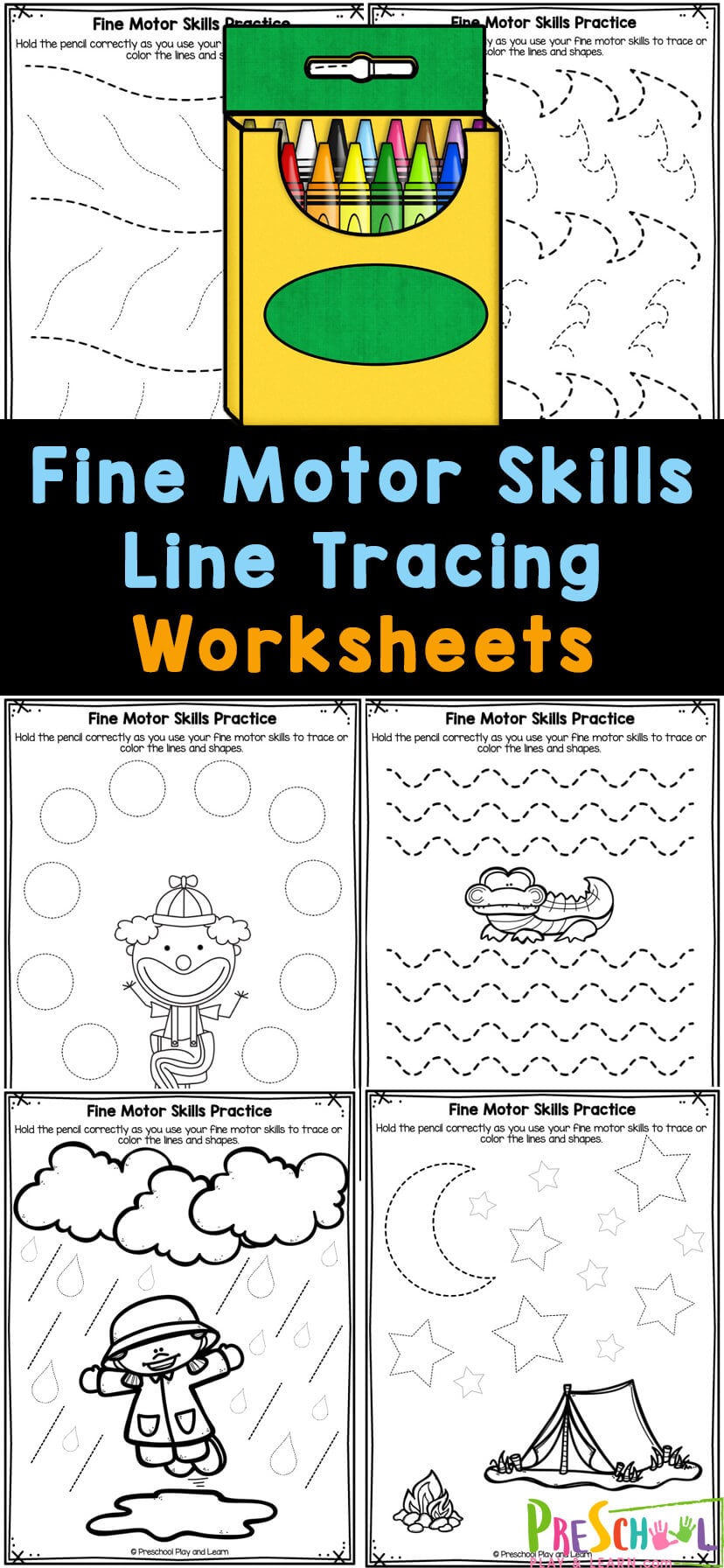
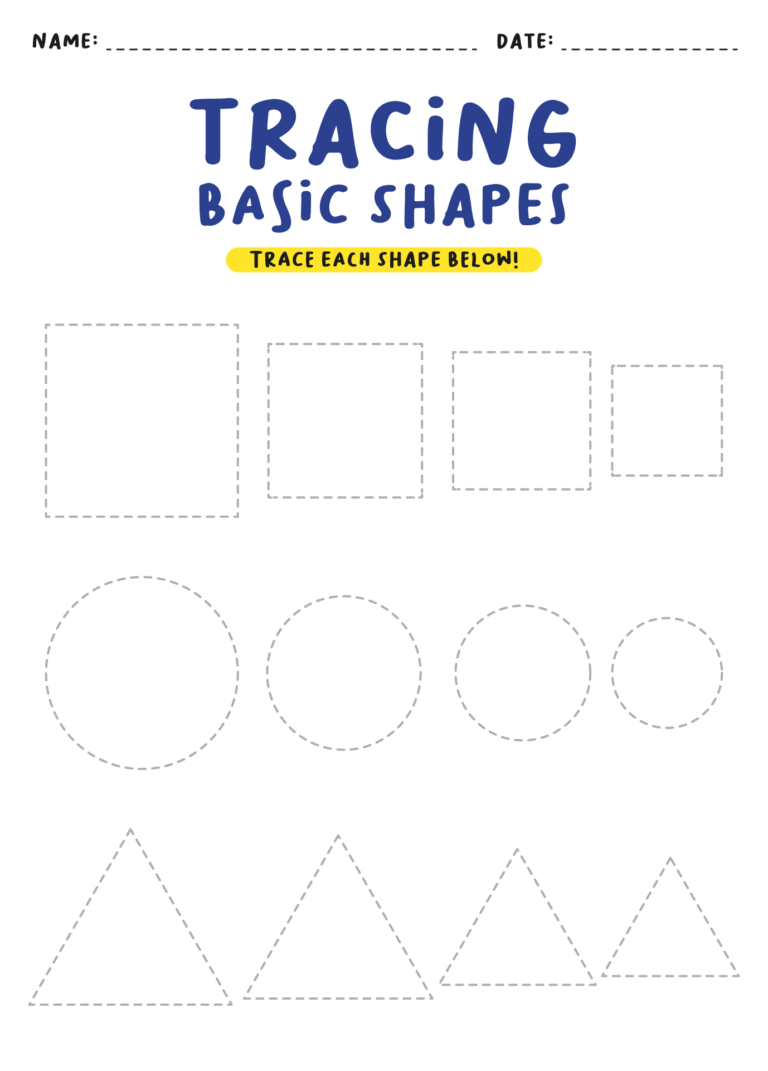
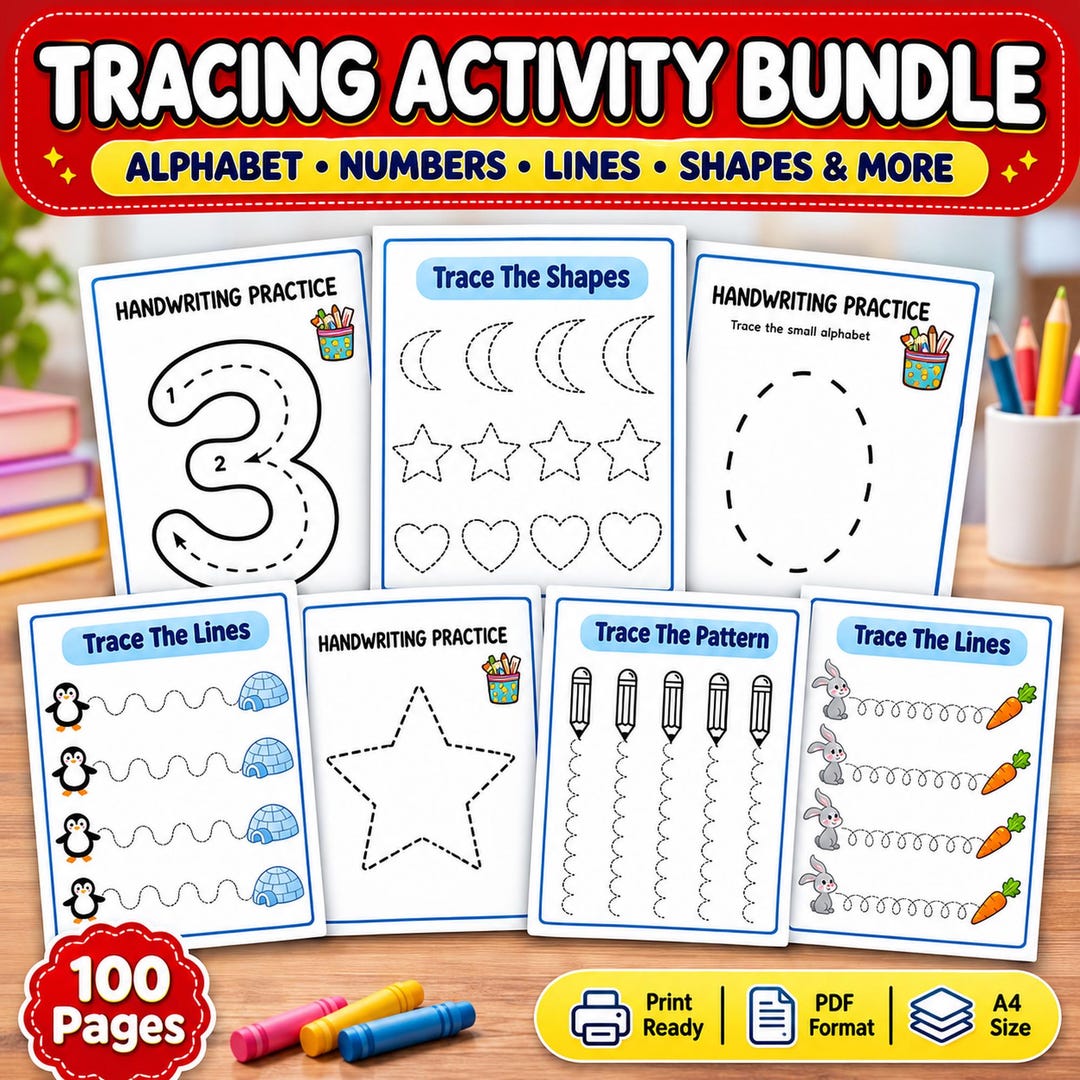
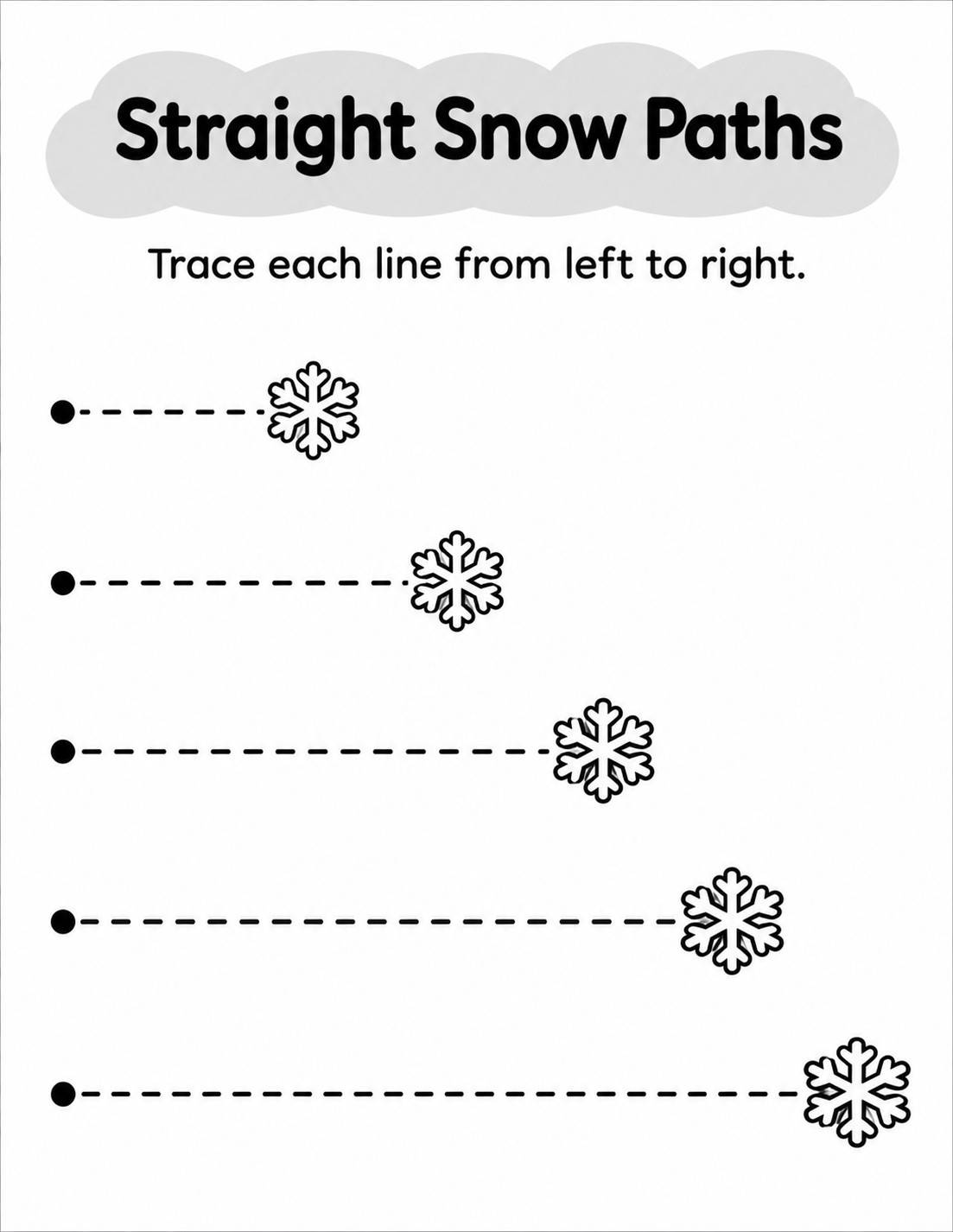
When you first look at a Fine Motor Tracing Worksheet, you’ll notice its organized sections designed specifically for young learners. Typically, these worksheets include various shapes, letters, or simple images that children can trace over with a pencil or marker.
The layout often consists of:
- Bold outlines: These are easy for little hands to see and follow.
- Guided lines: Dotted or dashed lines help children understand where to place their writing instruments.
- Variety of shapes: From basic geometric forms to letters and numbers, the diversity keeps kids engaged.
This structured approach helps children focus on their movements, which is essential for muscle memory development. You’ll find that this layout effectively guides their hands and reinforces the connection between visual input and physical action.
Digital Vs. Print Completion
One question that often arises is whether to fill out the Fine Motor Tracing Worksheet digitally or by hand. Each method has its advantages, and knowing when to use each can enhance the learning experience.
Digital Completion
Using a fillable PDF version allows children to practice tracing on a tablet or computer. This method is beneficial for several reasons:
- Less mess: There’s no need for pencils or crayons, making cleanup easy.
- Immediate feedback: Kids can see their progress instantly, which can be motivating.
- Replayability: They can clear their work and start over as many times as needed.
However, it’s essential to note that while digital tracing can be fun, it may not provide the same tactile feedback that physical writing does.
Print Completion
On the other hand, printing the worksheet allows for a more traditional approach. Here’s why it can be a good choice:
- Tactile experience: Writing by hand helps strengthen the muscles in their fingers, which is vital for later writing.
- Customization: You can easily adjust the size of the printed worksheet, choosing between standard letter size (8.5” x 11”) or even larger formats for better visibility.
- Durability: If printed on thicker paper or cardstock, these worksheets can withstand repeated use, especially if laminated.
For younger children, I recommend starting with printed worksheets to help them get used to holding writing instruments properly.
Incorporating the Worksheets Into Daily Routine
Integrating the Fine Motor Tracing Worksheet into your child’s daily activities can significantly enhance their learning experience. Here are some practical tips on how to do this effectively:
Designate a Time for Practice
Setting aside specific times for tracing practice can create a routine that your child can look forward to. Consider using:
- Morning sessions: After breakfast, when their minds are fresh.
- Afternoon quiet time: A calm period that encourages focus.
- Pre-bedtime activities: A relaxing way to wind down.
Combine With Other Activities
To make the most of the worksheet, pair it with other learning activities. For example:
- Storytime: After reading a book, have your child trace letters or characters from the story.
- Art projects: Encourage them to draw their own shapes and trace over them afterward.
- Games: Turn tracing into a fun game by timing how long it takes to trace a specific shape.
This integration can make the learning experience more holistic and enjoyable.
Selecting the Right Resources
Finding the right Fine Motor Tracing Worksheet is key to keeping your child engaged. Here are a few features to look for:
- Age-appropriate designs: Ensure the complexity of the shapes is suitable for preschoolers.
- Variety in themes: Look for worksheets that incorporate themes your child enjoys, such as animals, vehicles, or seasonal images.
- Printable quality: High-resolution images ensure that the outlines are clear and easy to trace.
Many resources are available online, but make sure to choose from reputable sites that offer quality materials.
Evaluating Progress and Encouraging Improvement
As your child works with the Fine Motor Tracing Worksheet, it’s important to monitor their progress. Here are some strategies to help:
- Check for consistency: Are they able to trace the shapes smoothly? Consistency in their lines can indicate improvement.
- Provide feedback: Offer positive reinforcement for their efforts, no matter how small. Compliments on their progress can motivate them to keep practicing.
- Adjust difficulty: If they master certain shapes quickly, don’t hesitate to introduce more complex ones to keep them challenged.
An engaging and supportive environment will foster their confidence and willingness to learn.
Fine Motor Tracing Worksheet Preschool Gallery