Fine Motor Worksheets For Preschoolers
Fine motor skills are essential for preschoolers, helping them develop the dexterity needed for tasks like writing, buttoning clothes, and using utensils. If you’re looking for practical resources to support your child’s development, Fine Motor Worksheets For Preschoolers are a fantastic way to encourage skill-building through play. These worksheets can be easily printed at home, allowing you to integrate fun learning activities into your daily routine.
What Are Fine Motor Worksheets?
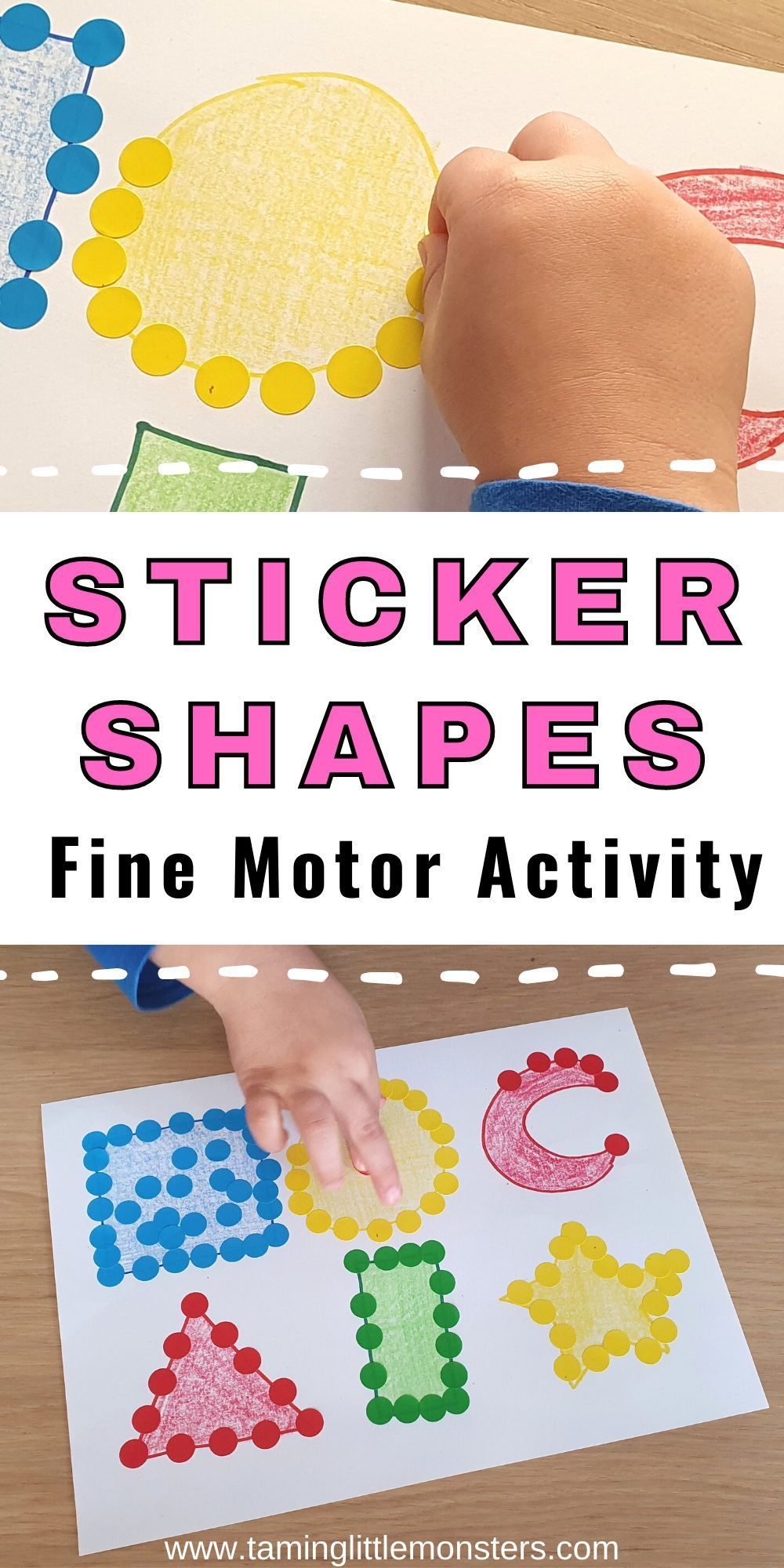
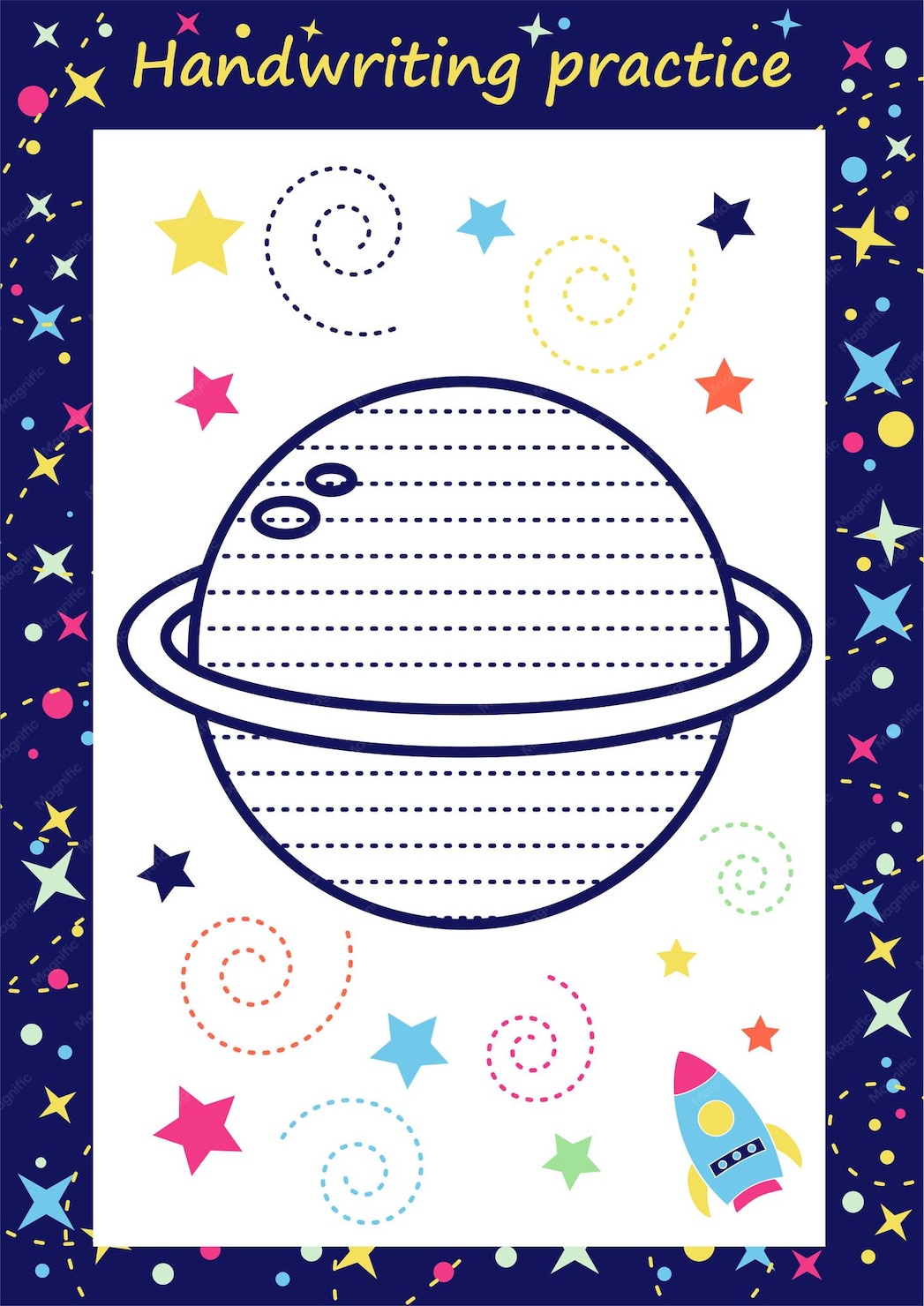
Fine motor worksheets are designed to help young children develop the small muscles in their hands and fingers. These worksheets often include activities like tracing, cutting, coloring, and assembling that require precise movements. They can be used to practice various skills, such as grip strength, hand-eye coordination, and finger dexterity.
When selecting fine motor worksheets, look for age-appropriate activities that match your child’s skill level. It’s also helpful to choose worksheets that can be printed easily and provide clear instructions for both you and your child.
Types of Fine Motor Worksheets
There are many types of Fine Motor Worksheets For Preschoolers, each focusing on different aspects of fine motor skill development. Here are a few popular types:
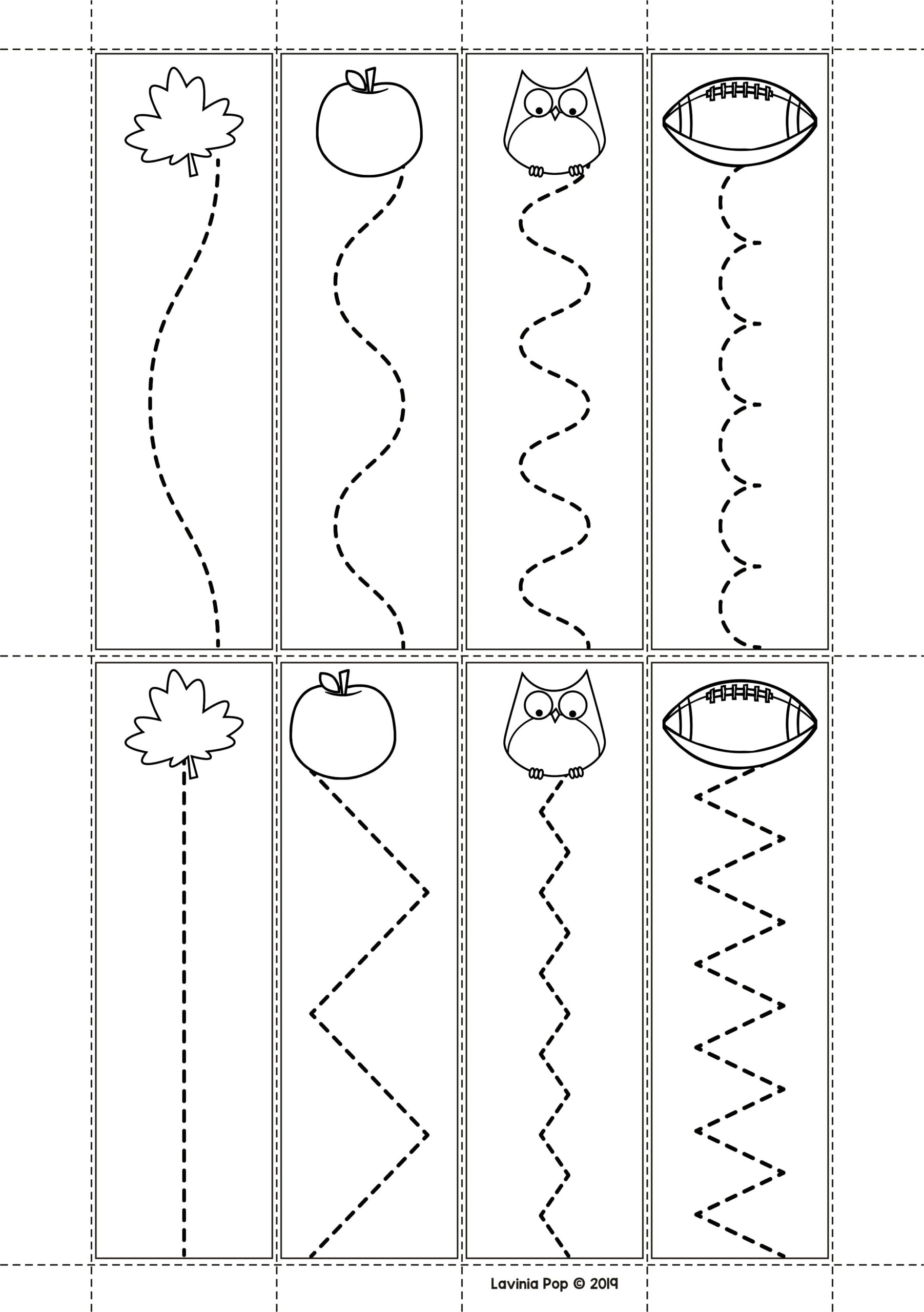
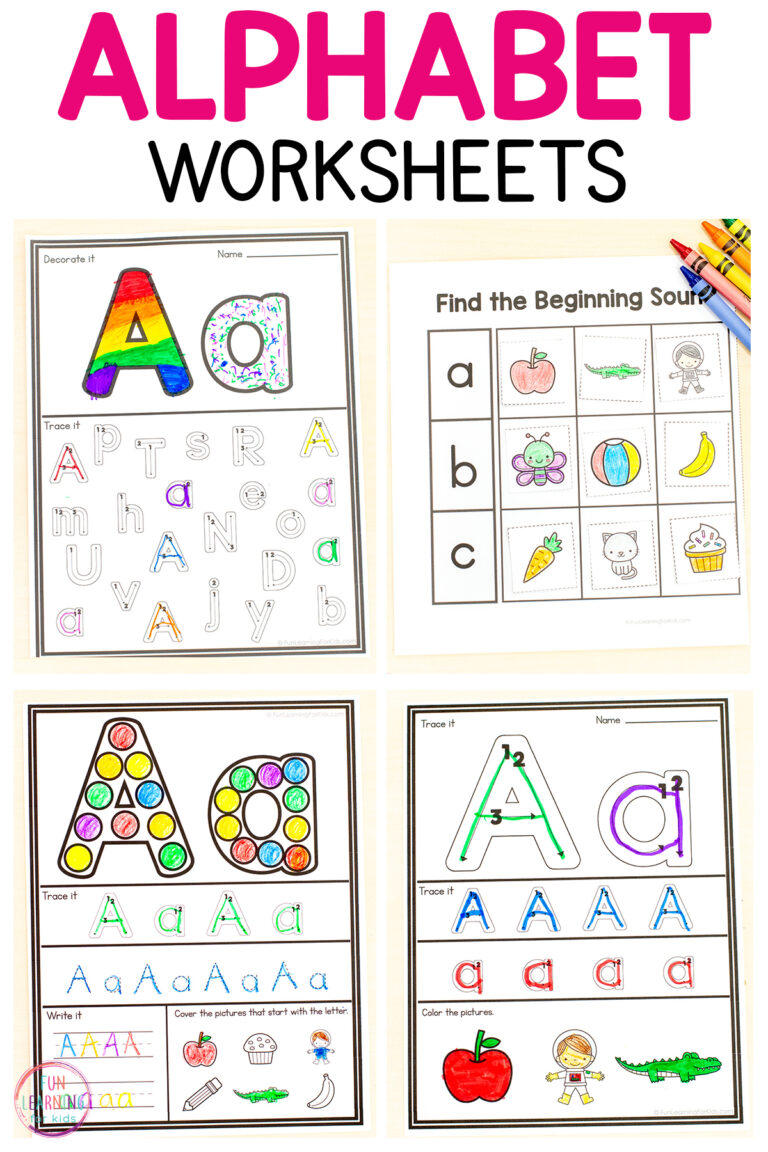
- Tracing Worksheets: These worksheets often have dotted lines for children to trace letters, shapes, or numbers. Tracing helps improve control and coordination.
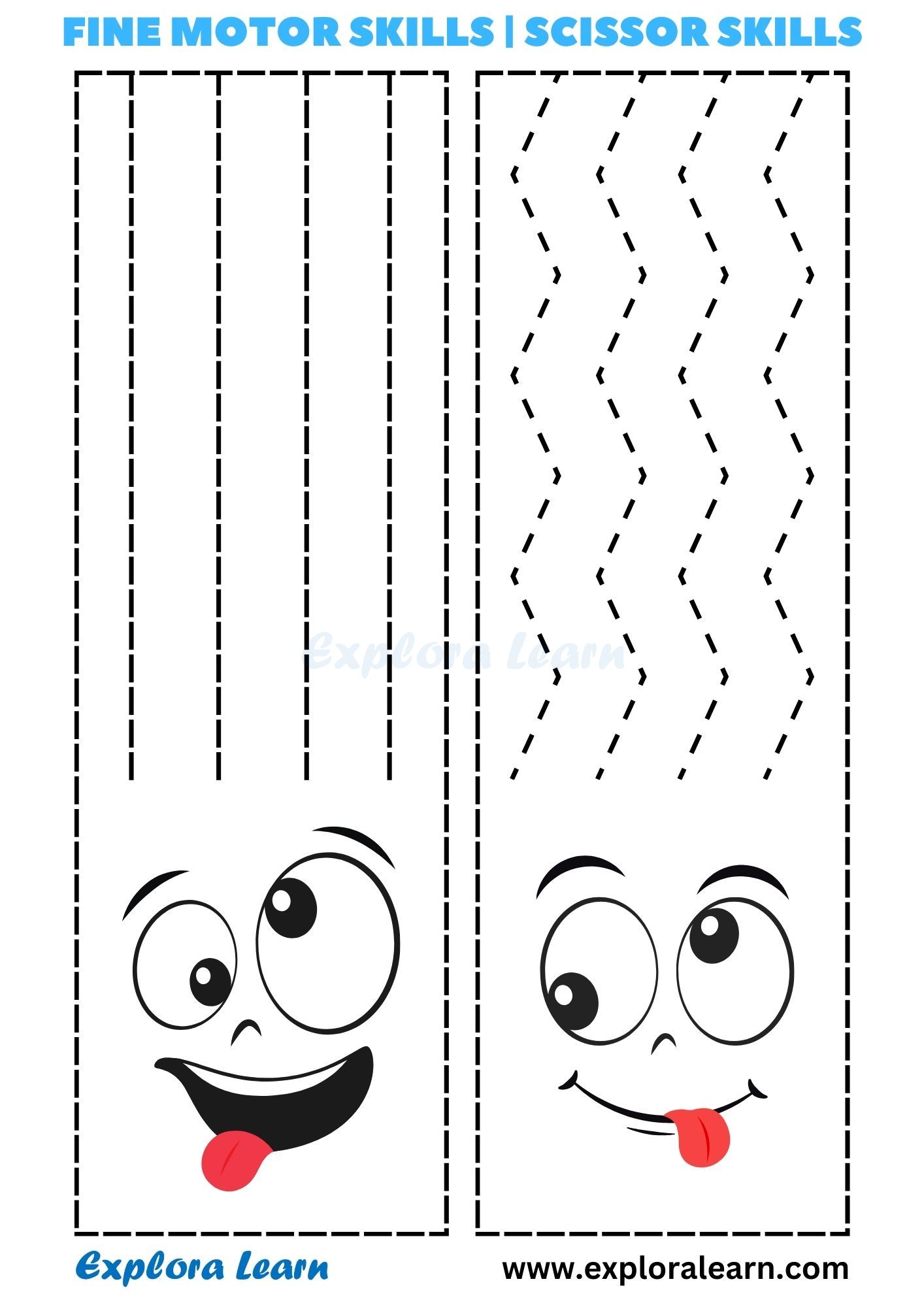
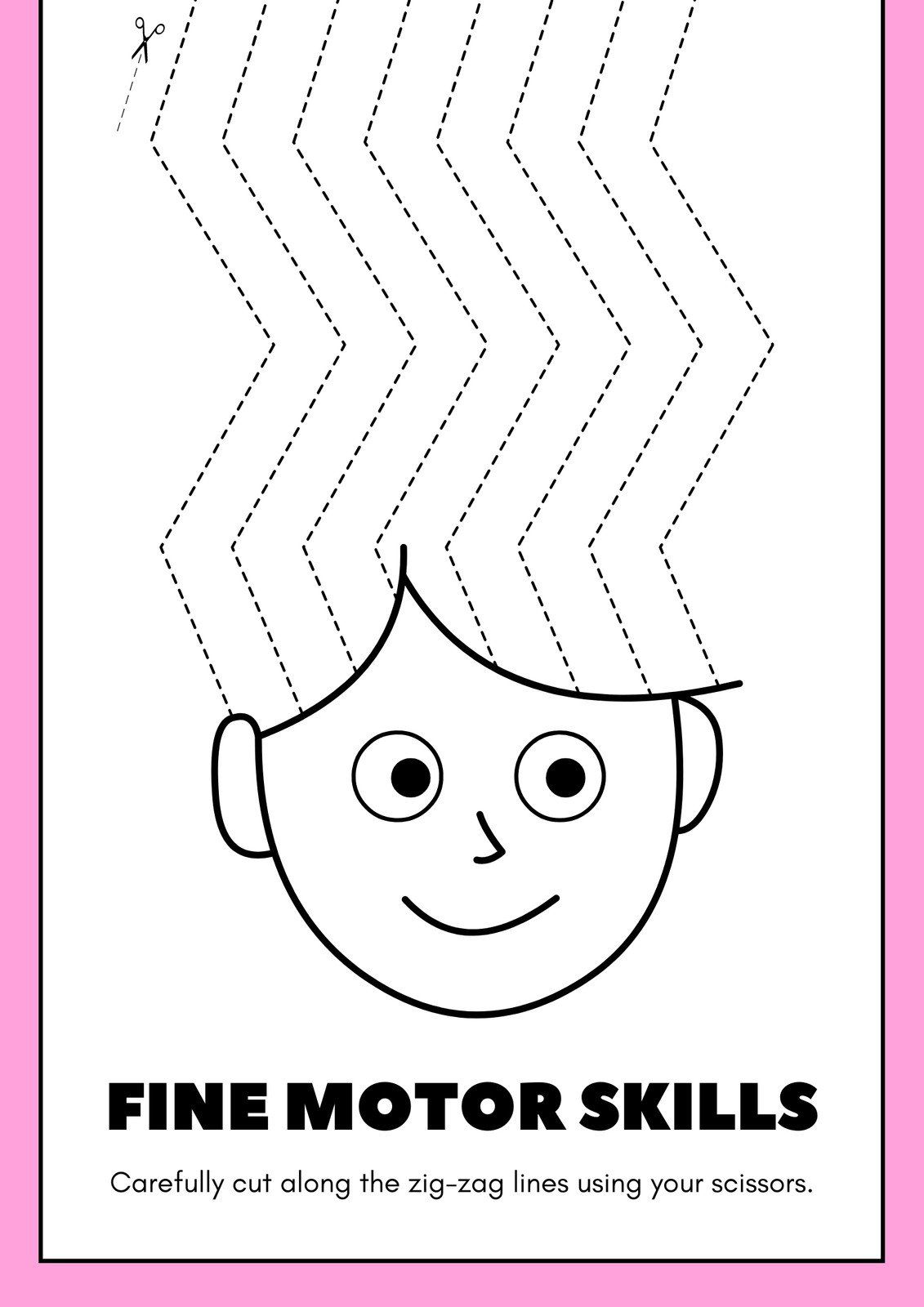
- Cutting Worksheets: Worksheets that require children to cut along lines or shapes are excellent for developing scissor skills. Look for images that are simple and safe for little hands.
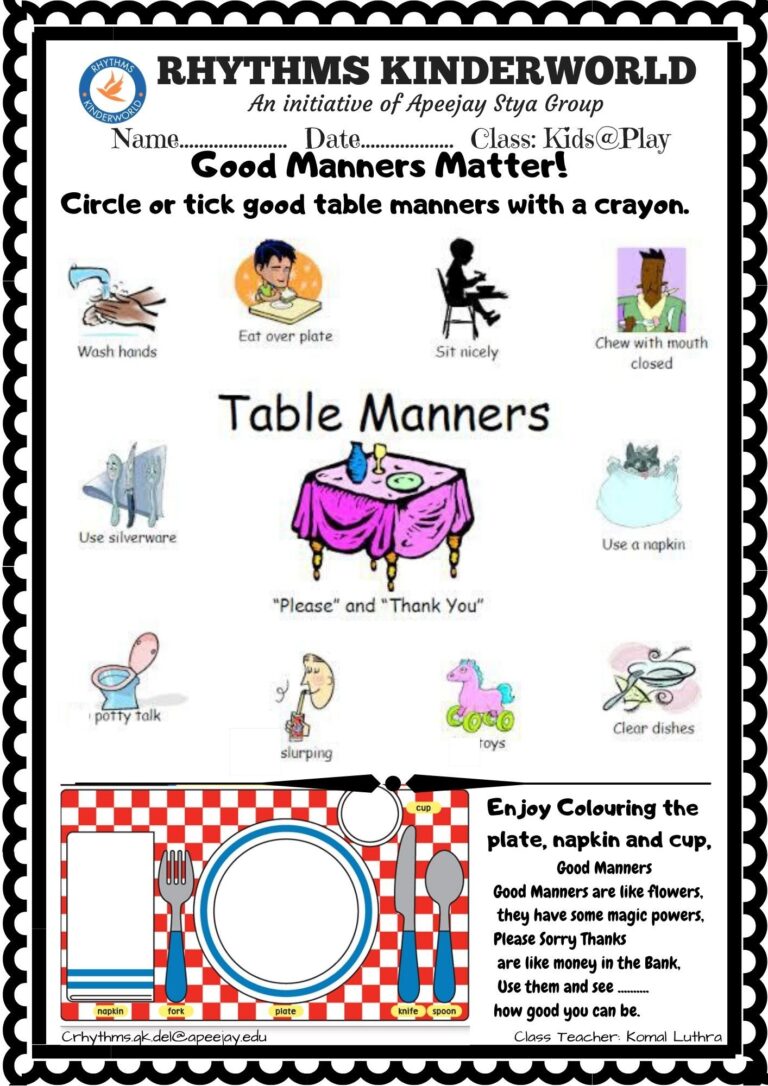
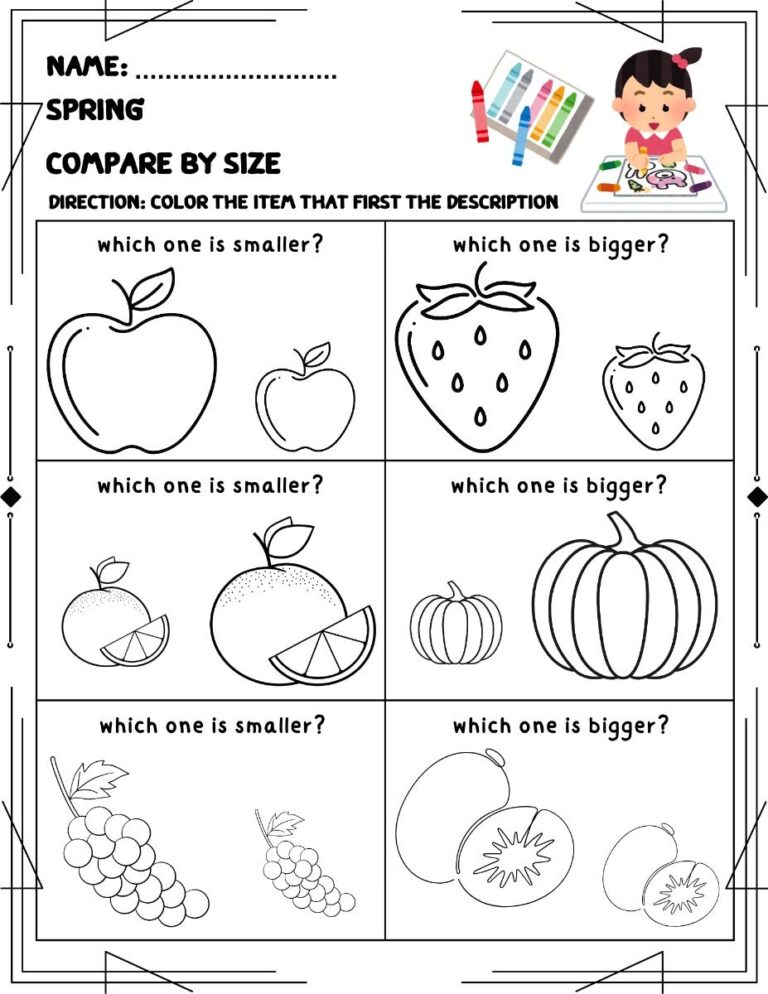
- Coloring Pages: Coloring not only enhances creativity but also strengthens grip and control. Choose pages that are detailed enough to engage your child but not so complex that they become frustrated.
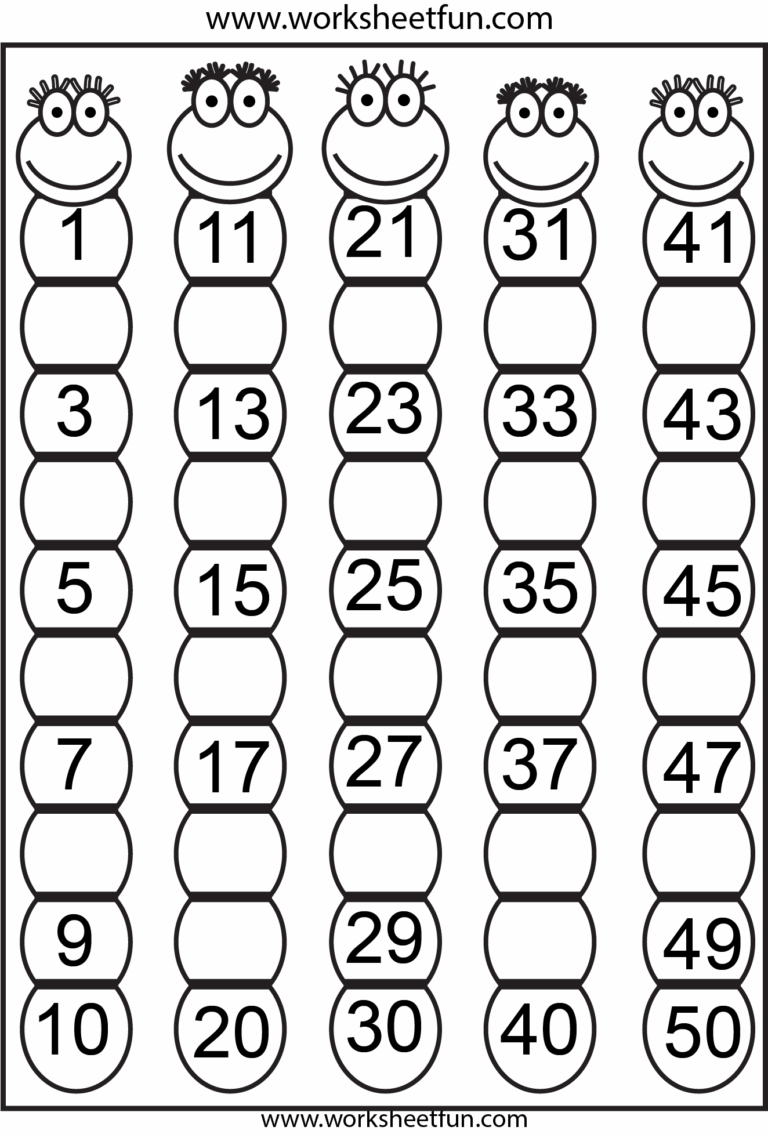
- Dot-to-Dot Activities: Connecting dots to form pictures helps with counting skills and pencil control. These activities can also be a fun way to practice number recognition.
- Lacing Cards: Printable lacing cards allow children to practice threading using yarn or shoelaces, which is excellent for hand-eye coordination.
- Puzzles: Simple printable puzzles can challenge children to fit pieces together, promoting spatial awareness and problem-solving skills.
How to Print and Use Fine Motor Worksheets
When it comes to printing and using Fine Motor Worksheets For Preschoolers, you have a couple of options. Here’s how to make the most of these resources:
Digital Vs. Print Completion
- Digital Completion: If the worksheet is in a fillable PDF format, your child can complete it on a tablet or computer using a stylus or their finger. This method is mess-free, and you can easily save the completed worksheets for future reference. However, it may not offer the same tactile experience that writing or cutting provides.
- Print and Write by Hand: Printing the worksheets allows your child to use physical materials like crayons, scissors, and glue. This can be beneficial for developing fine motor skills as they manipulate these tools. When printing, consider using cardstock for durability, especially if you plan to laminate the worksheets for repeated use.
Practical Tips for Effective Use
- Choose the Right Paper: Standard printer paper is fine for most activities, but cardstock holds up better if you plan to laminate the worksheets.
- Use the Right Tools: Ensure your child has age-appropriate scissors for cutting activities. If they struggle with grip, consider using training scissors designed for little hands.
- Set Up a Routine: Incorporate fine motor activities into your daily routine. For example, set aside time each day for a specific worksheet or activity, making it a fun learning moment.
- Encourage Independence: While it’s great to guide your child, encourage them to try completing worksheets on their own. This builds confidence and a sense of accomplishment.
Where to Find Fine Motor Worksheets
Finding quality Fine Motor Worksheets For Preschoolers doesn’t have to be difficult. Here are some places to look:
- Printable Resource Websites: Many websites offer free or low-cost printable worksheets. Look for sites that specialize in educational resources for preschoolers.
- Educational Apps: Some educational apps provide worksheets and activities that can be printed or completed digitally. They often include tracking features to monitor your child’s progress.
- Social Media Groups: Parenting or homeschooling groups on platforms like Facebook often share links to free resources. You can find recommendations for worksheets that other parents have found helpful.
- Teachers Pay Teachers: This marketplace allows educators to sell their resources, including fine motor worksheets. You’ll find a range of options, from free downloads to more comprehensive paid materials.
Benefits of Using Fine Motor Worksheets
Incorporating Fine Motor Worksheets For Preschoolers into your child’s routine offers numerous benefits:
- Skill Development: Worksheets specifically target fine motor skills, helping children develop the necessary dexterity for future tasks like writing and drawing.
- Engagement: Many worksheets are designed to be fun and engaging, which can motivate children to practice their skills without it feeling like a chore.
- Flexibility: You can choose worksheets that fit your child’s interests and skill level, ensuring that they remain challenged but not overwhelmed.
- Tracking Progress: Regular use of worksheets allows you to track your child’s improvement over time. You can see which skills they are mastering and which areas may need more focus.
Fine Motor Worksheets For Preschoolers Gallery