Easy Language Worksheets For Preschoolers
Language development in preschoolers is crucial, and using tailored worksheets can significantly help enhance their skills. Easy Language Worksheets For Preschoolers are specifically designed to engage young learners, making the process enjoyable and effective. These worksheets are generally available in PDF format, typically sized at 8.5×11 inches, which is perfect for standard printing. Let’s explore how these resources can fit into your daily routine and support your child’s language learning journey.
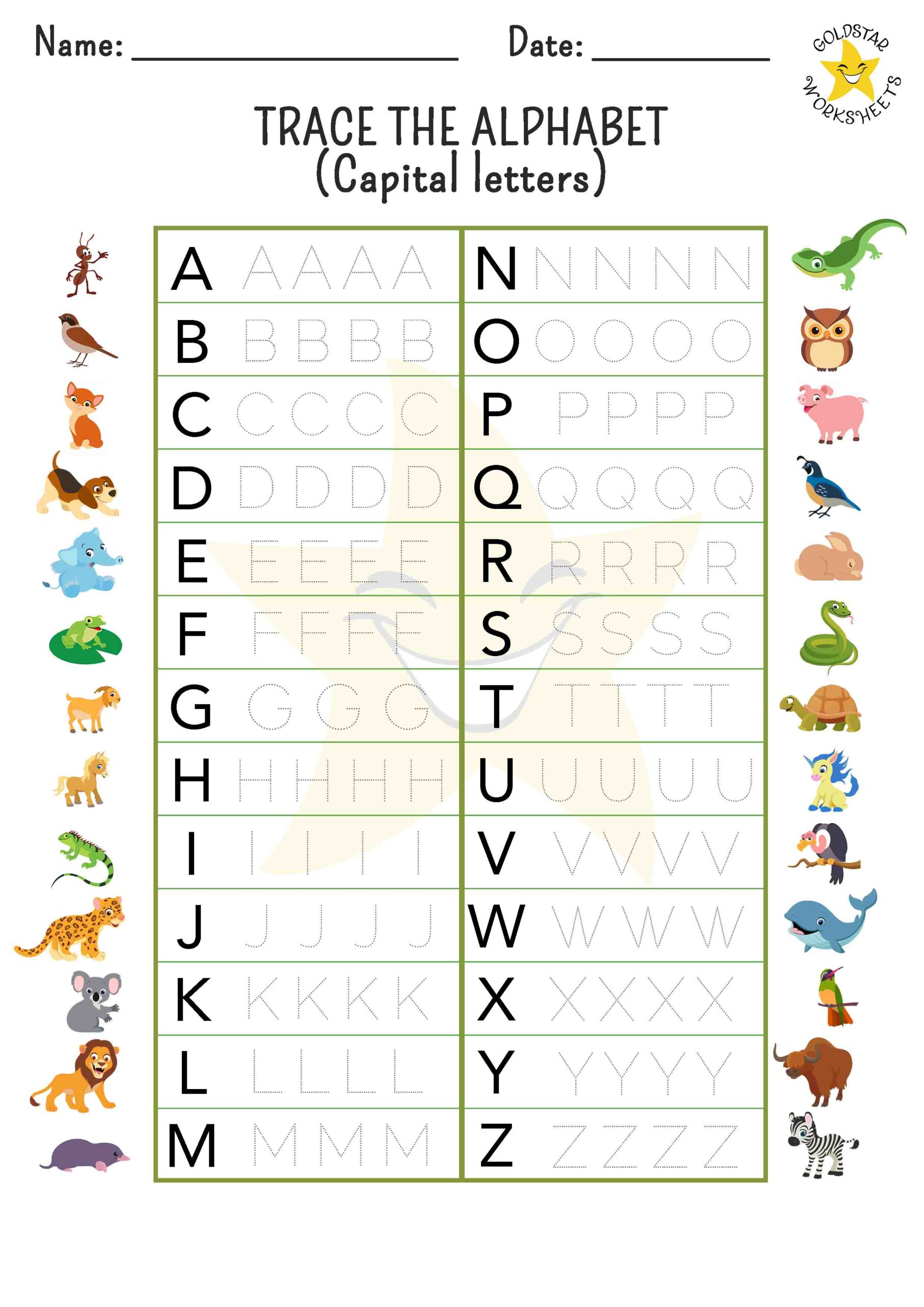
The Layout of Easy Language Worksheets
Understanding the layout of these worksheets is essential for maximizing their effectiveness. Most easy language worksheets feature sections that focus on different aspects of language development, such as vocabulary building, sentence formation, and comprehension skills.
You’ll often find:
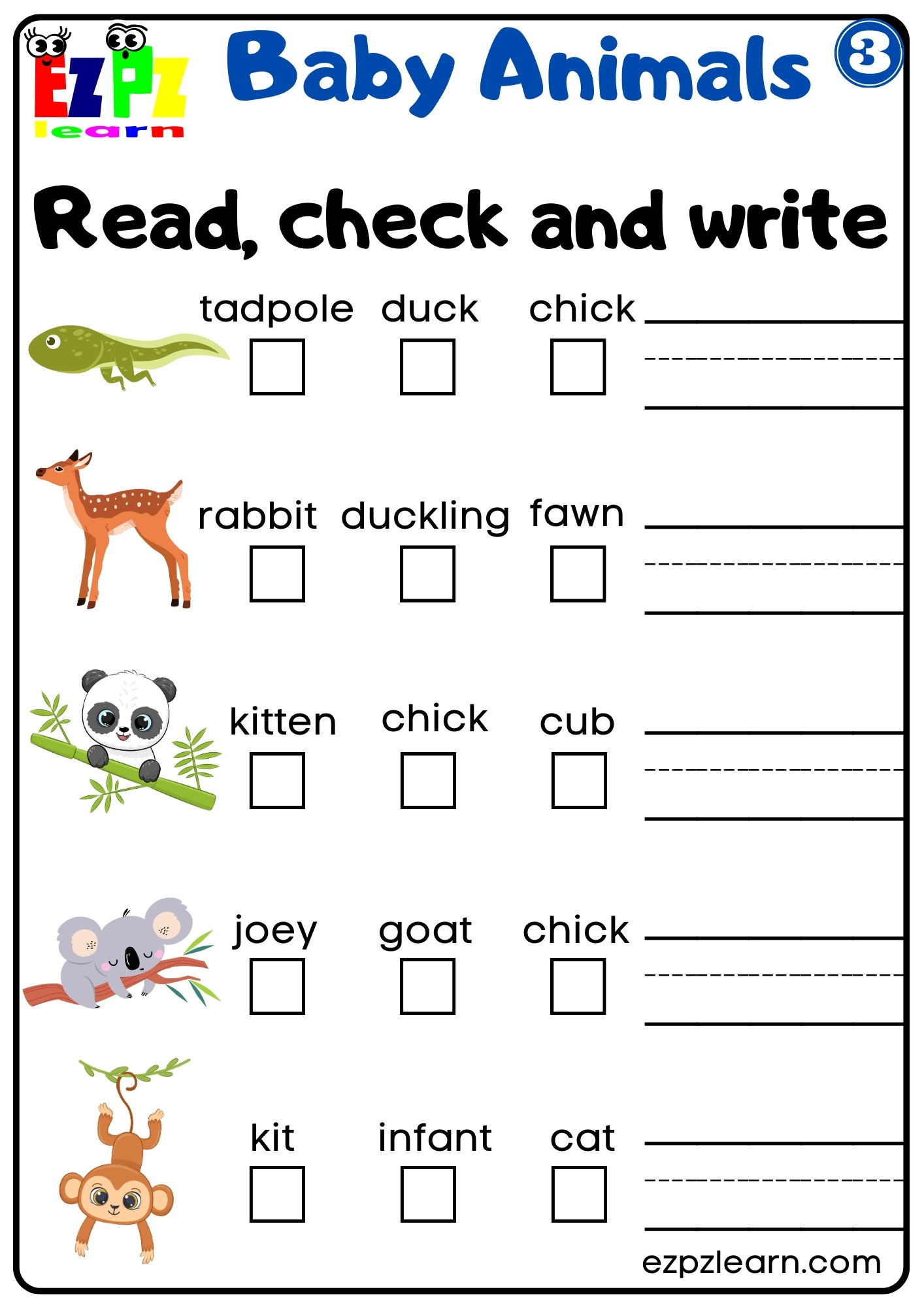
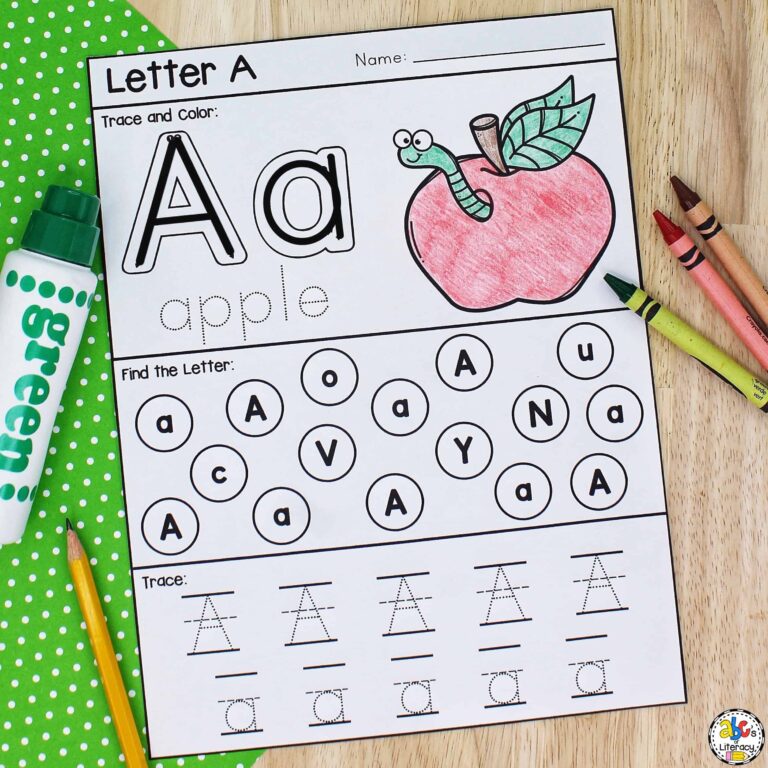
- Visual Prompts: Pictures or illustrations that accompany words or sentences. These help preschoolers connect the visual representation with the language, enhancing memory retention.
- Fill-in-the-Blank Activities: Spaces provided for children to complete sentences or label images. This encourages them to think critically about word usage and context.
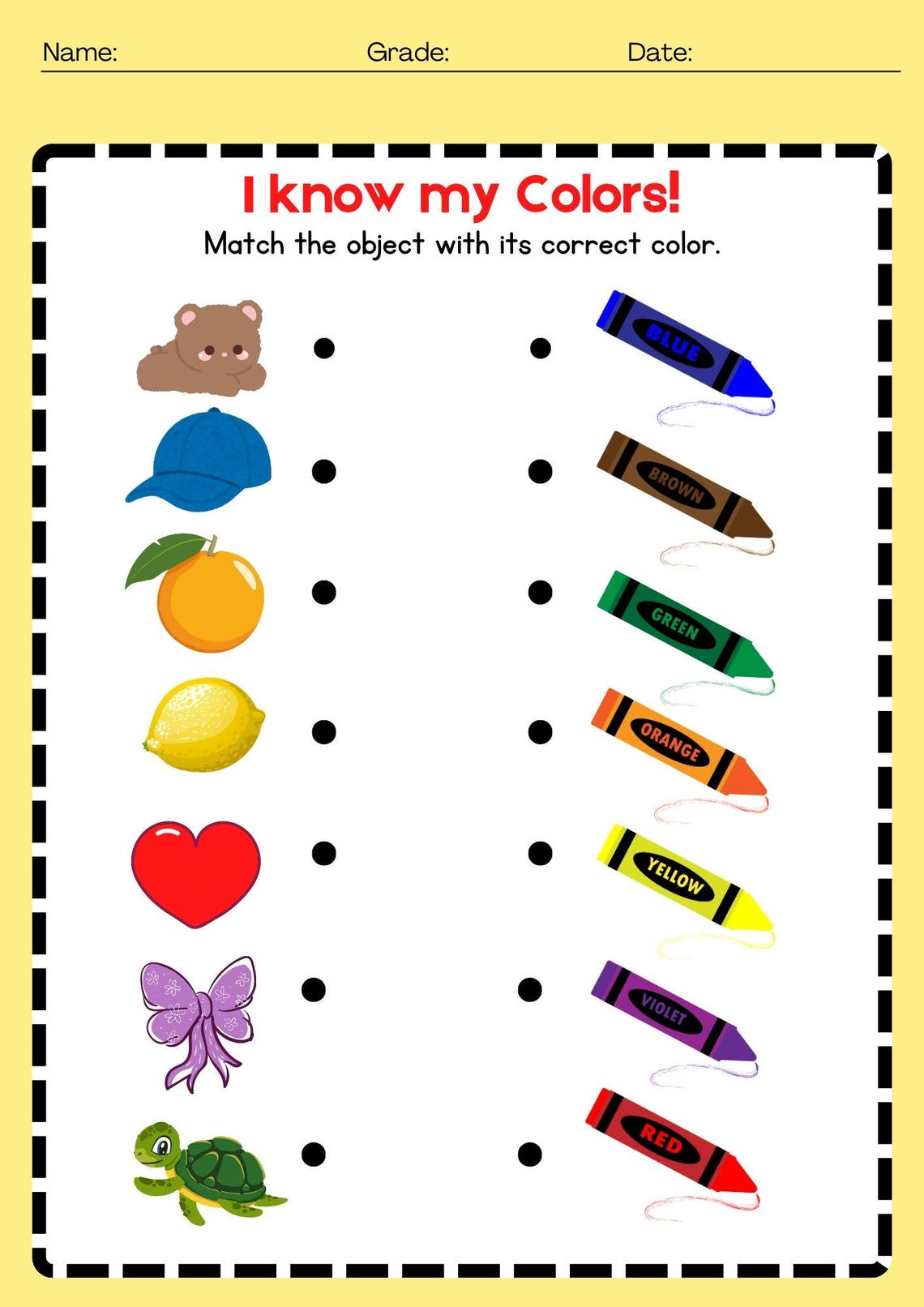
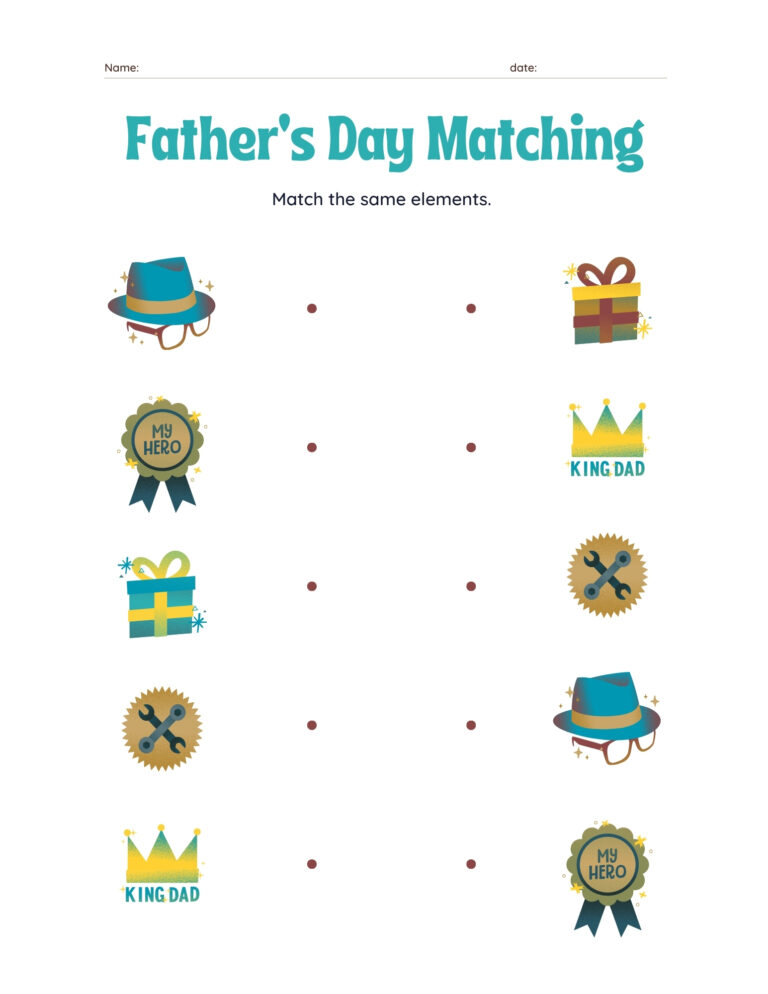
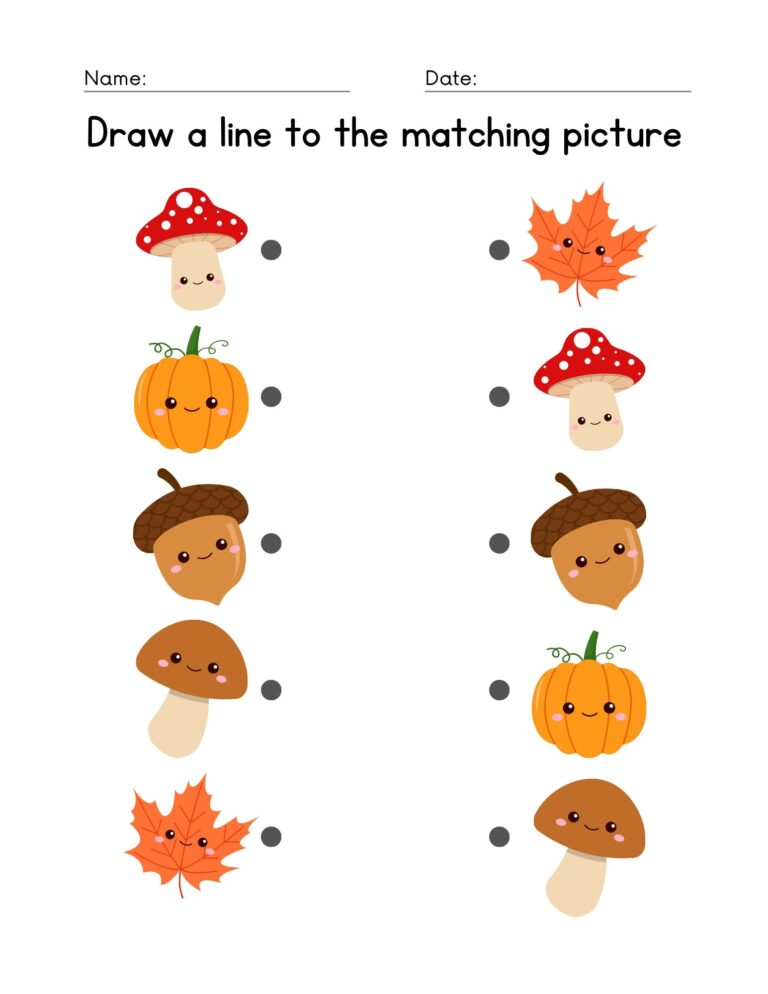
- Matching Exercises: Activities that involve drawing lines between words and corresponding images or definitions. This promotes recognition and understanding of vocabulary.
When printing these worksheets, consider using a higher-quality paper to withstand repeated handling, especially if your child enjoys coloring or doodling on them.
Types of Language Activities Included
Easy language worksheets typically include a variety of activities designed to engage preschoolers. Here are some popular types you might encounter:
Vocabulary Practice
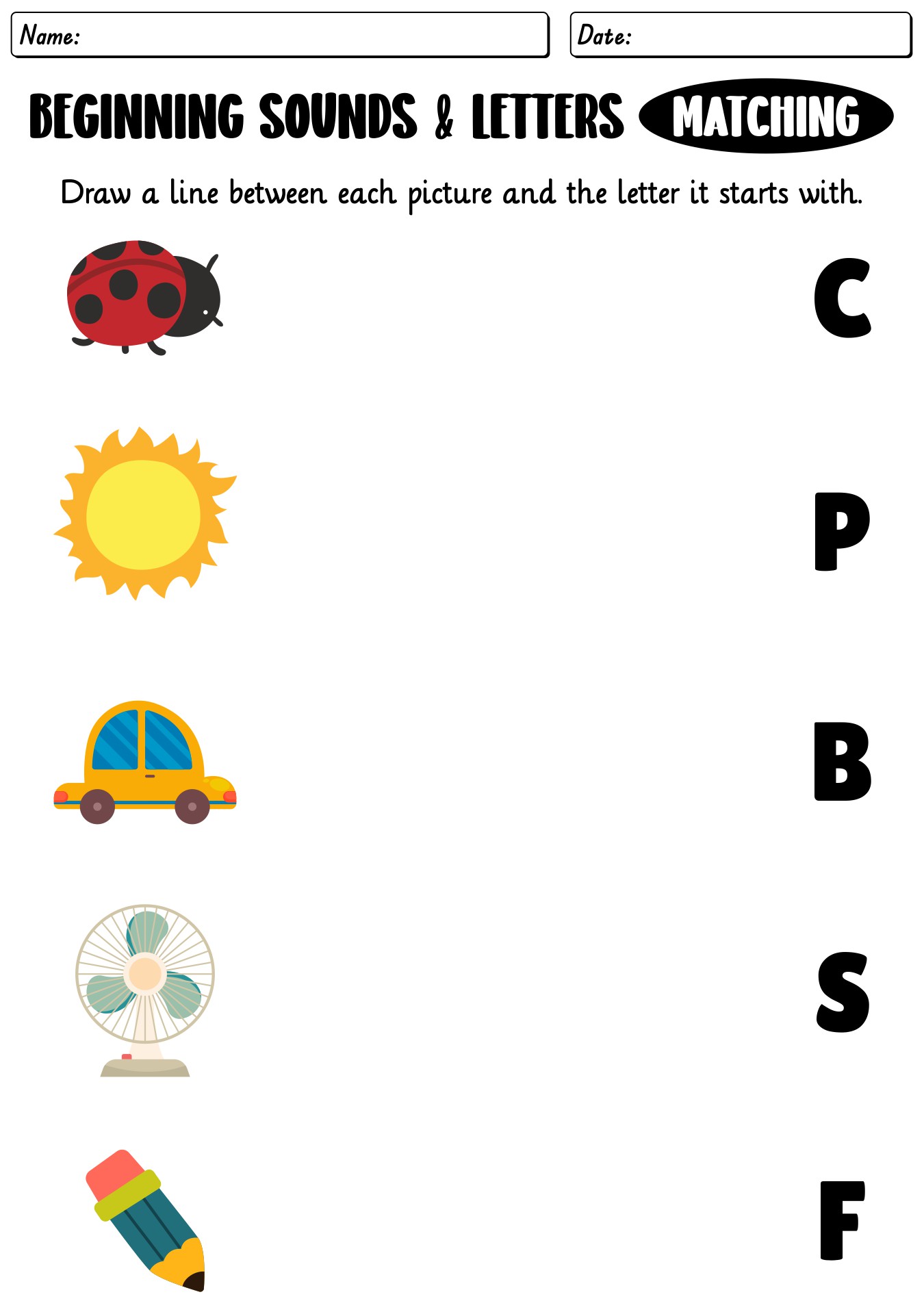
Worksheets often include sections dedicated to vocabulary. These might feature word lists alongside images, allowing children to match words with the correct pictures. For instance, a worksheet might display a picture of a cat with the word “cat” next to it. This not only assists in vocabulary acquisition but also improves word recognition.
Sentence Construction
Another common activity involves constructing simple sentences. Children might be asked to arrange words into a coherent sentence or fill in missing words. For example, a worksheet could prompt them to complete the sentence “The dog is ___,” encouraging them to think of an appropriate adjective like “big” or “happy.” This activity fosters grammar skills and helps children understand sentence structure.
Story Comprehension
To enhance reading comprehension, some worksheets include short stories followed by questions. Children can practice answering questions about the story, fostering critical thinking and comprehension skills. Look for questions that ask about characters, settings, or main ideas to challenge their understanding.
How to Use These Worksheets Effectively
Incorporating easy language worksheets into your daily routine can be a fun and productive way to enhance your child’s language skills. Here are a few practical tips:
- Set a Regular Schedule: Dedicate a specific time each day for worksheet activities. This consistency helps children anticipate and look forward to their learning time.
- Create a Learning Space: Set up a designated area with all necessary supplies, including crayons, markers, and scissors. A comfortable and organized space can encourage focus and creativity.
- Incorporate Play: Turn worksheet activities into games. For instance, after completing a vocabulary worksheet, you might play a matching game using flashcards with the same words.
- Encourage Discussion: After completing a worksheet, discuss the answers together. Ask open-ended questions to prompt your child to explain their thinking. This enhances language skills through conversation.
Where to Find Printable Resources
There are numerous online platforms where you can find high-quality, printable Easy Language Worksheets For Preschoolers. Here’s how to navigate these resources effectively:
- Educational Websites: Many educational websites offer free or low-cost printable worksheets. Look for sites that specialize in preschool education, as they often have curated content tailored for young learners.
- Downloadable PDFs: Ensure that the worksheets are available in PDF format to avoid formatting issues when printing. PDFs typically maintain their layout and design, ensuring that your printed version looks just like the original.
- User Reviews: Before downloading, check user reviews or ratings if available. This can provide insight into the effectiveness and engagement level of the worksheets.
Common Mistakes to Avoid
When using Easy Language Worksheets For Preschoolers, there are a few common pitfalls to watch out for:
- Overloading Worksheets: Choose worksheets that are appropriately challenging. Too much information can overwhelm young learners. Start with simpler tasks and gradually increase complexity as they become more comfortable.
- Neglecting Feedback: Providing feedback is crucial. After your child completes a worksheet, go through it together to discuss any mistakes. This helps them learn and reinforces their understanding.
- Ignoring Individual Learning Styles: Every child learns differently. Tailor your approach based on your child’s interests and strengths. Some children might prefer visual activities, while others may enjoy oral discussions.
Incorporating Easy Language Worksheets For Preschoolers into your child’s learning routine can be a delightful journey. With the right resources and strategies, you can help your child develop essential language skills in a fun, engaging way. Whether you choose to print them on standard paper or use cardstock for durability, these worksheets can provide valuable practice that makes a difference in your child’s language development.
Easy Language Worksheets For Preschoolers Gallery