Easy Maze Worksheets For Preschoolers
Easy Maze Worksheets For Preschoolers are a fantastic way to engage your little ones while helping them develop essential skills. These worksheets are not just entertaining; they play a crucial role in enhancing fine motor skills, problem-solving abilities, and hand-eye coordination. As a parent, I know how challenging it can be to keep preschoolers engaged, and these mazes offer a perfect blend of fun and learning.
What Are Easy Maze Worksheets?
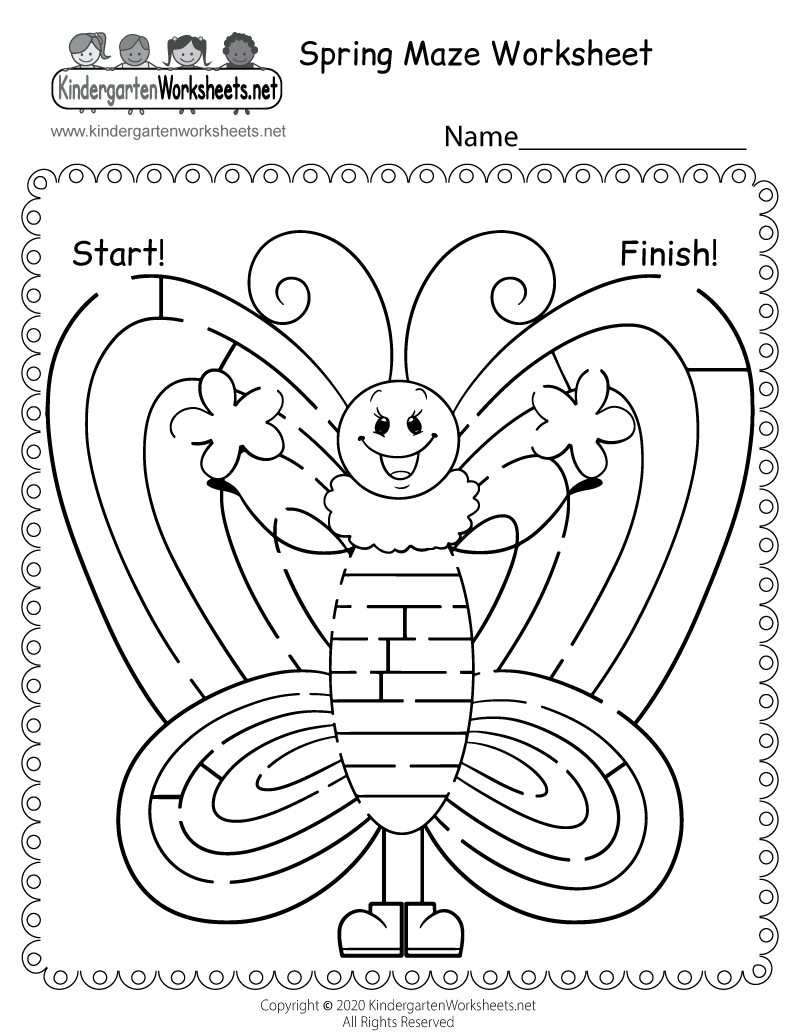
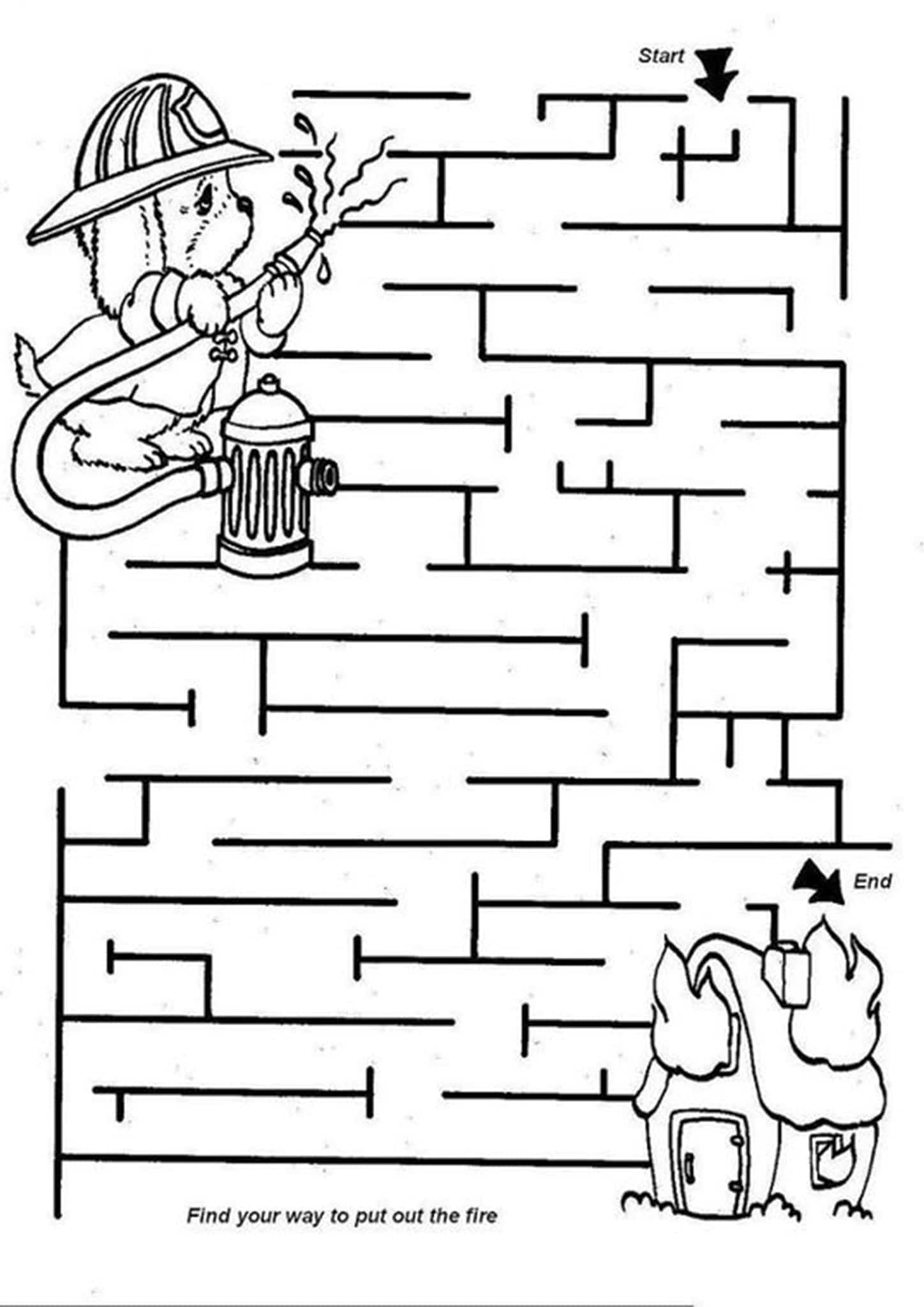
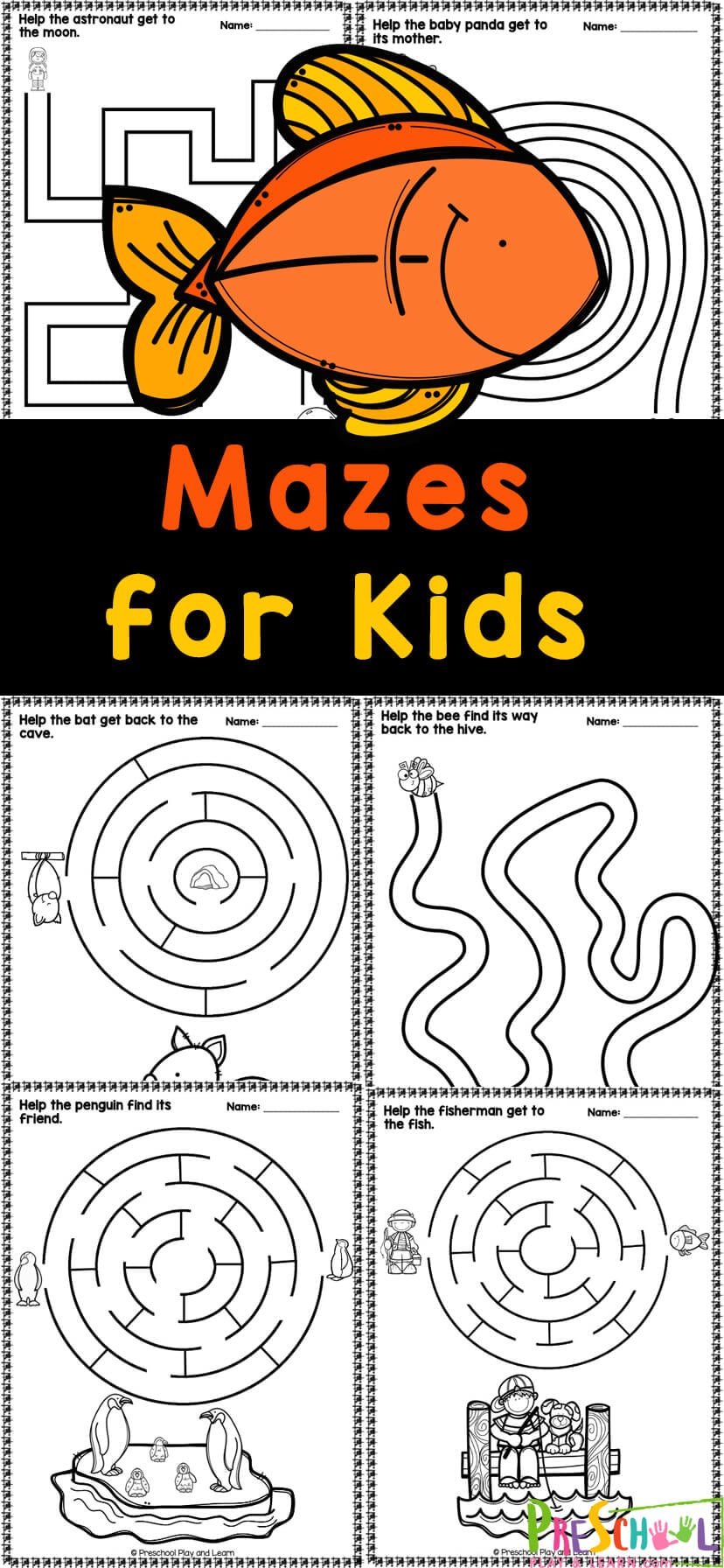
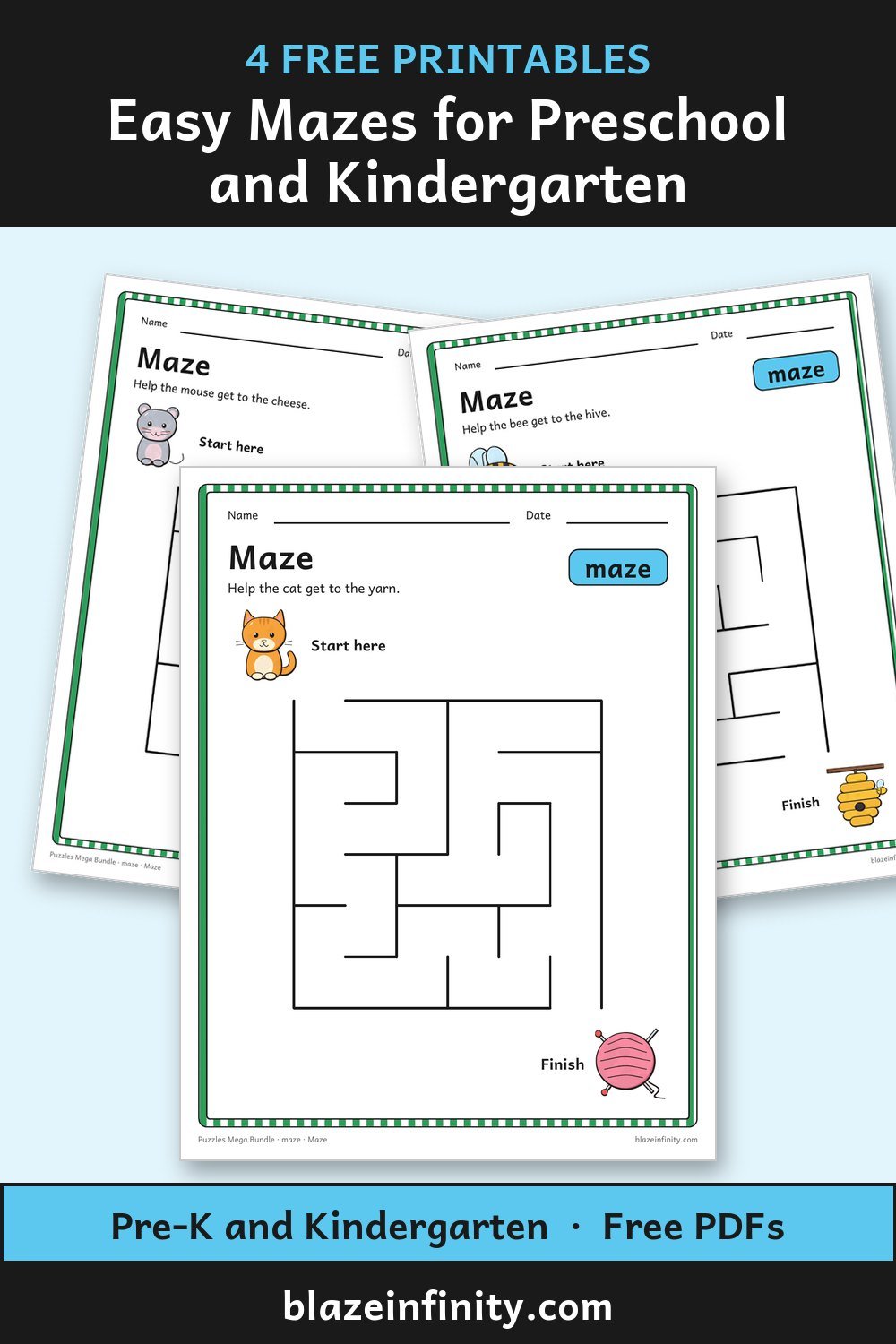
Easy Maze Worksheets are simple, printable activities designed for preschoolers. They usually consist of straightforward paths that children must navigate with a pencil or crayon. The goal is to help them find their way from a starting point to an endpoint, often featuring fun themes like animals, vehicles, or seasonal elements. These worksheets can be printed at home, making them accessible and easy to use whenever you need a quick activity to keep your child engaged.
Benefits of Easy Maze Worksheets
Using Easy Maze Worksheets for Preschoolers comes with numerous benefits:
- Fine Motor Skills Development: As children trace the maze paths, they strengthen their grip and control over writing instruments, which is vital for later writing skills.
- Problem-Solving Skills: Mazes encourage critical thinking. Children learn to plan their moves and understand concepts like trial and error.
- Concentration and Focus: Completing a maze requires attention, helping children improve their focus over time.
- Fun and Engaging: The playful designs make learning enjoyable, allowing children to immerse themselves in the task.
How to Use Easy Maze Worksheets
To get the most out of Easy Maze Worksheets, follow these simple steps:
- Print the Worksheets: Choose a few worksheets to print. I recommend using standard letter-sized paper (8.5 x 11 inches) for easy handling.
- Prepare Your Workspace: Set up a comfortable area with good lighting. A table or desk works best to help your child concentrate.
- Gather Supplies: You’ll need crayons or pencils. Opt for larger crayons for younger children, as they are easier to hold.
- Explain the Activity: Show your child what to do. Explain the starting and ending points clearly, and encourage them to trace the path.
- Encourage Independence: Allow your child to work on the maze on their own. Offer help if they get stuck, but try to let them think through the problem first.
- Celebrate Completion: Once they finish, celebrate their success! You might even consider displaying their completed worksheets on the fridge or a bulletin board.
Types of Easy Maze Worksheets
There are various types of Easy Maze Worksheets available, each catering to different interests and themes. Here are a few popular ones:
- Animal-themed Mazes: These mazes often feature cute animals that children can relate to, making the activity more enjoyable.
- Seasonal Mazes: Worksheets themed around holidays or seasons can add an educational twist, teaching kids about nature and celebrations.
- Vehicle Mazes: Perfect for little ones who are fascinated with cars, trucks, and airplanes, these worksheets can capture their attention effectively.
Where to Find Easy Maze Worksheets
You can find Easy Maze Worksheets for Preschoolers in several places:
- Printable Resource Websites: Many educational websites offer free and downloadable maze worksheets. Look for sites that focus on preschool education.
- Educational Apps: Some apps provide interactive maze games that can also be printed out.
- Books: There are various activity books available that include maze worksheets specifically designed for preschool-aged children.
Tips for Parents
Here are some practical tips to enhance the maze worksheet experience:
- Set a Timer: If your child enjoys a challenge, set a timer to see how quickly they can complete a maze. This adds a fun competitive element.
- Combine with Storytelling: Create a story around the maze. For example, if it’s an animal maze, talk about where the animal is going and why. This encourages creativity and language development.
- Use Different Mediums: Try using different writing tools like colored pencils, markers, or even finger painting for a sensory experience.
Adapting the Worksheets
If you find that your child is struggling with the mazes, don’t hesitate to adapt them:
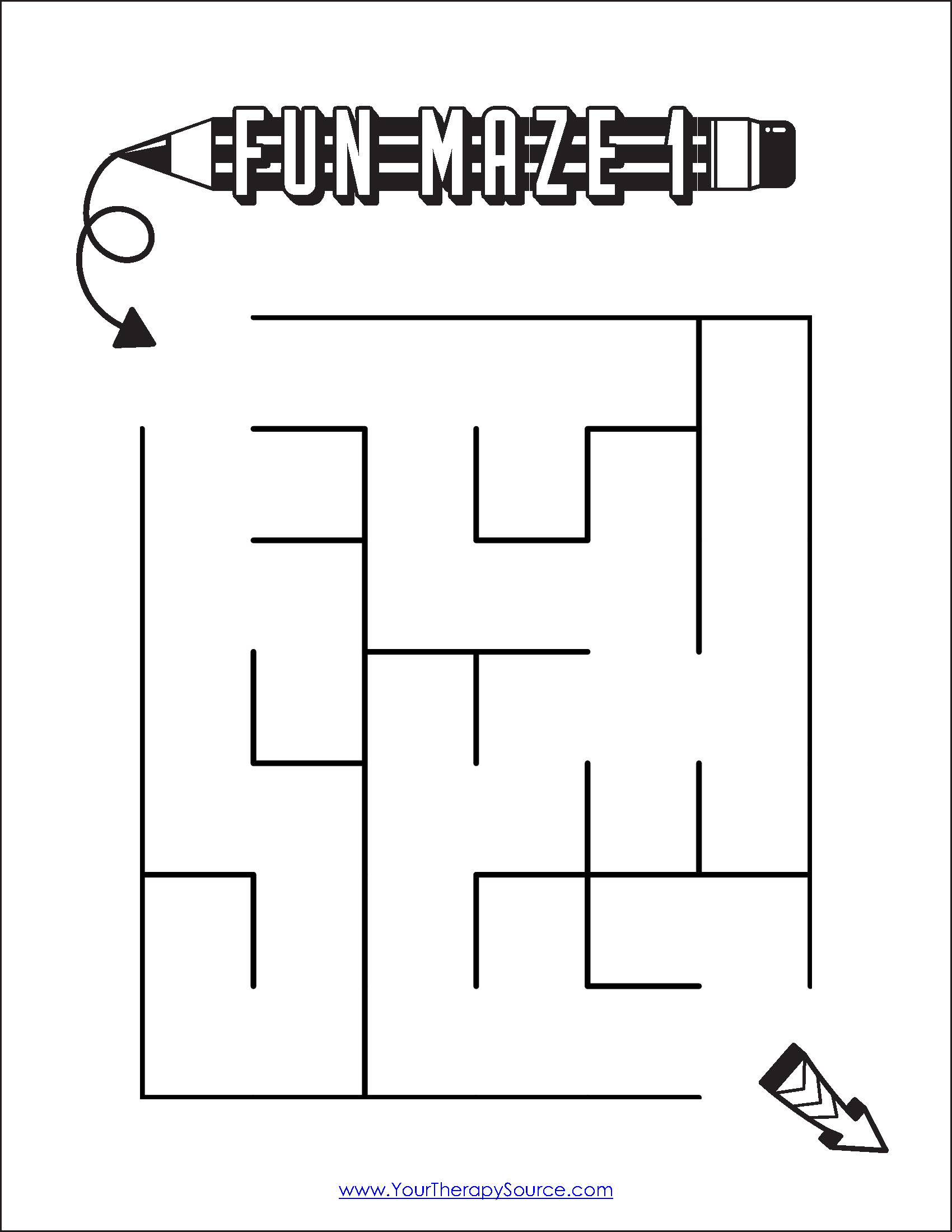
- Simplify the Maze: If the maze is too complex, look for simpler versions or create your own with fewer turns.
- Add Visual Cues: Use stickers or drawings to indicate the right path, guiding your child without giving away the solution.
- Create a Custom Maze: You can draw a maze yourself! Use large squares and circles to make it easier for younger children.
Easy Maze Worksheets For Preschoolers Gallery