Easy Worksheets For Preschoolers Number One
Getting your preschooler engaged in learning can be a delightful adventure, and nothing makes it easier than Easy Worksheets For Preschoolers Number One. These worksheets are crafted to make learning fun, interactive, and effective, providing your little ones with a solid foundation as they prepare for their educational journey. Let’s explore how to best utilize these worksheets, what types are available, and how they can fit seamlessly into your daily routine.
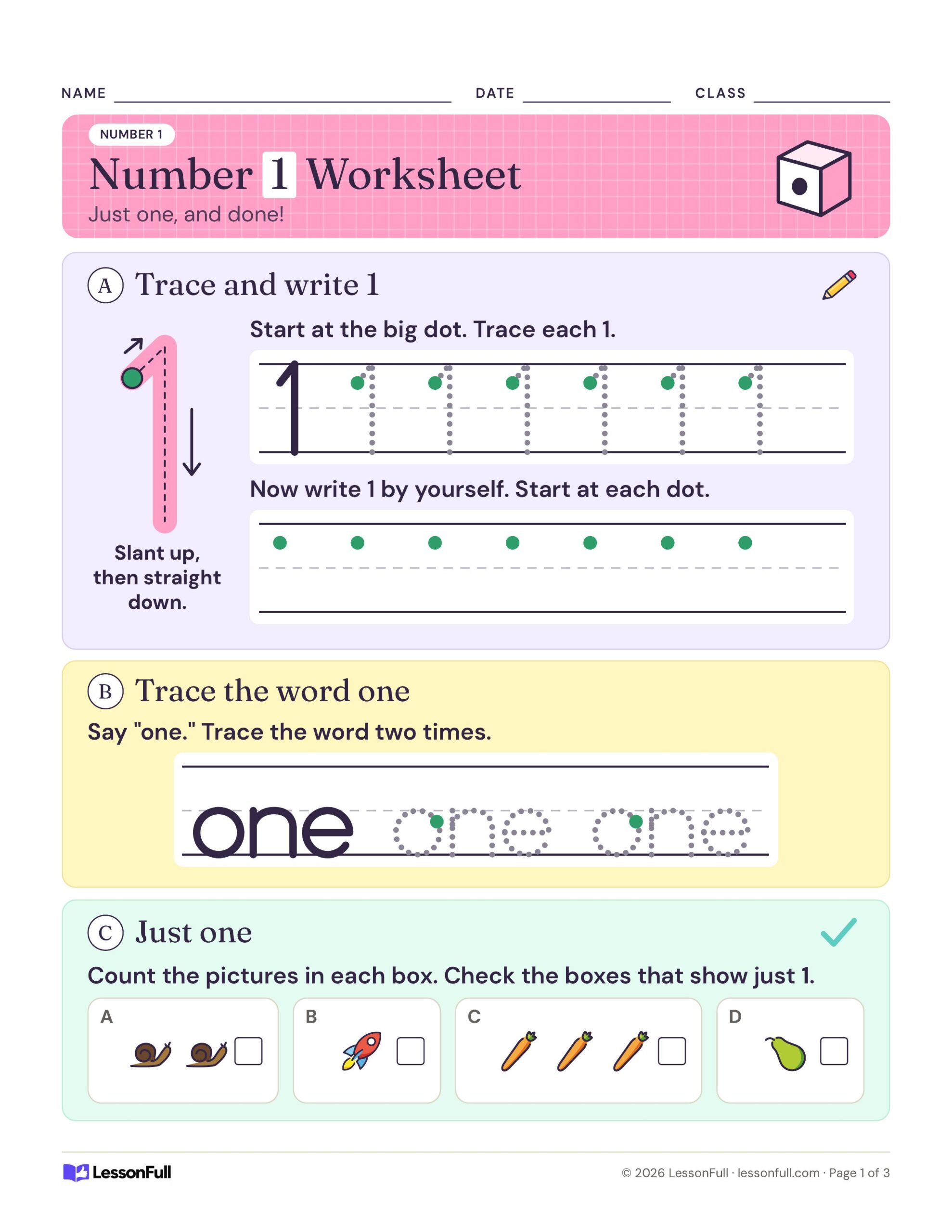
Understanding the Value of Preschool Worksheets
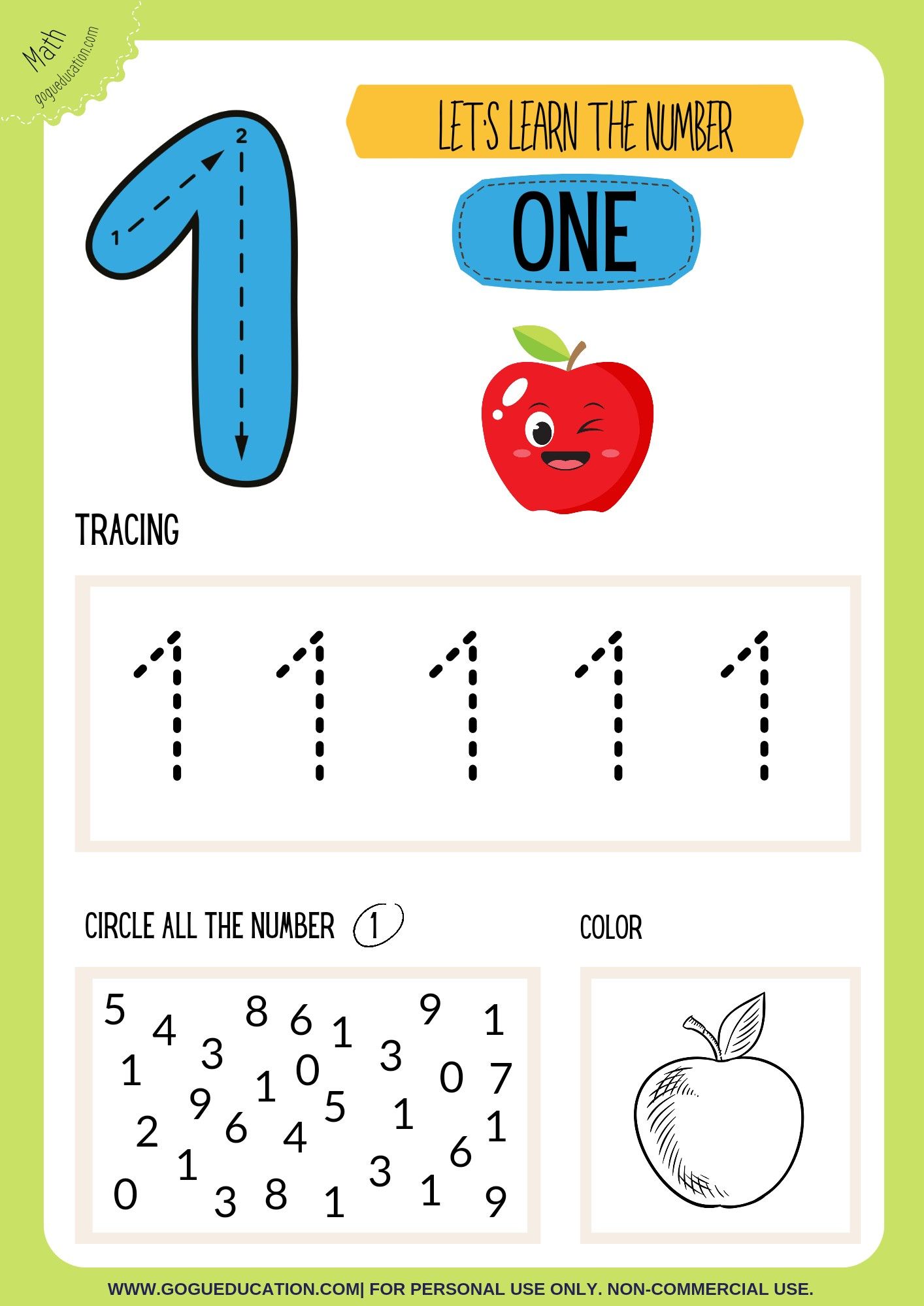
Worksheets designed for preschoolers serve as excellent tools to enhance cognitive skills, motor skills, and even social skills. They’re not just busy work; they are structured activities that can promote creativity and critical thinking. Easy worksheets can include simple tasks like tracing letters, counting objects, or matching colors, which can be done independently or with parental guidance.
By integrating these worksheets into your child’s daily activities, you not only make learning accessible but also fun. It’s important to choose worksheets that align with your child’s interests and developmental stage. This helps keep them motivated and eager to learn.
Types of Easy Worksheets for Preschoolers
The beauty of Easy Worksheets For Preschoolers Number One lies in their variety. Here’s a quick rundown of some popular types:
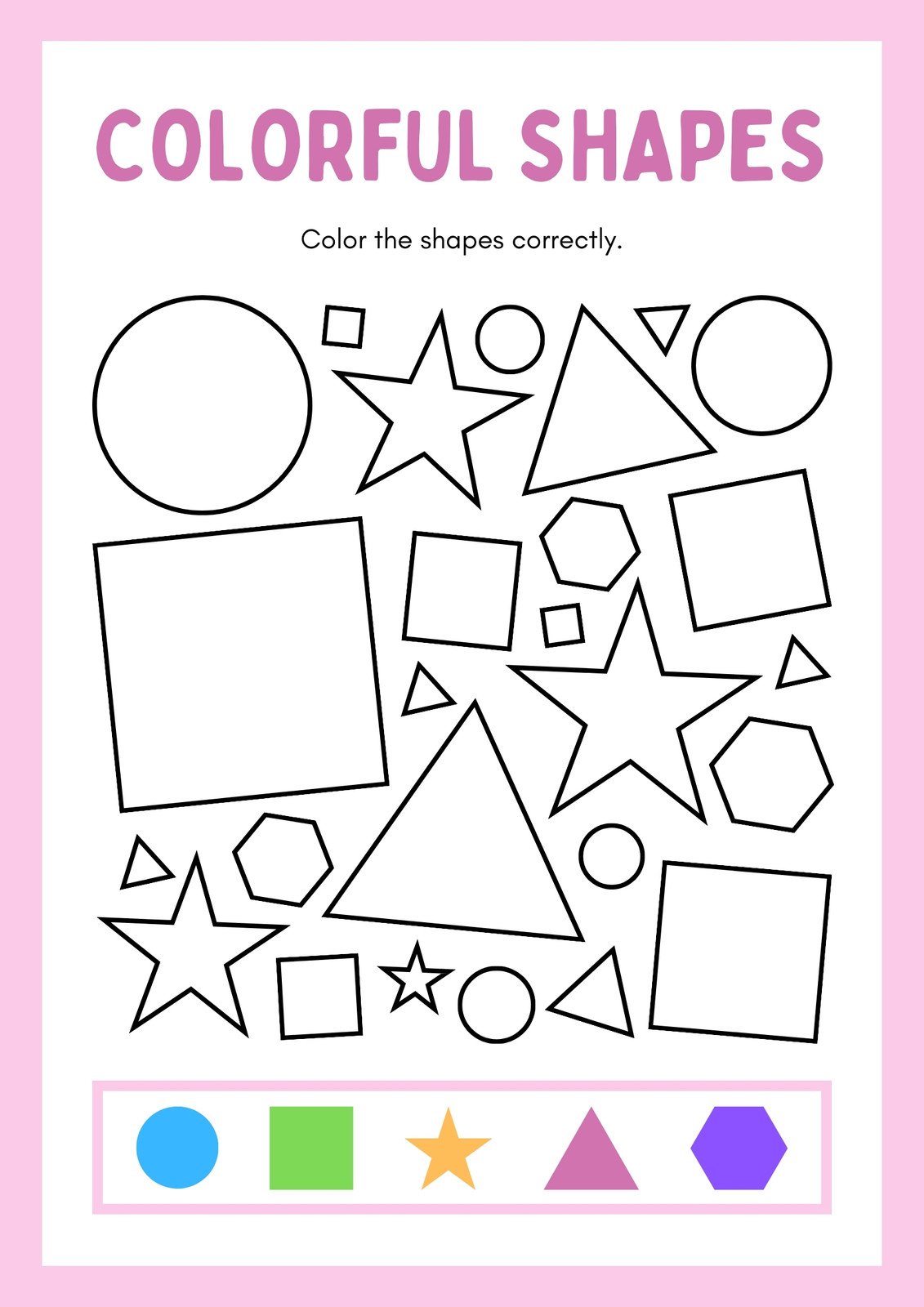
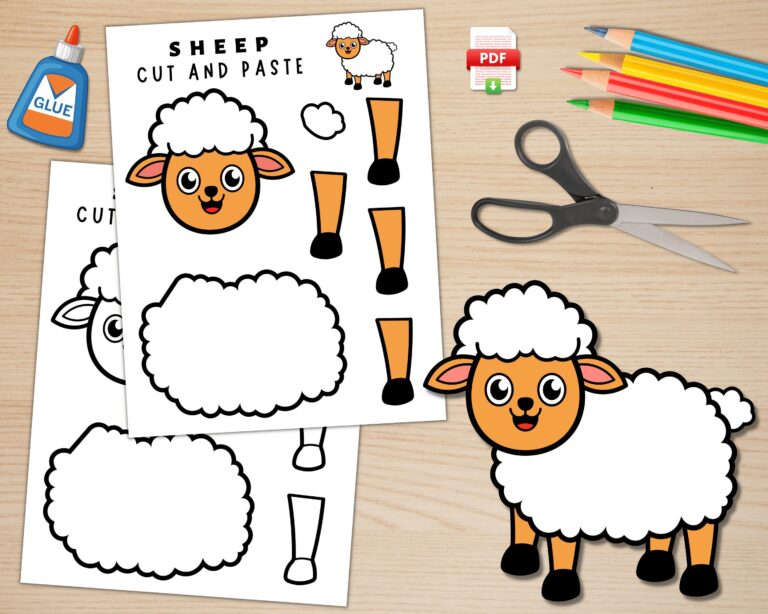
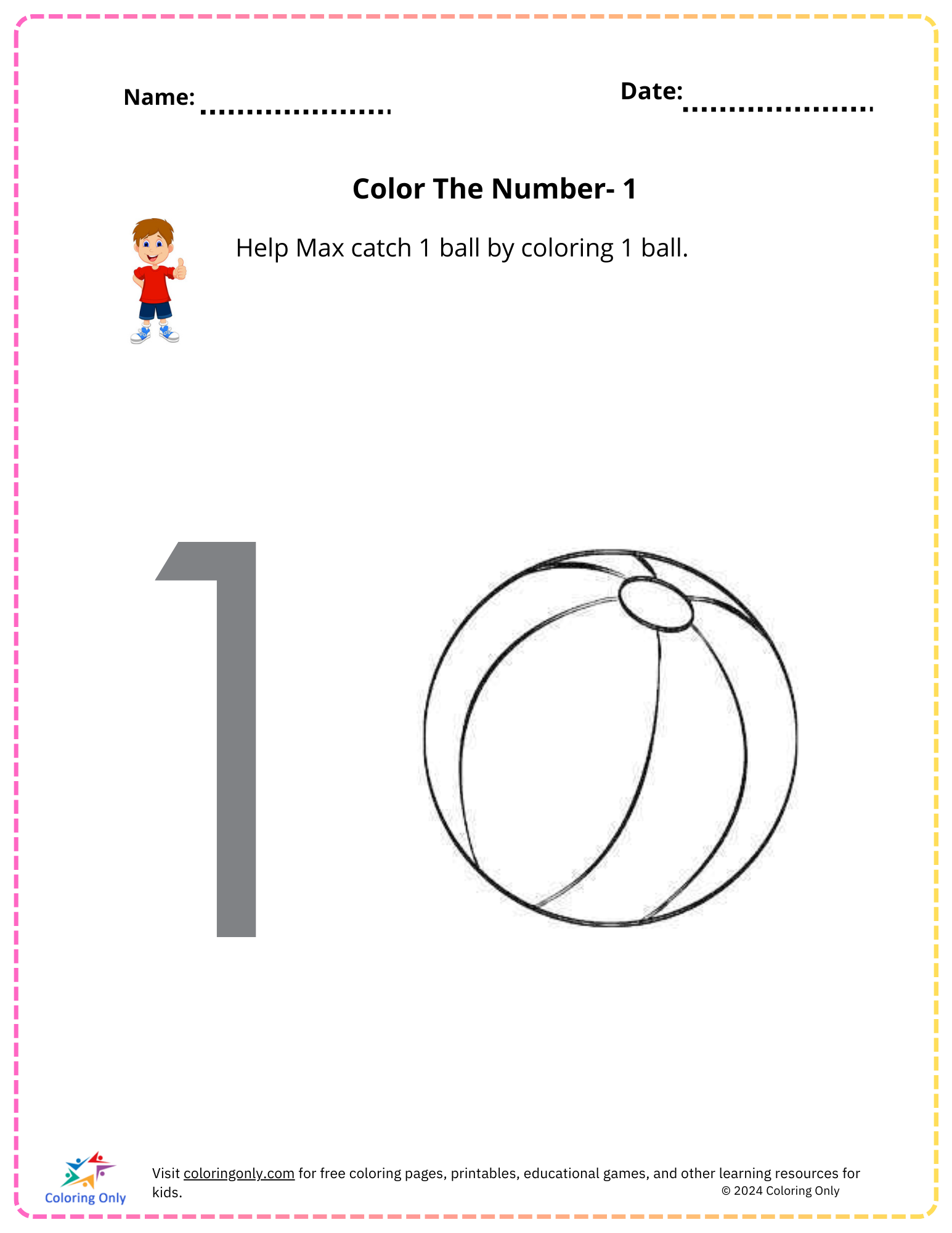
- Coloring Worksheets: These allow children to express themselves creatively while improving fine motor skills.
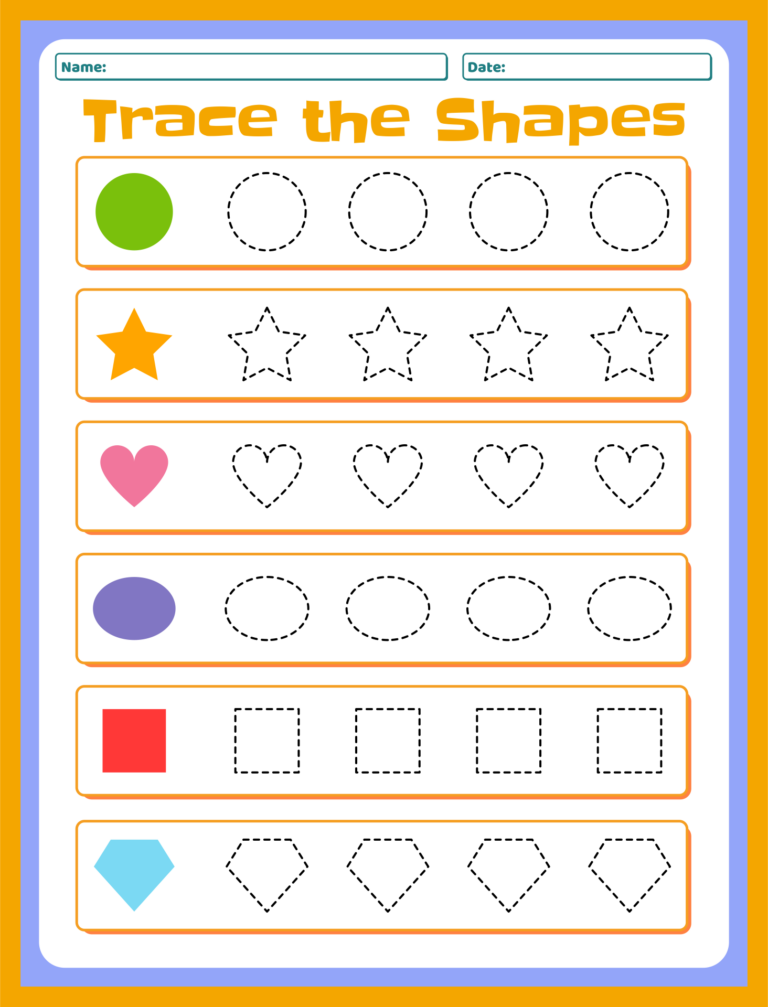
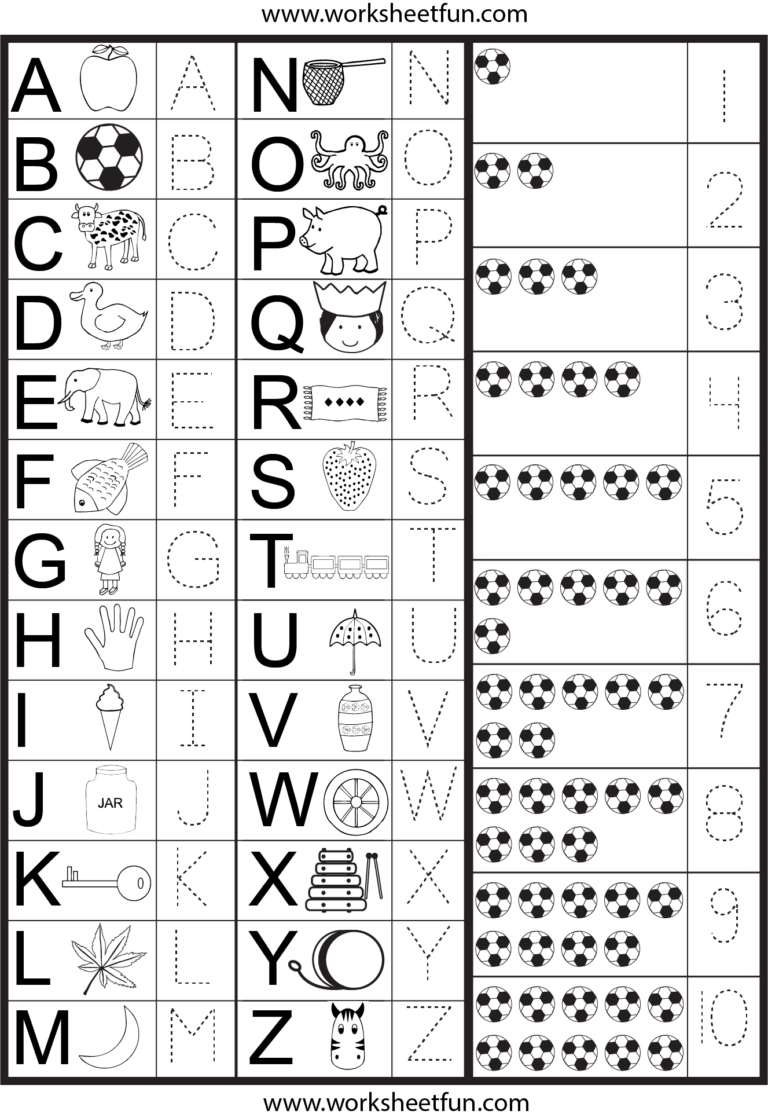
- Tracing Worksheets: Perfect for developing writing skills, these worksheets help children learn to form letters and numbers correctly.
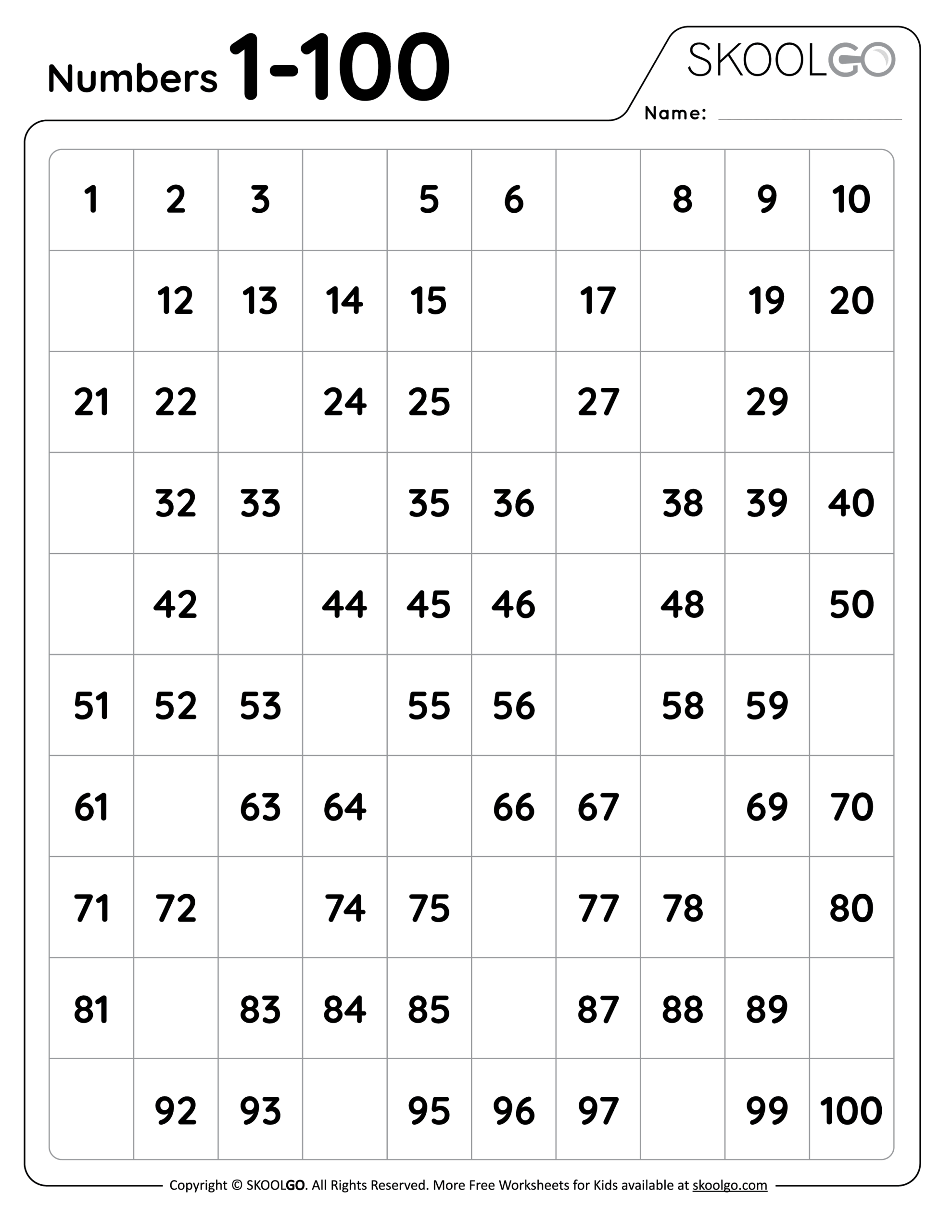
- Counting Worksheets: Engaging activities that involve counting objects or coloring a specific number of items help with numerical understanding.
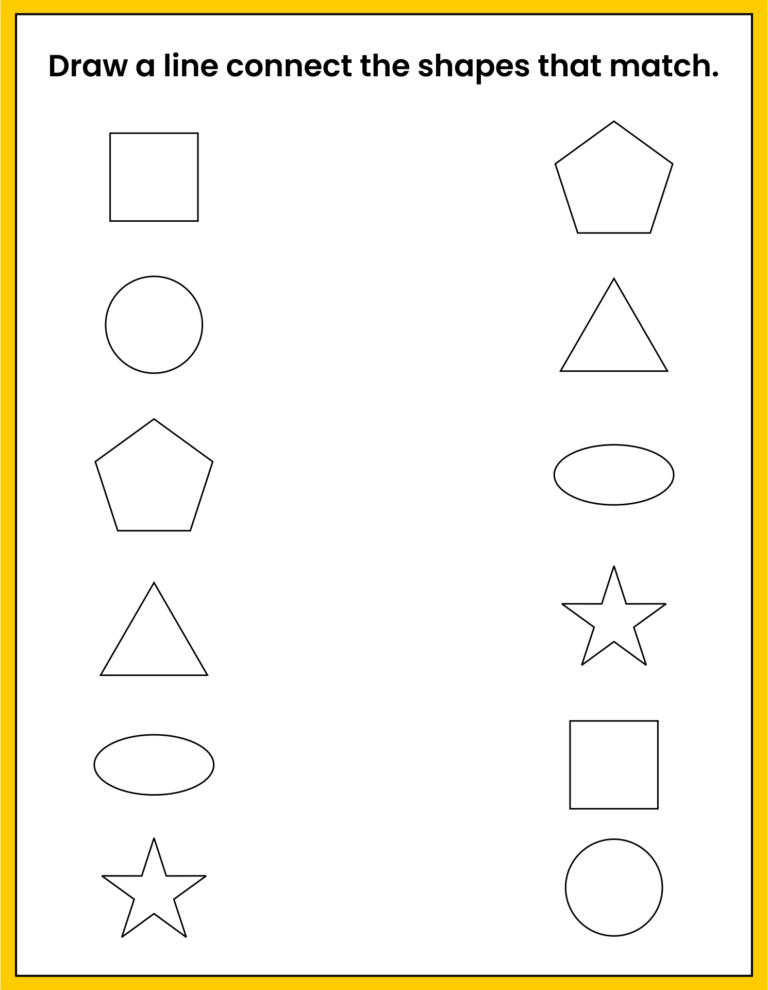
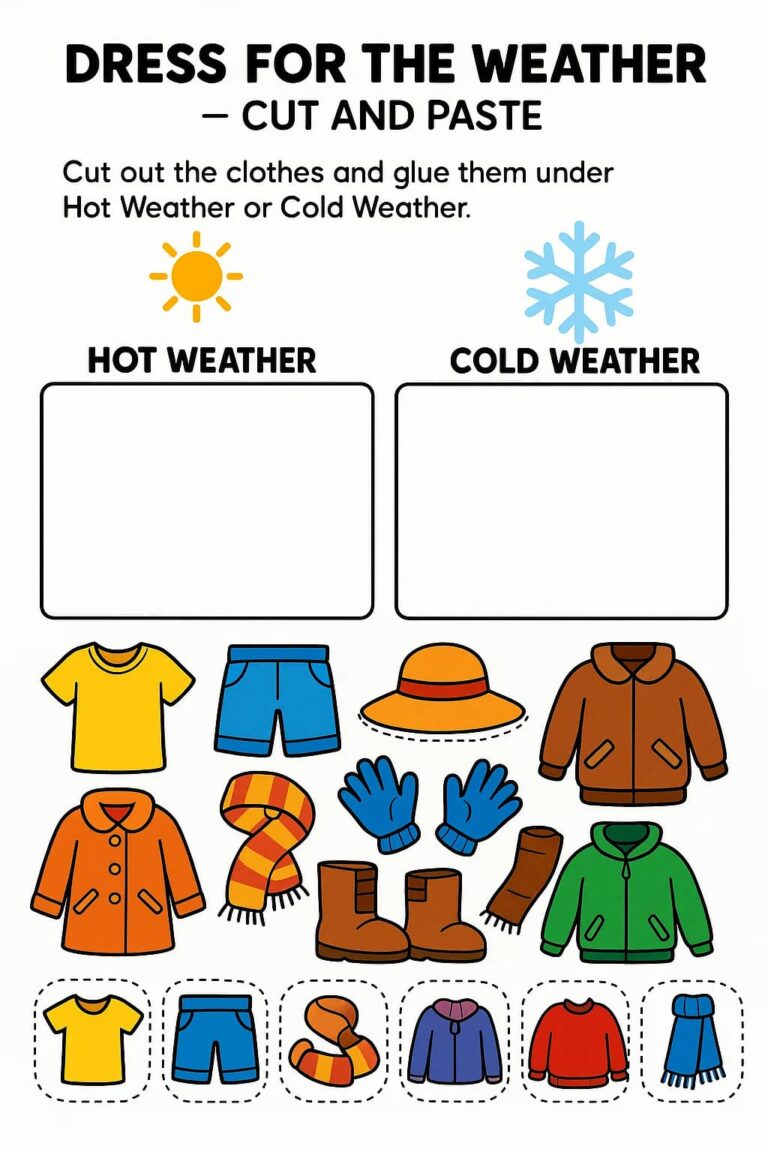
- Matching Worksheets: These worksheets can enhance memory and recognition skills by having children match pictures, letters, or numbers.
Each type serves a unique purpose in your child’s learning, and integrating a mix can keep them engaged and excited about their educational journey.
How to Incorporate Worksheets Into Daily Routines
Finding the right time to use these worksheets can enhance their effectiveness. Here are some strategies for integrating them into your daily routine:
- Morning Learning Sessions: Set aside 15-20 minutes each morning for focused learning. This could be right after breakfast when your child is fresh and ready to absorb new information.
- Post-Nap Activities: After a restful nap, children often wake up in a great mood. Use this time for a bit of fun learning, perhaps with a coloring worksheet or a simple tracing activity.
- Weekend Family Time: Turn learning into a family activity on weekends. You can sit together at the kitchen table and work on worksheets while discussing the activities. This encourages bonding and makes learning feel more like a team effort.
- Reward System: Create a reward system for completing worksheets. Stickers or a small treat can motivate your child to engage more with their learning materials.
Tips for Printing and Using Worksheets Effectively
When it comes to printing and using these worksheets, consider the following tips to ensure a smooth experience:
- Paper Quality: Use cardstock for durability if you want the worksheets to last longer, especially if they’ll be used with markers or crayons. Regular printer paper is fine for simple activities.
- Color vs. Black and White: Color worksheets tend to be more engaging for young children, but black and white versions can be great for coloring activities.
- Portrait Layout: Most home printers handle portrait layout better, which is ideal for worksheets. Make sure to check your printer settings before printing.
- Storage Solutions: Once printed, keep your worksheets organized in a folder or binder. This makes it easy for your child to access them and helps you keep track of what they’ve completed.
Common Mistakes to Avoid
While using Easy Worksheets For Preschoolers Number One, it’s essential to be aware of common pitfalls:
- Overloading: Don’t overwhelm your child with too many worksheets at once. Stick to one or two per session to keep their attention and avoid frustration.
- Neglecting to Celebrate: Always celebrate your child’s efforts, no matter how small. Praise can motivate them to continue learning and exploring.
- Ignoring Their Interests: Tailor worksheets to your child’s interests. If they love animals, choose worksheets that involve animal themes to keep them engaged.
- Not Following Up: After completing worksheets, take time to discuss what they learned. This reinforces their new knowledge and can spark curiosity about related topics.
Finding Resources for Easy Worksheets
There are numerous resources available where you can find high-quality Easy Worksheets For Preschoolers Number One. Many websites offer free or low-cost downloads, including:
- Printable Resource Websites: Websites that specialize in educational materials often have sections dedicated to preschool worksheets.
- Educational Blogs: Many parenting blogs share printable worksheets as part of their content, often themed around holidays or seasons.
- Local Libraries: Some libraries offer free printables or can direct you to online resources.
By utilizing these sources, you can easily access a wealth of worksheets tailored to your child’s needs.
Incorporating Easy Worksheets For Preschoolers Number One into your child’s routine can be a rewarding experience for both of you. These worksheets not only provide educational value but also create opportunities for bonding and fun. So grab those crayons and get ready to explore the exciting world of learning together!
Easy Worksheets For Preschoolers Number One Gallery