Elephant Worksheet Number 6 For Preschoolers
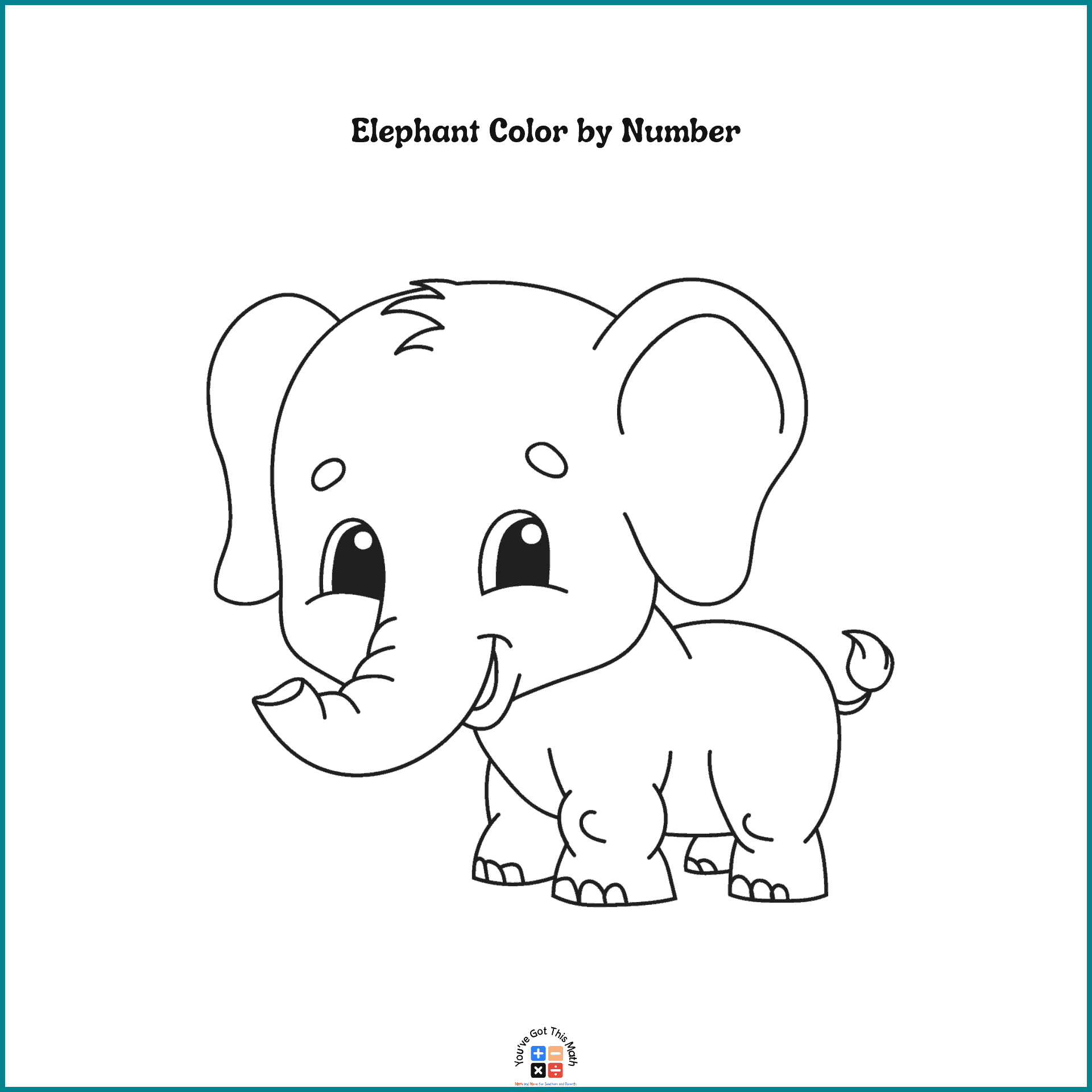
The Elephant Worksheet Number 6 For Preschoolers is a vibrant, engaging resource that can help your little ones develop essential skills while having fun. This worksheet is specifically designed for preschool-aged children, typically around 3 to 5 years old, and focuses on various foundational concepts, such as counting, coloring, and fine motor skills. Utilizing a worksheet like this not only enhances learning but also provides a structured way for children to practice their skills in a playful setting.
Understanding the Elephant Worksheet Number 6
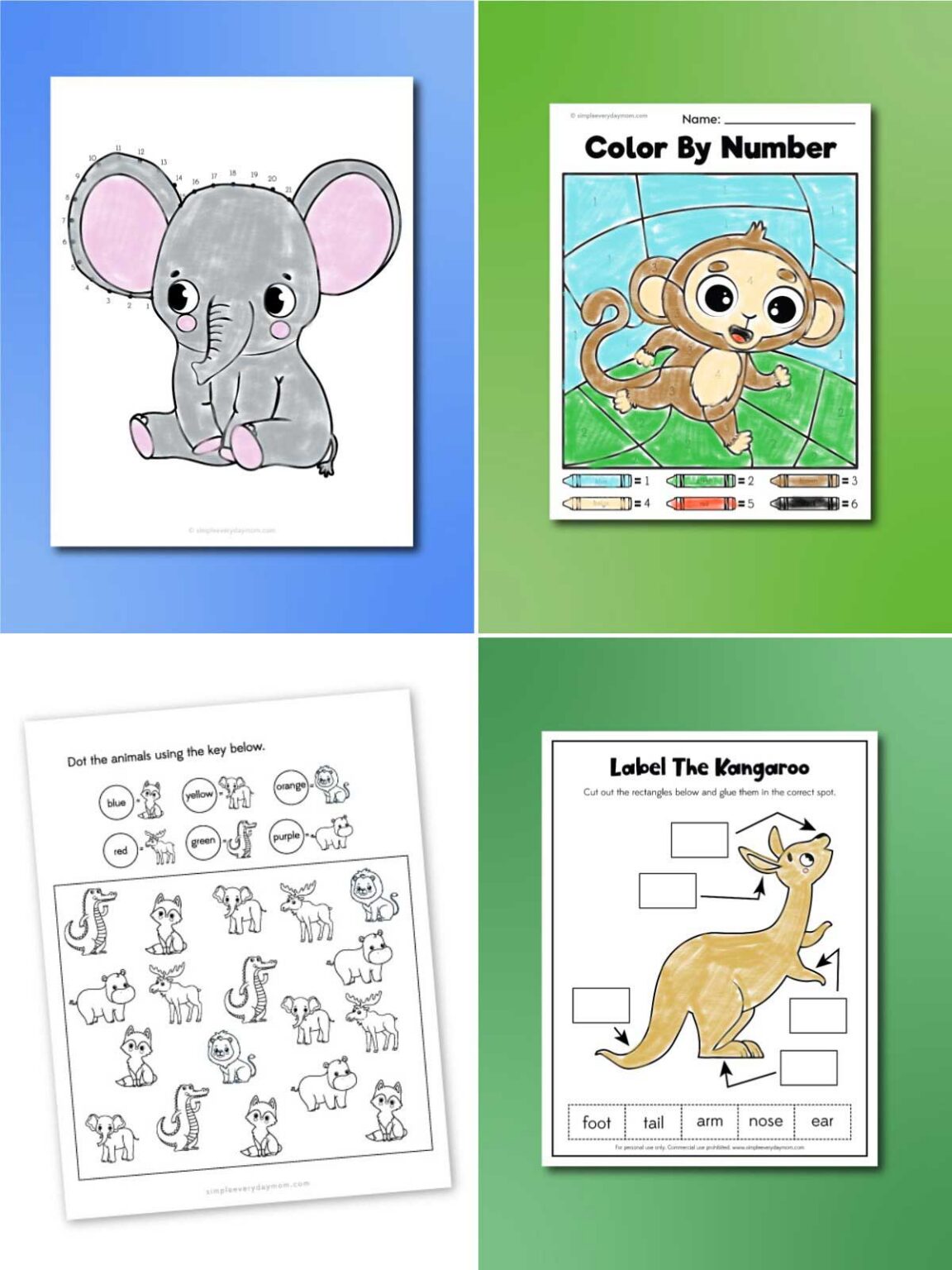
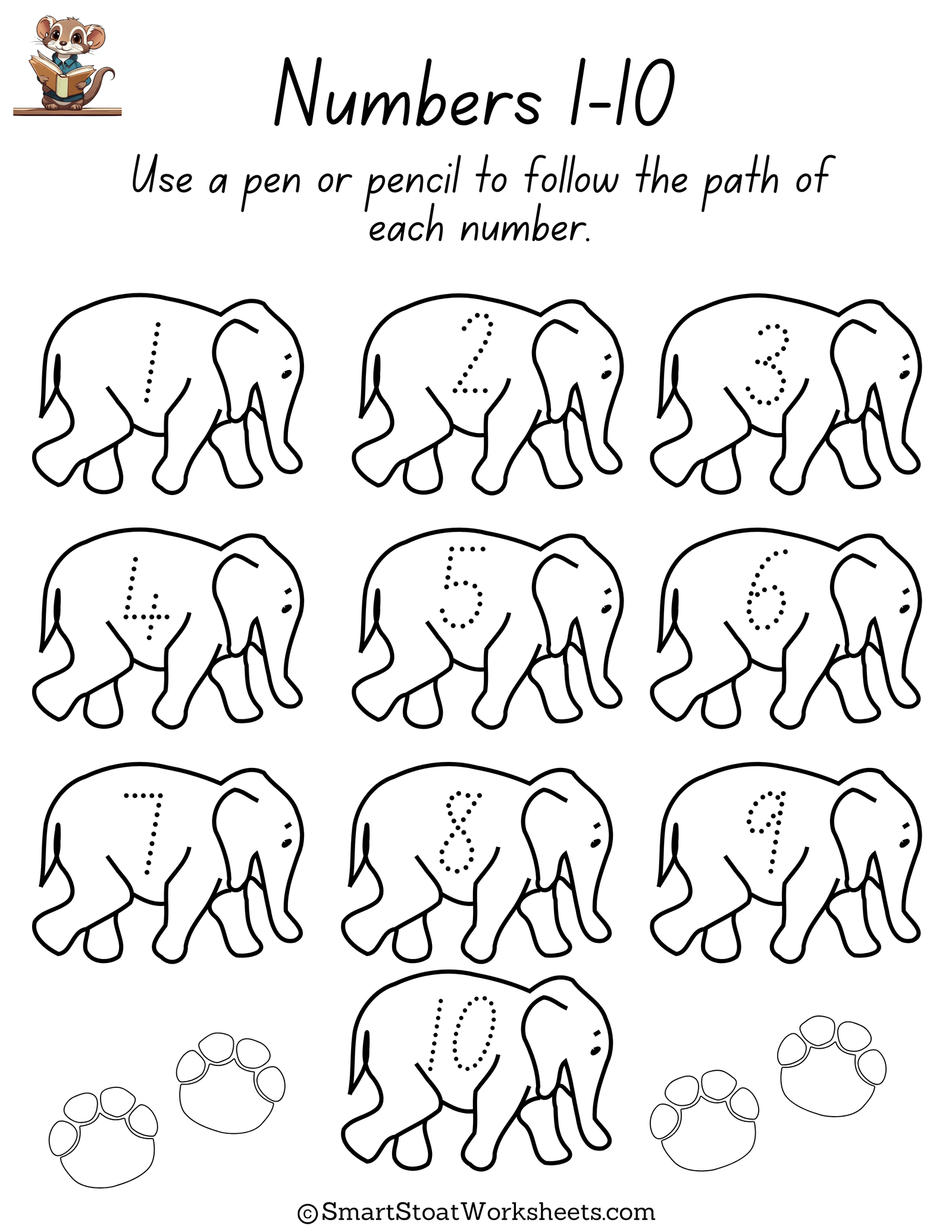
The Elephant Worksheet Number 6 features a delightful elephant theme that captures the interest of young children. This worksheet typically includes several activities that engage various learning styles, such as:
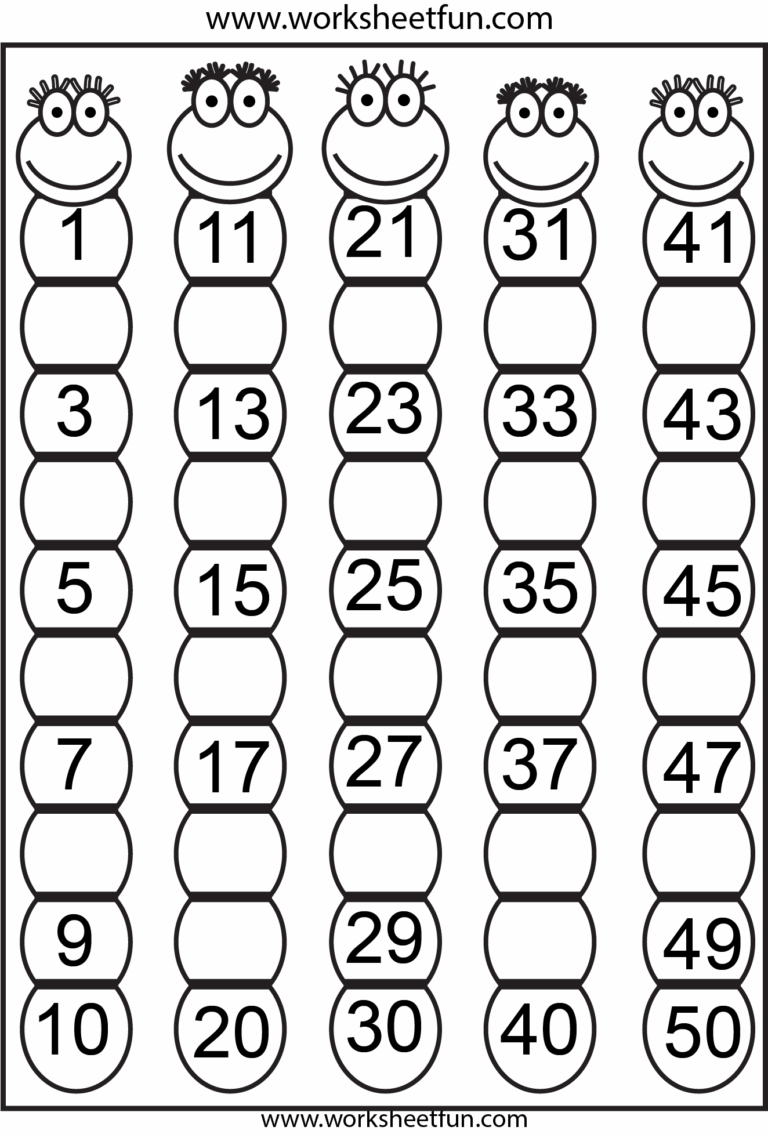
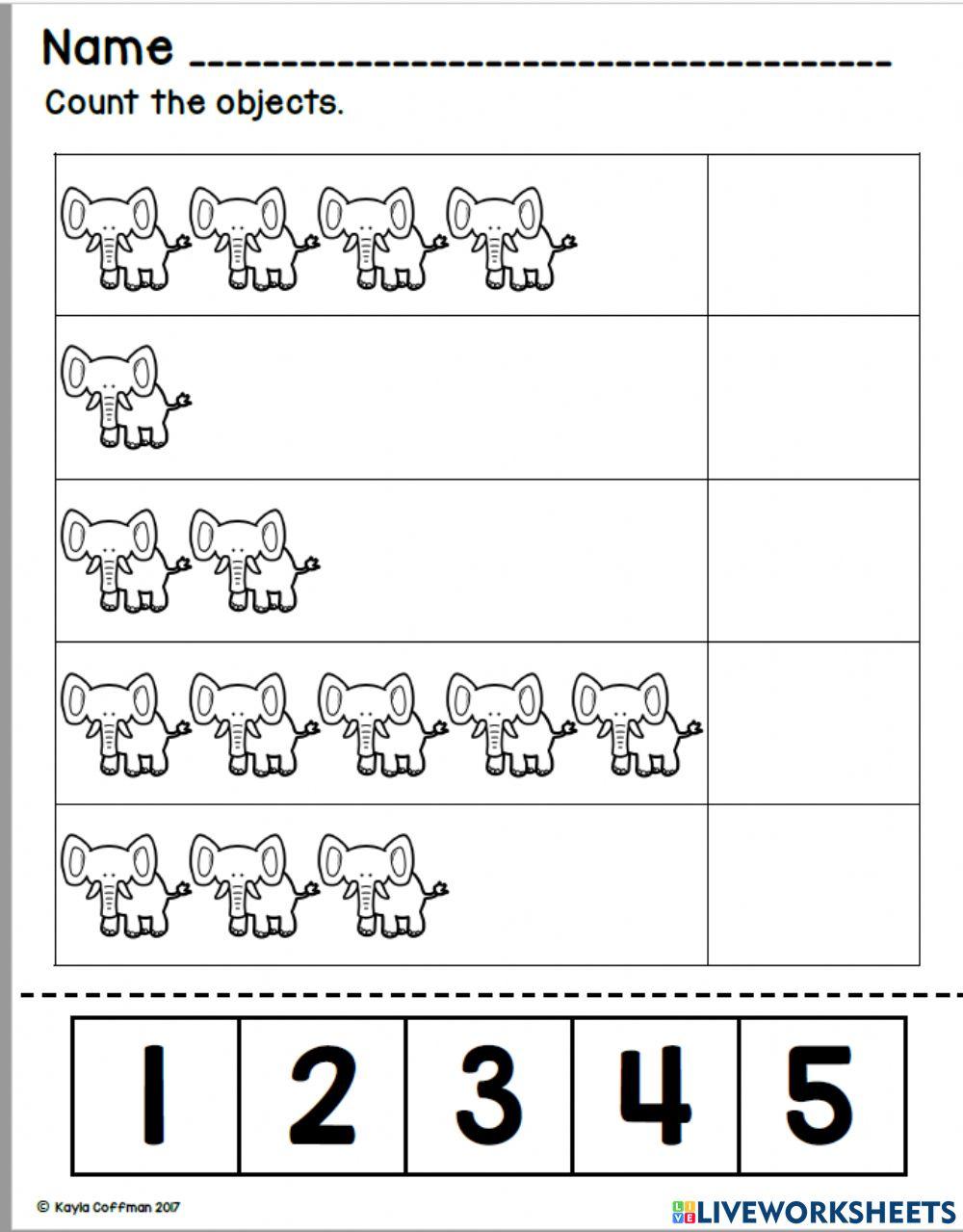
- Counting exercises: Preschoolers can learn to count by identifying and coloring elephants.
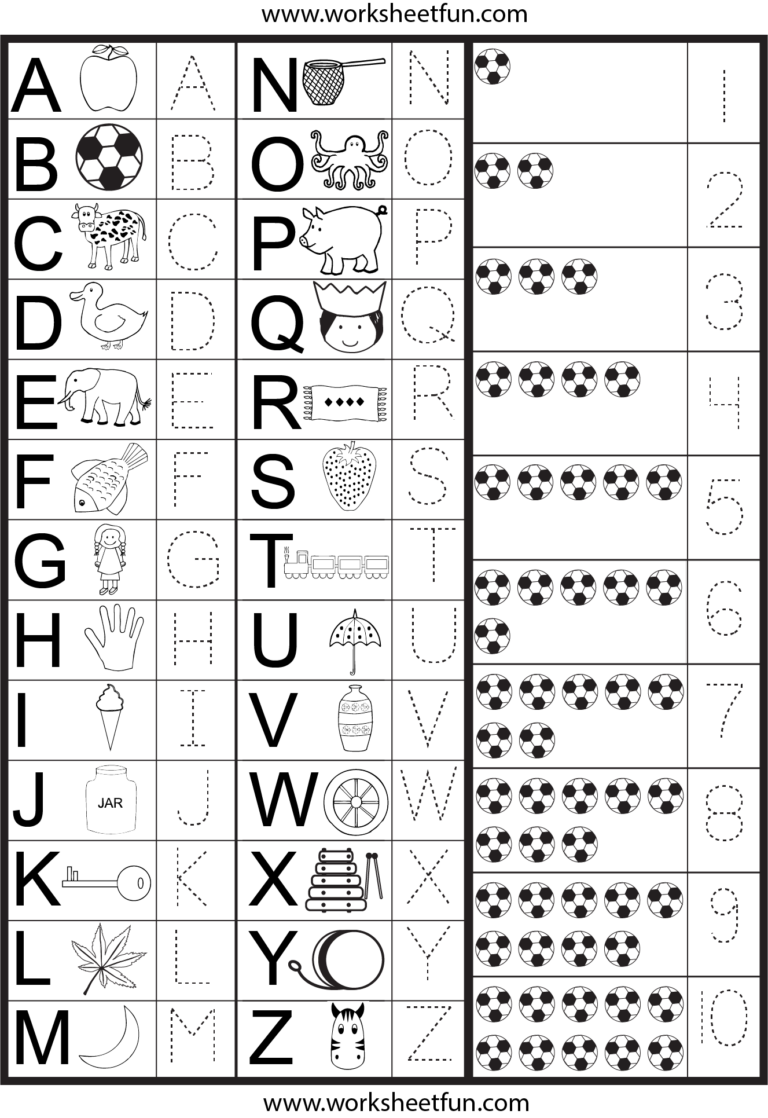
- Tracing lines: These activities help develop fine motor skills and hand-eye coordination.
- Coloring sections: Coloring allows children to express their creativity while also learning about colors.
These components make the worksheet not only educational but also enjoyable, fostering a love for learning in your child.
Choosing the Right Format for Your Needs
When it comes to using the Elephant Worksheet Number 6 For Preschoolers, you have a couple of options: digital or print. Here’s a quick breakdown of each approach:
Digital Completion
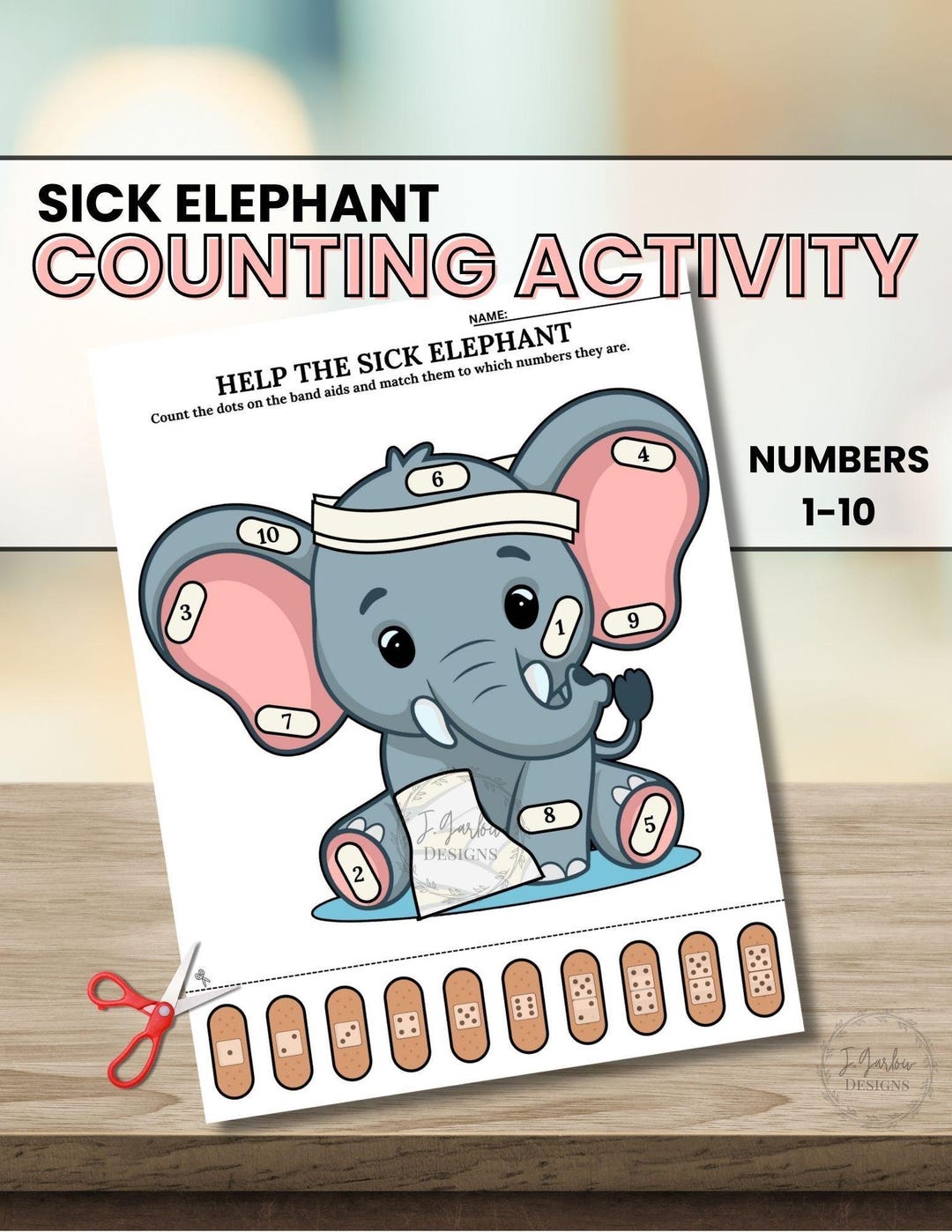
If you opt for the fillable PDF version, you can complete the worksheet on-screen using a tablet or computer. This method is particularly useful for parents who want to minimize paper waste or for children who enjoy using technology. Here are a few tips for this format:
- Ensure you have a PDF reader installed that supports fillable forms.
- Use a stylus for better precision if using a tablet.
- Save a copy after completion to track progress or reuse.
Printing and Handwriting
For a more traditional approach, printing the worksheet allows your preschooler to engage with the material manually. Here are some considerations:
- Paper Type: Use cardstock for durability, especially if your child tends to press hard while coloring.
- Printer Settings: Set your printer to “best quality” to ensure vibrant colors and clear lines.
- Layout: Portrait orientation is often best for worksheets, making them easier for young children to handle.
Each option has its own benefits, and your choice might depend on your child’s preferences or your educational goals.
Setting Up the Worksheet for Success
Once you’ve decided on the format, it’s time to set up the Elephant Worksheet Number 6 for effective use. Here’s how to make the most of this resource:
Preparation Steps
- Gather Supplies: If you’re printing the worksheet, collect crayons, markers, or colored pencils. For digital use, ensure your device is charged and has the necessary apps installed.
- Create a Comfortable Workspace: Set up a table or desk where your child can work without distractions. Good lighting is essential for both digital and printed versions.
- Explain the Activities: Before starting, take a moment to explain what your child will be doing. This could include counting the elephants, tracing numbers, or discussing colors. Encouraging them to vocalize their thoughts can enhance their learning experience.
Engaging With the Content
While your child works through the worksheet, engage with them:
- Ask questions about the activities. For example, “How many elephants do you see?” or “What color do you want to use for this elephant?”
- Encourage them to share their thought process as they complete tasks. This fosters language skills and critical thinking.
Integrating the Worksheet Into Your Routine
The Elephant Worksheet Number 6 For Preschoolers can easily fit into your daily routine, whether as part of a structured learning time or a fun afternoon activity. Here are some ideas for incorporating it:
- Morning Learning Time: Start the day with a short session dedicated to the worksheet. This sets a positive tone for learning.
- Afternoon Play: Use the worksheet as a break from free play, allowing your child to transition to more focused activities.
- Family Involvement: Invite siblings or parents to join in on the fun, turning it into a family activity that encourages teamwork and collaboration.
Tracking Progress and Skills Development
As your child completes the Elephant Worksheet Number 6, it’s important to track their progress and development. Here are some ways to do this effectively:
- Create a Portfolio: Save completed worksheets in a folder to showcase your child’s progress over time. This can be motivating for them and provides a tangible record of their achievements.
- Discuss Skills: Regularly talk with your child about what they’ve learned from the worksheet. This reinforces their knowledge and helps them articulate their thoughts.
- Identify Areas for Improvement: If you notice specific skills that need more practice, you can look for additional resources or worksheets that target those areas.
By actively engaging with your child and tracking their progress, you can ensure that the Elephant Worksheet Number 6 is not just a one-time activity, but a valuable tool in their educational journey.
Elephant Worksheet Number 6 For Preschoolers Gallery