Empty And Full Worksheets For Preschoolers
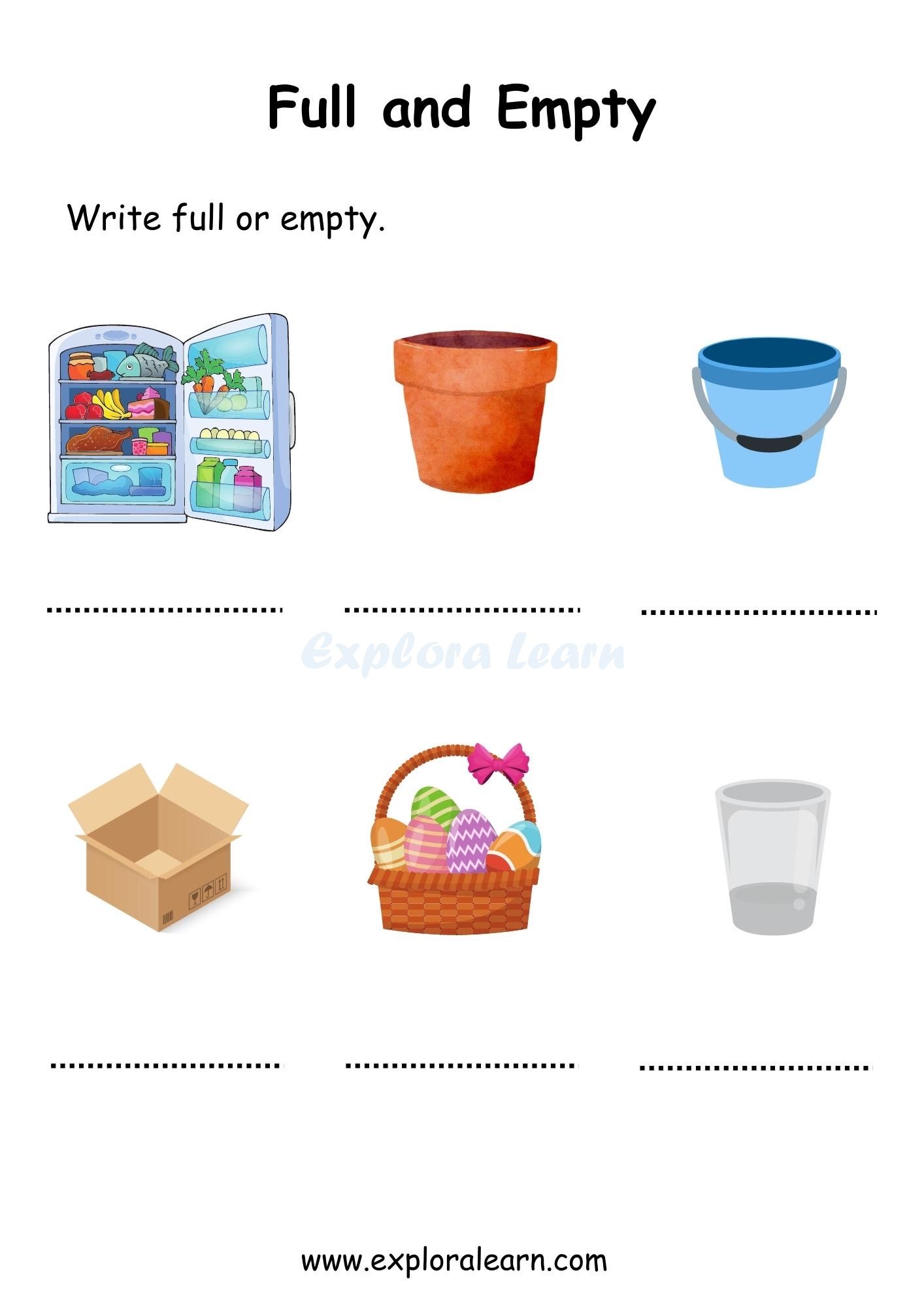
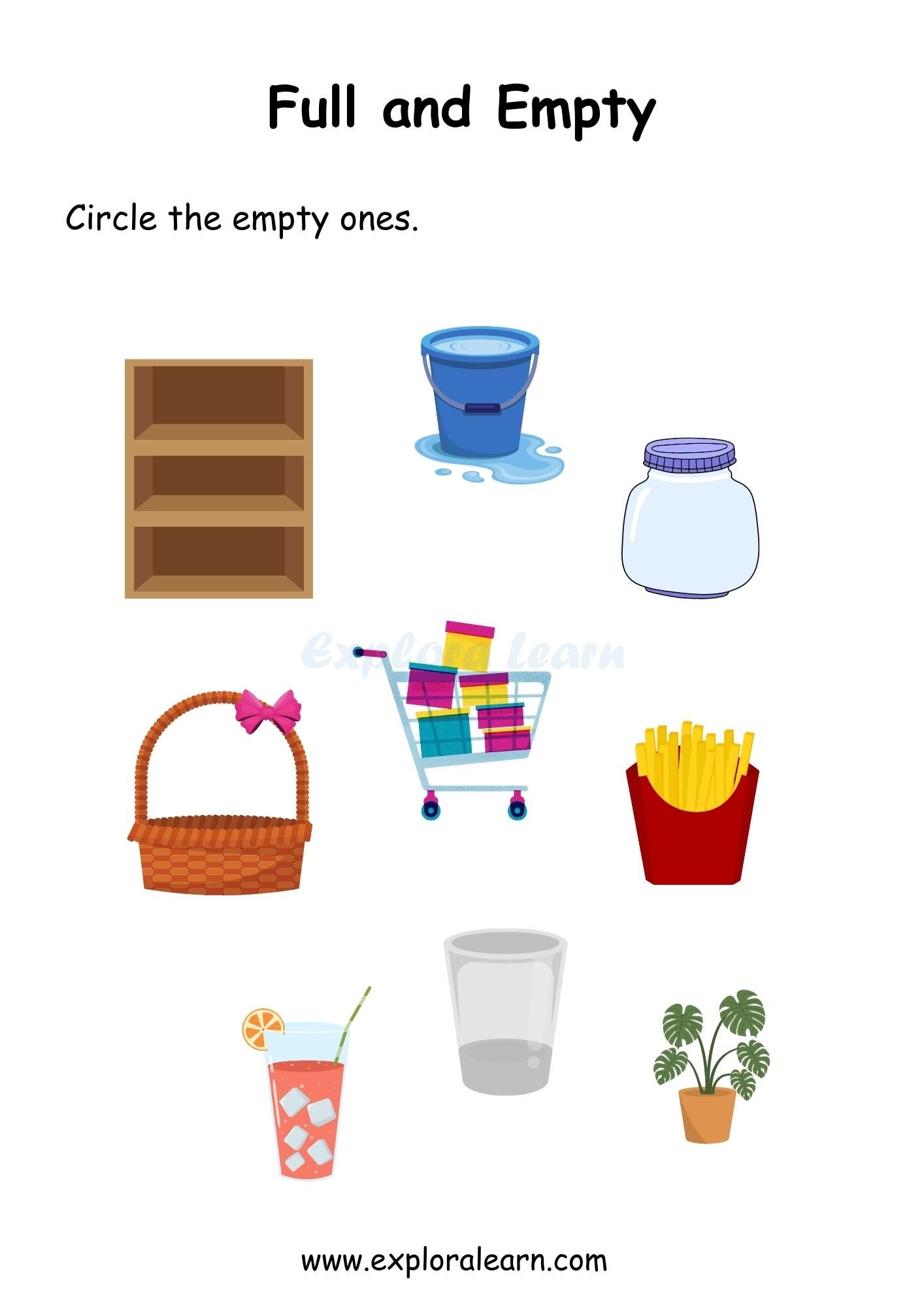
Empty and full worksheets for preschoolers are fantastic tools that introduce young learners to basic concepts of volume and quantity in an engaging way. These worksheets typically feature vibrant illustrations and simple instructions that allow children to explore the difference between “empty” and “full” visually and contextually. Providing these resources at home or in the classroom can help build foundational skills in early childhood education while making learning enjoyable.
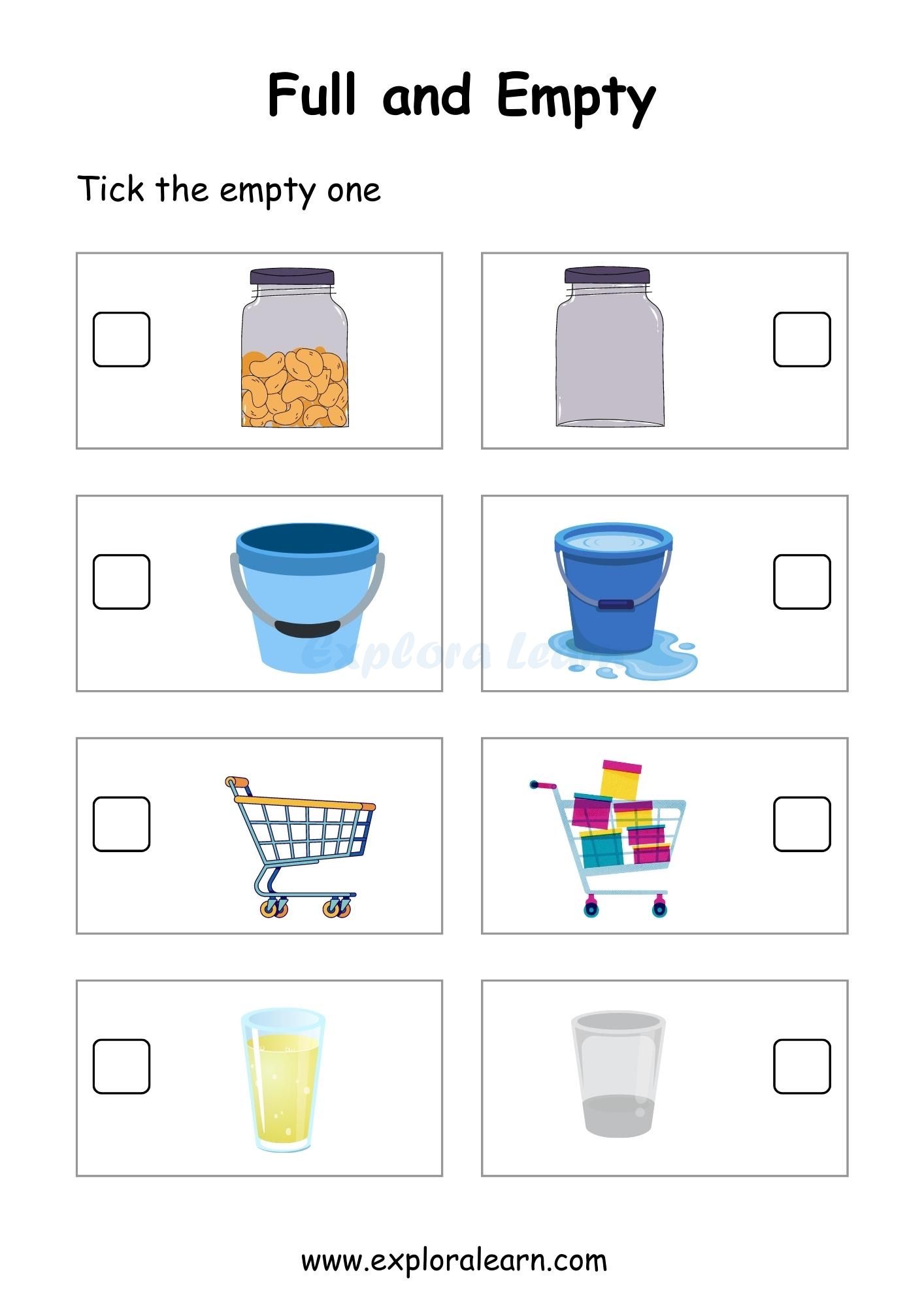
Understanding the Importance of Empty and Full Worksheets
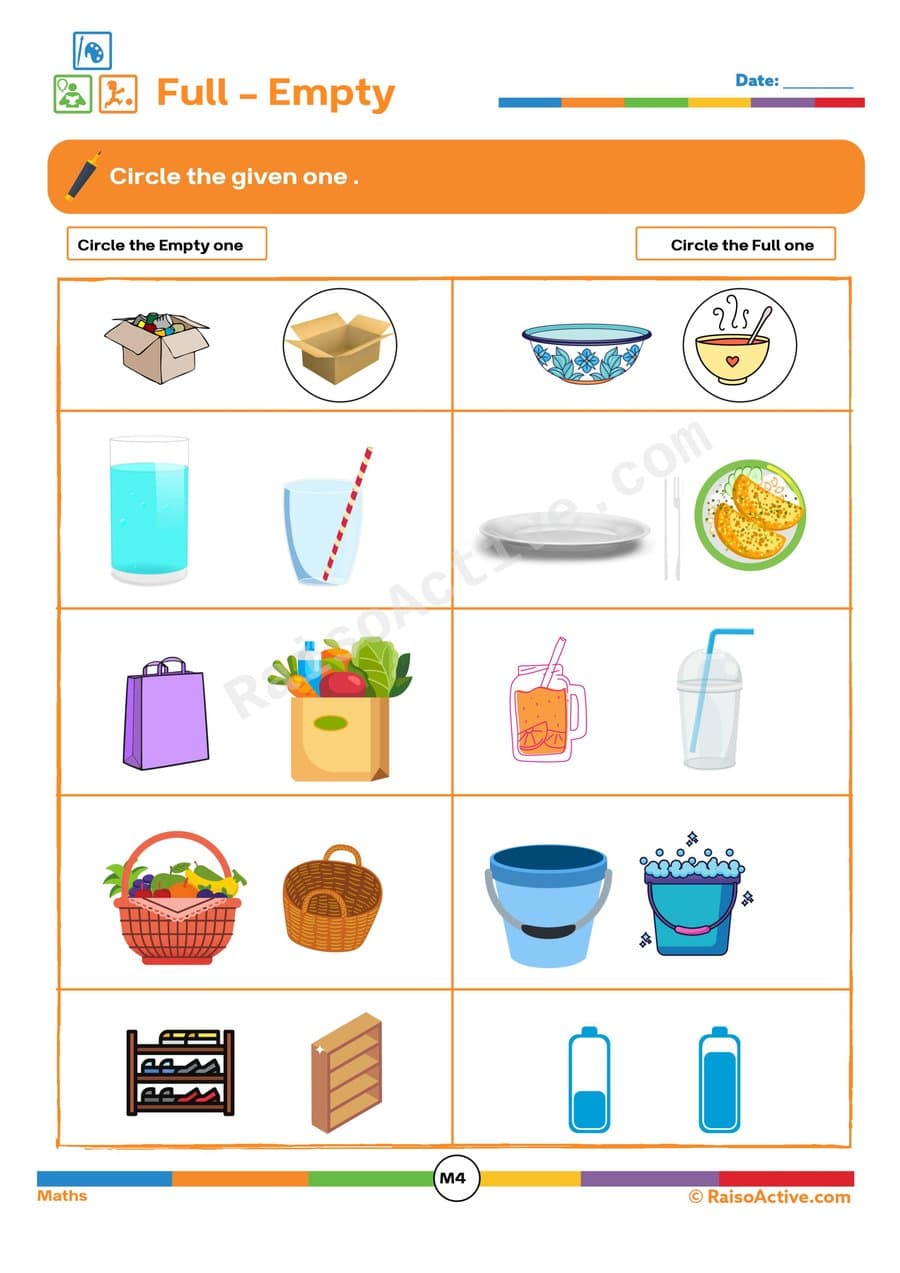
Empty and full worksheets are essential for preschoolers as they offer hands-on opportunities to grasp fundamental concepts. Young children often learn best through play and interactive activities, and these worksheets fit perfectly into that learning style. By using such resources, you can help your child or students develop critical thinking and observational skills.
When children engage with these worksheets, they learn to differentiate between objects that are full and those that are empty. This foundational knowledge is not only important for their cognitive development but also serves as a building block for more complex mathematical ideas later on.
Choosing the Right Empty and Full Worksheets
When selecting empty and full worksheets for preschoolers, consider the following factors:
- Age Appropriateness: Ensure the worksheets are designed for preschool-level understanding. Look for resources that feature clear images and simple language.
- Visual Appeal: Worksheets should be colorful and engaging. Bright illustrations can capture a child’s attention and motivate them to participate.
- Variety of Activities: Choose worksheets that offer a mix of activities. Some may include coloring, matching, or drawing, while others might involve circling pictures that depict full or empty containers.
There are plenty of options available online, and many printable resources can be found for free or at a low cost. Make sure to review the content to ensure it aligns with your educational goals.
Setting Up the Worksheets for Use
Once you have selected the appropriate worksheets, it’s time to prepare them for use. Here’s a simple workflow to help you get started:
- Download and Print: Most empty and full worksheets come in PDF format, which avoids reformatting issues common with image files. Print on standard letter-sized paper (8.5” x 11”) for easy handling.
- Choose Paper Type: For activities that involve coloring or other hands-on tasks, consider using heavier paper or cardstock. This type of paper holds up well and is less likely to tear during use.
- Gather Supplies: Depending on the activities included, you may need crayons, markers, or even small objects to fill containers (like blocks or beads). Having all the materials ready will create a smoother experience for the child.
Setting up a designated space for learning activities can also help your child focus and feel more engaged. A quiet corner with a small table can be the perfect environment.
Engaging Activities With Empty and Full Worksheets
The beauty of empty and full worksheets lies in their versatility. Here are some engaging activity ideas that you can incorporate alongside the worksheets:
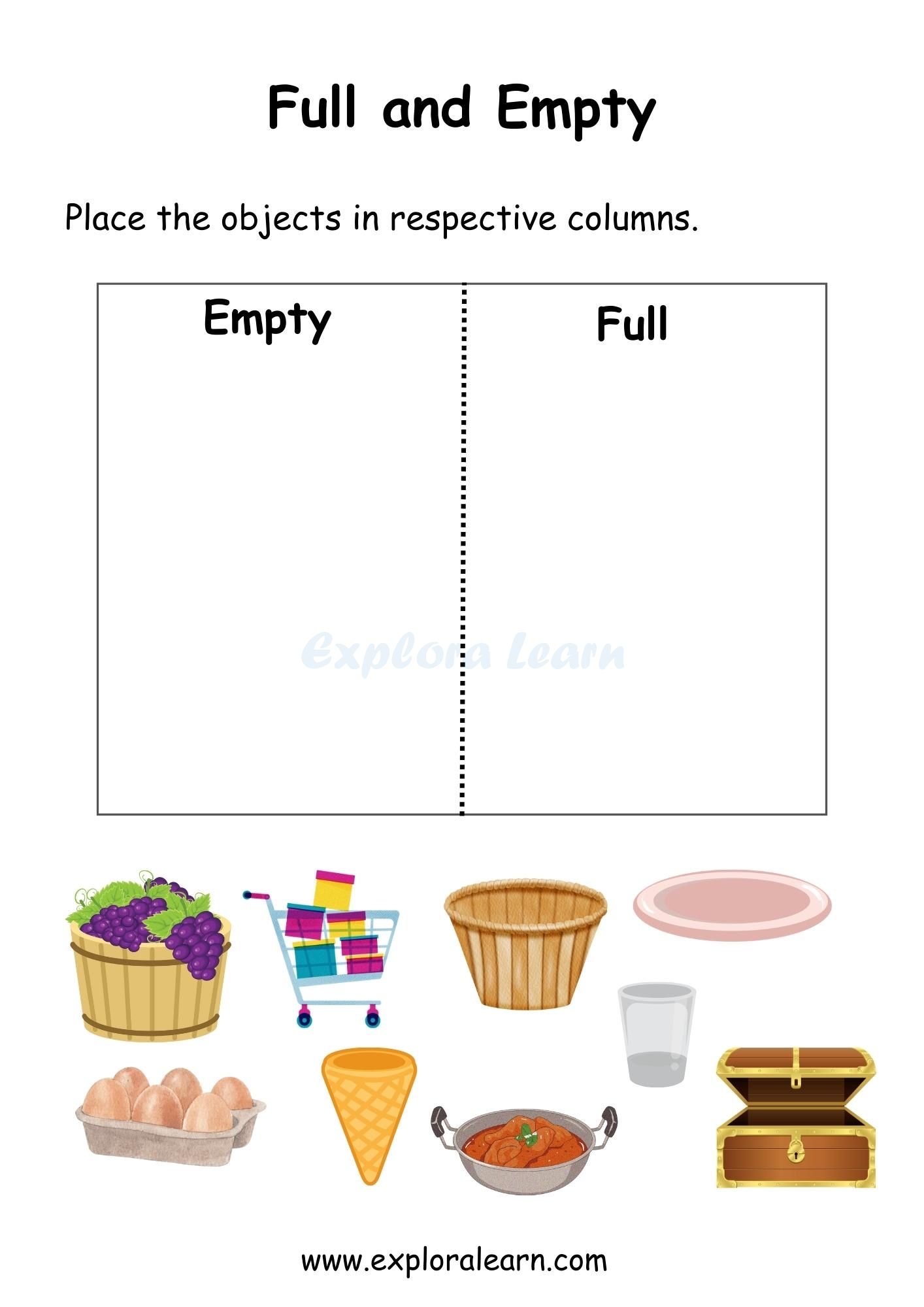
- Interactive Sorting: Use physical objects like cups, bowls, and small toys. Ask your child to sort them into “full” and “empty” categories. This hands-on approach reinforces the concepts they’re learning on paper.
- Real-Life Examples: Use everyday items to illustrate the concepts. For instance, fill a cup with water and another one without. Discuss the differences and ask your child to describe what they see.
- Creative Drawing: After completing the worksheets, encourage your child to draw their own examples of empty and full containers. This can be a fun way to express creativity while reinforcing the lesson.
These activities not only make learning fun but also help develop fine motor skills, language skills, and critical thinking.
Reviewing and Reinforcing Concepts
After your child has completed the empty and full worksheets, it’s beneficial to review the concepts together. Here are some steps to follow:
- Discuss Answers: Go through the worksheets and ask your child to explain their thinking behind each answer. This verbal processing helps reinforce their understanding.
- Real-Life Application: Encourage your child to find examples of full and empty objects in their surroundings. This could be during snack time, playtime, or even while tidying up.
- Revisit Worksheets: Occasionally revisit the same worksheets to reinforce the concepts. Repetition is key in early learning, and familiar materials can boost confidence.
By regularly engaging with these worksheets and activities, you’ll help solidify your child’s understanding of the concepts of empty and full.
Where to Find Empty and Full Worksheets for Preschoolers
There are numerous resources available online where you can find high-quality empty and full worksheets for preschoolers. Here are a few reliable sources:
- Educational Websites: Websites like Teachers Pay Teachers or Education.com often offer a range of free and paid worksheets tailored to preschool learning.
- Printable Resource Sites: Many printable resource sites provide worksheets specifically designed for early childhood education. Look for those with user reviews to ensure quality.
- Local Libraries: Don’t overlook your local library. Many libraries offer educational materials for children, including printable worksheets and books focused on early learning concepts.
By exploring these options, you’ll find a wealth of resources that can enhance your child’s learning experience.
Incorporating empty and full worksheets for preschoolers into your educational routine can provide meaningful learning experiences. These worksheets help children understand important concepts while also making the process fun and interactive. With the right resources and activities, you can foster a love of learning that lasts a lifetime. Remember, the ultimate goal is to create a positive, engaging environment that encourages exploration and curiosity.
Empty And Full Worksheets For Preschoolers Gallery