Enclosure Concept Visual Worksheets Preschool
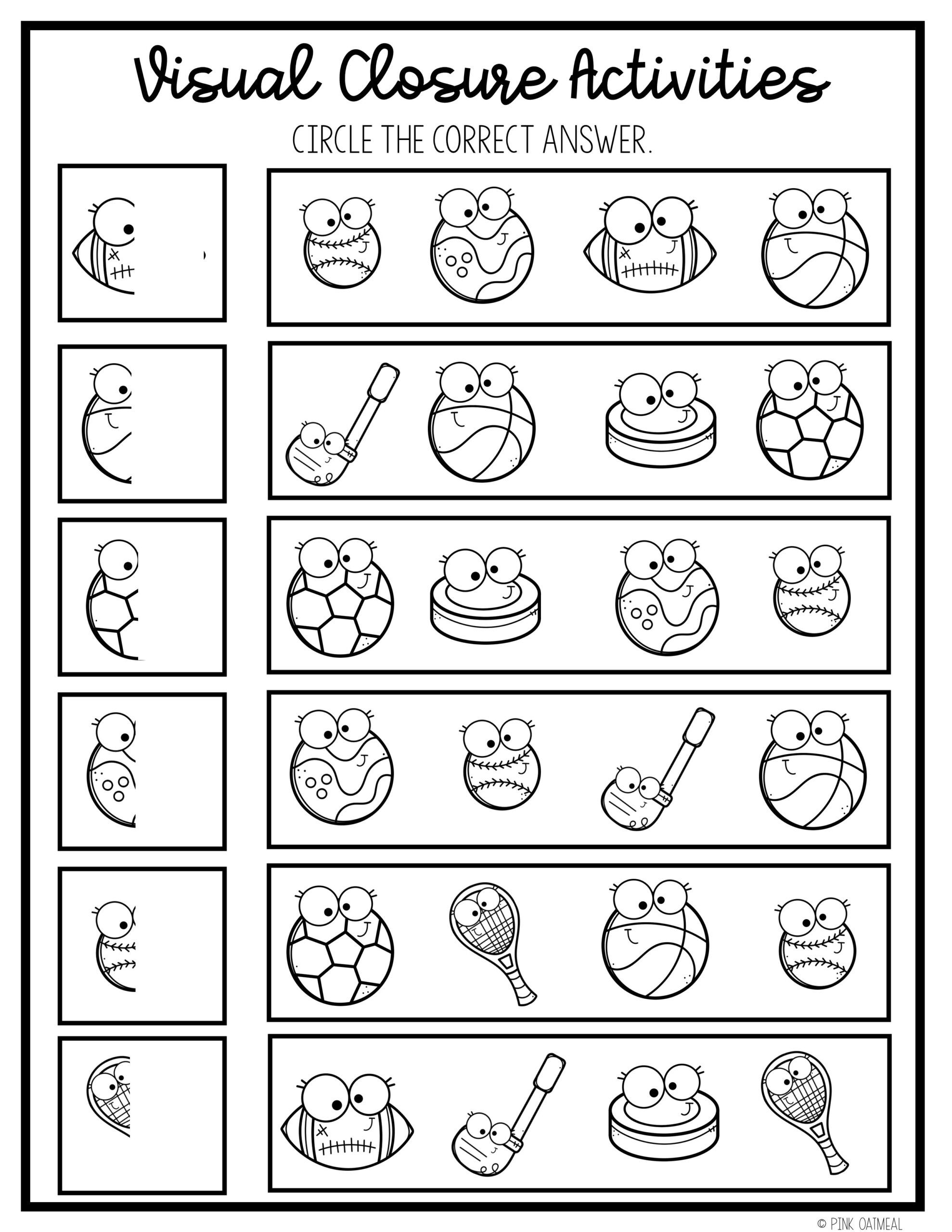
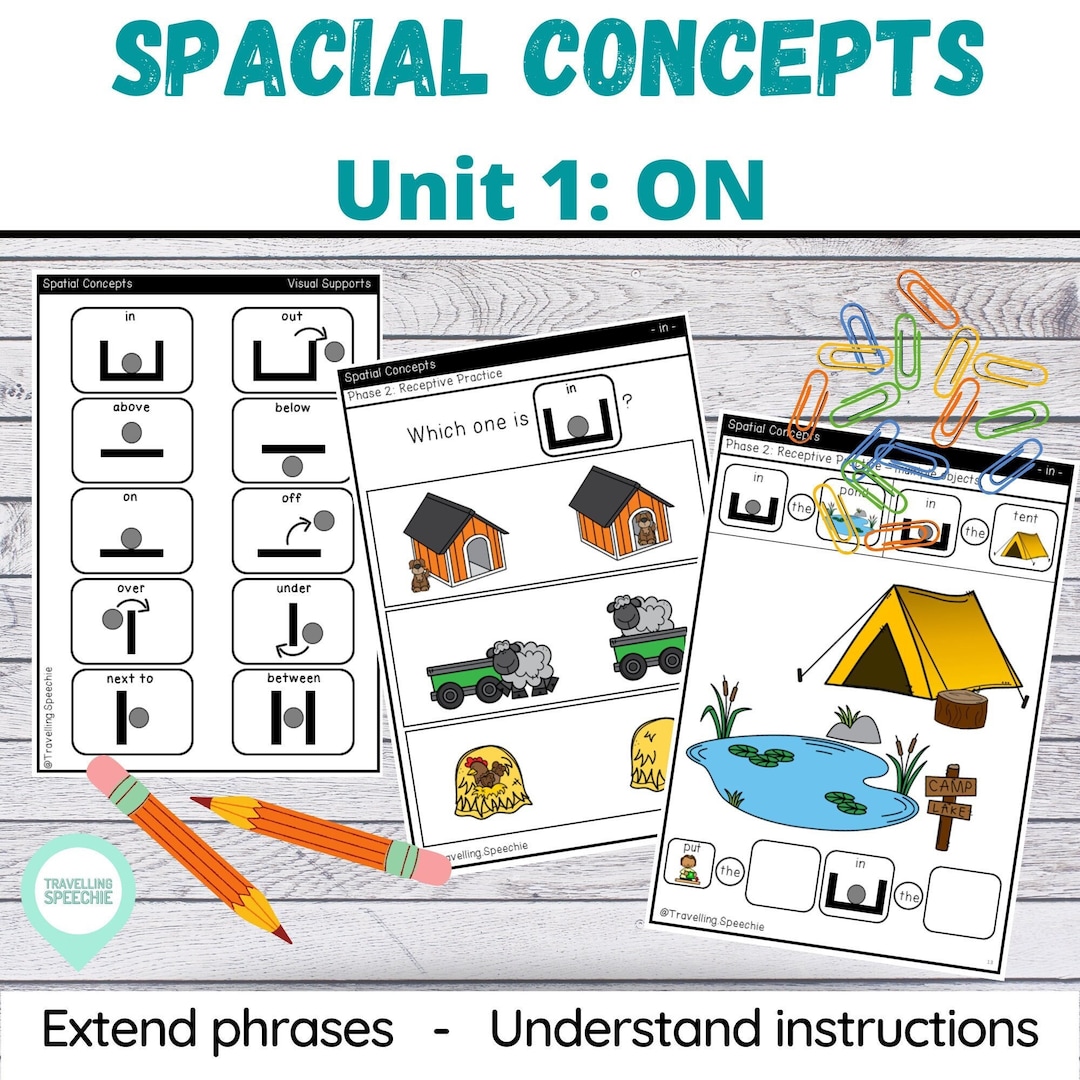
Enclosure Concept Visual Worksheets Preschool provide a unique and engaging way for preschoolers to grasp essential spatial concepts. Unlike generic worksheets, these visual resources focus specifically on the idea of enclosure, helping children understand boundaries and relationships in their environment. explore how these worksheets are structured, their practical applications, and the best ways to utilize them in your home or classroom.
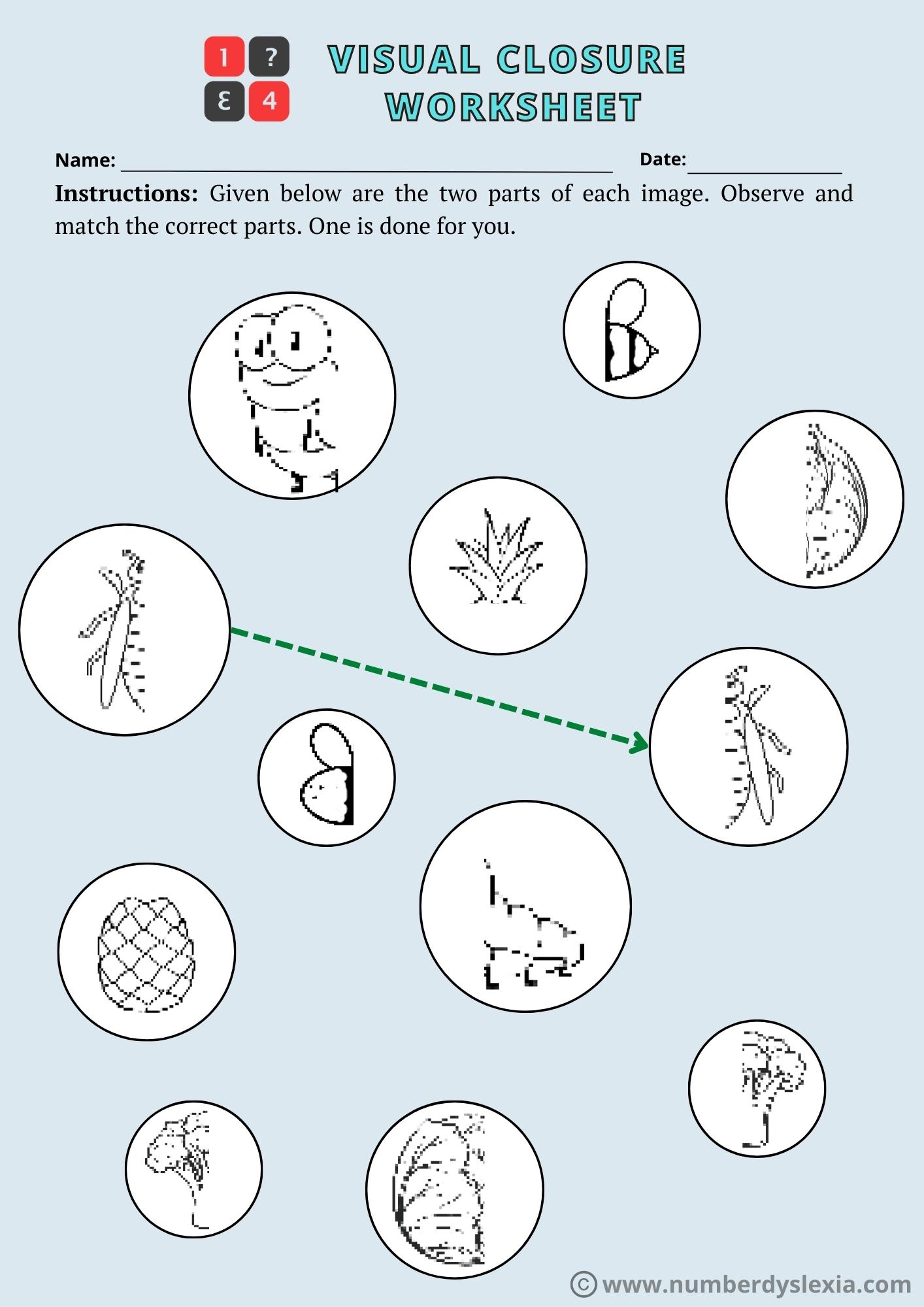
Understanding Enclosure Concepts for Preschoolers
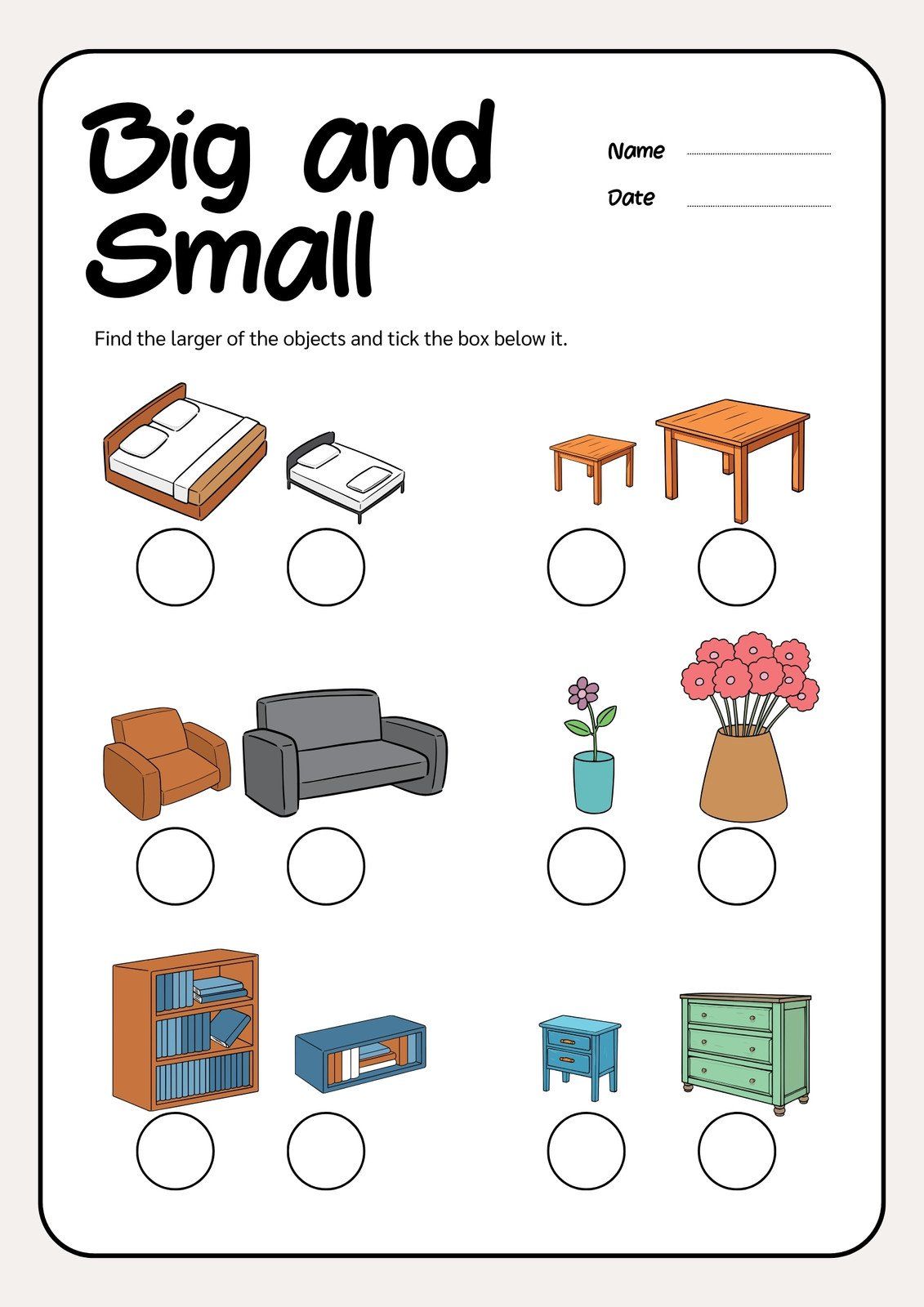
Preschoolers are naturally curious and eager to learn about the world around them. The concept of enclosure involves understanding how objects can be contained within boundaries. This can include physical spaces like rooms or boundaries like fences. Enclosure Concept Visual Worksheets utilize images and diagrams that help children visualize these relationships, making abstract ideas more concrete.
These worksheets typically feature illustrations that depict various enclosures, such as a garden surrounded by a fence or a room with walls. By engaging with these visuals, children can better understand the spatial relationships between themselves and their surroundings.
Layout and Design of Enclosure Concept Visual Worksheets
When you look at the Enclosure Concept Visual Worksheets, you’ll notice a thoughtful layout that enhances usability. Each worksheet is designed to be visually appealing, with bright colors and engaging graphics that capture children’s attention.
Key features of these worksheets often include:
- Clear Illustrations: Each visual is designed to be easily understood by young learners. The images should be recognizable and relatable to their everyday experiences.
- Simple Instructions: Worksheets include straightforward prompts that guide children on what to do, such as coloring certain areas or identifying enclosed spaces.
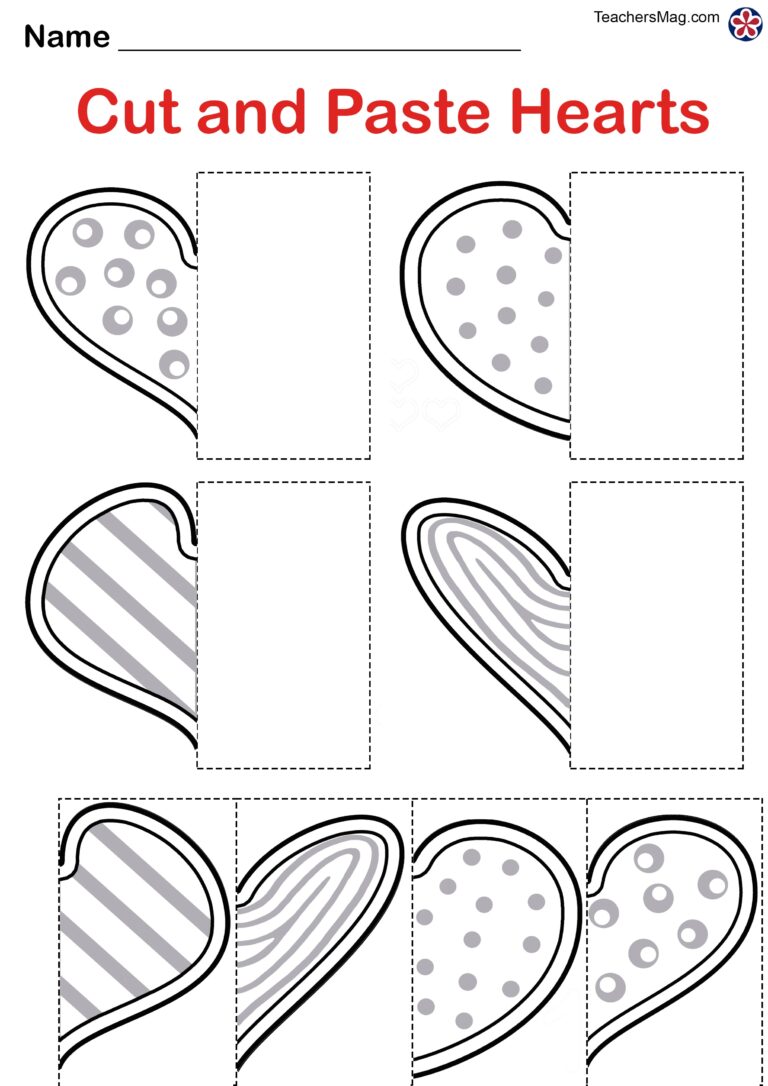
- Varied Activities: These worksheets may include a mix of activities, like matching shapes to enclosures, drawing lines to connect objects, or completing simple puzzles.
This design is crucial because it not only holds children’s interest but also helps them focus on the task at hand without unnecessary distractions.
How to Use Enclosure Concept Visual Worksheets Effectively
Using these worksheets effectively can greatly enhance a child’s learning experience. Here are some practical tips on how to incorporate them into your routine:
- Daily Practice: Set aside a specific time each day for your child to work on these worksheets. Consistent practice helps reinforce the concepts.
- Interactive Learning: Encourage children to discuss what they see in the worksheets. Ask questions like, “What do you think is inside this enclosure?” or “Can you find something in your room that is also enclosed?”
- Combine with Real-Life Examples: After working on a worksheet, take a walk around your neighborhood or home to identify real-life enclosures. This helps bridge the gap between the worksheet and their everyday environment.
- Use as Assessment Tools: You can gauge a child’s understanding by observing how they complete the worksheets. Are they able to identify enclosures? Do they understand the differences between open and enclosed spaces?
By incorporating these strategies, you can help your child gain a deeper understanding of enclosure concepts while making learning fun.
Choosing the Right Paper and Printing Options
When it comes to printing your Enclosure Concept Visual Worksheets, the type of paper and print settings can make a significant difference. Here are some considerations:
- Paper Type: Using a heavier weight paper, like cardstock, can provide durability. This is particularly useful if the worksheets will be colored or used multiple times.
- Print Quality: For vibrant colors, adjust your printer settings to high-quality output. This will ensure that the illustrations are sharp and clear, making them more engaging for children.
- Size: Standard letter size (8.5″ x 11″) is commonly used, but if you want larger visuals, consider printing on A3 paper (11.7″ x 16.5″). Larger images can help kids see details more clearly.
These small details can enhance the overall experience and effectiveness of the worksheets.
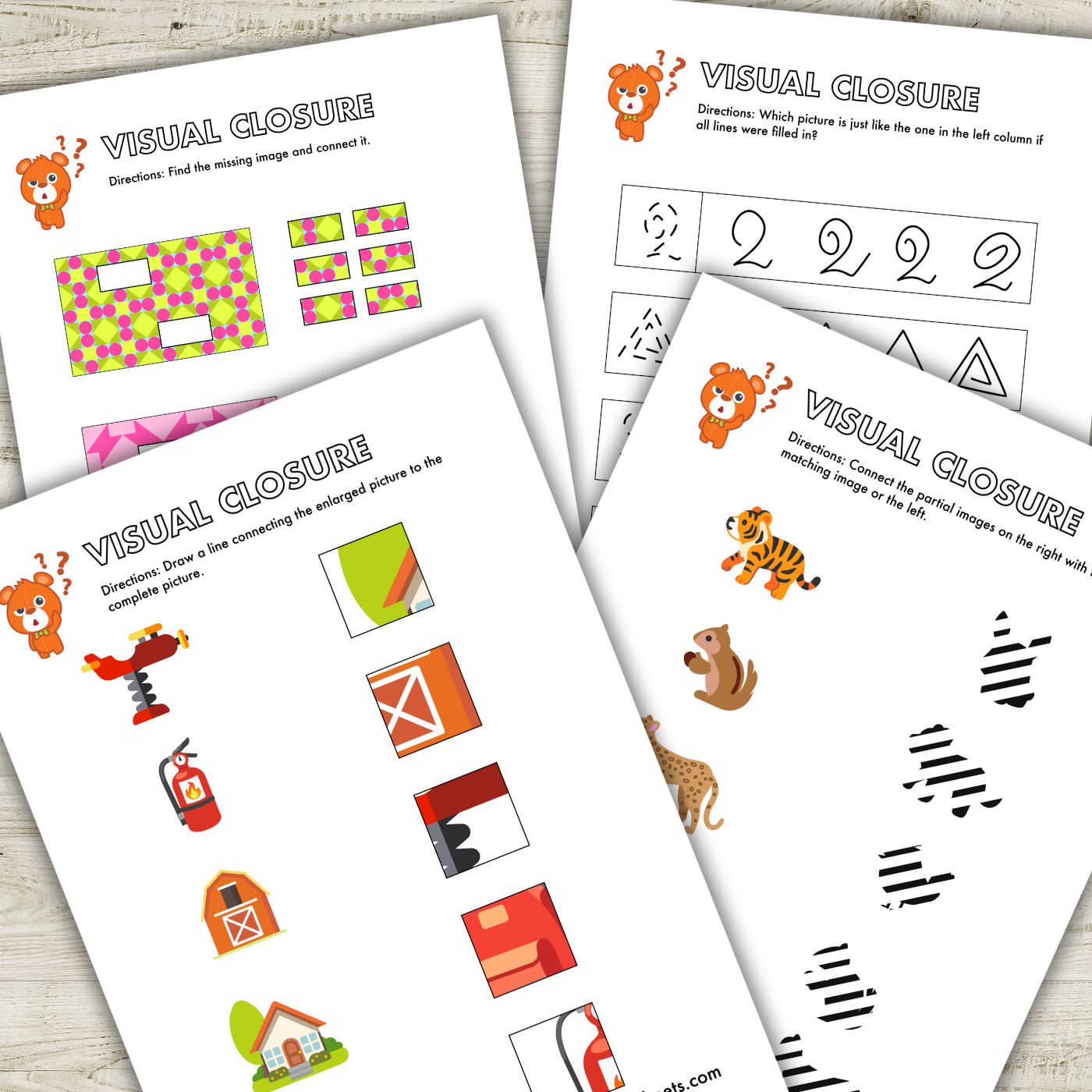
Incorporating Enclosure Concept Visual Worksheets Into Lesson Plans
If you’re a teacher or caregiver, integrating these worksheets into lesson plans can provide structured learning opportunities. Here’s how you might do that:
- Theme-Based Lessons: Create a lesson around a specific theme, such as “My Home” or “The Farm.” Use the worksheets to explore different types of enclosures found in these settings.
- Group Activities: Encourage collaboration by having children work in pairs or small groups. They can discuss their answers and share thoughts on the concepts presented in the worksheets.
- Follow-Up Activities: After completing a worksheet, consider follow-up activities like building a model of an enclosed space using blocks or drawing their own enclosed areas.
By planning lessons around these worksheets, you create a comprehensive learning experience that reinforces spatial concepts in various ways.
Enclosure Concept Visual Worksheets Preschool Gallery