Expressive Language Worksheets For Preschoolers
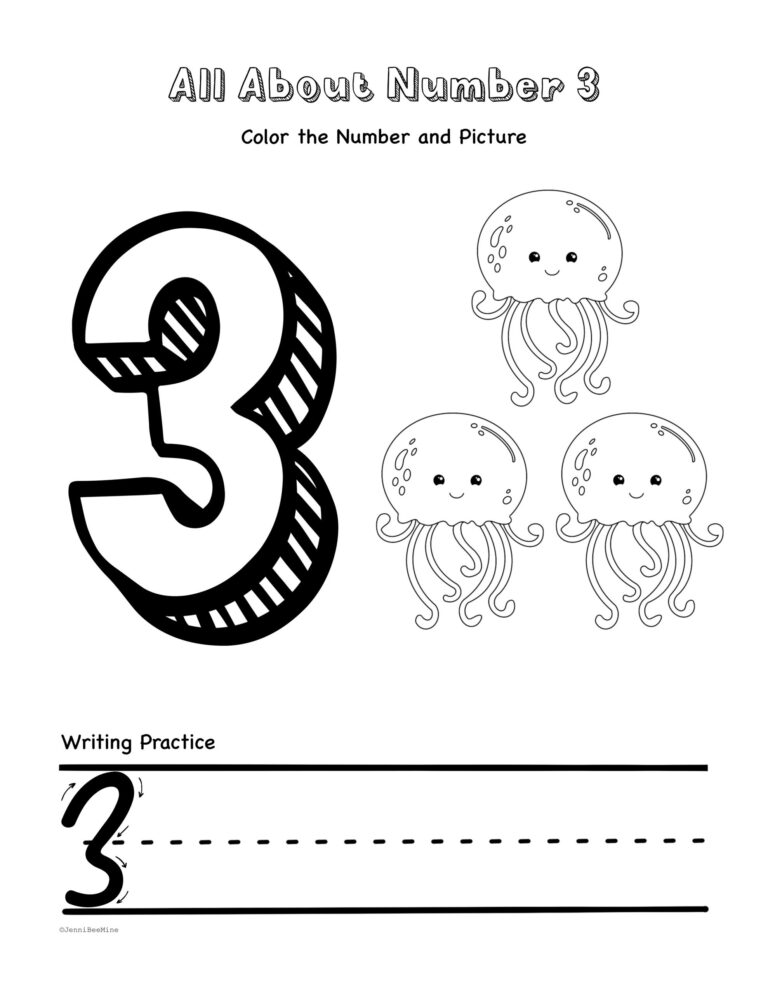
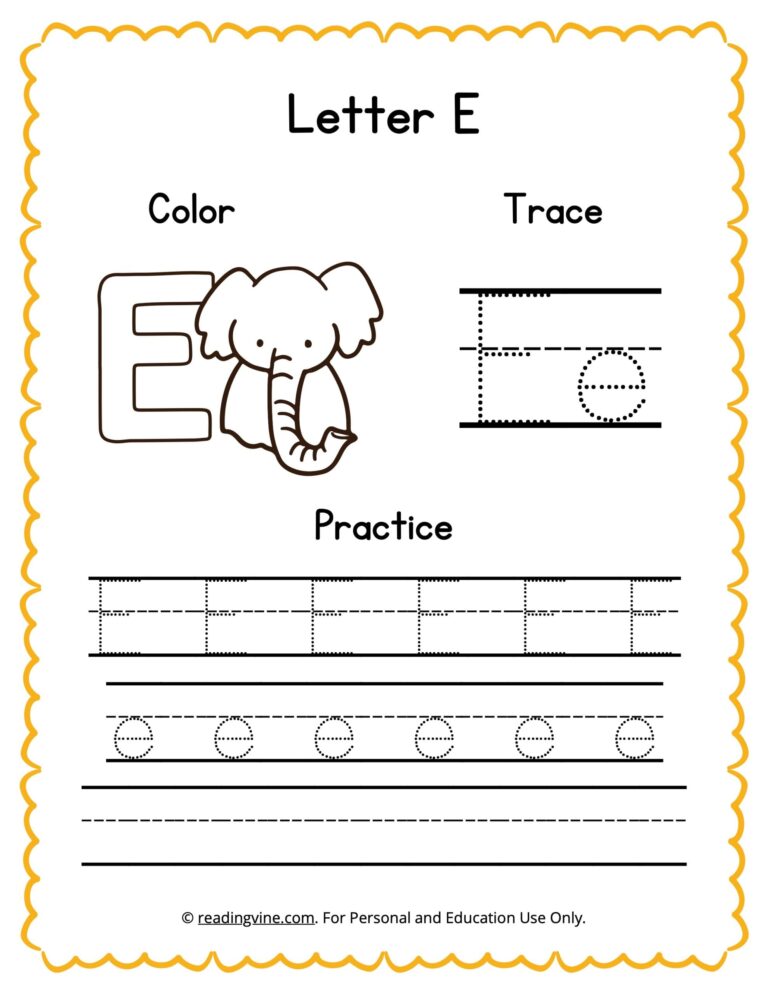
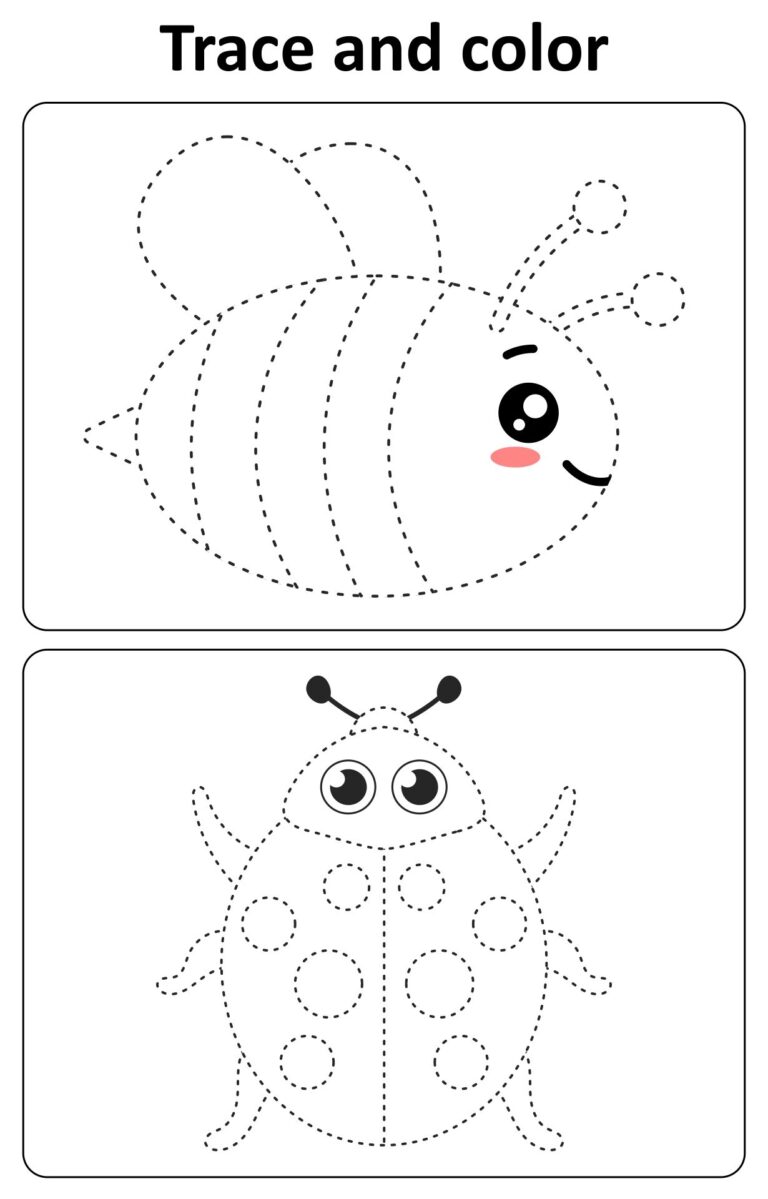
Using expressive language worksheets for preschoolers can be a game-changer in developing your child’s communication skills. These worksheets, often available for download in PDF format, provide structured activities that encourage young learners to express their thoughts, feelings, and ideas more clearly. When you engage your child with these resources, you’re not just handing them a worksheet; you’re opening a door to better language skills that will benefit them throughout their educational journey.
Understanding Expressive Language Skills
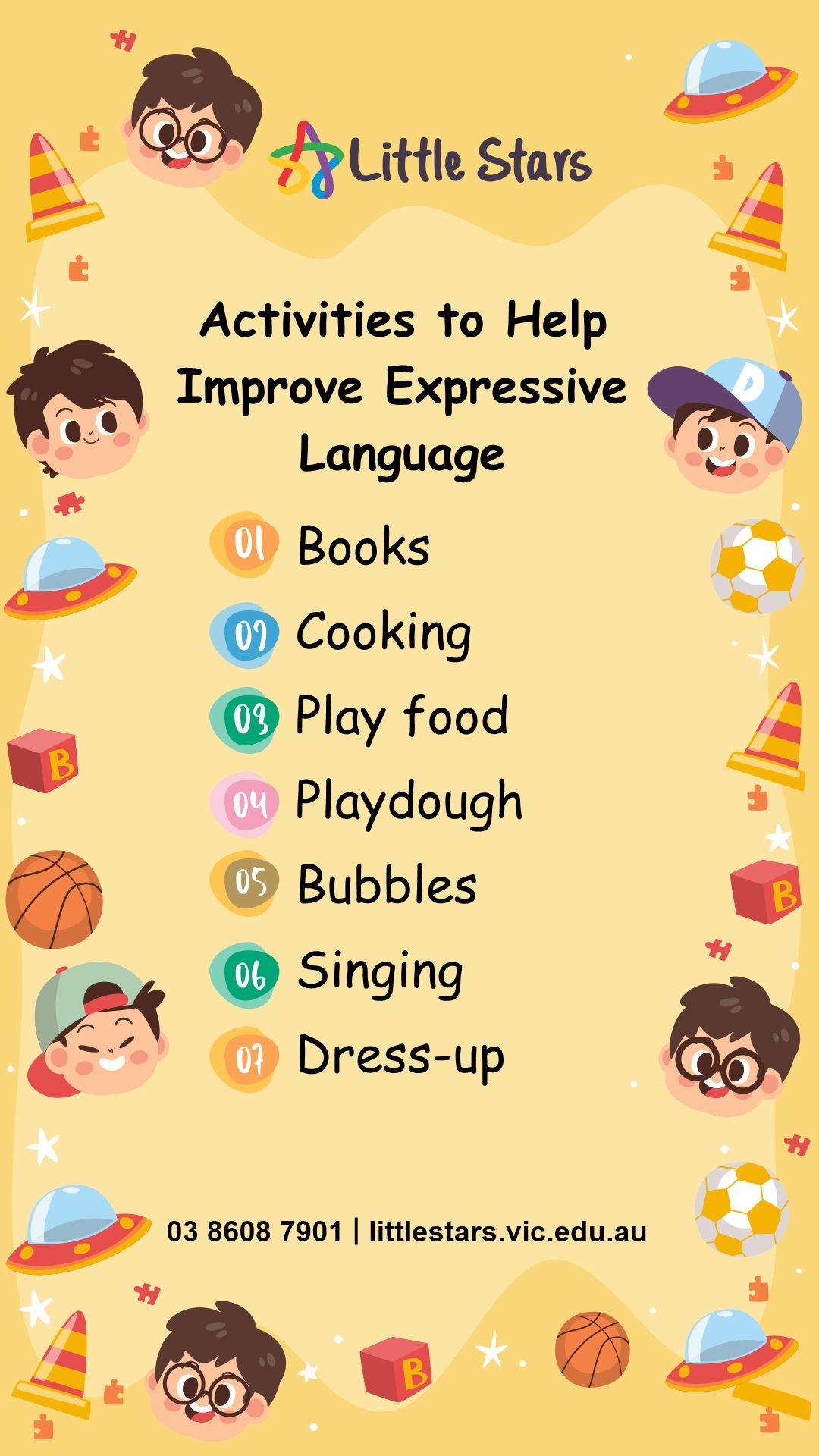
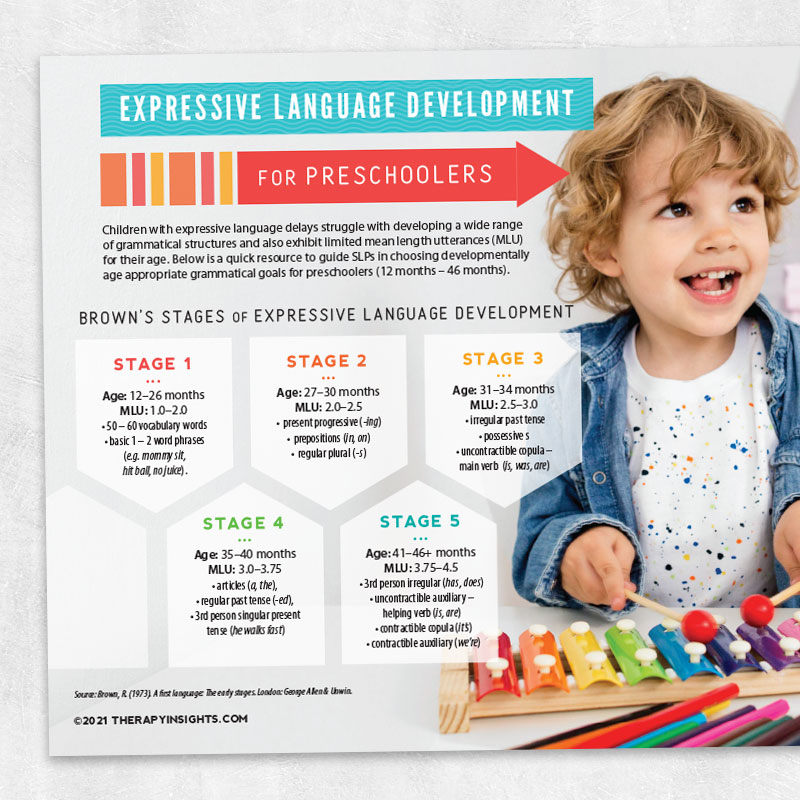
Before diving into the specifics of worksheets, it’s essential to grasp what expressive language encompasses. Expressive language refers to the ability to convey thoughts and feelings through speech and writing. For preschoolers, this skill is crucial as it helps them articulate their needs and engage with peers effectively.
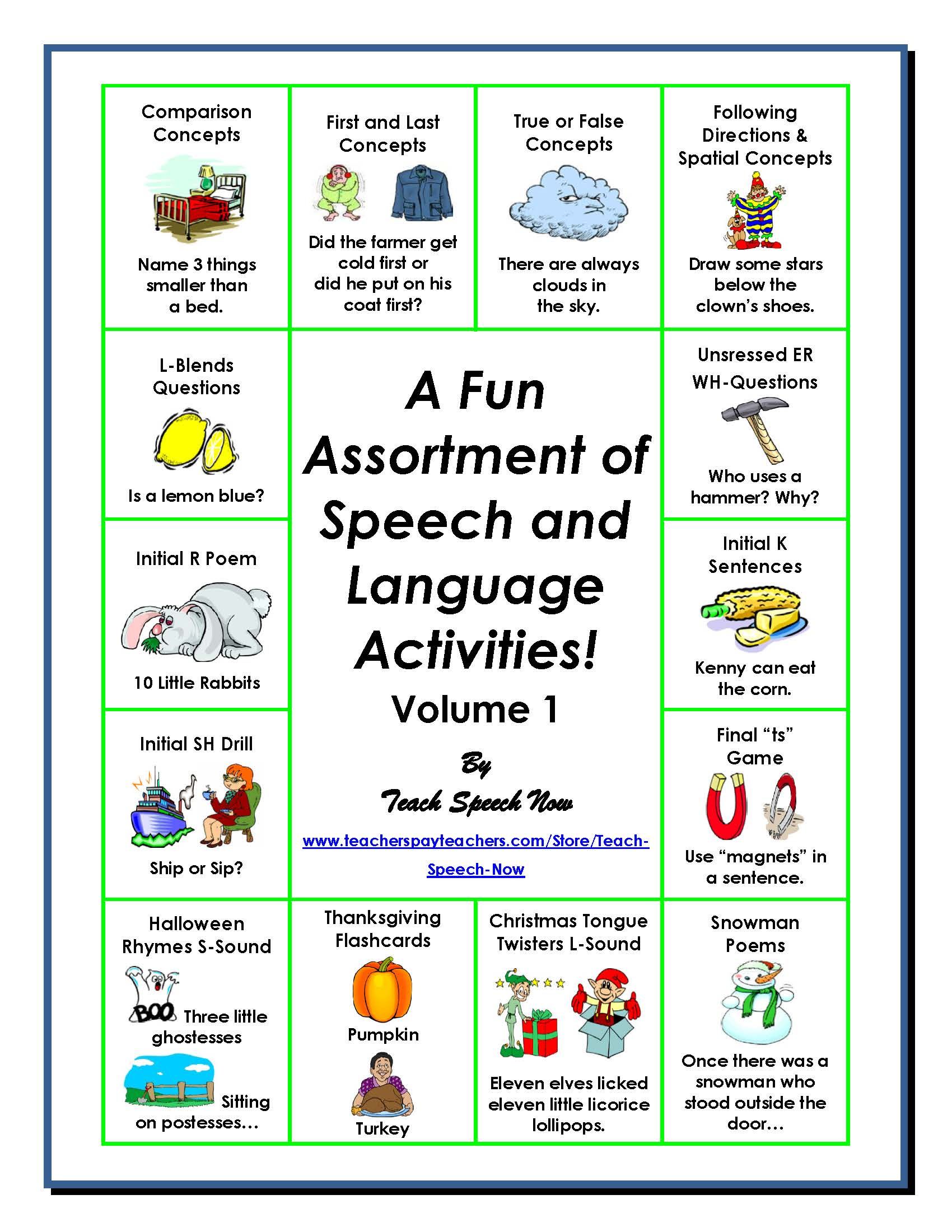
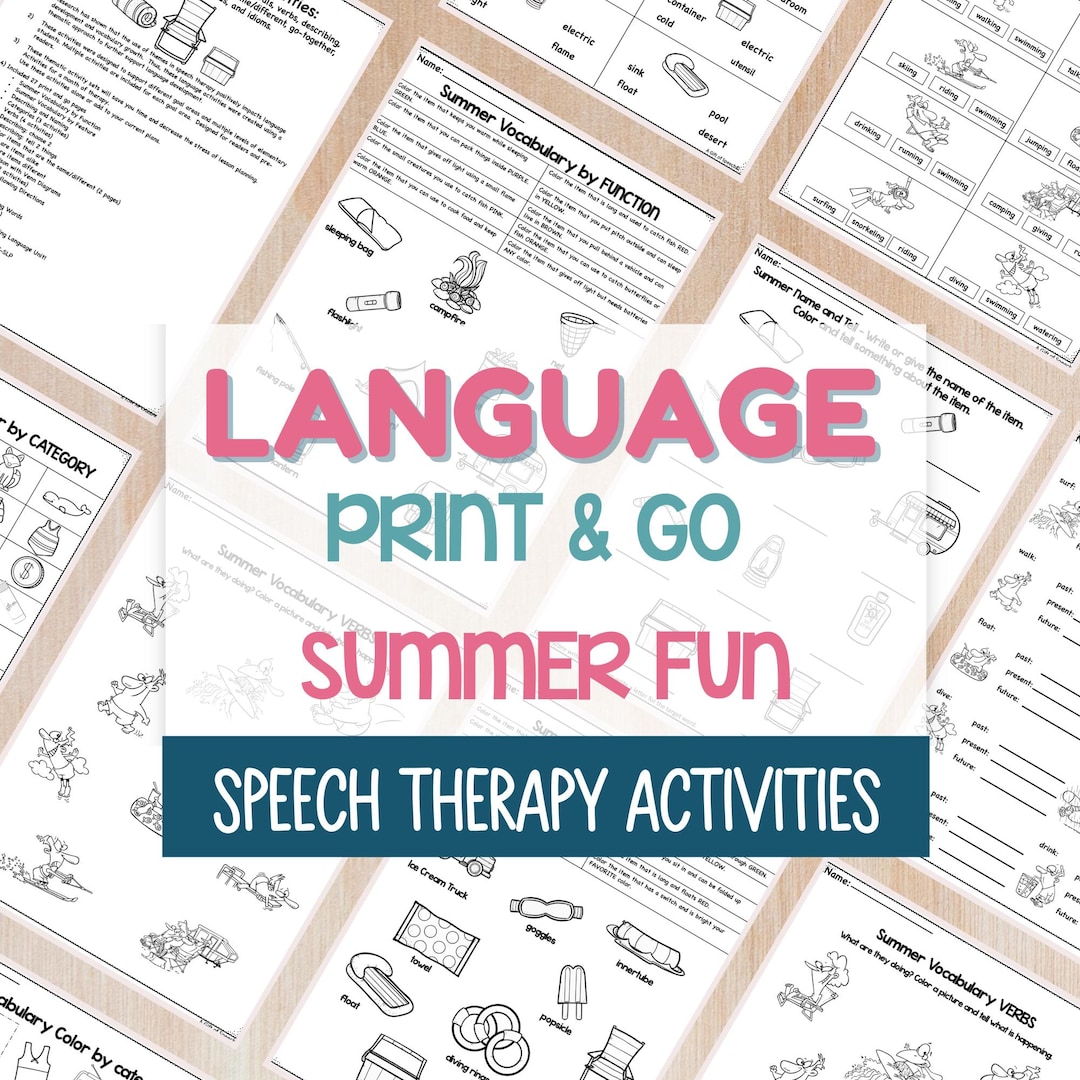
Worksheets targeting these skills can include activities like picture descriptions, storytelling prompts, and vocabulary exercises. They are designed to help children practice using words in context and improve their ability to communicate.
Choosing the Right Worksheets
When selecting expressive language worksheets for preschoolers, consider the following aspects:
- Age Appropriateness: Ensure the worksheets are suitable for the preschool age group, typically ages 3 to 5. Activities should be engaging and not overly complex.
- Format: Look for worksheets that offer a mix of fillable PDFs and printable formats. Fillable PDFs allow you to complete the worksheets on-screen, which can be useful for reducing clutter, while printed versions are great for hands-on learning.
- Variety of Activities: Choose resources that provide a range of activities, from drawing and labeling to sentence completion. This variety keeps your child engaged and accommodates different learning styles.
Downloading and Printing Worksheets
Once you’ve chosen the appropriate worksheets, the next step is downloading and printing them. Here’s a simple workflow to follow:
- Download the Resource: Click on the download link for the expressive language worksheets. Ensure you save the file in a location that’s easy to access, like your desktop or a specific folder for educational resources.
- Check the Format: If it’s a PDF, open it to ensure it displays correctly. This format usually maintains quality and layout better than images.
- Print Settings: Adjust your printer settings for optimal output. For most worksheets, a standard letter size (8.5 x 11 inches) works best. If your printer allows, print in portrait orientation for a traditional layout.
- Paper Choice: For better durability, especially if your child will be using markers or crayons, consider printing on cardstock. It holds up better than standard printer paper and is less likely to tear.
Setting Up a Learning Routine
Incorporating expressive language worksheets into your daily routine can enhance their effectiveness. Here are some practical tips:
- Daily Practice: Set aside a specific time each day for language activities. Even 15-20 minutes can make a significant difference over time.
- Create a Learning Space: Designate a quiet, comfortable area free from distractions where your child can focus on their worksheets. This could be a small corner in your living room or a table in their bedroom.
- Mix It Up: Alternate between different types of worksheets to keep your child engaged. For example, one day could focus on storytelling, while another could emphasize vocabulary building.
Engaging With Your Child During Activities
One of the most beneficial aspects of using expressive language worksheets is the opportunity for interaction. Here are ways to engage with your child:
- Ask Open-Ended Questions: While they work through the worksheets, ask questions that require more than a yes or no answer. For instance, “What do you think this character is feeling?” encourages them to express emotions and thoughts.
- Encourage Storytelling: If a worksheet involves a picture, ask your child to tell you a story about it. This nurtures creativity and helps them practice using descriptive language.
- Provide Positive Feedback: Celebrate their efforts, no matter how small. Acknowledge their hard work and improvements in expressing themselves.
Assessing Progress
Tracking your child’s progress with expressive language worksheets can be incredibly rewarding. Here’s how to do it effectively:
- Keep a Portfolio: Store completed worksheets in a binder or folder. This not only keeps things organized but also allows you to see their growth over time.
- Note Improvements: Pay attention to how your child’s ability to express themselves evolves. Are they using more complex sentences? Are they better at describing their thoughts? Document these changes.
- Adjust Activities as Needed: If you notice your child struggling with certain concepts, don’t hesitate to select worksheets that focus specifically on those areas. This targeted approach ensures they build a solid foundation.
Additional Resources and Tools
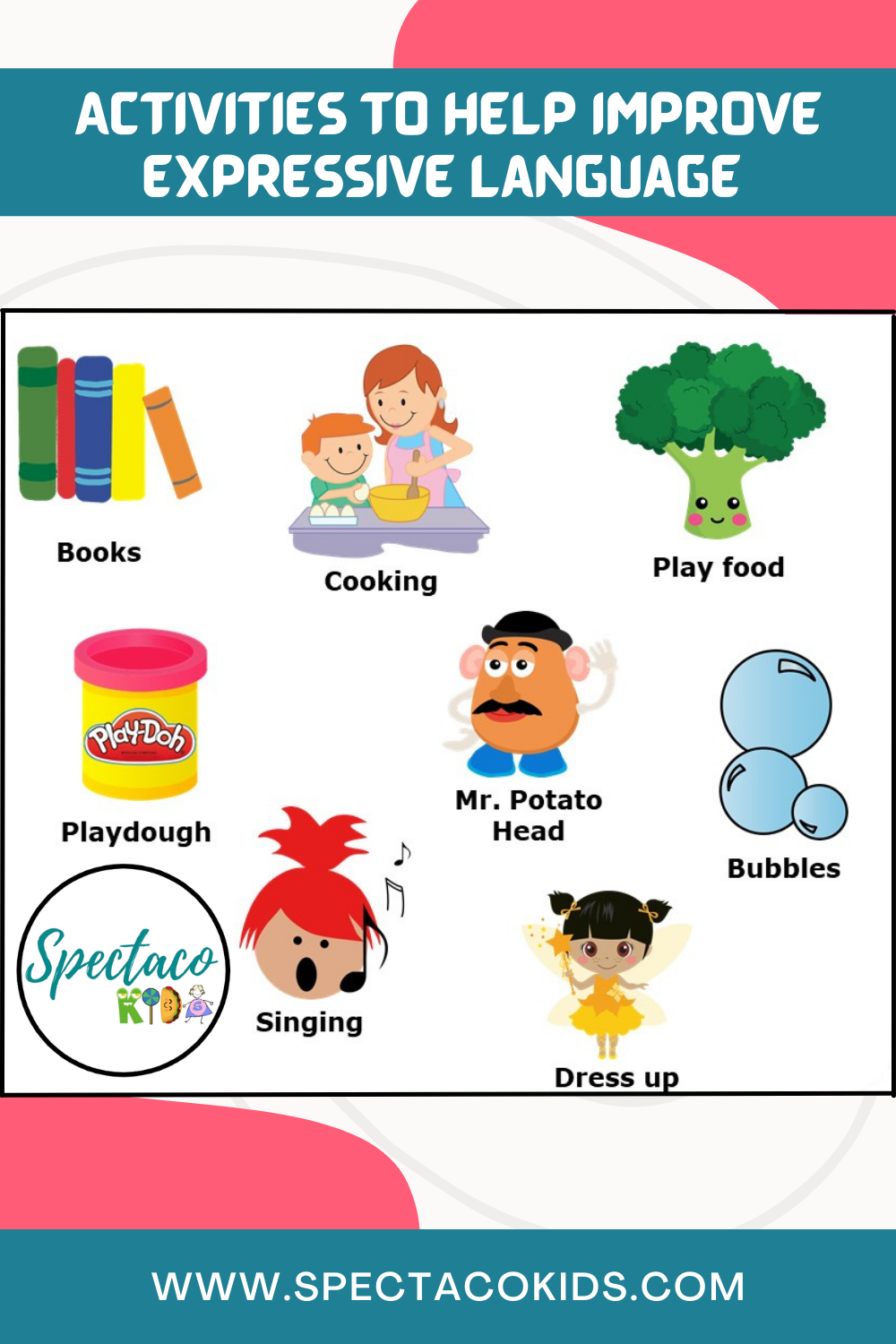
Aside from worksheets, consider integrating other resources to enhance your child’s expressive language skills:
- Storybooks: Reading together can significantly improve vocabulary and comprehension. Choose books with rich language and illustrations that prompt discussions.
- Interactive Games: Board games and card games that require communication can also be beneficial. Games like “Guess Who?” encourage descriptive language usage.
- Apps and Online Resources: Look for educational apps that focus on language development. Many offer interactive and engaging ways for children to practice their skills.
The right tools and resources can make a significant difference in your child’s language development. Expressive language worksheets for preschoolers can be the first step in nurturing their confidence and communication abilities. Remember, the goal is to make learning enjoyable and engaging, paving the way for a lifetime of effective communication.
Expressive Language Worksheets For Preschoolers Gallery