Eye Hand Coordination Activities Worksheets For Preschoolers
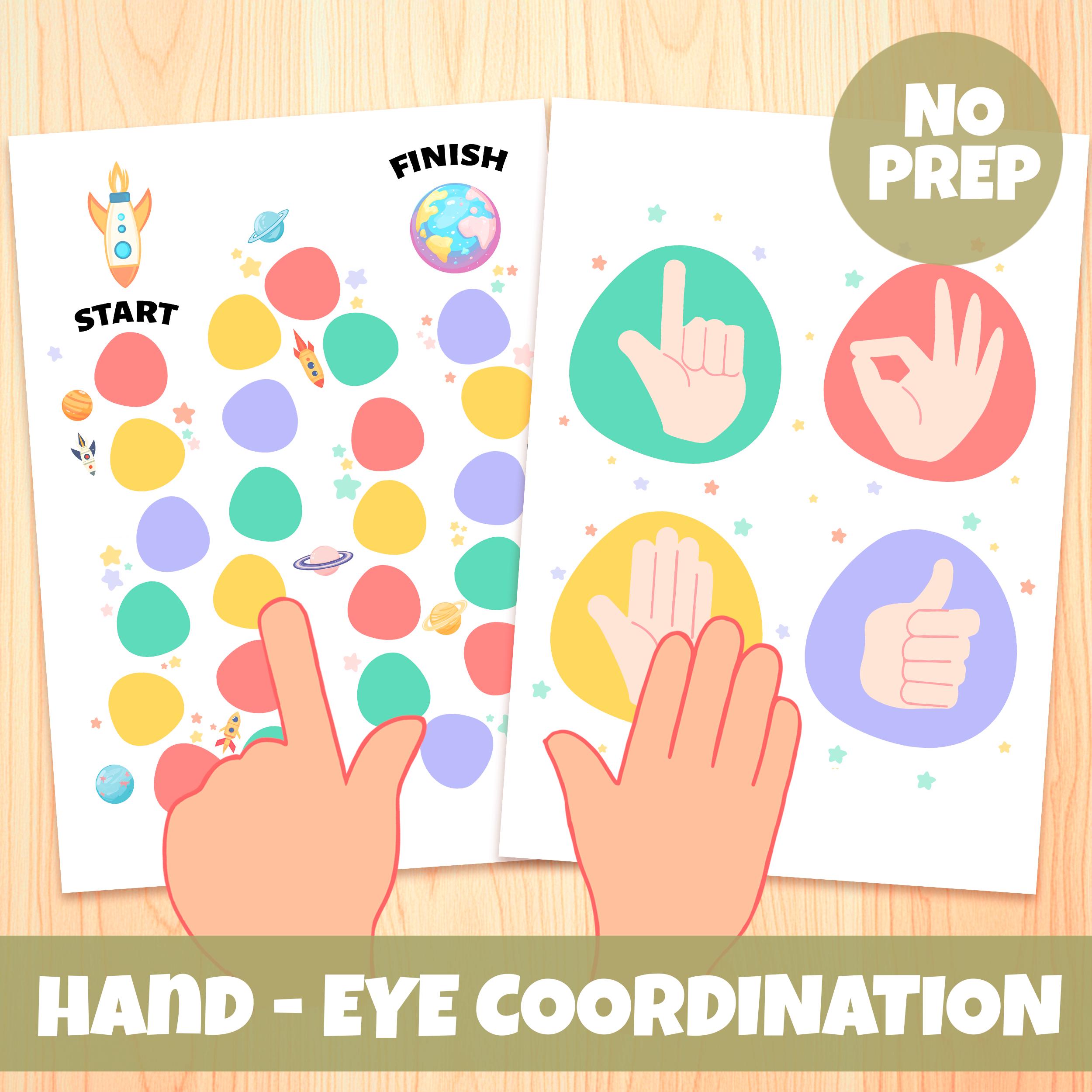
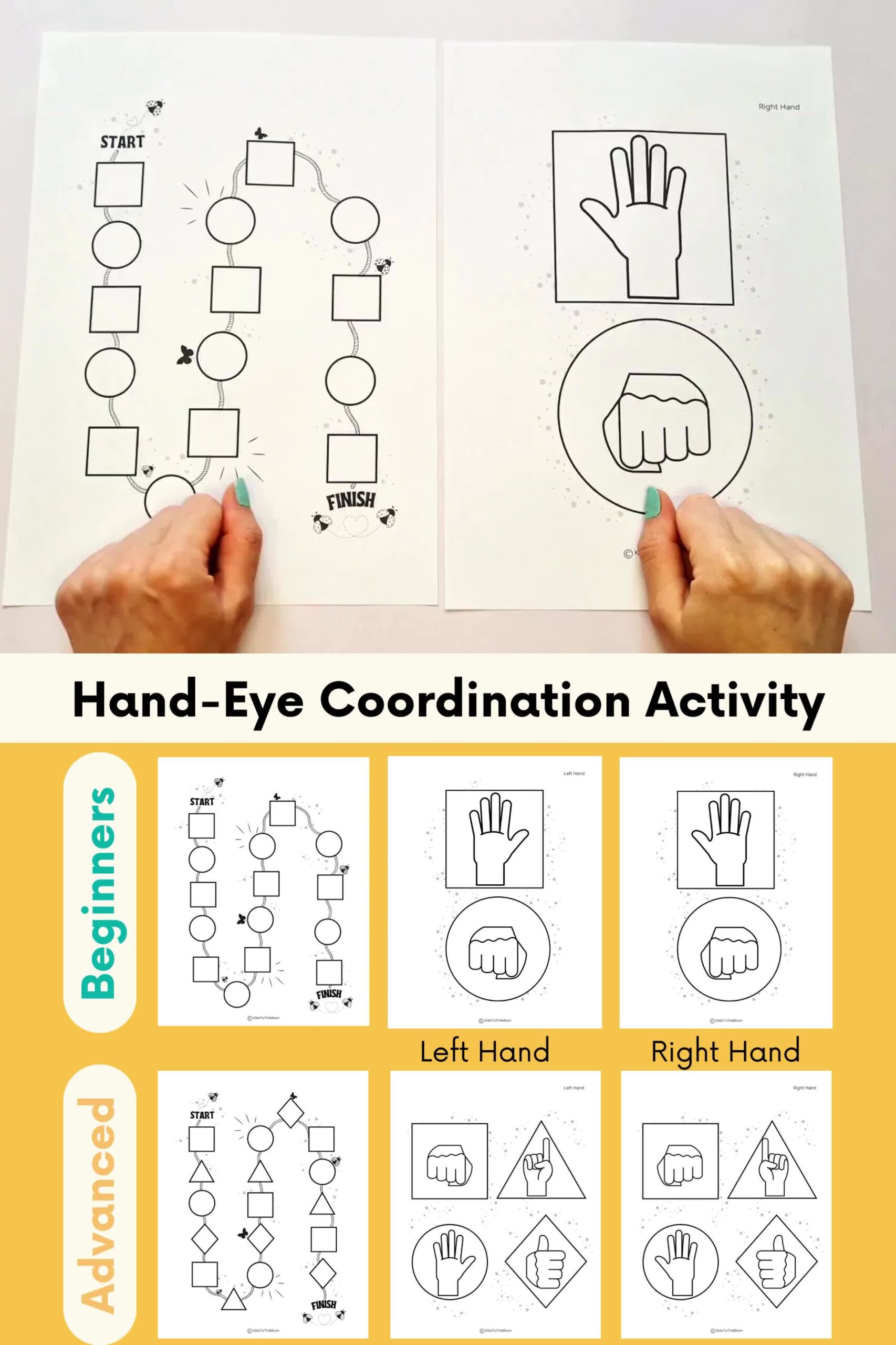
When it comes to developing fine motor skills in preschoolers, Eye Hand Coordination Activities Worksheets For Preschoolers are a fantastic resource. These worksheets are thoughtfully designed to combine fun and learning, helping children improve their hand-eye coordination through engaging activities. With a variety of templates available, parents and educators can easily print, distribute, and utilize these resources in a home or classroom setting.
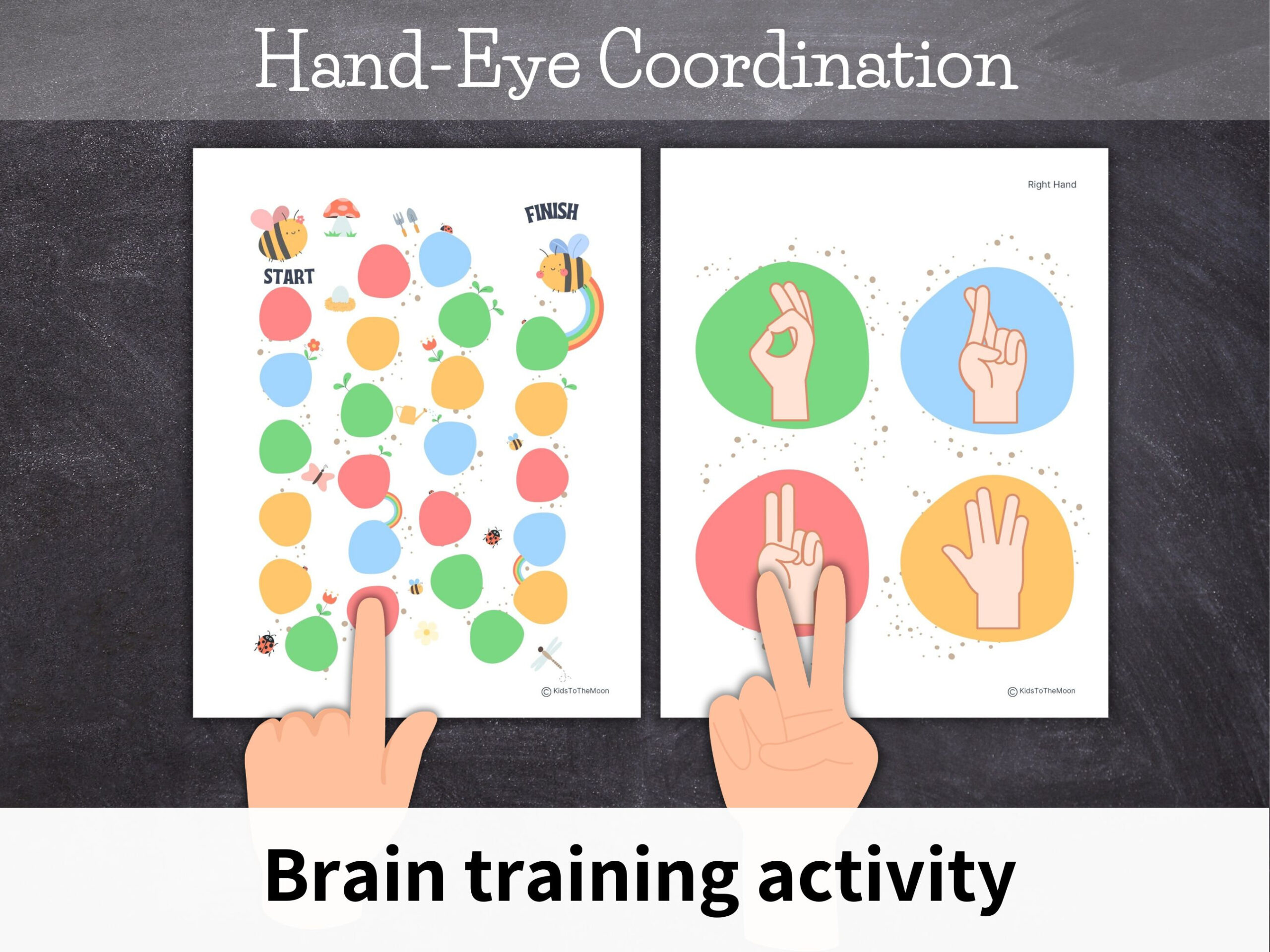
Understanding Eye-Hand Coordination
Before diving into specific activities, it’s essential to understand what eye-hand coordination is. This skill refers to the ability to use visual input to guide hand movements. It is a fundamental aspect of early childhood development, influencing everything from writing and drawing to playing sports. By using worksheets that focus on eye-hand coordination, you can help your child strengthen these skills in a structured way.
Types of Worksheets Available
There are several different types of eye-hand coordination worksheets available for preschoolers. Each type caters to different learning styles and preferences. Here are a few common formats:
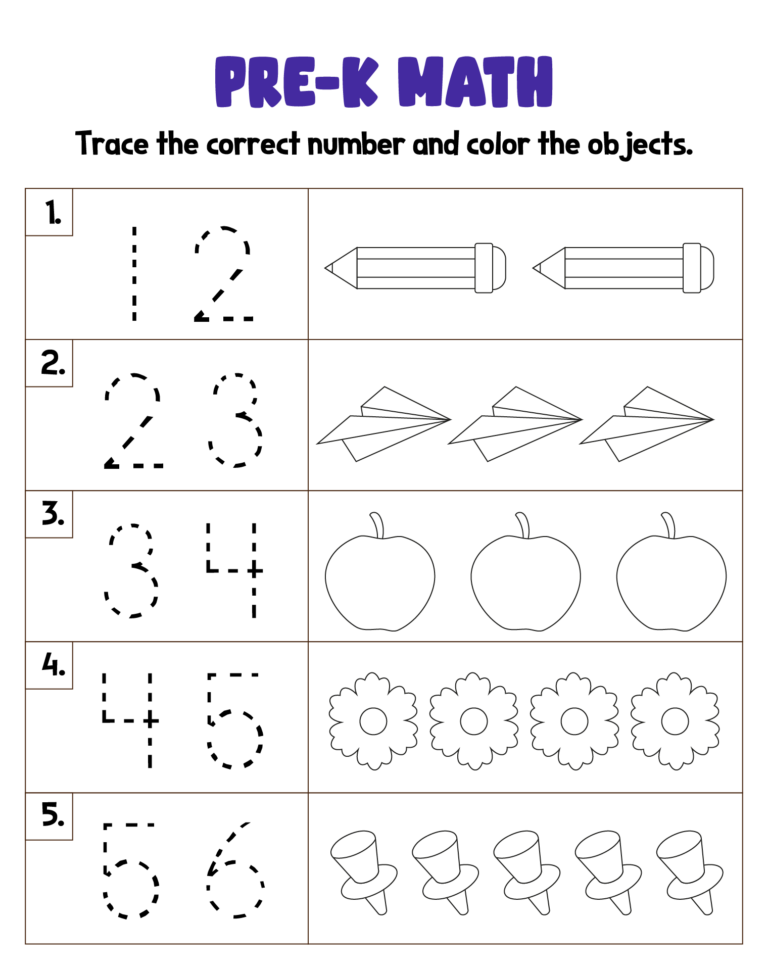
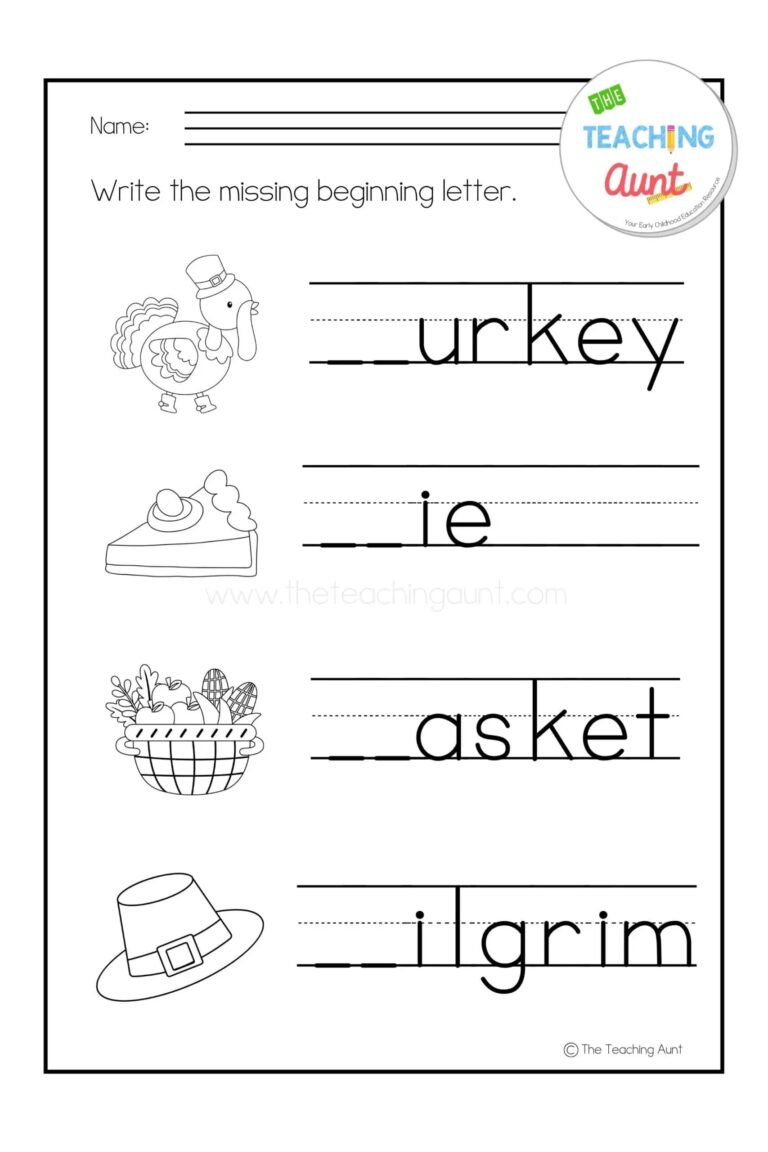
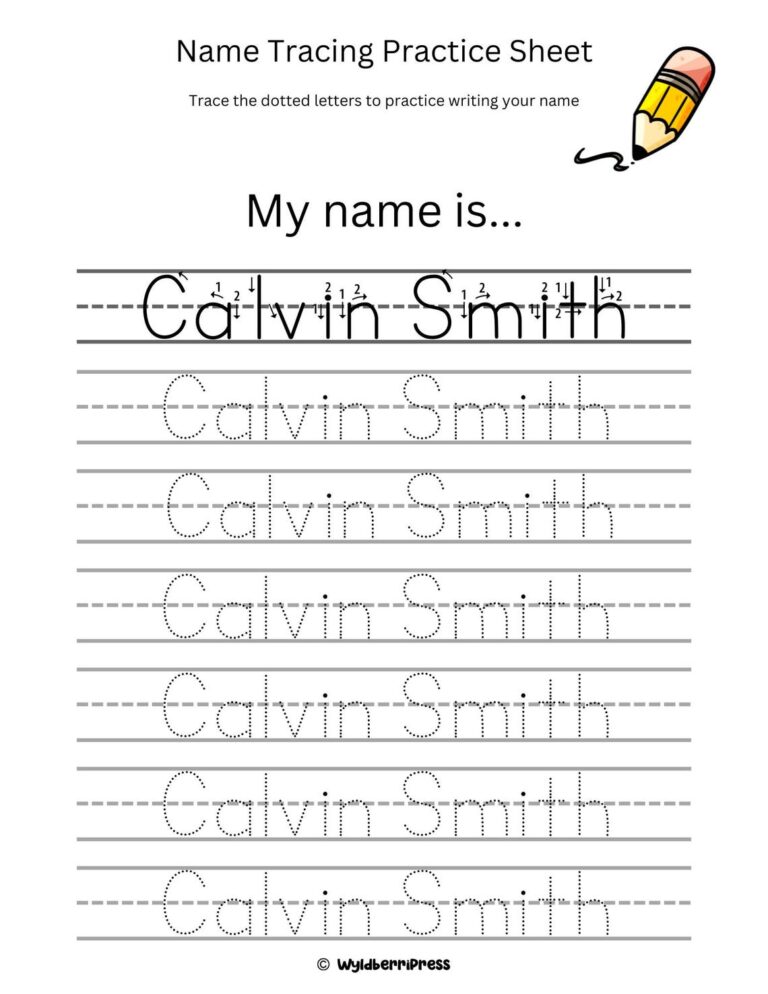
- Tracing Worksheets: These worksheets typically feature dotted lines that children can trace over. They help improve control over writing instruments.
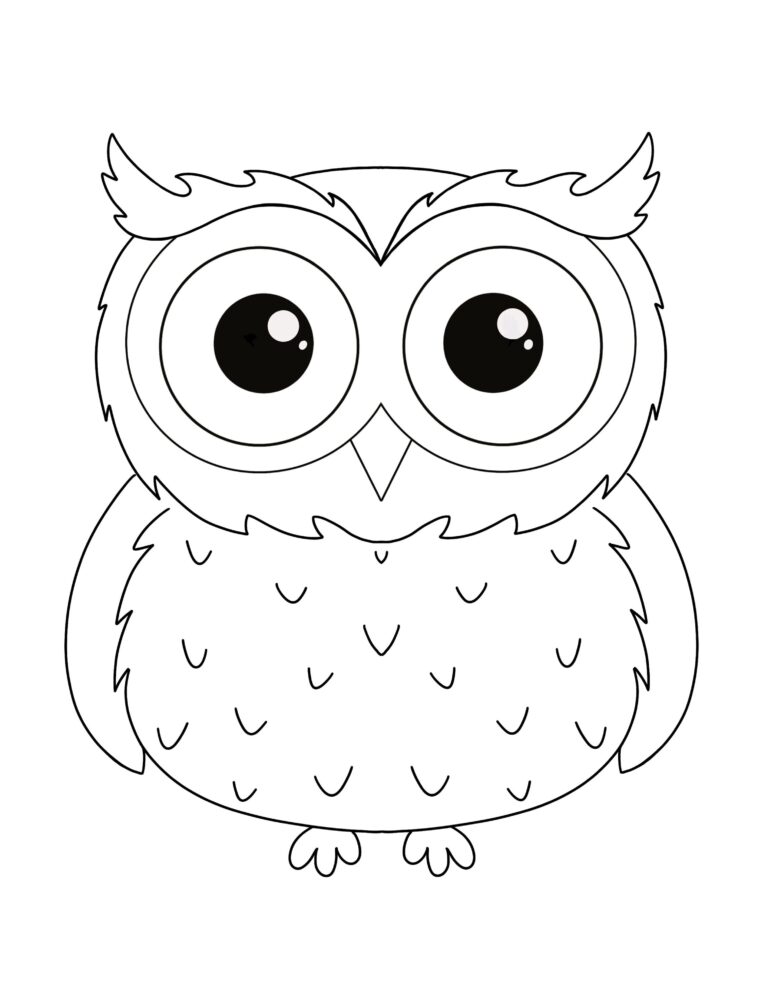
- Coloring Pages: Coloring activities not only engage creativity but also enhance fine motor skills as children grasp crayons or markers with precision.
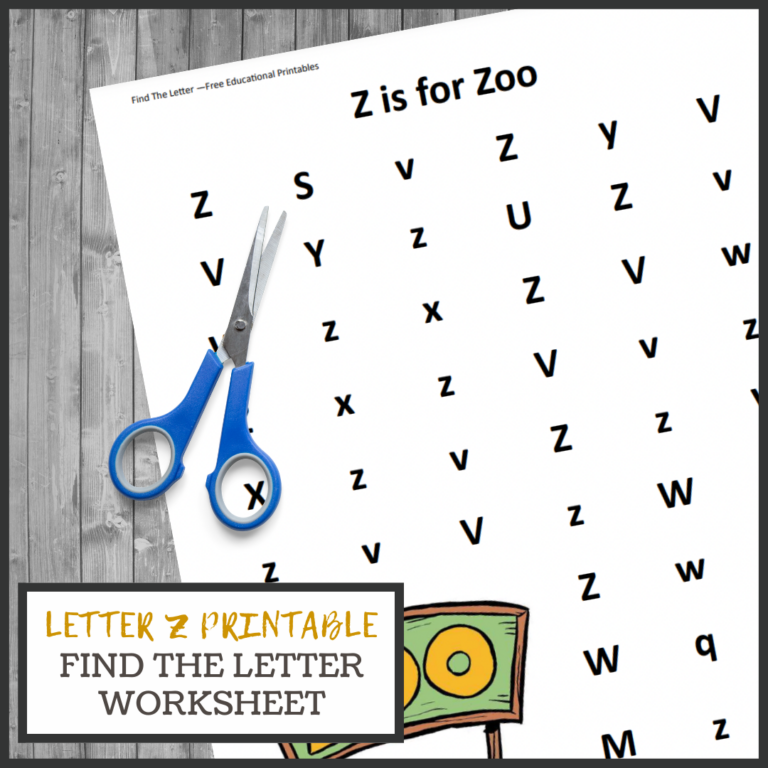
- Cutting Practice Sheets: Worksheets that require children to cut along lines help develop coordination while using scissors, an important skill for later tasks.
- Connecting Dots: These worksheets require children to connect dots in numerical or alphabetical order, which encourages focus and control.
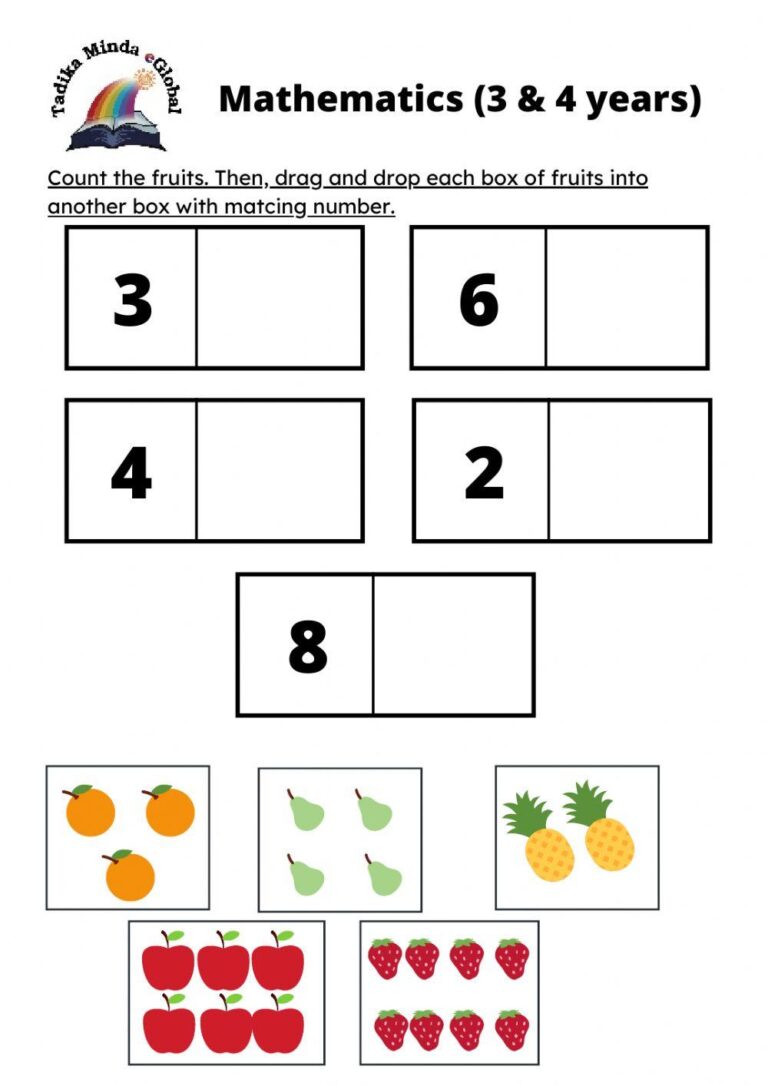
- Matching Activities: Worksheets that involve matching shapes or items can enhance visual perception and coordination.
How to Use Eye Hand Coordination Worksheets
Using these worksheets effectively can make a significant difference in your child’s learning experience. Here are some practical tips on how to incorporate them into your daily routine:
- Daily Practice: Set aside a specific time each day for worksheet activities. Consistency helps reinforce skills.
- Create a Learning Space: Designate a quiet, well-lit area for worksheet activities. A clutter-free space can help your child focus better.
- Use the Right Tools: Ensure your child has age-appropriate writing tools, such as thick crayons or easy-to-hold scissors, which can enhance their ability to complete the worksheets.
- Be Encouraging: Celebrate small achievements. Positive reinforcement can motivate your child to engage more with the worksheets.
Specific Activities to Try
Here are some specific eye-hand coordination activities you can do using worksheets. Each activity targets different aspects of coordination and can be customized based on your child’s interests:
Tracing Shapes and Letters
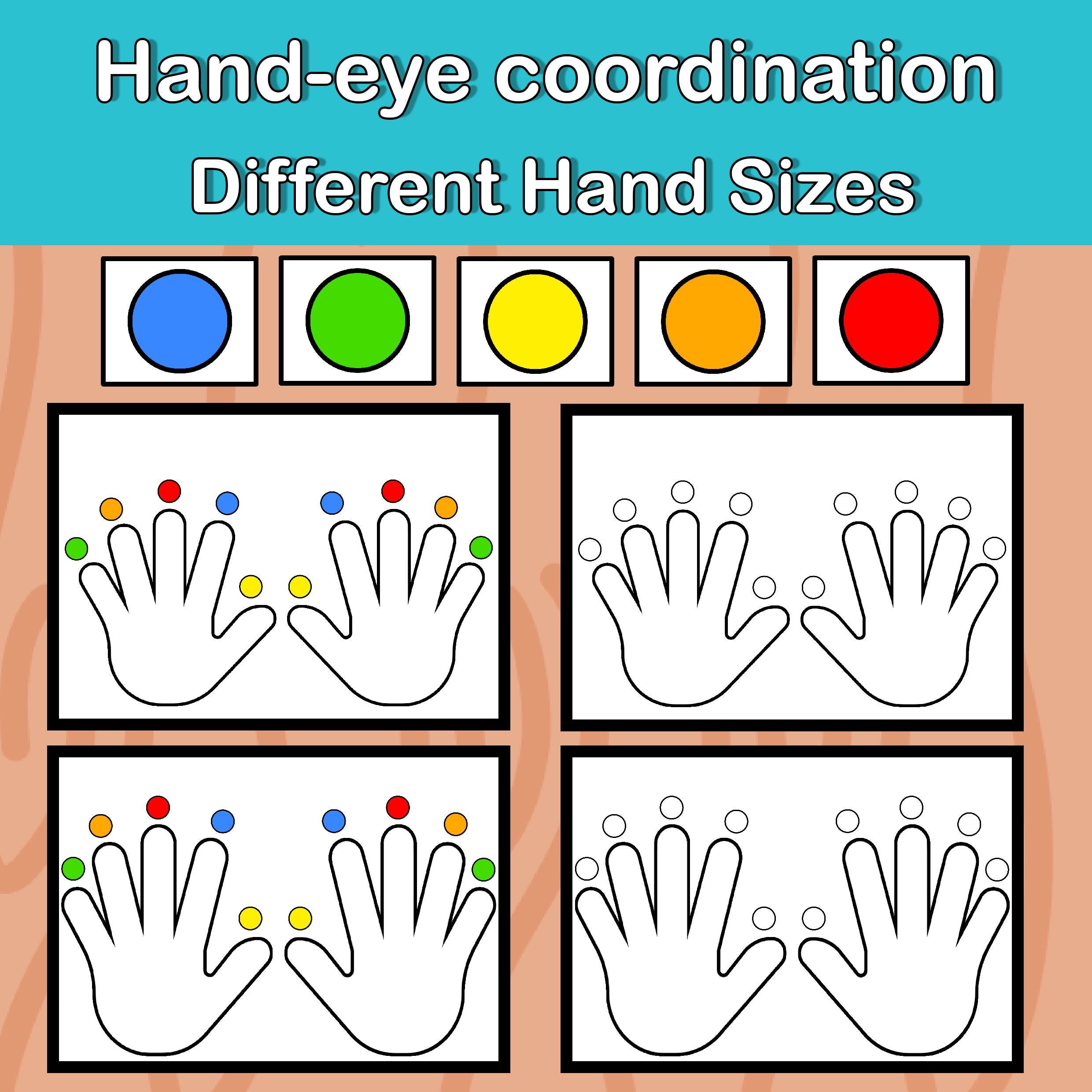
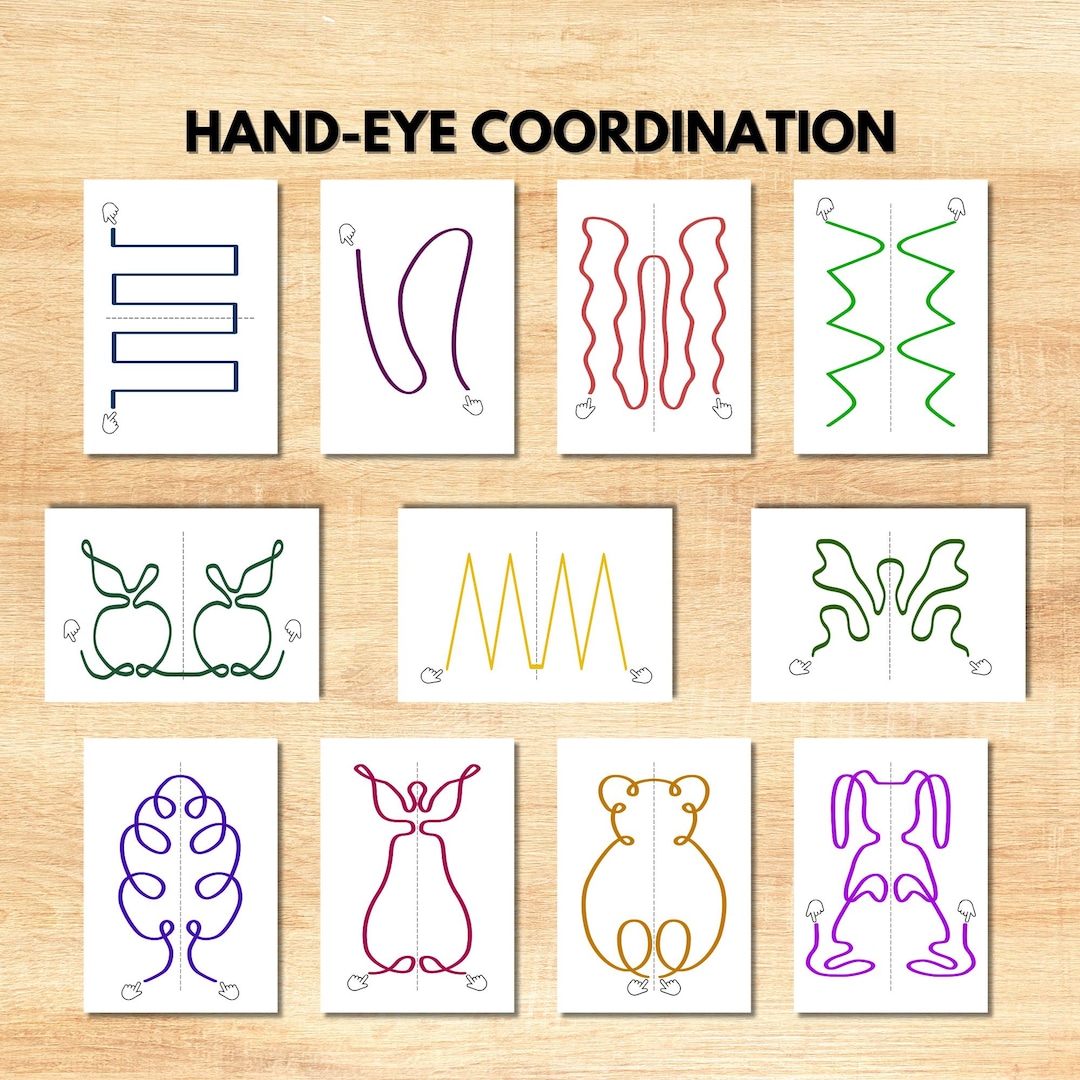
Provide worksheets with various shapes and letters for your child to trace. Start with larger shapes and letters, gradually moving to smaller ones as they become more skilled. This activity helps improve pencil grip and control.
Color by Number
Create or find worksheets that require children to color sections based on numbers. This not only enhances their color recognition but also requires precise hand movements to stay within the lines.
Scissor Skills Worksheets
Introduce worksheets that have various cutting tasks, such as cutting out shapes or following zigzag lines. Make sure to supervise your child to ensure they are using scissors safely.
Dot-to-Dot Worksheets
Dot-to-dot activities can be very engaging. These worksheets teach children to follow a sequence while improving their ability to control their hand movements.
Making Worksheets Engaging
To keep your child interested in these activities, consider the following strategies:
- Incorporate Themes: Use worksheets based on themes your child enjoys, such as animals, space, or their favorite cartoon characters.
- Combine with Storytelling: Encourage your child to tell a story about the pictures they are coloring or tracing. This adds an imaginative element to the worksheets.
- Add Movement: Before starting a worksheet, have a brief movement break. Simple exercises can help your child focus better when they sit down to work.
Where to Find Eye Hand Coordination Worksheets
You can find a plethora of printable Eye Hand Coordination Activities Worksheets For Preschoolers online. Many educational websites and blogs offer free or low-cost resources. When searching, look for:
- PDF Format: This is often the easiest to print without formatting issues.
- Variety of Activities: Choose sources that provide a range of activities to keep your child engaged.
- Age-Appropriate Content: Ensure the worksheets are suitable for preschoolers, focusing on their developmental stage.
Tips for Parents and Educators
As you incorporate these worksheets into your routine, here are some additional tips to consider:
- Monitor Progress: Keep track of your child’s progress over time. This can help you identify which areas they excel in and which may need more focus.
- Adjust Difficulty: Don’t hesitate to adjust the difficulty of the worksheets based on your child’s capabilities. Gradually increase the challenge as they improve.
- Engage with Peers: If possible, involve your child in group activities with peers. This encourages social interaction while practicing their skills.
Incorporating Eye Hand Coordination Activities Worksheets For Preschoolers into your child’s routine can make a significant impact on their development. By providing a variety of engaging activities and a supportive environment, you can help your child enhance their coordination skills while having fun. Whether you’re using tracing, coloring, or cutting worksheets, the key is to keep the experience enjoyable and rewarding.
Eye Hand Coordination Activities Worksheets For Preschoolers Gallery