Fall Math Worksheets For Preschool
When it comes to helping our little ones learn, incorporating seasonal themes can make the experience much more enjoyable. Fall Math Worksheets For Preschool provide an excellent way to engage preschoolers in learning essential math skills while celebrating the beauty of autumn. These worksheets are designed to enhance counting, number recognition, simple addition, and subtraction through fun fall-themed activities.
What to Expect From Fall Math Worksheets
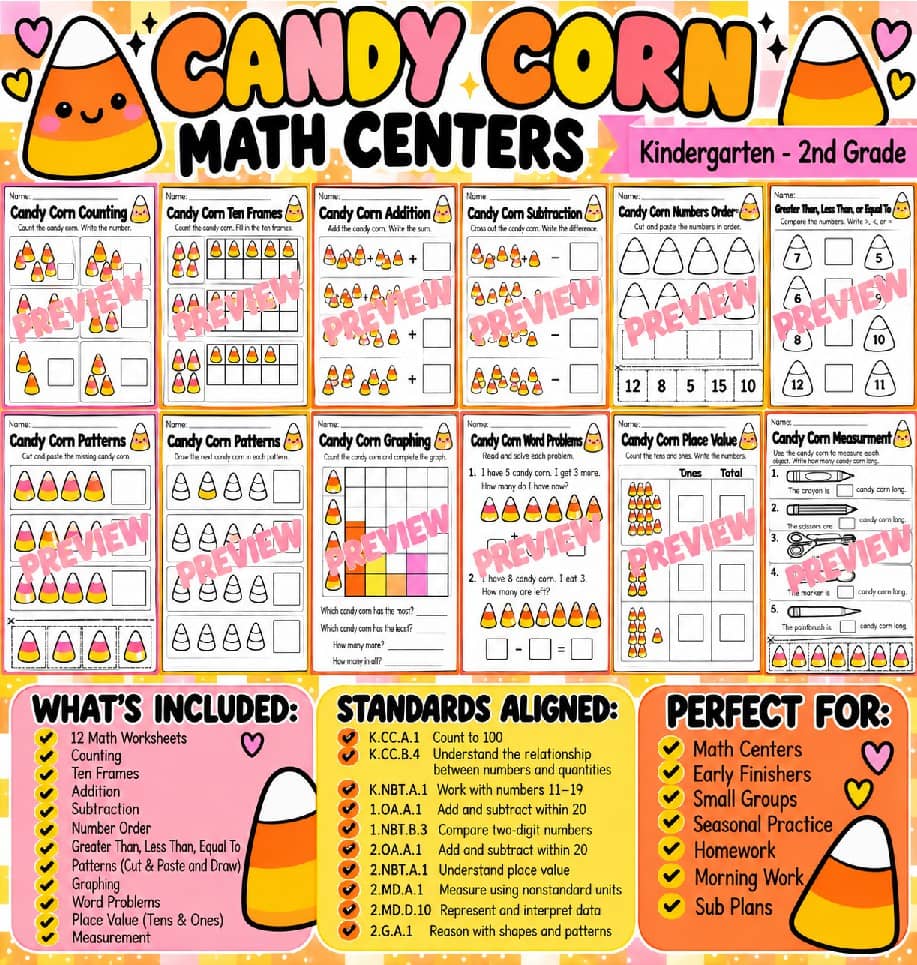
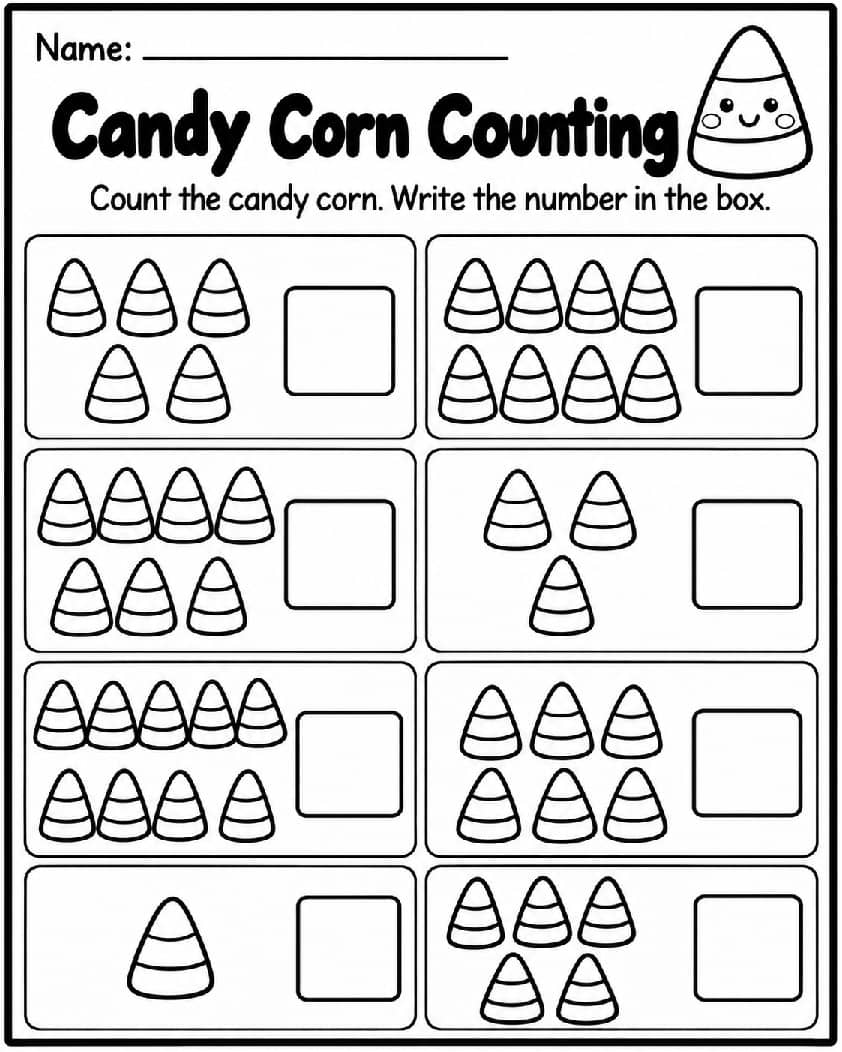
Fall math worksheets for preschool often include various activities tailored to young learners. You’ll find worksheets that focus on counting pumpkins, sorting leaves, and adding acorns. The designs are usually colorful and themed, making them visually appealing to children. For example, a worksheet might have a picture of pumpkins where kids can count how many are there and then write the corresponding number.
Key Features of Effective Worksheets
- Age Appropriateness: Ensure the worksheets are suitable for preschoolers, typically ages 3-5.
- Variety of Activities: Look for worksheets that include counting, addition, subtraction, and pattern recognition.
- Visual Appeal: Bright colors and fun images related to fall (like leaves, apples, and pumpkins) keep kids engaged.
- Simplicity: Activities should be straightforward and easy to understand, requiring minimal explanation.
How to Use Fall Math Worksheets
Using these worksheets effectively can significantly enhance your child’s learning experience. Here are some tips:
- Print Out Worksheets: Choose a few worksheets that suit your child’s current learning level. You might print them out on standard A4 or letter-size paper for easy handling.
- Set Up a Learning Space: Create a comfortable area for your child to work. This could include a table with crayons, markers, or colored pencils.
- Incorporate Real-Life Examples: Enhance the learning experience by relating worksheet activities to real-life situations, like counting leaves during a walk in the park.
- Track Progress: Keep a folder or binder for completed worksheets to monitor your child’s progress over time. This can also be a fun way to celebrate their achievements.
Types of Activities in Fall Math Worksheets
There’s a variety of activities you can expect to find in fall math worksheets for preschool. Here are some popular types:
Counting Activities
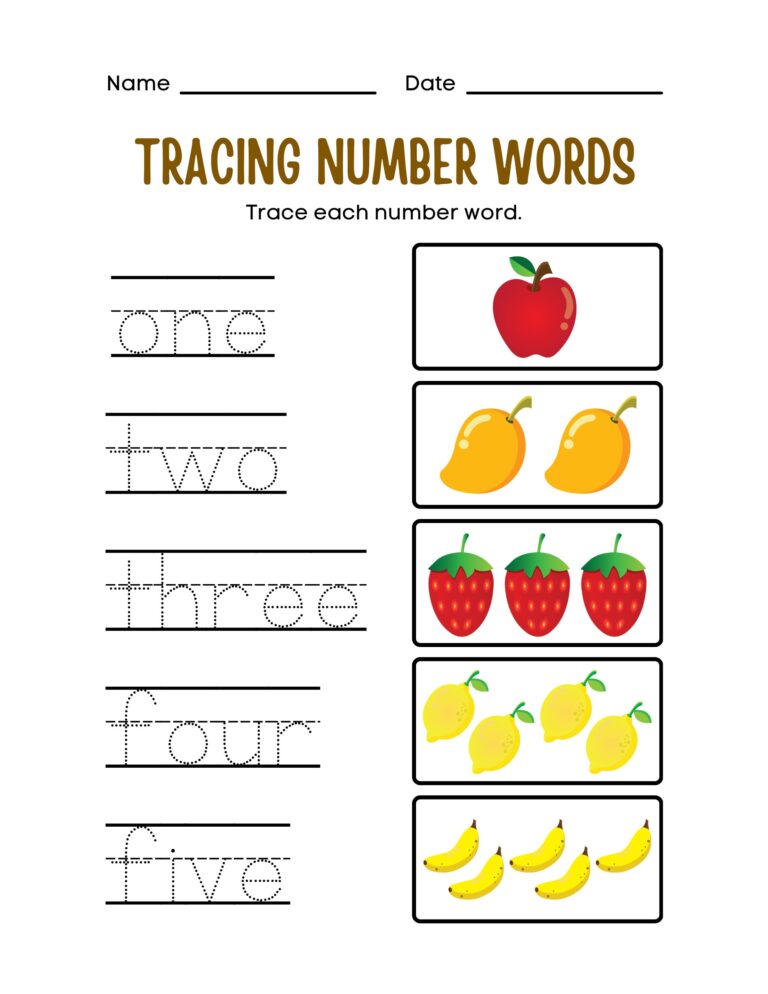
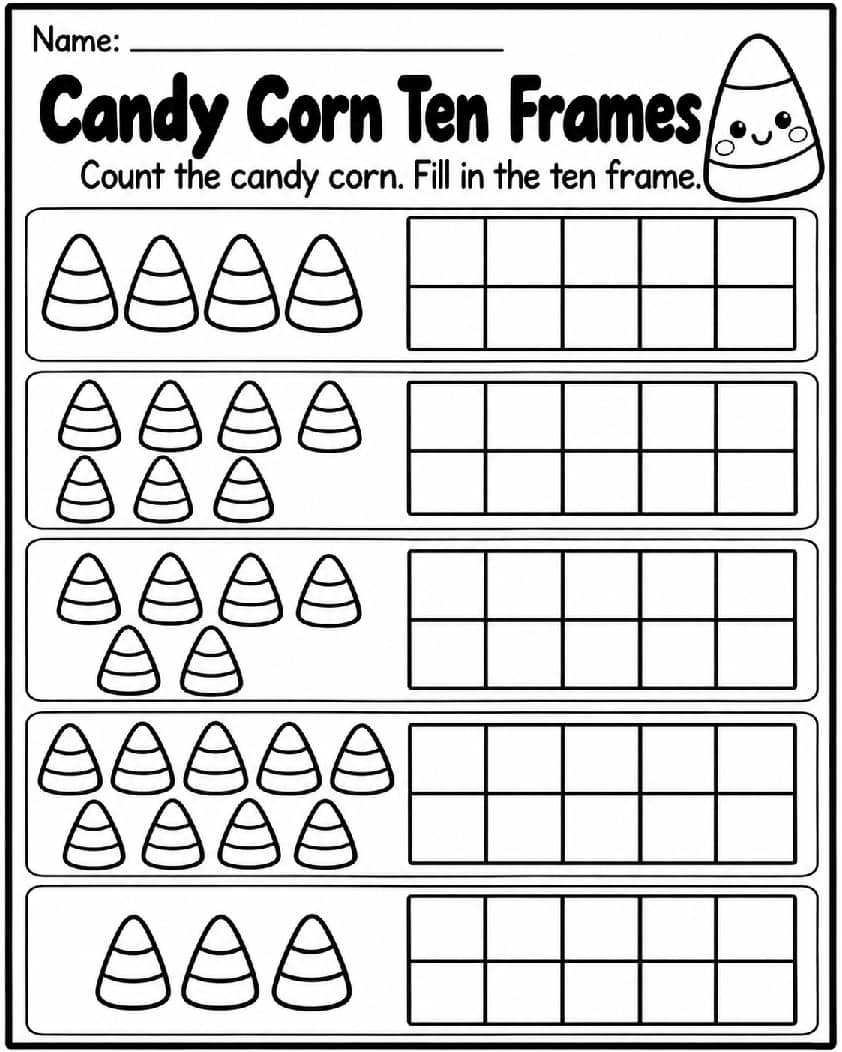
Counting activities are fundamental for preschoolers. Worksheets may feature images of pumpkins or apples that children need to count and write down the number. This helps develop their number recognition and counting skills.
Simple Addition and Subtraction
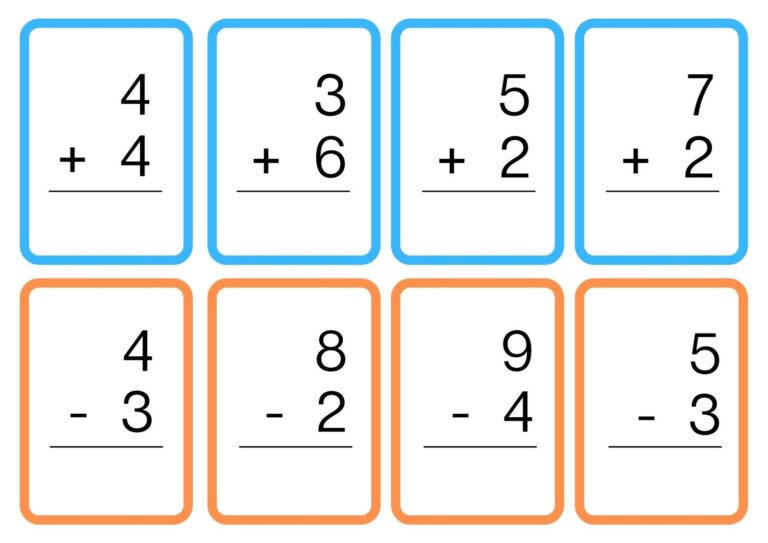
Some worksheets introduce basic addition and subtraction using fall-themed images. For instance, a worksheet might ask, “If you have 3 apples and you pick 2 more, how many do you have now?” This approach makes math relatable and fun.
Pattern Recognition
Pattern recognition is another important skill and fall worksheets might include activities where children need to complete a pattern using images of leaves or acorns. For example, a pattern might alternate between a red leaf and a yellow leaf, and the child would need to identify the next color.
Where to Find Printable Fall Math Worksheets
Finding quality printable fall math worksheets for preschool is easier than you might think. Here are some reliable sources:
- Educational Websites: Many educational websites offer free or low-cost printable worksheets. Websites like Teachers Pay Teachers or Education.com have a range of options.
- Local Library Resources: Some libraries provide printable worksheets or have links to educational resources that you can access from home.
- Printable Resource Sites: Sites dedicated to printable resources often have a section specifically for seasonal worksheets. Look for those that focus on early childhood education.
Tips for Parents Using Fall Math Worksheets
As you introduce fall math worksheets to your preschooler, consider these practical tips to enhance their learning:
- Make It Interactive: Instead of just filling in answers, encourage your child to use physical objects (like blocks or leaves) to count and solve problems.
- Celebrate Completion: After finishing a worksheet, celebrate your child’s effort. This could be as simple as a high-five or a small sticker reward.
- Encourage Discussion: Ask your child about their answers. For example, “How did you find the total number of apples?” This encourages them to verbalize their thought process.