Fall Number Worksheets For Preschoolers
As the leaves begin to change and the air turns crisp, it’s the perfect time to introduce engaging activities for preschoolers. Fall Number Worksheets For Preschoolers provide a delightful way for young learners to practice counting, number recognition, and basic math skills. These worksheets are often designed with vibrant autumn themes that capture the essence of the season, making learning enjoyable and visually appealing.
Understanding the Layout of Fall Number Worksheets
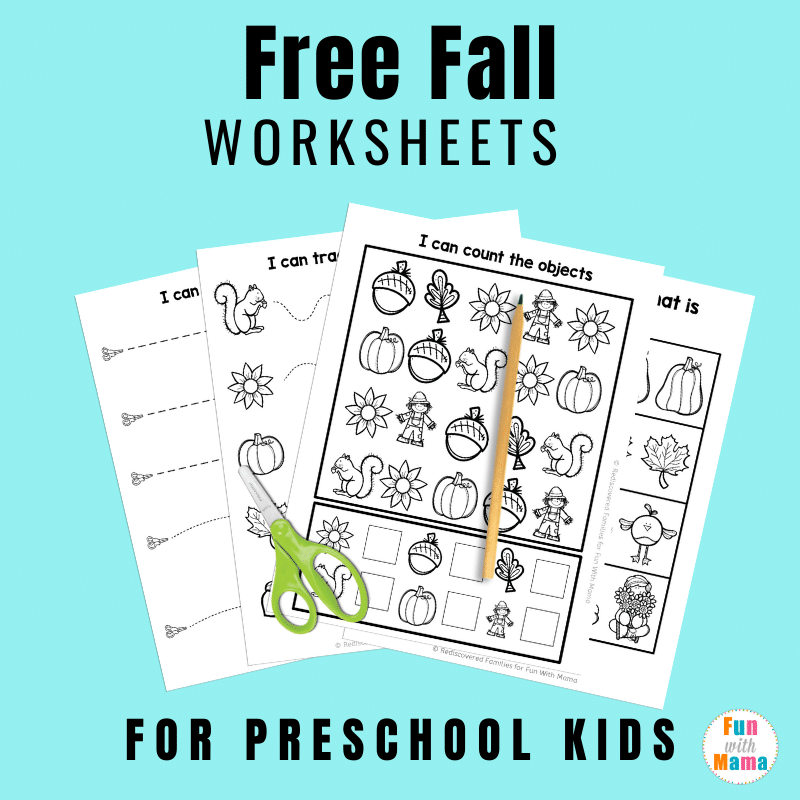
When you first open a Fall Number Worksheet, you’ll notice the layout is typically straightforward and user-friendly, designed specifically for preschoolers. Most worksheets feature colorful illustrations of fall elements like pumpkins, leaves, and acorns, which not only attract children’s attention but also help them associate numbers with real-world objects.
Sections You’ll Find on the Worksheets
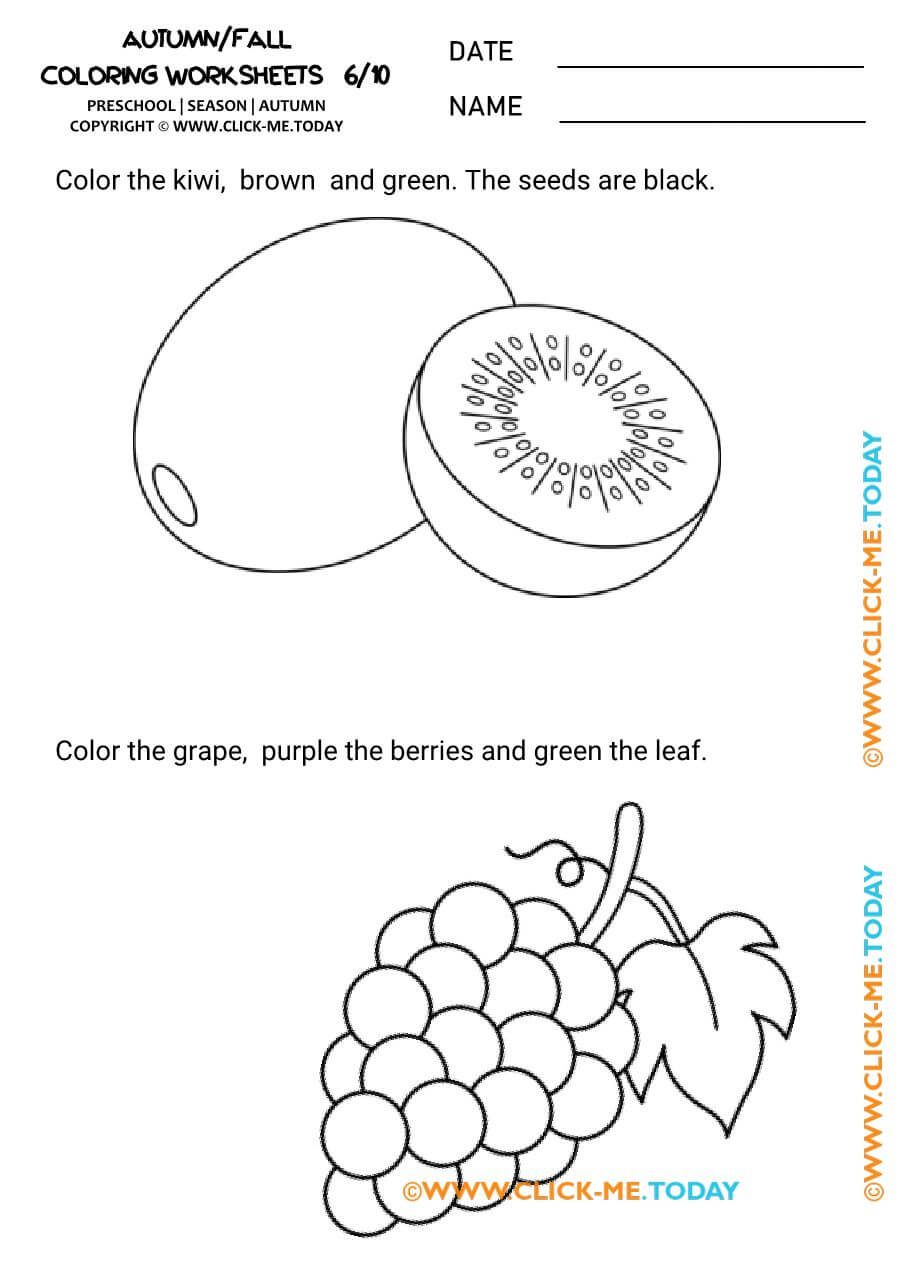
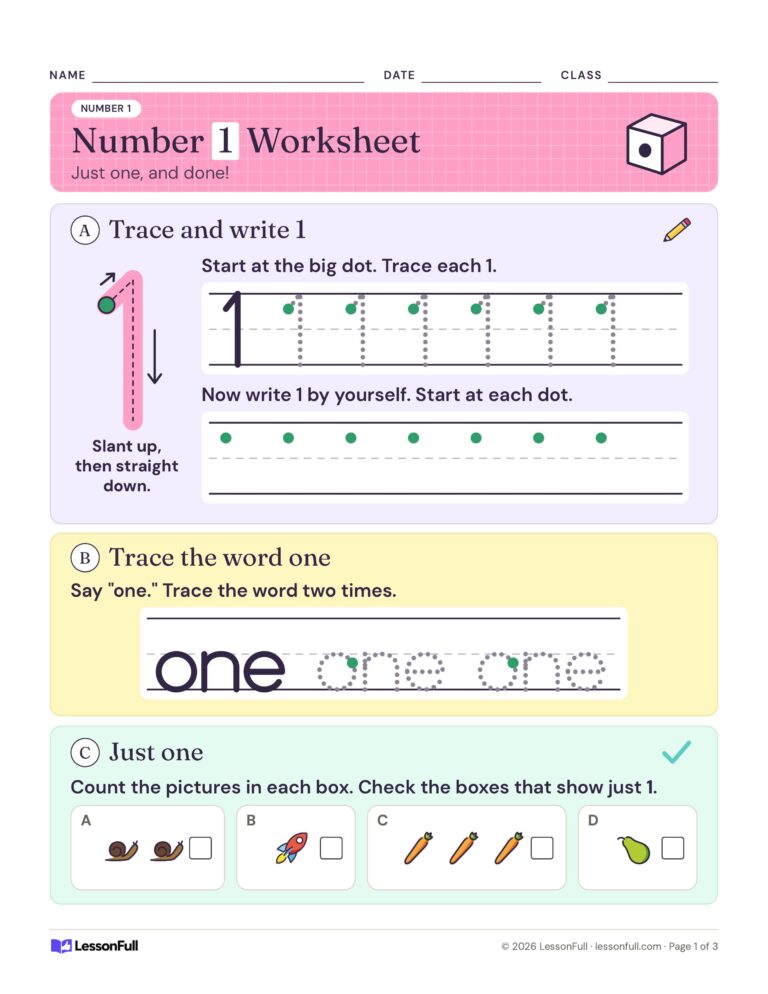
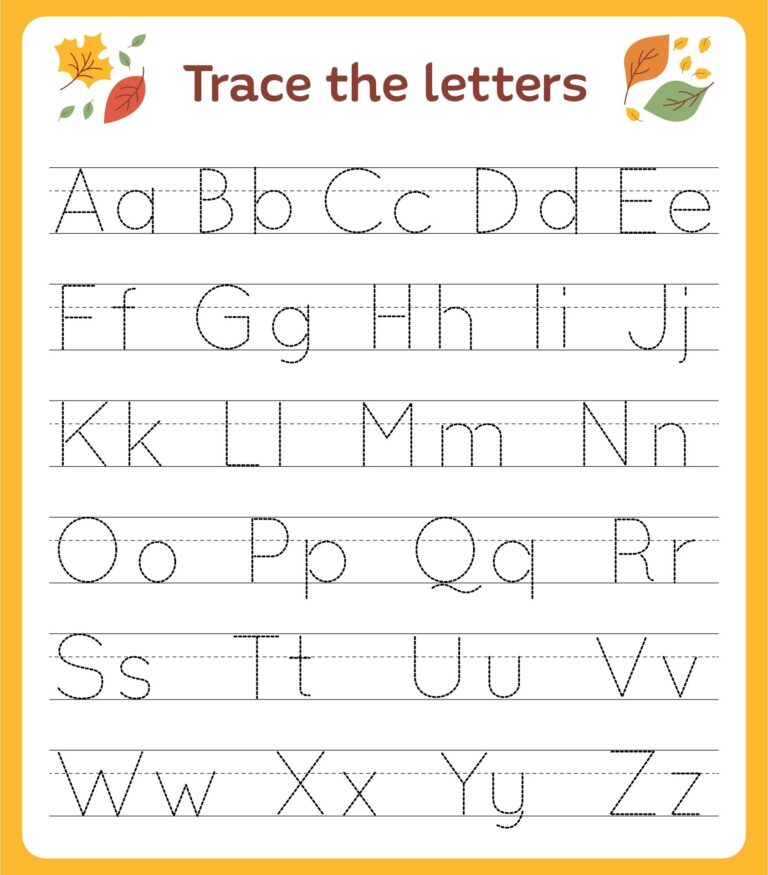
- Number Identification: At the top of the worksheet, you’ll often find a section that asks kids to identify and write numbers. This may include tracing the numbers or filling in the correct numeral next to pictures of fall-themed items.
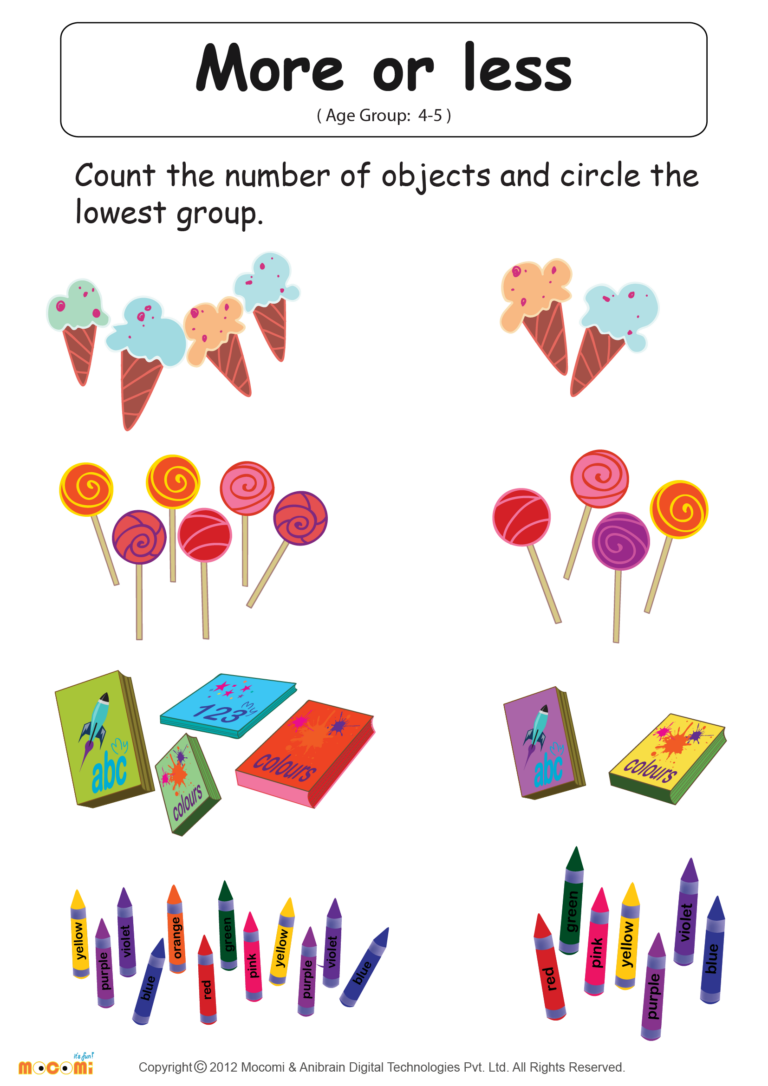
- Counting Activities: Below the identification section, there are usually images to count. For instance, a worksheet may show a row of pumpkins and ask children to circle the correct number that corresponds to how many pumpkins are illustrated.
- Simple Math Problems: Some worksheets might include basic addition or subtraction problems. These are often presented in a fun context, such as “If you have 3 apples and pick 2 more, how many do you have now?” This encourages critical thinking while keeping the learning light-hearted.
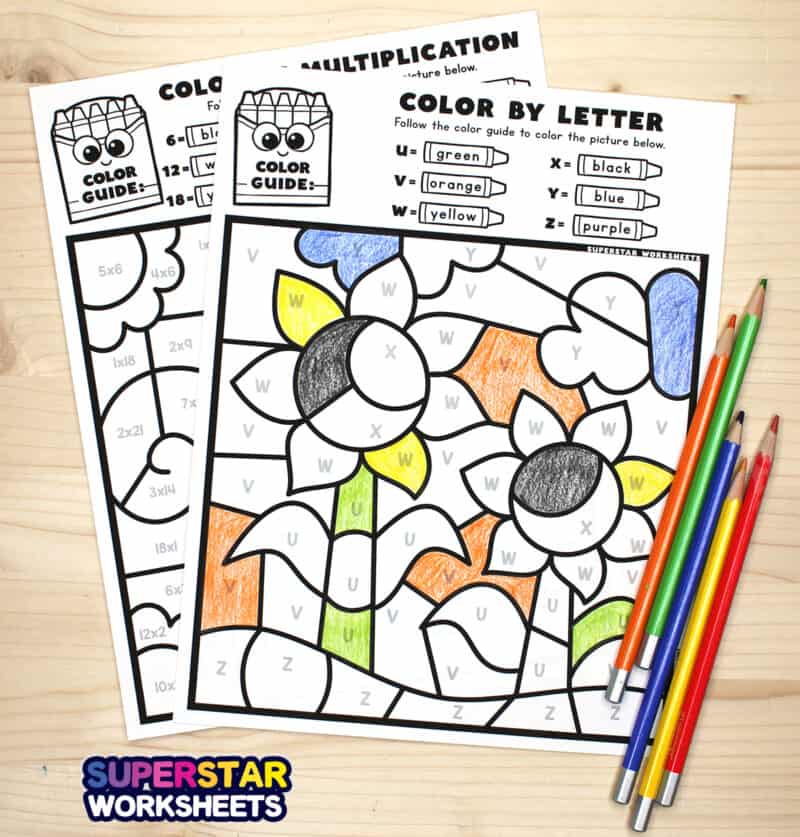
- Coloring Sections: Many worksheets incorporate a coloring activity related to the numbers. For example, children might be asked to color a certain number of leaves, which reinforces counting skills while allowing for creativity.
How to Use Fall Number Worksheets Effectively
To get the most out of these worksheets, consider your child’s learning style and preferences. Here are some practical tips for using Fall Number Worksheets for Preschoolers:
- Set a Routine: Incorporate these worksheets into a daily routine. For example, you might set aside 15-20 minutes each morning for your child to complete one worksheet. This consistency helps reinforce learning.
- Use alongside Physical Objects: To enhance understanding, pair the worksheets with physical objects. For example, if the worksheet features pumpkins, have small pumpkins available for your child to count and manipulate. This tactile approach can solidify their understanding of numbers.
- Encourage Discussion: As your child works through the worksheets, ask open-ended questions. This can include, “How many leaves did you color?” or “What number comes after 4?” This encourages verbal skills and mathematical reasoning.
- Make it Fun: Turn the worksheet activity into a game. For instance, you can time how quickly they can complete a section or create a friendly competition between siblings to see who can find the most objects to count.
Printable Options for Fall Number Worksheets
Most Fall Number Worksheets For Preschoolers are available in printable formats, commonly as PDFs. Here’s what to look for when choosing which ones to download:
- Size and Format: Ensure the worksheets are formatted for standard paper sizes, such as 8.5 x 11 inches. This size is ideal for home printers and easy for kids to handle.
- Color vs. Black and White: Colorful worksheets are visually engaging, but you might also consider black and white versions if you want to save on ink. Kids can color these in themselves, adding a personal touch while reinforcing the learning experience.
- Age Appropriateness: Look for worksheets specifically designed for preschoolers, typically aimed at children aged 3 to 5. These worksheets will feature simpler tasks and larger fonts, making them easier for little hands to work with.
- Downloadable Resources: Many printable-resource websites offer a variety of downloadable worksheets. Check for any accompanying resources, such as answer keys or additional activities, which can provide further educational value.
The Benefits of Using Fall Number Worksheets
Engaging with Fall Number Worksheets offers numerous benefits for preschool-aged children:
- Boosts Number Recognition: Regular practice helps children recognize numbers and understand their value. For instance, they learn that the number “3” represents three items, which is foundational for future math skills.
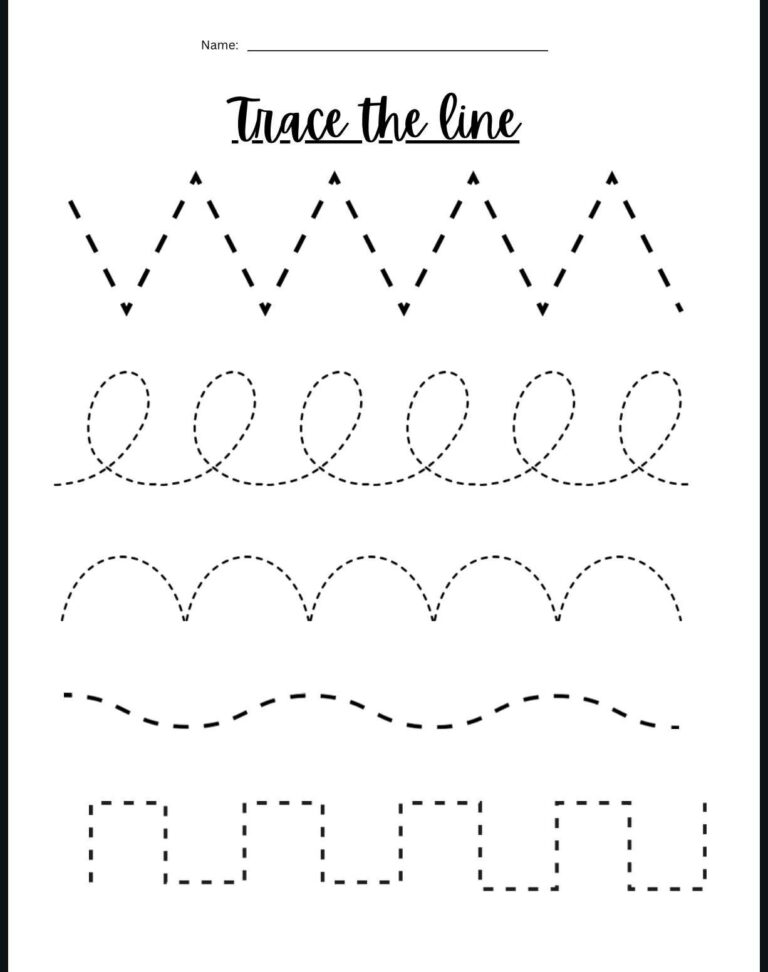
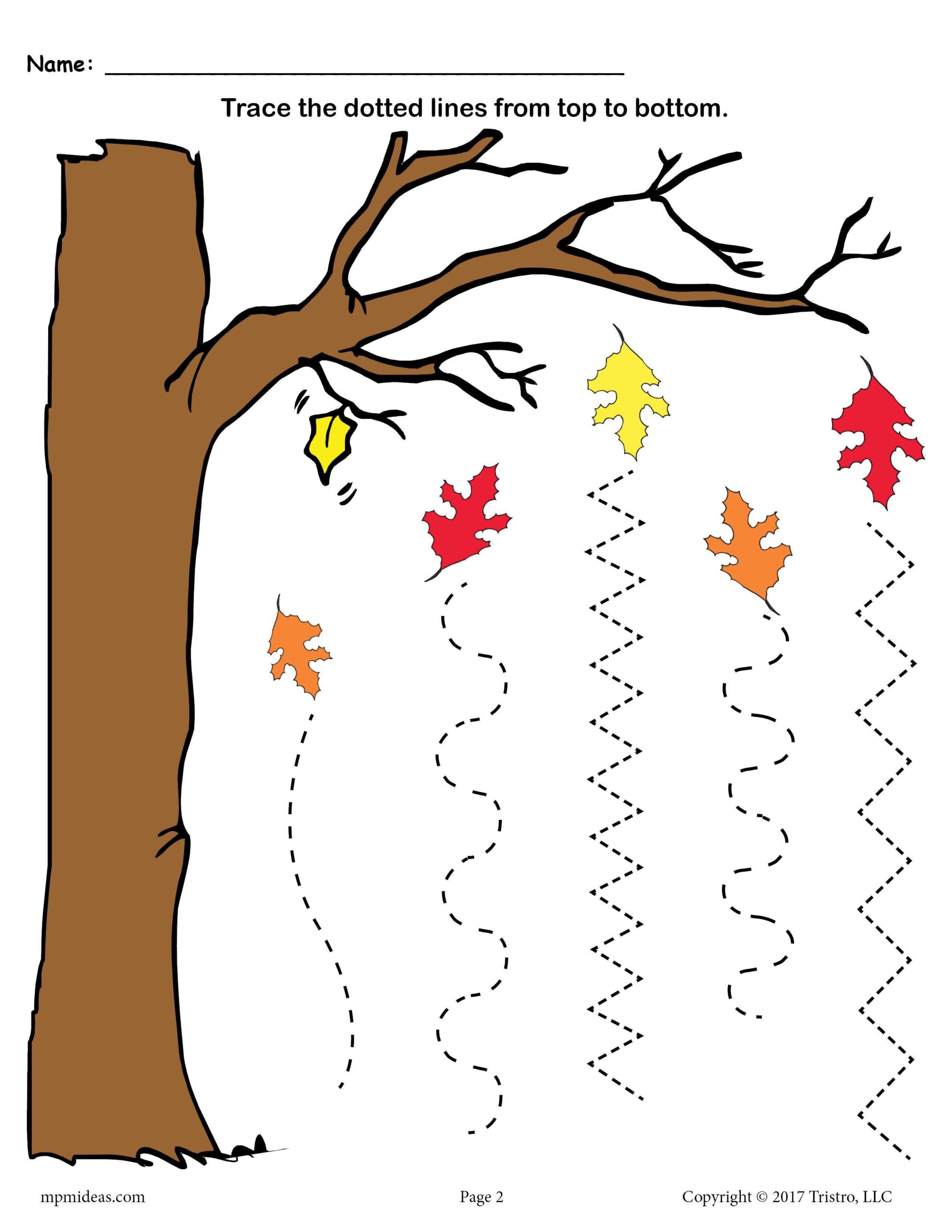
- Enhances Fine Motor Skills: Activities like tracing numbers or coloring within lines help develop fine motor skills essential for writing.
- Encourages Cognitive Development: Simple math problems stimulate critical thinking and problem-solving skills, setting a strong groundwork for future academic success.
- Fosters a Love of Learning: The fun themes and interactive elements of these worksheets can help cultivate a positive attitude toward learning at an early age.
Choosing the Right Paper and Print Settings
When printing Fall Number Worksheets, consider these tips for the best results:
- Paper Type: Using cardstock can be beneficial if you plan to laminate the worksheets for repeated use. It holds up better than regular printer paper and can withstand the wear and tear of young hands.
- Printer Settings: If you’re using a color printer, adjust your settings to optimize color quality. Use the highest quality setting to ensure the vibrant colors of autumn come through.
- Portrait vs. Landscape Orientation: Most worksheets are designed in portrait orientation, which tends to fit better on standard printing paper. However, if you come across a landscape-oriented worksheet, be sure your printer settings are adjusted accordingly.
By carefully selecting the right resources and using them effectively, you can create a nurturing learning environment for your preschooler. With Fall Number Worksheets For Preschoolers, the joy of learning and the beauty of the season come together in a delightful package that will encourage your child’s educational journey.
Fall Number Worksheets For Preschoolers Gallery