Free Critical Thinking Worksheets For Preschoolers
Critical thinking is essential for preschoolers as it lays the groundwork for problem-solving and decision-making. It can be challenging to find resources that both engage young minds and promote these vital skills. That’s where Free Critical Thinking Worksheets For Preschoolers come in. These worksheets are designed to be fun and educational, making them perfect for home use or in the classroom.
Understanding Critical Thinking for Preschoolers
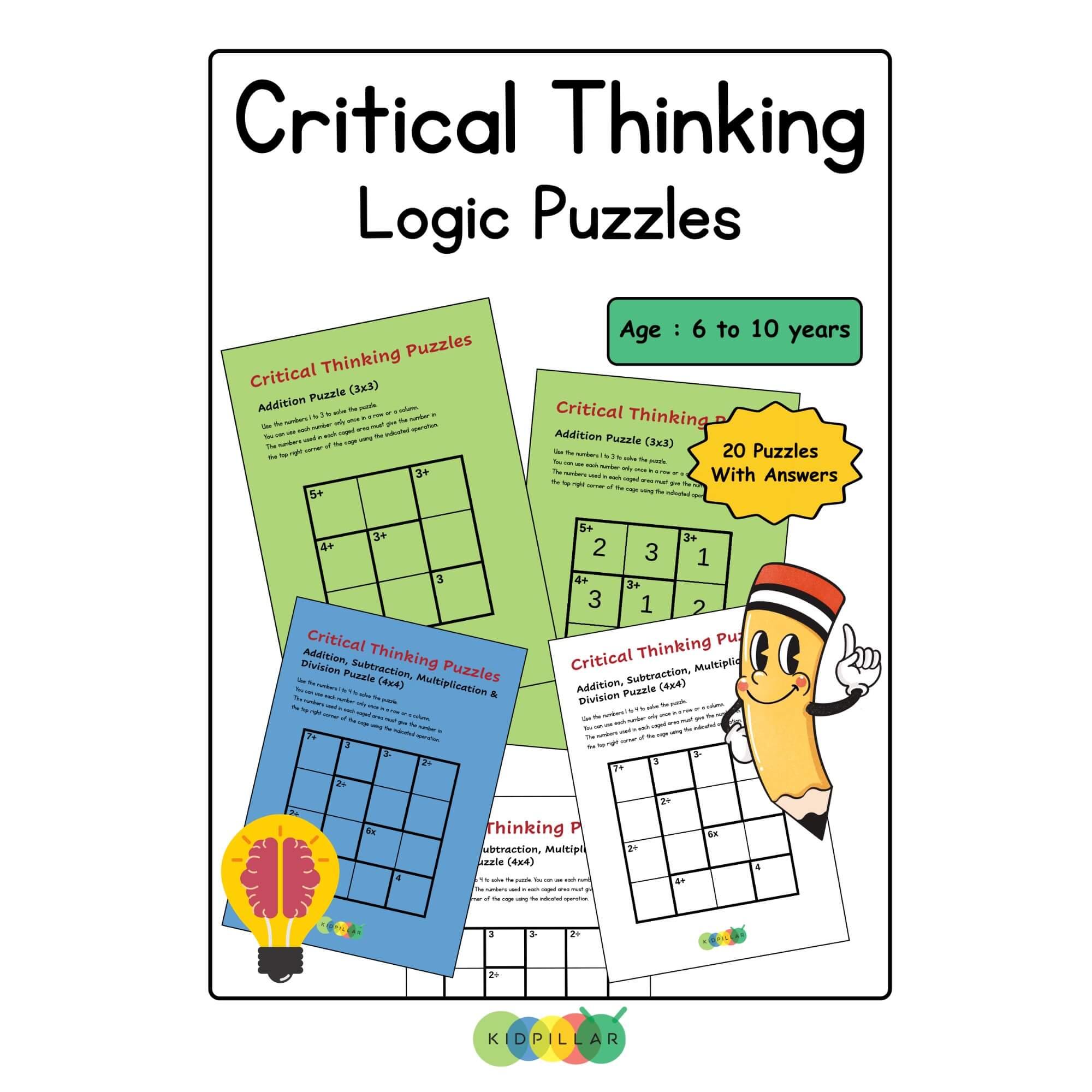
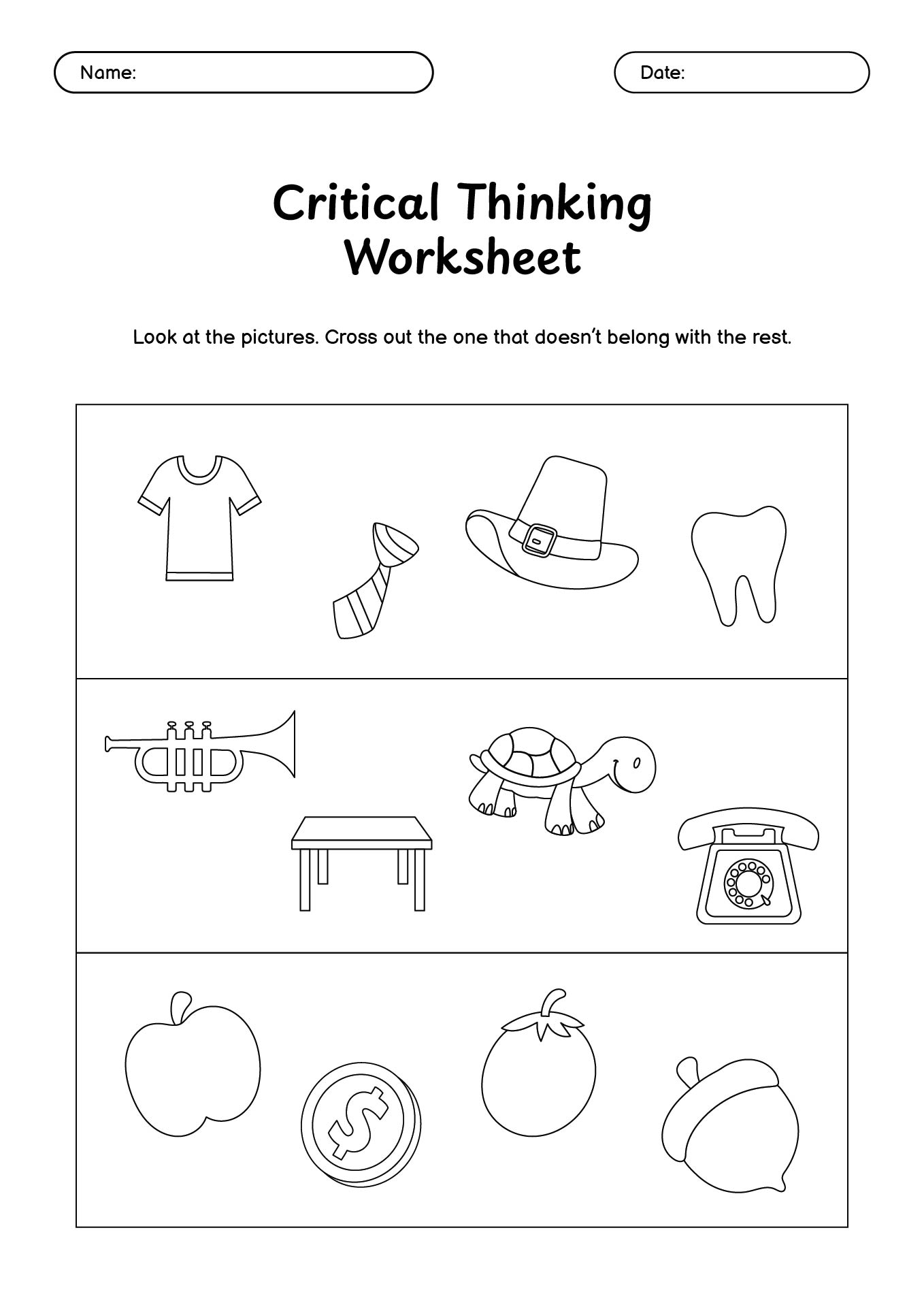
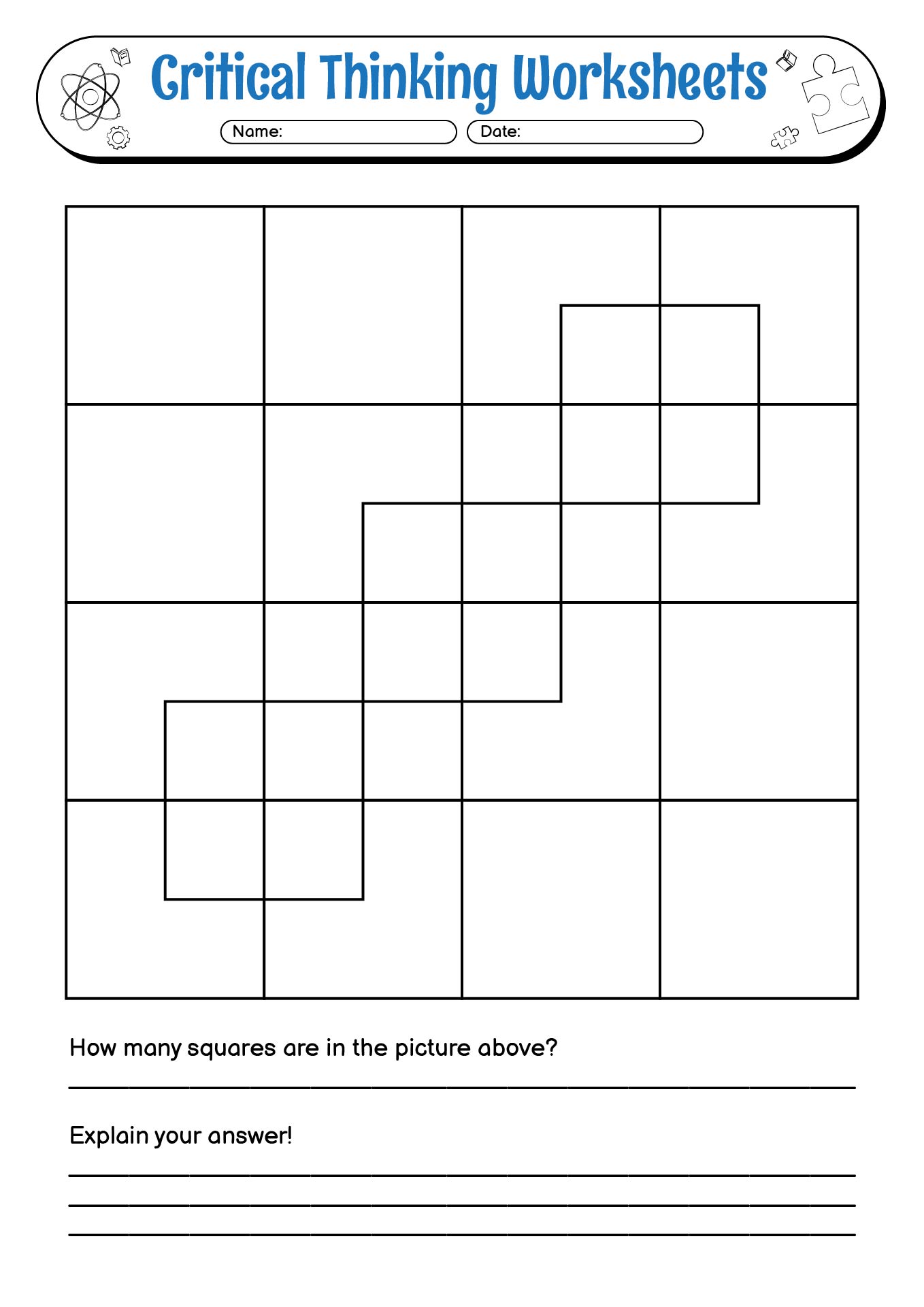
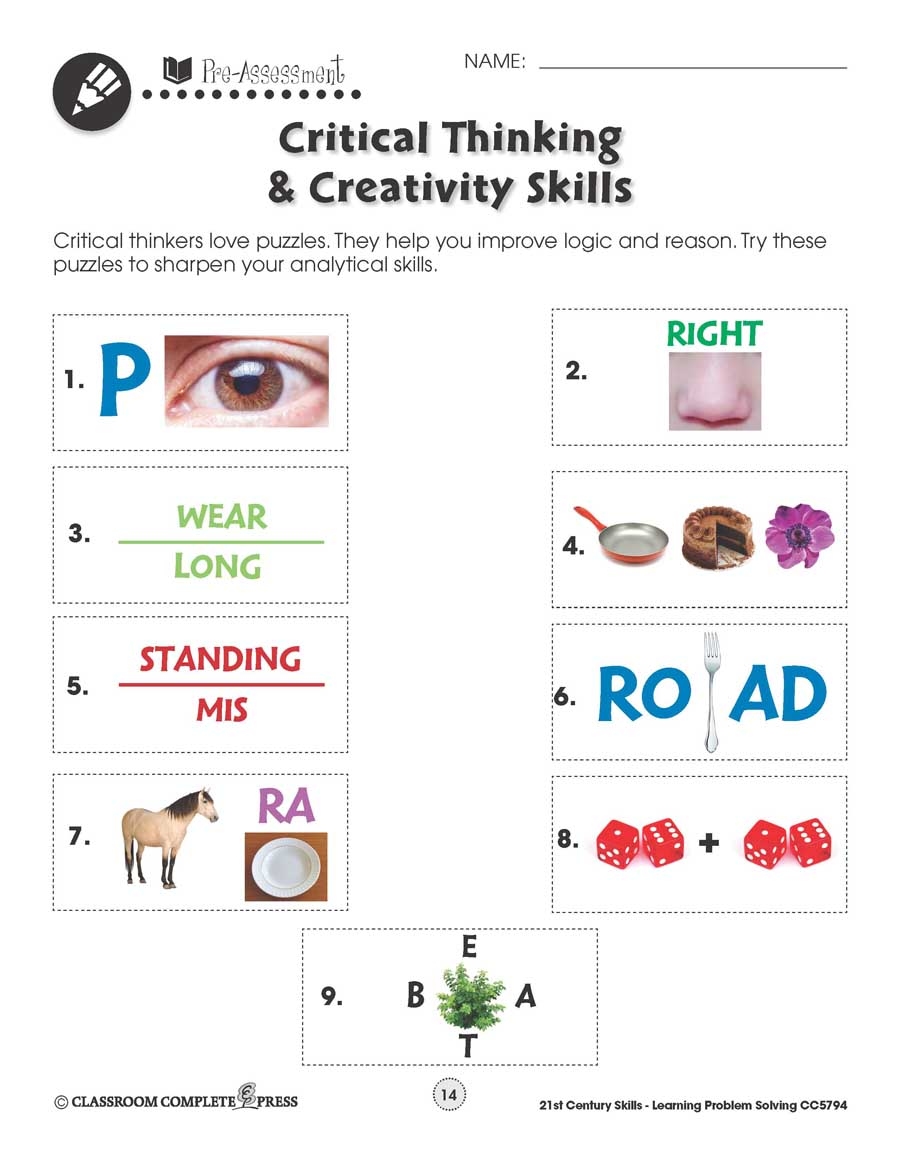
Before diving into the worksheets, it’s important to understand what critical thinking entails for young children. At this age, critical thinking is about encouraging kids to ask questions, explore their surroundings, and think logically. Worksheets focused on critical thinking often include puzzles, matching games, and simple problems that require kids to think creatively.
These activities help preschoolers develop skills like reasoning, analyzing, and evaluating information. As a parent or educator, your role is to guide them through the process, asking open-ended questions and encouraging exploration.
Selecting the Right Worksheets
When searching for free critical thinking worksheets for preschoolers, consider the following factors:
- Age Appropriateness: Ensure the worksheets are designed for preschoolers. Look for simple language and clear instructions.
- Variety of Activities: Worksheets should include a mix of activities, such as puzzles, coloring, and matching tasks, to keep children engaged.
- Visual Appeal: Bright colors and fun illustrations will attract kids’ attention and make the learning experience enjoyable.
You can find these worksheets on various educational websites, often available in PDF format for easy downloading and printing.
Downloading and Printing Your Worksheets
Once you’ve found the perfect worksheets, the next step is to download and print them. Here’s how to do it effectively:
- Choose Your Worksheets: Pick a few that align with your child’s interests or current learning goals.
- Download the Files: Click the download link, and ensure you save them in a location that’s easy to access later.
- Print Settings: Use standard letter-sized paper (8.5” x 11”). For colorful worksheets, ensure your printer is set to “color” mode for the best results.
- Paper Quality: If possible, use cardstock for durability, especially if the worksheets will be used multiple times or need to withstand some wear and tear.
Setting Up a Learning Environment
Creating a conducive learning environment is essential. Here’s how to set it up:
- Designate a Space: Choose a quiet, well-lit area with minimal distractions. This could be a corner of the living room or a dedicated study space.
- Gather Supplies: Have crayons, markers, and any other necessary supplies ready. This makes it easy for kids to jump right into the activities.
- Schedule Regular Time: Consistency helps. Set aside a regular time each week dedicated to working on these worksheets. This could be a weekend activity or a daily routine.
Using the Worksheets Effectively
Now that you have your worksheets printed and your environment set up, it’s time to look at the activities. Here are some tips for using the free critical thinking worksheets effectively:
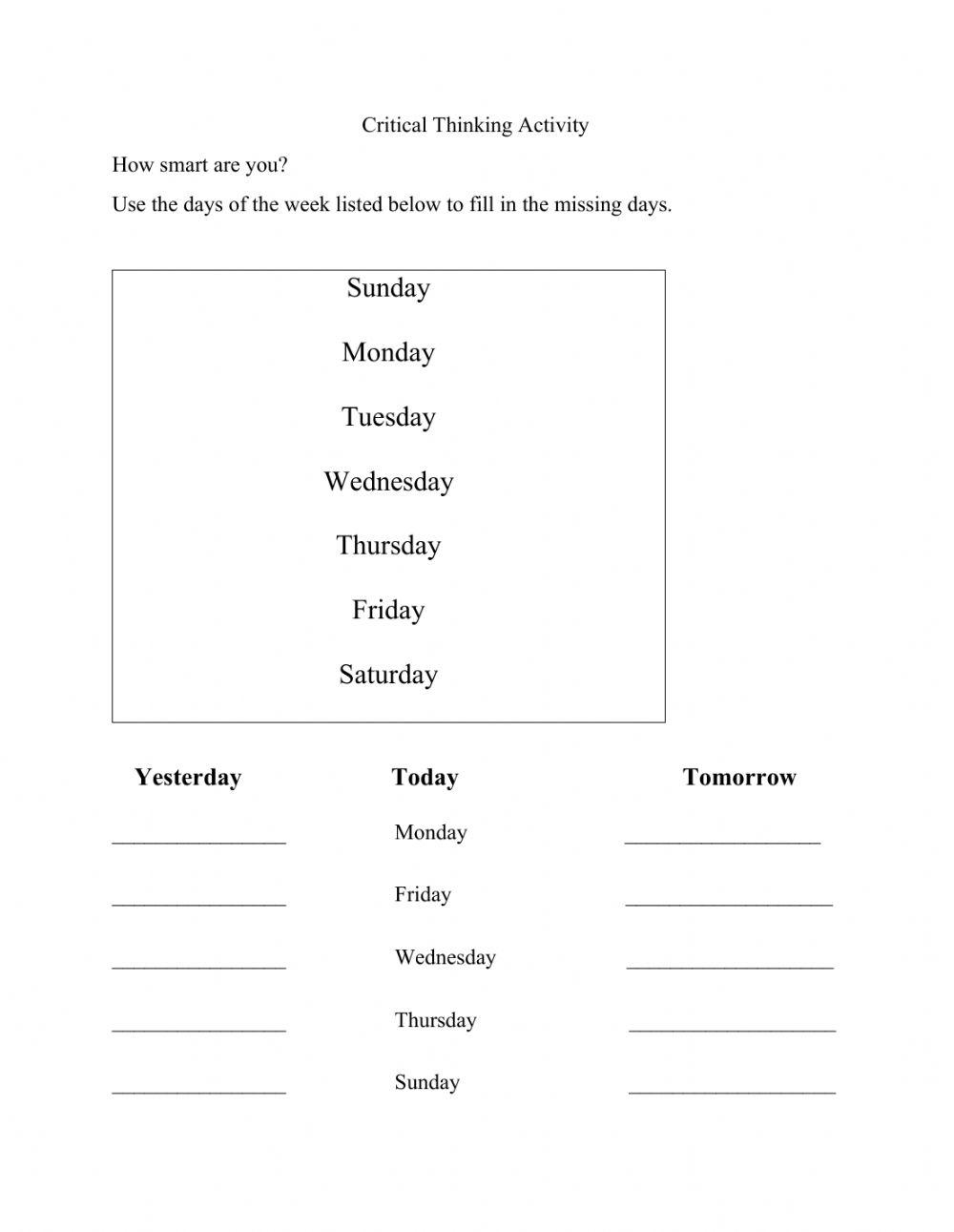
- Encourage Discussion: As your child works through the worksheets, ask them questions about their answers. For example, “Why did you choose that picture?” or “What happens if we change this part?”
- Promote Independence: Allow your child to attempt the worksheets on their own first. Offer help only when needed. This fosters confidence and critical thinking.
- Mix It Up: Don’t just stick to one type of worksheet. Rotate between different activities to keep things fresh and engaging.
- Celebrate Achievements: Praise their efforts, regardless of whether they get the answers right. This helps build a positive association with learning.
Common Mistakes to Avoid
While using worksheets can be highly beneficial, there are a few common pitfalls to avoid:
- Overloading: Don’t overwhelm your child with too many worksheets at once. Start with one or two and gradually increase as they become more comfortable.
- Rushing Through Activities: Encourage your child to take their time. Critical thinking isn’t just about getting the right answer; it’s about the thought process.
- Neglecting Follow-up: After completing a worksheet, discuss what they learned. This reinforces the concepts and helps them internalize the skills they practiced.
Free Critical Thinking Worksheets For Preschoolers Gallery