Free Fall Preschool Worksheets For Substitute Teachers
Providing engaging activities during the fall season can be a challenge, especially for substitute teachers. That’s where Free Fall Preschool Worksheets For Substitute Teachers come in handy. These worksheets are designed to keep little ones engaged while reinforcing essential skills in a fun and seasonal way. In this article, I’ll share practical insights and tips for using these worksheets effectively, whether you prefer digital or printed formats.
Understanding the Importance of Seasonal Worksheets
Seasonal worksheets, like those available for fall, serve a dual purpose. They not only align with thematic learning but also provide a refreshing change of pace in the classroom. For substitute teachers, these worksheets offer an easy way to maintain continuity in learning without needing extensive lesson plans. They can help teach concepts such as counting, colors, and basic writing skills while relating to the fall season.
When choosing worksheets, consider the developmental levels of your preschoolers. Look for resources that cater to various skill levels, ensuring all children can participate meaningfully. This approach helps foster a sense of inclusion, which is crucial in a classroom setting.
Types of Worksheets Available
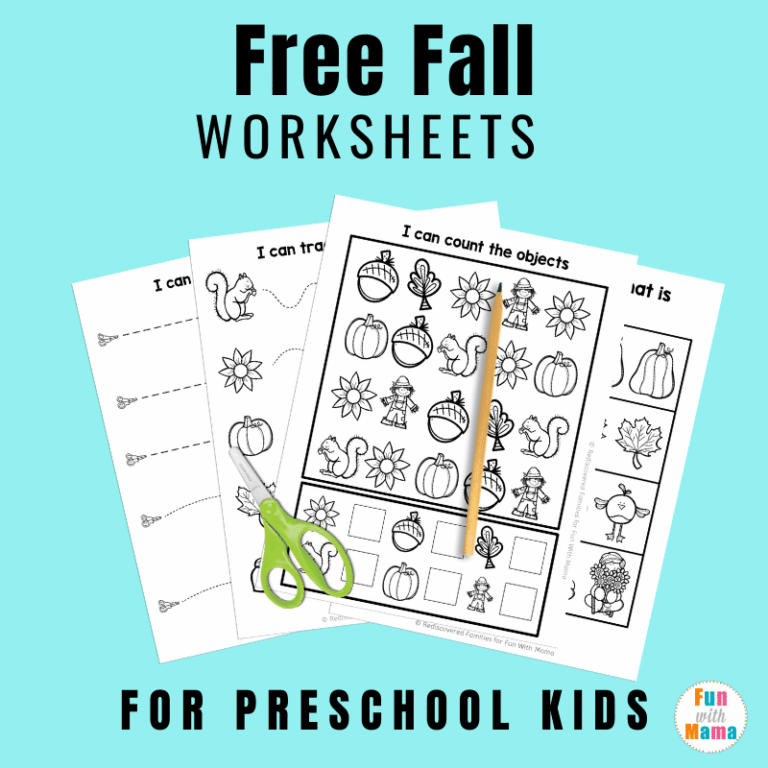
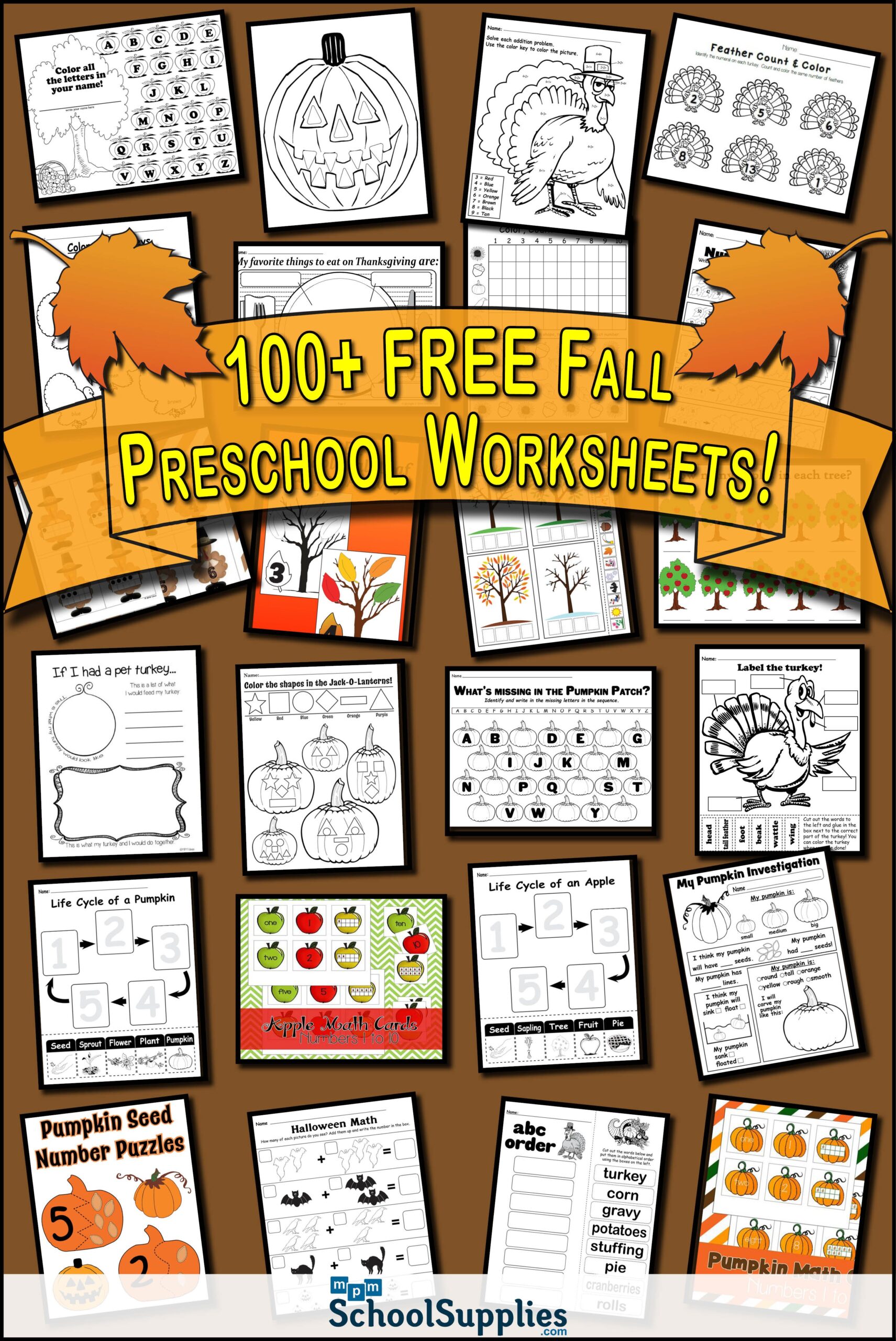
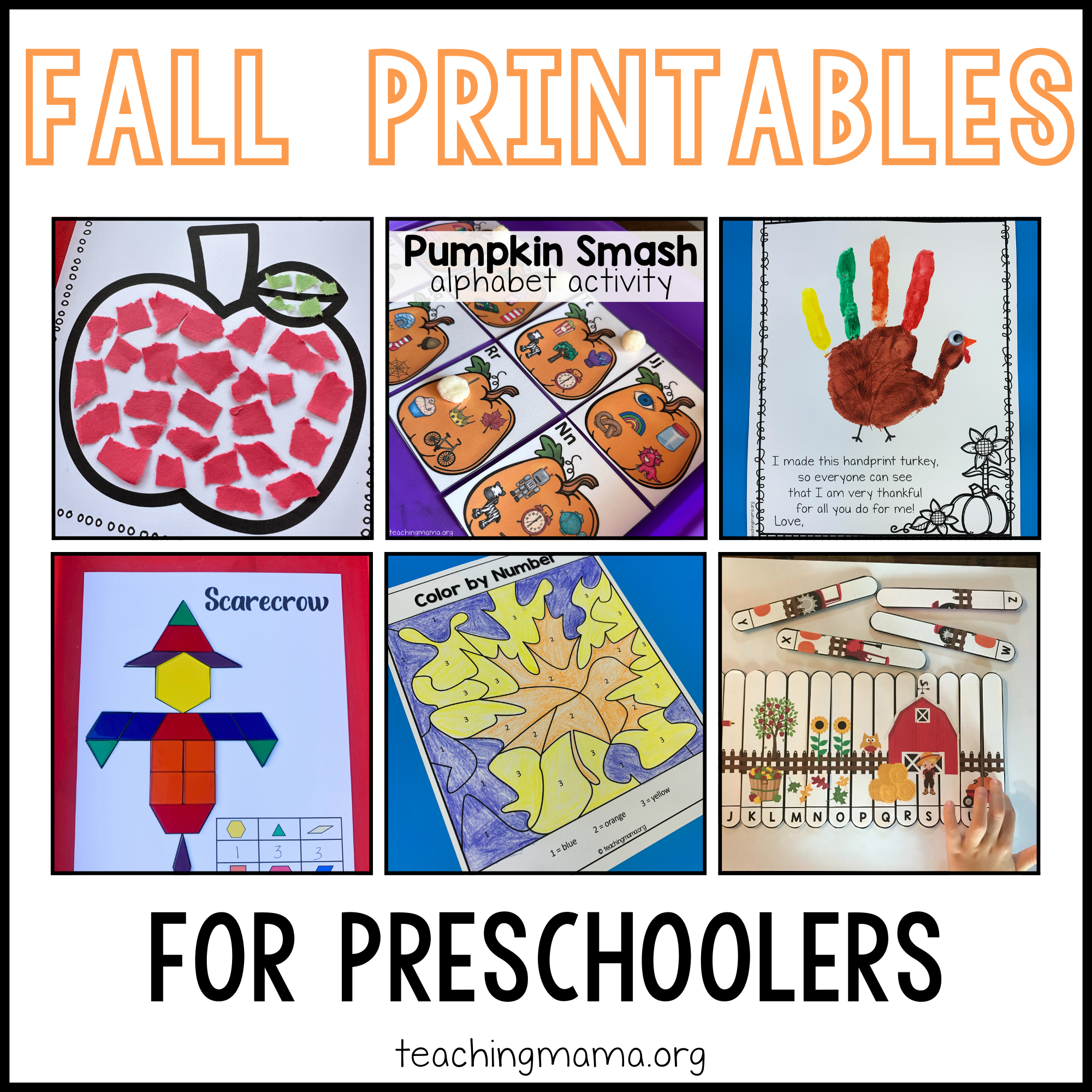
Free Fall Preschool Worksheets come in various formats, each targeting different educational outcomes. Here’s a quick overview of some common types you might find:
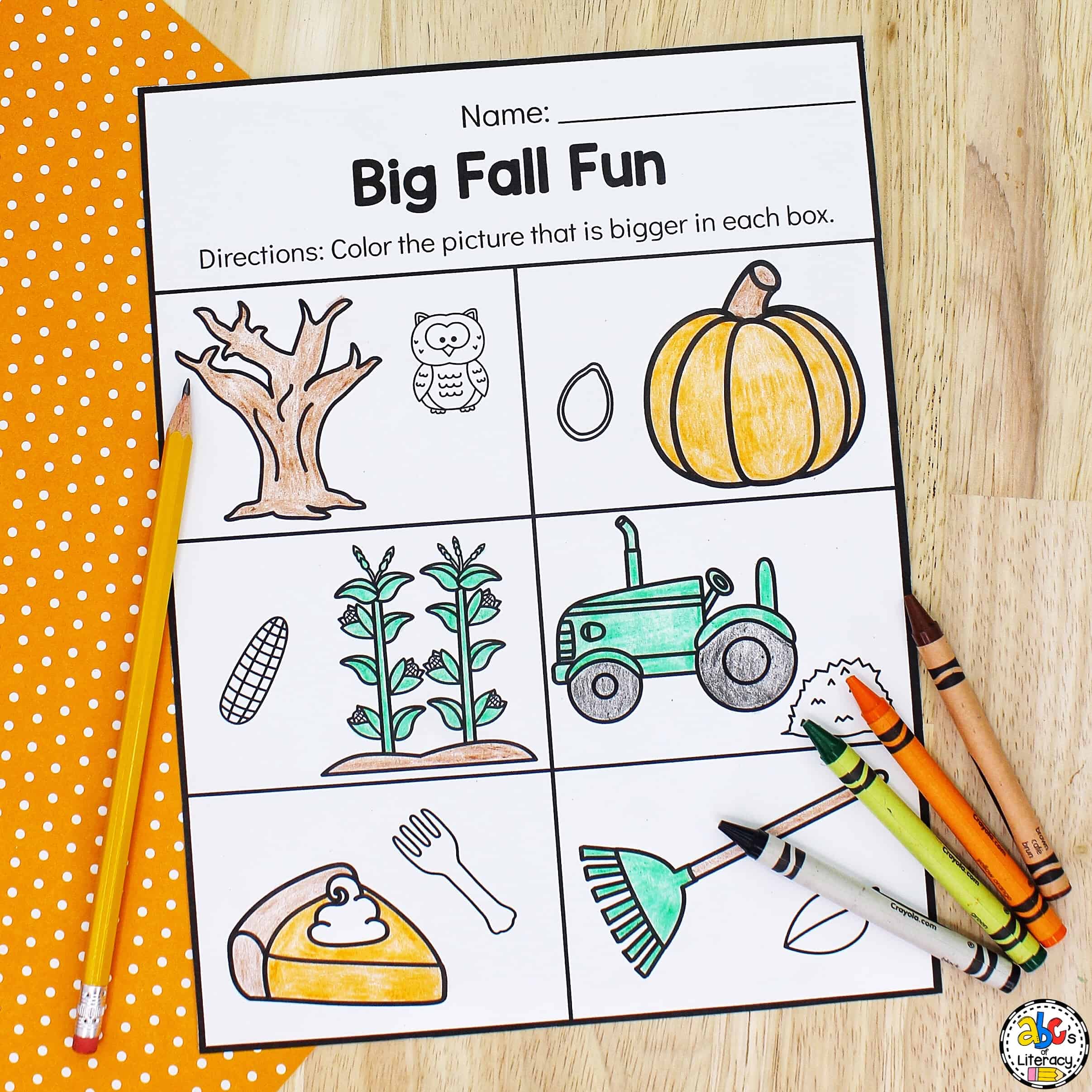
- Coloring Pages: Great for fine motor skills and creativity.
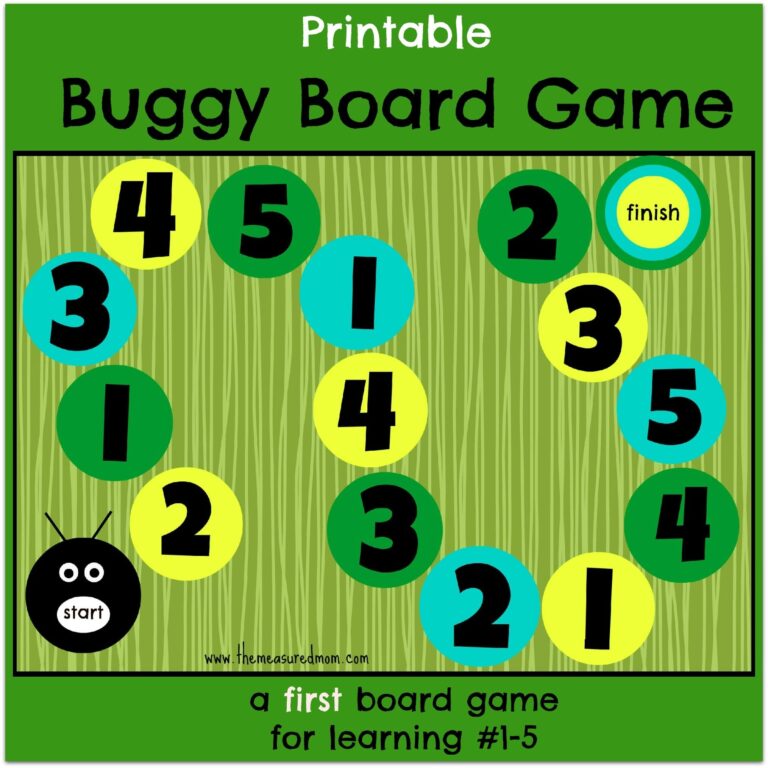
- Counting Worksheets: Help children practice number recognition and counting.
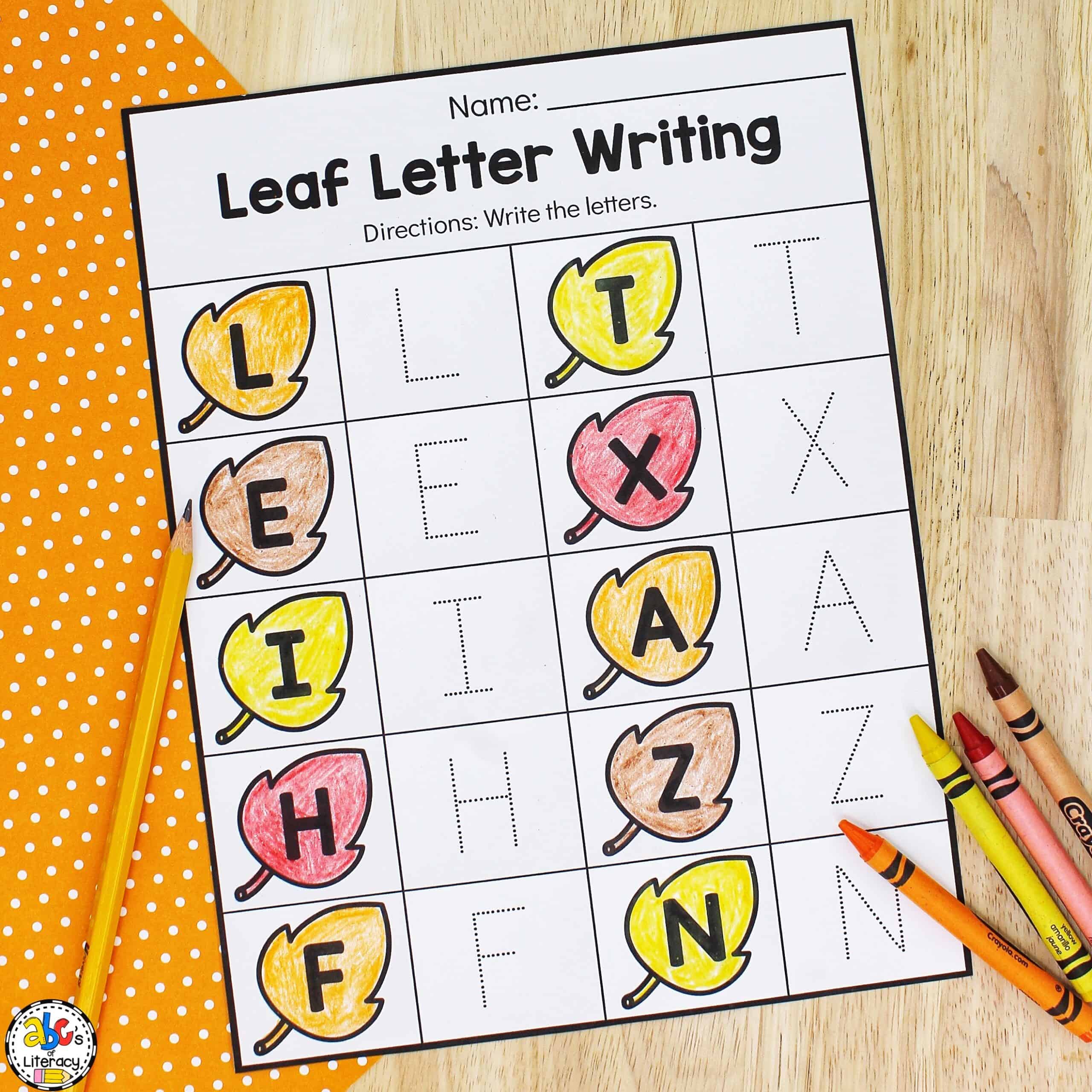
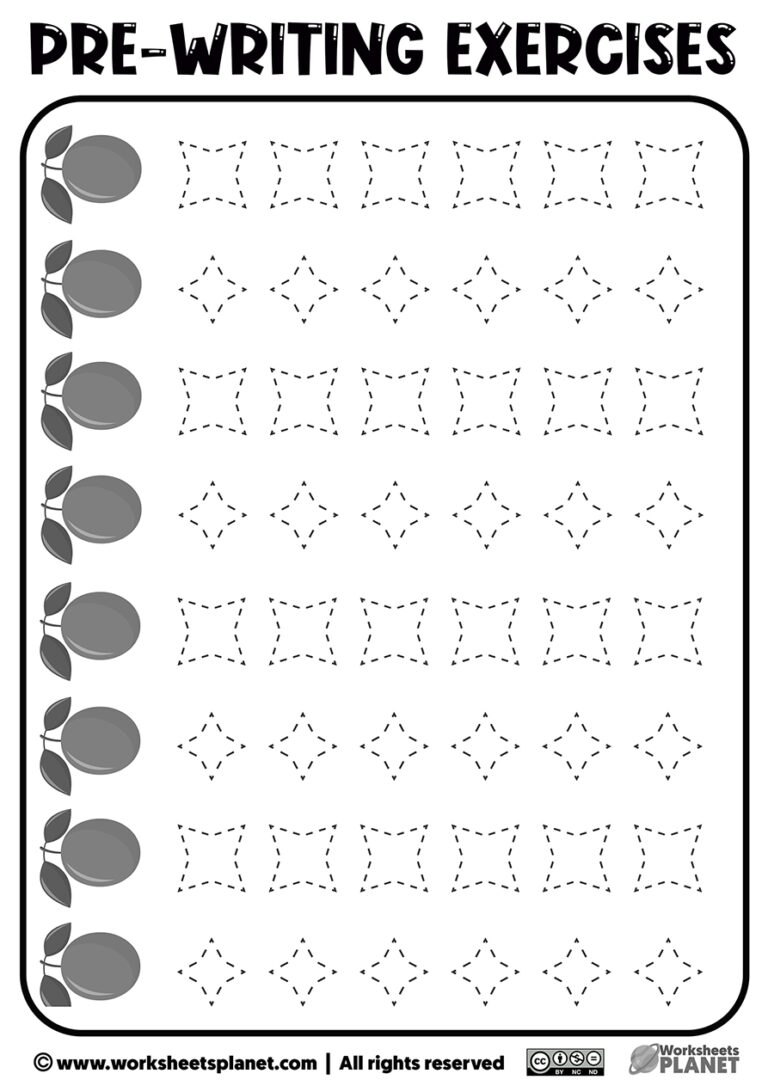
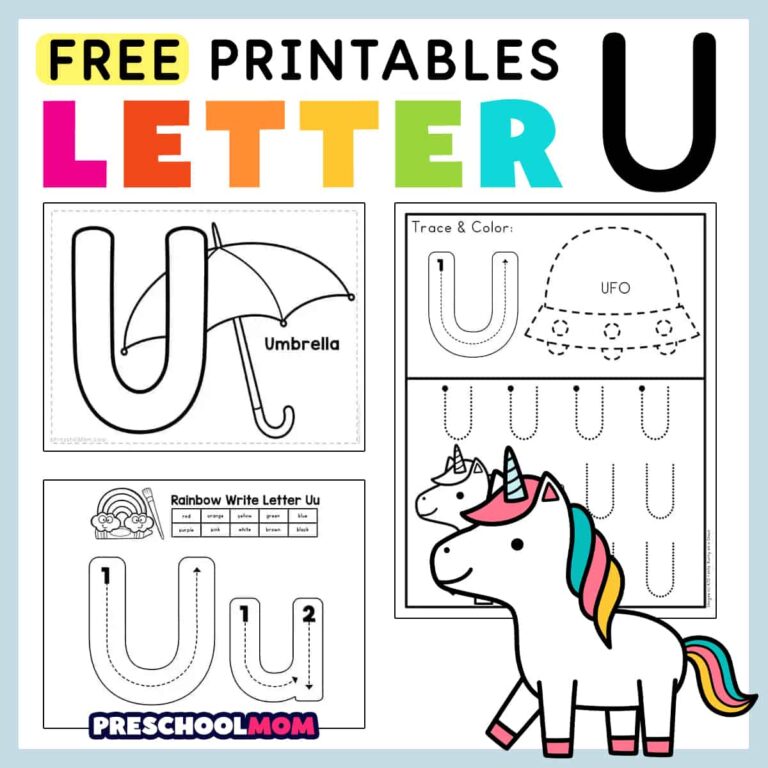
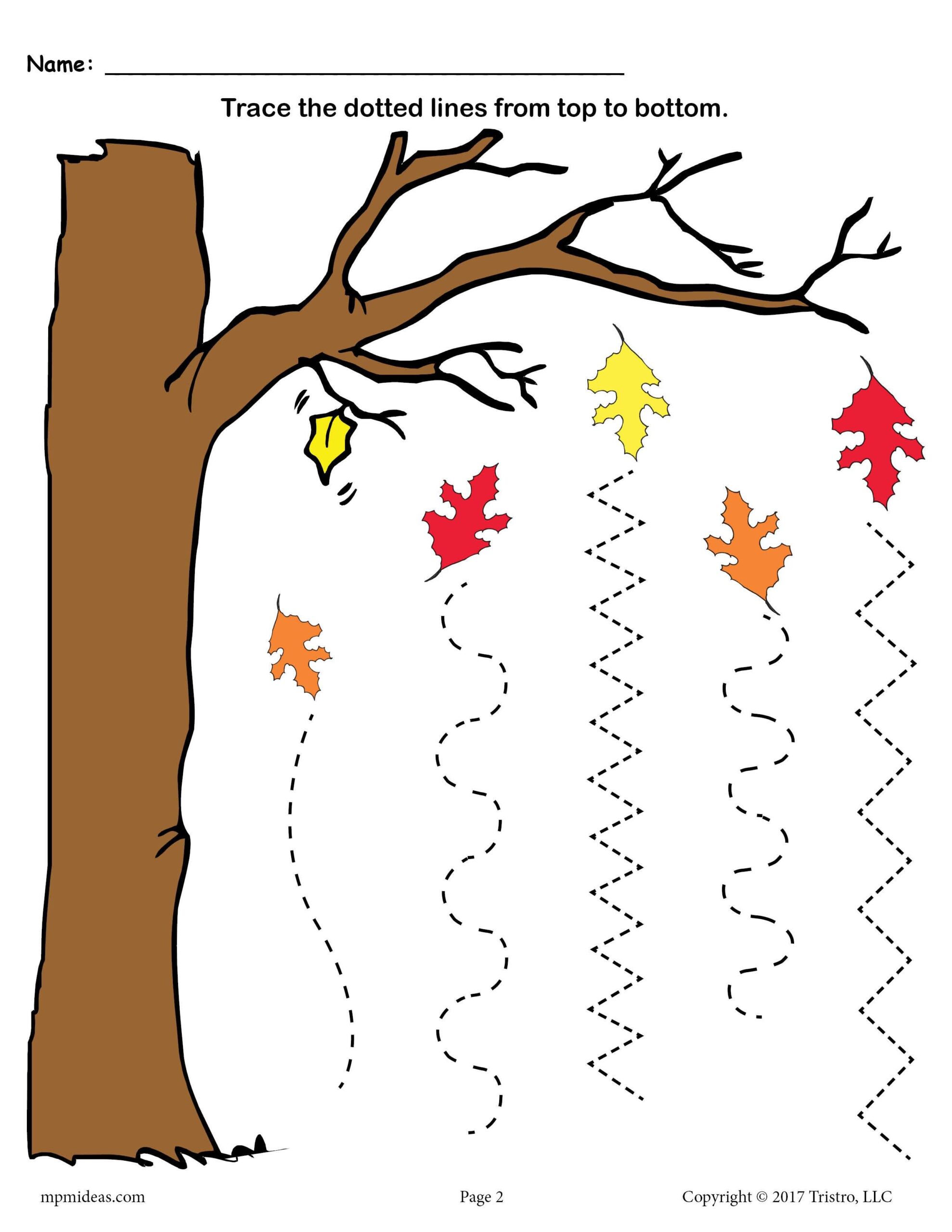
- Letter Tracing: Supports early literacy by allowing kids to practice writing letters.
- Sorting Activities: Encourage critical thinking and categorization skills.
- Simple Puzzles: Develop problem-solving skills while being fun and engaging.
These varied formats ensure that there’s something for every child, catering to different learning styles.
Digital Vs. Print: Which Is Right for You?
When it comes to using Free Fall Preschool Worksheets, you have two main options: digital completion or printing them out for hand-written activities. Each method has its pros and cons.
Digital Completion
Using fillable PDFs allows for a clean, mess-free way to complete worksheets. This method is especially useful if you have access to tablets or computers in the classroom. Here are some advantages:
- Instant Access: You can quickly download and use any worksheet without worrying about printing.
- No Supplies Needed: There’s no need for crayons, markers, or paper.
- Easy to Save and Share: Completed worksheets can be saved for records or emailed home for parents.
However, digital completion may not engage young children as effectively as hands-on activities. Preschoolers often benefit from tactile experiences, which can enhance learning.
Printed Worksheets
On the other hand, printing out worksheets allows for hands-on learning experiences. Here’s why you might choose this option:
- Tactile Engagement: Children can color, trace, and write, which helps develop fine motor skills.
- Flexible Use: You can easily laminate worksheets for repeated use or to create a more durable learning tool.
- Classroom Environment: Having physical worksheets can create a more interactive and collaborative classroom atmosphere.
When printing, consider using cardstock for durability, especially if the worksheets will be used multiple times. Standard letter size (8.5″ x 11″) is typically easy to print on most home printers.
Organizing Your Worksheets
To make the most of your Free Fall Preschool Worksheets, organization is key. Here are a few tips to keep everything streamlined:
- Create a Folder: Use a digital folder on your computer or a physical binder to store your downloaded worksheets.
- Label by Theme or Subject: Organize worksheets by categories such as math, literacy, or arts & crafts for easy access.
- Use Checklists: Create a checklist of the worksheets you want to use each week. This helps you stay on track and ensures all areas are covered.
These organizational strategies can save time and reduce stress, especially when you’re stepping in as a substitute teacher.
Planning Activities Around Worksheets
Incorporating the worksheets into broader activities can enhance their effectiveness. Here are some ideas:
- Theme Days: Organize activities around specific themes, such as “Fall Colors Day,” where children can focus on coloring and sorting activities.
- Group Work: Pair children up for certain worksheets to encourage teamwork and social skills.
- Art Projects: Combine worksheets with art projects, like making a fall collage from colored worksheets.
These activities can create a more dynamic learning environment, making the worksheets just one component of a rich educational experience.
Tips for Substitute Teachers Using Worksheets
As a substitute teacher, here are some practical tips for effectively using Free Fall Preschool Worksheets:
- Introduce the Worksheets: Take a moment to explain the purpose of the worksheets to the children. This helps set expectations.
- Monitor Engagement: Walk around the room to observe how children are interacting with the worksheets. Offer assistance as needed.
- Encourage Creativity: Allow children to express themselves beyond the worksheets, such as through drawing or storytelling related to the fall theme.
- Adapt As Necessary: Be flexible. If a particular worksheet isn’t working, don’t hesitate to switch to a different activity.
These strategies can help create a positive learning experience for everyone.
Free Fall Preschool Worksheets For Substitute Teachers Gallery