Free Feelings Worksheets For Preschoolers
One of the best tools I’ve found for helping little ones understand and express their emotions is printable worksheets. Specifically, Free Feelings Worksheets For Preschoolers can make a significant impact on your child’s emotional development. These worksheets are designed to be engaging and educational, making learning about feelings a fun activity rather than a chore. In this article, I’ll guide you through how to effectively use these worksheets at home or in a preschool setting, ensuring that your child gets the most out of them.
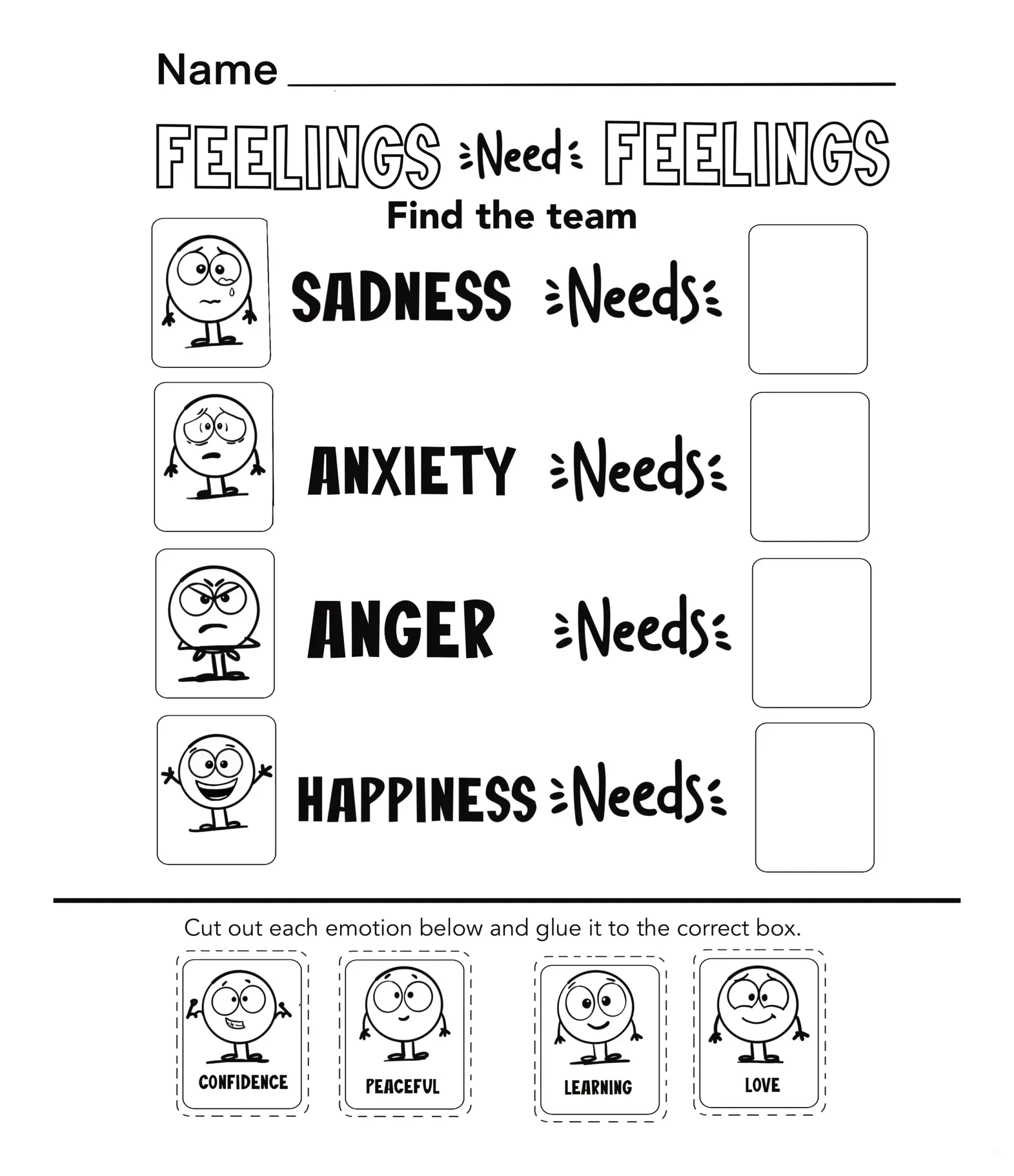
Understanding the Importance of Feelings Worksheets
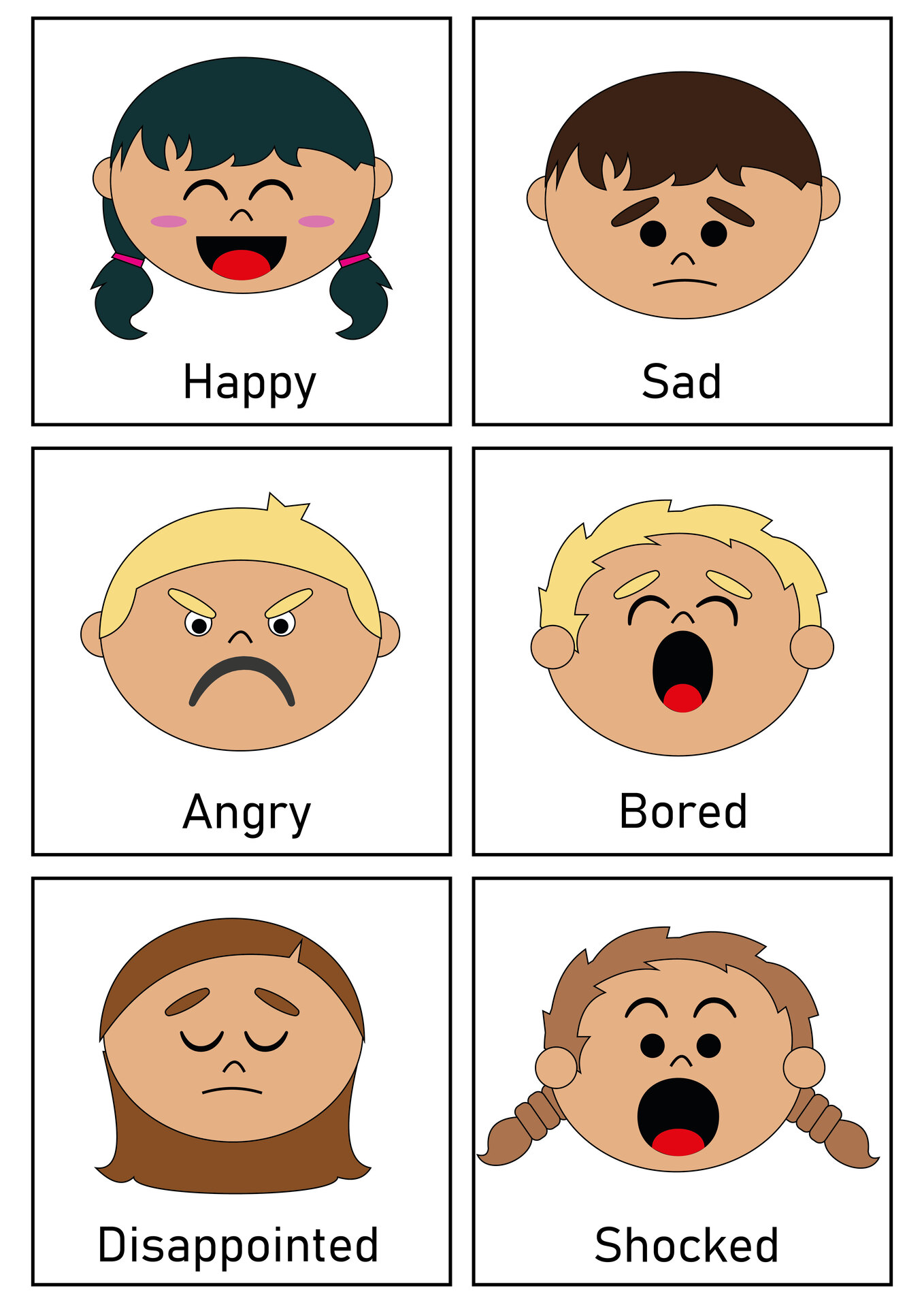
Before diving into how to use these worksheets, it’s essential to understand why they matter. Children, especially preschoolers, are still developing their emotional vocabulary. Often, they may feel a range of emotions but lack the words to express them. Feelings worksheets can bridge this gap by providing visuals and prompts that help children identify and articulate their emotions.
When children learn to express their feelings, they are better equipped to manage them, leading to improved social skills and emotional intelligence. This foundational skill helps them navigate friendships, family dynamics, and future relationships.
Choosing the Right Feelings Worksheets
Not all feelings worksheets are created equal. When searching for Free Feelings Worksheets For Preschoolers, look for features that enhance learning:
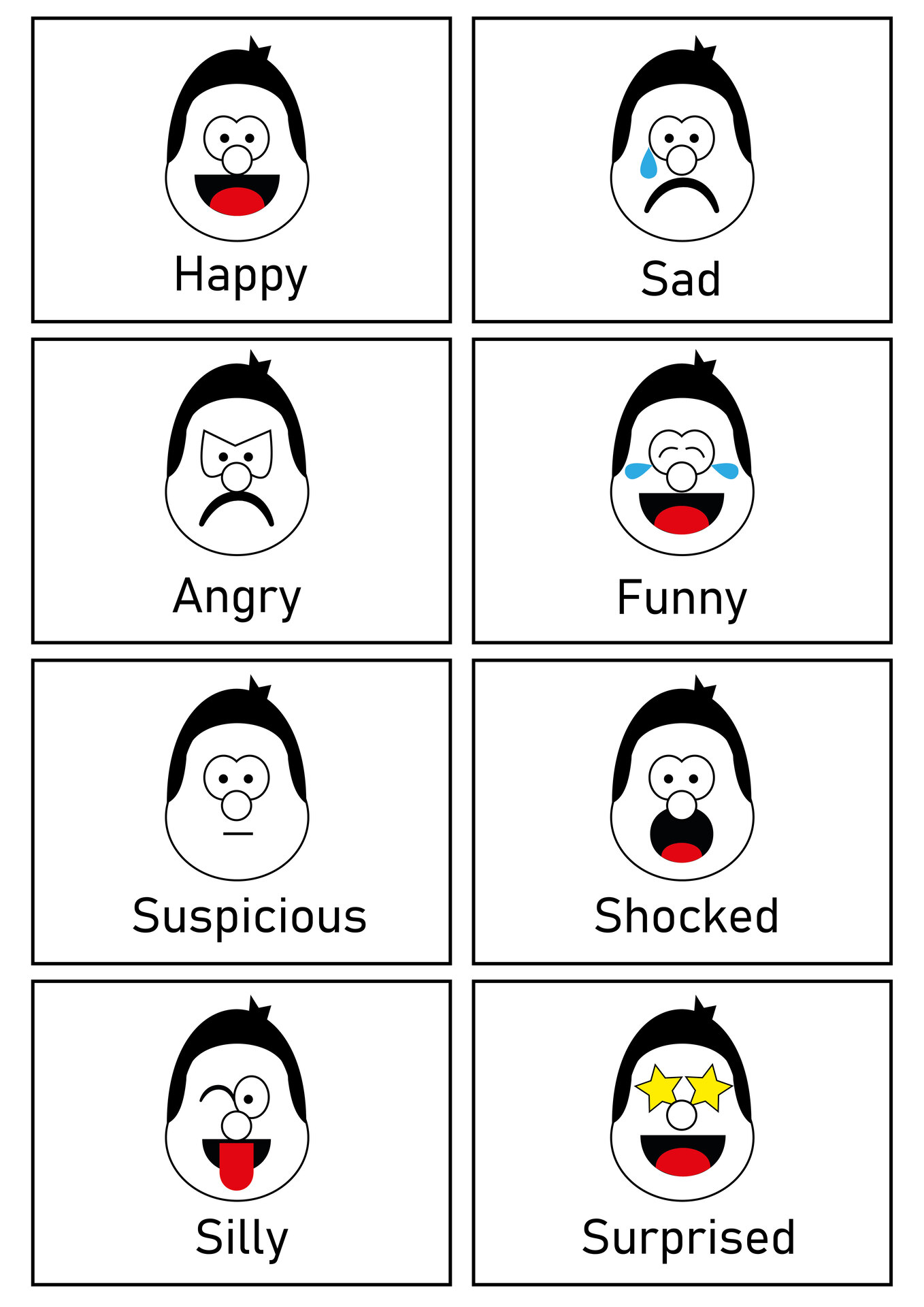
- Visuals: Worksheets that include images of different facial expressions can help children connect emotions with visuals.
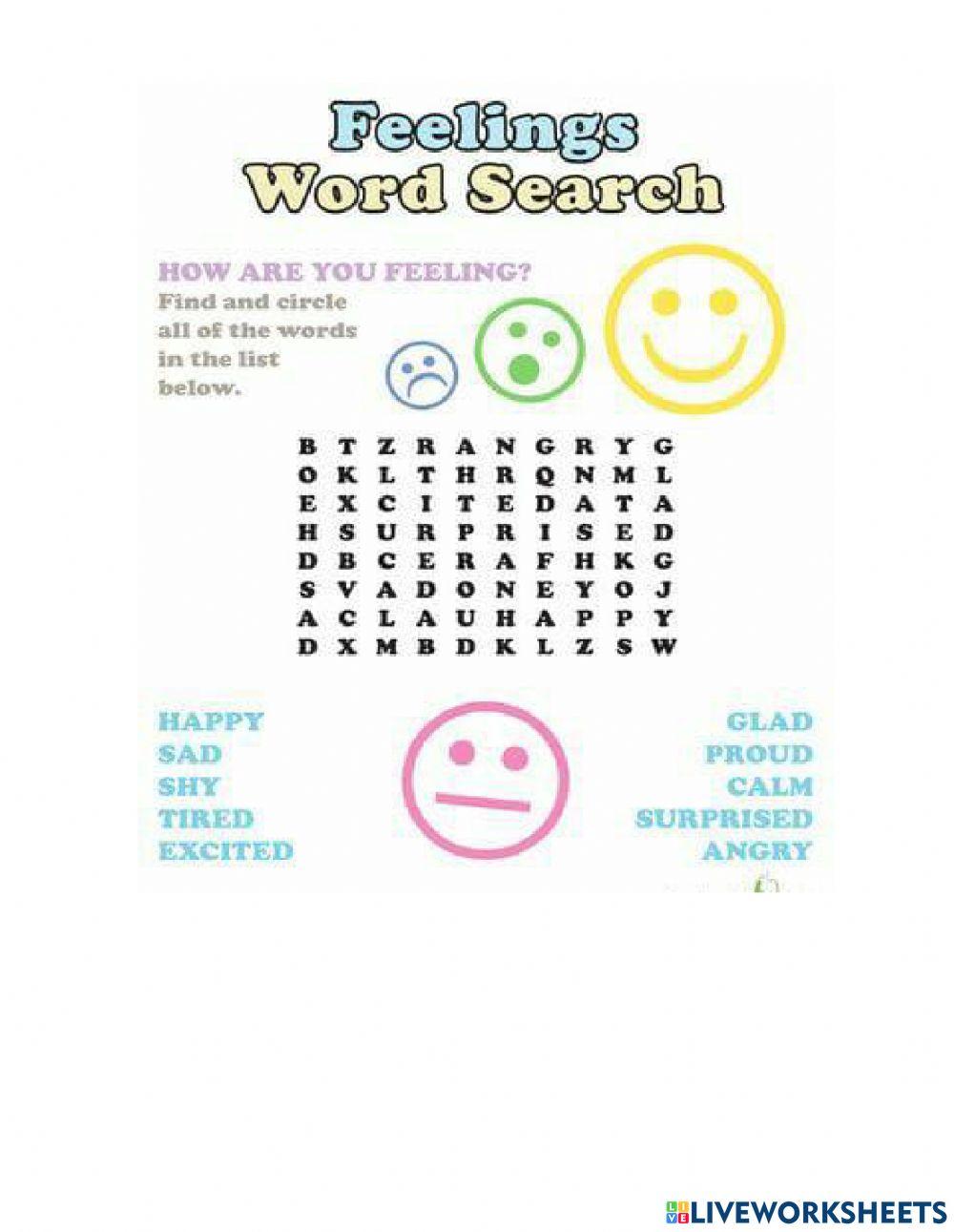
- Variety of Activities: Choose worksheets that offer a mix of coloring, matching, and fill-in-the-blank activities to keep things interesting.
- Age Appropriateness: Ensure the complexity of the worksheets matches your child’s developmental stage. Simple emotions like happy, sad, angry, and scared are great starting points.
- Downloadable Formats: PDF formats are particularly useful as they maintain the layout, ensuring that printing is straightforward and hassle-free.
Downloading and Printing Your Worksheets
Once you’ve chosen the right worksheets, downloading and printing them is the next step. Here’s how to do it effectively:
- Locate a Trusted Source: Websites dedicated to educational resources often have a variety of free worksheets. Ensure the source is reliable to avoid any issues with formatting.
- Download the Files: Most worksheets will be available in PDF format. Click on the download link, and save the file to your computer or device.
- Print Settings:
- Paper Size: Standard letter size (8.5×11 inches) is typically used for worksheets.
- Print Quality: Set your printer to high-quality print settings to ensure that colors are vibrant, especially for worksheets featuring illustrations.
- Orientation: Ensure that you select the correct orientation (portrait or landscape) based on the worksheet’s layout.
- Check Before Printing: Always preview the document before printing to ensure everything looks right. This step can save you paper and ink.
Setting Up a Routine for Using the Worksheets
Once you have your Free Feelings Worksheets For Preschoolers ready, setting up a routine can help integrate them into your child’s daily activities. Here’s a simple process you can follow:
- Designate a “Feelings Time”: Choose a specific time each week to focus on emotions. Making it a routine helps children anticipate and engage with the material.
- Create a Calm Environment: Find a quiet corner with minimal distractions. This setting helps children focus and feel safe expressing their emotions.
- Engage Together: Sit down with your child and work through the worksheets together. Ask them questions about the emotions depicted and share your experiences to foster open dialogue.
- Discuss Feelings: After completing the worksheets, have a conversation about what they learned. Ask questions like, “Can you tell me about a time you felt this way?” or “What makes you feel happy?”
- Incorporate Activities: Add activities that relate to the emotions learned. For instance, if the worksheet includes “happy,” plan a fun outing or a small celebration to reinforce the concept.
Using Digital Vs. Print Worksheets
Today, you may find yourself choosing between digital and print versions of Free Feelings Worksheets For Preschoolers. Both options have their benefits:
- Digital Worksheets: These can be filled out using a tablet or computer. This option is great for tech-savvy kids and allows for easy corrections. However, not all children may find this as engaging as physical worksheets.
- Print Worksheets: Engaging in hands-on activities such as coloring and drawing can be more beneficial for younger children. It allows them to physically interact with the material, which can enhance memory retention.
When deciding between the two, consider your child’s preference and learning style. You might even alternate between both formats to keep things fresh and interesting.

Additional Resources to Complement Worksheets
To further support your child’s emotional learning, consider incorporating additional resources alongside the worksheets. Here are a few ideas:
- Books: Look for children’s books that focus on feelings. Reading stories about characters experiencing emotions can provide context and relatability for your child.
- Games: Engage in games that encourage emotional expression. Activities like charades can help children act out feelings, making it easier for them to recognize and articulate their emotions.
- Art Projects: Encourage children to draw or paint their emotions. This creative outlet allows children to express themselves in a non-verbal way and can be incredibly therapeutic.
- Emotion Cards: Create or purchase emotion cards that depict various feelings. Use these cards during playtime or discussions to help your child practice identifying emotions.
By using a combination of worksheets and these additional resources, you can create a well-rounded approach to emotional education that will benefit your preschooler immensely.
Teaching emotions through Free Feelings Worksheets For Preschoolers not only empowers children to express themselves but also fosters a deeper connection between parents and children. Engaging with these materials can lead to meaningful conversations that enhance emotional literacy. Remember, every child is different, so stay flexible and adapt your approach as needed. The key is to create a supportive environment where feelings are acknowledged and discussed openly. One last detail to consider is that laminating worksheets can make them reusable, allowing you to revisit these important lessons whenever necessary.
Free Feelings Worksheets For Preschoolers Gallery