Free Learning Worksheets For Preschoolers
When it comes to early childhood education, free learning worksheets for preschoolers can be a fantastic resource. These worksheets help introduce foundational skills in a fun and interactive way, allowing children to explore various subjects while keeping their interest piqued. As a parent, I know how important it is to find quality resources that can effectively contribute to your child’s learning journey without overwhelming them or breaking the bank.
Types of Free Learning Worksheets Available
There are many types of worksheets you can find online that cater specifically to preschoolers. Here’s a brief overview of some popular options:
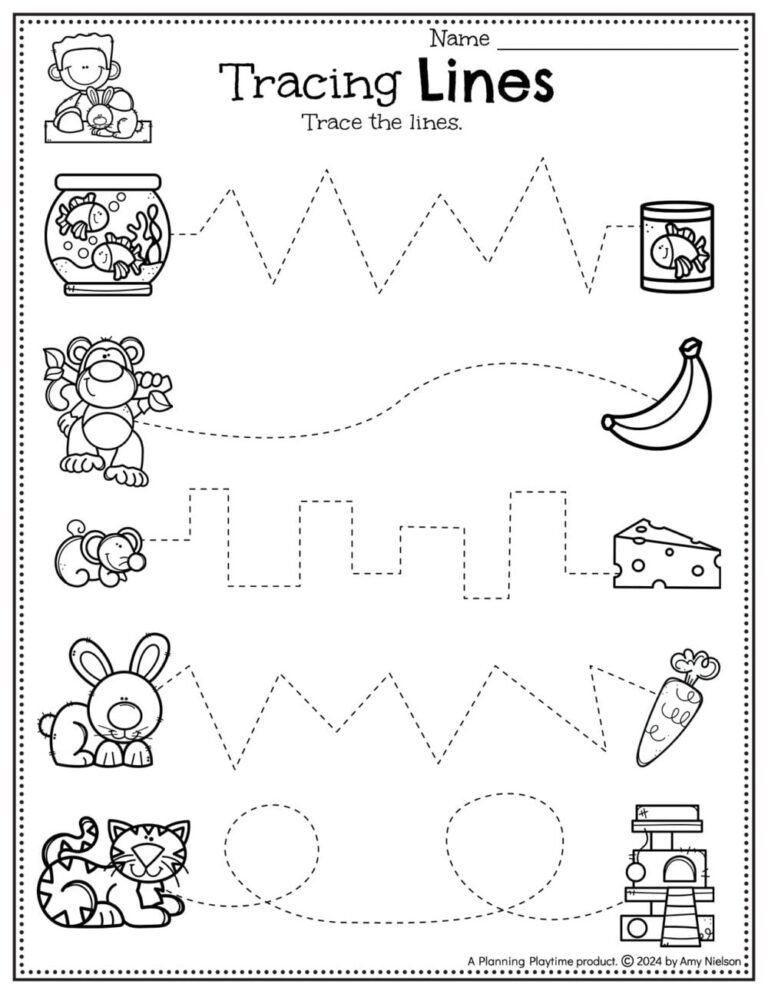
- Coloring Pages: These worksheets not only entertain but also help develop fine motor skills.
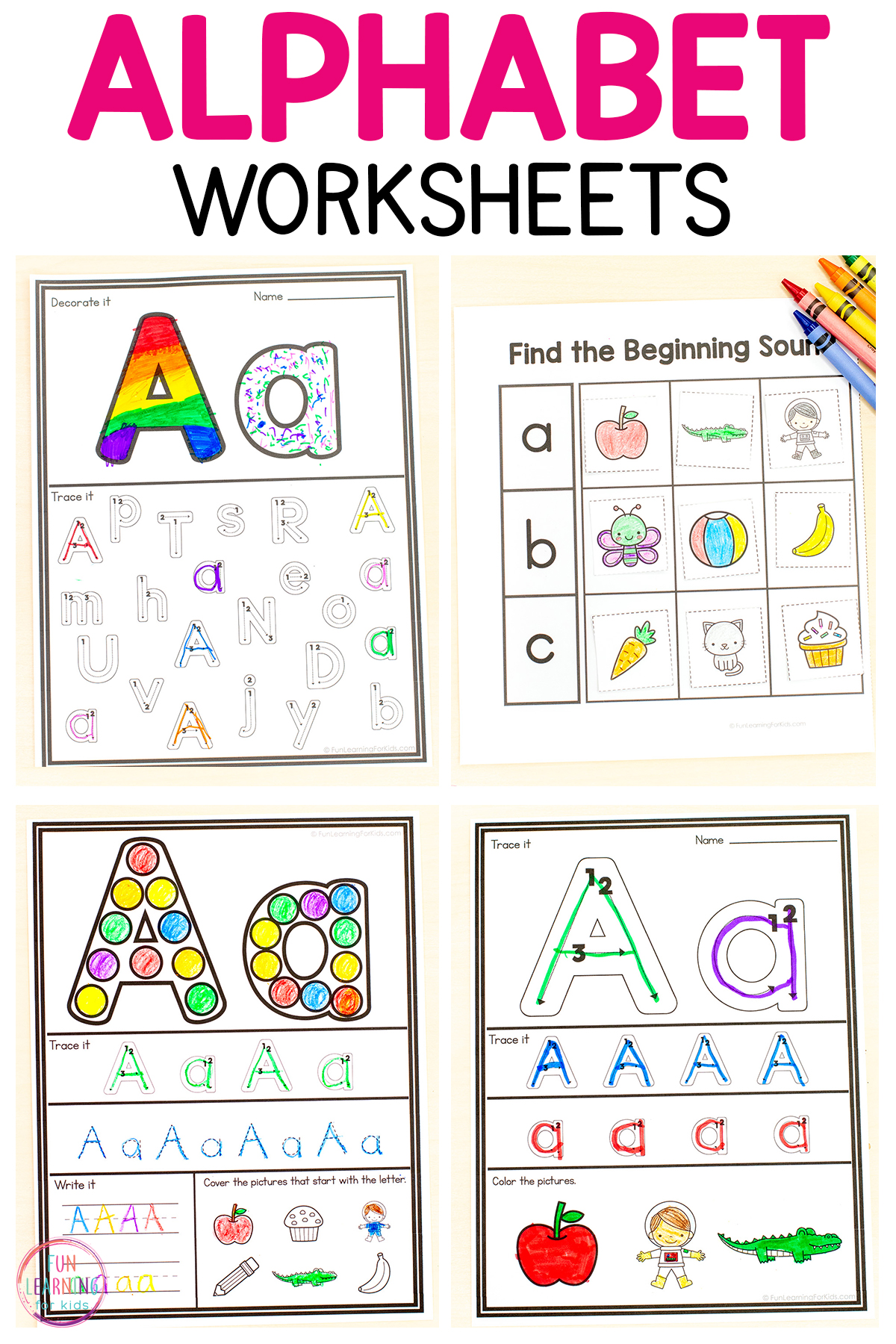
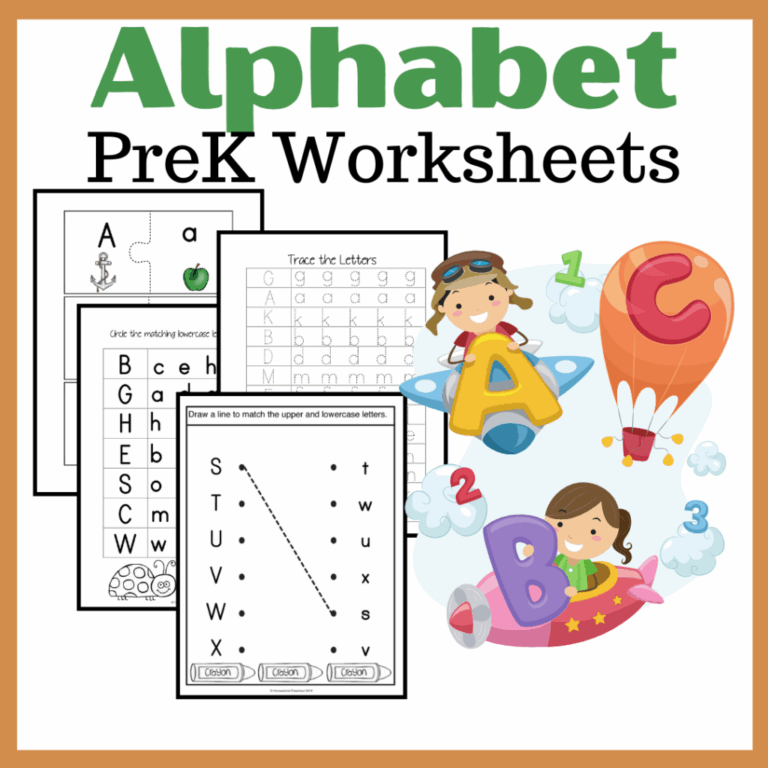
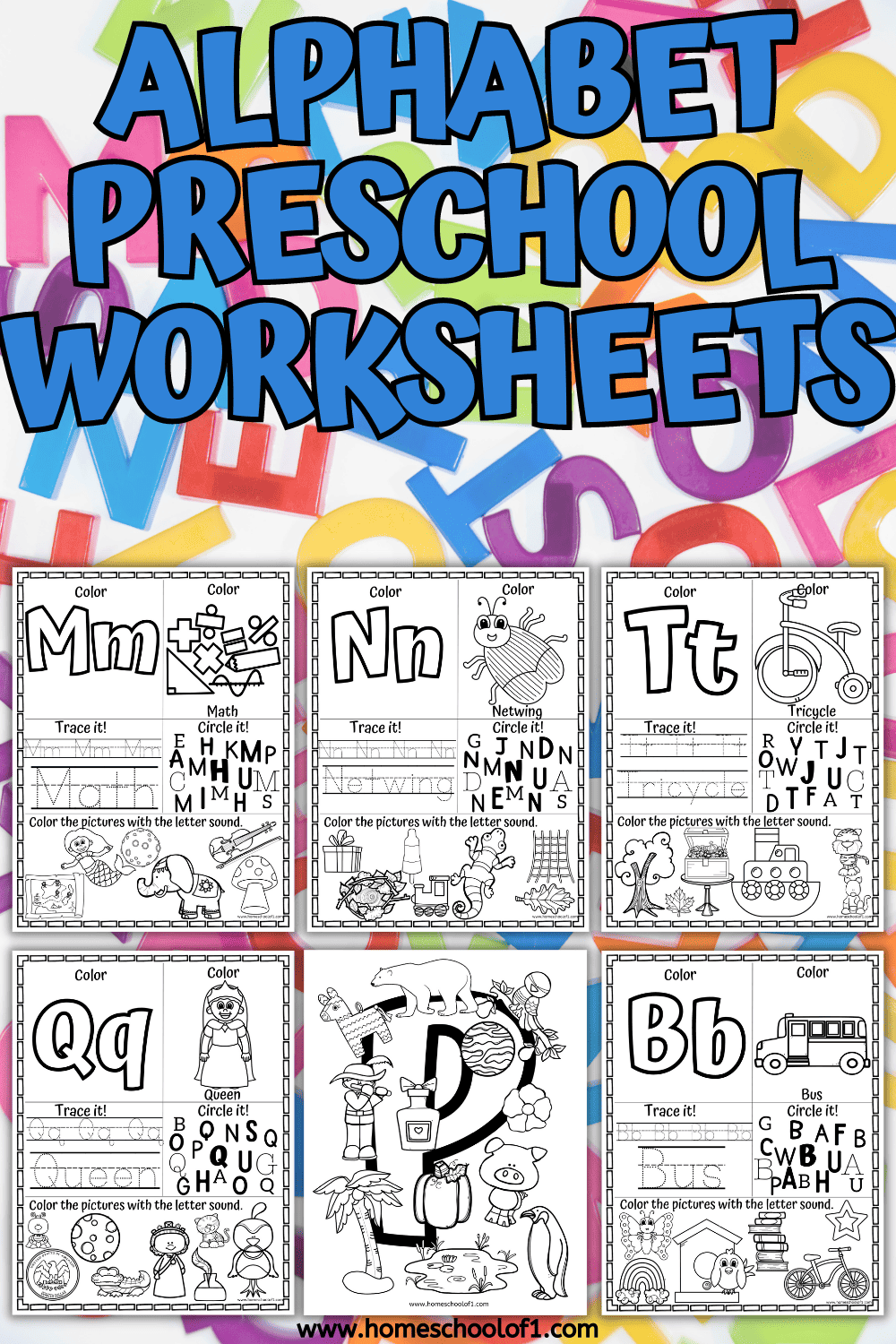
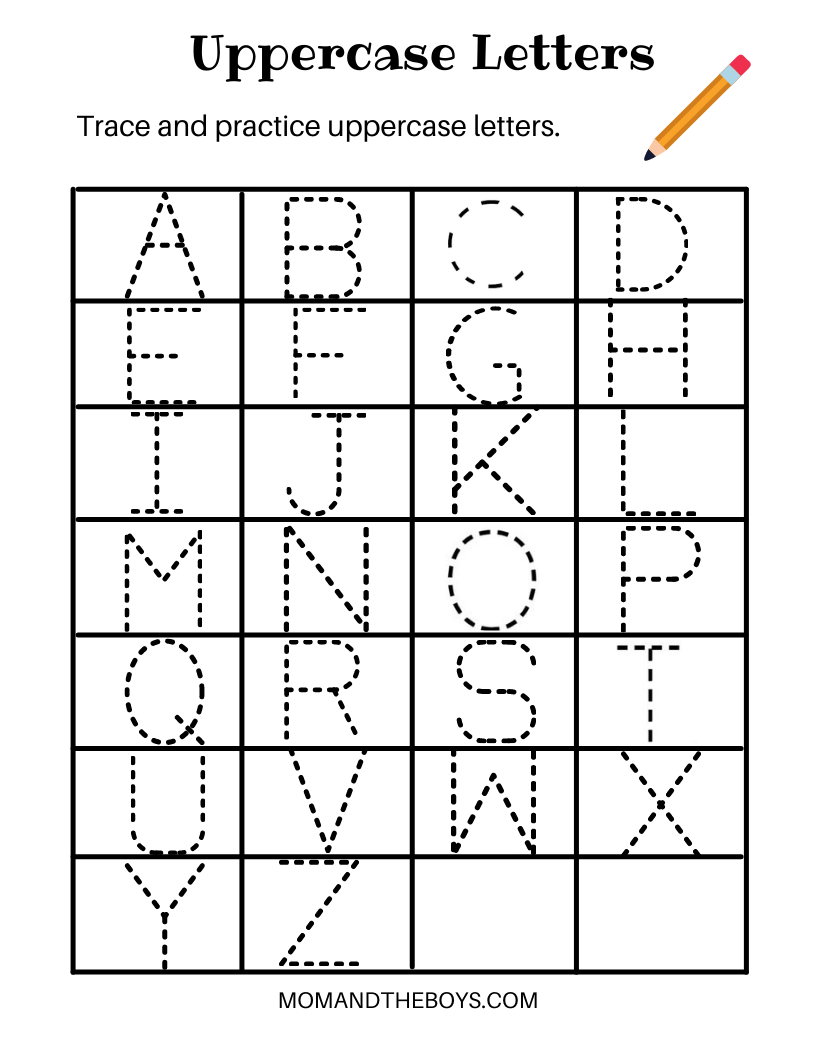
- Alphabet Worksheets: Great for teaching letter recognition, sound association, and early writing skills.
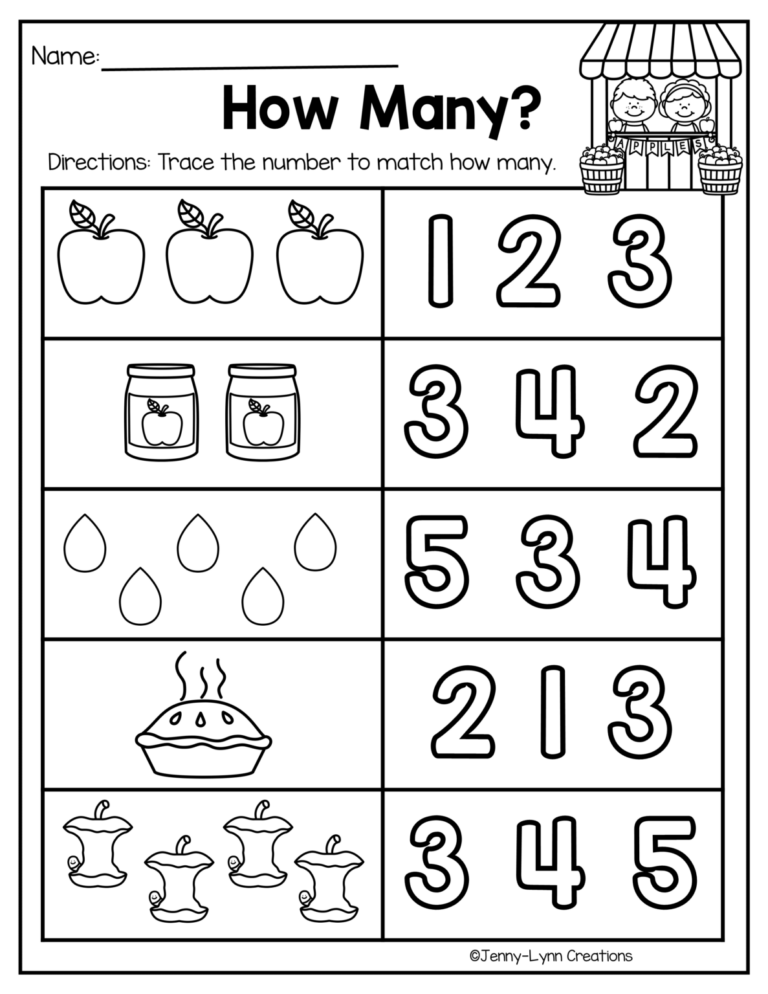
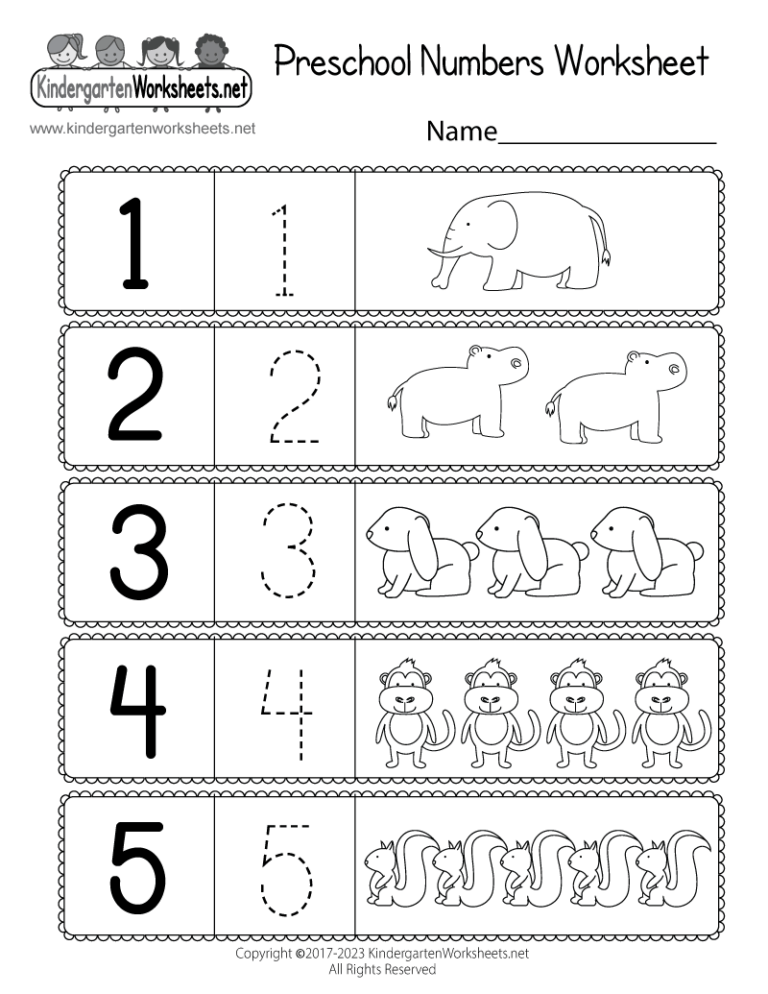
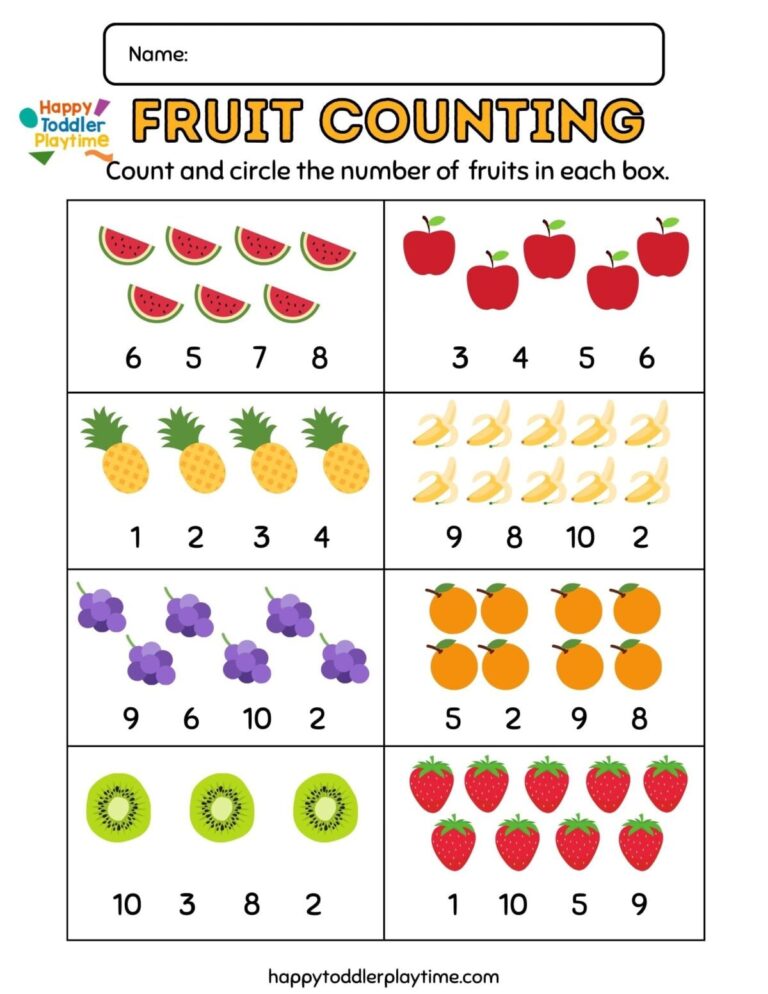
- Number Worksheets: These often include counting exercises, number tracing, and simple math problems suitable for preschoolers.
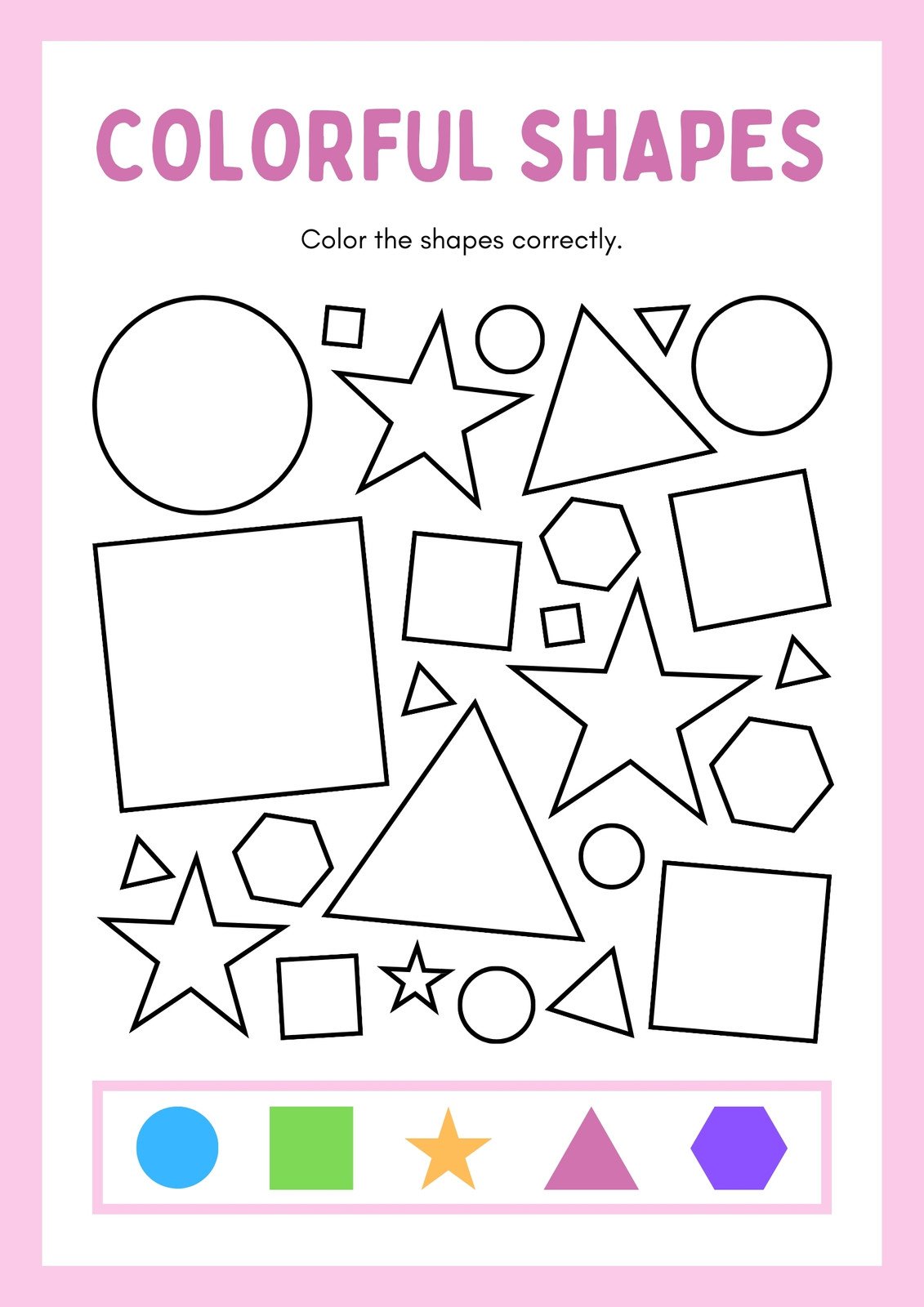
- Shapes and Colors: Worksheets that introduce shapes and colors can be fun and engaging, often featuring colorful illustrations.
- Science and Nature: Simple worksheets that explore animals, plants, and the environment can spark curiosity and promote learning.
Each type of worksheet serves a different purpose, so consider your child’s interests and needs when selecting which ones to use.
How to Download and Print Worksheets
Downloading and printing your chosen worksheets is a straightforward process, but a few tips can help ensure you get the best results:
- Check File Formats: Most worksheets are available as PDFs, which are ideal for printing. PDFs maintain their formatting, ensuring everything appears as intended when you print.
- Select Your Printer Settings: Opt for portrait orientation for most worksheets unless specified otherwise. If your printer has a ‘fit to page’ option, use it to ensure the worksheets fill the page without cutting off any content.
- Choose the Right Paper: Standard printer paper is sufficient, but using heavier cardstock can make the worksheets more durable, especially if you plan to use them multiple times or laminate them for reuse.
- Color or Black and White: Decide based on the worksheet type. Colorful worksheets can be more engaging for children, but black and white versions are often easier to print and can be colored later.
By following these steps, you can make the most of your printable resources.
Incorporating Worksheets Into Your Child’s Routine
Creating a structured routine around using free learning worksheets for preschoolers can significantly enhance their effectiveness. Here’s how you can do it:
- Set Aside Time: Dedicate a specific time each day or week for worksheet activities. This helps establish a routine and makes it a special part of your child’s day.
- Mix It Up: Vary the types of worksheets you use to keep things interesting. One day could focus on letters, while another could be all about numbers or shapes.
- Involve Play: Incorporate games or hands-on activities alongside the worksheets. For example, if your child is working on a counting worksheet, use small toys to practice counting in a playful way.
- Track Progress: Keep a folder or binder where you store completed worksheets. This not only allows your child to see their progress but also gives you insight into areas where they may need more support.
By weaving these worksheets into your child’s daily routine, you can foster a love for learning while tracking their development.
Common Mistakes to Avoid
When using free learning worksheets for preschoolers, it’s easy to make a few common mistakes that can hinder learning:
- Overloading with Worksheets: Offering too many worksheets at once can overwhelm young children. Stick to one or two at a time and focus on quality over quantity.
- Skipping Instructions: Ensure your child understands the instructions before starting. Take the time to explain what they need to do and encourage questions.
- Neglecting Feedback: Always provide positive reinforcement and constructive feedback. Celebrate their achievements, no matter how small, to keep them motivated.
- Ignoring Individual Needs: Every child learns differently. Pay attention to your child’s interests and adapt the worksheets according to their needs.
Avoiding these pitfalls will help create a positive and effective learning experience.
Additional Resources for Parents
Beyond worksheets, there are several other resources you can explore to support your preschooler’s learning:
- Online Educational Games: Many websites offer interactive games that align with preschool learning objectives, making education fun and engaging.
- Storybooks and Audiobooks: Reading is fundamental at this age. Incorporating storytime can enhance vocabulary and comprehension skills.
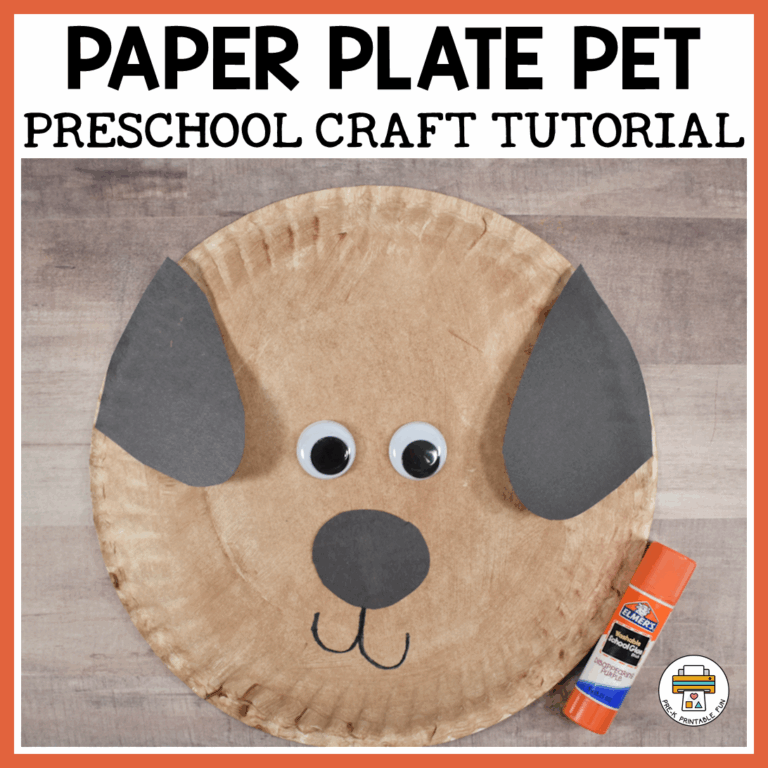
- Craft and Activity Ideas: Consider integrating hands-on activities that relate to the topics covered in the worksheets. This could be anything from simple crafts to outdoor exploration.
- Parent-Teacher Resources: Websites often provide guides for parents on how to support their child’s learning at home, which can be invaluable.
Utilizing a mix of resources will help reinforce learning and keep your child engaged.
Free Learning Worksheets For Preschoolers Gallery